
The 2025 toyota tundra problems are worth paying attention to if you're in the market for a full-size truck. Toyota built a reputation on bulletproof reliability, but the switch to a twin-turbo V6 has introduced some new issues.
As of early 2026, the National Highway Traffic Safety Administration has logged over 200 powertrain-related complaints for the current-generation Tundra. Several recalls have already been issued. So what's actually going wrong, and should you be worried?
Let's break it down.
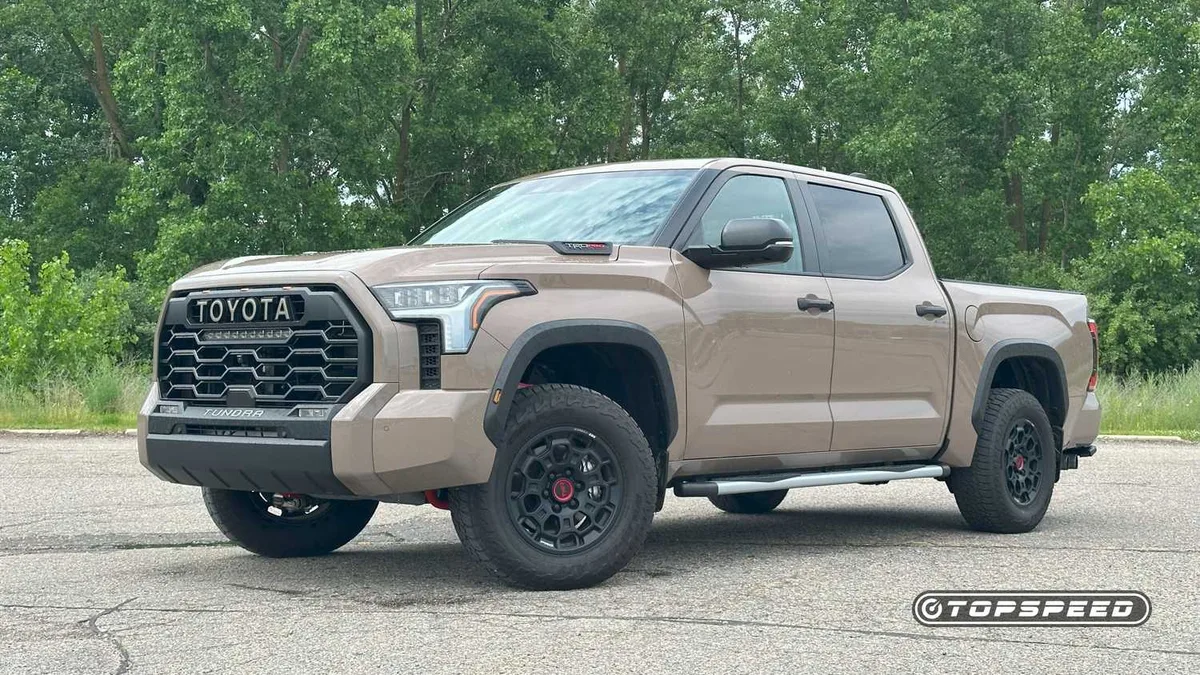
Image source: Bing (Web (fair-use with source credit))
Quick Answer: Should You Worry About 2025 Tundra Problems?
Yes, the 2025 Tundra has some known issues. The most common involve the turbo engine and transmission. Most problems are not safety-critical.
But they can be expensive to fix. Toyota has addressed some with recalls.
The Core Facts: What We Know About 2025 Tundra Reliability
The 2025 Tundra uses Toyota's new i-Force and i-Force Max powertrains. Both are 3.4-liter twin-turbo V6 engines. The hybrid version adds an electric motor for extra power and efficiency.
This is a big change from the old 5.7-liter V8. That engine was known for longevity but poor fuel economy. The new V6 is more complex and has more parts that can fail.
Aggregate owner reviews and NHTSA data show a pattern of issues. Turbocharger problems, transmission hesitation, and infotainment glitches top the list. Toyota has released several technical service bulletins (TSBs) to address these.
Some owners have also reported problems with the rear view camera system. We've covered those in our guide to troubleshooting Toyota camera problems. The camera issue is less common than the powertrain concerns but still worth noting.
Overall, the 2025 Tundra is not as reliable as the old model. But it's not a disaster either. Most problems are fixable under warranty.
Most Common Problems Reported by Owners
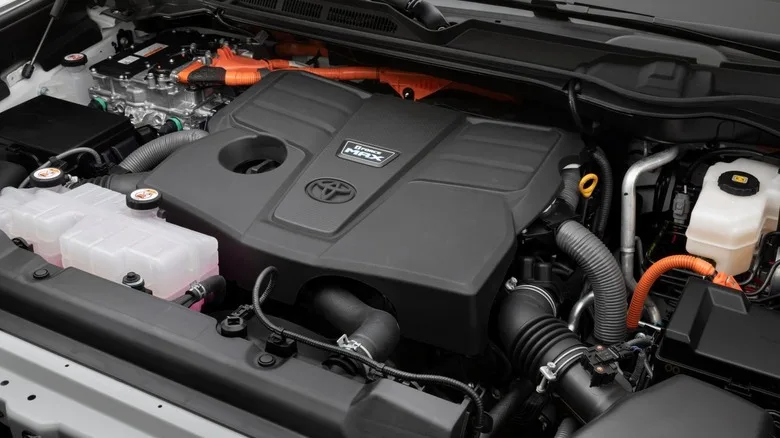
Image source: Bing (Web (fair-use with source credit))
Turbocharger and Engine Issues
The most serious complaints involve the turbo system. Owners report wastegate actuator failure, which causes a loss of power. Some also hear a rattling noise on cold starts.
Engine knocking or pinging has been reported under load. This is more common when towing or climbing grades. Toyota has issued TSBs for software updates to reduce knock.
The hybrid system has its own concerns. Some owners report a rough transition between electric and gas power. Others have seen warning lights for the hybrid battery cooling system.
Transmission Hesitation and Shifting
The 10-speed automatic transmission is another pain point. Many owners report hesitation when accelerating from a stop. The transmission sometimes hunts for gears at low speeds.
Some drivers experience a hard shift between first and second gear. This is most noticeable in stop-and-go traffic. Toyota has released software updates to improve shift quality.
Infotainment System Glitches
The 14-inch touchscreen is impressive but not perfect. Owners report lag when switching between screens. The system sometimes freezes and requires a reboot.
Wireless Apple CarPlay and Android Auto can be unreliable. Some users report connection drops or audio sync issues. Toyota has released several over-the-air updates to fix these problems.
Paint and Build Quality Complaints
Paint quality is a common complaint on the 2025 Tundra. Owners report thin paint that chips easily. This is especially noticeable on the front bumper and hood.
Some trucks show peeling clear coat within the first year. Interior fit and finish are generally good. But a few owners report loose trim panels or rattles from the dashboard.
Risk Factors: Which Models and Conditions Are Most Affected
Not every 2025 Tundra has problems. Some owners have had zero issues. But certain factors increase your risk.
The hybrid i-Force Max model has more complaints than the base engine. The added complexity of the hybrid system means more potential failure points. Early production trucks built before mid-2024 seem to have more issues.
Cold weather is a risk factor for turbo problems. Hard starts and rattling are more common in freezing temperatures. Towing heavy loads also stresses the engine and transmission.
Trucks built at Toyota's San Antonio plant have a slightly higher complaint rate. But the difference is small. Most issues are not plant-specific.
If you're buying a used 2025 Tundra, check the build date. Later production models have more fixes applied. Avoid early build trucks if possible.
How to Check for Recalls and Technical Service Bulletins
Before buying a 2025 Tundra, check for open recalls. The easiest way is to use the NHTSA recall lookup tool. You'll need the truck's 17-character VIN.
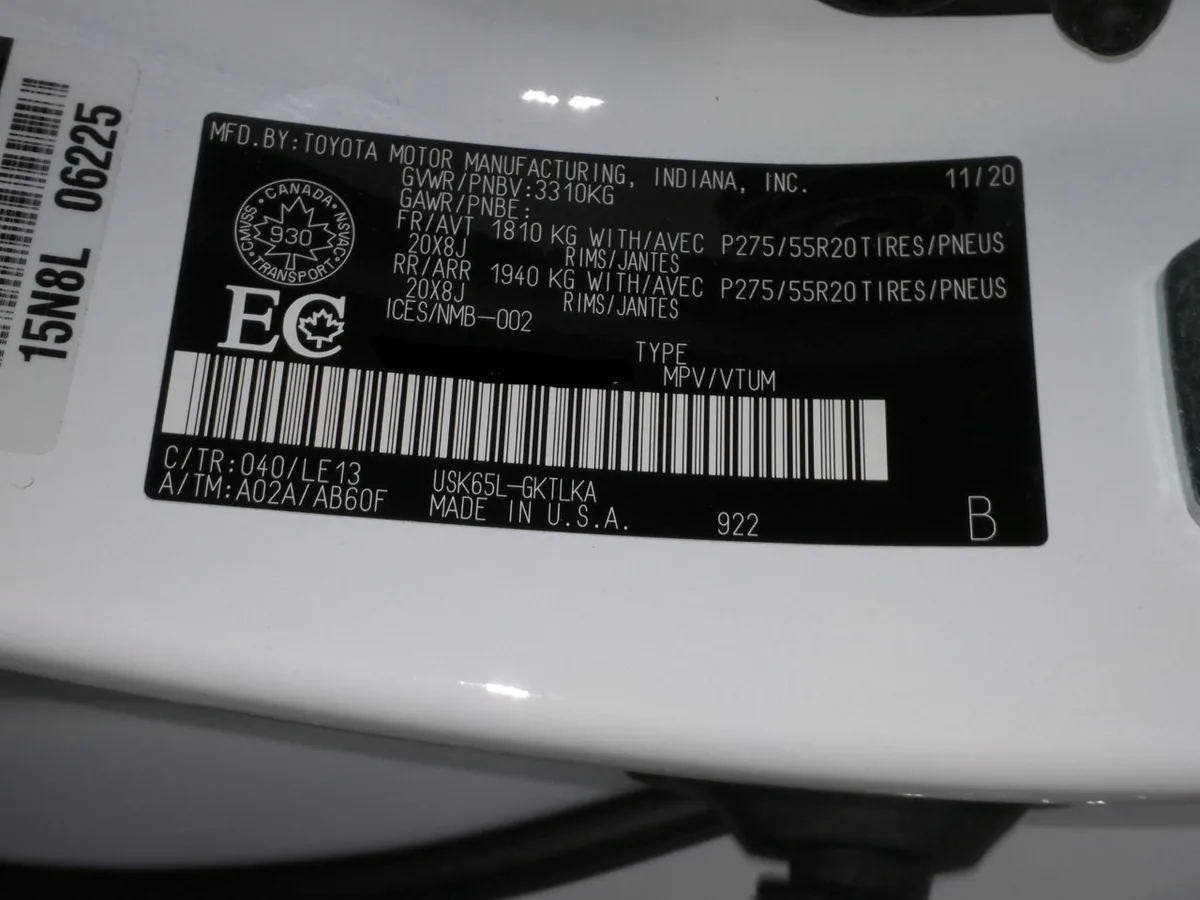
Image source: Bing (Web (fair-use with source credit))
You can find the VIN on the driver's side door jamb. It's also on the dashboard near the windshield. Enter the VIN on the NHTSA website to see any open recalls.
Toyota also issues TSBs for common problems. TSBs are not safety recalls. They are fixes for known issues that Toyota will cover under warranty.
You can search for TSBs on the NHTSA website or Toyota's owner portal. Some TSBs apply to the 2025 model year. Common ones include transmission software updates and turbocharger repairs.
If you own a 2025 Tundra, check for recalls every few months. New recalls can be issued at any time. Staying on top of them can save you money and headaches.
Safe Practices: What to Look for When Buying or Owning
If you're shopping for a 2025 Tundra, a few precautions can save you trouble. Start with a thorough test drive. Pay close attention to how the transmission behaves from a stop.
Listen for rattling or knocking during a cold start. Let the engine idle for a minute before driving. If you hear unusual noises, note them.
Check the infotainment system. Switch between screens quickly. Test wireless CarPlay or Android Auto.
If it lags or freezes, that's a known issue.
Look at the paint carefully. Check the front bumper, hood edges, and roof panels. Thin paint and chipping are common.
Walk away from a truck with visible peeling.
Ask for the service history. See if any TSBs or recalls have been addressed. A truck that has already received software updates is a safer bet.
For current owners, stay proactive. Follow the maintenance schedule strictly. The twin-turbo engine needs clean oil more than the old V8 did.
Use the recommended synthetic oil and change it on time.
When to Seek Professional Help (Warranty, Lemon Law, NHTSA)
Some problems need more than a forum fix. If your Tundra has a recurring issue that the dealer can't solve, escalate it.
Start with your Toyota dealer. Open a warranty claim for any covered repair. The 2025 Tundra has a 3-year or 36,000-mile bumper-to-bumper warranty.
The powertrain is covered for 5 years or 60,000 miles. Hybrid components get 10 years or 150,000 miles.
If the dealer can't fix the problem after several attempts, consider lemon law protection. Every state has different rules. Generally, you need at least three repair attempts for the same issue.
Or the truck must be out of service for 30 days or more.
Document everything. Keep all repair orders, invoices, and communication records. These are essential for a lemon law claim.
You can also file a complaint with the NHTSA. This triggers a safety investigation if enough people report the same problem. The NHTSA website makes it easy to submit a report online.
If you're having trouble with the camera system, we've covered that in our guide to troubleshooting Toyota camera issues. The repair is usually straightforward under warranty.
How the 2025 Tundra Compares to Rivals and Older Generations
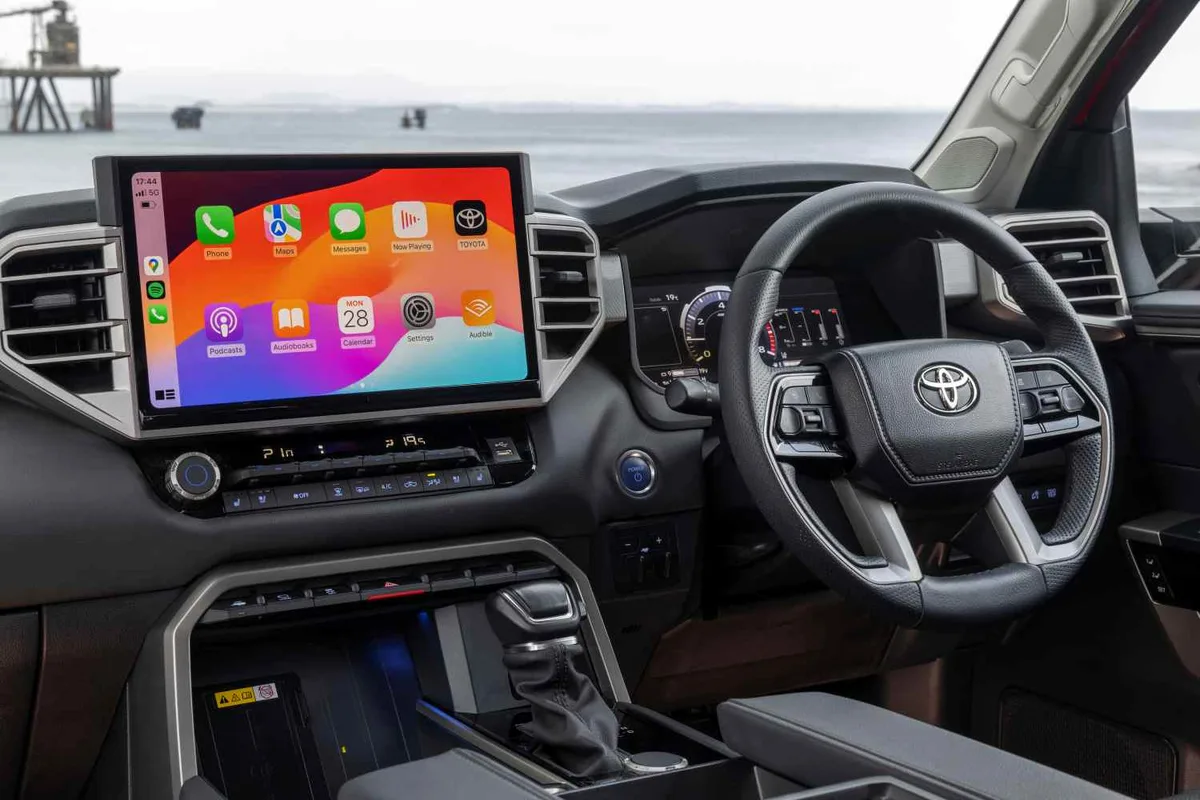
Image source: Web (Bing) / uteguide.com.au (Web image (fair-use with source credit))
The 2025 Tundra sits in a competitive segment. How does it stack up against the Ford F-150, Ram 1500, and Chevy Silverado 1500?
The F-150 offers more engine choices. Ford's hybrid system is more refined. The PowerBoost hybrid has fewer reported issues than Toyota's i-Force Max.
But the F-150 has its own recall history.
The Ram 1500 with the eTorque V6 is smoother. The air suspension provides a better ride. But Ram's reliability scores are lower overall than Toyota's historical average.
The Silverado 1500 is more conservative. Its naturally aspirated V8 is simpler and proven. But it lacks the Tundra's towing capacity and fuel economy.
Compared to the old Tundra with the 5.7-liter V8, the new model is more powerful and efficient. The old V8 was bulletproof. The new V6 is faster but less proven.
Long-term reliability is still unknown.
The interior is a clear upgrade. The 14-inch screen and digital cluster are modern. The old model felt dated inside.
The new one competes well with rivals.
Expert Tips for Maintaining the Twin-Turbo V6 and Hybrid
The twin-turbo engine needs more attention than a naturally aspirated V8. Follow these tips to keep it running well.
Change the oil every 5,000 miles, not the recommended 10,000. Turbo engines run hotter. Clean oil reduces wear on the turbo bearings and wastegate.
Let the engine idle for 30 seconds before driving. This lets oil circulate to the turbos. After hard driving, let it idle for a minute before shutting off.
This prevents oil coking in the turbo.
Use premium fuel when towing. The engine can knock on regular gas under load. Premium fuel reduces knock and keeps the engine cleaner.
For the hybrid model, keep the battery cooling vents clean. They are located behind the rear seats. Blocked vents cause the hybrid system to overheat.
Check the coolant level regularly. The intercooler system on the turbo engine is separate from the main cooling system. Low intercooler coolant can cause power loss.
Update the infotainment software when new versions are available. Toyota releases updates over Wi-Fi or at the dealer. These fixes address lag and connectivity issues.
Frequently Asked Questions
Is the 2025 Toyota Tundra reliable?
The 2025 Tundra has more reported issues than the previous generation. The twin-turbo V6 and transmission have the most complaints. Most problems are fixable under warranty.
Long-term reliability is still unproven.
What are the most common problems with the 2025 Tundra?
The most common problems are turbocharger wastegate failure, transmission hesitation, infotainment glitches, and thin paint. The hybrid system also has some transition roughness. Toyota has issued TSBs for most of these issues.
Does the 2025 Tundra have recalls?
Yes, the 2025 Tundra has several recalls. These include fuel pump issues, software problems, and turbocharger components. Check the NHTSA website for the latest recalls.
Use your VIN to see if your truck is affected.
Should I buy a 2025 Tundra or wait for a later model year?
Waiting for a later model year is safer. Toyota typically fixes known issues in subsequent years. The 2025 model is still early in the generation.
Later trucks will have more factory improvements.
How long does the 2025 Tundra hybrid battery last?
Toyota covers the hybrid battery for 10 years or 150,000 miles. Real-world data is limited because the model is new. Toyota's hybrid systems have a good track record.
Expect the battery to last well beyond the warranty period.
Can I fix 2025 Tundra problems myself?
Some problems like infotainment updates are simple. Turbo and transmission issues need a dealer. DIY repairs on the twin-turbo engine are complex.
Warranty work is free, so let the dealer handle it.
Final Verdict: Is the 2025 Tundra Still a Good Buy?
The 2025 Toyota Tundra is a capable truck with a modern powertrain. It offers strong towing, a comfortable ride, and a nice interior. The twin-turbo V6 is powerful and efficient.
But it has more problems than the old model. The turbo and transmission issues are real. Not every truck has them, but enough do to give pause.
For most buyers, the 2025 Tundra is a good buy if you get a later production model. Check for open recalls. Make sure the dealer addresses any TSBs.
Buy the extended warranty for peace of mind.
If you need maximum reliability, consider the old V8 Tundra or a naturally aspirated rival. If you want the latest tech and towing capacity, the 2025 Tundra delivers. Just go in with your eyes open.