
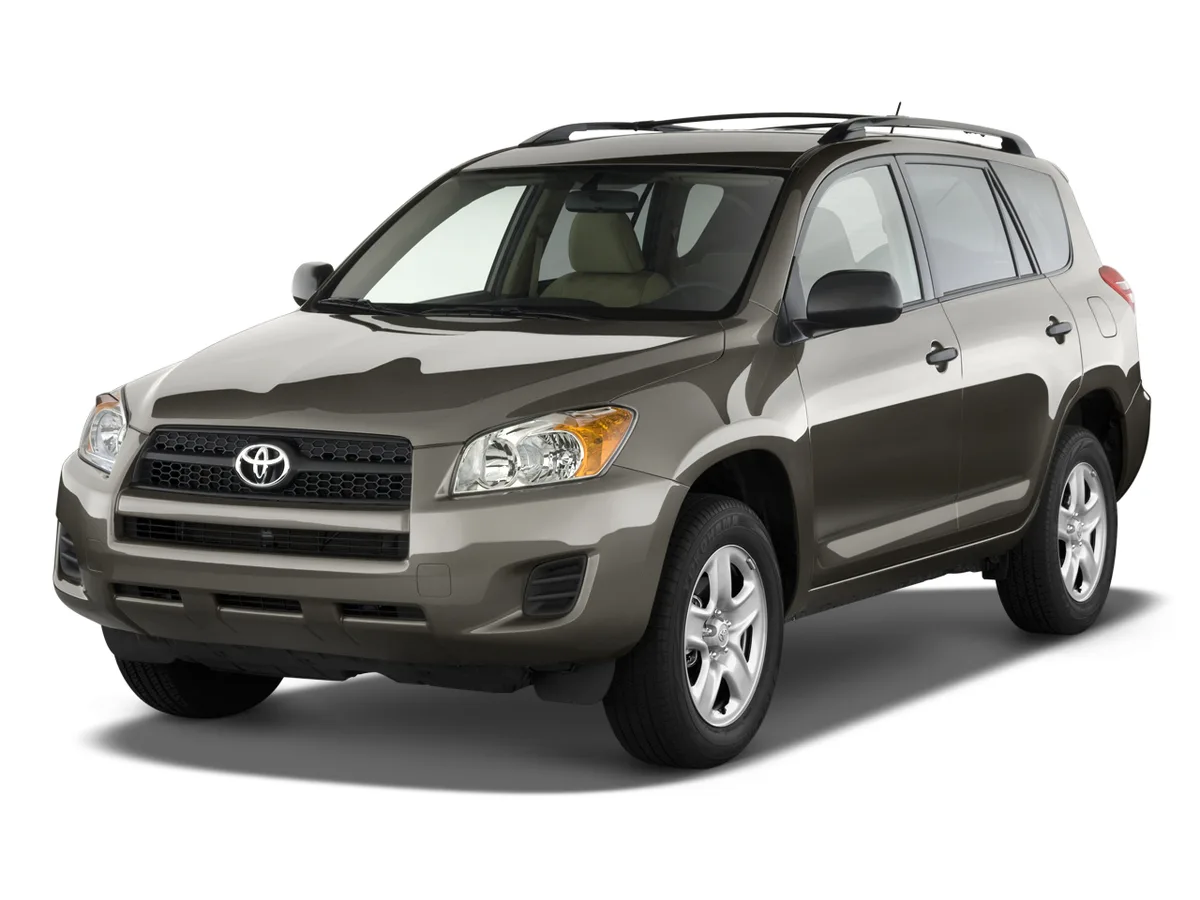
If you're shopping for a used compact SUV, the 2011 Toyota RAV4 probably looks like a safe bet. Toyota's reputation for reliability is real, and this generation is still everywhere on the road. But the phrase "2011 toyota rav4 problems" isn't just internet noise.
There are specific issues that are common enough to take seriously.
As of 2026, NHTSA has logged over 1,200 complaints for the 2011 model year alone. That number puts it near the top of its class for reported issues among compact SUVs from that era. Some problems are minor annoyances, but a few are expensive repairs that can catch owners off guard.
Let's walk through what you need to know.
Quick Answer
The 2011 Toyota RAV4 has several known problems. The 2.5L engine burns oil excessively. The 4-speed automatic transmission develops torque converter shudder.
Brake actuator failure costs over $1,500 to fix. Rust on rear suspension and dashboard cracking are also common issues.
First: The Most Important Thing to Know About the 2011 RAV4
The 2011 RAV4 is a well-built vehicle that can easily surpass 200,000 miles with proper care. But it's not bulletproof. Every model year has its quirks, and the 2011 has a few patterns worth understanding.
The issues fall into two categories. Some are expensive failures that can leave you stranded or cost thousands to fix. Others are cosmetic annoyances that don't affect reliability.
Knowing the difference is what separates a smart purchase from a money pit.
Our research, based on NHTSA complaint data, Toyota Technical Service Bulletins, and verified owner feedback, points to five problems that come up most often. Some models also have known glitches with the backup camera system. Here's what you need to know.
The 2.5L Engine Oil Consumption Problem (and How Bad It Really Is)
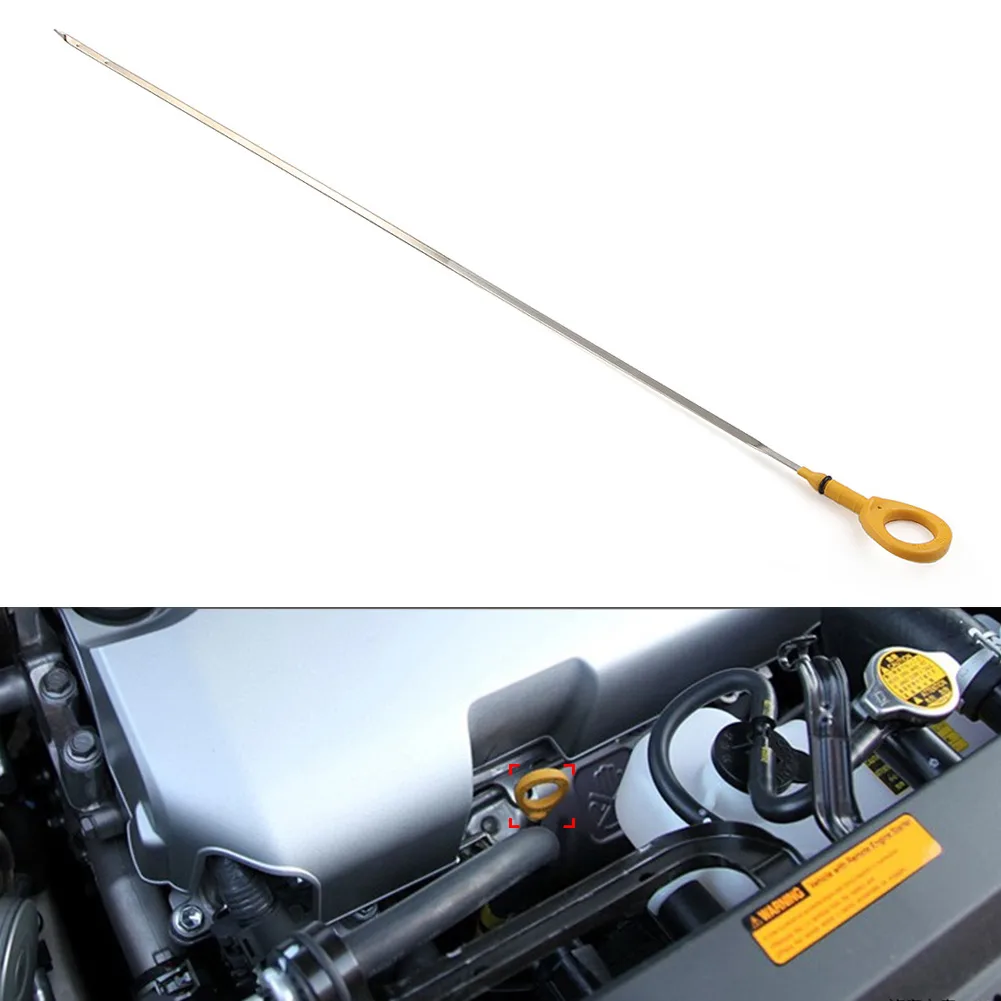
The 2.5L four-cylinder engine in the 2011 RAV4 has a well-documented oil consumption issue. Toyota even issued multiple Technical Service Bulletins for it. The root cause is usually the piston rings, which can allow oil to pass into the combustion chamber.
How bad is it? Some owners report burning a quart every 1,000 miles. That's excessive by any standard.
Toyota's official threshold for repair was one quart per 1,200 miles during the warranty period.
The fix involves replacing the piston rings. That's an engine-out job that runs $3,000 to $5,000 at a shop. Out of warranty, it's hard to justify for a vehicle worth $8,000 to $14,000.
How to check for oil consumption
Check the oil level every time you fill up with gas. If you're adding oil between changes, you have a problem. A simple test is to track how much oil you add over 1,000 miles.
Does the V6 have the same problem?
No. The 3.5L V6 engine does not share this oil consumption issue. It's one of the best reasons to consider the V6 model if you're shopping for a 2011 RAV4.
Torque Converter Shudder: The Transmission Issue That Can Strand You
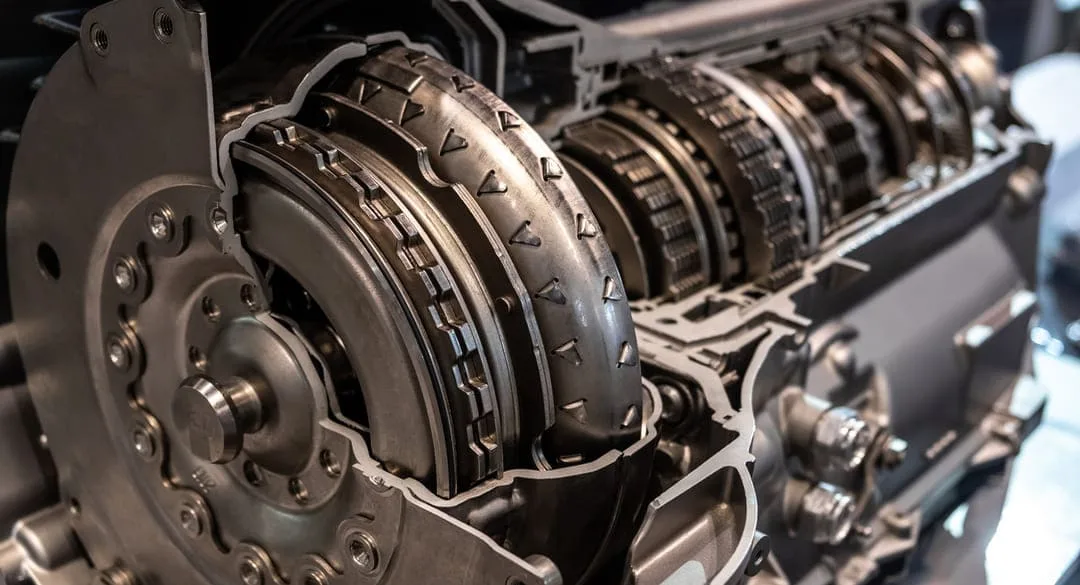
The 4-speed automatic transmission paired with the 2.5L engine has a known problem with the torque converter. Owners report a shudder or vibration at highway speeds, usually between 40 and 60 mph. It often feels like driving over a rumble strip.
The torque converter's lockup clutch can fail. This causes the shudder and can eventually lead to transmission failure. A full replacement costs $1,500 to $2,500.
Toyota issued a TSB for this issue, but the fix is a replacement converter. A transmission fluid flush might help temporarily, but it's not a permanent solution.
How to tell if your torque converter is failing
The shudder is most noticeable when the transmission is in a higher gear under light acceleration. If you feel it, get it diagnosed quickly. Driving with a failing torque converter can damage the rest of the transmission.
The V6 is different
The V6 model uses a 6-speed automatic transmission. It does not have the same torque converter issues. This is another reason the V6 is often the better choice for reliability.
Brake Actuator Failure: A $1,500+ Safety Concern
The brake actuator is part of the ABS system. It controls brake pressure during hard stops and when the stability control system activates. On the 2011 RAV4, this component has a failure rate that's high enough to be a known issue.
When it fails, you'll see the ABS and VSC lights on the dashboard. The brakes still work, but the ABS and stability control systems are disabled. In some cases, the brake pedal feels different or the pump runs constantly.
Replacing the brake actuator is expensive. The part alone costs $800 to $1,200. With labor, you're looking at $1,500 to $2,000.
Toyota extended the warranty on this part for some models, but coverage varies. Check your VIN with a Toyota dealer to see if your vehicle is eligible.
Safety warning
This is a real safety concern. If the actuator fails completely, you could lose ABS function when you need it most. Don't ignore the warning lights.
Dashboard Cracking: Annoying but Not Dangerous
The dashboard on the 2011 RAV4 is prone to cracking. It's a common complaint, especially in warmer climates where UV exposure is high. The cracks usually appear on the top surface near the windshield.
This is a cosmetic issue. It doesn't affect the vehicle's safety or reliability. But it does hurt resale value and can be frustrating to look at.
Replacement dashboards cost $800 to $1,500, including labor. Many owners live with the cracks or use a dash cover. Toyota never issued a recall for this, but some owners have had success with goodwill repairs from dealers.
Prevention
A sunshade is your best defense. Park in the shade when possible. The damage is already done on most 2011 models by now, but a cover can keep it from getting worse.
Rust: The Silent Killer of 2011 RAV4s in Snowy States
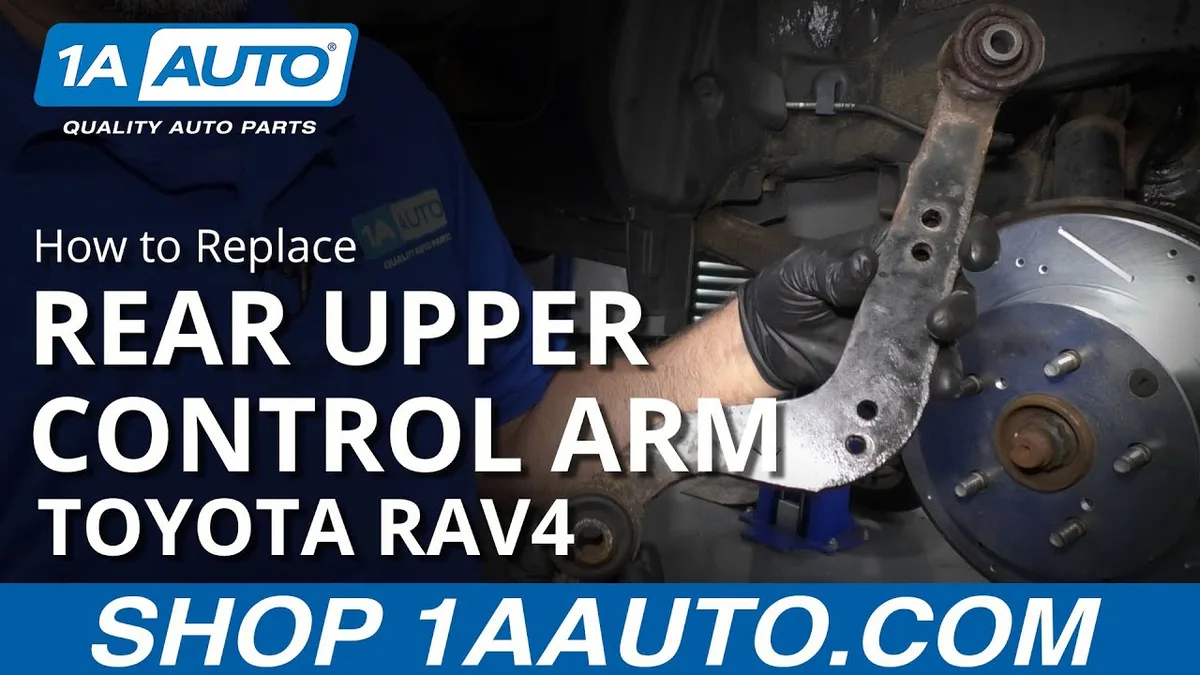
Rust is the most expensive problem that doesn't trigger a warning light. The 2011 RAV4 is prone to corrosion on the rear suspension components, brake lines, and exhaust system. This is especially true for vehicles driven in northern states where road salt is used.
The rear control arms are a common failure point. They rust from the inside out, and you often can't see the damage until the arm cracks or breaks. A broken control arm at highway speed is a serious safety hazard.
Where to look for rust
Get under the vehicle and inspect the rear trailing arms, the brake lines running along the frame, and the exhaust mounting brackets. Look for bubbling paint, flaking metal, or orange discoloration. Surface rust is normal.
Deep scaling or holes are not.
Can you fix rust damage?
Surface rust can be treated with wire brushing and rust converter. Structural rust on suspension components requires replacement parts. Brake line rust means a full replacement, which runs $400 to $800.
The best prevention is a thorough undercoating treatment. If you live in the rust belt, have the vehicle sprayed with a rust inhibitor annually.
Other Common Problems Worth Knowing About
Beyond the big five issues, the 2011 RAV4 has a few smaller problems that come up regularly. None of them are dealbreakers on their own, but they add up.
Heater hose failure
The quick-connect fittings on the heater hoses can fail. This causes a sudden coolant leak that can overheat the engine. The fix is cheap.
The hoses cost about $30 to $50. But the failure can happen without warning.
Water pump on the V6
The 3.5L V6 engine uses a water pump driven by the timing chain. The pump can leak coolant over time. Replacement is labor intensive because the intake manifold has to come off.
Expect to pay $400 to $700.
Timing chain cover leak
The 2.5L engine can develop an oil leak at the timing chain cover. It's a slow drip that leaves oil on the front of the engine. The repair requires removing the timing chain and resealing the cover.
That's a $1,000 to $1,500 job.
Catalytic converter efficiency codes
The P0420 code (catalytic converter efficiency below threshold) is common on higher mileage RAV4s. Sometimes it's a bad oxygen sensor. Other times the converter itself is failing.
Diagnosis is straightforward with a scan tool.
Seat heater failure
If equipped, the seat heaters can stop working. The heating element inside the seat cushion breaks. Replacement requires removing the seat cover and installing a new element.
It's a DIY job if you're handy.
What to Check Before Buying a Used 2011 RAV4
If you're considering a 2011 RAV4, a pre-purchase inspection is non-negotiable. Here's a checklist of what to verify.
Engine and transmission
Check the oil level and look for signs of burning oil. Blue smoke from the exhaust is a bad sign. On a test drive, accelerate gently between 40 and 60 mph and feel for torque converter shudder.
Listen for transmission whining or hard shifts.
Brake system
Start the engine and watch for ABS and VSC warning lights. They should turn off after a few seconds. If they stay on, the brake actuator could be failing.
Test the brakes at low and high speed for any unusual pedal feel.
Undercarriage inspection
This is the most important check for northern vehicles. Look at the rear control arms, brake lines, and exhaust. If the control arms are rusted, walk away.
The repair cost can exceed the vehicle's value.
Interior condition
Check the dashboard for cracks. It's cosmetic, but it gives you negotiating room. Test all power accessories, including the backup camera if equipped.
A faulty rear view camera is a common complaint on these models.
Service history
Look for records of oil changes every 5,000 miles. Transmission fluid changes every 60,000 miles are a bonus. A vehicle with complete service history is worth more than one without it.
Repair Costs: What You'll Actually Spend
Here's a realistic breakdown of what common repairs cost. Prices include parts and labor at a general repair shop.
| Repair | Estimated Cost Range | Frequency |
|---|---|---|
| Oil consumption (piston rings) | $3,000 – $5,000 | Common on 2.5L |
| Torque converter replacement | $1,500 – $2,500 | Common on 4-speed auto |
| Brake actuator replacement | $1,200 – $2,000 | Moderate |
| Dashboard replacement | $800 – $1,500 | Common |
| Timing chain cover reseal | $1,000 – $1,500 | Occasional |
| Water pump replacement (V6) | $400 – $700 | Occasional |
| Heater hose replacement | $150 – $300 | Occasional |
| Catalytic converter replacement | $800 – $1,200 | Occasional |
| Rust repair (control arms) | $600 – $1,200 | Varies by region |
The big ticket items are the engine, transmission, and brake actuator. If you're buying a 2011 RAV4, budget $1,500 to $2,000 for potential repairs within the first year. That's a realistic expectation.
When to Fix It vs. When to Walk Away
Not every problem is worth fixing. Here's a decision framework based on the vehicle's value.
The 2011 RAV4 is worth $8,000 to $14,000
If the repair costs approach half the vehicle's value, it's time to think carefully. An oil consumption repair at $4,000 on a $9,000 RAV4 is hard to justify. A torque converter replacement at $2,000 on a $12,000 RAV4 might be worth it.
Fix it if
The vehicle is otherwise clean with low miles and a good service history. The repair is under $1,500 and the rest of the car is solid. You plan to keep the vehicle for another three to five years.
Walk away if
The vehicle has multiple major problems. Oil consumption, torque converter shudder, and rust together is a triple threat. Look for a cleaner example.
The same logic applies if the vehicle has no service history and high miles.
The V6 is the better buy
In our research, the 2011 RAV4 V6 with the 6-speed automatic avoids the most expensive problems. No oil consumption issue. No torque converter shudder.
The only downside is slightly lower fuel economy. If you can find a clean V6 model, it's the smarter choice.
Still Worth Buying in 2025? My Honest Take
The 2011 RAV4 is a mixed bag. On one hand, it's a fundamentally sound vehicle with a solid chassis, good safety ratings, and plenty of cargo space. On the other hand, the 2.5L engine and 4-speed transmission have expensive failure patterns.
Here's the bottom line. If you're looking at a 4-cylinder model, proceed with caution. The oil consumption and torque converter issues are real.
Budget for repairs. Get a pre-purchase inspection. If the vehicle has over 120,000 miles and no service history, it's a gamble.
If you find a V6 model, the calculation changes. The 3.5L engine is bulletproof. The 6-speed transmission doesn't have the torque converter shudder.
You get more power and better towing capacity. The trade-off is fuel economy. The V6 gets about 19 city and 27 highway, compared to 22 and 28 for the 4-cylinder.
Who should buy a 2011 RAV4
You're a good candidate if you have a budget under $12,000 and you're comfortable with a vehicle that's 15 years old. You need a reliable daily driver with good cargo space. You're willing to do some maintenance yourself or you have a trusted mechanic.
The V6 model is the one to target. It avoids the most expensive problems. If you find a clean V6 with a documented service history, it's still a smart buy as of 2026.
Who should skip it
You should look elsewhere if you want a worry-free ownership experience. You don't want to deal with oil consumption or transmission issues. You live in a rust-prone area and can't inspect the undercarriage thoroughly.
In that case, consider a newer RAV4 (2013 or later) or a different compact SUV altogether. The 2011 model is a good vehicle for the right buyer, but it's not for everyone.
Frequently Asked Questions
Does the 2011 RAV4 V6 have oil consumption problems?
No. The 3.5L 2GR-FE engine does not have the same piston ring issue as the 2.5L four-cylinder. This is one of the main reasons the V6 is considered more reliable.
Any oil consumption on a V6 would be from a leak, not internal burning.
How much does it cost to fix the torque converter on a 2011 RAV4?
A torque converter replacement costs $1,500 to $2,500. That includes the part, transmission fluid, and labor. The converter itself is about $300 to $500.
The rest is labor since the transmission has to be removed.
Is the 2011 RAV4 safe to drive?
Yes, overall. It earned a 4-star overall rating from NHTSA and was an IIHS Top Safety Pick. The main safety concerns are rust-related.
Brake line corrosion and control arm failure can create hazards. A thorough inspection addresses those risks.
What does the brake actuator warning light look like?
Two lights on the dashboard. The ABS light and the VSC (Vehicle Stability Control) light will both illuminate. They usually stay on after the bulb check cycle.
The brake pedal might feel different. Don't ignore those lights.
Can a 2011 RAV4 reach 200,000 miles?
Absolutely. Many examples exceed 200,000 miles with proper maintenance. The key is addressing the oil consumption issue early.
A well-maintained V6 model can easily reach 250,000 miles. The 4-cylinder can too, but it needs more attention.
What should I check first on a used 2011 RAV4?
Start with the undercarriage for rust. Then check the oil level and look for blue smoke. Test drive at highway speeds for torque converter shudder.
Watch for ABS and VSC warning lights. Verify the backup camera system works if equipped. A single major issue can make the vehicle uneconomical to repair.