
If you own a Toyota Highlander and have noticed rough shifts, a shudder from under the car, or a delay when you put it in gear, you're dealing with one of the most common complaints about this otherwise reliable SUV. Toyota Highlander transmission problems are real, and they tend to cluster around specific model years rather than being a widespread issue across the entire lineup.
Per NHTSA complaint data and aggregate owner reports, the troublesome years fall into three distinct periods: 2001-2003, 2008-2009, and 2014-2016. Each generation has its own failure pattern, and catching the warning signs early can save you thousands. Let's walk through what goes wrong, how to spot it, and what you should do about it.
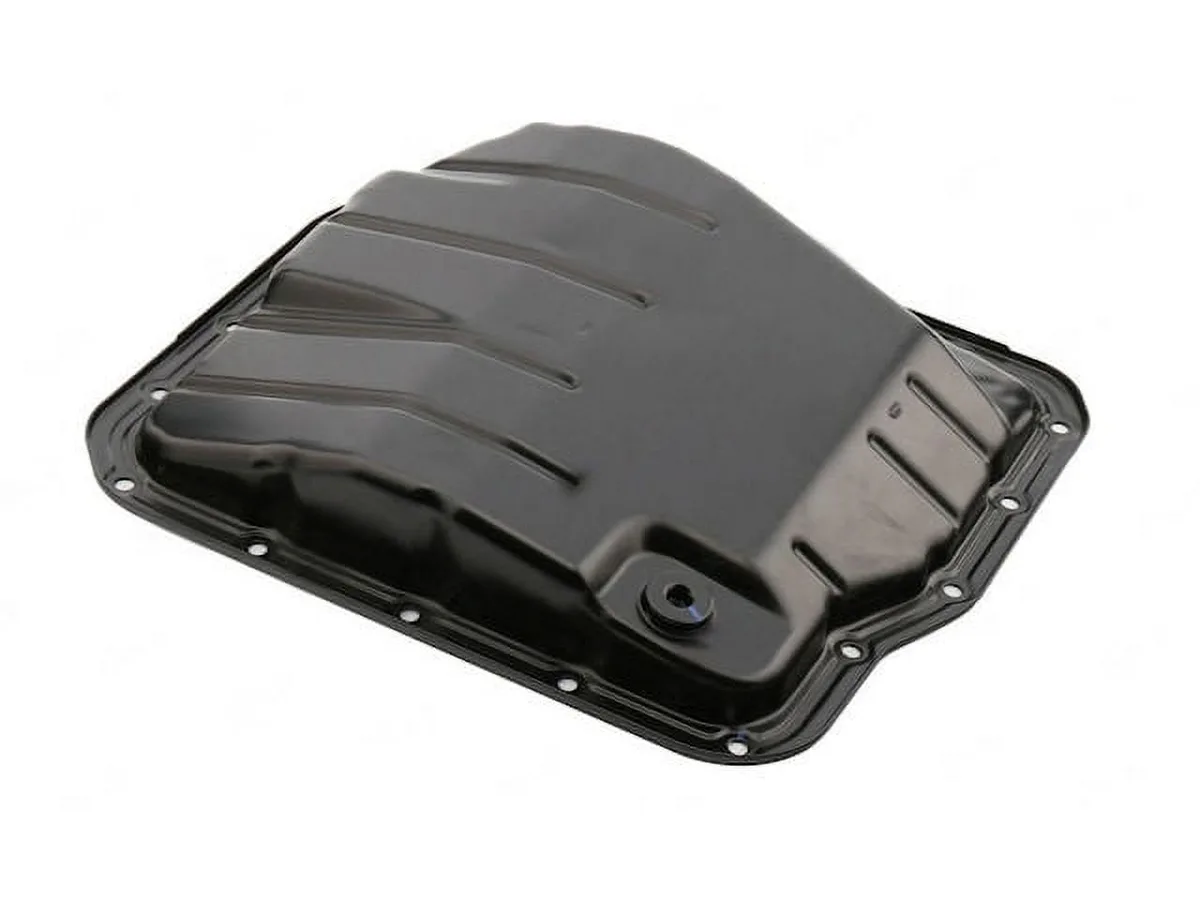
Image source: Web (Bing) / walmart.com (Web image (fair-use with source credit))
Quick Answer
Toyota Highlander transmission problems mainly affect the 2001-2003, 2008-2009, and 2014-2016 model years. Common failures include torque converter shudder, hard shifting, and delayed engagement. Regular fluid changes every 60,000 miles prevent many issues.
A transmission replacement costs between $3,500 and $5,500 at an independent shop.
Why This Matters: The Cost of Getting It Wrong
A Highlander transmission failure isn't just a mechanical headache. It's a financial hit that can total a used car worth $8,000 to $15,000 on the private market. Catch the problem early, and a valve body repair or a torque converter replacement might run $800 to $1,500.
Let it slide, and you're looking at a full rebuild or a swap that costs $3,500 or more.
The risks jump if you tow regularly or drive in hilly terrain. Extra heat tears through automatic transmission fluid fast, and the 8-speed units in the 2014-2016 models are especially heat-sensitive. Knowing the early warning signs is the difference between a manageable repair bill and a stranded vehicle.
Just like with rear view camera problems on certain Toyota models, catching a transmission issue early saves you money and keeps you safe.
The Three Problem Generations: What Actually Goes Wrong
Toyota fitted three different transmissions to the Highlander over its production run. Each generation has its own personality and its own failure points. Here's what to watch for by year range.
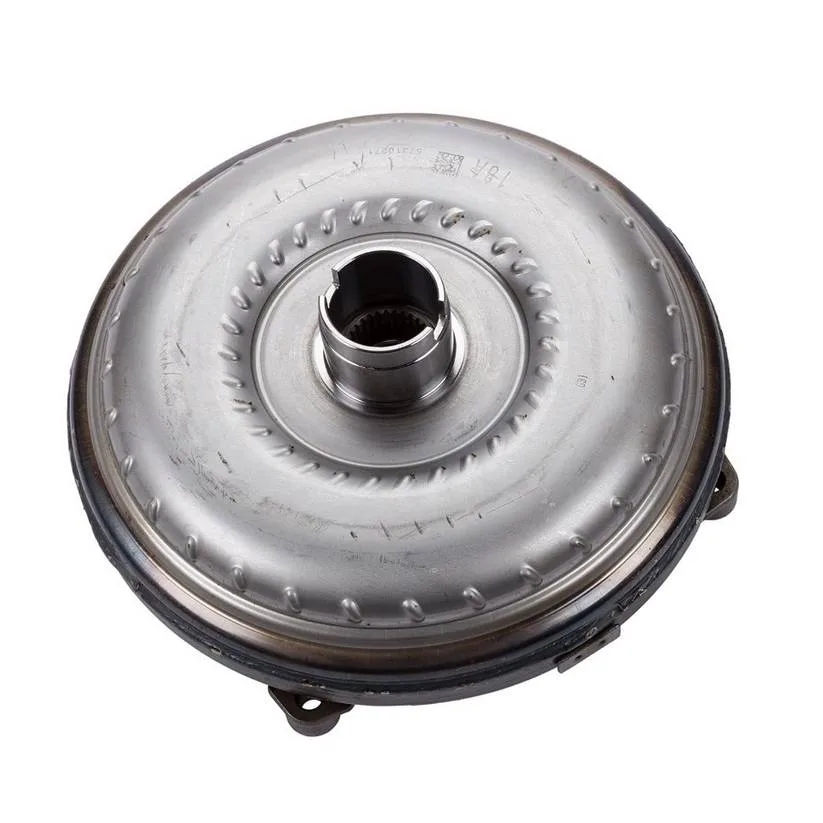
Image source: Web (Bing) / newparts.com (Web image (fair-use with source credit))
2001-2007: Torque Converter Shudder and Stall
The first-gen Highlander used the U151E or U151F 5-speed automatic. The most common complaint is a shudder or vibration at cruising speeds, especially under light throttle. The root cause is the torque converter's lockup clutch wearing out too early.
If you ignore the shudder, it can progress to stall conditions. The transmission may refuse to engage or slam into gear. A rebuilt torque converter plus a full fluid flush usually fixes it.
Plan on spending $1,200 to $1,800 at an independent shop.
2008-2013: Hard Shifting and Delayed Engagement
The second generation came with the U660E and U760E 6-speed automatics. Owners report harsh shifts between 2nd and 3rd gear, plus a delay when shifting from Park to Drive or Reverse.
The culprit is often a worn valve body. The bores inside it wear oval over time, which causes pressure loss. A valve body replacement or rebuild kit runs $400 to $700, plus labor.
Some owners also see improvement from a TCM reprogramming, which Toyota addressed in several Technical Service Bulletins.
2014-2019: Hesitation, Clunking, and TCM Issues
The UA80F and UA80E 8-speed transmissions brought more gears but also more problems. Owners describe a hesitation when pulling away from a stop, followed by a hard clunk as the transmission finally engages.
Torque converter shudder came back in these years too. The 8-speed units also suffer from TCM software glitches that cause erratic shifting. Toyota released multiple software updates.
A dealer reprogramming often smooths things out. For persistent issues, a torque converter replacement plus a TCM update runs $1,500 to $2,500.
2020-Present: Early Reports on the Direct Shift-8AT
The current generation introduced the Direct Shift-8AT. Reports are still thin, but some owners note a slight hesitation or gear hunting at low speeds. Toyota issued a software update for 2020-2021 models under recall campaign 20V-386.
As of 2026, the long-term reliability of this transmission is still an open question, but early signs are better than the 2014-2016 era.
How to Diagnose Your Highlander's Transmission Symptoms
Don't guess at what's wrong. Start with a scan tool. Plug an OBD2 scanner into the port under the dashboard and read the codes.

Image source: Bing (Web (fair-use with source credit))
Common transmission codes on the Highlander include:
- P0741: Torque converter clutch circuit stuck off
- P2714: Pressure control solenoid D stuck off
- P0776: Pressure control solenoid B stuck off
- P0894: Transmission slipping
A code is just a starting point. Take the car for a drive. Note how it shifts from a dead stop, whether it shudders at highway speed, and if there's a delay when shifting into gear.
Pay attention to the temperature too. A hot transmission acts differently than a cold one.
Check the fluid level and condition. The engine should be running and the transmission warm. Pull the dipstick.
Fluid that smells burnt or looks dark brown means internal damage is already happening. Clean pink or red fluid means the transmission is still healthy.
The Real Cost: Replacement vs. Repair Pricing
Transmission work on a Highlander isn't cheap, but the price depends heavily on what's actually broken. Here's a realistic breakdown as of 2026, based on independent shop rates.
| Repair Type | Typical Cost Range | What It Includes |
|---|---|---|
| Fluid change (drain and fill) | $150 – $250 | New Toyota WS fluid, no filter |
| Valve body replacement | $700 – $1,200 | Remanufactured valve body, labor |
| Torque converter replacement | $1,200 – $2,000 | New converter, fluid, labor |
| TCM reprogramming | $150 – $300 | Dealer software update |
| Full transmission rebuild | $2,500 – $4,000 | All internal parts, labor |
| Used transmission swap | $3,000 – $5,000 | Low-mileage donor unit, labor |
| New dealer transmission | $5,000 – $7,500 | OEM transmission, dealer labor |
A dealer will charge 30% to 50% more than a trusted independent shop. For high-mileage cars, a used transmission from a low-mileage donor often makes more sense financially than a rebuild. Get quotes from at least two shops before committing to any repair.