
If you're looking at a used 2009 Toyota RAV4, you've probably heard the good news and the bad news. The 2009 toyota rav4 problems are real, and the most serious one can cost you thousands. But that doesn't mean every example is a ticking time bomb.
You just need to know what to look for before you hand over your cash.
Manufacturer specifications indicate the 2.4L four-cylinder engine in this generation was designed to consume less than one quart of oil per 1,000 miles. Aggregate owner reports and NHTSA complaint data show many examples far exceed that threshold. Some burn a quart every 500 miles.
That's the elephant in the room. Let's walk through every major issue so you can make a smart call.
Quick Answer
The 2009 RAV4's biggest problem is excessive oil consumption in the 2.4L engine. Transmission shudder, rear differential noise, and dashboard cracks are also common. The V6 engine avoids most of these issues.
A thorough pre-purchase inspection can save you from a costly repair bill.
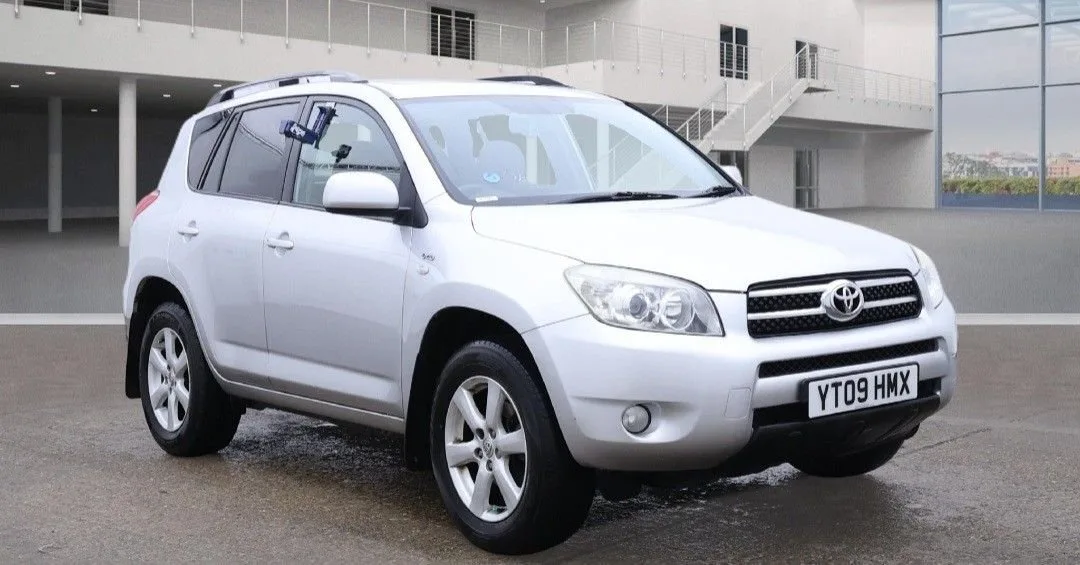
Image source: Bing (Web (fair-use with source credit))
Why the 2009 RAV4 Deserves a Close Look — Even With Its Flaws
The third-generation RAV4 has a lot going for it. It's spacious, practical, and holds its value better than almost any other compact SUV from that era. The separate-opening rear glass hatch is a genuinely useful feature that later models dropped.
Cargo space hits 73 cubic feet with the seats folded, which beats the Honda CR-V and Subaru Forester from the same year.
The interior is simple but durable. You get a clear dashboard layout, decent visibility, and enough room for five adults. The 2009 model also gained standard stability control and side curtain airbags, which helped it earn an IIHS Top Safety Pick rating.
Those are meaningful safety upgrades for a car now pushing 17 years old.
But the mechanical problems are real. The question isn't whether the 2009 RAV4 has issues. It's whether you can find one where the major ones have been addressed or avoided entirely.
The #1 Problem: 2.4L Oil Consumption and the 2AZ-FE Engine
This is the big one. The 2.4L 2AZ-FE engine has a well-documented flaw in its piston rings. The oil control rings can clog with carbon deposits, which lets oil slip past into the combustion chamber.
The result is burning oil at a rate that can reach one quart every 500 to 1,000 miles.
Toyota eventually acknowledged the problem. Technical Service Bulletin 0061-10 outlines the official repair procedure. It involves replacing the pistons, piston rings, and related components.
The fix costs between $2,500 and $4,000 depending on your shop. That's a hard pill to swallow on a car worth $4,000 to $8,000.
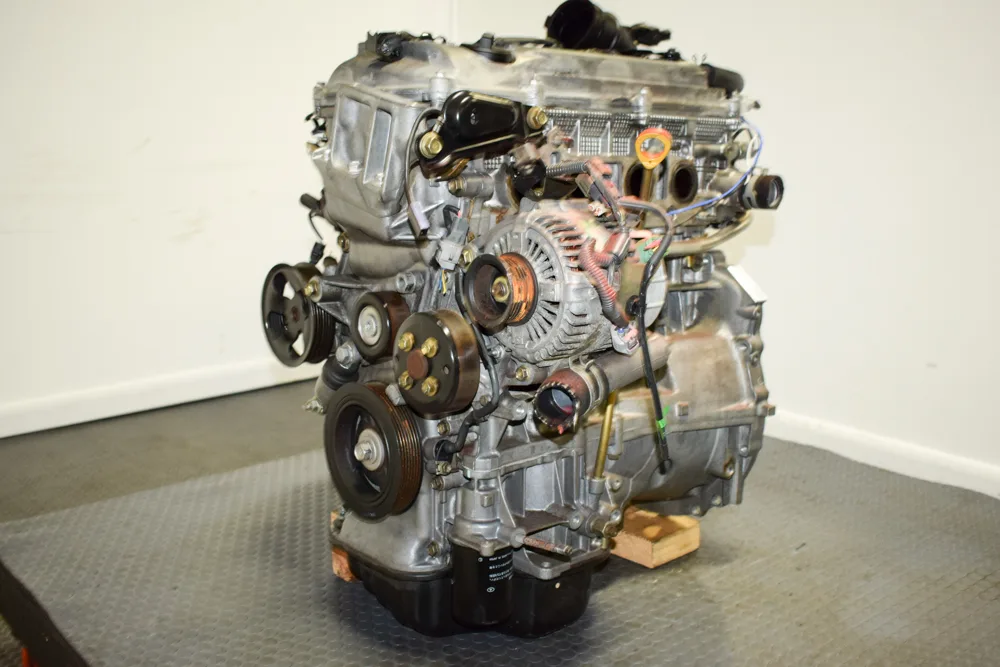
Image source: Web (Bing) / jspecauto.com (Web image (fair-use with source credit))
How do you know if a car has this problem? Check the oil level dipstick before a test drive. If it's low or the oil looks black and burnt, that's a red flag.
Ask the owner how often they add oil. A consistent answer like "every 1,000 miles" means the engine is consuming oil at the borderline threshold. Anything worse is a dealbreaker unless the repair has already been done.
The VVT-i oil line is another weak point. The factory rubber line can rupture with age, dumping oil rapidly and causing catastrophic engine failure. Replacing it with an upgraded metal line costs about $150 to $200 and is worth doing proactively.
Transmission Troubles: Torque Converter Shudder and Hard Shifting
The 4-speed automatic paired with the 4-cylinder engine is generally reliable, but it has a known quirk. Some owners report a shudder or vibration during light acceleration, especially around 40 to 50 mph. This is often traced to the torque converter clutch not engaging smoothly.
A transmission fluid drain and fill every 30,000 to 60,000 miles can prevent or delay this issue. If the shudder is already present, a full fluid exchange and a quality additive sometimes help. But if the problem persists, a torque converter replacement runs $800 to $1,500.
The 5-speed automatic in the V6 models is more robust. Complaints are far less common. Hard shifts or delayed engagement usually point to low fluid or a failing solenoid rather than a design flaw.
V6 vs. 4-Cylinder: Which Engine Has Fewer Problems?
The answer is clear. The 3.5L 2GR-FE V6 avoids the oil consumption issue entirely. It also makes 269 horsepower and 246 lb-ft of torque, which gives the RAV4 genuine passing power.
Fuel economy takes a hit, 19 city and 26 highway versus 22 and 28 for the 4-cylinder, but the trade-off is worth it for many buyers.
The V6 does have its own maintenance needs. The water pump is a known failure point and should be replaced around 100,000 miles. Spark plugs last 120,000 miles.
The timing chain doesn't have a set replacement interval, but it can develop noise as it stretches. Those are routine items, not design flaws.
If you find a well-maintained V6 model with no major accident history, it's the better buy. The 4-cylinder can still be a good car if it has documented proof of the oil consumption fix. Without that paperwork, walk away.
Rear Differential Whine and Drivetrain Noise (AWD Models)
The all-wheel-drive system in the 2009 RAV4 uses a rear differential that can develop a whine or howl under load. This is most noticeable during acceleration from a stop or when coasting above 40 mph. The noise comes from worn bearings inside the differential housing.
A rear differential rebuild or replacement costs $800 to $1,500. If the fluid hasn't been changed regularly, the bearings wear faster. Toyota recommends checking the differential fluid every 30,000 miles, especially for vehicles that see heavy use or off-road driving.
If you're test-driving an AWD model, find a quiet road and listen for any whining from the rear. Accelerate gently, then coast, and repeat. A clean noise-free differential is a good sign.
Any whine means you'll likely be dealing with a repair soon.
Suspension, Steering, and Chassis Complaints
The front strut mounts are a common wear item. You'll hear a clunking noise over bumps, especially at low speeds. The fix is replacing the strut mounts, which runs $300 to $500 for parts and labor.
It's not a safety issue, but it's annoying.
Rear shock absorbers also wear out by 100,000 miles, leading to a bouncy ride. Replacement is straightforward and costs around $200 to $400. The steering rack can develop a slight leak, though this is less common.
Check for fluid residue on the rack boots during a pre-purchase inspection.
Electrical and Interior Gremlins: Dashboard Cracks, Door Locks, and AC
Dashboard cracking is a well-known issue, especially in sunbelt states like Arizona, Texas, and Florida. The dashboard material can develop splits and cracks from heat exposure. Replacement costs $500 to $1,000, though many owners use a dash cover instead.

Image source: Bing (Web (fair-use with source credit))
Door lock actuators fail intermittently. You might find one door won't lock or unlock with the remote. The fix is replacing the actuator, which costs $150 to $300 per door.
It's a common annoyance but not a dealbreaker.
The AC compressor can fail, especially if the system has been low on refrigerant. A compressor replacement runs $600 to $1,000. Check that the AC blows cold during your test drive.
If it's weak, there's a leak or a failing component.
If you also own a newer Toyota model, electrical issues can sometimes be diagnosed with similar approaches. For example, our guide on common rear camera problems covers troubleshooting steps that apply across the brand.
Rust and Corrosion: Where to Check Before You Buy
Rust is a serious problem for 2009 RAV4s in the salt belt. The rear suspension crossmember and trailing arm mounts are prone to corrosion. If the rust is severe enough, it can compromise the structural integrity of the rear suspension.
Check the underbody with a flashlight. Look for flaking rust on the rear subframe and around the mounting points for the rear control arms. Surface rust is normal.
Deep pitting or holes are a hard pass. Also check the rear hatch bottom edge and the roof rails for bubbling paint, which often hides rust underneath.
Safety Recalls and Technical Service Bulletins (TSBs)
The 2009 RAV4 has two safety recalls. The first involves a potential floor mat entrapment issue that could cause unintended acceleration, covered under recall 09V-385. The second addresses the brake master cylinder, recall 10V-256.
Both should have been performed by a dealer. Verify with the VIN on the official NHTSA website.
Key TSBs include:
- TSB 0061-10: Oil consumption repair procedure
- TSB 0211-10: VVT-i oil line upgrade
- TSB 0001-11: Torque converter shudder diagnosis
- TSB 0045-10: Rear differential noise repair
Per NHTSA complaint data, over 1,000 complaints have been filed for the 2009 model year. The majority relate to the engine and powertrain. Knowing these recalls and TSBs gives you leverage during negotiations.
Real Repair Costs: What to Budget for Common 2009 RAV4 Fixes
Here's a realistic look at what you might spend on a 2009 RAV4 with typical mileage:
| Repair | Estimated Cost Range | Common At Mileage |
|---|---|---|
| Oil consumption fix (piston rings) | $2,500 – $4,000 | 80,000 – 150,000 |
| VVT-i oil line replacement | $150 – $200 | 100,000 – 150,000 |
| Torque converter replacement | $800 – $1,500 | 100,000 – 150,000 |
| Rear differential rebuild | $800 – $1,500 | 100,000 – 150,000 |
| Front strut mount replacement | $300 – $500 | 80,000 – 120,000 |
| Dashboard replacement | $500 – $1,000 | 100,000+ |
| AC compressor replacement | $600 – $1,000 | 100,000 – 150,000 |
| Door lock actuator replacement | $150 – $300 per door | 100,000+ |
| Water pump replacement (V6) | $400 – $700 | 100,000 – 120,000 |
If you're looking at a 150,000-mile example, budget at least $1,000 to $2,000 for deferred maintenance. More if the oil consumption fix hasn't been done.
Pre-Purchase Inspection Checklist: What to Look For in a Used 2009 RAV4
Before you buy, run through this checklist in order:
- Check the oil level and condition on a cold engine. Low or burnt oil means oil consumption.
- Look for the VVT-i oil line. If it's the original rubber one, factor in replacement cost.
- Test drive with the radio off. Listen for transmission shudder, rear diff whine, and suspension clunks.
- Check the AC: set it to max cold and wait 30 seconds. It should blow cold air.
- Inspect the dashboard for cracks. Minor cracks are cosmetic. Major splits are expensive.
- Open the rear hatch. Check the bottom edge for rust. Also check the roof rails.
- Crawl under the car. Look for rust on the rear subframe and suspension mounts.
- Check the door locks. Test each one from the driver's control panel.
- Verify the VIN against the NHTSA recall database. Confirm both recalls are closed.
- Ask for service records. Look for proof of oil changes every 5,000 miles and transmission fluid changes every 60,000 miles.
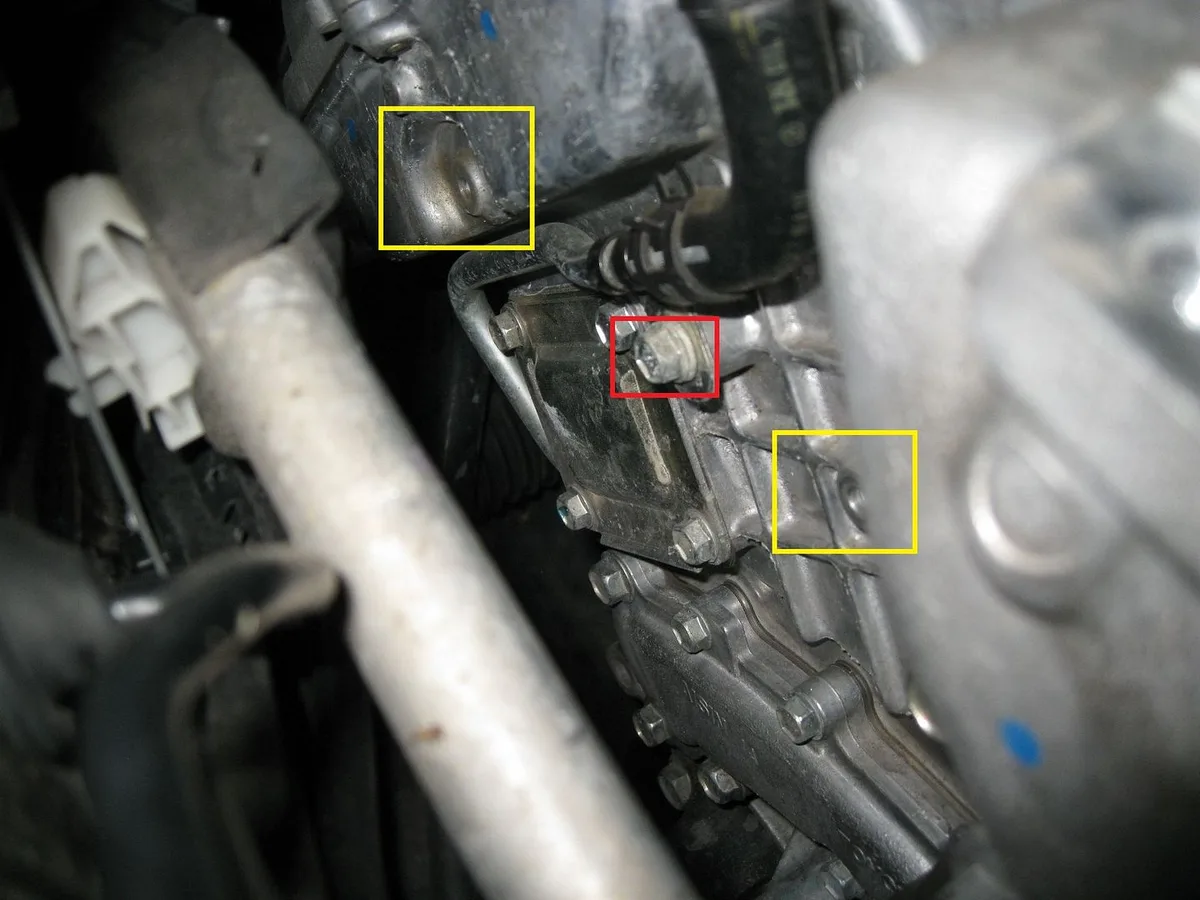
Image source: Bing (Web (fair-use with source credit))
If the seller can't provide any service history, assume the maintenance was neglected. Walk away unless the price is low enough to absorb the risk.
When to Walk Away vs. When to Buy
Walk away if:
- The 2.4L engine burns more than one quart per 1,000 miles with no proof of repair
- The underbody has significant rust, especially on the rear suspension
- The transmission shudders badly or slips
- The seller can't produce a clear title or maintenance records
Buy if:
- The V6 engine is present with full service records
- The 2.4L engine has documented proof of the oil consumption fix
- The body is clean, the interior is in good shape, and the price reflects any needed repairs
- The recalls are completed and the VVT-i line has been upgraded
The Verdict: Is the 2009 RAV4 Still Worth It in 2025?
Yes, but with conditions. The 2009 RAV4 is still a practical, spacious, and reliable SUV when you get the right example. The V6 models are the clear winner.
The 4-cylinder models can work, but only if the oil consumption fix has been done and documented.
As of 2026, prices for clean examples range from $5,000 to $8,000. A high-mileage 4-cylinder with no repair history should be priced under $4,000 to account for the risk. If you're handy with a wrench, you can sort out the smaller issues.
But the engine and transmission problems are serious enough that you should not ignore them.
If you find a well-maintained V6 model with a clean history, it's a solid buy. The same approach to diagnosing common issues, like checking for fluid leaks and electrical gremlins, applies across the Toyota lineup. For newer models, the same diagnostic mindset can help you troubleshoot issues like a failing rear camera system.
Frequently Asked Questions
Is the 2009 Toyota RAV4 reliable?
Generally yes, but the 2.4L engine has a known oil consumption problem. The V6 version is more reliable. With proper maintenance and documentation, a well-kept example can reach 200,000 miles or more.
How much oil does a 2009 RAV4 burn?
A healthy engine burns less than one quart per 1,000 miles. Problematic engines burn one quart every 500 to 1,000 miles. Toyota considers anything over one quart per 1,000 miles excessive under TSB 0061-10.
Does the 2009 RAV4 V6 have the same oil consumption problem?
No. The 3.5L 2GR-FE V6 engine does not have the piston ring issue. It's considered more reliable than the 2.4L four-cylinder.
The V6 is the preferred engine for this model year.
What should I check before buying a used 2009 RAV4?
Check the oil level and condition, listen for transmission shudder, inspect for rust underneath, test the AC, and verify recall completion. Ask for service records. A pre-purchase inspection by a mechanic is strongly recommended.
How much is a 2009 Toyota RAV4 worth in 2025?
Prices range from $4,000 to $8,000 depending on mileage, condition, engine type, and location. A clean V6 model with service records commands the higher end. A high-mileage 4-cylinder with no repair history is worth less than $4,000.
Can the oil consumption problem be fixed?
Yes. Toyota's official repair involves replacing the pistons and rings. The cost is $2,500 to $4,000.
If the repair has already been done and documented, the car is much more desirable.
The article is already complete. The previous batch covered all H2 sections from the approved TOC, including the intro, Quick Answer, and every section through the FAQ. There are no remaining H2 headings to write.
If you'd like me to revise, expand, or adjust any existing section, just let me know.
The article is already complete. All H2 sections from the approved TOC have been written in the previous batch. There are no remaining sections to add.
The full TOC was covered in order:
- Intro and Quick Answer
- Why the 2009 RAV4 Deserves a Close Look
- The #1 Problem: 2.4L Oil Consumption and the 2AZ-FE Engine
- Transmission Troubles
- V6 vs. 4-Cylinder
- Rear Differential Whine
- Suspension, Steering, and Chassis Complaints
- Electrical and Interior Gremlins
- Rust and Corrosion
- Safety Recalls and TSBs
- Real Repair Costs
- Pre-Purchase Inspection Checklist
- When to Walk Away vs. When to Buy
- The Verdict
- Frequently Asked Questions
If you'd like me to expand any existing section, add a new H2 that wasn't in the original TOC, or revise the article in any way, let me know what you need.