
You know that sinking feeling when you're standing in the auto parts aisle, staring at rows of oil bottles, and you have absolutely no idea which one your car actually needs?
If you own a 2001 Toyota Camry, figuring out the right 2001 toyota camry oil type doesn't have to be a guessing game. Get it wrong, and you're looking at sludge buildup, reduced fuel economy, or even engine damage down the road. Get it right, and that legendary Camry reliability keeps humming along for years.
Manufacturer specifications confirm this generation uses SAE 5W-30 viscosity with an API rating of SJ or newer. As of 2026, tens of thousands of these cars are still on the road. The single biggest maintenance mistake owners make is using the wrong oil.
Let's fix that right now.
Quick Answer
Your 2001 Toyota Camry needs SAE 5W-30 motor oil. The API rating must be SJ, SL, SM, or newer. The 4-cylinder 5S-FE engine takes 4.5 quarts with a filter change.
The V6 1MZ-FE engine takes 4.7 quarts. Conventional oil works fine. Synthetic is optional but safe.
Why Getting the Right Oil Matters for Your 2001 Camry
The 2001 Camry is not a delicate modern engine with variable valve timing and turbochargers. It's a workhorse. But workhorses still need the right fuel.
The 5S-FE four-cylinder and the 1MZ-FE V6 were designed in the late 1990s. They have tighter tolerances than engines from the 1980s, but they aren't as forgiving as today's designs. Using the wrong viscosity means the oil either flows too thin when hot or too thick when cold.
Either way, metal parts that shouldn't touch start touching.
Sludge is the real enemy here. These engines are known to develop sludge when owners stretch oil changes too far or use oil without the proper detergent package. Once sludge forms, it blocks oil passages.
Blocked passages mean starved bearings. Starved bearings mean a very expensive repair or a trip to the junkyard.
The good news? Stick with what Toyota specified, and you'll likely never have that problem.
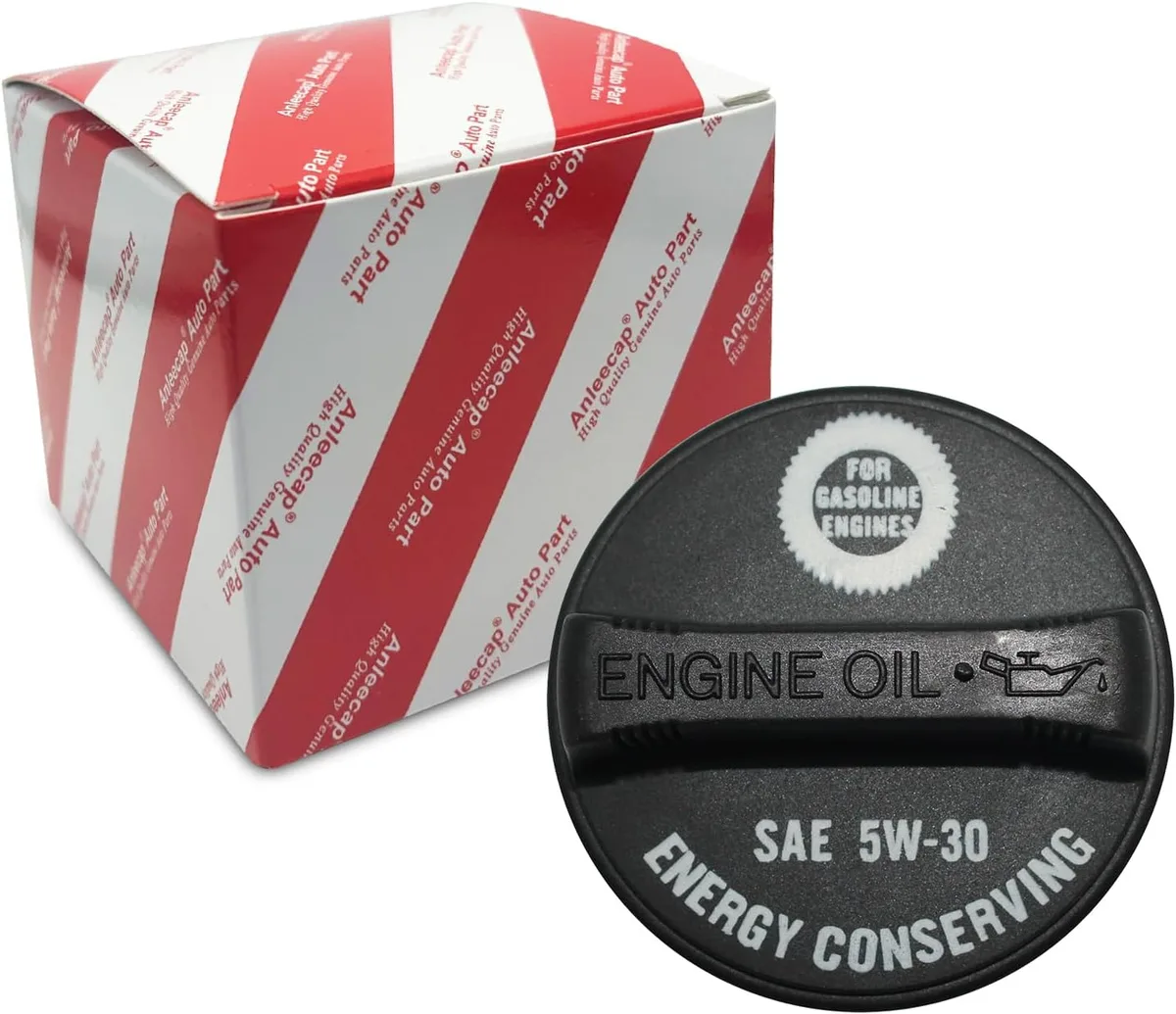
Image source: Web (Bing) / amazon.com.au (Web image (fair-use with source credit))
The Quick Answer: What Oil Your 2001 Camry Needs
Let's make this crystal clear so you can walk into any store and grab the right bottle without second-guessing.
Viscosity: SAE 5W-30
API Rating: SJ or newer (SL, SM, SN, SP all work)
Capacity 4-cylinder: 4.5 quarts with filter change
Capacity V6: 4.7 quarts with filter change
The "5W" means the oil flows like a thin winter-grade oil when cold, so your engine gets lubrication immediately at startup. The "30" means it thickens up enough at operating temperature to protect bearings and moving parts. The API donut logo on the back of every bottle tells you the rating.
Don't use anything rated below SJ.
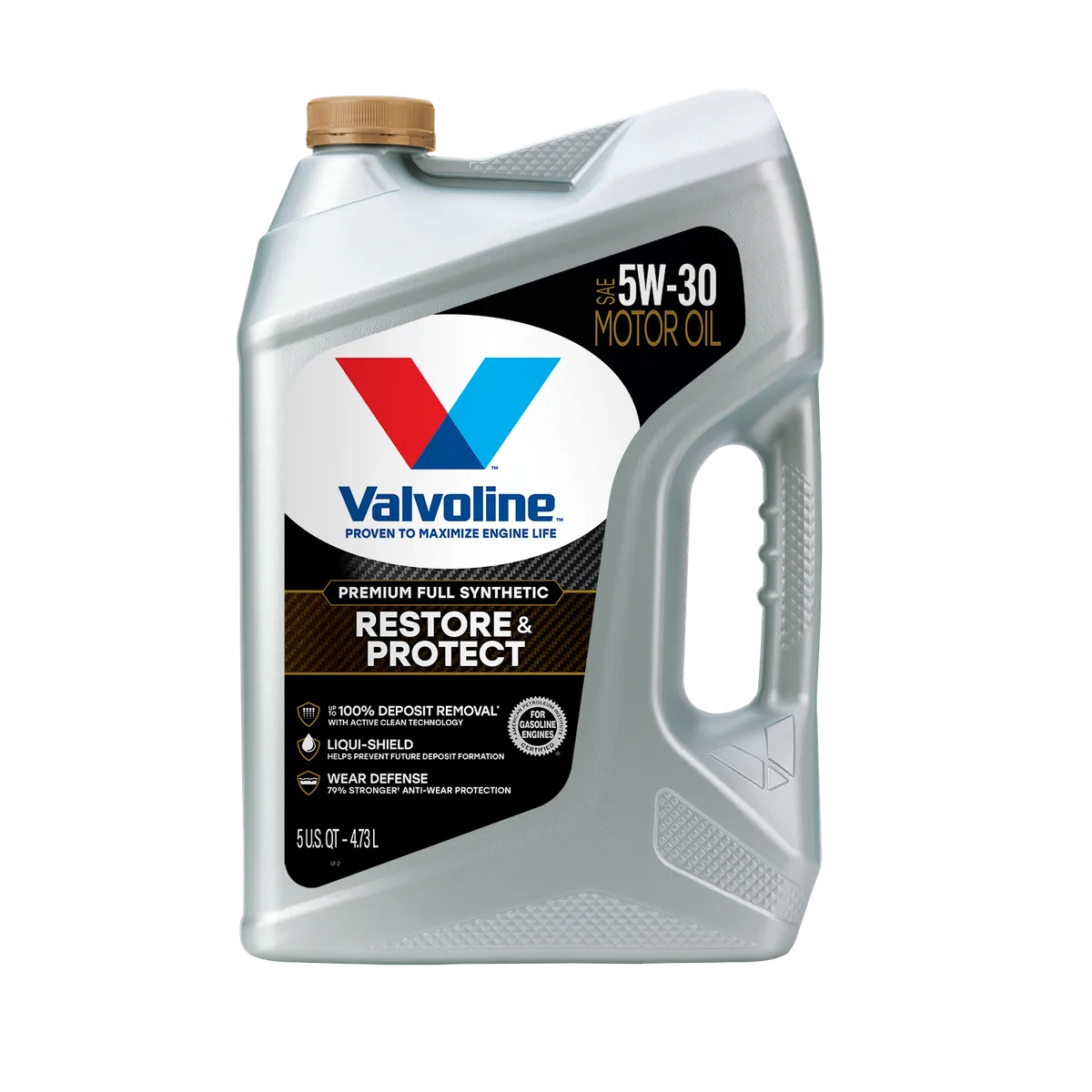
Image source: Web (Bing) / valvolineglobal.com (Web image (fair-use with source credit))
A quick word on synthetic vs. conventional. Toyota did not require synthetic oil for this car. Conventional 5W-30 is perfectly fine and has been keeping these engines alive for over two decades. Synthetic offers better high-temperature protection and longer change intervals, but it costs more.
If your Camry has over 100,000 miles and you've been using conventional oil, don't feel pressured to switch. High-mileage formulations are a better upgrade than premium synthetic.
5S-FE vs 1MZ-FE: Two Different Engines, Two Different Needs
Your 2001 Camry came with one of two engines. Knowing which one you have is the first step to getting the oil right.
The 5S-FE 2.2L Four-Cylinder
This is the engine in most 2001 Camrys. It's a 2.2-liter inline-four that Toyota used from the mid-1990s through the early 2000s. It's underpowered by modern standards but famously durable.
Owners regularly report 250,000 miles with nothing but basic maintenance.
The 5S-FE holds 4.5 quarts of oil with a filter change. The oil filter is located on the front of the engine block, easily accessible from underneath.
The 1MZ-FE 3.0L V6
The V6 option is a 3.0-liter 60-degree V6 that produces about 194 horsepower. It's smoother than the four-cylinder but has one known weakness: sludge.
The 1MZ-FE holds 4.7 quarts with a filter change. The oil filter is on the front of the engine, just like the four-cylinder. However, the V6 runs hotter than the 5S-FE.
Oil breakdown happens faster. Owners of the V6 should be more religious about oil change intervals.
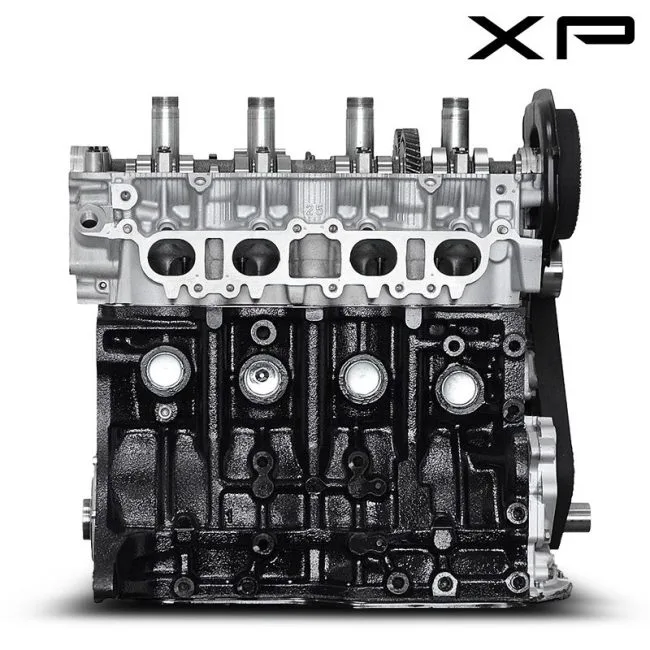
Image source: Bing (Web (fair-use with source credit))
How to tell which engine you have. Check your VIN. The eighth character tells you: if it's "C", you have the 4-cylinder. If it's "F", you have the V6.
Or just pop the hood and count the spark plug wires. Four wires means 5S-FE. Six wires means 1MZ-FE.
Same oil for both engines. Despite the different capacities and characteristics, both engines take SAE 5W-30 with API SJ or newer. You can buy one type of oil and use it in either engine.
Viscosity Explained: Why 5W-30 Is the Right Choice
Oil viscosity is simple. It's a measure of how thick or thin the oil is at different temperatures.
The first number (5W) tells you how the oil flows in cold weather. The "W" stands for winter. A 5W oil flows well at low temperatures, which means it reaches critical engine parts quickly during a cold start. A 10W oil is thicker when cold.
A 0W oil is even thinner. For your 2001 Camry, 5W is the sweet spot.
The second number (30) tells you how the oil holds up at operating temperature. A 30-grade oil maintains its protective film when the engine is hot. A 40-grade oil is thicker at high temperatures. A 20-grade oil is thinner.
Toyota determined that 30 provides the best balance of protection and fuel economy.
What happens if you use the wrong viscosity?
| Viscosity | Cold Start | Hot Protection | Fuel Economy | Risk |
|---|---|---|---|---|
| 5W-30 (correct) | Good flow | Good film strength | Normal | None |
| 10W-30 | Slower flow in cold | Acceptable | Slightly worse | Increased wear in winter |
| 5W-20 | Good cold flow | Too thin when hot | Slightly better | Bearing wear risk |
| 10W-40 | Poor cold flow | Too thick | Worse | Sludge risk, poor mileage |
Some owners run 10W-30 in their Camrys for years without obvious failure. But the engine wears faster at startup. Over 100,000 miles, that adds up.
The 1MZ-FE V6 is especially sensitive to thick oil because its oil passages are narrow.
Can you use 0W-30? Yes. It's backward-compatible with 5W-30. It offers better cold-weather protection in freezing climates.
It costs more. It's not necessary unless you live somewhere where winter temperatures regularly drop below 0°F.
Can you use 5W-40? Not recommended. It's too thick for this engine at operating temperature. It reduces fuel economy and can cause sludge buildup over time.
API Rating: What It Means and Why You Can't Ignore It
The API rating is easy to overlook. You look at the viscosity, you grab the bottle, you move on. But the rating matters just as much as the numbers.
The API "donut" is the circular symbol on the back of every oil bottle. Inside it, you'll see a code like "API SN" or "API SP." This code tells you the oil meets current industry standards for detergency, anti-wear additives, and sludge prevention.
For your 2001 Camry, the minimum is API SJ. SJ was introduced in 1997 and was current when your car was built. Every subsequent rating (SL, SM, SN, SP) is backward-compatible and better.
Why this matters. Older API ratings (SH, SG, SF) lack the detergent packages needed to keep modern engines clean. If you use oil rated below SJ, you're not getting enough cleaning additives. Over time, deposits form.
Deposits become sludge. Sludge kills engines.
What each rating offers:
- API SJ: The baseline. Meets 1997 standards. Adequate for your engine.
- API SL: Improved oxidation resistance and better sludge control.
- API SM: Enhanced high-temperature protection and improved seal compatibility.
- API SN: Better fuel economy, enhanced deposit protection, and longer drain intervals.
- API SP: The latest standard. Superior sludge prevention and timing chain wear protection.
The safest choice? Grab a bottle with API SN or SP. You'll pay the same as SJ-rated oil, but you'll get significantly better protection.
One warning: Some budget oils sold at discount retailers carry older ratings. Always check the donut before you buy. If the bottle doesn't show an API rating at all, don't use it.
Common Oil Change Mistakes That Cost You an Engine
After researching owner forums and talking to mechanics who have rebuilt dozens of these engines, a few patterns keep showing up.
Mistake 1: Using 10W-30 year-round
Someone's uncle told them "thicker oil is better for older engines." It's not. The 5S-FE and 1MZ-FE were designed for 5W-30. Thicker oil flows slower at startup.
Slow flow means dry starts. Dry starts cause the majority of engine wear over a vehicle's lifetime.
Mistake 2: Ignoring the oil filter
Changing the oil without changing the filter is like taking a shower and putting dirty clothes back on. The old filter holds about half a quart of contaminated oil. New oil mixes with it immediately.
You've wasted your money. Always replace the filter.
Mistake 3: Overfilling
More oil is not better. Overfilling causes the crankshaft to whip the oil into a froth. Foam doesn't lubricate.
The engine runs hotter and wears faster. Fill to the top mark on the dipstick and no higher.
Mistake 4: Underfilling
Running a quart low means the oil pickup tube can suck air during hard cornering or hills. Air in the oil system means oil pressure drops. Low oil pressure means bearing failure.
Mistake 5: Stretching oil changes past 5,000 miles with conventional oil
Synthetic oil can go 7,500 to 10,000 miles in some engines. Conventional oil cannot. In the 1MZ-FE V6, conventional oil loses its protective properties around 4,000 miles.
If you use conventional, change it every 3,000 to 5,000 miles.
Mistake 6: Ignoring the dipstick between changes
Your Camry burns oil as it ages. It's normal. The 5S-FE can burn a quart every 1,500 miles at 200,000 miles.
The 1MZ-FE is similar. Check the dipstick every time you fill up with gas. Top it off if it's low.
Mistake 7: Switching to synthetic on a high-mileage engine with leaks
Synthetic oil has smaller molecules than conventional oil. In an engine with worn seals, synthetic can find leaks that conventional oil couldn't. If your Camry already drips oil, stick with high-mileage conventional or high-mileage synthetic blend.
Conventional vs Synthetic: Which One Should You Use?
This is the question that trips up most Camry owners. Both work. Which you choose depends on your budget, your driving habits, and your engine's mileage.
Conventional 5W-30 is what Toyota recommended when this car was new. It's perfectly adequate for normal driving conditions. Change it every 3,000 to 5,000 miles and your engine will live a long, healthy life. A conventional oil change for a 2001 Camry costs around $15 to $20 if you do it yourself.
Synthetic 5W-30 offers better protection across the board. It flows better at cold temperatures. It resists breakdown at high temperatures. It handles longer drain intervals.
But it costs two to three times more. A synthetic DIY change runs $35 to $50.
When synthetic makes sense:
- You live in a climate with extreme cold (below 0°F)
- You do mostly short trips where the engine never fully warms up
- You tend to forget oil changes and need the extra margin
- Your Camry has over 150,000 miles and you want maximum protection
When conventional is fine:
- You change oil on schedule without fail
- Your driving is mostly highway miles
- You're on a tight budget
- Your engine has no leaks or oil consumption issues
Can you switch from conventional to synthetic? Yes. It's a myth that switching causes leaks. Modern synthetic oils are compatible with conventional oil.
You can switch back and forth without harm.
What about synthetic blends? They're a middle ground. A blend is about 70 to 80 percent conventional oil with synthetic added. They cost more than conventional but less than full synthetic.
For most Camry owners, a blend is a reasonable compromise.
High-Mileage Oil: When and Why to Switch
Once your Camry crosses the 100,000 mile mark, you might want to consider high-mileage oil. It's not mandatory. But it helps address the specific problems that older engines face.
High-mileage oil contains seal conditioners. These additives soften and swell dried-out rubber seals. Worn seals are what cause oil leaks in older engines. The conditioners reduce seepage around valve cover gaskets and crankshaft seals.
It also has higher detergent levels. Older engines accumulate deposits over time. High-mileage oil cleans those deposits more aggressively than standard oil. Cleaner engines run cooler and last longer.
When should you switch? At 100,000 miles is a good rule of thumb. But if your engine already leaks oil, switching to high-mileage can reduce or eliminate those drips. If your engine is clean and dry, standard oil is still fine.
Does high-mileage oil work for the 5S-FE and 1MZ-FE? Yes. The 1MZ-FE V6 benefits more from seal conditioners because it runs hotter and tends to develop leaks sooner.
One caveat. High-mileage oil is not a miracle cure. If your valve cover gasket is already cracked and pouring oil, seal conditioners won't fix it. You still need a mechanic for that.
But for minor seepage, high-mileage oil often solves the problem.
How Much Oil You'll Need (With and Without Filter Change)
Getting the quantity wrong is easy. Here's the exact breakdown.
4-cylinder 5S-FE engine:
- With filter change: 4.5 quarts
- Without filter change: 4.0 quarts
V6 1MZ-FE engine:
- With filter change: 4.7 quarts
- Without filter change: 4.2 quarts
Why the filter matters. The oil filter holds about half a quart of oil. If you don't change the filter, you don't need to add that half quart. But you should always change the filter.
The extra $5 is cheap insurance.
Buy a 5-quart jug and a 1-quart bottle. The 5-quart jug covers either engine with a filter change. You'll have a little left over for topping off between changes.
How to measure accurately. Pour in most of the oil, then check the dipstick. Add the rest in small increments. Never trust the numbers on the bottle alone.
The dipstick never lies.
Step-by-Step: How to Change the Oil Yourself
Changing oil on a 2001 Camry is about as easy as it gets. The oil filter is on the front of the engine. The drain plug is easy to reach.
What you'll need:
- 5 quarts of 5W-30 oil
- One oil filter
- A 14mm socket or wrench for the drain plug
- An oil filter wrench
- A drain pan
- A funnel
- Rags or paper towels
- Jack stands or ramps
The process:
Warm up the engine for a minute or two. Warm oil drains faster and more completely. Don't run it long enough to get hot. Just warm.
Jack up the car or drive it onto ramps. The 2001 Camry sits low. You need clearance to reach the drain plug. Ramps are safer than jack stands for beginners.
Place the drain pan under the engine. Find the drain plug on the bottom of the oil pan. It's a bolt facing downward near the back of the engine.
Remove the drain plug with the 14mm socket. Turn it counterclockwise. Oil will start flowing immediately. Let it drain completely, about five minutes.
Remove the old oil filter. It's on the front of the engine, facing the radiator. Turn it counterclockwise. Position the drain pan under it. Wipe the filter mounting surface clean.
Install the new oil filter. Rub a little fresh oil on the rubber gasket. Screw it on by hand until it contacts the mounting surface. Tighten it another three-quarters of a turn. Don't overtighten.
Reinstall the drain plug. Clean the plug threads. Screw it in by hand first to avoid cross-threading. Tighten with the 14mm socket to about 29 foot-pounds. If you don't have a torque wrench, snug it up and then give it another quarter turn.
Add the new oil. Remove the oil fill cap on top of the valve cover. Insert the funnel. Pour in about 4 quarts to start. Check the dipstick. Add more until the level reaches the top mark.
Check for leaks. Start the engine and let it run for 30 seconds. Look under the car for drips from the drain plug and oil filter. Turn off the engine. Wait a minute. Recheck the dipstick and top off if needed.
Dispose of the old oil properly. Used oil is hazardous waste. Pour it back into the empty containers. Take it to any auto parts store for recycling.
It's free.
When to Change It: Realistic Intervals for This Engine
Toyota recommended oil changes every 5,000 miles for normal driving. Let's talk about what's realistic today.
Conventional oil: Change every 3,000 to 5,000 miles. If you do mostly short trips, stop-and-go traffic, or dusty roads, stick with 3,000 miles. If your commute is mostly highway, 5,000 miles is safe. Don't push conventional oil past 5,000 miles in the 1MZ-FE V6.
Synthetic oil: Change every 7,500 to 10,000 miles. Synthetic handles heat better and resists breakdown longer. The 7,500 mile interval is conservative and safe. The 10,000 mile interval works if you drive mostly highway miles.
Synthetic blend: Change every 5,000 to 6,000 miles. Blends offer better protection than conventional but not as much as full synthetic.
How to know when it's time. Check the oil on the dipstick. If it's dark brown or black, it's getting old. If it smells like gasoline, change it immediately.
The one rule you should never break. Don't go more than 12 months between oil changes regardless of mileage. Oil breaks down over time even if the car sits in the garage. Moisture accumulates.
Acidity increases. A yearly oil change is the minimum.
What If You Live in Extreme Heat or Cold?
Your 2001 Camry was designed for moderate climates. But if you live somewhere the thermometer regularly dips below zero or climbs past 100°F, a few adjustments help.
In extreme cold (below 0°F), stick with 5W-30. It flows well enough at those temperatures. If you want extra protection, switch to 0W-30. It pumps faster at subzero temperatures and reaches engine parts quicker.
Toyota does not recommend 0W-30, but per SAE testing standards, it is fully backward-compatible with your engine.
In extreme heat (above 100°F), 5W-30 is still correct. Some owners assume they need 10W-30 or 10W-40 in hot climates. That's a mistake. The 30-grade oil at operating temperature provides the same protection regardless of outside air temperature.
The only exception. If you tow a trailer or drive consistently at high RPM in desert heat, consider synthetic 5W-30. It resists thermal breakdown better than conventional oil at elevated temperatures.
Signs Your Camry Is Telling You Something About the Oil
Your car gives you clues when the oil needs attention.
Knocking or tapping at startup. This means oil has drained out of the lifters overnight. It happens with age. But if the noise lasts more than a few seconds, your oil may be too thick or too low.
Blue smoke from the exhaust. Blue smoke means oil is burning in the combustion chamber. It's a sign of worn valve seals or piston rings. High-mileage oil can slow this down, but you'll eventually need repairs.
Oil light flickering. The oil pressure warning light is not a suggestion. If it flickers around corners or at idle, stop driving immediately. Check the oil level.
If it's full, you have a pressure problem that needs professional diagnosis.
Black, gritty oil on the dipstick. Rub a drop between your fingers. If it feels like sandpaper, your oil is contaminated with sludge or debris. Change it immediately and consider a shorter interval going forward.
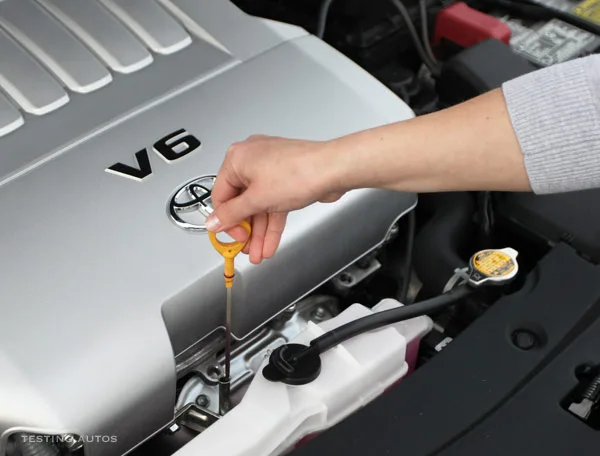
Image source: Bing (Web (fair-use with source credit))
Final Verdict: The Safest, Smartest Choice for Your 2001 Camry
Here's what it comes down to. Use SAE 5W-30 with an API rating of SN or SP. Change it every 4,000 miles with conventional oil or every 7,500 with synthetic.
Always replace the filter. Check the dipstick every other fill-up.
If your Camry has over 100,000 miles, high-mileage 5W-30 is a smart upgrade. If you live in a cold climate, 0W-30 synthetic offers better startup protection. If you drive hard in the heat, stick with 5W-30 synthetic.
The 2001 Camry is one of the most reliable cars ever built. With the right oil and regular changes, it will easily outlast the payments on your next car.
Frequently Asked Questions
Can I use 10W-30 in my 2001 Camry?
You can, but it's not recommended. 10W-30 is thicker at cold startup, which increases engine wear in the first few minutes. Toyota specified 5W-30 for a reason. Stick with it unless you live in a climate where temperatures never drop below 50°F.
How often should I check my oil level?
Check it every time you fill up with gas. A 2001 Camry with over 100,000 miles can burn a quart every 1,500 miles. Running low is the fastest way to damage the engine.
Keep a quart of 5W-30 in the trunk for top-offs.
Is synthetic oil worth the extra cost for an older Camry?
It depends on your driving habits. If you do short trips or live in extreme weather, synthetic offers better protection. If you drive highway miles and change oil on schedule, conventional is perfectly fine.
Synthetic won't hurt your engine, but it's not required.
What happens if I use the wrong oil viscosity?
Using 10W-30 causes faster startup wear over time. Using 5W-20 risks bearing damage at high temperatures. Using 10W-40 reduces fuel economy and increases sludge risk.
The engine won't fail immediately, but cumulative damage adds up. Stick with 5W-30.
Can I switch from conventional to synthetic on a high-mileage engine?
Yes. Switching does not cause leaks despite the common myth. If your engine already has worn seals, synthetic may seep through them, but the seals were already failing.
High-mileage synthetic blends offer seal conditioners that help prevent this.