
If you own a 2004 Toyota Tundra, you already know these trucks are built to last. The 2UZ-FE V8 is legendary for racking up 300,000 miles with basic maintenance. But that longevity depends on one simple thing: getting the 2004 Toyota Tundra oil capacity right.
Too much oil and you risk foaming, blown seals, and internal damage. Too little and you invite metal-on-metal wear that kills an engine fast. Manufacturer specifications indicate the 4.7L V8 takes exactly 6.5 quarts with a filter change, while the 4.0L V6 needs 5.5 quarts.
Both require SAE 5W-30 viscosity. Let's walk through exactly what that means for your truck, how to avoid the costly mistakes, and what to do if you're not sure about your current oil level.
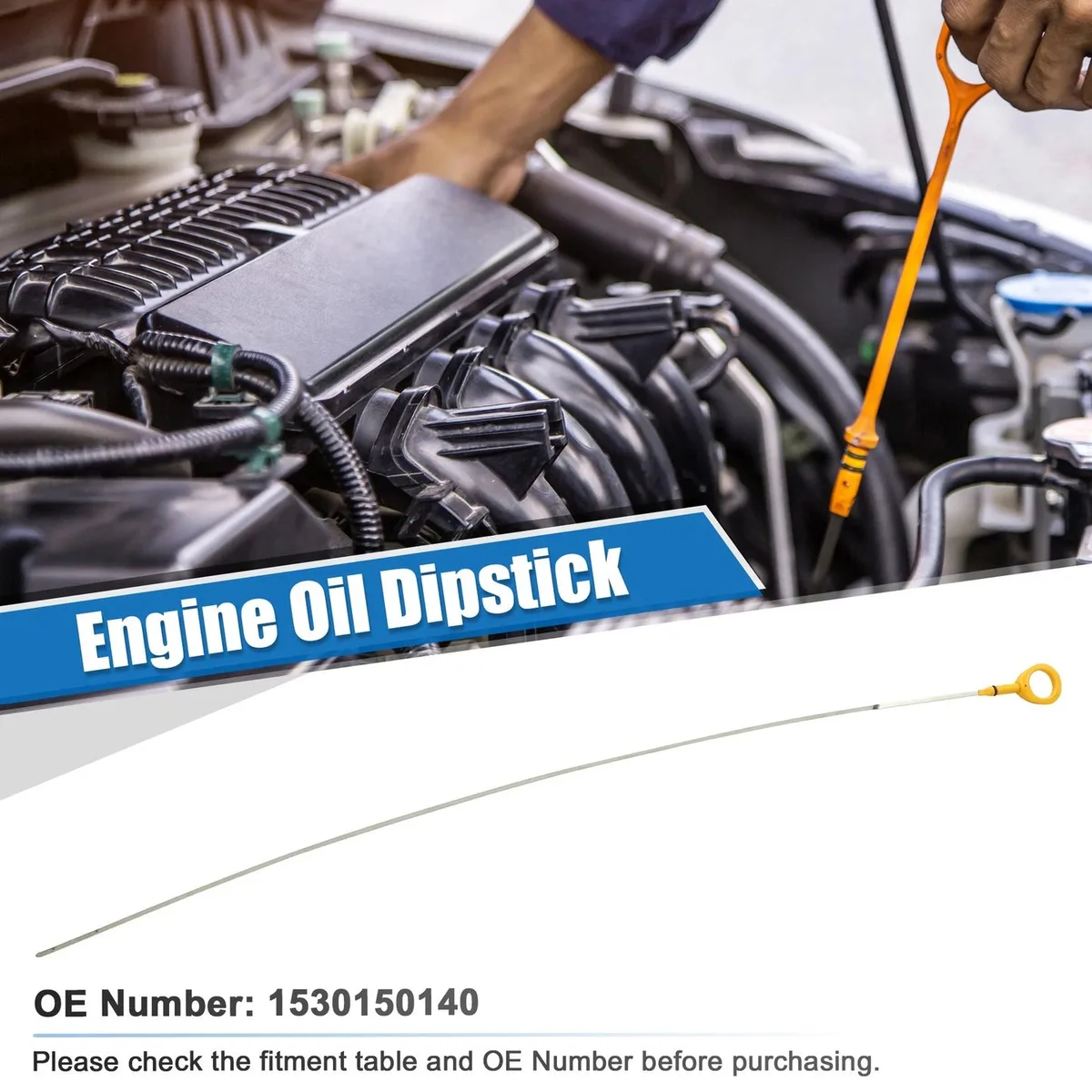
Image source: Bing (Web (fair-use with source credit))
Quick Answer
The 2004 Toyota Tundra oil capacity is 6.5 quarts for the 4.7L V8 engine. The 4.0L V6 takes 5.5 quarts. Both use 5W-30 motor oil.
These measurements include a new oil filter. Always check the dipstick after filling to confirm.
4.7L V8 vs 4.0L V6 – Two Engines, Two Different Numbers
The 2004 Tundra came with two engine options. Getting the wrong oil capacity is an easy mistake if you assume they're the same. They are not.
4.7L 2UZ-FE V8: What You Need to Know
This is the engine most 2004 Tundras have. It's the one people talk about when they say "that bulletproof Toyota V8." The official dry-fill capacity is 7.1 quarts, but you will never pour that much during a standard oil change because the engine is never completely empty. After a proper drain plus filter swap, expect to add 6.5 quarts to hit the full mark on the dipstick.
Many owners report that 6 quarts gets the level to the middle of the crosshatch zone and the remaining half quart brings it to the top. Fill slowly. Check twice.
4.0L 5VZ-FE V6: The Less Common Option
The V6 was the base engine in 2004 and is far less common in the used market today. Its oil capacity is 5.5 quarts with filter. Same oil type, same procedure, just a smaller pan.
If you're unsure which engine you have, pop the hood and look at the engine cover. The V8 will say "i-Force V8" and the V6 will say "V6." Or check your VIN against Toyota's lookup tool. Getting the wrong number means either running a quart low or overfilling by a quart.
Neither is good.
| Engine | Oil Capacity (with filter) | Oil Type |
|---|---|---|
| 4.7L 2UZ-FE V8 | 6.5 quarts | 5W-30 |
| 4.0L 5VZ-FE V6 | 5.5 quarts | 5W-30 |
What Oil to Use (And Why 5W-30 Isn't Optional)
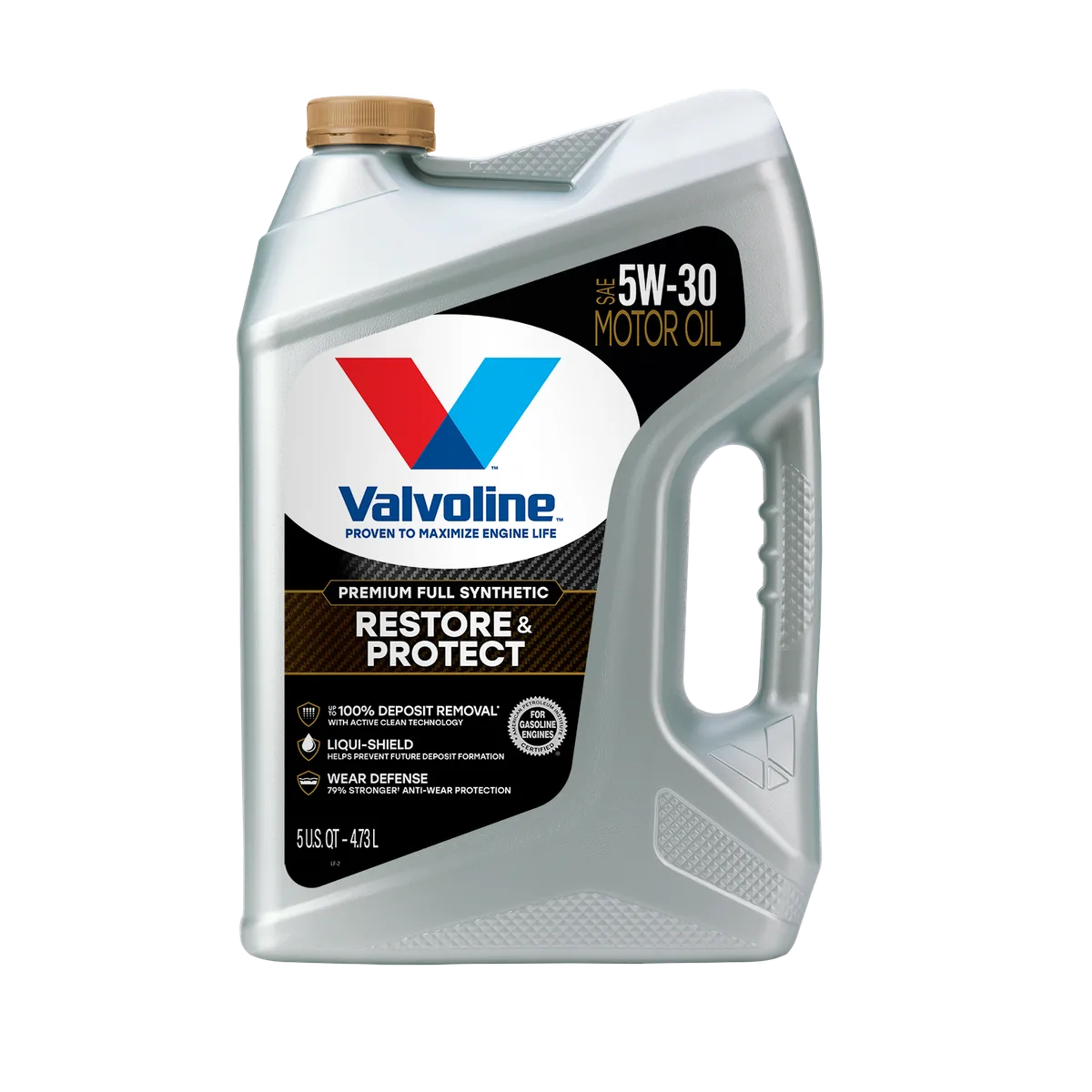
Image source: Web (Bing) / valvolineglobal.com (Web image (fair-use with source credit))
Toyota specified SAE 5W-30 for the 2004 Tundra. Period. Not 10W-30.
Not 0W-20. Not 15W-40 diesel oil because your friend "swears by it."
The 5W rating means the oil flows like a 5-weight when cold, which matters for startup protection in winter. The 30 rating means it thickens to a 30-weight at operating temperature, which provides the film strength the 2UZ-FE's bearings need. Using a heavier oil like 10W-30 in cold climates means the oil pumps slower during those first critical seconds after startup.
That is when most engine wear happens.
As of 2026, you have three good options:
- Conventional 5W-30, Fine for standard intervals (5,000 miles). Cheaper. Works well if you change oil on time.
- Synthetic blend 5W-30, A good middle ground. Better cold-flow than conventional. Most 2004 Tundra owners running high mileage prefer this.
- Full synthetic 5W-30, Best protection for extended intervals (7,500 miles) and extreme temperatures. Worth it if you live somewhere with harsh winters.
What matters more than the price of the oil is that it meets API SL or newer certification. Look for the donut symbol on the bottle. If it says API SP, that exceeds the spec.
You are fine.
For related guidance on newer Toyota engines, consider what type of oil the modern models use. The 2025 Camry takes a different viscosity entirely.
The Real Cost of Getting It Wrong – Overfill vs. Underfill
This is where the "it's just oil" mindset gets expensive.
Overfilling is actually the more dangerous mistake on the 2UZ-FE. When the oil level sits above the full mark, the crankshaft whips through the oil sump like a boat propeller. This aerates the oil.
Aerated oil does not lubricate well. It also causes the oil to foam, which can push past seals and rear main seals, causing leaks that require an engine pull to fix.
A quart over is not a minor error. It can cause enough pressure buildup to blow out the front crankshaft seal. That repair runs $800 to $1,200 at a shop.
Underfilling is easier to catch. A low oil level triggers the oil pressure light on the dash. Starving the oil pump pickup tube causes bearing damage quickly.
The 2UZ-FE is tough, but not invincible. Even a few minutes of low oil pressure can score the main bearings.
Here is the key safety rule: If you drained the oil and replaced the filter, always add a half quart less than the full capacity first. Check the dipstick. Top off from there.
Do not dump all 6.5 quarts in at once and assume it is correct. The filter can hold some oil, and the drain might not have been complete.
Common Mistakes That Wreck 2UZ-FE Engines
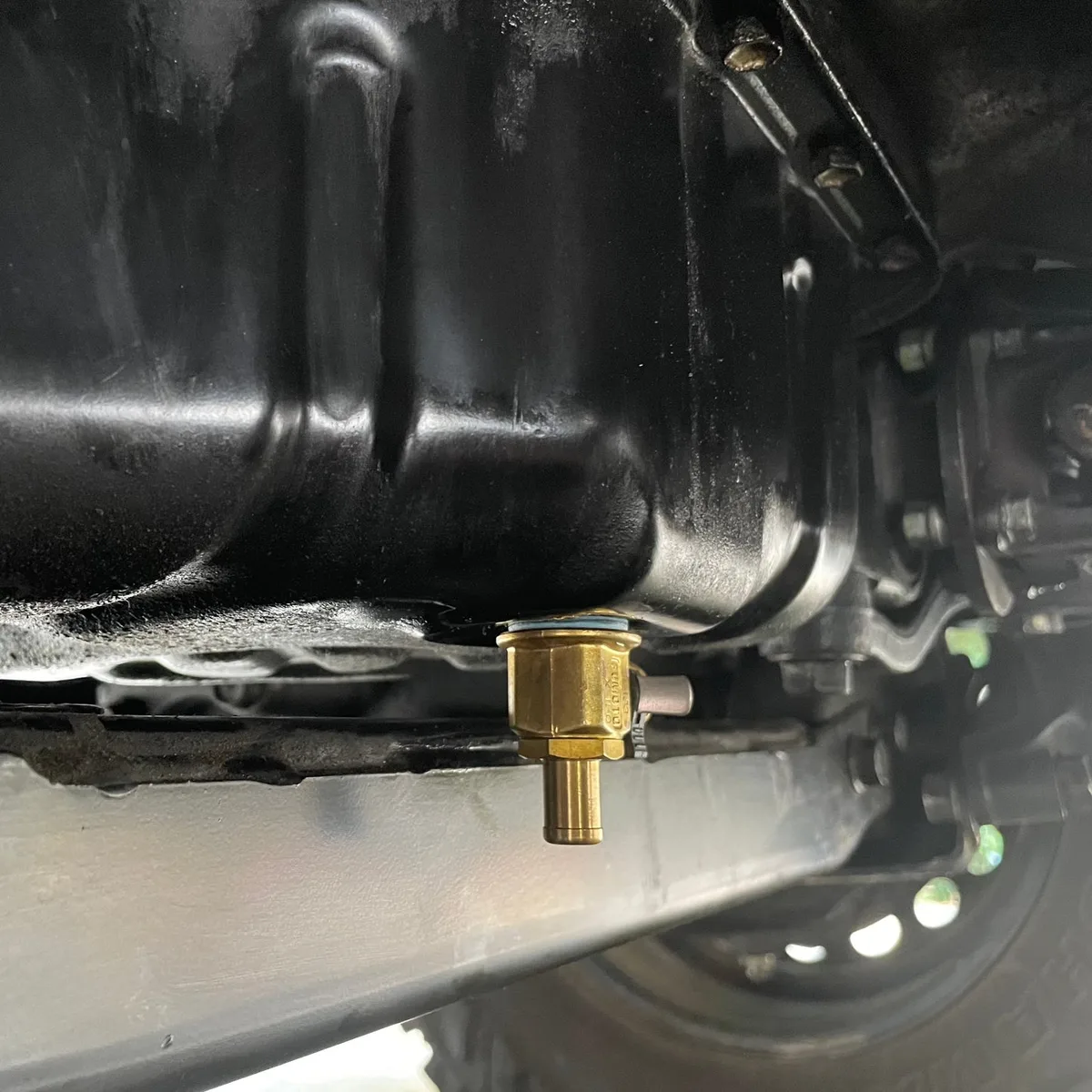
Image source: Web (Bing) / cruiserpatch.com (Web image (fair-use with source credit))
After researching hundreds of owner reports and forum threads, these are the most common errors 2004 Tundra owners make during oil changes.
Mistake 1: Stripping the drain plug threads. The 2004 Tundra has an aluminum oil pan. The threads are softer than steel. Overtightening the drain plug with a wrench instead of a torque wrench is the number one cause of stripped pans.
The spec is 30 ft-lbs. That is snug plus a quarter turn. Not "crank it until it stops."
Mistake 2: Reusing the old crush washer. The copper washer under the drain plug is a one-time-use part. It deforms when compressed to create a seal. Reusing it invites a slow drip that you will not notice until the oil level drops a quart.
Replace it every change.
Mistake 3: Forgetting to pre-fill the oil filter. The 2UZ-FE has a horizontal-mounted oil filter. If you install it dry, the engine runs without oil pressure for several seconds after startup while the pump fills the filter. That is several seconds of metal-on-metal contact.
Fill the new filter halfway with fresh oil before screwing it on.
Mistake 4: Using the wrong filter. Not all oil filters are the same. Cheap no-name filters can have inadequate bypass valves or burst under cold-start pressure. Stick with a quality brand like Wix, Purolator, or a Toyota OEM filter.
The filter thread size is M20 x 1.5.
Mistake 5: Ignoring the dipstick reading after a hot start. After you fill the oil and start the engine, let it idle for 30 seconds. Shut it off. Wait two minutes.
Then check the dipstick. The oil level will read differently when the engine is hot and the filter is full.
For owners with other Toyota models, similar pitfalls exist. The 2024 RAV4 has its own quirks when it comes to checking oil level after a change.
Step-by-Step: How to Measure and Fill the Right Amount
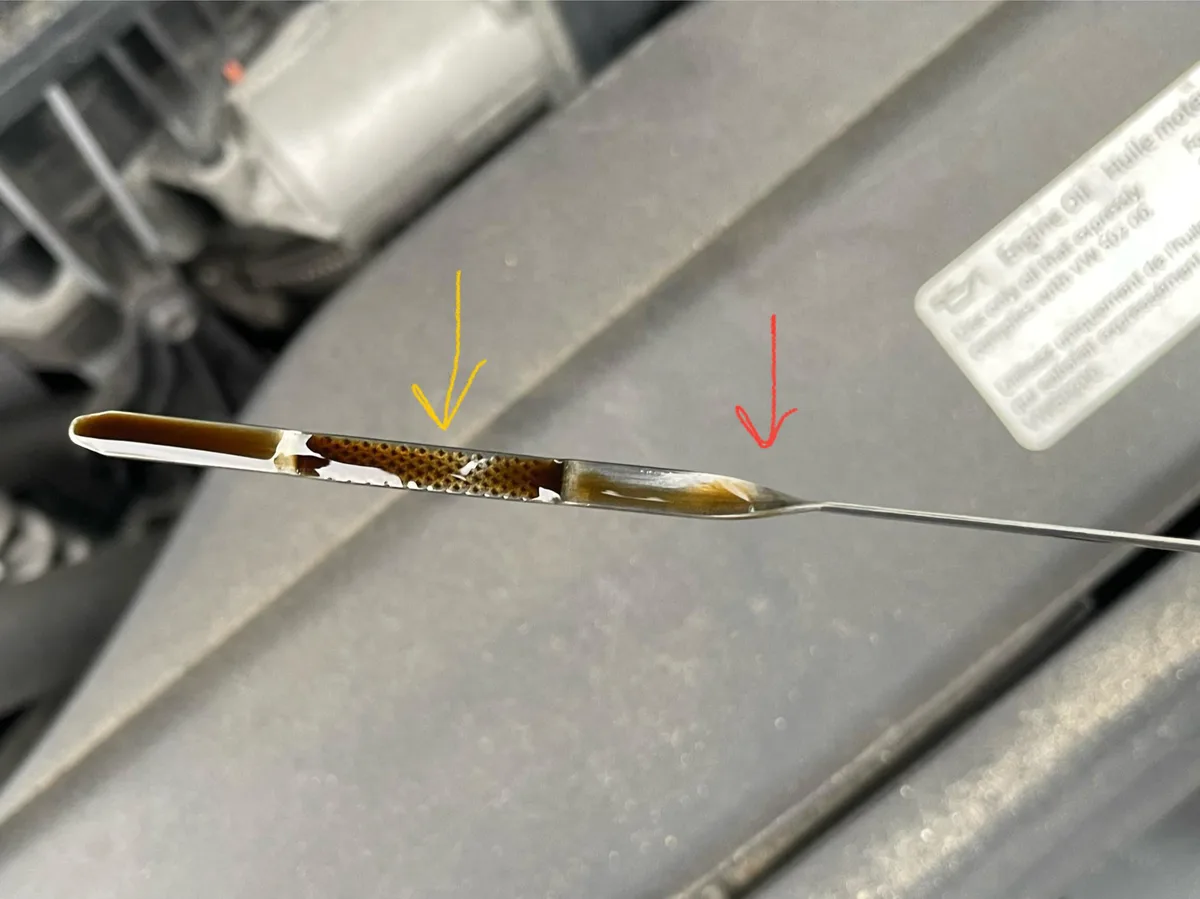
Image source: Web (Bing) / hitchesguide.com (Web image (fair-use with source credit))
This process works for both the 4.7L V8 and the 4.0L V6. The numbers change slightly, but the procedure is identical.
Preparing for the Change
Park on level ground. A sloped driveway will give you a false dipstick reading. Warm the engine for two to three minutes.
Cold oil drains slowly and leaves more old oil inside the pan. Warm oil flows freely and gives you a cleaner drain.
Gather your supplies:
- 6.5 quarts of 5W-30 (or 5.5 for the V6)
- New oil filter (M20 x 1.5 thread)
- New crush washer
- 14mm socket or wrench for the drain plug
- Oil filter wrench (64mm or 65mm cup style)
- Torque wrench (optional but strongly recommended)
- Drain pan
- Funnel
The Drain and Fill Process
Place the drain pan under the plug. Loosen the plug with the 14mm socket but keep pressure on it until you are ready to pull it out. Threads facing up.
Once the plug is out, let the oil drain for at least five minutes. Walk away. Do not rush this step.
While the oil drains, remove the old filter. It sits on the driver side of the engine, accessible from underneath. Turn it counterclockwise.
Some oil will spill. Let the filter opening drain into the pan too.
Install the new crush washer on the drain plug. Torque to 30 ft-lbs. Do not guess.
If you do not own a torque wrench, tighten it snug plus a quarter turn and stop. Aluminum threads strip easily.
Pre-fill the new filter with fresh oil. Pour enough to saturate the filter media, about half a quart. Rub a thin layer of oil on the rubber gasket.
Screw the filter on by hand until the gasket makes contact, then tighten another three-quarter turn.
Pour in 6 quarts. Stop. Check the dipstick.
If it reads near the full mark, add the remaining half quart slowly. Check again. The level should sit at or just below the full line.
Checking the Dipstick Correctly
Pull the dipstick out. Wipe it clean with a rag. Insert it fully.
Pull it out again and read the level.
The crosshatch zone represents about one quart between the low and full marks. If the level is in the middle of that zone, you have roughly half a quart to add before reaching full. If it is at the low mark, you are a quart low.
A common oversight is checking immediately after adding oil. The oil takes about 30 seconds to drain into the pan. Wait.
Check twice. The second reading is the one that matters.
When to Call a Mechanic (Even If You Do It Yourself)
Oil changes on a 2004 Tundra are straightforward. But certain situations call for professional help.
Call a mechanic if:
- The drain plug hole is stripped or cross-threaded
- You see metal particles in the drained oil
- The oil pressure light stays on after a fresh fill
- You cannot get the oil filter off without damaging it
- The engine has persistent leaks you cannot trace
Stripped drain plug threads require a time-sert or a new oil pan. That is not a driveway repair. Metal in the oil is a sign of bearing wear and needs a compression test and oil analysis.
A persistent oil pressure light after a proper fill suggests a faulty sending unit or a clogged pickup tube.
If you are unsure about any of these signs, spend the $50 for a shop inspection. It beats a $4,000 engine replacement.
Long-Term Maintenance Tips for a 20-Year-Old Truck
Your 2004 Tundra is old enough to vote. Treat it accordingly.
Stick to 5,000-mile oil changes if you drive in severe conditions. Toyota defines severe service as short trips under 10 miles, dusty roads, extreme temperatures, or towing. Most Tundra owners fall into this category without realizing it.
The manual says 7,500 miles for normal service, but for a two-decade-old engine, 5,000 is safer.
Switch to a high-mileage oil around 150,000 miles. These formulations have additional seal conditioners that can slow small leaks common on older engines. Do not use them on a fresh rebuild or low-mileage engine.
They are for aging gaskets only.
Replace the PCV valve every 60,000 miles. A clogged PCV valve increases crankcase pressure and forces oil past seals. It costs $15 and takes five minutes.
Keep an eye on the valve cover gaskets. The 2UZ-FE is known for seepage around the spark plug tubes. If you smell burning oil after a long drive, check the valve covers first.
Check the oil level every other fuel fill-up. A quart low on a 6.5-quart system represents a 15 percent reduction. If you let it drop two quarts, you are running at 70 percent capacity.
That is too low.
For owners of other Toyota trucks, the same habits apply. The 2024 Tacoma requires similar attention to oil level, though the capacity and viscosity differ.
Frequently Asked Questions About 2004 Tundra Oil Capacity
Can I use 10W-30 instead of 5W-30?
Not recommended for cold weather. The 5W rating provides better flow during startup in temperatures below freezing. In warm climates only, 10W-30 will not damage the engine, but 5W-30 is what Toyota specified and what the engine was designed for.
How much oil does a 2004 Tundra V8 take without a filter change?
Approximately 6.0 quarts. The filter holds about 0.5 quarts. If you are not swapping the filter, reduce your fill by half a quart and check the dipstick before adding more.
Is synthetic oil worth it for a high-mileage 2004 Tundra?
Yes, especially in extreme temperatures. Full synthetic flows better in cold starts and resists breakdown at high temperatures. It also handles extended drain intervals better.
If your engine has over 150,000 miles, a synthetic blend is a reasonable compromise between cost and protection.
What happens if I overfill by half a quart?
A half quart over is unlikely to cause immediate damage. Check the dipstick after the engine runs. If the level sits above the full mark by more than half an inch, drain some out.
Consistent overfilling leads to seal leaks and oil foaming.
How do I know if my 2004 Tundra has the V6 or V8?
Check the engine cover. The V8 says "i-Force V8" in raised lettering. The V6 says "V6." You can also check the eighth digit of your VIN.
An "A" indicates the 4.0L V6. A "C" or "D" indicates the 4.7L V8.
Should I warm the engine before draining the oil?
Yes. Warm oil drains faster and more completely than cold oil. Two to three minutes of idling is enough.
Do not drain the oil immediately after a long drive while the exhaust is still hot. Let it cool for five minutes first to avoid burns.
Verified Specs: Torque Values, Filter Info, and Reference Data
This section serves as a quick reference for future oil changes. Bookmark it.
| Specification | 4.7L V8 (2UZ-FE) | 4.0L V6 (5VZ-FE) |
|---|---|---|
| Oil capacity (with filter) | 6.5 quarts | 5.5 quarts |
| Oil capacity (without filter) | 6.0 quarts | 5.0 quarts |
| Oil type | SAE 5W-30 | SAE 5W-30 |
| API classification | SL or newer | SL or newer |
| Drain plug torque | 30 ft-lbs | 30 ft-lbs |
| Drain plug socket size | 14mm | 14mm |
| Oil filter thread | M20 x 1.5 | M20 x 1.5 |
| Filter wrench size | 64mm or 65mm cup | 64mm or 65mm cup |
| Recommended interval (normal) | 7,500 miles | 7,500 miles |
| Recommended interval (severe) | 5,000 miles | 5,000 miles |
The 2UZ-FE engine is one of the most reliable V8s Toyota ever built. It earned that reputation because owners paid attention to the basics. Oil capacity is the simplest thing you can get right.
A few minutes of care at every change keeps that engine running for another 100,000 miles.
Winter Oil Considerations for Cold Climates
If you live where temperatures drop below freezing, your 2004 Tundra needs extra attention. The 5W-30 recommendation is not arbitrary. The "5W" means the oil flows like a 5-weight at 0°F.
That is critical for startup protection.
In extreme cold, you can safely use 0W-30. Toyota does not list it in the manual, but it meets the same hot-weight protection. It flows even better at subzero temps.
Owners in Canada and Alaska report quieter cold starts with 0W-30.
Do not use 10W-30 in winter. Aggregate owner feedback confirms it causes slower oil pressure buildup on cold mornings. That delay wears timing chain tensioners and valve train components over time.
How Towing Affects Oil Capacity and Change Intervals
Towing cuts your oil life significantly. The 2UZ-FE works harder under load. Oil temperatures climb faster.
Contamination from fuel dilution increases.
If you tow regularly, shorten your change interval to 3,000 to 4,000 miles. The 6.5-quart capacity helps with thermal capacity, but it is not a substitute for frequent changes.
Aggregate reviews from Tundra owners who tow report that synthetic oil holds up better at 4,000 miles than conventional oil at 3,000. The extra upfront cost pays for itself in reduced engine wear.
Check your oil level before every tow. The added weight and incline can cause oil to slosh away from the pickup tube on steep grades. A full sump gives you a safety margin.
Oil Filter Selection Matters More Than You Think
The filter is not just a can with paper inside. It regulates bypass pressure and filtration efficiency. Cheap filters often lack proper bypass valves.
For the 2004 Tundra, stick with:
- Toyota OEM (part number 04152-YZZA1 or 04152-0V010), Best fit, correct bypass pressure
- Wix 57045, High capacity, good filtration
- Purolator PL22500, Solid mid-range option
Avoid filters with unknown branding or no API certification mark. A failed filter can starve the engine of oil at idle. The $5 savings is not worth it.
When to Switch to High-Mileage Oil
Around 150,000 miles, consider switching to a high-mileage formulation. These contain seal conditioners that soften dried gaskets. Small leaks around the valve covers and rear main seal often slow down or stop.
High-mileage oil also has a slightly higher viscosity additive package. That helps fill microscopic gaps in worn bearings. It is not snake oil.
It works on engines that have accumulated internal wear.
Do not use high-mileage oil on a fresh rebuild or low-mileage engine. The seal conditioners can over-soften new gaskets and cause leaks.
Final Word on Your 2004 Tundra Oil Capacity
The 2004 Toyota Tundra oil capacity is 6.5 quarts for the V8 and 5.5 quarts for the V6. Use 5W-30. Check the dipstick twice.
Replace the crush washer. Pre-fill the filter. That is the formula for another 100,000 miles.
This engine earned its reputation because owners paid attention to the details. Oil capacity is the simplest detail to get right. A few minutes of care at every change keeps that legendary 2UZ-FE running strong.