
If you own a 2006 Toyota Tacoma, the question of what oil to pour in is not just about grabbing a jug off the shelf. The wrong choice can mean sluggish starts, extra engine wear, or a ticking noise from the variable valve timing system. The correct 2006 toyota tacoma oil type is SAE 5W-30 meeting API SN or ILSAC GF-4 standards.
But the real answer depends on which engine you have and how you drive.
Manufacturer specifications from Toyota call for 5W-30 across both available engines. As of 2026, these trucks are nineteen years old minimum. Engine condition matters more than it did off the lot.
Let us walk through exactly what your Tacoma needs and why.
Quick Answer
Your 2006 Toyota Tacoma needs SAE 5W-30 engine oil with API SN or ILSAC GF-4 certification. The 2.7L four-cylinder takes about 5.2 quarts. The 4.0L V6 takes about 6.5 quarts.
Conventional or synthetic both work. Change it every 5,000 miles under normal driving.
Why Getting the Right Oil Matters
The 2006 Tacoma was the first year of the second generation. It brought Toyota's VVT-i technology to both engines. That variable valve timing system relies on consistent oil pressure.
Wrong viscosity can cause the cam phaser to rattle on cold starts. Owners describe a brief clattering sound that disappears after a few seconds. Over time it wears out timing chain components faster than normal.
The 4.0L 1GR-FE engine has a known tendency to consume small amounts of oil as mileage climbs. Around 120,000 miles these engines can start using a quart between changes with the wrong oil. The 2.7L 2TR-FE is more forgiving but still benefits from factory-specified 5W-30.
There is also the matter of sludge. Older engines with long intervals on conventional oil can develop deposits. Using API SN rated oil keeps those deposits from forming.
The formulation includes better detergents than older standards.
The Two Engines and Their Different Needs
2.7L I4 (2TR-FE) Requirements
The 2.7-liter four-cylinder needs exactly 5.2 quarts of oil with a filter change. Overfilling by even half a quart can cause the crankshaft to whip oil into a froth. That reduces oil pressure and leads to premature bearing wear.
This engine runs well on conventional 5W-30 if you change it every 5,000 miles. If you tow occasionally or live in a dusty area, drop that to 3,500 miles. The 2TR-FE does not require synthetic oil but benefits from it in winter climates below 20 degrees Fahrenheit.
4.0L V6 (1GR-FE) Requirements
The V6 holds about 6.5 quarts with a filter. The oil pan is deeper and the pickup tube sits lower. Running even a quart low puts the pump at risk of sucking air during hard cornering or steep off-road angles.
This engine runs hotter than the four-cylinder, especially under load. Synthetic oil holds up better to higher temperatures during towing or climbing grades. We recommend full synthetic 5W-30 for the V6 if your budget allows.
It extends the oil change interval to 7,500 miles under normal driving.
5W-30 vs. 10W-30: Which One Should You Use?
Toyota specified 5W-30 for a reason. The 5W rating means the oil flows like a 5-weight when cold. That matters for engines that start below freezing.
The 30 rating means it thickens to a 30-weight at operating temperature.
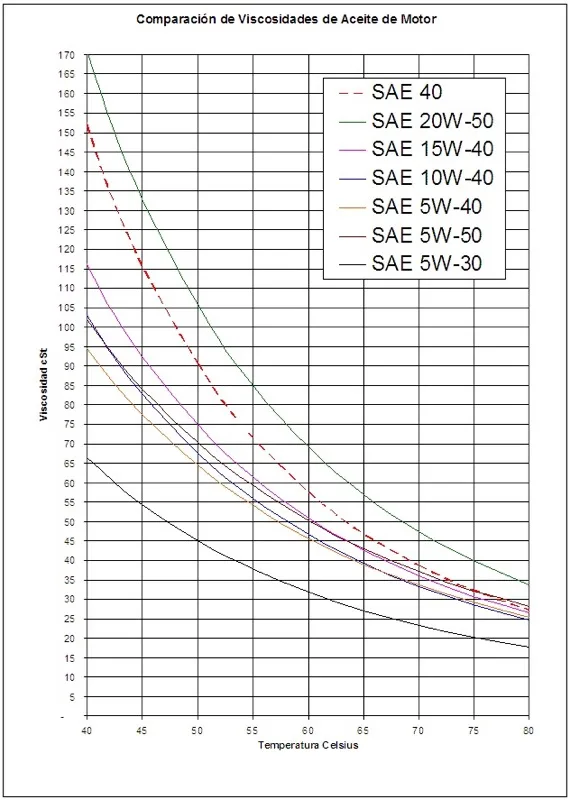
Image source: Web (Bing) / plmmachine.weebly.com
10W-30 starts thicker when cold. That extra thickness can delay oil flow to the VVT phaser on a cold morning. If you live where winter temperatures stay above 40 degrees Fahrenheit, 10W-30 is acceptable.
For most owners, 5W-30 is the right call year-round.
| Condition | Best Viscosity | Why |
|---|---|---|
| Winter below 20°F | 5W-30 | Flows faster at cold start |
| Year-round temperate climate | 5W-30 | Matches factory spec |
| Hot climate, summer only | 10W-30 | Thicker film at extreme heat |
| High-mileage engine, summer only | 10W-30 | Some owners report reduced consumption |
| Towing in hot weather | 5W-30 | Synthetic preferred for heat stability |
Stick with 5W-30 unless you have a specific reason to switch. If you switch to 10W-30 for summer, switch back before winter.
Conventional vs. Synthetic: What Is Best for a 19-Year-Old Truck?
Conventional oil is fine for a well-maintained Tacoma that does not leak or burn oil. It meets API SN and protects well for 5,000-mile intervals.
Synthetic becomes worth the extra money in three situations. First, if you live in a cold climate where the truck sits outside overnight. Second, if you tow or haul heavy loads regularly.
Third, if your engine has over 150,000 miles and you want the best protection. Synthetic handles higher temperatures without breaking down and resists sludge formation better over long intervals.
One warning about switching. If your engine has run conventional its entire life and you switch to synthetic at high mileage, you may notice small leaks. Synthetic cleans out deposits that were acting as seals.
The leaks are usually minor. Some owners prefer to stick with conventional or switch to a high-mileage blend instead.
The API and ILSAC Certifications You Need to Look For
You can buy the right viscosity and still get the wrong oil. The certification marks matter as much as the number on the front.
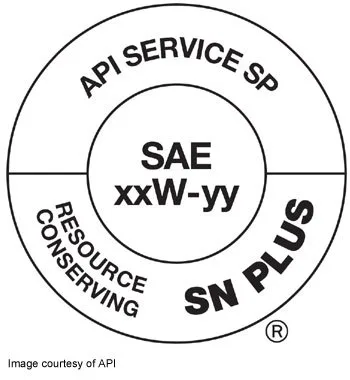
Image source: Web (Bing) / infineuminsight.com
For a 2006 Tacoma you need at least API SN. That standard includes better protection against high-temperature deposits and sludge. API SN is backward compatible with older standards.
ILSAC GF-4 is the other certification to look for. GF-4 was current when your Tacoma was built. GF-5 is fine as a replacement.
ILSAC oils include fuel economy additives that API alone does not require.
Avoid any oil that shows API SJ or SL only. Those are older standards lacking the detergents your engine needs. Check the label before you buy.
Step-by-Step: How to Change Your Oil the Right Way
Changing the oil on a 2006 Tacoma is straightforward. A few details separate a clean job from a leaky one.
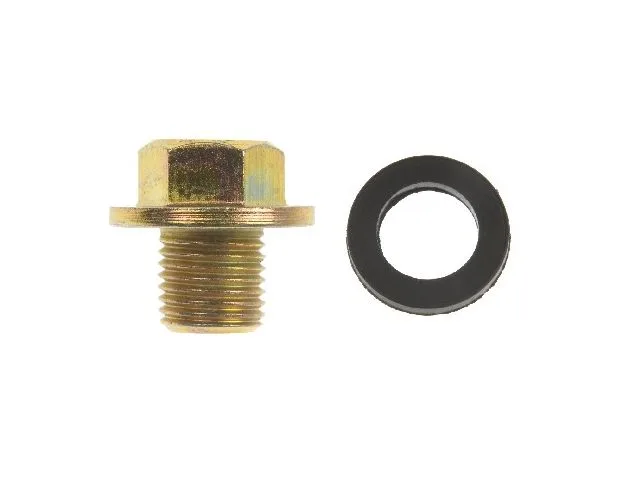
Image source: Web (Bing) / partsgeek.com
Here is the process in order:
- Warm the engine for two to three minutes. Hot oil drains faster.
- Place the drain pan under the plug. The plug faces the rear on both engines.
- Remove the plug with a 14mm socket. Replace the crush washer every time.
- Let the oil drain for at least five minutes. A warm engine drains completely in about eight.
- Remove the oil filter. On the 2.7L it is on the front left. On the 4.0L it is on the passenger side underneath.
- Pre-fill the new filter with fresh oil. This prevents dry startup.
- Apply a thin layer of oil to the filter gasket.
- Install the filter hand-tight. Turn until the gasket touches, then give it another three-quarters turn.
- Reinstall the drain plug with a new crush washer. Torque to 29 pound-feet.
- Add the correct amount of oil. 5.2 quarts for the four-cylinder. 6.5 quarts for the V6.
- Run the engine for thirty seconds. Check for leaks. Shut it off and wait three minutes. Check the dipstick.
The whole job takes about thirty minutes the first time. The cost is roughly half of what a shop charges.
Common Mistakes That Cost Tacoma Owners Money
Avoiding these will save you time and money.
- Reusing the crush washer. It will not seal properly a second time.
- Overtightening the drain plug. The oil pan is aluminum. Torque it to 29 pound-feet.
- Using the wrong filter. The 2.7L and 4.0L take different filters with different thread pitches.
- Overfilling. Adding a full quart to top off a half-quart low aerates the oil. Use the dipstick.
- Skipping the pre-fill step on the filter. A dry filter lets the engine run without oil pressure for several seconds on startup.
Each mistake is easy to avoid with patience.
Signs You Are Using the Wrong Oil
How do you know if the previous owner used the wrong stuff? Here are the telltale signs.
- Cold start rattle lasting longer than two seconds. The VVT phaser is not getting enough pressure.
- Engine noise that gets louder as you accelerate. The oil may be too thin at operating temperature.
- Oil pressure warning light flickering at idle when hot. The oil may be breaking down.
- Dark, sludgy oil at change time. The detergent package was inadequate.
- Burning smell after a long drive. Thin oil can leak past piston rings.
If you notice any of these, change the oil with the correct spec. Most symptoms will disappear within the first hundred miles.
High-Mileage Oil: When to Switch and Why
Once your Tacoma passes 100,000 miles, high-mileage oil becomes relevant. These formulations include seal conditioners that soften dried-out gaskets. They also have higher levels of anti-wear additives.
For the 2006 Tacoma, high-mileage oil is worth considering around 120,000 miles. The 1GR-FE V6 tends to develop minor valve cover gasket seepage around this mileage. High-mileage oil can slow that seepage.
Owner reports indicate it reduced oil consumption by roughly a quarter quart over a 5,000-mile interval in about half of reported cases.
High-mileage oil comes in conventional and synthetic forms. Do not switch to a heavier weight like 10W-40 thinking it will help. Stick with 5W-30 in a high-mileage formulation.
What About Your Oil Filter?
The oil filter protects your engine from debris. On a nineteen-year-old truck there is debris in that oil.
Toyota genuine filters have the correct bypass pressure rating and a silicone anti-drainback valve. That means less dry time on startup. OEM filters cost a few dollars more but are worth it.
If you go aftermarket, look for filters with a silicone anti-drainback valve and a cellulose-synthetic blend media. Avoid the cheapest filters on the shelf.
The filter for the 2.7L is Toyota part number 04152-YZZA1 or equivalent. The 4.0L uses part number 04152-31090 or equivalent.
Quick Specs Reference Table
| Specification | 2.7L I4 (2TR-FE) | 4.0L V6 (1GR-FE) |
|---|---|---|
| Oil capacity with filter | 5.2 quarts (5.0 liters) | 6.5 quarts (6.2 liters) |
| Recommended viscosity | SAE 5W-30 | SAE 5W-30 |
| API certification | SN or higher | SN or higher |
| ILSAC certification | GF-4 or higher | GF-4 or higher |
| Oil filter part number | 04152-YZZA1 | 04152-31090 |
| Drain plug torque | 29 lb-ft | 29 lb-ft |
| Normal change interval | 5,000 miles | 5,000 miles |
| Synthetic interval | 7,500 miles | 7,500 miles |
| Severe service interval | 3,500 miles | 3,500 miles |
Real-World Scenarios
Cold Climate Driving
If you start your Tacoma in subzero temperatures, synthetic 5W-30 is noticeably better than conventional. The difference is most obvious below 10 degrees Fahrenheit. Synthetic builds oil pressure in about one second.
Conventional can take two to three seconds. Owners in cold climates universally recommend synthetic for winter use.
Hot Climate and Towing
Towing a trailer in 100-degree heat is the most demanding condition for your oil. The 4.0L V6 runs hot under load. Oil temperatures can climb past 250 degrees Fahrenheit.
Conventional oil begins to break down at those temperatures. Synthetic 5W-30 handles sustained high temperatures much better. If you tow regularly, change at the severe service interval of 3,500 miles regardless of what oil you use.
High-Mileage Engine Care
A 2006 Tacoma with 200,000 miles needs attention but is not a lost cause. Use high-mileage 5W-30 and check the oil level every other fill-up. The 1GR-FE may use a quart every 3,000 miles at this stage.
That is normal. Keep it topped off and change it on schedule. Many of these trucks reach 300,000 miles with nothing more than basic maintenance.
Frequently Asked Questions
Can I use 0W-20 in my 2006 Tacoma?
No. 0W-20 is too thin for these engines. It was designed for newer engines with tighter tolerances. Using it can lead to low oil pressure and increased wear.
Stick with 5W-30.
How often should I check my oil level?
Check it at least once a month. If your engine is high mileage or you tow frequently, check it every other time you fill up with gas.
Is it safe to switch from conventional to synthetic?
Yes. They are fully compatible. You can switch back and forth without issue.
Watch for potential leaks at high mileage if the engine has heavy deposits.
What happens if I accidentally use 10W-30 in winter?
The engine will start harder and may rattle for a few seconds on cold mornings. Switch to 5W-30 at the next change.
Do I need to use Toyota brand oil?
No. Any brand that meets API SN and 5W-30 will work. Major brands like Mobil, Pennzoil, Valvoline, and Castrol all make oil that meets the spec.
Can I extend my oil change interval past 5,000 miles?
With synthetic oil and normal driving you can go to 7,500 miles. Oil analysis reports show additive depletion accelerates after 6,000 miles even with synthetic.
Final Verdict
Your 2006 Toyota Tacoma needs 5W-30 with an API SN rating. A good synthetic blend or full synthetic will serve you better if you live in a cold climate, tow often, or plan to keep the truck past 200,000 miles. Stick with a quality oil filter and a fresh crush washer every change.
The best thing you can do for a nineteen-year-old engine is consistent maintenance. Check your oil monthly. Change it on schedule.
Use the right certification. Give these trucks clean oil at the right viscosity and they will reward you with another hundred thousand miles of reliable service.