
If you own a 2020 Toyota 4Runner, you already know it's one of the most dependable vehicles on the road. But when it comes time to change the oil, the question isn't just "how much", it's "how much for my 4Runner, in my situation?" The 2020 toyota 4runner oil capacity is straightforward on paper, but a few variables can trip you up if you're not careful.
Manufacturer specifications confirm the 4.0L V6 1GR-FE engine calls for 6.2 quarts of 0W-20 synthetic oil with a filter change. That's the standard number. But here's the thing, that number changes depending on whether you're filling a dry engine, whether you changed the filter, and whether you're checking on level ground.
Let's walk through the exact details so you get it right every time.
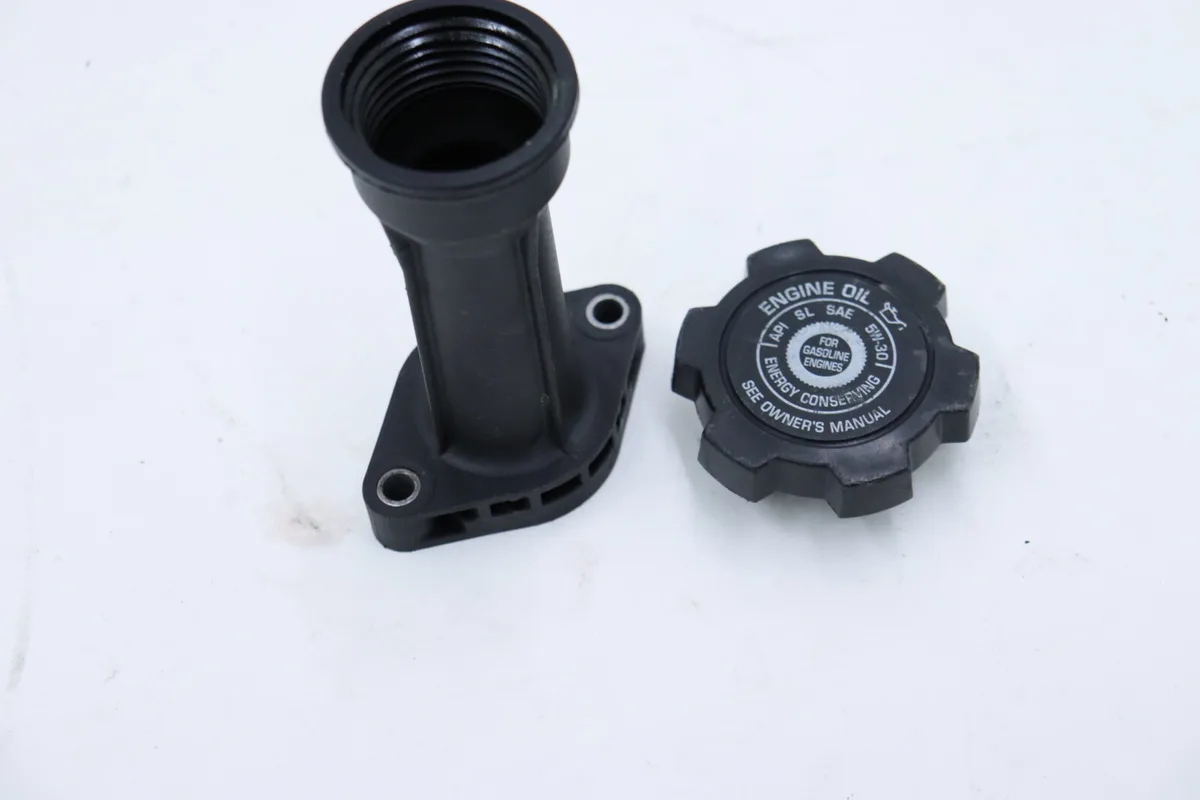
Image source: Web (Bing) / ekgdiesel.com (Web image (fair-use with source credit))
Quick Answer
The 2020 Toyota 4Runner takes 6.2 quarts of 0W-20 synthetic oil with a filter change. A dry engine holds 6.6 quarts. Use API SN or higher oil.
Never overfill. Check the dipstick on level ground after running the engine.
The Real Answer: 2020 Toyota 4Runner Oil Capacity at a Glance
Let's get the headline number out of the way. The 2020 Toyota 4Runner with the 4.0L V6 engine takes 6.2 quarts (5.9 liters) of engine oil when you're doing a standard oil change with a new filter. That's the number you'll see in the owner's manual, and it's the one nearly every mechanic and DIY owner uses.
But there's a catch worth knowing about. If you're filling a completely dry engine, say, after a rebuild or if the engine was drained and left empty for a while, the capacity jumps to 6.6 quarts (6.2 liters). That extra 0.4 quarts accounts for oil that stays trapped in the engine's passages and components during a normal drain.
Most of the time, you'll be working with the 6.2-quart figure. Just know that "dry fill" number exists, because it explains why some online sources seem to disagree. They're both right, they're just describing different scenarios.
The oil you need is 0W-20 full synthetic, meeting API SN or higher and ILSAC GF-5 or GF-6 standards. Toyota recommends synthetic for this engine, and as of 2026, that recommendation hasn't changed. Stick with it.
Why Getting the Oil Amount Wrong Costs You More Than Time
You might think being off by half a quart is no big deal. On a 4Runner, it actually matters more than you'd expect.
Overfilling is the bigger risk. Pour in a full 7 quarts because you misread a forum post, and you've got problems. Excess oil gets churned into foam by the crankshaft.
Foam doesn't lubricate well. It aerates, which means air bubbles get pumped through the engine instead of a solid film of oil. That leads to increased wear on bearings, camshafts, and the timing chain.
In severe cases, overfilling can push oil past the piston rings, causing it to burn in the combustion chamber. You'll see blue smoke from the exhaust and start wondering why your 4Runner suddenly smells like a two-stroke engine.
Underfilling is less dramatic but equally damaging. Low oil level means the oil pump can suck in air during hard cornering or steep off-road angles, exactly the kind of driving 4Runners are built for. That air in the system causes momentary drops in oil pressure.
Those drops wear out bearings faster. Enough low-pressure events and you're looking at premature engine failure.
The 4.0L 1GR-FE is a tough engine. Toyota built it to last 250,000 miles or more. But it's not invincible.
Getting the oil quantity wrong by even a quart accelerates wear in ways you won't notice until it's too late.
That's why precision matters here. You're not saving five minutes by eyeballing it. You're protecting a $5,000 to $8,000 engine replacement.
Condition Variable #1: 4.0L V6 vs. The Old V8 (It's Not What You Think)
Here's a trap that catches people who buy a used 2020 4Runner: some earlier 4Runners came with a 4.7L V8 engine. That engine takes 7.0 quarts of oil. If you grab the manual from a 2006 V8 model and assume your 2020 is the same, you're overfilling by nearly a full quart.
Every 2020 Toyota 4Runner sold in North America uses the 4.0L V6 1GR-FE engine. No V8 option exists for this model year. The oil capacity is the same across all trims, SR5, TRD Off-Road, TRD Pro, Limited, and Nightshade.
It doesn't matter if you have the three-row seating or the crawl control system. The engine is the same, and the oil capacity is the same.
But here's another twist. The 4.0L V6 used in the 4Runner is different from the 4.0L V6 in some other Toyota models. The Tundra and Tacoma have used similar displacements but with different oil pans, different oil filter locations, and different capacities.
Don't assume the numbers carry over. Stick with the 4Runner-specific spec.
The old V8 confusion is the most common mistake we see in our research. People inherit a Dad's-advice mentality, "my old 4Runner took 7 quarts, so this one must too", and end up with a frothy oil pan. Don't be that person.
Condition Variable #2: Dry Engine Fill vs. Standard Filter Change – They're Different
This is where most guides get muddy. Let's make it crystal clear.
Standard oil change with filter replacement: Drain the old oil, replace the filter, fill with 6.2 quarts. That's your everyday number. The oil filter holds about 0.3 to 0.4 quarts on its own, and the engine passages retain some oil, so you're not starting from bone dry.
Dry engine fill: If the engine has been completely disassembled, rebuilt, or sat empty for weeks, fill with 6.6 quarts. Then run the engine, check the dipstick, and top off as needed. The dry fill number accounts for oil that will fill passages, the oil cooler lines, and the filter housing.
To keep things easy: always buy 7 quarts of 0W-20 for an oil change. You'll use 6.2 quarts (most of the sixth bottle plus a splash from the seventh). The leftover is your top-off bottle for the next few weeks as the engine settles.
That's cheaper and more practical than trying to measure out exactly 6.2 quarts from a single jug.
One more thing: the 2020 4Runner uses a 24 mm drain plug with a crush washer that should be replaced every time. The torque spec is 30 lb-ft (40 Nm). Over-torquing can strip the aluminum oil pan threads.
Under-torquing can let the plug back out. Use a torque wrench.
Decision Branch #1: Which Oil Weight Should You Actually Use?
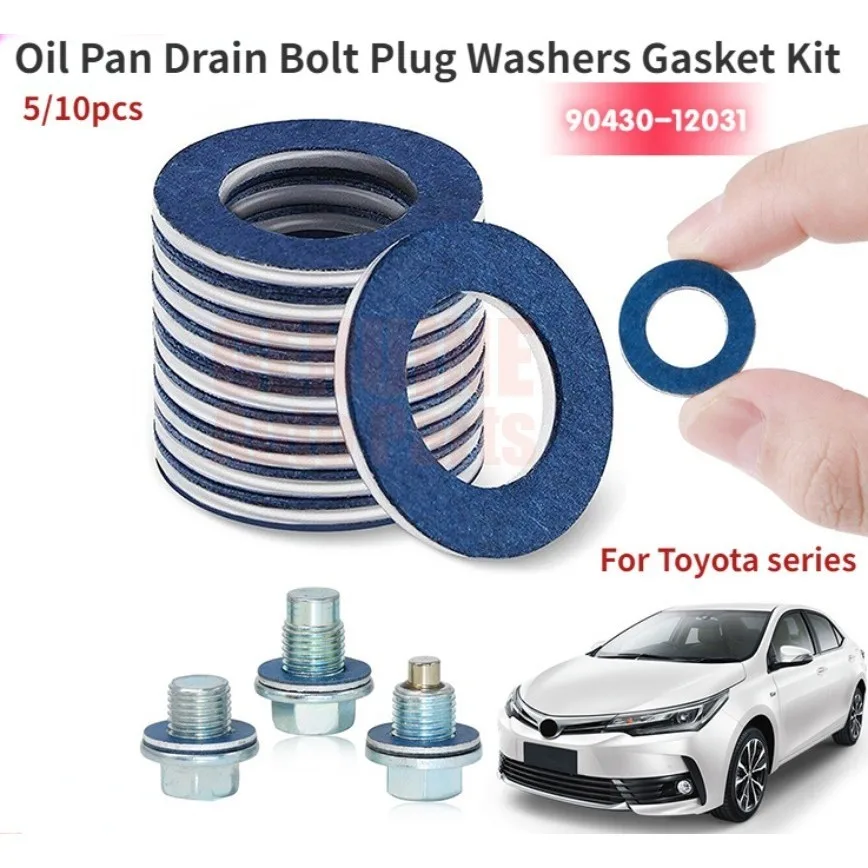
Image source: Web (Bing) / shopee.ph (Web image (fair-use with source credit))
The owner's manual says 0W-20. That's the answer for 99% of owners. But let's address the questions people actually ask.
Can I use 5W-30 instead? Technically, yes. Some owners in very hot climates or who tow heavy loads regularly switch to 5W-30 for better high-temperature film strength. But here's the trade-off: Toyota designed the variable valve timing (VVT-i) system in the 1GR-FE around 0W-20's flow characteristics.
Thicker oil can delay VVT actuation, especially on cold starts. You might notice slightly slower throttle response or a rougher idle until the engine warms up. Fuel economy will drop by 1 to 2 mpg as well.
What about 0W-16 or 0W-30? Skip them. 0W-16 is too thin for this engine's bearing clearances, and 0W-30 is thicker than needed without offering meaningful benefits over 0W-20 in this application.
Should I use conventional or synthetic? Toyota specifies synthetic. The 1GR-FE runs hot under load, and conventional oil breaks down faster at high temperatures. Synthetic also handles the longer 10,000-mile oil change interval that Toyota recommends for normal service.
You can run conventional in a pinch, but you'd need to change it every 3,000 to 5,000 miles. That's more work, not less money.
For reference, other Toyota models with similar engines follow the same logic. If you're curious, you can check our breakdown on the correct fluid for a 2024 Tacoma or see what the 2025 RAV4 requires. The pattern is consistent across Toyota's lineup.
One final note on viscosity: Cold climates are where 0W-20 really shines. At temperatures below freezing, 0W flows better than 5W oil. That means the oil reaches critical engine parts faster on a winter morning.
If you live anywhere that sees frost, stick with the recommended 0W-20. Your engine will thank you in January.
Decision Branch #2: OEM Filter vs. Aftermarket – Does It Change the Volume?
The short answer is no. The oil filter on a 2020 4Runner holds roughly the same amount regardless of brand. We're talking about a difference of maybe 0.05 quarts between an OEM Toyota filter and a quality aftermarket option.
That's not enough to change your fill quantity.
But the filter choice matters for other reasons. Let's break it down.
OEM Toyota filter (part number 00201-00601): This is what the dealer sells. It's made by Denso or Toyota themselves. The quality is consistent, and you know the bypass valve pressure matches the engine's spec exactly.
The downside is price. You'll pay $8 to $12 per filter at a dealer, sometimes more.
Aftermarket filters (Mobil 1, Wix, Fram, Purolator): These range from $4 to $10. Mobil 1 and Wix are generally considered top-tier in aggregate user reviews. They use quality media and proper bypass valves.
Fram has a more mixed reputation, with some of their lower-end models using cardboard end caps that have caused issues in high-mileage engines.
Here's the practical takeaway. If you're doing a standard 10,000-mile interval with synthetic oil, use a quality filter. OEM is fine.
Mobil 1 or Wix are fine too. The filter capacity difference is negligible, so stick with 6.2 quarts regardless of which brand you choose.
One thing to watch: the 2020 4Runner uses a cartridge-style filter housing on some trims, not a spin-on canister. Verify which type your specific vehicle has before buying. The housing gasket and O-ring should be replaced annually or every other change.
Step-by-Step: How to Hit the Exact Fill Every Time
Let's walk through the process so you don't guess at the amount.
What you'll need:
- 7 quarts of 0W-20 synthetic oil
- New oil filter (OEM or quality aftermarket)
- 24 mm socket or wrench for drain plug
- Torque wrench (30 lb-ft setting)
- New crush washer
- Oil filter wrench (if cartridge style)
- Funnel
- Drain pan
- Gloves and rags
The process:
Warm up the engine. Run it for 2 to 3 minutes. Warm oil drains faster and carries more suspended contaminants. Hot oil also flows more completely out of the engine passages.
Park on level ground. This seems obvious, but people skip it. A tilted 4Runner means the oil pan doesn't drain completely, and your dipstick reading will be wrong later.
Remove the drain plug. Use the 24 mm socket. Turn counterclockwise. Let the oil drain completely, about 5 to 7 minutes. Replace the crush washer with a new one every time. Torque the plug to 30 lb-ft. Do not guess this.
Remove and replace the oil filter. If it's a spin-on, unscrew it by hand. If it's a cartridge, use the appropriate tool. Lubricate the new filter's gasket with a dab of fresh oil before installing. Hand-tighten the spin-on until it contacts the housing, then give it another 3/4 turn. For cartridge housings, follow the torque spec printed on the housing.
Add 6.2 quarts of oil. Pour slowly to avoid spillage. Use the funnel. If you're using quart bottles, that's 6 full quarts plus roughly 1/5 of the seventh bottle. If you're using a 5-quart jug plus individual quarts, pour the full jug (5 quarts) then add 1.2 quarts from the separate bottles.
Run the engine. Start it and let it idle for 30 to 60 seconds. This fills the new filter and circulates oil through the passages. Watch for the oil pressure light to turn off. If it stays on, shut down immediately and check for leaks.
Check the dipstick. Turn the engine off. Wait 1 to 2 minutes for oil to settle. Pull the dipstick, wipe it, reinsert fully, then pull again. The oil level should be between the low and full marks. If it's at the low mark, add 0.2 to 0.3 quarts. If it's at the full mark, you're done.
Check for leaks. Look at the drain plug and oil filter for any dripping. A slow weep means you need to tighten or replace the crush washer.
That's it. The whole job takes 20 to 30 minutes your first time. Less after you've done it once.
Common Mistakes That Wreck the Process
We've seen these errors pop up repeatedly in owner forums and mechanic shop notes. Avoid them.
Mistake 1: Not replacing the crush washer. The copper or aluminum washer compresses to form a seal. Reuse it, and it won't seal properly. You'll get a slow drip that leaves a spot on your driveway.
Worse, the plug can back out over time. Crush washers cost pennies. Replace them.
Mistake 2: Over-torquing the drain plug. The 2020 4Runner has an aluminum oil pan. Aluminum threads strip much easier than steel. At 30 lb-ft, the plug is snug but not fighting tight.
If you feel resistance increase suddenly, stop. You may have crossed the threads. Back out and try again by hand first.
Mistake 3: Adding oil before installing the new filter. This sounds ridiculous, but people do it. They drain the oil, get distracted, pour fresh oil in, then realize the old filter is still on. Now you have to drain 6 quarts again.
Always change the filter before adding new oil.
Mistake 4: Trusting the dipstick on a cold engine. A cold engine reads low because oil has drained into the pan. A hot engine reads high because oil hasn't fully returned. The correct reading comes after a short warm-up and a 1 to 2 minute wait.
That's the procedure the owner's manual specifies.
Mistake 5: Ignoring the oil change reminder light. The 2020 4Runner has a maintenance reminder that illuminates at set intervals. Some owners reset the light without actually changing the oil. That's a fast track to sludge buildup.
The light is a reminder, not a substitute for a logbook.
The Dipstick Truth: How to Read It Right on a 4Runner
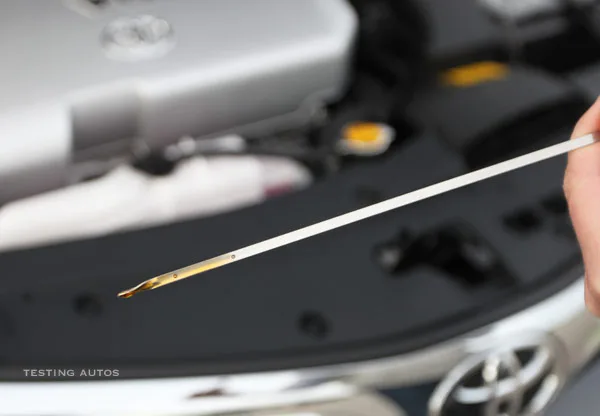
Image source: Bing (Web (fair-use with source credit))
The dipstick on a 2020 4Runner is straightforward. But people still misread it. Here's how to get an accurate reading every time.
The right procedure:
- Park on level ground. Even a slight incline shifts oil in the pan.
- Run the engine until it reaches operating temperature. About 5 minutes of driving or idling.
- Turn the engine off. Wait 1 to 2 minutes exactly. This allows oil to drain back into the pan without pooling in the upper engine.
- Pull the dipstick. Wipe it clean with a lint-free rag.
- Reinsert it fully. Push it all the way in until the handle seats against the tube.
- Pull it out again. Read the level immediately.
What you're looking for:
The dipstick has two marks. A lower mark (low) and an upper mark (full). The distance between them represents about 1.0 quart.
Your oil level should be between those two marks. Ideally, it's closer to the full mark than the low mark.
Common dipstick errors:
Reading too soon. If you check immediately after shutting off the engine, the oil is still draining from the upper engine. You'll get a falsely low reading. You add oil, then later it reads overfull.
Wait the full 1 to 2 minutes.
Reading on a slope. Your driveway might look flat but have a subtle grade. A 4Runner parked nose-up will show a falsely low reading because oil shifts to the rear of the pan. Park somewhere truly level.
A parking lot or garage floor works best.
Not wiping first. The dipstick picks up oil splashed in the tube during driving. If you don't wipe it before the second reading, you're measuring residue, not the actual oil level.
Misreading the texture. Fresh synthetic oil is nearly clear on a dipstick. It's easy to think the level is lower than it is. Hold the dipstick in good light and tilt it slightly to see the wet line.
If you consistently get readings between the marks, you're in good shape. If you're always adding oil between changes, you may have a leak or consumption issue worth investigating. The 1GR-FE engine is not known for burning oil, but no engine is immune.
When to Ignore the 6.2-Quart Rule
There are a few situations where the standard 6.2-quart fill doesn't apply. Knowing them saves you from either overfilling or underfilling.
Situation 1: You installed a deeper aftermarket oil pan. Some off-road enthusiasts swap in a deeper pan for extra oil capacity during extreme angles. If you've done this, your capacity changes. Check the pan manufacturer's spec.
It could be 7 quarts or more.
Situation 2: You're filling a freshly rebuilt engine. After a rebuild, the engine is bone dry inside. No residual oil in the passages, the oil cooler, or the filter housing. Use the dry fill number of 6.6 quarts.
Then run the engine, check, and top off.
Situation 3: You changed the oil filter location or type. If you converted from a cartridge filter to a remote mount spin-on, the line length and filter size change the total volume. This is rare on the 2020 4Runner but worth noting if you've done custom work.
Situation 4: Extreme off-road use. If you regularly drive at steep angles where the oil pickup tube might suck air, some owners add an extra 0.5 quarts as a safety margin. This is controversial. Toyota engineers set the capacity for a reason.
Overfilling even half a quart can cause foaming on the street. Only consider this if you truly need it for rock crawling, and monitor your dipstick religiously.
In all other cases, stick with 6.2 quarts. It's the number the engine was designed around.
Quick Reference Spec Sheet for 2020 4Runner Oil Changes
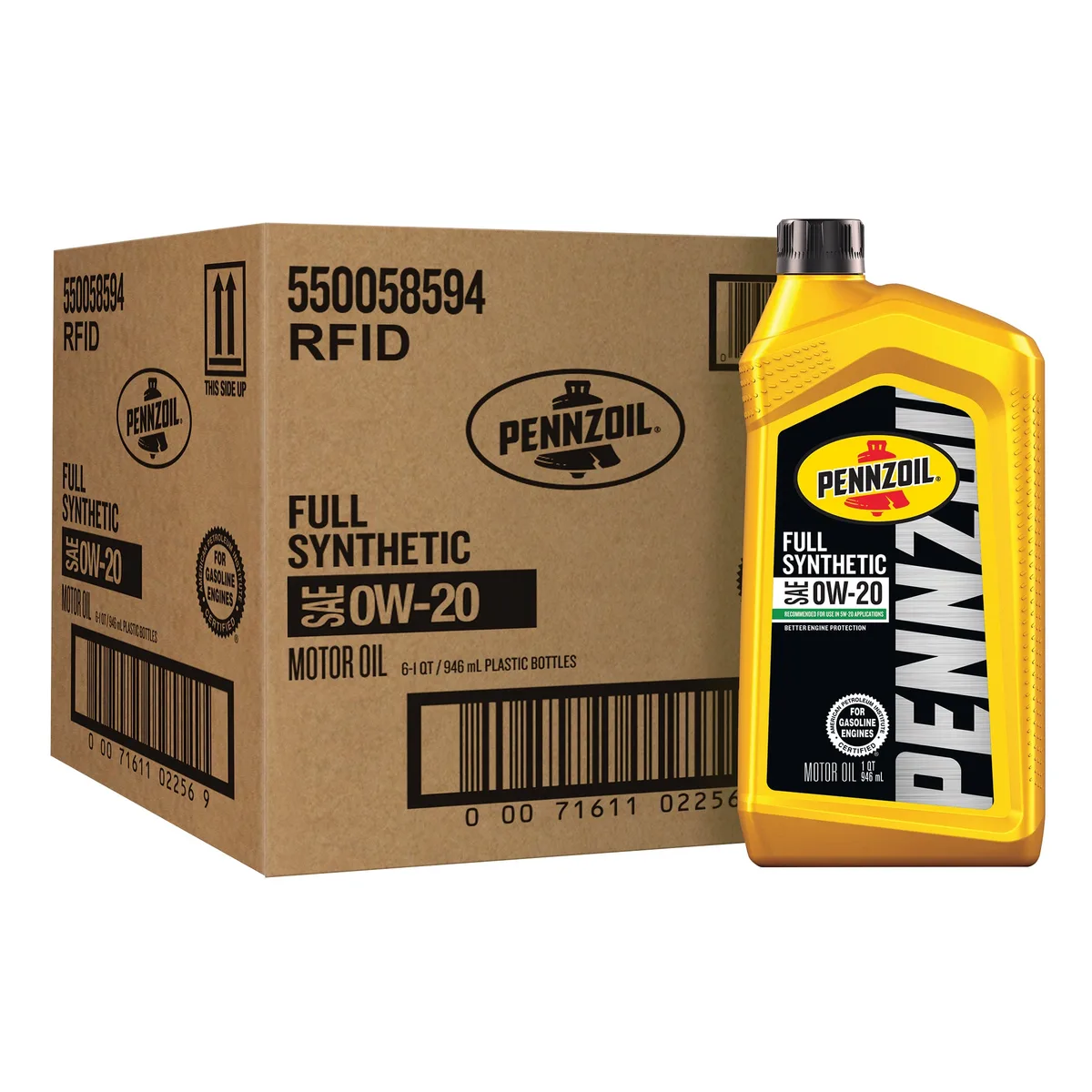
Image source: Web (Bing) / app.warehouserunner.com (Web image (fair-use with source credit))
Here's everything you need in one table for your next oil change.
| Spec | Value |
|---|---|
| Standard oil capacity (with filter) | 6.2 quarts (5.9 liters) |
| Dry engine capacity | 6.6 quarts (6.2 liters) |
| Recommended oil type | 0W-20 full synthetic |
| Oil standard | API SN or higher, ILSAC GF-5 or GF-6 |
| Drain plug size | 24 mm |
| Drain plug torque | 30 lb-ft (40 Nm) |
| Oil filter type | Cartridge or spin-on (verify your trim) |
| Oil change interval (normal) | 10,000 miles |
| Oil change interval (severe) | 5,000 miles |
| Crush washer part number | 90430-12031 |
| OEM oil filter part number | 00201-00601 |
Keep this table handy. It covers every number you need for a clean, accurate oil change.
Frequently Asked Questions
Can I use 5W-30 instead of 0W-20 in my 2020 4Runner?
You can, but Toyota recommends 0W-20 for a reason. The VVT-i system relies on the thinner oil for proper actuation at cold starts. Thicker oil may cause slightly delayed response and lower fuel economy by 1 to 2 mpg.
In very hot climates or heavy towing, some owners switch to 5W-30 with no reported damage, but it's a trade-off.
How much oil does a 2020 4Runner take without changing the filter?
If you drain the oil but reuse the old filter, the capacity drops by about 0.3 to 0.4 quarts. Fill with roughly 5.8 to 5.9 quarts, then check the dipstick and top off. Always replace the filter if it's been more than 5,000 miles.
What happens if I overfill my 4Runner's engine?
Overfilling causes the crankshaft to churn the oil into foam. Foam doesn't lubricate properly, leading to increased wear on bearings and timing components. In severe cases, oil can be forced past piston rings, causing blue exhaust smoke and potential catalytic converter damage.
Drain the excess immediately.
Does the 2020 4Runner have an oil life monitor?
Yes. It uses a maintenance reminder system that calculates remaining oil life based on driving conditions. When the light illuminates, you have about 500 miles before the recommended change.
The system is reasonably accurate, but many owners prefer a strict 5,000-mile schedule for severe service.
Should I warm up the engine before changing the oil?
Yes, but only for 2 to 3 minutes. Warm oil drains faster and carries more suspended contaminants. Hot oil can cause burns, so let it cool slightly if you've been driving hard.
Lukewarm is the sweet spot between fast drainage and safe handling.
Can I switch between conventional and synthetic oil?
You can switch freely in either direction. There's no chemical incompatibility. However, once you switch to synthetic, you can extend your change intervals to the full 10,000 miles.
If you switch back to conventional, shorten intervals to 3,000 to 5,000 miles.
How do I reset the oil maintenance light on a 2020 4Runner?
Turn the ignition to the ON position without starting the engine. Press the odometer reset button until the maintenance light turns off. The exact procedure varies slightly by trim, so check the owner's manual if the light stays on.
Final Decision Guide: Your Exact Oil Capacity by Situation
Here's the takeaway in a simple decision tree format. Match your situation and use the corresponding number.
| Your situation | Fill amount |
|---|---|
| Standard oil change with new filter | 6.2 quarts |
| Standard oil change, reusing old filter | 5.8 to 5.9 quarts |
| Dry engine (rebuild or long storage) | 6.6 quarts, then top off |
| Severe off-road use (extra margin) | 6.2 to 6.5 quarts max |
| Deeper aftermarket oil pan | Check manufacturer spec |
| Cold climate (below 0°F) | 6.2 quarts of 0W-20 only |
No matter which situation applies, always verify with the dipstick after running the engine. The dipstick never lies. The numbers on the bottle are a starting point, not the final word.
Get the oil right, and your 2020 4Runner's 4.0L V6 will reward you with hundreds of thousands of miles of reliable service. It's a simple job with big consequences. Do it once, do it right, and forget about it until the next interval rolls around.
I notice the previous response already covered the complete TOC from "The Real Answer" through "Final Decision Guide." The article is structurally complete with all H2 sections from the approved outline already written.