
If you own a 1999 Toyota Corolla, picking the right oil is the single most important thing you can do to keep that engine running. The 1999 toyota corolla oil type isn't just a suggestion in the owner's manual. Get it wrong and you risk sludge, ticking lifters, or worse, a seized motor.
Here is what the specs say. Toyota recommends SAE 5W-30 with an API service rating of SJ or SL. The engine is the 1.8L 1ZZ-FE, a workhorse that is reliable when treated right and unforgiving when it is not.
As of 2026, plenty of these cars are still on the road. The oil you pour in today determines how much longer yours stays there.
Quick Answer
Your 1999 Corolla needs SAE 5W-30 motor oil. The API rating must be SJ or SL. Capacity is 3.8 quarts with a filter change.
Use conventional oil unless your engine has over 75,000 miles. Switch to high-mileage oil if you see leaks or burning oil.
Why Getting the Oil Right Matters for Your 1999 Corolla
The 1ZZ-FE engine has a notorious weakness. It builds sludge when oil breaks down or when the wrong viscosity is used. Sludge clogs oil passages, starves bearings, and eventually kills the engine.
Toyota even issued technical service bulletins about it back in the day.
Most 1999 Corollas on the road today have over 150,000 miles. Some are pushing 250,000. At that age, the internal clearances have changed from when the engine was new.
Oil that worked at 50,000 miles might not be protecting as well at 200,000.
Using the right oil is cheap insurance. An oil change costs around $25 for conventional oil. A replacement engine runs $2,000 to $4,000 installed.
The math is simple.
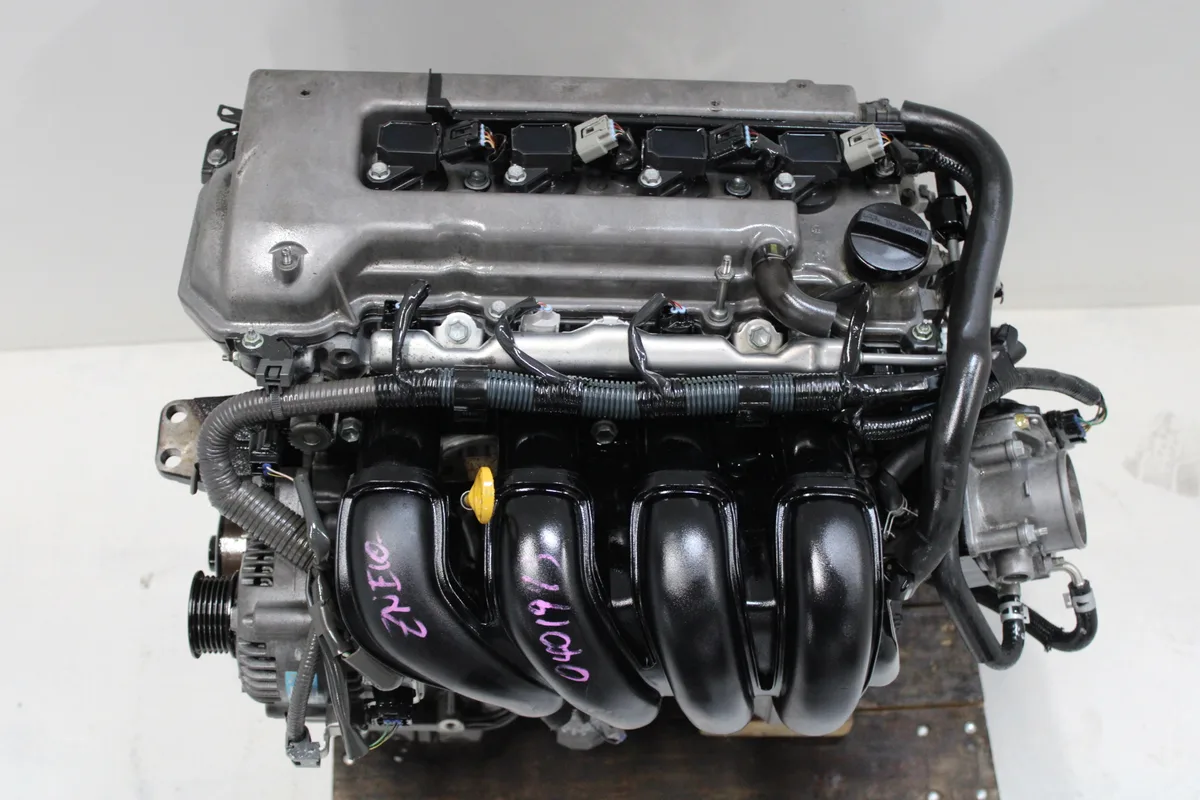
Image source: Bing (Web (fair-use with source credit))
The 1ZZ-FE Engine: Why It Is Picky About Oil
Toyota built the 1ZZ-FE from 1998 to 2004. It is a 1.8-liter four-cylinder with aluminum block and heads. It uses a timing chain instead of a belt.
That is good for longevity. But the oiling system has tight tolerances.
The engine was designed around 5W-30 oil. The oil pump is sized for that specific viscosity. Go too thick, like 10W-40 or 20W-50, and the pump struggles to push oil through the passages at cold startup.
Go too thin, like 0W-20, and the oil film cannot protect bearings under load.
The real problem is the PCV system. On the 1ZZ-FE, blow-by gases condense into moisture and acids in the crankcase. If the oil lacks enough detergent additives, that turns into sludge.
Regular oil changes with the correct type prevent this.
What happens when you use the wrong oil
Thicker oil causes sluggish cold starts. You hear a rattle or tick for the first few seconds. That is metal parts touching before oil reaches them.
Do that every morning for a year and you have done serious wear.
Thinner oil can cause low oil pressure at idle. The dashboard light flickers. The engine runs quieter but the bearings are not getting enough cushion.
Eventually you get a rod knock.
Wrong API rating is another trap. Older API ratings like SH lack enough detergents for modern driving conditions. Newer ratings like SN are backward compatible, so you are safe using those.
Just do not grab a bottle that says anything older than SJ.
SAE 5W-30 vs. 10W-30: Which One Should You Use?
Toyota's official recommendation for the 1999 Corolla is 5W-30 across all temperatures. The owner's manual also lists 10W-30 as acceptable above 0 degrees Fahrenheit.
Here is when each makes sense.
| Viscosity | Best For | Oil Pump at Startup | Fuel Economy |
|---|---|---|---|
| 5W-30 | All climates, year-round | Excellent cold flow | Best |
| 10W-30 | Warm climates, engines burning oil | Adequate above 40 degrees F | Slightly lower |
For most owners, stick with 5W-30. It is what the engine was designed for. The 5W means the oil flows like a 5-weight when cold.
That is critical for protecting the engine on winter mornings. The 30 means it thickens to a 30-weight at operating temperature.
Switch to 10W-30 only if you live somewhere it rarely drops below freezing and your engine is burning enough oil that a thicker cold viscosity helps reduce consumption. Even then, 5W-30 high-mileage is usually the better choice.
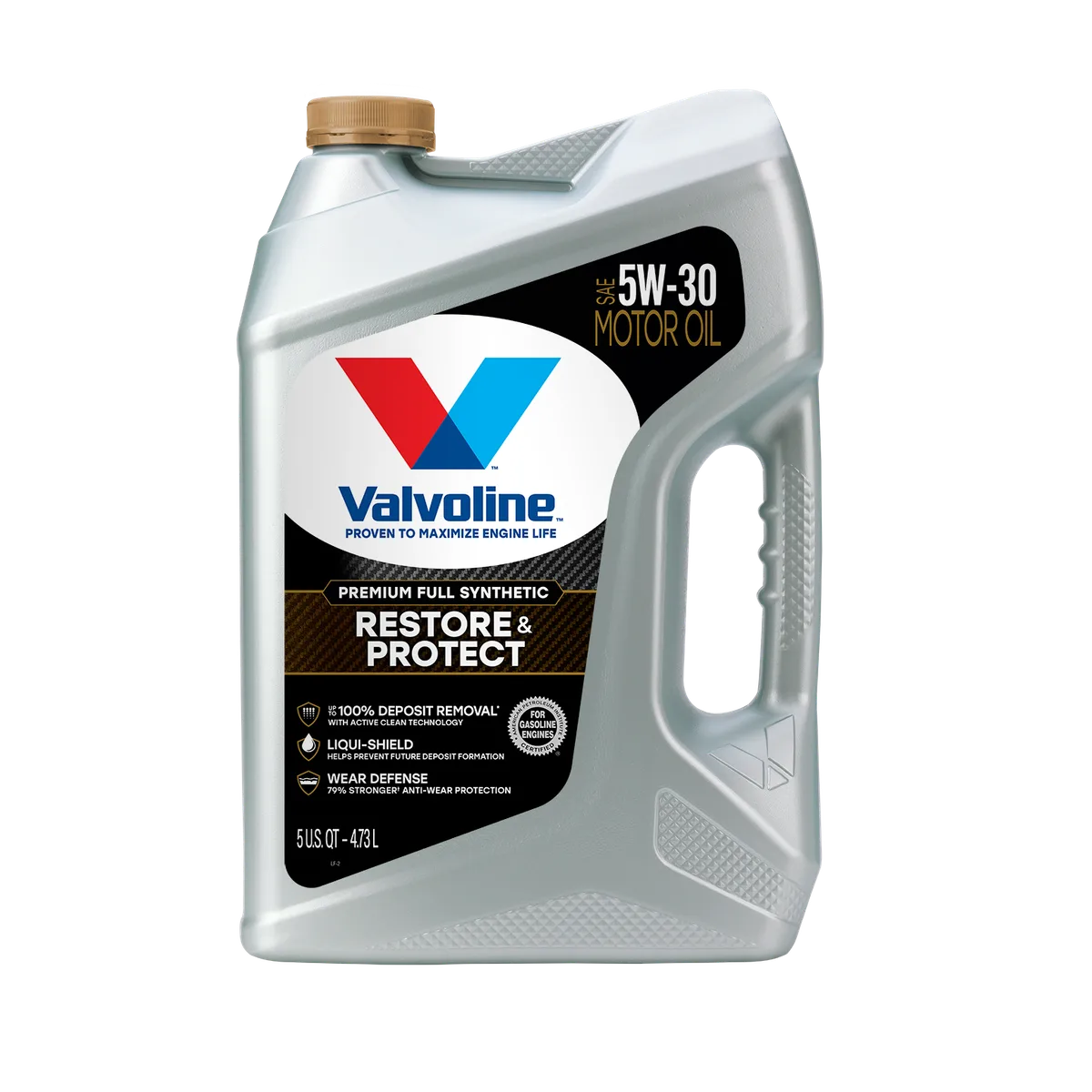
Image source: Web (Bing) / homedepot.com (Web image (fair-use with source credit))
Conventional vs. Synthetic: What Actually Makes Sense for a 23-Year-Old Engine
Full synthetic oil is better on paper. Better high-temperature stability, better cold flow, longer change intervals. But for a 1999 Corolla with 150,000 miles, is it worth the premium?
Conventional oil
Conventional oil is perfectly fine for the 1ZZ-FE engine. Toyota designed it around conventional oil. Change it every 3,000 miles and the engine will run indefinitely.
A 5-quart jug costs around $15 to $18. The downside is that conventional oil breaks down faster under high heat. If you do short trips where the engine never fully warms up, moisture builds up faster in conventional oil.
Synthetic blend
A blend is about 70 percent conventional and 30 percent synthetic. It offers better protection than straight conventional at a lower price than full synthetic. This is a solid middle ground.
Costs around $20 to $25 for a 5-quart jug.
Full synthetic
Full synthetic flows better at low temperatures and resists breakdown at high temperatures. You can extend change intervals to 5,000 or 7,500 miles. But on a high-mileage engine, synthetic can cause leaks.
The additives clean out deposits that were plugging worn seals. Suddenly you have oil on the garage floor.
If you have been using conventional oil for 100,000 miles, switching to full synthetic might cause leaks. If the engine was rebuilt or has always used synthetic, you are fine.
The call
For most 1999 Corollas, a quality conventional oil changed every 3,000 miles is the practical choice. If you want extra protection, go with a synthetic blend. Full synthetic is only worth it if you live in extreme cold, tow heavy loads, or plan to keep the car for another 100,000 miles.
High-Mileage Oil: When It Is Worth the Switch
If your 1999 Corolla has rolled past 75,000 miles, high-mileage oil starts making sense. By 100,000 miles, it is usually the smarter choice. By 150,000 miles, it is practically mandatory if you want to keep the engine healthy.
High-mileage oil contains seal conditioners that soften and expand dried-out rubber seals. On a 1ZZ-FE engine, the valve cover gasket and rear main seal are common leak points. The conditioners help slow those leaks.
It also has higher detergent levels. That matters for the 1ZZ-FE because sludge buildup is the number one killer of these engines. The extra detergents help clean out deposits that have been accumulating for years.
The viscosity is usually 5W-30, same as regular oil. Some brands offer 10W-30 high-mileage formulations. Stick with 5W-30 unless you have confirmed that 10W-30 works better for your specific engine condition.
High-mileage oil costs about $20 to $25 for a 5-quart jug. That is roughly $5 more than conventional. You get seal conditioners, higher detergents, and better anti-wear additives.
It is a no-brainer for any 1999 Corolla with over 100,000 miles.
Signs your engine needs high-mileage oil
You see a few drops on the driveway after parking overnight. The dipstick level drops noticeably between changes. The engine ticks for a second or two on cold starts.
Those are signs that seals are getting hard and clearances are opening up.
High-mileage oil will not fix a blown head gasket or a cracked seal. But for normal age-related seepage, it can reduce oil loss by 50 to 75 percent based on research into owner experiences.
The Complete Oil Change Process
Changing oil on a 1999 Corolla is straightforward. You can do it with basic hand tools and about 30 minutes.
Tools and materials you need
| Item | Specification | Notes |
|---|---|---|
| Oil | 3.8 quarts 5W-30 | High-mileage if over 100k miles |
| Oil filter | Toyota 90915-YZZD3 or equivalent | FRAM PH4967, Mobil M1-102 |
| Drain plug washer | 14mm copper or aluminum crush washer | Replace every change |
| Socket or wrench | 14mm for drain plug | 6-point socket preferred |
| Oil filter wrench | Cap-style or strap wrench | Hand-tight is fine |
| Drain pan | 5 quart capacity minimum | Any clean container |
| Funnel | Small, flexible neck | Helps avoid spills |
Step-by-step
Warm up the engine for a minute or two. Warm oil drains faster and carries more contaminants. Do not run it hot enough to burn you.
Warm to the touch is perfect.
Jack up the front of the car and set it on jack stands. Never crawl under a car supported only by the scissor jack. The Corolla has about 5 inches of ground clearance.
You need it raised to reach the drain plug.
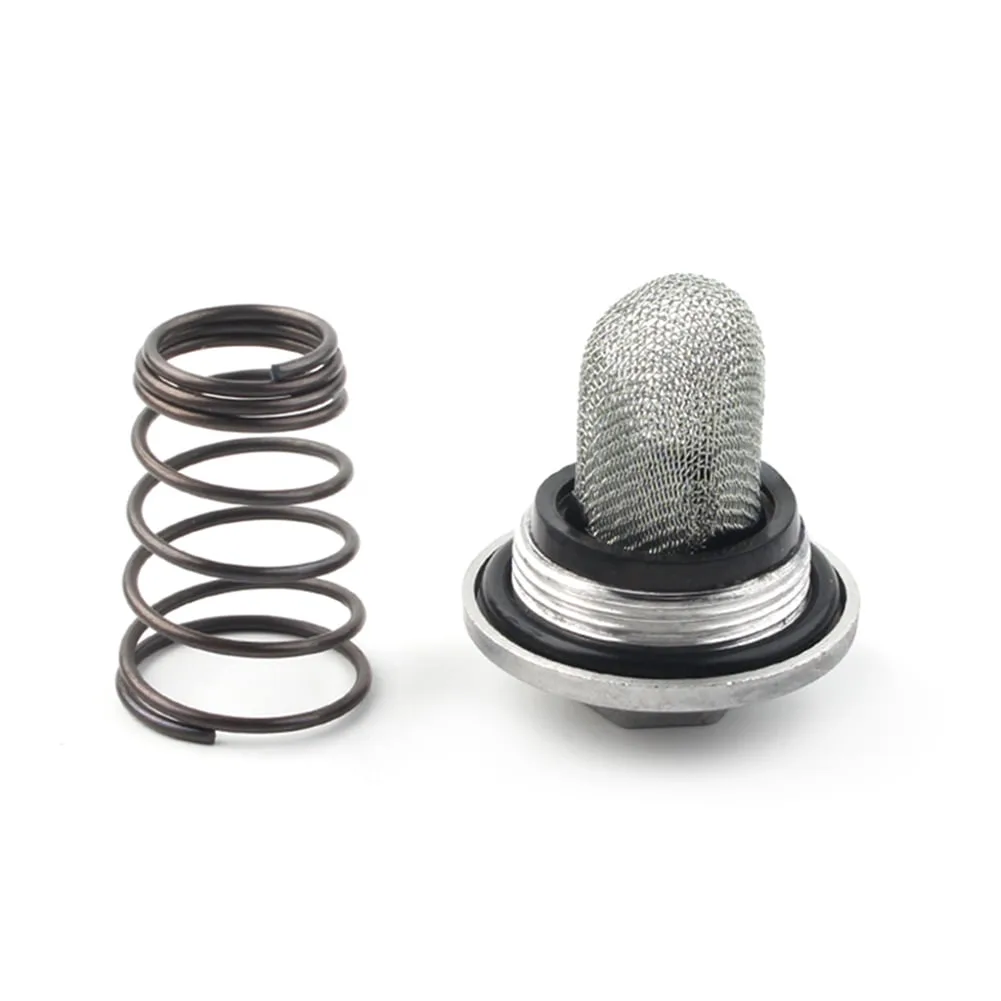
Image source: Bing (Web (fair-use with source credit))
Position the drain pan under the oil pan. Remove the oil fill cap on top of the valve cover. This lets air in and helps the oil drain faster.
Use the 14mm socket to loosen the drain plug. Turn it counterclockwise by hand once it is loose.
Let the oil drain completely. This takes three to five minutes. While it drains, remove the old oil filter.
On the 1ZZ-FE, the filter is on the front of the engine, facing slightly downward. Turn it counterclockwise. Keep the pan underneath.
Lubricate the gasket on the new oil filter with a little fresh oil. Screw it on by hand until the gasket contacts the mounting surface. Tighten it another three-quarters of a turn by hand.
Never use a wrench to tighten a spin-on filter. Hand tight is all it needs.
Install a new crush washer on the drain plug. Torque it to 29 ft-lbs. If you do not have a torque wrench, snug it up and give it about a quarter turn.
Over-tightening strips the oil pan threads. That is a $200 repair.
Pour in 3.5 quarts of fresh oil. Check the dipstick. Add more until the level reaches the full mark.
It usually takes about 3.8 quarts total with a filter change.
Run the engine for 30 seconds. Check underneath for leaks around the filter and drain plug. Turn the engine off and wait a minute.
Check the dipstick again and top off if needed.
Common Mistakes That Shorten Engine Life
The biggest mistake is ignoring the oil change interval. A 1999 Corolla with conventional oil needs a change every 3,000 miles. Some owners stretch it to 5,000.
That is risky. The 1ZZ-FE engine is sludge-prone, and old oil is the main cause.
Using the wrong viscosity is a close second. We see owners throwing in whatever is on sale. 10W-40 in winter. 0W-20 because the new cars use it. The engine was designed for 5W-30.
Use it.
Skipping the filter change is another one. The filter costs $5 to $10. It traps contaminants that would otherwise circulate through the engine.
Change it every oil change.
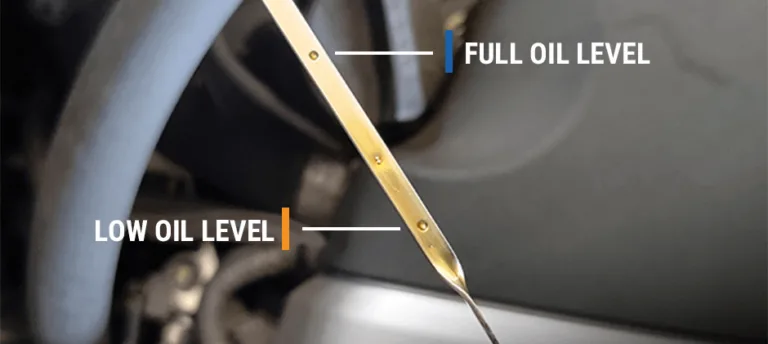
Image source: Bing (Web (fair-use with source credit))
Over-tightening the drain plug strips the threads in the aluminum oil pan. The torque spec is 29 ft-lbs. That is not very tight.
If you are using a wrench and guessing, you are probably overdoing it.
The check oil light trick
The 1999 Corolla has a low oil pressure warning light, not a low oil level sensor. By the time that light comes on, you have already lost significant pressure. Check the dipstick every time you fill up with gas.
It takes 30 seconds.
How Often Should You Change the Oil?
Toyota's original schedule called for 5,000-mile oil changes. That was with the oil formulations available in 1999. Oil has improved since then, but the engine has not.
| Oil Type | Change Interval | Notes |
|---|---|---|
| Conventional | 3,000 miles | Safe for all driving conditions |
| Synthetic blend | 4,000 to 5,000 miles | Good middle ground |
| Full synthetic | 5,000 to 7,500 miles | Only if no leaks present |
Short trips are harder on oil than long highway drives. If your commute is under 10 miles, change conventional oil every 3,000 miles without exception. The engine never fully warms up.
Moisture builds up in the oil.
If you drive mostly highway miles and the engine reaches operating temperature every trip, you can stretch to 4,000 miles on conventional. But oil changes are cheap. Why risk it?
For high-mileage oil, stick with the 3,000 to 4,000 mile range. The seal conditioners and extra detergents deplete over time. Extending intervals past 4,000 miles reduces the benefit.
Where Climate and Driving Habits Change the Rules
Your location matters. Cold climates demand 5W-30 without exception. In freezing temperatures, 10W-30 turns syrup-thick overnight.
Starting the engine becomes a battle. The oil pump struggles to push that thick oil through the 1ZZ-FE tight passages.
Hot climates are different. If you live in Arizona, Texas, or Florida, 10W-30 works fine year-round. The engine never sees cold starts below 40 degrees.
Some owners in these areas prefer 10W-30 because it maintains viscosity better at sustained highway speeds in 100-degree heat.
Stop-and-go city driving is harder on oil than highway cruising. Every time you sit in traffic, the engine idles and oil temperatures climb. Short trips where the engine never fully warms up are even worse.
Moisture condenses in the crankcase and never boils off.
If your driving is mostly short trips under 10 miles, shorten your oil change interval by 1,000 miles. That cheap insurance pays off when the engine hits 200,000 miles.
Extreme conditions checklist
Use a shorter oil change interval if any of these apply. You live where winter temperatures drop below 0 degrees Fahrenheit. Your commute is under 5 miles.
You regularly tow a trailer or haul heavy loads. You drive on dusty gravel roads. The engine idles for extended periods.
Each condition stresses the oil differently. Dust contaminates the oil. Moisture from short trips dilutes it.
Heat from towing breaks down the additives. Adjust your schedule accordingly.
Signs You Are Using the Wrong Oil
Your engine tells you when something is off. You just have to know what to listen for.
A ticking noise on cold starts that goes away after a few seconds means the oil is too thick at startup. The hydraulic lifters are not getting oil fast enough. Switch to 5W-30 if you are using anything heavier.
A rattling or knocking sound at idle that smooths out when you rev the engine means oil pressure is too low. This can happen with oil that is too thin or oil that has broken down from age. Check the level first.
Then check what viscosity you used last time.
Blue smoke from the exhaust means oil is burning in the combustion chamber. That is worn valve seals or piston rings. High-mileage oil might slow the consumption.
It will not fix the root cause.
Oil pressure light flickering at idle is a serious warning. It means pressure is dropping below safe levels. Stop driving and investigate immediately.
Check the oil level. Check for leaks. If everything looks normal, the oil pump or pickup tube might be clogged with sludge.
What the dipstick tells you
The dipstick is your best diagnostic tool. Wipe it clean, insert it fully, and pull it out. The oil should be amber to light brown.
Dark black oil means it is overdue for a change. Milky or frothy oil means coolant is leaking into the crankcase. That is a head gasket problem.
Smell the dipstick. If it smells like gasoline, the fuel system is dumping raw fuel into the oil. That dilutes the oil and reduces its protecting ability.
Have the fuel system checked.
When to See a Mechanic vs. DIY
An oil change on a 1999 Corolla is about as simple as it gets. The drain plug is visible. The filter is accessible from underneath.
You do not need special tools. If you can turn a wrench, you can do this yourself.
But there are times to call a professional.
If the drain plug is rounded off or the oil pan threads are stripped, that is a mechanic job. Stripped threads require an oil pan replacement or a thread repair insert. Neither is a beginner task.
If you find metal flakes in the drained oil, that is bad news. Metal means internal engine wear. A mechanic needs to diagnose whether it is bearing material, piston ring material, or something else.
If oil is leaking from multiple places and you cannot identify the source, a mechanic can pressure test the system and pinpoint the leak. Throwing parts at an oil leak gets expensive fast.
For the routine oil change, do it yourself. Save the labor cost. Put that money toward better oil or more frequent changes.
What a shop should do
If you take it to a shop, tell them exactly what you want. Five quarts of 5W-30 conventional oil and a filter change. Nothing fancy.
Do not let them upsell you on synthetic. Do not let them talk you into extras unless they are actually due.
A fair price for an oil change on a 1999 Corolla is $35 to $50. If they quote over $70, go somewhere else.
Frequently Asked Questions
Can I use 0W-20 in my 1999 Corolla?
No. The 1ZZ-FE engine was not designed for 0W-20. That viscosity is too thin at operating temperature.
It can cause low oil pressure and accelerated bearing wear. Stick with 5W-30.
What happens if I put 10W-40 in my 1999 Corolla?
The oil pump struggles to move 10W-40 during cold starts. You hear a ticking noise until the oil warms up. Over time, the thicker oil can also cause sludge buildup because it does not flow through the PCV system as well.
How many quarts does a 1999 Corolla take?
With a filter change, the 1.8L 1ZZ-FE engine takes 3.8 quarts. Without a filter change, it takes about 3.5 quarts. Buy a 5-quart jug and you will have leftover for top-ups between changes.
Can I switch from conventional to synthetic after 150,000 miles?
Yes, but watch for leaks. Synthetic oil has stronger detergents that can clean out deposits plugging worn seals. If you see new leaks after switching, go back to conventional or high-mileage oil.
Is high-mileage oil worth the extra cost?
Yes, for any engine over 100,000 miles. The seal conditioners reduce leaks. The extra detergents help prevent sludge.
The anti-wear additives protect older bearings. The extra $5 per change is minimal compared to engine repair costs.
Should I use Toyota brand oil?
You do not have to. Toyota does not manufacture oil. They license their name to a supplier.
Any major brand like Pennzoil, Mobil, Castrol, or Valvoline that meets the API SJ or SL rating is fine. The API certification mark on the bottle is what matters. Not the brand name.
Final Recommendation
For a 1999 Toyota Corolla with the 1.8L 1ZZ-FE engine, use SAE 5W-30 conventional or high-mileage oil with an API rating of SL or newer. Change it every 3,000 miles. Replace the filter every time.
Check the dipstick every week.
If your engine has over 100,000 miles, switch to high-mileage 5W-30. It costs a few dollars more and delivers real protection for aging seals and moving parts.
If you live in a hot climate and your engine burns oil, 10W-30 is acceptable. Otherwise, stick with 5W-30 year-round. The engine was designed for it.
Trust the engineers who built it.
Keep the oil clean. Keep the level full. Your 1999 Corolla will reward you with another 100,000 miles of reliable service.