
If you're behind the wheel of a 2000 Toyota Corolla, you're driving one of the most reliable cars ever built. But even the toughest engine needs the right fuel. The 2000 toyota corolla oil type you choose directly affects whether that engine hits 200,000 miles or dies from sludge at 120,000.
Here's the short version. Toyota's factory specs call for SAE 5W-30 with an API service rating of SJ or higher. The engine holds 3.8 quarts with a filter change.
Get that wrong and you're asking for trouble. As of 2026, that advice hasn't changed because the 1ZZ-FE engine in this car is famously picky. Let's walk through exactly what you need, why it matters, and how to avoid the mistakes that send these cars to the scrapyard early.
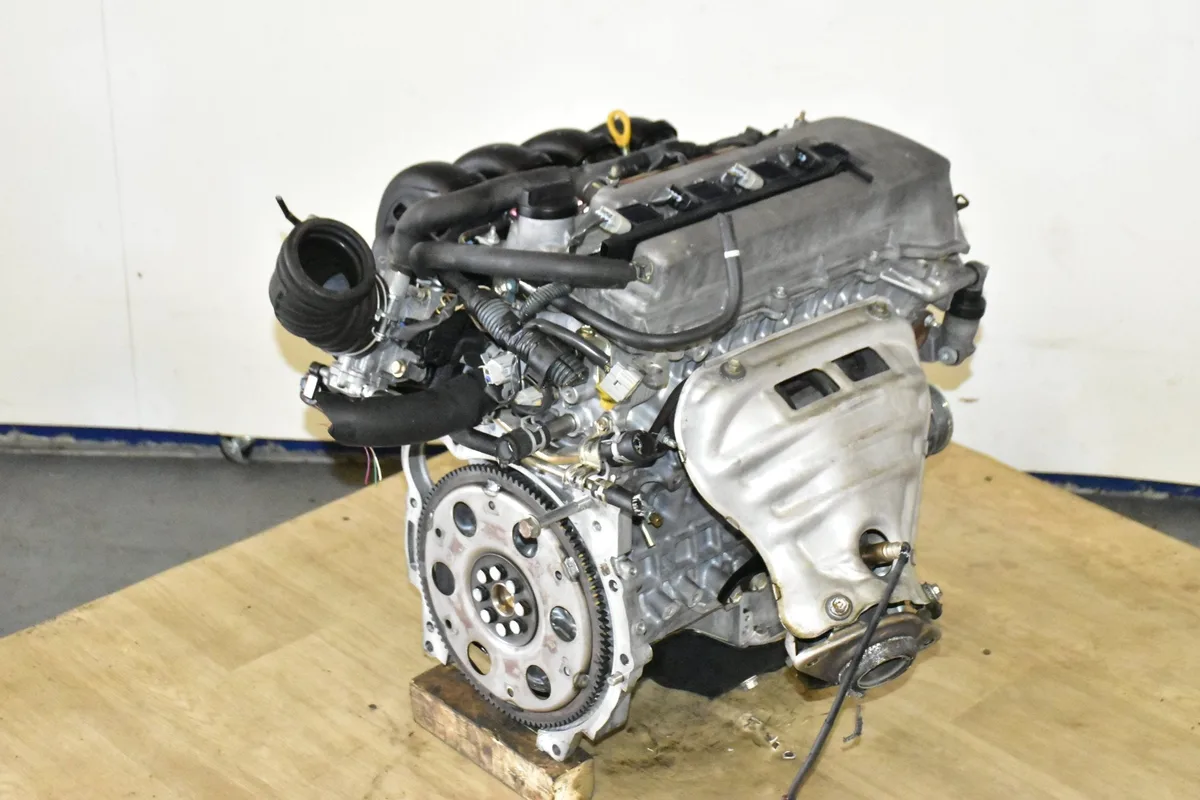
Image source: Web (Bing) / sanantoniojdmengines.com (Web image (fair-use with source credit))
Quick Answer
The 2000 Toyota Corolla takes SAE 5W-30 motor oil. Use an API service classification of SJ or higher. The engine capacity is 3.8 quarts with a filter change.
Conventional oil is fine. Synthetic blends and full synthetics work too. Stick with 5W-30 year-round.
Do not use 5W-20. Check the dipstick after adding oil.
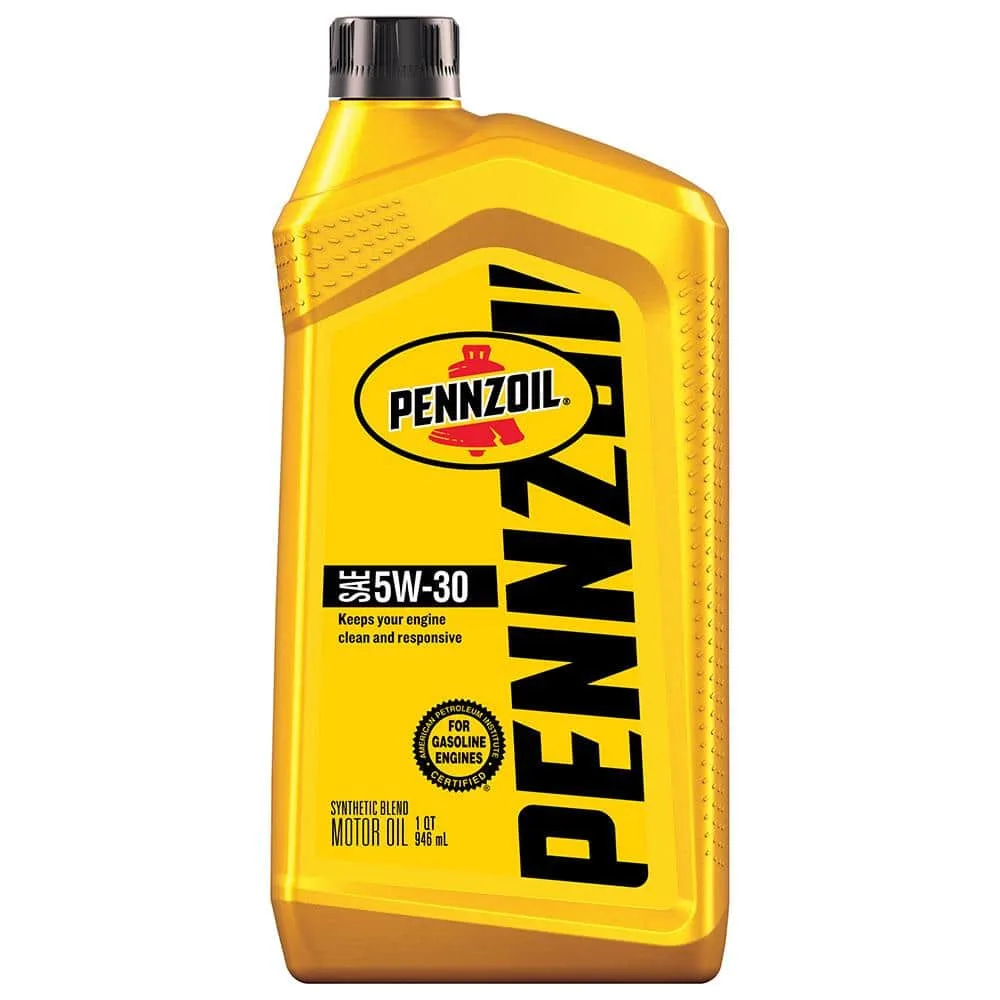
Image source: Web (Bing) / homedepot.com (Web image (fair-use with source credit))
Why Getting the Right Oil Matters for a 2000 Corolla
The 1.8-liter 1ZZ-FE engine has a specific design quirk. It runs tight clearances from the factory. It also has a known tendency to develop sludge if the oil breaks down or the wrong viscosity is used.
Sludge is the enemy. It's that thick, tar-like buildup that clogs oil passages and starves the valvetrain of lubrication. Once sludge sets in, the engine starts ticking.
Then it starts knocking. Then it stops running. Toyota issued service bulletins about this engine and extended warranty coverage for sludge-related failures on certain model years.
The right oil prevents that. The wrong oil accelerates it. Manufacturer specifications from the 2000 Corolla owner's manual state the requirements clearly.
SAE 5W-30 is the recommended viscosity for all operating temperatures. API SJ or higher is the required quality standard. ILSAC GF-2 or higher is also acceptable.
These aren't suggestions. They're engineering requirements based on the bearing clearances, oil pump capacity, and thermal characteristics of this specific engine.
The 1ZZ-FE Engine: Why It's Picky About Oil
The 1ZZ-FE was Toyota's workhorse four-cylinder from the late 1990s through the mid-2000s. It's in the Corolla, the Celica, and other models. On paper, it's a simple 1.8-liter DOHC engine.
In practice, it has some quirks.
Tight piston-to-wall clearance. Toyota designed the 1ZZ-FE with tight clearances between the pistons and cylinder walls. This reduces noise and improves efficiency when the engine is new. But it means the engine needs oil that flows properly at cold start to prevent scuffing. 5W-30 provides that cold-flow protection.
Thicker oils like 10W-40 don't flow fast enough on a cold morning. Thinner oils like 5W-20 don't provide enough film strength when the engine is hot.
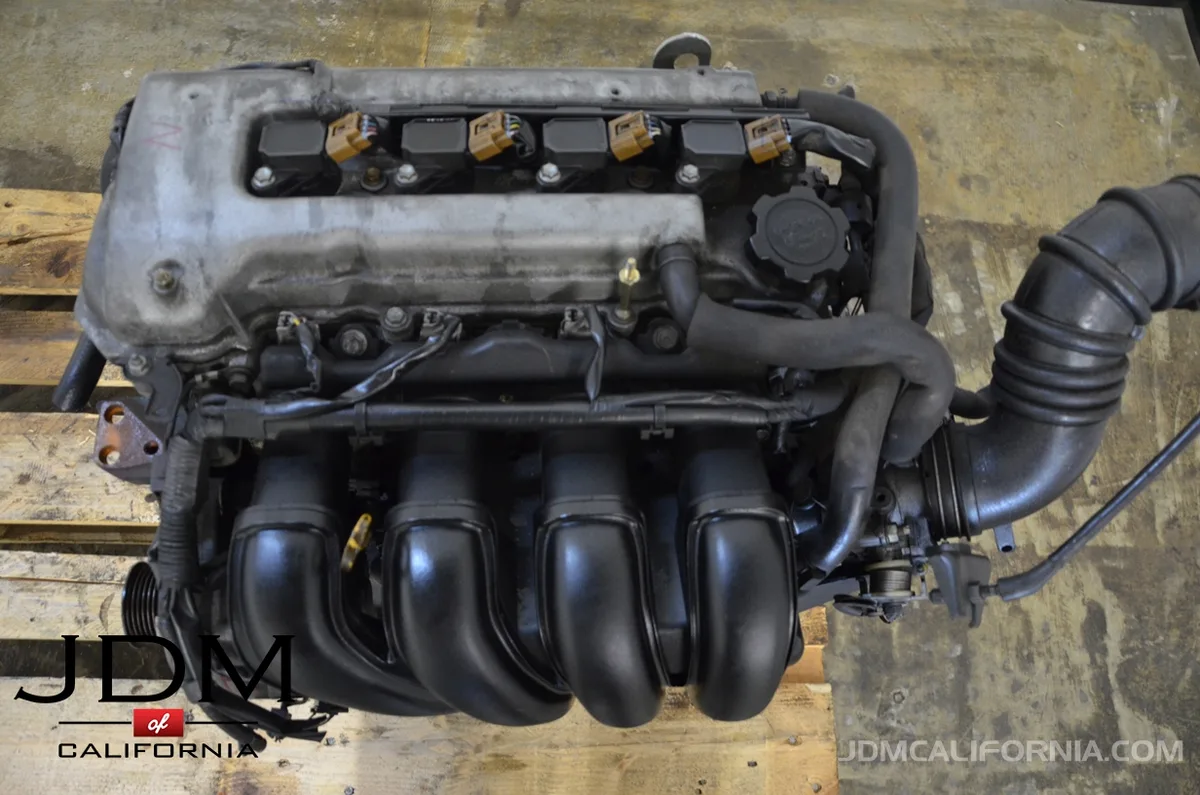
Image source: Bing (Web (fair-use with source credit))
Sludge susceptibility. The 1ZZ-FE has a known vulnerability to oil sludge, especially if oil change intervals are stretched too long. The issue stems from the PCV system design and the engine's operating temperatures. When oil breaks down, it forms varnish and sludge inside the valve cover and oil pan.
This restricts oil flow to the camshaft bearings and variable valve timing components.
Oil consumption tendencies. Many 2000 Corollas develop oil consumption as they age. It's common to see these engines burn a quart every 1,000 to 2,000 miles after 100,000 miles. This isn't always a sign of a dying engine.
It's often worn valve stem seals or piston rings. Check the oil level regularly and keep it topped up between changes.
SAE 5W-30 vs. 10W-30: Which One Should You Use?
The owner's manual lists both 5W-30 and 10W-30 as acceptable. But Toyota specifies 5W-30 for all temperatures. They only list 10W-30 as an alternative for temperatures above 0°F.
| Viscosity | Best For | Cold Start Performance | Hot Protection |
|---|---|---|---|
| 5W-30 | Year-round use in all climates | Excellent down to -30°F | Good up to 100°F+ |
| 10W-30 | Warmer climates (above 0°F) | Adequate down to 0°F | Equivalent to 5W-30 at operating temp |
5W-30 is the safer choice for most drivers. It flows better at cold temperatures, which means less wear on startup. Unless you live where winter temperatures never drop below freezing, stick with 5W-30.
10W-30 is an option for warm climates. If winters are mild, 10W-30 works fine. It's slightly thicker at cold start but reaches normal viscosity once the engine warms up. Some high-mileage owners prefer it because the thicker base oil doesn't sneak past worn seals as easily.
Do not use 5W-20. This is a common mistake. 5W-20 is too thin for the 1ZZ-FE engine. It doesn't provide enough film strength for the bearing clearances. The owner's manual doesn't list it.
Skip it.
Conventional, Synthetic Blend, or Full Synthetic?
The 2000 Corolla was designed for conventional oil. But modern oils have improved dramatically. The question is whether synthetic oil is worth the extra money for a 20-plus-year-old car.
Conventional oil is the budget-friendly choice. It meets the API SJ or higher requirement. It provides adequate protection for normal driving conditions.
Change it every 3,000 to 4,000 miles and it will keep the engine running fine. Conventional oil breaks down faster under high heat and doesn't handle extreme cold as well as synthetic.
Synthetic blend is a good middle ground. It mixes conventional base stock with synthetic base stock. The synthetic portion improves resistance to thermal breakdown and cold-flow characteristics.
It costs about 30 to 50 percent more than conventional oil. For a 2000 Corolla with over 100,000 miles, this is often the sweet spot.
Full synthetic offers the best protection against sludge, the best cold-start performance, and the longest change intervals. It costs two to three times as much as conventional oil. For a 2000 Corolla worth $2,000 to $4,000, that premium might not make sense unless you plan to keep the car for many more years.
| Oil Type | Cost per Quart | Total Cost (3.8 quarts) | Recommended Change Interval |
|---|---|---|---|
| Conventional | $3 to $5 | $12 to $20 | 3,000 to 4,000 miles |
| Synthetic Blend | $5 to $7 | $20 to $28 | 4,000 to 5,000 miles |
| Full Synthetic | $7 to $10 | $28 to $38 | 5,000 to 7,500 miles |
How Much Oil Does It Take? Capacity and Fill Tips
The 2000 Corolla's engine holds 3.8 US quarts of oil with a filter change. That's 3.6 liters. Without a filter change, it takes about 3.5 quarts.
Always change the filter when you change the oil.
Fill procedure matters. Run the engine for a minute to warm the oil. Remove the 14mm drain plug from the oil pan. Let it drain completely, about five minutes.
Replace the drain plug with a new crush washer. Torque it to 29 ft-lbs. Replace the oil filter.
Lubricate the new filter's gasket with fresh oil. Screw it on hand-tight, then give it another three-quarter turn. Pour in 3.5 quarts.
Check the dipstick. Start the engine for 30 seconds. Shut it off and wait a minute.
Check again and add oil to reach the full mark.
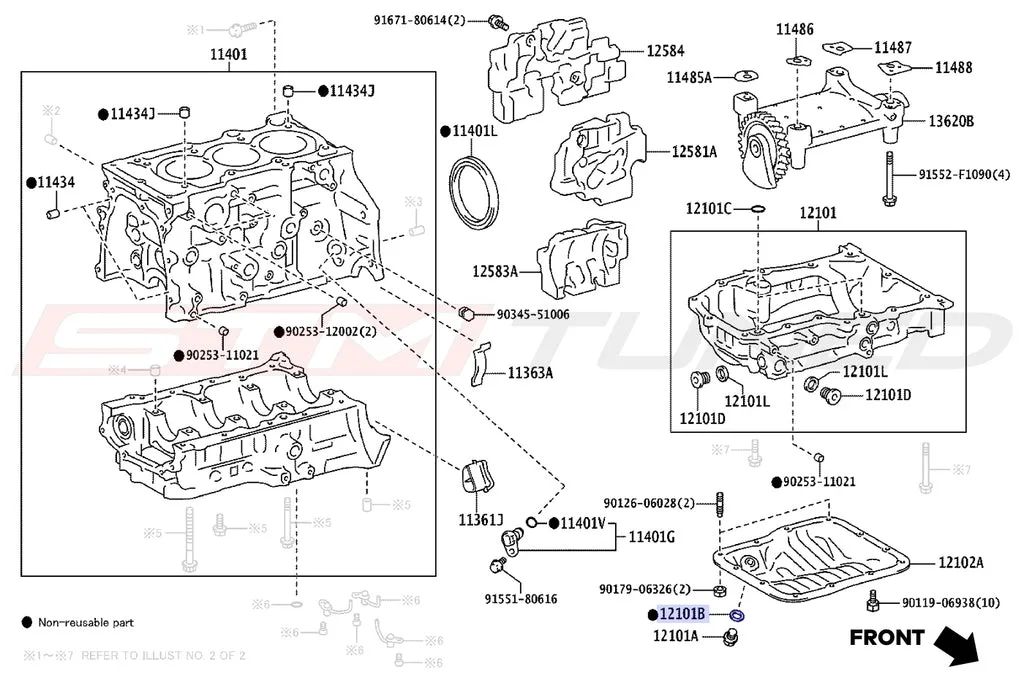
Image source: Web (Bing) / stmtuned.com (Web image (fair-use with source credit))
Common fill mistakes. Overfilling causes oil to foam. Foamy oil doesn't lubricate properly. It also puts pressure on seals and can cause leaks.
Always check the dipstick. Always add oil in stages.
High-Mileage Oil: When and Why to Switch
High-mileage oils contain seal conditioners. These additives soften and swell the rubber seals inside the engine. Over time, those seals harden and shrink.
The conditioners reduce leaks and oil consumption.
High-mileage oils also have higher levels of detergents. The 1ZZ-FE engine builds up deposits as it ages. Better detergents clean those deposits out.
They also have friction modifiers that reduce wear on high-mileage parts.
Most mechanics recommend switching around 75,000 to 100,000 miles. Owners who switch to high-mileage 5W-30 at 100,000 miles often see a reduction in oil consumption of 25 to 50 percent. The seal conditioners take a few oil changes to fully work.
Give it two or three changes. If oil consumption doesn't improve, the issue is likely worn piston rings.
Stick with 5W-30 in high-mileage formulas. Look for high-mileage 5W-30 with API SN or SP rating. Any major brand with the API donut on the bottle will work.
Common Oil Change Mistakes That Hurt This Engine
Using the wrong filter. The 2000 Corolla uses a specific oil filter. Cheap filters from unknown brands might fit but can have the wrong bypass valve pressure. Use a filter from a reputable brand.
OEM Toyota filters are excellent. So are Wix, Purolator, and Mobil 1 filters.
Over-tightening the drain plug. The oil pan is aluminum. Over-tightening strips the threads. Toyota's spec is 29 ft-lbs.
That's snug plus a quarter turn with a normal wrench.
Forgetting the crush washer. Reusing an old crush washer is risky. They harden over time and don't seal as well. Replace it every time.
They cost about 50 cents.
Not warming the engine before draining. Warm oil flows freely and carries suspended contaminants out of the engine. Drain the oil when the engine is warm but not hot. A five-minute idle is plenty.
Checking the oil on a slope. Park on level ground. Wait two minutes after shutting off the engine. Then check.
If you're parked on an incline, you might overfill or underfill without realizing it.
How Often Should You Change It? Intervals by Driving Style
Normal driving conditions. If you drive mostly highway miles at steady speeds, run conventional oil for 4,000 to 5,000 miles. Synthetic blends stretch to 5,000 to 6,000. Full synthetic can go 7,500 miles.
Severe driving conditions. Short trips under five miles, stop-and-go traffic, extreme heat, extreme cold, dusty roads, or towing. All of these are severe service. Change conventional oil every 3,000 miles.
Synthetic blend every 4,000. Full synthetic every 5,000.
Which category are you in? Does your commute let the engine reach full operating temperature and stay there for at least 20 minutes? If yes, normal service. If no, severe service.
Most city commuters fall into severe service.
The 2000 Corolla doesn't have an oil life monitoring system. Track mileage manually. Write down the date and mileage every time you change the oil.
Consistency matters more than the exact number.
Signs Your Corolla Is Running the Wrong Oil
Engine noise at startup. Ticking or tapping for the first few seconds after starting a cold engine means the oil might be too thick. Switch back to 5W-30.
Knocking when accelerating. A deeper knocking sound under load means the oil might be too thin. Stop driving. Drain the oil.
Refill with 5W-30. If the knocking continues, the bearings may already be damaged.
Blue smoke from the exhaust. Blue smoke means oil is burning in the combustion chambers. If you're using 5W-20, switch to 5W-30. If you're already using 5W-30, try a high-mileage formula.
Persistent blue smoke usually means mechanical repairs are needed.
Rapid oil level drop. If the level drops a quart in under 500 miles, verify the oil type first. Then inspect for leaks. Then consider a mechanical diagnosis.
Sludge on the dipstick. Clean oil should be amber and translucent. Black, thick, gritty residue means sludge. This is a sign of infrequent oil changes or the wrong oil type.
When to See a Mechanic vs. DIY
An oil change is one of the easiest things you can do on a 2000 Corolla. The filter is accessible from above. The drain plug is easy to reach.
If you have a jack, jack stands, a 14mm socket, an oil filter wrench, and a drain pan, you can do this yourself.
See a mechanic when you lack the tools, space, or confidence. A professional oil change costs $45 to $70 for conventional oil. Disposing of used oil is required by law in most areas.
Shops handle disposal. If you go DIY, take the used oil to an auto parts store or recycling center.
See a mechanic immediately if you hear knocking that doesn't go away after an oil change, see metal flakes in the drained oil, have a persistent oil leak you can't find, or the check engine light comes on. These are signs of a deeper problem.
Quick Reference: Oil Specs at a Glance
| Specification | Value |
|---|---|
| Recommended viscosity | SAE 5W-30 |
| Alternative viscosity | SAE 10W-30 (above 0°F) |
| API rating | SJ or higher |
| ILSAC standard | GF-2 or higher |
| Capacity with filter | 3.8 US quarts (3.6 liters) |
| Capacity without filter | 3.5 US quarts |
| Drain plug torque | 29 ft-lbs |
| Drain plug size | 14mm |
| Oil filter location | Front of engine, top access |
| Recommended interval (normal) | 4,000 to 5,000 miles |
| Recommended interval (severe) | 3,000 to 4,000 miles |
FAQs: 2000 Corolla Oil Questions People Actually Ask
Can I use synthetic oil in my 2000 Corolla?
Yes. Full synthetic 5W-30 is safe and provides better protection than conventional oil. It resists sludge formation better and flows more easily in cold weather.
What happens if I use 5W-20 instead of 5W-30?
The oil is too thin for the bearing clearances in the 1ZZ-FE engine. You may hear valvetrain noise. You risk accelerated bearing wear over time.
Avoid it.
How do I check the oil level correctly?
Park on level ground. Turn the engine off and wait two minutes. Pull the dipstick, wipe it clean, insert it fully, then pull it again.
The oil level should sit between the low and full marks.
My Corolla burns oil. Should I use a thicker oil?
Try high-mileage 5W-30 first. The seal conditioners often reduce consumption. Thicker oil like 10W-40 is a band-aid, not a fix.
It can cause other problems.
How often should I check the oil?
Check it every time you fill up with gas. For a 2000 Corolla with over 100,000 miles, oil consumption is common. Running low on oil causes far more damage than using the wrong brand.
Final Verdict: The Safest Oil Choice for Your Corolla
Stick with SAE 5W-30. Use an API SN or SP rated oil from a major brand. Conventional oil is adequate for most drivers.
A synthetic blend is a smart upgrade for higher mileage cars. Full synthetic is optional but never harmful.
Change the oil every 4,000 miles for mixed driving. Change it every 3,000 miles if you do short trips or stop-and-go commuting. Replace the filter every time.
Use a new crush washer on the drain plug. Check the level weekly.
The 2000 Corolla is a reliable car that rewards consistent maintenance. Give it the right oil and it will keep running for years. Give it the wrong oil and you'll be shopping for a new engine.
The choice is yours.