
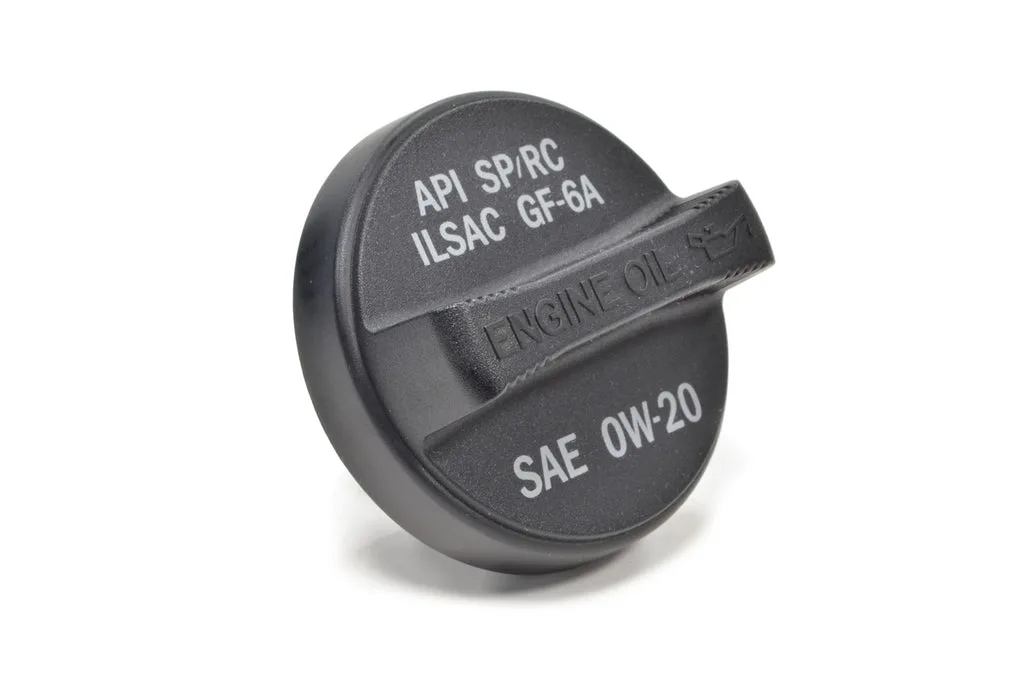
Image source: Bing (Web (fair-use with source credit))
If you own a 2002 Toyota Corolla, you already know it's one of the most reliable cars ever built. But even bulletproof engines need the right oil, and the 2002 Toyota Corolla oil type isn't something you want to guess at. Get it wrong, and you're asking for sludge, rough idling, or worse, a seized motor that turns a $2,500 car into scrap.
Manufacturer specifications call for SAE 5W-30 viscosity with an API service rating of SJ or newer. As of 2026, API SN is the current standard you'll find on most shelves. That sounds simple enough, but there's more to it when you factor in engine age, climate, and the 1ZZ-FE's well-documented sludge reputation.
Let's walk through exactly what you need.
Quick Answer
Your 2002 Toyota Corolla needs SAE 5W-30 motor oil. Use API SN or newer. The capacity is 3.8 quarts with a filter change.
Conventional or synthetic blend works fine. Avoid 10W-30 unless you live in a hot climate year-round.
Why Getting the Right Oil for Your 2002 Corolla Actually Matters
The 2002 Corolla came with Toyota's 1ZZ-FE engine. It's a 1.8-liter four-cylinder that, when properly maintained, can easily pass 250,000 miles. But here's the catch: that engine has a known weakness for oil sludge if you use the wrong viscosity or stretch oil changes too far.
Sludge is cooked, thickened oil that turns into a gritty paste inside your engine. It blocks oil passages, starves moving parts of lubrication, and eventually leads to bearing failure. Toyota even issued service bulletins about it back in the early 2000s.
The fix? Use the right oil and change it on schedule.
Your owner's manual says 5W-30 is preferred. That's not a suggestion. It's the viscosity the engine was designed around.
It's thin enough to flow in cold weather while thick enough to protect at operating temperature. Straying from that spec is a gamble, especially on a car that's now over twenty years old.
Understanding the 1ZZ-FE Engine: Why This Motor Is Picky About Oil
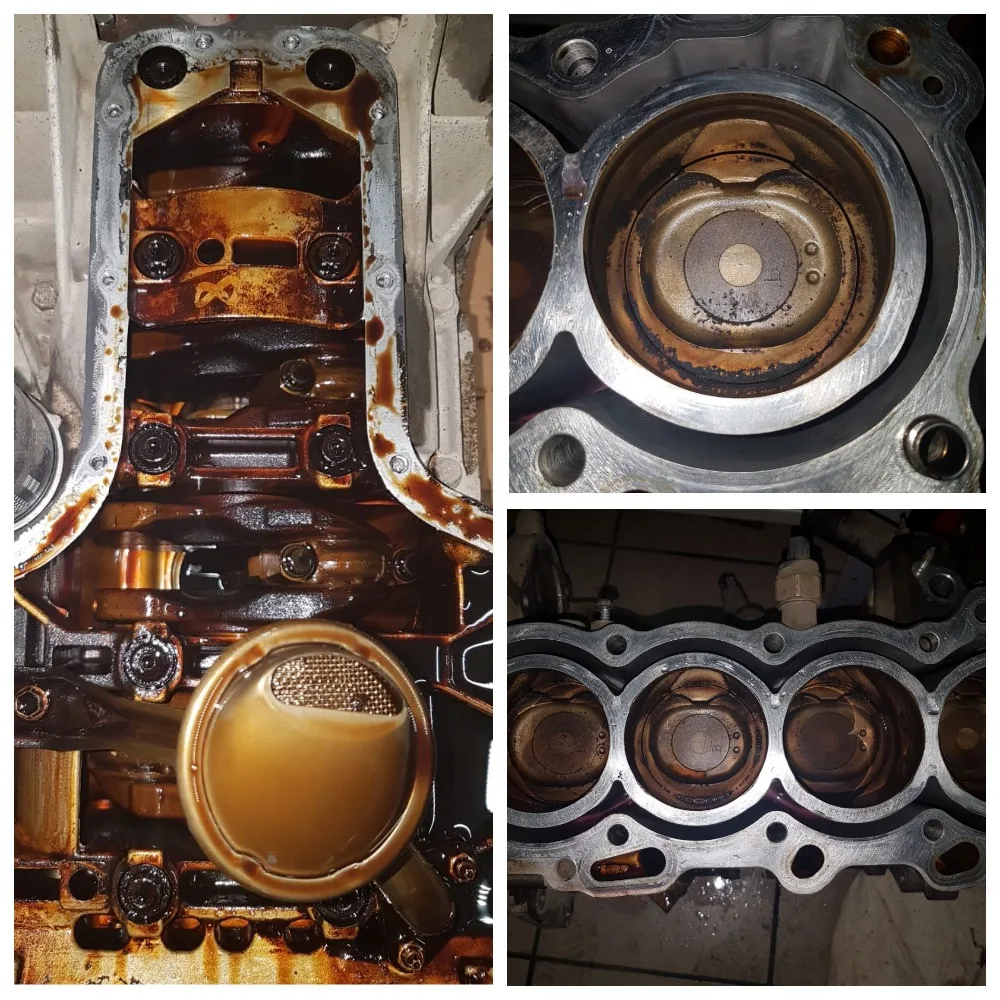
Image source: Web (Bing) / jdmedmparts.com (Web image (fair-use with source credit))
The 1ZZ-FE isn't a high-performance engine, but it has specific needs. Toyota designed it with tight tolerances in the piston rings and oil control rings. When the wrong oil is used, especially a heavier weight like 10W-40 or a cheap conventional oil that breaks down quickly, those rings can gum up.
Once the oil control rings stick, the engine starts burning oil. You'll notice blue smoke from the exhaust, lower oil levels between changes, and eventually catalytic converter damage from the excess oil burning off. It's a cascade of problems that all trace back to one thing: what's in your oil pan.
The Sludge Reputation That Follows This Engine
Here's the honest truth: the 1ZZ-FE earned its sludge reputation because of deferred maintenance, not because it's a bad engine. Toyota's recommended oil change interval back in 2002 was 5,000 miles under normal driving. But normal driving for most people means short trips, stop-and-go traffic, and plenty of idling.
That's actually severe service, and the interval should be closer to 3,000 miles.
The sludge forms because the engine runs hotter than average due to its compact design. Hot oil breaks down faster. Combine that with extended intervals and cheap oil, and sludge is almost guaranteed.
Owners who stuck to 3,000-mile changes with quality 5W-30 rarely had issues. Those who pushed to 7,500 or 10,000 miles often paid the price.
How Climate Affects Your Viscosity Choice
Temperature plays a big role in oil performance. SAE 5W-30 is a multi-grade oil. It behaves like a 5-weight when cold and a 30-weight at operating temperature.
That cold-flow property matters a lot.
If you live where winter temperatures drop below freezing, 5W-30 is non-negotiable. It stays thin enough to reach critical engine parts before the starter finishes cranking. A heavier oil like 10W-30 turns syrupy in cold weather.
That means extra wear on bearings and rings during those first few seconds after startup.
In hot climates like the southern U.S., you can get away with 10W-30. Some owners even prefer it for summer driving because it maintains a slightly thicker film at extreme heat. But the manufacturer's primary recommendation is still 5W-30 year-round.
Sticking with 5W-30 across all seasons simplifies things and eliminates the risk of choosing wrong.
SAE 5W-30 vs. 10W-30: What the Owner's Manual Really Means
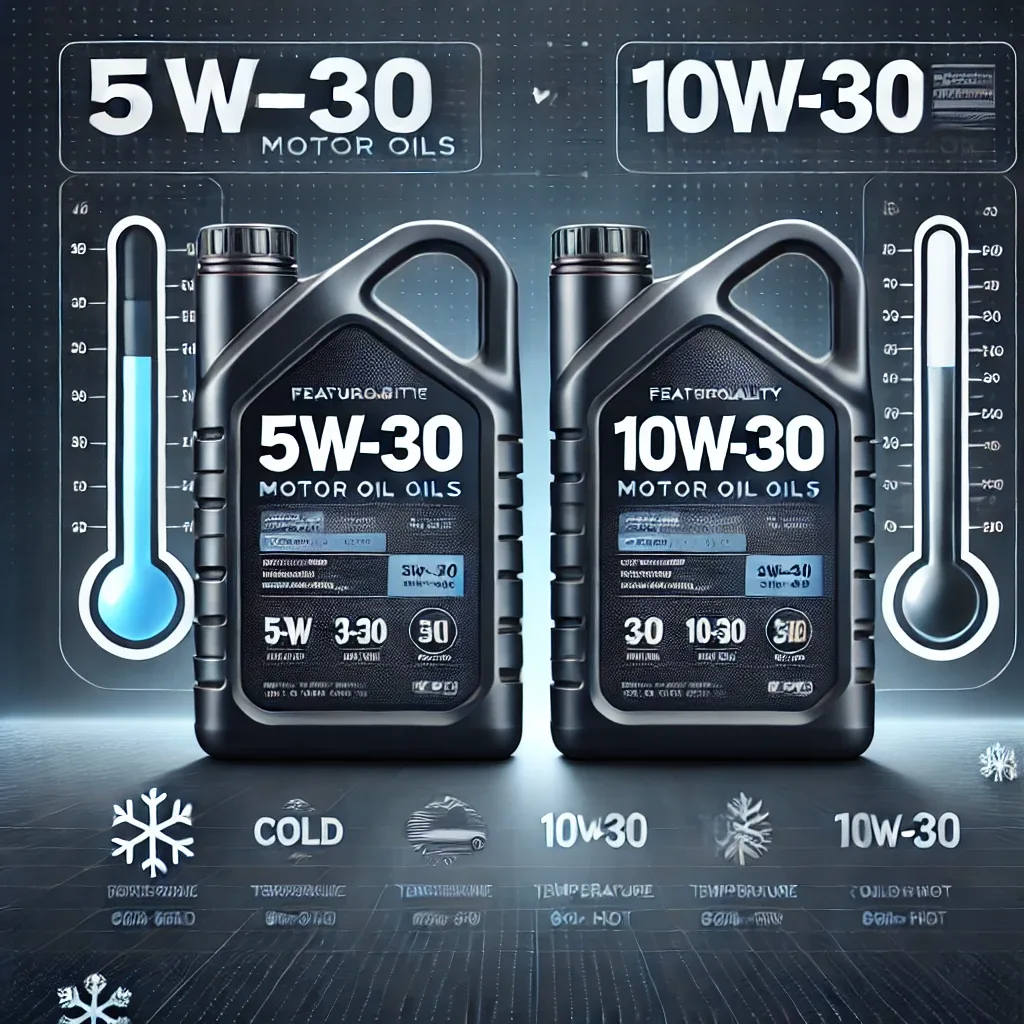
Image source: Web (Bing) / mechtrician.com (Web image (fair-use with source credit))
Pull out your owner's manual and flip to the oil specifications page. You'll see a chart showing 5W-30 as the preferred viscosity for all temperatures. Below that, it lists 10W-30 as acceptable for temperatures above 0°F (-18°C).
| Viscosity | Best For | Not Ideal For |
|---|---|---|
| 5W-30 | All climates, year-round | Nothing (it's the factory spec) |
| 10W-30 | Hot climates above freezing | Cold winters below 0°F |
The W stands for winter, not weight. A 5W-30 oil flows more easily in cold temperatures than a 10W-30. That's critical for an engine that's already two decades old and may have some wear on its bearings.
Here's a real-world comparison. On a 20°F morning, 5W-30 reaches the top of your engine in about 3 seconds of cranking. 10W-30 might take 6 to 8 seconds. Those extra seconds add up over hundreds of cold starts, accelerating wear on valve train components.
For most 2002 Corolla owners, 5W-30 is the only viscosity you should buy. Keep a case in your garage and don't overthink it.
Conventional vs. Synthetic vs. High-Mileage Oil: What's Worth Your Money
Now that the viscosity question is settled, here comes the next decision: what type of oil should you pour in? You've got conventional, synthetic blend, full synthetic, and high-mileage formulations. Each has its place, but not all make sense for a 2002 Corolla.
Conventional oil is what Toyota recommended when the car was new. It's cheap, it works, and it meets the API SJ or SN spec. For a low-mileage Corolla that sees regular changes, conventional is perfectly fine.
The downside: it breaks down faster under heat and doesn't hold up as well to extended intervals. If you change oil every 3,000 miles, conventional is all you need.
Synthetic blend mixes conventional base stock with synthetic additives. It offers better high-temperature stability and longer life than straight conventional, usually at a small premium. This is a sweet spot for many 2002 Corolla owners.
It handles the 1ZZ-FE's heat better during summer driving and provides extra protection during cold starts.
Full synthetic is overkill for most 2002 Corollas unless you live in extreme conditions. It offers superior protection, longer drain intervals, and better cold flow. But it costs two to three times more than conventional.
The engine doesn't require it, and you won't see a meaningful benefit on a stock 1ZZ-FE.
High-mileage oil is formulated for engines with over 75,000 miles. It contains seal conditioners that help reduce leaks. For a 2002 Corolla that's likely past 150,000 miles, high-mileage oil is a smart choice.
It won't fix a major leak, but it can slow down small seepage from aged valve cover gaskets and oil pan seals.
Buy a synthetic blend in 5W-30 with API SN certification. If your Corolla has over 100,000 miles, go with the high-mileage version of that same blend.
Step-by-Step: How to Change the Oil Yourself Without Messing It Up
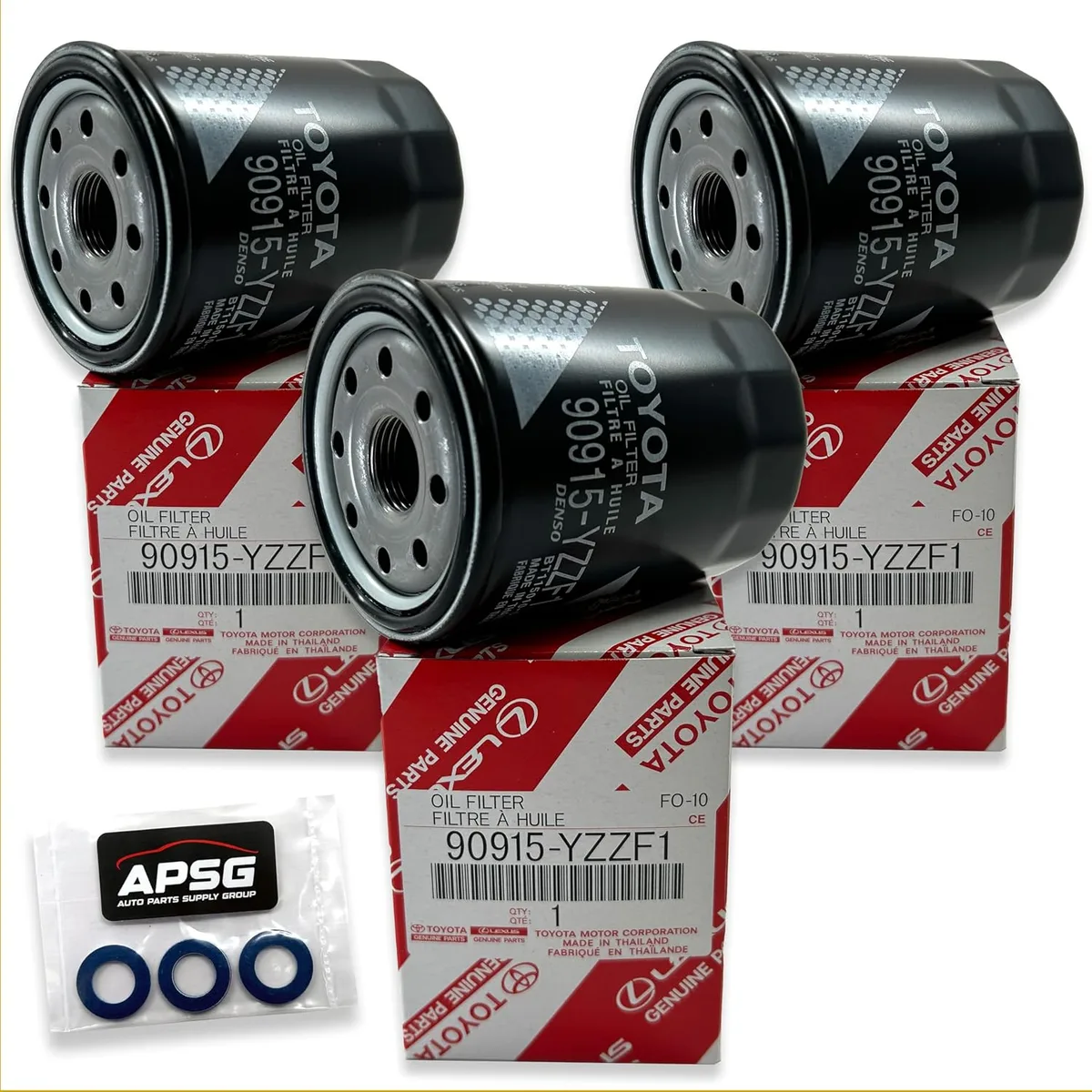
Image source: Bing (Web (fair-use with source credit))
Changing the oil on a 2002 Corolla is one of the easiest DIY jobs you can tackle. The engine is accessible, the oil filter is right up front, and you don't need specialty tools. But there are a few details that separate a clean job from a messy one.
Tools and Parts You'll Need
Before you crawl under the car, gather everything. Nothing's worse than getting halfway through and realizing you're missing a crush washer.
- 3.8 quarts of SAE 5W-30 oil (synthetic blend or high-mileage)
- Oil filter (Toyota part number 90915-YZZF1 or equivalent)
- Drain plug crush washer (part number 90430-12031)
- 14mm socket or wrench for the drain plug
- Oil filter wrench (optional, but helpful)
- Oil drain pan
- Funnel
- Rags or shop towels
- Jack and jack stands or ramps
Draining and Filling the Right Way
Start by warming up the engine for about five minutes. Warm oil drains faster and carries more suspended contaminants. Don't let it get hot enough to burn you, but warm to the touch is perfect.
Park on level ground. If you're using ramps, drive up slowly and set the parking brake. If using a jack, place jack stands under the designated lift points.
Never work under a car supported only by a jack.
Slide under the driver's side of the engine bay. The drain plug is on the back side of the oil pan, facing toward the firewall. Place your drain pan underneath, then loosen the plug with a 14mm socket.
Turn it counterclockwise until it's free, then quickly pull it out and let the oil drain.
While the oil is draining, move to the oil filter. It's mounted vertically on the front of the engine, just above the exhaust manifold. Place a rag underneath it to catch drips.
Unscrew it by hand. If it's stuck, use an oil filter wrench. Turn slowly and be ready for some oil to spill.
Once the filter is off, wipe the mounting surface clean. Apply a thin film of fresh oil to the new filter's rubber gasket. That prevents the gasket from sticking during the next change.
Screw the filter on by hand until the gasket contacts the mounting surface, then tighten another three-quarters of a turn. Don't overtighten.
By now the oil pan should be empty. Wipe the drain plug threads and install a new crush washer. Torque the plug to 29 lb-ft.
If you don't have a torque wrench, snug it firmly with a wrench and stop. The crush washer does the sealing, not brute force.
Move to the engine bay. Remove the oil fill cap and insert a funnel. Pour in 3.8 quarts of your chosen 5W-30.
Replace the cap and start the engine. Let it run for 30 seconds to circulate the oil. Check for leaks around the filter and drain plug.
Shut off the engine and wait two minutes. Pull the dipstick, wipe it, reinsert it, and check the level. It should be between the low and full marks.
Add a few ounces if needed.
Torque Specs and the Forgotten Crush Washer
The crush washer is a small copper or aluminum ring that sits between the drain plug and the oil pan. It compresses when tightened, creating a leak-proof seal. Reusing an old washer is a common mistake.
The metal hardens over time and won't seal properly.
A reused or missing crush washer is the number one cause of slow oil drips after a change. Replace it every time. A pack of ten costs about five dollars.
Common Mistakes That Kill the 1ZZ-FE Engine
Even experienced DIYers make errors that shorten engine life. Here are the ones that come up most often with the 2002 Corolla.
Using the Wrong Viscosity
Pouring in 10W-40 or 20W-50 because it's an older engine is a fast track to sludge. Heavier oil doesn't flow well through the 1ZZ-FE's narrow oil passages. It reduces oil pressure at idle and increases wear during cold starts.
Stick to 5W-30. If you absolutely must use 10W-30 in a hot climate, make sure temperatures stay above freezing. Anything heavier is a mistake.
Ignoring the Oil Change Interval
The 1ZZ-FE is sensitive to extended oil change intervals. Toyota's 5,000-mile recommendation assumed ideal conditions. Most driving is severe service: short trips, stop-and-go traffic, and idling.
Change oil every 3,000 to 4,000 miles with conventional or synthetic blend. Full synthetic can stretch to 5,000 or 6,000 miles, but don't push it. The cost of an extra oil change is nothing compared to an engine replacement.
Overlooking the Filter Quality
Not all oil filters are equal. Cheap filters use paper media that collapses under pressure or bypasses unfiltered oil. That sends contaminants straight through your engine.
Stick with a reputable brand. Toyota OEM filters are widely available and affordable. Aftermarket options from Purolator, Mobil 1, and Wix are also reliable.
Avoid no-name filters.
High-Mileage Oil: Should a 20-Year-Old Corolla Switch?
If your Corolla has crossed 100,000 miles, high-mileage oil deserves serious consideration. It's formulated with seal conditioners that help keep aging gaskets pliable. That can reduce or eliminate small oil leaks.
High-mileage oil also contains higher levels of detergents. These help clean out sludge deposits that may have built up over the years. It's not a miracle cure, but it can improve engine cleanliness over several change cycles.
Here's the catch: if your engine already has heavy sludge buildup, high-mileage oil's detergents can loosen it in chunks. Those chunks can then block oil pickup tubes, causing oil starvation. If you've been careless about oil changes for years, consult a mechanic before switching.
For an otherwise well-maintained 2002 Corolla, high-mileage 5W-30 synthetic blend is an excellent choice. It costs about two dollars more per quart than conventional. That's cheap insurance.
What to Look for on the Bottle: API Ratings, Viscosity Numbers, and Certification Labels
Oil bottles can be confusing. There's a lot of marketing jargon on the front label. Here's what actually matters.
First, check the API donut symbol. It's a circular logo on the back of the bottle. Inside, you'll see the service rating (SN, SP, or newer) and the viscosity grade.
If the bottle doesn't have this symbol, don't buy it.
Second, look for the SAE viscosity grade. It should clearly say 5W-30. Some bottles list multiple viscosities they meet.
That's fine as long as 5W-30 is included.
Third, ignore marketing terms like full synthetic or high-mileage on the front. Read the fine print. A bottle labeled full synthetic might actually be a synthetic blend.
The API donut and the viscosity grade are the only things you need to verify.
For the 2002 Corolla, any bottle with SAE 5W-30 and API SN or SP is correct. Brands like Mobil, Pennzoil, Castrol, and Valvoline all meet this spec. Pick whichever is on sale.
Oil Change Intervals: How Many Miles Between Changes (Realistically)
The owner's manual says 5,000 miles. That was optimistic even when the car was new. For a 2002 Corolla that's likely past 150,000 miles, 3,000 to 4,000 miles is the safer range.
| Oil Type | Safe Interval | Notes |
|---|---|---|
| Conventional | 3,000 miles | Change religiously |
| Synthetic blend | 4,000 miles | Best balance for this engine |
| Full synthetic | 5,000 miles | Don't push past 6,000 |
| High-mileage blend | 4,000 miles | Follow blend intervals |
Short trips under five miles count as severe service. If that's your daily routine, drop the interval by 500 miles. The engine never fully warms up, which allows moisture and fuel to contaminate the oil.
Set a recurring reminder on your phone. Write the date and mileage on the oil filter with a permanent marker. That simple habit prevents overthinking later.
When to Call a Mechanic Instead of Doing It Yourself
DIY oil changes save money, but they're not for everyone. If you can't safely get under the car, don't have jack stands, or live on a sloped driveway, pay a shop.
You should also call a mechanic if you see any of these signs during a change. Milky oil on the dipstick means coolant is leaking into the oil pan. That's a head gasket issue, not something you fix with fresh oil.
Metal shavings in the drained oil point to bearing wear. A mechanic needs to diagnose that before it gets worse.
The average shop charges $60 to $80 for an oil change on a 2002 Corolla. That includes disposal and a new filter. DIY costs about $25 to $35.
The savings are real, but not worth risking your safety or misdiagnosing a serious problem.
Final Verdict: The Oil Recommendation I'd Give a Friend
Here's the short version. Buy SAE 5W-30 with API SN or SP certification. Pick a synthetic blend if you want the best value.
Switch to high-mileage blend if your Corolla has over 100,000 miles.
Change it every 3,500 to 4,000 miles. Replace the crush washer and filter every time. Check the dipstick at every other gas fill-up.
That's it. No special brands required. No expensive additives.
No magic potions. The 1ZZ-FE engine rewards consistency, not complexity. Keep clean 5W-30 in the pan and this car will run longer than you'll want to keep it.
Frequently Asked Questions
Can I use 10W-40 in my 2002 Corolla?
You shouldn't. The 1ZZ-FE engine is designed for 5W-30. Heavier oil reduces flow through tight passages, increases wear during cold starts, and promotes sludge buildup.
Only consider 10W-30 if you live in a consistently hot climate above 0°F.
How much oil does a 2002 Corolla take?
The engine holds 3.8 quarts with a filter change. If you're only topping off, add small amounts and check the dipstick. Overfilling causes foaming and can damage seals.
Never exceed the full mark.
Is synthetic oil worth it for an older Corolla?
It depends on your driving. Full synthetic offers better protection and longer intervals, but it costs three times more than conventional. A synthetic blend is the sweet spot for this engine.
It provides most of the benefits at half the price.
What happens if I use the wrong oil?
Using the wrong viscosity can cause sludge, rough idle, reduced fuel economy, and accelerated engine wear. In severe cases, oil starvation leads to bearing failure and a seized engine. The repair cost far exceeds any savings.
How do I check the oil level correctly?
Park on level ground and wait two minutes after shutting off the engine. Pull the dipstick, wipe it clean, reinsert it fully, and pull it again. The oil level should sit between the low and full marks.
Add oil in small increments if needed.
Should I use oil additives in my 2002 Corolla?
No. Modern motor oil already contains all the detergents, anti-wear agents, and friction modifiers the engine needs. Additives can upset the chemical balance and cause deposits.
Stick with quality oil that meets API specifications and nothing else.