
If you own a 2009 Toyota Corolla, you already know it's one of the most reliable cars on the road. But even the toughest engine won't last long if you get the oil wrong. The 2009 toyota corolla oil capacity is a simple number, but using the wrong amount or the wrong weight can lead to expensive repairs fast.
Manufacturer specifications confirm that the 1.8L engine takes exactly 4.4 quarts with a filter change, while the less common 2.4L XRS model needs 4.5 quarts. The recommended oil viscosity is 5W-20, though 0W-20 works in colder climates. As of 2026, these numbers haven't changed, and they won't.
Let's walk through exactly what you need to know.
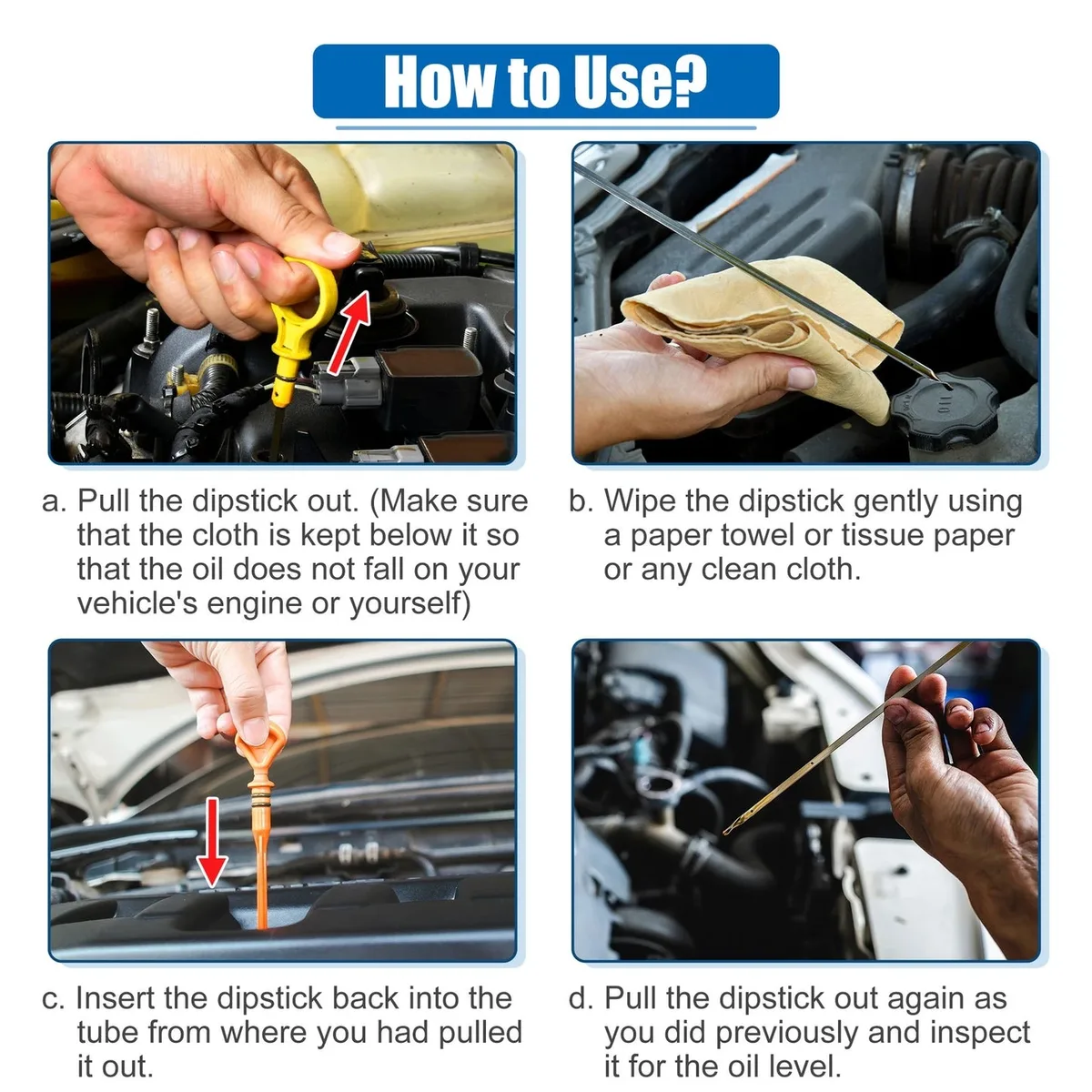
Image source: Bing (Web (fair-use with source credit))
Quick Answer
The 2009 Toyota Corolla takes 4.4 quarts of oil with a filter change. Use 5W-20 viscosity. The 2.4L XRS model takes 4.5 quarts.
Check the dipstick after filling. Never overfill.
Why Getting the Oil Capacity Wrong Can Cost You an Engine
Here's the thing. An engine is a精密 machine with tight tolerances. The oil pump moves lubricant through passages that are barely wider than a human hair.
Put in too little oil, and you risk metal-on-metal contact inside the bearings. Too much oil causes foaming, which means the pump can't build proper pressure.
Either mistake leads to the same result. Premature wear. Overheating.
And eventually, a engine that needs rebuilding or replacing.
The 2009 Corolla's 1ZR-FE engine is known for its longevity. People routinely get 200,000 miles or more with proper maintenance. But I've seen used Corollas with sludged-up engines because someone consistently ran them a quart low or used 10W-30 thinking "thicker is better." It's not.
Toyota specifically engineered this engine for low-viscosity oil. That's not a suggestion. That's the spec.
The other common mistake? Forgetting that the oil filter holds roughly 0.4 quarts of oil. If you change the filter, the total capacity goes up by that amount.
Drain the old oil, swap the filter, then add a full 4.4 quarts. Skip the filter change, and 4.0 quarts is the right number.
Two Engines, Two Capacities: 1.8L vs 2.4L (XRS Model)
Most 2009 Corollas came with the 1.8L four-cylinder engine. That's the 1ZR-FE. It's the standard engine for the base, LE, and S trims.
And it takes 4.4 quarts with a filter change.
But there's an exception.
The 2009 Corolla XRS came with a 2.4L engine, the 2AZ-FE. This is the same engine found in the Camry and RAV4 of that era. It's bigger, more powerful, and needs slightly more oil.
The capacity for the 2.4L is 4.5 quarts with a filter change.
How do you know which one you have? Check your VIN or look under the hood. The engine cover will say "1.8L VVT-i" or "2.4L VVT-i." You can also check your owner's manual.
If you bought the car used and don't have the manual, Toyota still provides free PDFs on their owner's website.
| Engine | Trim | Capacity (with filter) | Capacity (without filter) |
|---|---|---|---|
| 1.8L 1ZR-FE | Base, LE, S | 4.4 quarts | 4.0 quarts |
| 2.4L 2AZ-FE | XRS only | 4.5 quarts | 4.1 quarts |
The XRS is rare. If you're not sure, you almost certainly have the 1.8L. But always double-check before you start pouring.
What Weight Oil to Use: 5W-20 vs 0W-20
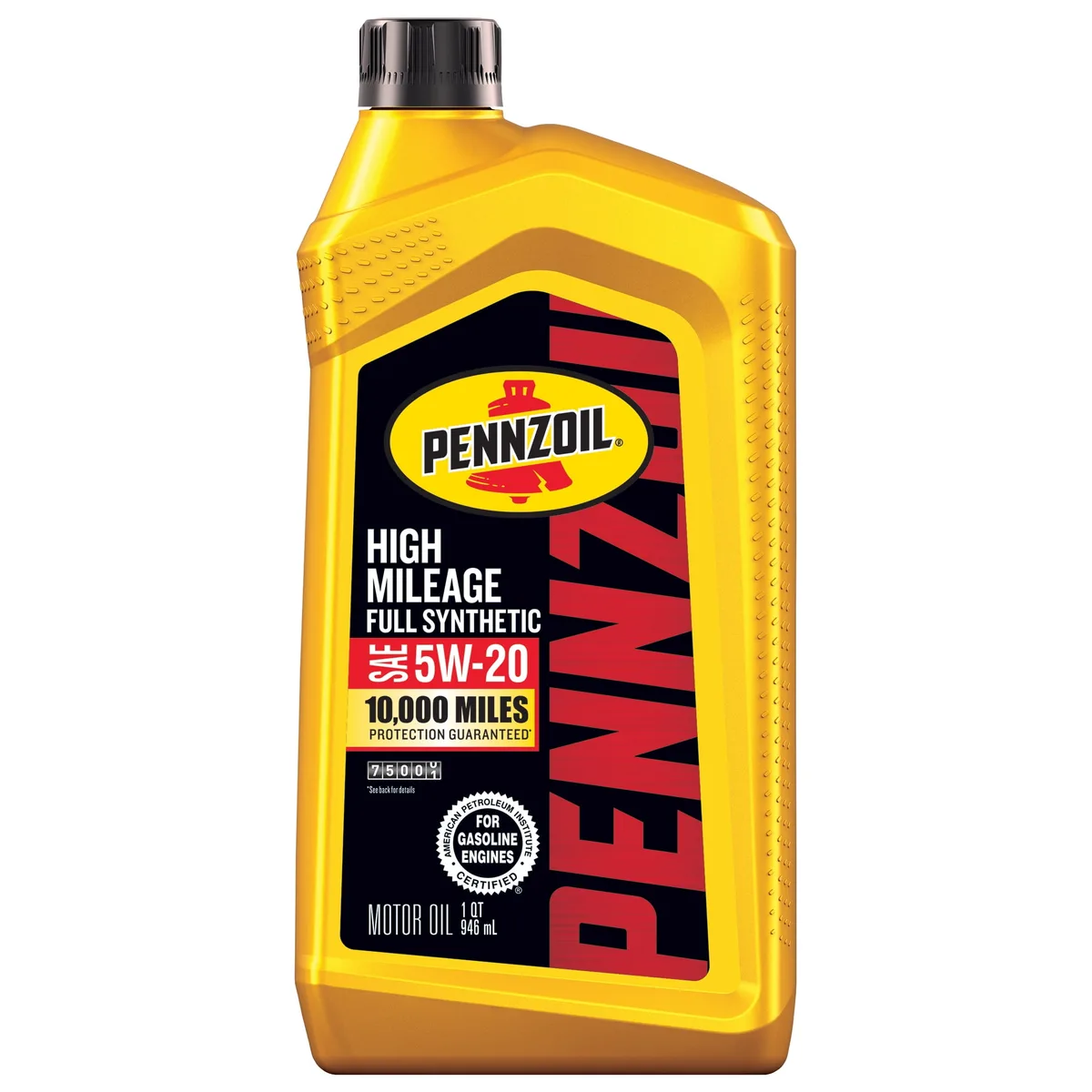
The owner's manual for the 2009 Corolla calls for 5W-20 oil. That's the factory recommendation, and it's what works best across most driving conditions.
5W-20 means the oil flows like a 5-weight oil when cold (the "W" stands for winter) and behaves like a 20-weight oil at operating temperature. It's thin enough to circulate quickly on a cold start but thick enough to maintain a protective film when the engine is hot.
Some drivers in very cold climates switch to 0W-20. That's fine. The 0W rating means it flows even better at subzero temperatures.
Toyota approved 0W-20 for the 1ZR-FE engine in colder regions. If your winter temperatures regularly drop below -20°F, 0W-20 is the smarter choice.
Here's what you should not do. Do not use 10W-30 or 10W-40. These thicker oils reduce fuel economy and can cause sluggish oil flow during startup.
The variable valve timing system on the 1ZR-FE relies on proper oil pressure and flow. Thick oil can mess with that.
If you're using a high-mileage formulation, that's fine. High-mileage oils contain seal conditioners that help prevent leaks in older engines. Just make sure it's still 5W-20 or 0W-20 with API SN or higher certification.
Step-by-Step: How to Check and Fill Oil Correctly
Let's walk through this so there's no guesswork.
What you'll need:
- 5 quarts of 5W-20 oil (you'll use about 4.4)
- An oil filter (OEM part number 04152-YZZA6 or equivalent)
- A new crush washer for the drain plug (10mm)
- A drain pan
- A wrench for the drain plug (14mm)
- An oil filter wrench
- A funnel
- Gloves and rags
The process:
Warm up the engine for about 30 seconds. Warm oil drains faster and carries more contaminants. But don't let it get hot. Lukewarm is ideal.
Park on level ground. This is critical. If the car is on a slope, the dipstick reading will be wrong.
Remove the oil fill cap on top of the engine. This helps the oil drain more completely.
Place the drain pan under the drain plug. The plug is on the bottom of the oil pan, facing the rear of the car.
Remove the drain plug with a 14mm wrench. Let the oil drain completely. This takes 3 to 5 minutes.
Replace the crush washer. Always use a new one. The old one can deform and cause a slow leak.
Torque the drain plug to 29 ft-lbs. Don't overtighten. The oil pan is aluminum and the threads strip easily.
Remove the old oil filter. It's on the front of the engine, facing the radiator. Have the drain pan underneath. Some oil will spill.
Lubricate the gasket on the new filter with a bit of fresh oil. This prevents the gasket from sticking and tearing when you remove the filter next time.
Hand-tighten the new filter. Turn it until the gasket makes contact, then give it another 3/4 turn. Torque spec is 18 ft-lbs if you want to be precise.
Add 4 quarts of oil through the fill hole. Then check the dipstick. The level should be near the low mark.
Add the remaining oil slowly. Check the dipstick after every 0.2 quarts. Stop when the level is between the low and full marks.
Run the engine for 2 minutes. Shut it off. Wait 5 minutes for the oil to settle.
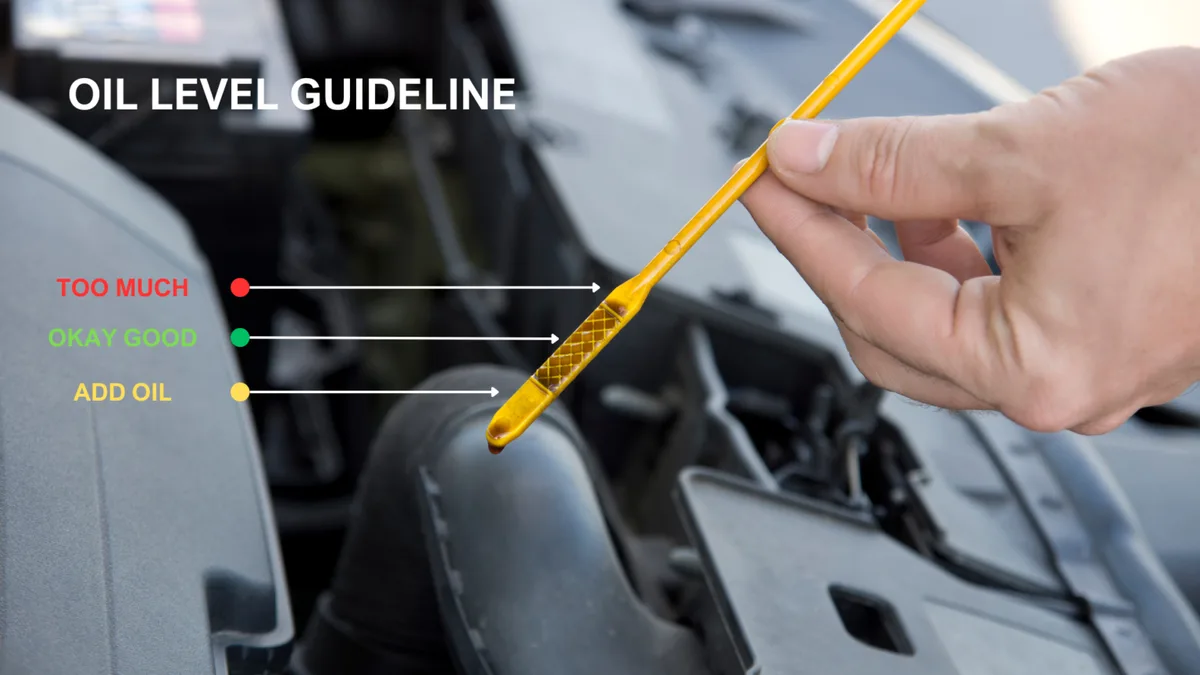
Check the dipstick one more time. Top off if needed. The level should be right at the full mark.
The goal is to land between the two dots on the dipstick, not above the top dot. Overfilling is a real problem.
The Oil Filter Factor: Why It Changes Your Capacity Number
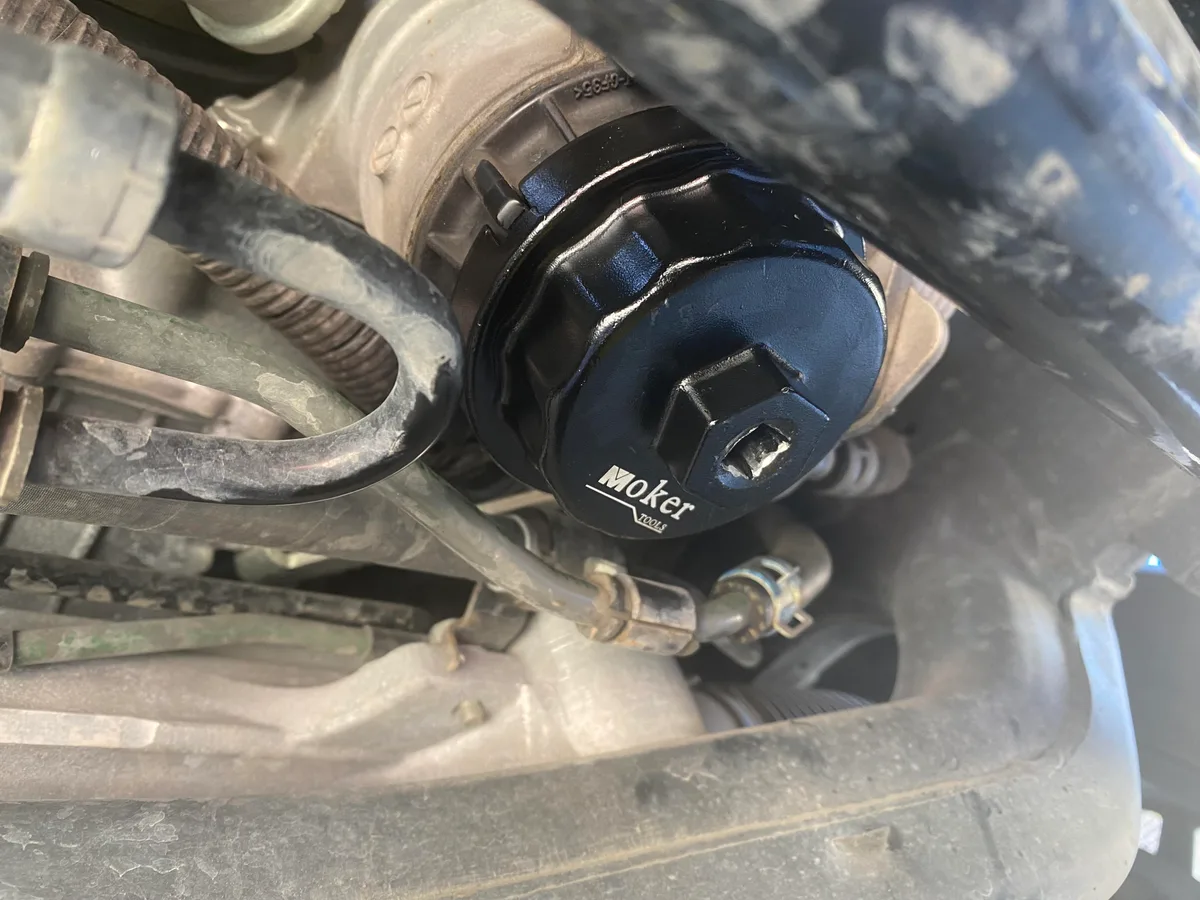
The oil filter holds oil. That seems obvious, but a lot of people forget it when they're measuring how much to add.
A new, empty oil filter holds about 0.4 quarts. When you start the engine, the oil pump fills that filter. That means the oil level in the pan drops by 0.4 quarts.
If you only added 4.0 quarts thinking that was the total capacity, you'd be a half quart low after the first start. That's not enough to cause immediate damage, but running consistently low robs the engine of proper lubrication.
If you're only doing a top-up between changes, you don't need to worry about the filter capacity. Just add enough to bring the level to full on the dipstick. But during a full oil change with a new filter, the total capacity is 4.4 quarts for the 1.8L engine.
Some aftermarket filters are slightly different sizes and may hold a bit more or less oil. OEM Toyota filters are consistent. If you use a brand like Wix or Mobil 1, the difference is negligible, maybe 0.05 quarts either way.
One more thing. Always prime the oil filter before installing it. Pour fresh oil into the filter until it's about half full.
Swirl it around to coat the inside. Then install it. This prevents a dry start where the engine runs for a few seconds without oil pressure.
It's a small step that makes a big difference for engine longevity.
Common Mistakes That Damage the Engine
Even experienced DIYers make errors during an oil change. The 2009 Corolla's engine is forgiving, but it has limits. Here are the mistakes I see most often.
Overfilling Isn't Safer — It's Worse
Some people think "a little extra oil means extra protection." That's wrong. Overfilling causes the crankshaft to whip the oil into a foam. Foam doesn't lubricate well.
Air bubbles collapse under pressure, leaving metal parts unprotected.
The result? Worn bearings, noisy lifters, and in severe cases, blown seals. The excess oil has to go somewhere.
It often pushes past the rear main seal or valve cover gasket. That creates leaks that cost hundreds to fix.
If you accidentally add too much oil, drain some out. Use the drain plug or a fluid extractor through the dipstick tube. Don't drive it hoping it'll burn off.
It won't.
Using the Wrong Viscosity in Cold Weather
The 1ZR-FE engine uses variable valve timing. That system relies on oil pressure to adjust cam timing. Thick oil like 10W-30 flows slowly in cold weather.
The VVT actuators can't move fast enough. You might notice rough idling or a check engine light.
In warmer climates, 5W-20 is fine year-round. In extreme cold, 0W-20 is better. But never go above 5W-20 for the 1.8L engine.
The 2.4L in the XRS is more tolerant of thicker oil, but Toyota still recommends 5W-20.
Stripping the Drain Plug or Filter Housing
The oil pan is made of aluminum. The drain plug threads into it directly. Overtightening strips those threads.
Once that happens, you're looking at a helicoil repair or a new oil pan.
Torque the drain plug to 29 ft-lbs. That's about a quarter turn after snug. If you don't have a torque wrench, hand-tighten with a ratchet using light pressure.
It shouldn't take much force.
The same applies to the oil filter. Hand-tighten only. The filter gasket compresses easily.
A filter wrench is for removal, not installation.
Signs Your Corolla Has the Wrong Oil Level
Your car will tell you when something's off. Here's what to watch for.
Low oil symptoms:
- Ticking or tapping noises from the engine, especially on cold starts
- The oil pressure warning light flickering at idle
- A burning smell from oil dripping onto the exhaust manifold
- The dipstick showing oil below the low mark
High oil symptoms:
- A rough or uneven idle
- Blue smoke from the exhaust (oil burning in the combustion chamber)
- Oil leaks around the valve cover or oil pan gasket
- The dipstick showing oil above the full mark
If you see any of these, stop driving and check the oil level. A quick fix now beats an engine rebuild later.
When to Change It and How Often
The standard interval for the 2009 Corolla is every 5,000 miles with conventional oil. With synthetic oil, you can stretch to 7,500 miles. Some owners push to 10,000 miles.
I wouldn't recommend it.
Here's why. The 1ZR-FE engine doesn't have issues with sludge the way some older Toyota engines did. But oil still breaks down over time.
Heat, friction, and contamination degrade the additives. The oil's ability to protect the engine decreases with every mile past the recommended interval.
Your oil change schedule depends on driving conditions:
- Normal highway driving: every 5,000 to 7,500 miles
- Stop-and-go city driving: every 3,500 to 5,000 miles
- Frequent short trips under 5 miles: every 3,500 to 5,000 miles
- Towing or heavy loads: every 3,000 to 4,000 miles
- Dusty or off-road conditions: every 3,000 miles
If you mostly drive on the highway, synthetic oil lets you go longer. If you drive in heavy traffic or short trips, stick to shorter intervals. That kind of driving never lets the engine fully warm up.
Moisture and fuel can build up in the oil. More frequent changes keep that contamination under control.
Conventional vs Synthetic Intervals
Conventional oil is cheaper. A DIY change costs about $25 with conventional oil and a basic filter. Synthetic oil costs $35 to $45 for the same job.
The trade-off is convenience. With synthetic, you change oil half as often. That saves time and reduces waste oil.
For most Corolla owners, synthetic is the better value even though it costs more upfront.
High-Mileage Considerations
If your 2009 Corolla has over 75,000 miles, consider switching to a high-mileage oil. These formulations contain seal conditioners that help keep gaskets soft and pliable.
Older engines develop small leaks as rubber seals harden. High-mileage oil can reduce or stop those leaks without requiring a rebuild. Just make sure it's still 5W-20 with API SN certification.
DIY Cost vs Shop Cost: What You'll Spend
Let's talk money. An oil change at a quick-lube shop costs $50 to $80 for conventional oil. Synthetic adds another $20 to $30.
A dealership charges $70 to $100 for the same service.
Doing it yourself costs $25 to $45, depending on the oil and filter you choose.
Your DIY cost breakdown:
- 5 quarts of 5W-20 conventional oil: $15 to $20
- 5 quarts of 5W-20 synthetic oil: $25 to $35
- Oil filter: $5 to $10
- Crush washer: $1 to $2
- Total: $21 to $47
You save $25 to $55 per oil change by doing it yourself. Over five years of ownership, that's $250 to $550 in savings. Plus you know the job was done right.
The only downsides are time and disposal. You need 30 to 45 minutes and a place to drop off used oil. Most auto parts stores accept used oil for free.
Some also take used oil filters.
FAQs That Save You a Headache
Can I use 10W-30 instead of 5W-20?
Not recommended. Toyota designed the 1ZR-FE engine for low-viscosity oil. Using 10W-30 reduces fuel economy and slows oil flow during cold starts.
The variable valve timing system needs proper pressure to function. Thick oil can trigger a check engine light or cause rough idling.
What happens if I put in a full 5 quarts?
You overfill by 0.6 quarts. That's enough to cause oil foaming. The crankshaft whips the excess oil into bubbles that don't lubricate well.
You'll notice a rough idle and possibly blue smoke from the exhaust. Drain the excess immediately.
Does the 2009 Corolla burn oil?
Some 1.8L engines from this generation have known oil consumption issues. Toyota issued a Technical Service Bulletin (TSB-0063-09) addressing it. If you notice the oil level dropping between changes, check for leaks first.
If no leaks exist, monitor the level monthly and top off as needed.
How do I reset the oil maintenance light?
Turn the ignition to ON without starting the engine. Press the trip reset button until the odometer displays "ODO." Turn the ignition OFF. Hold the trip reset button, then turn the ignition back to ON.
Keep holding for about 5 seconds until the light blinks and turns off.
Final Verdict: The One Number You Need to Memorize
Here's what matters. The 2009 Toyota Corolla with the 1.8L engine takes exactly 4.4 quarts of 5W-20 oil with a filter change. If you have the rare XRS with the 2.4L engine, it takes 4.5 quarts.
Use API SN certified oil. Change the filter every time. Torque the drain plug to 29 ft-lbs.
Check the dipstick after filling. Never overfill.
Follow those rules and your Corolla will run strong well past 200,000 miles. Ignore them and you're gambling with one of the most reliable engines ever built. The choice is yours.