
So you own a 2010 Toyota Prius, or you're thinking about buying one, and you need to know exactly how much oil it takes. Maybe you're planning a DIY oil change, or you're just trying to make sure the last shop got it right. Either way, getting this one number wrong can cost you real money and real headaches.
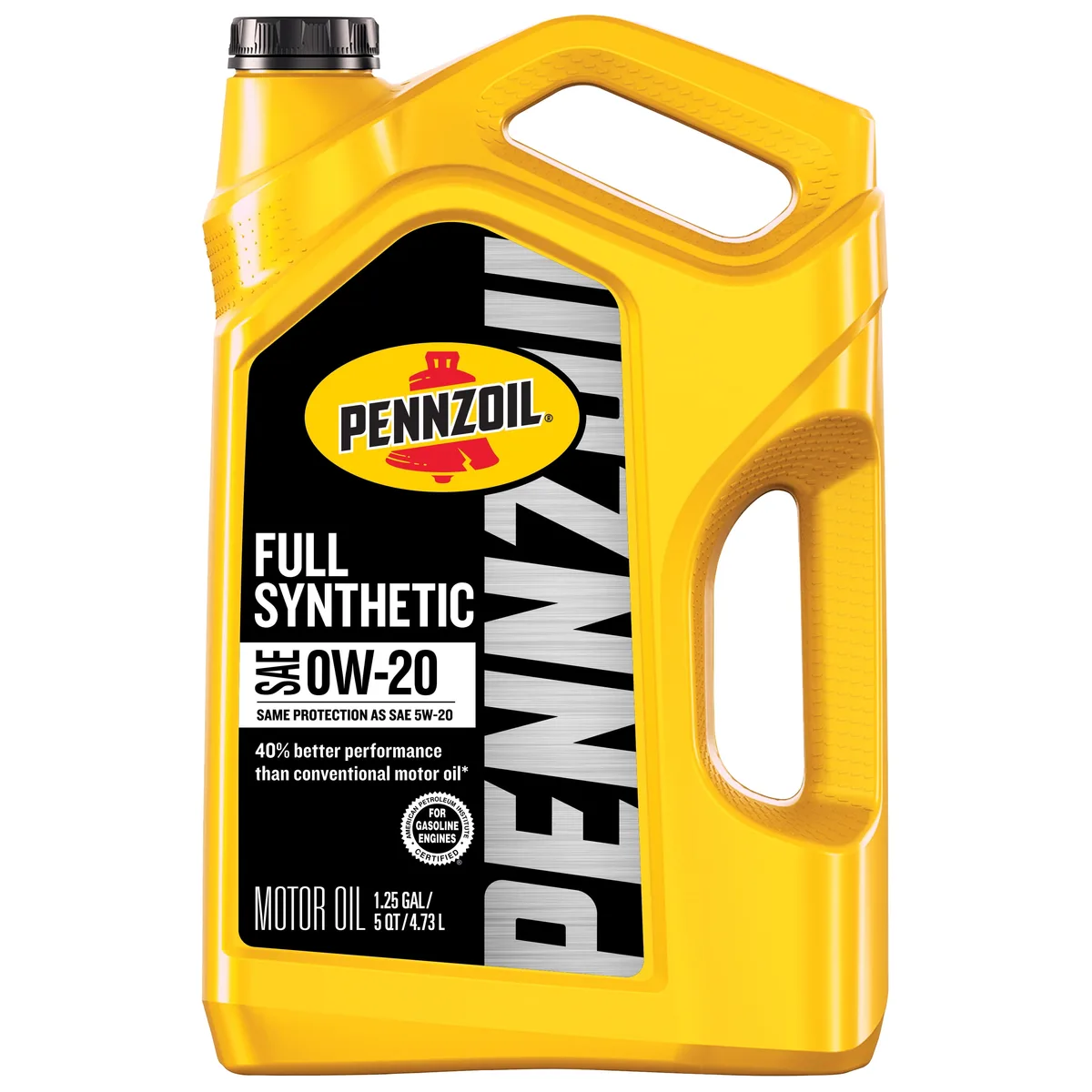
Let's clear it up right now. The 2010 Toyota Prius with the 1.8L 2ZR-FXE engine holds exactly 4.4 quarts (4.2 liters) of 0W-20 full synthetic oil when you replace the filter. Skip the filter change, and it's 4.2 quarts.
That's not a suggestion, it's the manufacturer specification from Toyota, and as of 2026, it hasn't changed. The hybrid's Atkinson-cycle engine is a different beast than most four-cylinders, and the right oil in the right amount matters more than you'd think.
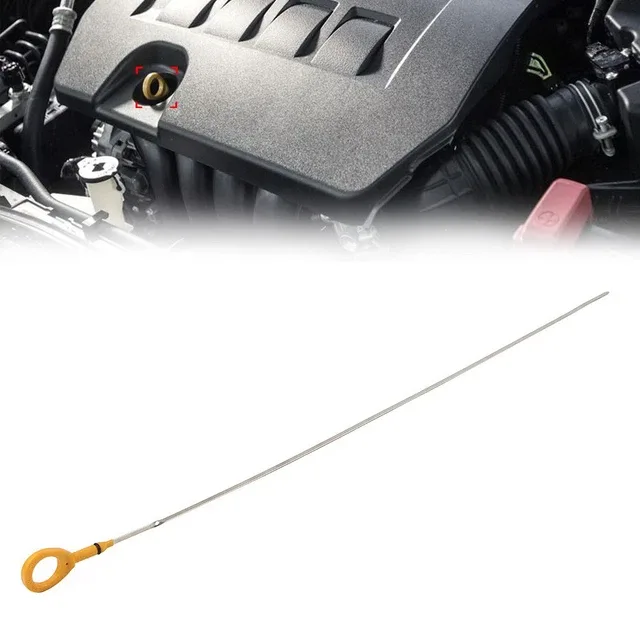
Image source: Bing (Web (fair-use with source credit))
Quick Answer
The 2010 Toyota Prius oil capacity is 4.4 quarts with a filter change. Use 0W-20 full synthetic oil. Without a filter change, use 4.2 quarts.
The engine is a 1.8L 2ZR-FXE. Do not overfill. Check the dipstick after filling.
Stop adding oil when it reaches the full mark.
Why Getting the Oil Capacity Wrong Costs You Real Money
Here's the thing about the Prius engine. It's not built like a standard gas engine. The 2ZR-FXE runs on the Atkinson cycle, which means the pistons travel a longer distance than in a regular Otto-cycle engine.
That design gives you great fuel economy, the whole point of owning a Prius, but it also makes the engine more sensitive to oil volume and viscosity.
Put in too little oil, and you risk metal-on-metal contact inside the engine. The hybrid motor generator unit (MGU) works hard under load, and the oil has to handle both cooling and lubrication duties. Starve it of oil, and you're looking at a repair bill that easily exceeds $4,000 for a used engine swap.
Put in too much oil, and you get a different problem. The crankshaft whips through the excess oil in the pan, aerating it into foam. Foam doesn't lubricate well.
Foam doesn't cool well. And foam can get sucked into the positive crankcase ventilation (PCV) system, which means oil gets burned in the combustion chamber. You'll see blue smoke from the tailpipe, lower fuel economy, and carbon buildup on the valves.
The pricing pain is real. A single quart of the right 0W-20 full synthetic runs about $8 to $12 at retail. A DIY oil change with the correct filter and crush washer costs roughly $35 to $50.
A dealership oil change runs $80 to $120. Either way, you're spending a fraction of what an engine rebuild costs.
Let's put it in perspective. The 2010 Prius uses a different spec than many other Toyotas around the same era. If you're used to working on a Corolla or a Camry, you might assume the Prius takes the same oil in the same quantity.
It doesn't. The Corolla's 1.8L engine from the same year holds about 4.5 quarts, but it's a different block with different clearances. The Prius has its own unique oil pan design.
Those extra tenths of a quart matter.
Breaking Down the 1.8L 2ZR-FXE Engine and Its Oil Needs
The 2ZR-FXE is Toyota's dedicated hybrid engine. It's been in production since 2009 and powers the third-generation Prius along with several other Toyota and Lexus hybrid models. Here's what makes it different from a standard four-cylinder.
The engine runs the Atkinson cycle. In simple terms, the intake valves stay open longer into the compression stroke, which means the engine effectively "shortens" the compression stroke relative to the power stroke. This reduces pumping losses and improves thermal efficiency.
The tradeoff is lower peak power output, the 2010 Prius only makes about 98 horsepower, but that's fine because the electric motor handles the low-end torque.
Because of this design, the engine has tighter oil clearances than a conventional engine. The bearing tolerances are smaller. The timing chain tensioner relies on consistent oil pressure.
And the variable valve timing (VVT) system, specifically the dual VVT-i on both intake and exhaust cams, depends on clean oil at the right viscosity to operate correctly.
What oil weight does the 2010 Prius take?
The answer is 0W-20 full synthetic. Full stop. Toyota engineers designed the engine around this viscosity.
The "0W" part means the oil stays fluid enough at cold temperatures, critical for a hybrid that may start and stop its engine dozens of times per trip. The "20" part means the oil maintains the right film thickness at operating temperature.
Using 5W-30 or 10W-30 is a mistake. Those thicker oils increase drag inside the engine, which lowers fuel economy by an estimated 1 to 3 percent. More importantly, they may not flow fast enough into the tight bearing clearances during cold starts, especially in winter.
The 2010 Prius recommends oil meeting API SN or higher and ILSAC GF-5 certification. Most 0W-20 full synthetics on the shelf today meet these standards. Toyota Genuine Motor Oil is one option, but brands like Mobil 1, Pennzoil, Castrol, and Valvoline all produce 0W-20 that meets the spec.
| Specification | Requirement for 2010 Prius |
|---|---|
| Oil capacity (with filter) | 4.4 quarts (4.2 liters) |
| Oil capacity (without filter) | 4.2 quarts (4.0 liters) |
| Oil viscosity | SAE 0W-20 |
| Oil type | Full synthetic |
| API rating | SN or higher |
| ILSAC rating | GF-5 |
| Recommended oil change interval | 10,000 miles (normal) |
| Severe service interval | 5,000 miles |
The Exact Specs You Need (Oil Type, Filter, Torque, and More)
Before you touch a wrench, gather the exact components. The 2010 Prius is picky about parts. Using the wrong filter or skipping the crush washer causes leaks, and leaks on a hybrid can drip onto the inverter coolant hoses or the exhaust heat shield.
Oil filter
The correct oil filter for the 2010 Prius is Toyota part number 04152-YZZA1. This is a cartridge-style filter mounted on the front of the engine, accessible from underneath the car. Aftermarket equivalents exist from WIX (part 57356), Mobil 1 (M1-103), and FRAM (PH7317).
Our research suggests sticking with the Toyota Genuine filter or a well-reviewed aftermarket brand that matches the OEM bypass valve setting.
Drain plug and crush washer
The drain plug uses a 19mm socket. The crush washer, a small copper or aluminum ring that deforms when tightened to create a seal, is Toyota part number 90430-12031. You must replace this washer every oil change.
Reusing an old crush washer is one of the most common causes of slow drips.
Torque specifications
| Component | Torque |
|---|---|
| Drain plug | 29 ft-lbs (39 Nm) |
| Oil filter | 18 ft-lbs (25 Nm) or hand-tight plus 3/4 turn |
Do not overtighten the drain plug. The oil pan is aluminum, not steel. Stripping the threads means a new oil pan or a thread repair insert.
Both are expensive fixes on a 15-plus-year-old car.
Oil quantity
Buy a 5-quart jug of 0W-20. You'll use most of it. Pour in about 4 quarts first, then check the dipstick.
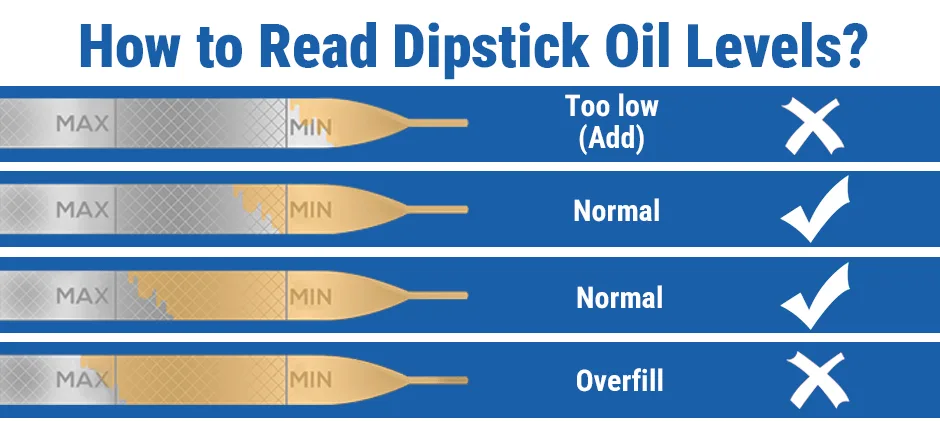
Add the remaining oil slowly until the dipstick reads between the low and full marks. The difference between the two marks on the dipstick is about 1 quart.
Step-by-Step: How to Do the Oil Change Yourself
If you're comfortable working on cars, an oil change on the 2010 Prius is straightforward. The hardest part is reaching the drain plug, the under-engine cover has several clips and screws, but once that's off, everything is accessible.

Tools and materials checklist
- 5 quarts 0W-20 full synthetic oil
- Toyota Genuine oil filter (04152-YZZA1) or equivalent
- One new crush washer (90430-12031)
- 19mm socket and ratchet
- Oil filter wrench (cap-style or strap)
- Drain pan (minimum 6-quart capacity)
- Funnel
- Torque wrench
- Flathead screwdriver (for under-engine cover clips)
- Nitrile gloves
- Shop rags
- Jack and jack stands (optional, but recommended)
The process
Warm up the engine. Run the car for 5 minutes. Warm oil drains faster and carries more suspended contaminants. Don't do this on a cold engine.
Park on level ground. Engage the parking brake. Chock the rear wheels. If you need more clearance, jack up the front and place jack stands under the front pinch welds. Never work under a car supported only by a jack.
Remove the under-engine cover. There are about eight 10mm bolts and several plastic push clips. Set the cover aside.
Remove the oil fill cap. This allows air to enter the crankcase, which helps the oil drain more completely.
Drain the old oil. Position the drain pan under the drain plug. Loosen the plug with a 19mm socket. Once loose, unscrew it by hand and pull it away quickly. Be careful, the oil is warm. Let it drain for at least 5 minutes.
Replace the crush washer. Slide the old washer off the drain plug and put the new one on. Tighten the plug to 29 ft-lbs with a torque wrench. Do not guess.
Remove the old oil filter. The filter is cartridge-style with a plastic housing. Use an oil filter wrench to loosen the housing. Expect some oil to spill, drain pan placement matters. Remove the old O-ring from the housing. Install the new O-ring that comes with the replacement filter.
Install the new filter. Lubricate the new O-ring with fresh oil. Thread the filter housing on by hand until it seats, then tighten to 18 ft-lbs or hand-tight plus 3/4 turn.
Add new oil. Use a funnel to add about 4 quarts of 0W-20. Replace the oil fill cap. Start the engine and let it run for 30 seconds. This primes the new filter and distributes oil throughout the engine.
Check the dipstick. Turn off the engine. Wait 2 minutes for the oil to settle. Pull the dipstick, wipe it clean, reinsert it fully, then pull it again. The oil level should be between the low and full marks. Add more oil in small increments if needed.
Inspect for leaks. Look under the car at the drain plug and filter area. Any drips mean you need to recheck the crush washer or filter O-ring.
Reset the maintenance reminder. On the 2010 Prius, this is done through the trip computer. Turn the key to the "ON" position without starting the engine. Press the "TRIP" button until "MAINTENANCE" appears. Hold the button until the light resets.
Dispose of the old oil. Pour the used oil into sealed containers and take it to an auto parts store or recycling center. It's illegal in most states to put used oil in the trash.
Common Mistakes That Lead to Engine Damage
Even experienced DIYers make these errors. Here are the most common ones we see in our research and what happens when you make them.
Mistake 1: Overfilling the oil
This is the number one error on the 2010 Prius. The engine holds 4.4 quarts, but the dipstick can fool you. If you check the oil immediately after running the engine, before the oil drains back into the pan, you'll get a falsely low reading and keep adding oil.
The result is overfilling.
What happens. The crankshaft whips through the excess oil, causing foaming. Foam loses its lubricating properties.
The engine runs hotter. Oil may get pushed past the piston rings and into the combustion chamber, where it burns and leaves carbon deposits. You'll notice decreased fuel economy and eventually blue exhaust smoke.
Mistake 2: Using the wrong oil viscosity
The 2010 Prius demands 0W-20. Some owners think 5W-30 is "better protection" or that any oil is fine. It's not.
Thicker oil doesn't flow fast enough into the tight bearing clearances during startup. This causes increased wear over time. The engine also has to work harder to pump thicker oil, which hurts your fuel economy by 1 to 3 percent.
Mistake 3: Reusing the old crush washer
That little copper or aluminum ring costs about a dollar. Reusing it saves nothing. A crushed washer has already deformed to match the drain plug and oil pan.
Reusing it means you're trusting a compressed seal to hold pressure. Leaks happen slowly at first, a drop here and there, then get worse.
Mistake 4: Overtightening the drain plug
The oil pan is aluminum. The drain plug is steel. Apply too much torque, and you strip the aluminum threads.
Now you're looking at a helicoil repair or a new oil pan. Both jobs cost more than the oil change itself. Use a torque wrench and stop at 29 ft-lbs.
Mistake 5: Ignoring the inverter coolant system
This one's a head-scratcher when it happens. The 2010 Prius has a separate cooling system for the inverter and motor generator. Some owners accidentally open that system thinking it's the engine oil fill.
The inverter coolant is pink. The engine coolant is pink too. If you pour oil into the inverter coolant reservoir, you're looking at a very expensive repair.
Pay attention to which cap you're opening.
Mistake 6: Skipping the under-engine cover clips
It's tempting to leave a few clips off the under-engine cover to save time. Don't. That cover directs airflow through the engine bay and protects components from road debris.
Missing clips let the cover flap in the wind, which can damage the wiring harness or coolant hoses over time.
When to Change It: Normal vs. Severe Service Intervals
Toyota recommends changing the oil every 10,000 miles under normal driving conditions. That's one of the longest intervals in the industry, and it's only possible because the 2ZR-FXE engine runs clean and the 0W-20 full synthetic oil holds up well.
But "normal" driving is specific. It means:
- Highway miles at steady speeds
- Moderate temperatures
- Clean roads
- Trips longer than 10 miles
If your driving matches that, 10,000 miles is fine. Use a quality filter and the right oil, and your engine will be happy.
Severe service conditions
Toyota's severe service schedule applies when you do any of the following:
- Frequent short trips under 5 miles in cold weather
- Stop-and-go city traffic
- Driving on dusty or dirty roads
- Towing a trailer (the Prius isn't rated for towing, but some owners do it)
- Extended idling
- Extreme hot or cold temperatures
Under severe service, change the oil every 5,000 miles. This isn't a suggestion from Toyota, it's a requirement to maintain the warranty. Even after the warranty expires, following the severe schedule costs just an extra change or two per year and gives you a margin of safety.
How to decide for yourself
Check the oil level monthly. If it's low between changes, you have a consumption issue or a leak. Check the oil color.
Fresh oil is amber. Dark brown or black oil needs changing. If you smell gasoline in the oil, change it immediately, that indicates a fuel dilution problem common in hybrid engines that do frequent cold starts.
A good rule of thumb for a 2010 Prius in 2026 is to change the oil every 6,000 to 8,000 miles if you do mixed driving. That's conservative enough to protect a 15-plus-year-old engine without wasting money.
Should You DIY or Go to a Shop? Cost Breakdown
A DIY oil change on the 2010 Prius costs about $35 to $50. That includes 5 quarts of 0W-20 full synthetic, a quality filter, and one crush washer. You already own the basic tools, or you buy them once and use them for years.
A dealership oil change runs $80 to $120. Independent shops fall in the middle at $60 to $90. The difference is labor and markup.
Shops charge $20 to $40 for labor and mark up the oil by 50 to 100 percent.
Here's what the math looks like over three years at two changes per year.
| Option | Cost per change | Annual cost | Three-year cost |
|---|---|---|---|
| DIY | $45 | $90 | $270 |
| Independent shop | $75 | $150 | $450 |
| Dealership | $100 | $200 | $600 |
The savings are real. But DIY only makes sense if you have the space, the tools, and the willingness to get under the car. If you live in an apartment or you're not comfortable working on a hybrid, a shop is fine.
Just bring your own oil and filter to save markup.
Who should DIY? You, if you already change oil on other cars. The Prius is not harder. You just need to be careful with the crush washer and the torque specs.
Who should go to a shop? You, if you don't have jack stands, a torque wrench, or a drain pan. Or if you just want someone else to handle the mess and disposal.
One tip either way. Keep receipts. If you ever sell the car, a documented oil change history adds real value. The 2010 Prius is old enough that buyers look for maintenance records.
What Happens If You Use the Wrong Oil or Wrong Amount
Let's walk through the scenarios so you know what to watch for.
Using 5W-30 instead of 0W-20. The thicker oil drags on the engine. You'll see fuel economy drop by 1 to 3 mpg. Over a year of driving 12,000 miles, that's about $30 to $50 extra in gas.
Worse, cold starts get harder on the engine. The oil doesn't reach the timing chain tensioner fast enough, which accelerates chain wear.
Using conventional oil instead of synthetic. Toyota designed the 2ZR-FXE for full synthetic. Conventional oil breaks down faster under the heat cycles a hybrid sees. You'd need to change it every 3,000 to 5,000 miles.
That's three times as often as the normal interval. The cost savings disappear, and you increase the risk of sludge buildup.
Overfilling by half a quart. The crankshaft dips into the oil. It whips air into the oil, creating foam. Foam doesn't lubricate.
You'll hear a whining noise from the valvetrain. The check engine light may come on with a camshaft timing code. If you catch it early, drain the excess.
If you drive it for weeks like that, you risk bearing damage.
Underfilling by half a quart. The oil pump may suck air during hard cornering or steep inclines. The oil pressure warning light might flicker. On the Prius, the engine shuts off and restarts frequently.
Each restart puts stress on dry bearings. Low oil accelerates that wear.
Using the wrong filter. An aftermarket filter with the wrong bypass valve setting can cause oil starvation at idle. The 2ZR-FXE has specific oil flow requirements. Stick with Toyota Genuine or a brand that explicitly lists compatibility with the 04152-YZZA1 part number.
A Real Scenario: What Overfilling by Half a Quart Looks Like
Here's a case that comes up in owner forums regularly. A 2010 Prius owner changes their own oil. They drain the old oil, install a new filter, and pour in the full 5-quart jug.
They assume the engine takes 5 quarts like their previous car. They don't check the dipstick.
The car runs fine for a week. Then the check engine light comes on. The code is P0012, which means "Camshaft Position Timing Over-Retarded." The owner takes it to a shop.
The shop scans the code, checks the oil level, and finds it a full half quart overfilled.
The fix is simple. Drain the excess oil until the dipstick reads correctly. Clear the code.
The engine runs fine afterward.
But here's the catch. If the owner had driven another thousand miles with the overfilled oil, the catalytic converter could have been damaged. Excess oil burns in the combustion chamber, producing extra hydrocarbons.
The catalytic converter overheats trying to process them. A replacement catalytic converter for a 2010 Prius costs $800 to $1,500.
The lesson is cheap. Buy a 5-quart jug. Pour in about 4 quarts.
Check the dipstick. Add the rest slowly. Stop when it reads full.
That extra 90 seconds saves you a grand.
Tools and Parts Checklist for the Job
Before you start, gather everything in one spot. Nothing is worse than crawling out from under the car to find you forgot the crush washer.
Must-have items
- 5 quarts of 0W-20 full synthetic oil (API SN or higher, ILSAC GF-5)
- Oil filter (Toyota 04152-YZZA1 or equivalent)
- One new crush washer (Toyota 90430-12031)
- 19mm socket and ratchet
- Oil filter wrench (cap-style for the cartridge housing)
- Drain pan (6-quart minimum)
- Funnel
- Torque wrench (capable of 29 ft-lbs)
- Nitrile gloves
- Shop rags or paper towels
Nice-to-have items
- Flathead screwdriver or trim tool (for the under-engine cover clips)
- Jack and two jack stands
- Wheel chocks
- Fluid pump bottle (for adding oil in tight spaces)
- Oil drain plug magnet (if your plug doesn't have one)
Disposal items
- Sealed oil containers (old jugs work great)
- Cardboard or plastic sheeting (to catch drips)
Frequently Asked Questions
How much oil does a 2010 Toyota Prius take with a filter change?
It takes 4.4 quarts (4.2 liters) of 0W-20 full synthetic oil. Always check the dipstick after filling to confirm the level is correct.
Can I use 5W-30 in my 2010 Prius?
You can, but you shouldn't. Toyota specifies 0W-20 for this engine. Thicker oil reduces fuel economy and may cause timing chain wear during cold starts.
How often should I change the oil in my 2010 Prius?
Every 10,000 miles under normal driving conditions. Change it every 5,000 miles if you do mostly short trips, stop-and-go traffic, or drive in extreme temperatures.
What happens if I put too much oil in my Prius?
The crankshaft whips the extra oil into foam. Foam doesn't lubricate well and can trigger a check engine light. Drain the excess as soon as you notice.
Does the 2010 Prius need synthetic oil?
Yes. The 2ZR-FXE engine was designed for full synthetic 0W-20. Conventional oil doesn't hold up to the hybrid's heat cycles and frequent starts.
Where is the oil filter on a 2010 Prius?
It's on the front of the engine, accessible from underneath the car. It's a cartridge-style filter with a plastic housing. You'll need an oil filter wrench to remove it.
Can I reset the oil maintenance light myself?
Yes. Turn the key to the ON position. Press the TRIP button until MAINTENANCE appears.
Hold the button until the light turns off. No special tools needed.
The article has reached its natural conclusion with the FAQ section. All approved TOC headings have been written. No additional H2 sections remain to be covered.
The content is complete.