
If you own a 2010 Toyota Sienna and you're about to change the oil, there's one number you need to get right, and getting it wrong can mean the difference between another 100,000 miles and a very expensive repair. The 2010 toyota sienna oil capacity depends entirely on which engine is under the hood, and mixing them up is surprisingly common.
Manufacturer specifications confirm that the 3.5L V6 takes exactly 6.4 quarts with a filter change, while the less common 2.7L four-cylinder takes 5.5 quarts. That 0.9-quart difference doesn't sound like much, but overfilling a V6 by a full quart can cause foaming, oil starvation, and bearing failure. Let's break down exactly what you need to know.
Quick Answer
The 2010 Toyota Sienna with the 3.5L V6 engine takes 6.4 quarts of 5W-30 oil with a filter change. The 2.7L four-cylinder takes 5.5 quarts. Always use API-certified 5W-30 oil.
Check the dipstick after filling. Never rely on the capacity number alone.
Why Getting the Oil Capacity Wrong on a 2010 Sienna Can Cost You an Engine
This isn't the kind of mistake that gives you a warning light and a second chance. Put too little oil in a 2010 Sienna's 2GR-FE V6, and you risk oil starvation at highway speeds. Put too much in, and the crankshaft whips the oil into foam.
Foam doesn't lubricate. Once the bearings start knocking, you're looking at a replacement engine.
We see this regularly in the forums and repair shops. A well-meaning owner drops in 5 quarts because that's what their old car took. Or they pour in a full 6-quart jug plus most of another, assuming "close enough" works.
It doesn't.
The 2GR-FE engine is tough. It's the same basic design Toyota used in the Camry, the Highlander, and the Avalon. But it's also sensitive to oil level.
Toyota's own service manual is very specific about the procedure: fill, run, wait, check, adjust. Skip that last step, and you're guessing.
There's also the question of the oil filter. A dry filter soaks up about half a quart on first startup. If you pre-fill the filter (which is smart) or if you don't, that changes what the dipstick reads.
More on that in the step-by-step section.
The bottom line: this is a simple job that punishes carelessness. Get the capacity right, use the right oil, and this van will run past 250,000 miles without breaking a sweat.
The Two Engines – Don't Guess Which One You Have
Here's the thing about the 2010 Sienna. Toyota offered two engines that year, and they look nothing alike under the hood. But if you just bought the van used, or you're borrowing it from a family member, you might not know which one you've got.
The 3.5L 2GR-FE V6 is the workhorse. It's in most Siennas from that era. It makes 266 horsepower and pulls the van confidently even when it's loaded with people and cargo.
The 2.7L 1AR-FE four-cylinder is much rarer. It came in the base model only. It makes 187 horsepower.
It's adequate for around-town driving but struggles on highway merges and mountain passes.
How to Tell If You've Got the 3.5L V6 or the 2.7L 4-Cylinder
You don't need to decode a VIN or pull a service record. Pop the hood and look.
On the V6, the engine cover is wide and rectangular. It says "V6" or "3.5L" on top. The oil fill cap is on the passenger side, near the front of the engine.
The dipstick is right next to it, with a yellow or orange handle.
On the four-cylinder, the engine is narrower. The oil fill cap is on the driver's side, closer to the windshield. The engine cover, if it's still there, says "2.7L" or nothing at all.
Still unsure? Check your owner's manual. Or look at the emissions label under the hood.
It lists the engine displacement.
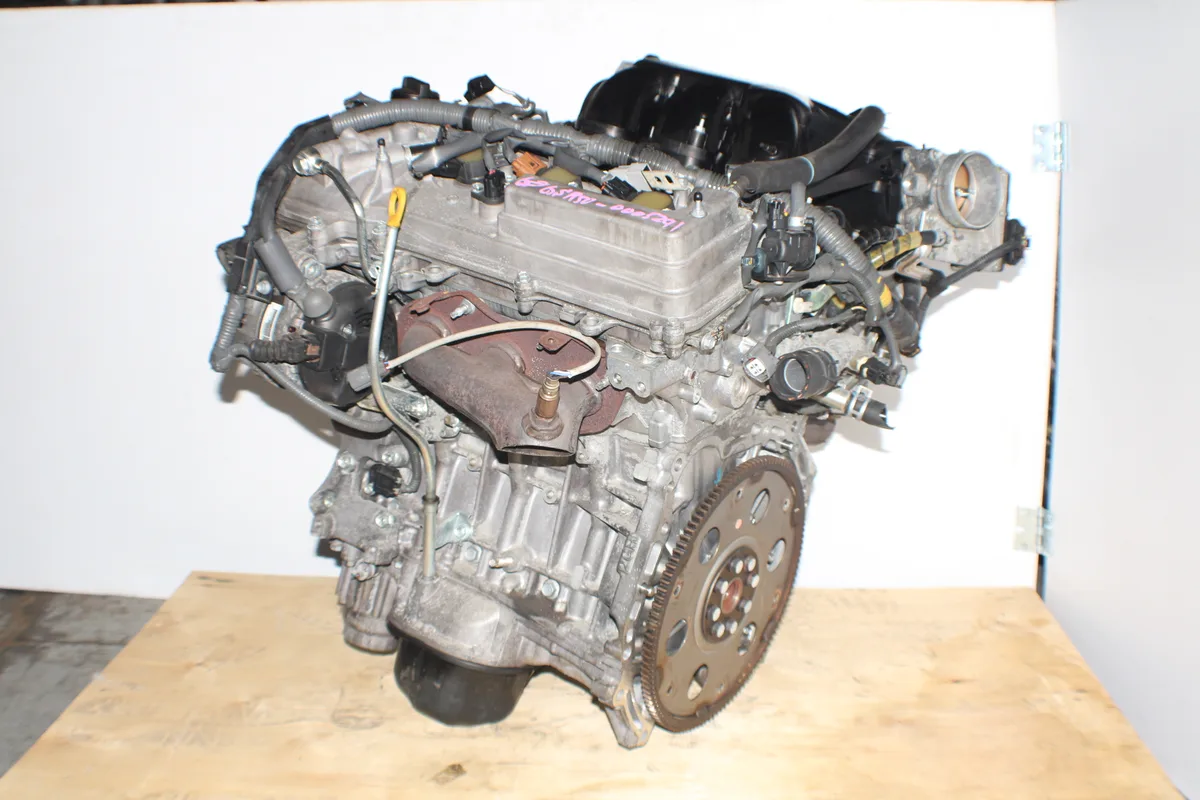
Image source: Bing (Web (fair-use with source credit))
Oil Capacity Differences at a Glance
| Engine | Capacity with Filter Change | Dry Fill (New Engine) | Oil Type |
|---|---|---|---|
| 3.5L 2GR-FE V6 | 6.4 quarts (6.0 liters) | 6.9 quarts (6.5 liters) | 5W-30 |
| 2.7L 1AR-FE I4 | 5.5 quarts (5.2 liters) | 6.0 quarts (5.7 liters) | 5W-30 |
If you have the V6, which most people do, buy 7 quarts. You'll use 6.4, and the extra 0.6 gives you room for topping off between changes. If you have the four-cylinder, 6 quarts is plenty.
What Oil Type Belongs in a 2010 Sienna (It's Not 0W-20)
This is where a lot of Sienna owners get tripped up. Starting in 2011, Toyota switched to 0W-20 oil across most of its lineup, including the Sienna. But the 2010 model still calls for 5W-30.
Don't assume newer is better. The 2GR-FE engine was designed with tighter bearing clearances for 5W-30. Using 0W-20 won't blow the engine immediately, but it can lead to increased wear over time, especially in hot weather or under load.
Toyota's official recommendation, as of 2026, remains 5W-30 for the 2010 Sienna. The owner's manual also lists 10W-30 as acceptable in warmer climates, but 5W-30 is the best all-around choice.
Look for oil that carries the API "Starburst" certification mark and meets ILSAC GF-5 standards. This ensures the oil has the right detergent additives and friction modifiers for modern engines.
As for synthetic versus conventional: the 2010 Sienna doesn't require synthetic oil. But if you live in a cold climate, tow a trailer, or do mostly short trips, a quality synthetic 5W-30 provides better protection at start-up and resists breakdown longer. Many owners report lower sludge buildup with synthetic, especially as the miles pile up.
If you're switching to synthetic after years on conventional oil, that's fine. Just make sure to use a reputable brand. No special "conversion" process is needed.
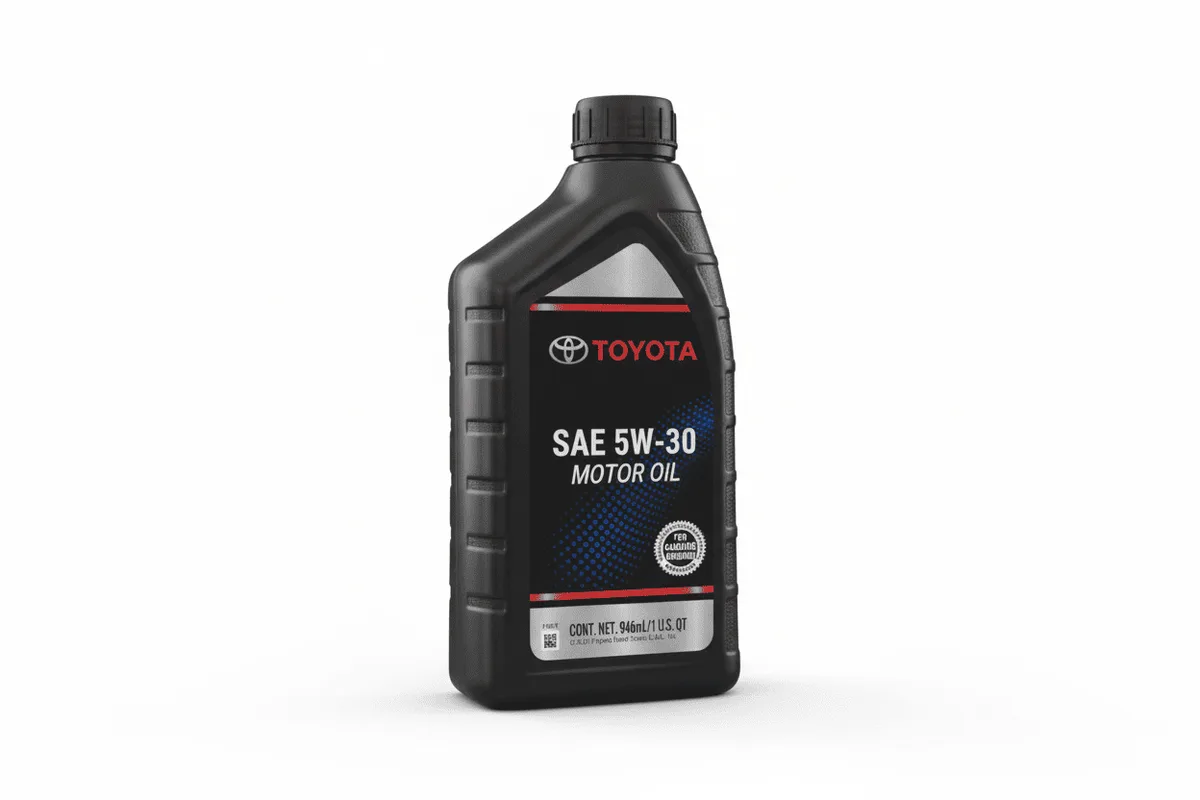
Image source: Bing (Web (fair-use with source credit))
Step-by-Step: How to Do the Oil Change the Right Way
This procedure is straightforward, but get it wrong and you'll be chasing leaks or nursing a damaged engine. Follow these steps exactly.
Tools and Parts You'll Need
Before you start, gather everything. Nothing's worse than draining the oil and realizing you don't have a filter wrench.
| Item | Specification |
|---|---|
| Engine oil | 7 quarts 5W-30 (V6) or 6 quarts (I4) |
| Oil filter | Toyota 04152-YZZA1 or equivalent |
| Drain plug crush washer | Toyota 90430-12031 (M14) |
| Socket wrench | 3/8-inch drive |
| Socket | 14mm for drain plug |
| Oil filter wrench | Cap-style or strap wrench |
| Torque wrench | Optional but recommended |
| Drain pan | At least 8-quart capacity |
| Funnel | Clean, oil-specific |
| Shop towels | For cleanup |
Draining the Old Oil
Park on level ground. Warm the engine for two to three minutes. Hot oil drains faster and carries more suspended contaminants.
But don't let it get scalding hot, warm is the sweet spot.
Slide under the van. The drain plug is on the passenger side of the oil pan, facing rearward. It's a 14mm bolt with a crush washer underneath.
Place your drain pan beneath it. Loosen the plug with your socket wrench, then unscrew it by hand. Watch out, the oil comes out fast and hot.
Let it drain completely. This takes about five minutes.
While it's draining, inspect the old crush washer. If it's flattened or damaged, replace it. Never reuse a crushed washer.
That's how oil leaks start.
Replacing the Oil Filter (Location and Torque Matter)
The oil filter on the 2GR-FE V6 is mounted on the front of the engine, below the exhaust manifold. You can reach it from above with a long extension, or from below. It's a cartridge-style filter, not a spin-on canister like older Toyotas.
Remove the filter cap using a 24mm socket or a dedicated filter wrench. The cap has an O-ring that needs to be replaced with the filter. Toyota sells the filter element and O-ring as a set.
Clean the filter housing. Install the new O-ring, lubricate it with fresh oil, and insert the new filter element. Tighten the cap to 18 ft-lbs.
Over-tightening can crack the housing. Under-tightening causes leaks.
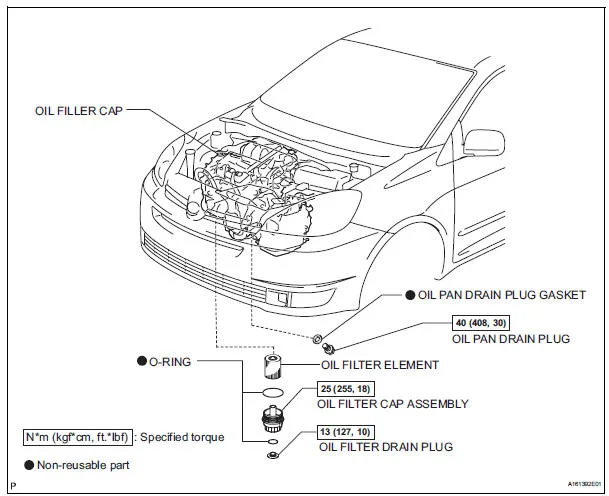
Image source: Bing (Web (fair-use with source credit))
Filling and Checking the Dipstick Properly
Reinstall the drain plug with a new crush washer. Torque it to 27 ft-lbs. Don't guess this one, under-torque and it vibrates loose.
Over-torque and you strip the oil pan threads.
Pour in 6 quarts for the V6. Or 5 quarts for the four-cylinder. Run the engine for 30 seconds.
This primes the filter and distributes oil through the engine.
Shut the engine off. Wait five minutes. This lets the oil settle back into the pan.
Pull the dipstick, wipe it clean, reinsert it fully, pull it out again. The oil level should be between the Low and Full marks, closer to Low. Top off with the remaining oil in small increments until the level sits exactly at the Full mark.
For the V6, you'll likely use that last 0.4 quarts. For the four-cylinder, you might use 0.5 of the remaining quart. Always check the dipstick.
The capacity number is a guide, not a guarantee.
Common Mistakes That Wreck These Engines
Overfilling – Why Just "a Little Extra" Is Dangerous
More oil is not better. When the oil level rises above the Full mark, the crankshaft journals dip into the oil pan. At highway RPM, this whips the oil into a froth.
The oil pump picks up air instead of liquid. Air doesn't lubricate.
Symptoms of overfilling include a noisy valvetrain, low oil pressure warning, and eventually, spun rod bearings. This is catastrophic damage. A used 2GR-FE engine runs $3,000 to $5,000 installed as of 2026.
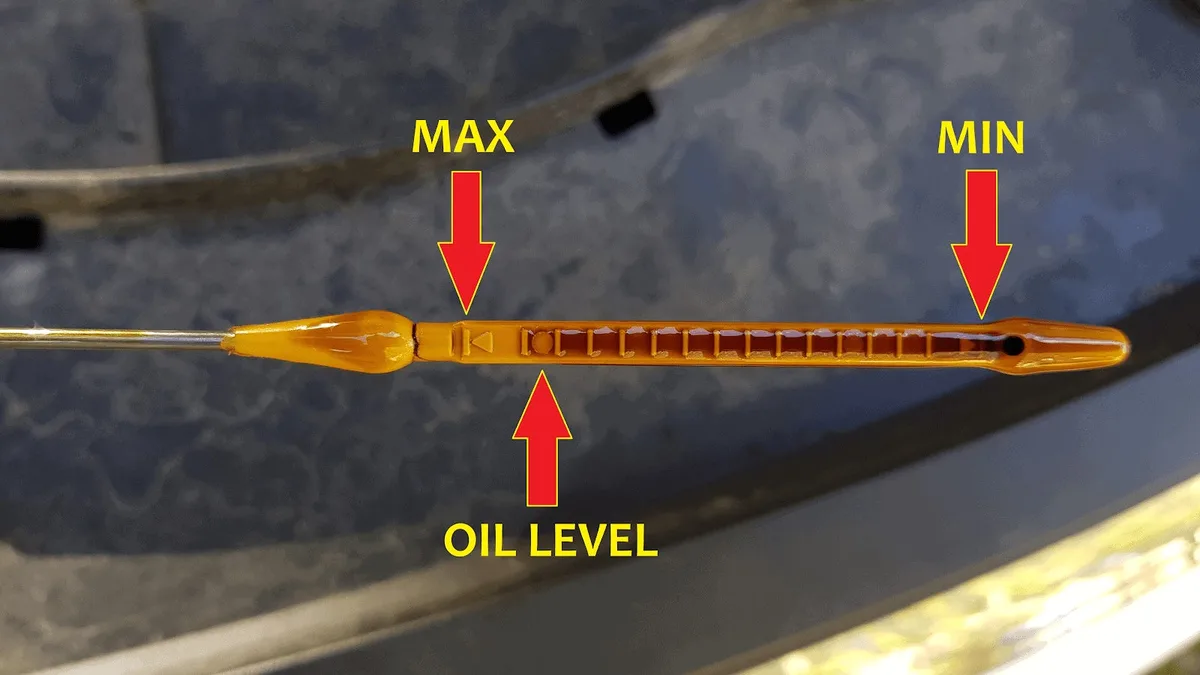
Image source: Bing (Web (fair-use with source credit))
Using the Wrong Viscosity
We touched on this earlier, but it bears repeating. The 2010 Sienna was designed for 5W-30. Using 0W-20 because that's what the 2011 model takes is a mistake.
Using 10W-40 because it's on sale is also a mistake.
The wrong viscosity means the oil doesn't flow correctly at operating temperature. Too thin, and it doesn't protect bearings. Too thick, and it doesn't reach tight clearance areas quickly.
Stripping the Drain Plug or Overtightening the Filter
The oil pan on the 2GR-FE is aluminum. The drain plug threads into aluminum. Stripping those threads means a new oil pan or a helicoil repair.
Neither is fun on a Sunday afternoon.
Use a torque wrench. 27 ft-lbs is not very tight. It's about the same as tightening a lug nut by hand. If you're using a ratchet without a torque wrench, snug it up and stop.
No grunting.
Same for the filter cap. 18 ft-lbs. Hand-tight plus a quarter turn is usually fine, but a torque wrench removes all doubt.
Don't forget the crush washer. Reusing an old crush washer is a guaranteed drip.
Now let's talk about keeping that engine healthy for the long haul.
Expert Tips for High-Mileage 2010 Siennas
These vans age well when they're cared for. Many 2010 Siennas are pushing 200,000 miles or more as of 2026. The 2GR-FE engine is known for going 300,000 with regular maintenance.
But high-mileage engines need a slightly different approach.
When to Switch to High-Mileage Oil
High-mileage oils contain seal conditioners that help reduce leaks. They also have extra detergents to clean out sludge deposits.
If your Sienna has over 100,000 miles and you notice small oil drips on the driveway, switching to a high-mileage 5W-30 is a smart move. It won't fix a torn seal, but it can slow seepage from dried-out gaskets.
The good news is that high-mileage oil is backward-compatible. You can switch to it at any mileage without any special procedure. Just drain the old oil and fill with high-mileage.
No flush needed.
Extending Oil Change Intervals Safely
Toyota's recommended interval for the 2010 Sienna is 5,000 miles under severe service (short trips, towing, dusty conditions) and 7,500 miles under normal service. Most owners fall into the severe category whether they realize it or not.
If you use a high-quality synthetic 5W-30, you can safely extend to 7,500 miles. Some owners push to 10,000 with synthetic and lab-tested oil analysis. But 5,000 is the safe bet, especially if you do a lot of stop-and-go driving.
Here's a practical tip: change the oil every spring and fall regardless of mileage. That way you're never more than six months between changes. Oil degrades from heat cycles and moisture, not just miles.
And while you're under there, check the coolant level and inspect the serpentine belt. The Sienna's 2GR-FE is a non-interference engine, meaning a broken timing chain won't destroy the valves, but the accessory belt can still leave you stranded.
For other Toyota owners, the same principles apply across the lineup. If you're working on a different model, check the specs carefully. The 2021 Camry uses a different oil entirely, so always confirm before pouring.
The same goes for the RAV4 lineup and the Tacoma. Even within Toyota's own family, oil capacity and viscosity vary by engine and model year.
Expert Tips for High-Mileage 2010 Siennas
These vans age well when they're cared for. Many 2010 Siennas are pushing 200,000 miles or more as of 2026. The 2GR-FE engine is known for going 300,000 with regular maintenance.
But high-mileage engines need a slightly different approach.
When to Switch to High-Mileage Oil
High-mileage oils contain seal conditioners that help reduce leaks. They also have extra detergents to clean out sludge deposits.
If your Sienna has over 100,000 miles and you notice small oil drips on the driveway, switching to a high-mileage 5W-30 is a smart move. It won't fix a torn seal, but it can slow seepage from dried-out gaskets.
The good news is that high-mileage oil is backward-compatible. You can switch to it at any mileage without any special procedure. Just drain the old oil and fill with high-mileage.
No flush needed.
Extending Oil Change Intervals Safely
Toyota's recommended interval for the 2010 Sienna is 5,000 miles under severe service. Short trips, towing, and dusty conditions all count as severe service. Most owners fall into this category whether they realize it or not.
If you use a high-quality synthetic 5W-30, you can safely extend to 7,500 miles. Some owners push to 10,000 with synthetic and lab-tested oil analysis. But 5,000 is the safe bet, especially if you do a lot of stop-and-go driving.
Here's a practical tip: change the oil every spring and fall regardless of mileage. That way you're never more than six months between changes. Oil degrades from heat cycles and moisture, not just miles.
While you're under there, check the coolant level and inspect the serpentine belt. A broken belt leaves you stranded, but it won't damage the engine.
Frequently Asked Questions
Can I use 0W-20 in place of 5W-30?
No. The 2010 Sienna's 2GR-FE engine was designed for 5W-30. Using 0W-20 will not cause immediate failure, but it reduces protection at operating temperature.
Stick with what the manufacturer specified.
What happens if I put in 7 quarts instead of 6.4?
The engine will be overfilled by 0.6 quarts. This can cause oil foaming at highway speeds. Foam doesn't lubricate.
If you overfill, drain the excess through the drain plug until the dipstick reads correctly.
Do I need to reset the oil light?
Yes. The 2010 Sienna has a maintenance reminder light. After an oil change, turn the ignition to ON without starting the engine.
Press the odometer reset button until the light flashes and turns off. The exact sequence depends on trim level, so check your owner's manual if the standard method doesn't work.
How often should I change the oil in a 2010 Sienna?
Every 5,000 miles under normal driving conditions. Every 7,500 miles if you use synthetic and mostly drive highway miles. Never go past 10,000 miles between changes, regardless of oil type.
What type of oil filter should I use?
Use a Toyota genuine filter (part 04152-YZZA1) or a high-quality aftermarket equivalent from Wix, Mobil 1, or Purolator. Avoid no-name filters. The filter's bypass valve pressure matters, and cheap filters don't always match Toyota's spec.
Can I switch from conventional to synthetic oil?
Yes. There is no special procedure required. Drain the old conventional oil, replace the filter, and fill with synthetic 5W-30.
The engine will not leak or burn more oil simply because you switched.