
If you're searching for the 2004 toyota 4runner oil capacity, here's the short answer right up front. The 4.0L V6 takes 6.5 quarts with a filter change, and the 4.7L V8 takes 6.9 quarts. Using the wrong amount can cause real problems, from sludge buildup to premature engine wear.
The good news is that this is one of the easiest maintenance tasks you can handle yourself.
The official factory spec calls for 5W-30 motor oil with an API certification of SL or newer. As of 2026, these trucks are still everywhere, and knowing this detail keeps them running strong. Let's figure out exactly which engine you have and get the oil change done right the first time.
Quick Answer
The 2004 Toyota 4Runner oil capacity is 6.5 quarts (6.2 liters) for the 4.0L V6 engine. The 4.7L V8 engine takes 6.9 quarts (6.5 liters). Always check your dipstick after filling to confirm the exact level.
Use 5W-30 motor oil with an API certification of SL, SM, or SN.
First, Which Engine Do You Have?
This is the only tricky part of the whole process. Toyota offered two completely different engines in the 2004 4Runner. Getting the oil capacity right depends entirely on which one is under your hood.
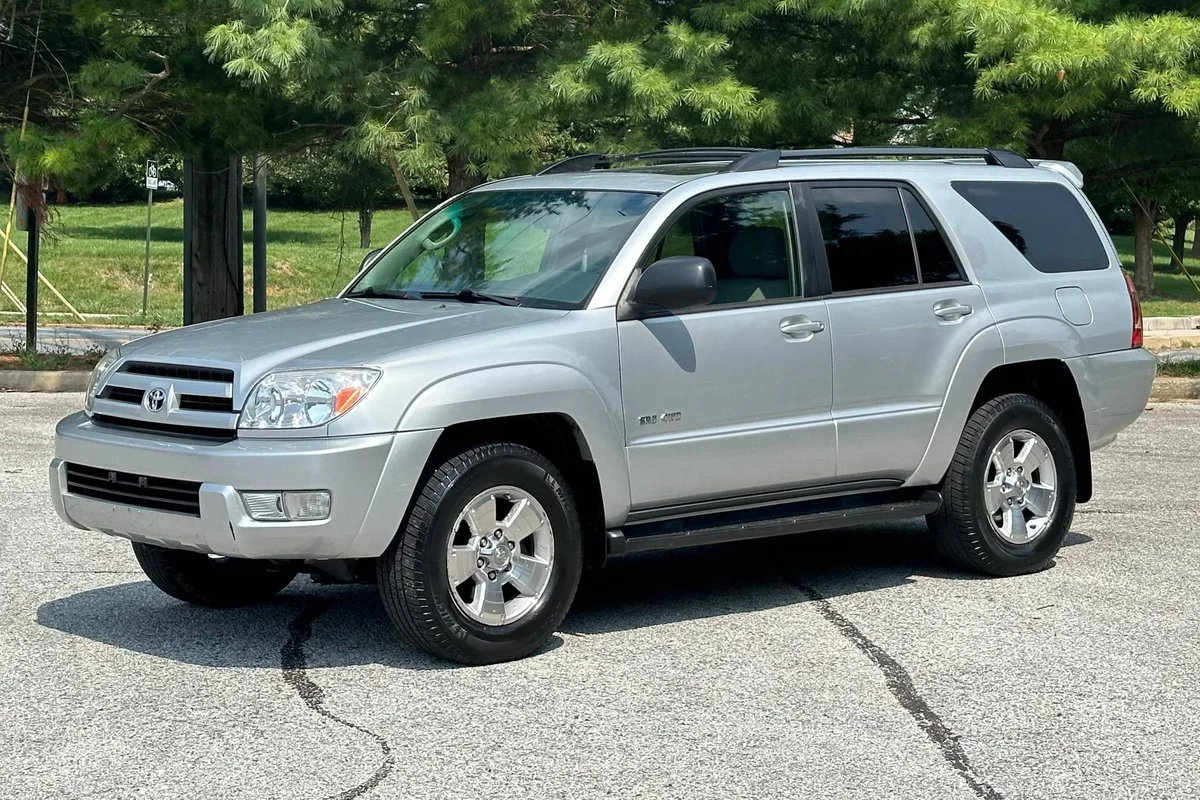
Here's how to tell them apart in about 30 seconds:
The V6 (1GR‑FE):
- Plastic engine cover clearly says "V6" on it
- Has six spark plugs and a smaller airbox
- The 8th digit of your VIN will be "E"
The V8 (2UZ‑FE):
- Plastic engine cover says "V8" on it
- Has eight spark plugs and a larger radiator fan shroud
- The 8th digit of your VIN will be "B"
Still not sure? Pop the hood and look at the engine cover. It's stamped right on top.
If the truck is new to you, check the owner's manual or look up the VIN online. This one decision determines whether you pour in 6.5 quarts or 6.9 quarts. There is no universal middle ground.
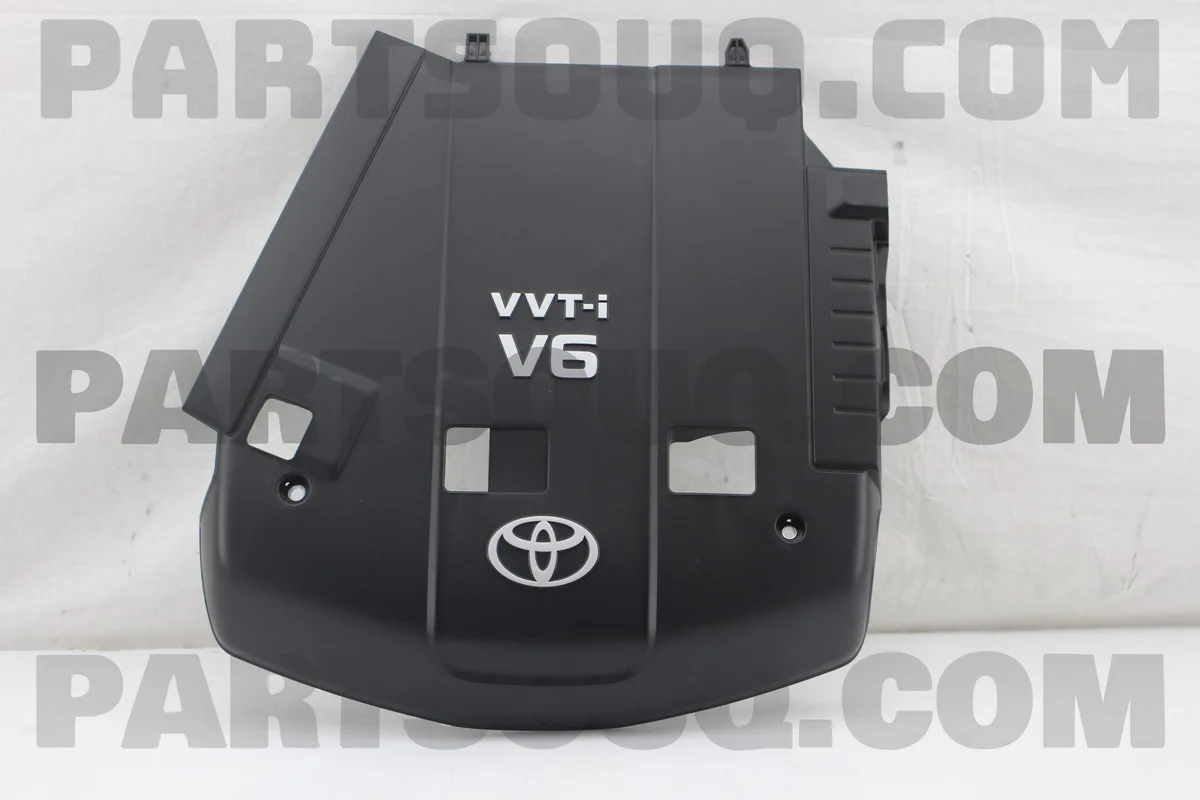
Decision Branch A: 4.0L V6 (1GR-FE) – 6.5 Quarts
If you have the V6, you've got the more common engine in these trucks. It shares a platform with the Tacoma and FJ Cruiser from the same era. The 1GR-FE is known for being tough and reliable when maintained well.
Capacity specs for the V6:
- With filter change: 6.5 quarts (6.2 liters)
- Without filter change: roughly 6.0 quarts
- Filter part number: 90915-YZZD3 (OEM) or compatible aftermarket
A few ground rules for this engine:
- Always replace the drain plug crush washer. They're cheap and prevent leaks.
- Torque the drain plug to 30 ft-lbs. The oil pan is aluminum, and overtightening strips the threads.
- Use a quality oil filter. The cheap $2 filters can collapse internally and restrict oil flow.
This engine responds well to routine upkeep, just like the later generation trucks covered in our 2019 Toyota 4Runner oil type guide. Stick to the 5,000-mile interval with a good synthetic blend, and this V6 will easily push past 250,000 miles.
Decision Branch B: 4.7L V8 (2UZ-FE) – 6.9 Quarts
The V8 is a legendary powerplant. Toyota used this 2UZ-FE engine in the Tundra, Sequoia, and Lexus GX470. It's nearly indestructible if you keep clean oil in it.
But it's also very picky about having the exact right level.
Capacity specs for the V8:
- With filter change: 6.9 quarts (6.5 liters)
- Without filter change: roughly 6.5 quarts
- Filter part number: 90915-YZZD3 (same as the V6)
What makes the V8 different:
- It holds slightly more oil than the V6
- Full synthetic 5W-30 is highly recommended if you tow or drive in hot climates
- The oil pan is shaped differently, so the dipstick reading is very sensitive to the exact fill amount
Pour in the full 6.9 quarts, run the engine for 30 seconds, shut it off, wait 5 minutes, and then check the dipstick. Top off slowly if needed. This engine shares its basic architecture with the full-size trucks, so the oil care principles overlap with what you'll find in our 2016 Toyota Tundra oil type guide.
Oil Type & Viscosity: Why 5W-30 Is the Right Call
Toyota specifically recommends 5W-30 for the 2004 4Runner across all climates. This isn't a suggestion. It's the factory spec for a reason.
What the numbers mean:
- The "5W" means the oil flows like a 5-weight when cold. This protects your engine during startup.
- The "30" means it thickens to a 30-weight at operating temperature. This maintains proper film strength.
API certification matters:
Look for the API "Starburst" certification logo on the bottle. This confirms the oil meets current industry standards. SL, SM, and SN ratings are all acceptable for this engine.
SN is the most current standard as of 2026.
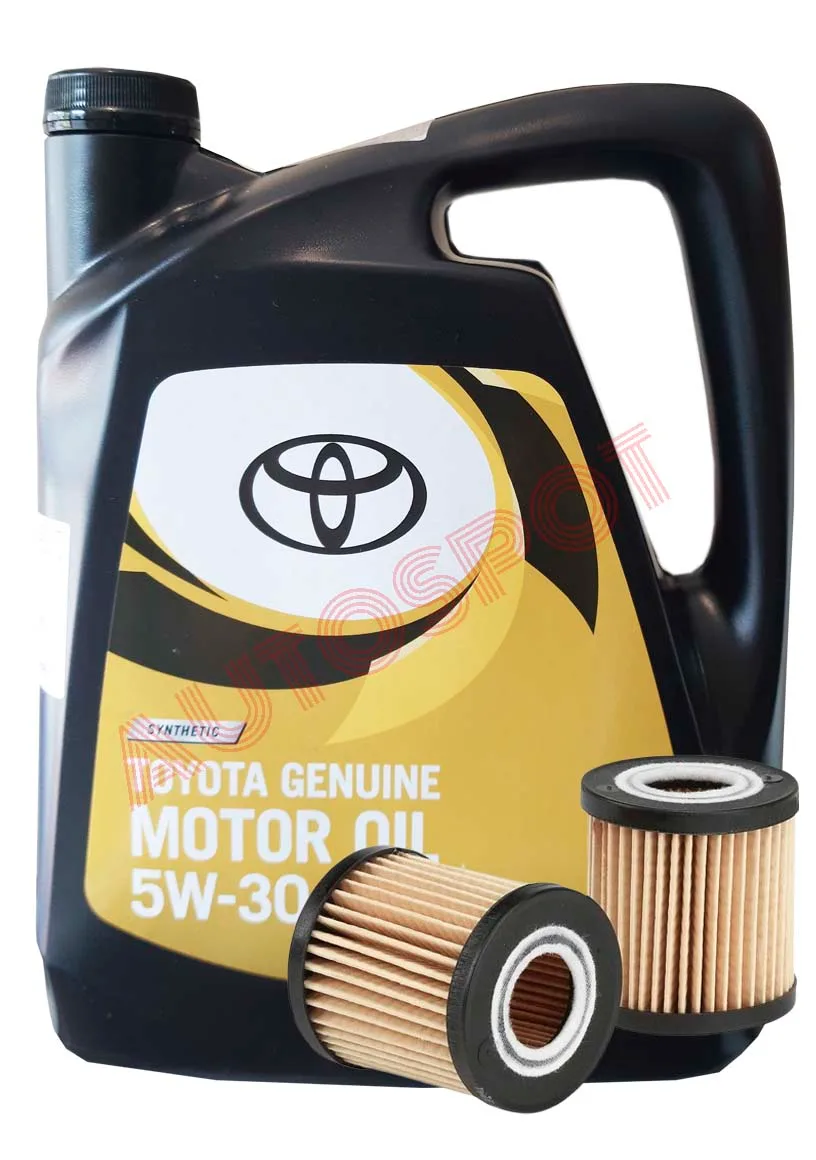
Conventional vs. synthetic:
- Conventional oil works fine if you change it every 3,000 to 5,000 miles
- Synthetic blend offers better protection at a reasonable price
- Full synthetic handles towing heat better and allows up to 10,000-mile intervals
If you live where winter temperatures drop below 0°F, you can safely use 0W-30 for easier cold starts. It meets the same spec and flows even better in extreme cold. Toyota approves this swap for all their 2000s-era engines, including other models covered in our 2017 Toyota Camry oil type guide.
The Complete Oil Change Workflow (Step by Step)
You can do this in your driveway with basic tools. Plan for about 45 minutes on your first try.
Tools and supplies you'll need:
| Item | Spec |
|---|---|
| Motor oil | 5W-30, API certified |
| Oil filter | OEM 90915-YZZD3 or equivalent |
| Drain plug washer | Toyota part # 90430-12031 |
| Socket | 14mm for drain plug |
| Torque wrench | 30 ft-lbs |
| Oil filter wrench | Cap-style or strap wrench |
| Drain pan | Minimum 8-quart capacity |
| Funnel | Long neck preferred |
Step-by-step procedure:
Warm up the engine. Run it for 2 to 3 minutes. Warm oil drains faster and carries more contaminants out with it. Don't let it get hot enough to burn you.
Drain the old oil. Place the drain pan under the oil pan. Use a 14mm socket to remove the drain plug. Let it drain completely, which takes about 10 to 15 minutes.
Replace the oil filter. Unscrew the old filter using your filter wrench. Clean the mounting surface with a rag. Apply a thin film of fresh oil to the gasket of the new filter. Screw it on hand-tight, then give it another 3/4 turn.
Install the drain plug. Put a new crush washer on the plug. Thread it in by hand to avoid cross-threading. Torque it to precisely 30 ft-lbs.
Add the new oil. Insert the funnel into the fill port. Pour in the correct amount for your engine. V6 gets 6.5 quarts. V8 gets 6.9 quarts.
Prime the system. Start the engine. Let it run for about 30 seconds. This circulates the oil through the new filter and fills the passages.
Check the dipstick. Shut off the engine. Wait 5 minutes for the oil to settle. Pull the dipstick, wipe it, reinsert it, and check the level. It should be between the Low and Full marks. Top off if needed.
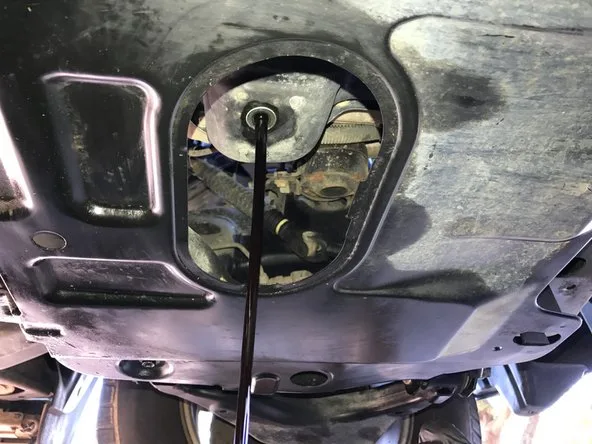
Common Mistakes That Kill Your Engine (And How to Avoid Them)
Overfilling. This is more common than you'd think. Too much oil causes the crankshaft to whip the oil into foam. Foam doesn't lubricate.
It's just as bad as running low on oil. If you accidentally overfill, drain some out immediately.
Underfilling. The 4Runner's oil pan is shaped in a way that the dipstick reads very close to the actual fill level. If you're off by even half a quart, the engine can starve for oil during hard cornering or off-road use.
Stripping the drain plug. The oil pan is made of aluminum. It strips easily if you use an impact gun or overtighten. Always use a torque wrench set to 30 ft-lbs.
If the plug is already loose on your truck, buy a Time-Sert repair kit and fix it properly.
Using the wrong filter. Some aftermarket filters have different bypass valve pressures. This can mess with oil flow, especially in cold weather. Stick with the OEM filter or a known quality brand like Wix or Mobil 1.
Improper disposal. Used motor oil is toxic and classified as hazardous waste. Never dump it on the ground or in the trash. Pour the old oil back into the empty containers.
Take them to an auto parts store or municipal recycling center. The EPA offers clear guidelines on proper used oil management to protect your community.
Pro Tips for Longer Engine Life
Switch to synthetic if you tow. Hauling a trailer or driving in the mountains generates a lot of heat. Conventional oil breaks down faster under extreme temperatures. Full synthetic 5W-30 resists thermal breakdown and keeps your engine protected longer.
Consider 0W-30 for extreme cold. If you live in a place where winter temperatures regularly hit -20°F, 0W-30 flows much better at startup. It's fully backward compatible with the 5W-30 spec and approved by Toyota for this engine.
Don't cheap out on filters. The Toyota OEM filter costs about $8. It's made by Denso and has the right bypass valve for this engine. The $2 no-name filters are a gamble we wouldn't recommend taking.
Write the date on the filter. Use a permanent marker to write the date and odometer reading on the oil filter after each change. This simple habit makes it easy to track intervals without digging through paperwork. It's the same approach we see recommended in our 2018 Toyota 4Runner oil type guide.
When to Change the Oil (Interval Guide)
Your change interval depends on the type of oil you use and how you drive. Here's the breakdown:
| Oil Type | Normal Driving | Severe Driving (towing, off-road, short trips) |
|---|---|---|
| Conventional | 3,000 to 5,000 miles | 3,000 miles |
| Synthetic Blend | 5,000 to 7,500 miles | 5,000 miles |
| Full Synthetic | 7,500 to 10,000 miles | 5,000 to 7,500 miles |
Our recommendation for the 2004 4Runner: Stick to 5,000-mile intervals with a synthetic blend. It's cheap insurance for an engine you want to keep running for another 20 years. This interval aligns with what most Toyota technicians recommend across the board, including for trucks covered in our 2017 Toyota Tacoma oil type guide.
Final Decision Guide: Quick Reference Table
Here's your at-a-glance reference for the 2004 4Runner oil change. Bookmark this page or snap a photo of this table.
| Specification | 4.0L V6 (1GR-FE) | 4.7L V8 (2UZ-FE) |
|---|---|---|
| Oil capacity (with filter) | 6.5 quarts (6.2 L) | 6.9 quarts (6.5 L) |
| Oil capacity (without filter) | 6.0 quarts | 6.5 quarts |
| Oil type | 5W-30 | 5W-30 |
| API certification | SL, SM, or SN | SL, SM, or SN |
| Oil filter part number | 90915-YZZD3 | 90915-YZZD3 |
| Drain plug torque | 30 ft-lbs (40 Nm) | 30 ft-lbs (40 Nm) |
| Drain plug socket | 14mm | 14mm |
| Crush washer part number | 90430-12031 | 90430-12031 |
This table covers everything you need to buy and do. If you're maintaining a second Toyota or another modern Toyota at the same time, the specs are usually similar to what we break down in our 2018 Toyota 4Runner oil type guide.
Frequently Asked Questions
Can I use 10W-30 instead of 5W-30 in my 2004 4Runner?
Yes, in warmer climates it's acceptable. But 5W-30 flows better at startup and provides faster protection. If temperatures stay above 60°F where you live, 10W-30 won't hurt.
Stick with 5W-30 for year-round reliability.
How often should I actually check my oil level?
Check it every other gas fill up. Pull the dipstick, wipe it clean, reinsert it, and pull it again. The level should sit between the Low and Full marks.
The 2004 4Runner is generally tight, but no engine is immune to burning a little oil over time.
How do I reset the oil maintenance light?
Turn the key to the ON position without starting the engine. Press and hold the trip meter reset button until the odometer begins to flash. Turn the key off.
This clears the maintenance reminder. It won't come back on until your next scheduled interval.
Is synthetic blend okay for the V8 engine?
Absolutely. Synthetic blend offers better protection than conventional oil without the full price of full synthetic. Many V8 owners run a high-quality synthetic blend with excellent results.
It handles towing heat better than conventional oil too.
What happens if I put in too much oil?
Overfilling causes the crankshaft to whip the oil into foam. Foam does not lubricate engine components properly. This can lead to oil starvation and accelerated bearing wear.
If you overfill, drain some out through the drain plug immediately. Let the excess oil flow until the level drops to the Full mark on the dipstick.
What to Do If You Accidentally Overfill
Overfilling happens more often than mechanics would like. You pour in the full 6.9 quarts for the V8 but realize the old oil didn't drain completely. Now the dipstick reads above the Full mark.
Stop the engine. Do not drive the truck. The excess oil needs to come out immediately.
Place a drain pan under the plug. Loosen the plug just enough to let a slow stream of oil out. Tighten it back up and check the dipstick again.
Repeat until the level drops to the Full mark.
If you have a fluid extractor, you can pull oil through the dipstick tube instead. This is cleaner and faster. But the drain plug method works fine.
Just be careful not to overtighten when you close it up.
How to Spot a Failing Oil Filter
A bad oil filter can cause serious engine damage. The symptoms are easy to catch if you know what to look for. Check the oil filter area for signs of leaking or seepage around the gasket after an oil change.
If the engine makes a rattling noise at idle, especially when warm, the filter's anti-drainback valve might be failing. This valve keeps oil in the passages overnight. Without it, the engine gets a dry start every morning.
Look for metal shavings in the oil when you drain it. If you see them, the filter didn't catch debris. Switch to the Toyota OEM filter immediately.
It has the correct bypass pressure for this engine's oil pump.
Oil Change for Off-Road Use
The 2004 4Runner is a popular off-road vehicle. If you take yours on trails, your oil change routine needs adjustments. Mud, water crossings, and steep angles put extra stress on the lubrication system.
Switch to full synthetic 5W-30. It resists breakdown from heat and contamination better than conventional oil. Reduce your change interval to every 3,000 to 4,000 miles.
Off-road driving counts as severe duty by every manufacturer's definition.
Install a magnetic drain plug. It catches fine metal particles that regular filters miss. This is cheap insurance for an engine that works hard in dusty conditions.
Also, consider a skid plate that allows access to the drain plug without removal.
Differences Between the 2003 and 2005 Models
The 2004 4Runner sits in the middle of a generation that ran from 2003 to 2009. The 2003 model year had some early production quirks. The 2005 got a mild refresh.
Understanding these differences helps when buying used parts or troubleshooting.
The 2003 V8 models used a different oil pan gasket that sometimes leaked. Toyota updated the gasket design for 2004. The 2005 models received a revised oil fill cap and a dipstick tube with a better seal.
These parts are interchangeable across all years.
If you own a 2003 or 2005, the oil capacity and type remain the same. No change in viscosity or quantity. Only the hardware details vary slightly.
Use the same 5W-30 oil and OEM filter regardless.
Checking Oil Level Correctly
A proper oil check prevents both overfills and low-oil damage. The process sounds simple but many people do it wrong. Park the truck on level ground.
Turn off the engine and wait five minutes.
Pull the dipstick out and wipe it clean with a lint-free rag. Insert it fully, then pull it out again. Read the oil level against the crosshatch pattern.
It should sit between the Low and Full marks. Never check the oil immediately after running the engine. The oil needs time to drain back into the pan.
If the level is at the Low mark, add half a quart and recheck. Do not just dump in the whole quart. It's easier to add a little than to drain excess.
Make this a habit every time you fill up with gas.