
If you own a 2007 Toyota Avalon, the oil type you choose affects how the 3.5-liter V6 runs and how long it lasts. The wrong oil can lead to sludge buildup or timing chain problems that are expensive to fix.
Manufacturer specifications call for 5W-30 or 0W-20. But the decision goes beyond picking one number. As of 2026, many of these cars have over 150,000 miles.
The right oil can mean another 50,000 trouble-free miles. The wrong one means a costly repair bill.
Why Getting the Right Oil Matters
The 2GR-FE engine in your Avalon uses variable valve timing and tight tolerances. Wrong oil viscosity can starve the timing chain of lubrication. That leads to rattling, stretching, or failure.
It is not a cheap fix.
Toyota engineers designed the oil recommendations around cold-start protection, fuel economy, and long-term wear. Straying from those specs without understanding the trade-offs is a risk. The 2GR-FE also develops sludge if oil changes are skipped or if the oil lacks proper detergents.
The Quick Answer
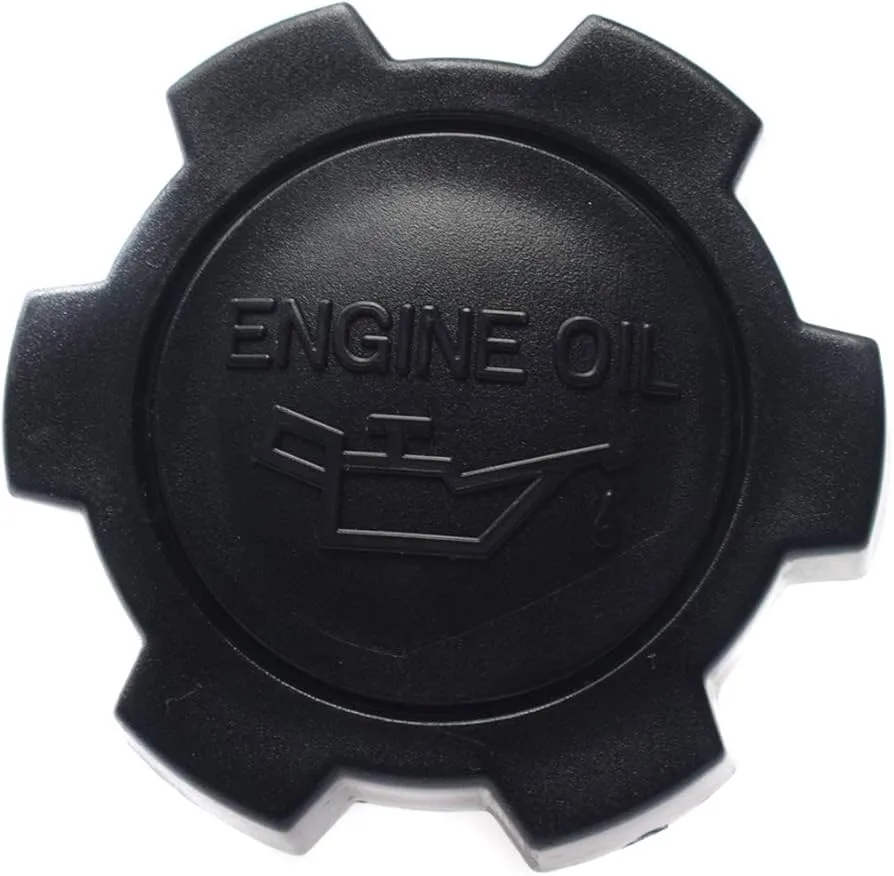
Your 2007 Toyota Avalon takes SAE 5W-30 motor oil. That is the factory recommendation printed on the oil fill cap. The required quality level is API Service SL or higher with ILSAC GF-4 certification.
If you live in a very cold climate, you can use 0W-20 for better cold-start flow. But 5W-30 remains the safe choice for most drivers. Total capacity with a filter change is 5.8 quarts (5.5 liters).
Always check the dipstick.
5W-30 vs 0W-20: Which One Should You Use?
The owner's manual lists 5W-30 as the primary recommendation. It says 0W-20 may be used for improved fuel economy. Both are approved, but they serve different conditions.
5W-30 provides a thicker oil film at operating temperature. That helps protect bearings and the timing chain, especially in high-mileage engines. It is also less likely to burn off in hot weather.
0W-20 flows better when the engine is cold. That reduces wear during startup in freezing temperatures. It can improve fuel economy by about 1-2%.
But it is thinner at operating temperature, which means less cushion for worn parts. For a 2007 Avalon with over 100,000 miles, many mechanics recommend 5W-30.
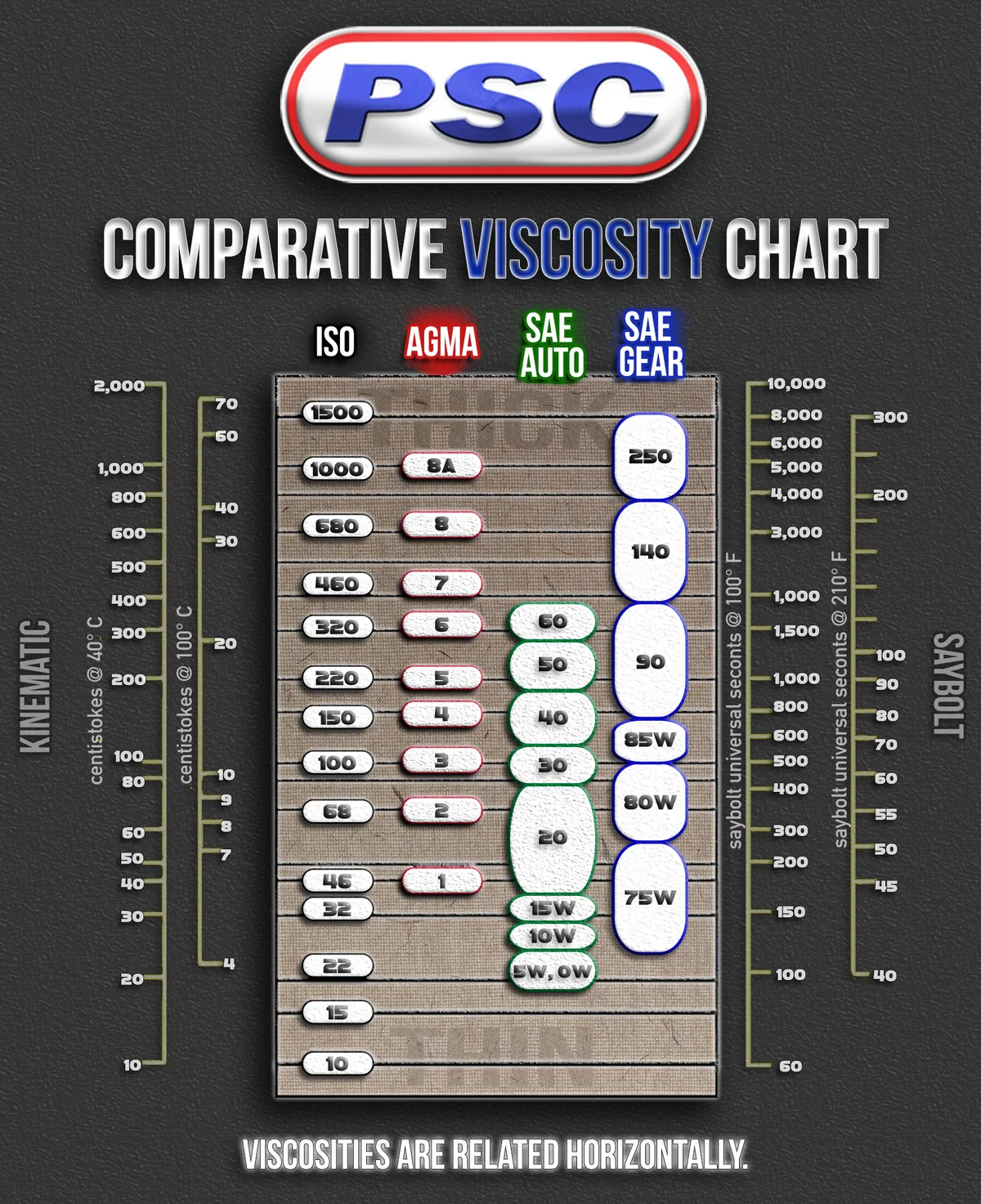
Choose 5W-30 if: You live in a warm or moderate climate. Your engine has over 75,000 miles. You do mostly highway or stop-and-go city driving.
Choose 0W-20 if: Winter temperatures regularly drop below 0°F (-18°C). You want to maximize fuel economy. Even then, it is optional.
Conventional, Synthetic Blend, or Full Synthetic?
Conventional oil meets minimum specs. It works for 3,000-5,000 mile intervals. But it breaks down faster under heat and handles sludge poorly.
Synthetic blend mixes conventional and synthetic. It offers better high-temperature protection than conventional at a lower cost than full synthetic. A solid middle-ground for 5,000-mile changes.
Full synthetic gives the best protection against sludge, thermal breakdown, and cold-start wear. It allows longer intervals, though we recommend 5,000-7,500 miles max. For older engines, the extra detergents help clean out deposits.
If your Avalon has over 100,000 miles and you plan to keep it, full synthetic is worth the extra cost. It is about long-term reliability, not performance.
High-Mileage Oil: When It Makes Sense
High-mileage oil includes seal conditioners and extra anti-wear additives. It is designed for engines over 75,000 miles.
For a 2007 Avalon with 150,000 to 250,000 miles, minor oil seepage around gaskets is common. High-mileage oil can slow those leaks. It is not a cure for a torn gasket, but it works well for minor seepage.
If your Avalon burns oil or leaves small puddles on the garage floor, high-mileage oil is a smart move. If you have no leaks or oil consumption, you do not need it.
The Real Cost: DIY vs Shop
A DIY oil change costs $35 to $70. Conventional oil and a basic filter land at the low end. Full synthetic with a premium filter pushes toward the top.
| Item | Estimated Cost |
|---|---|
| 6 quarts 5W-30 (conventional) | $20 – $28 |
| 6 quarts 5W-30 (full synthetic) | $35 – $50 |
| Oil filter (OEM or quality aftermarket) | $6 – $15 |
| Drain plug washer | $1 – $3 |
| Total DIY (conventional) | $27 – $46 |
| Total DIY (full synthetic) | $42 – $68 |
A shop charges $60 to $100. Over a year of 12,000 miles of driving, DIY saves you $60 to $120. If you are comfortable with basic tools, DIY makes financial sense.
Step-by-Step: How to Change Your Avalon's Oil
The 2GR-FE engine is easier to work on than many modern V6s. The oil filter sits on the front of the engine, accessible from above.
What You'll Need
A 14mm socket for the drain plug. An oil filter wrench. A drain pan.
A funnel. New oil and filter. A new crush washer for the drain plug.
Draining the Old Oil
Warm up the engine for a few minutes. Hot oil drains faster and carries more contaminants. Park on level ground.
Engage the parking brake.
Locate the 14mm drain plug under the oil pan. Place the drain pan underneath. Loosen the plug with a socket, then unscrew by hand.
Let the oil drain for five to ten minutes.
Replacing the Oil Filter
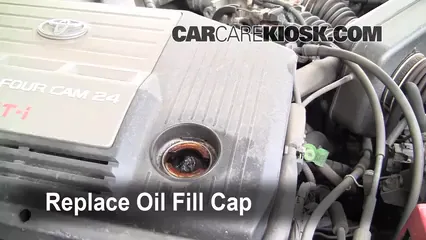
The oil filter is on the front of the engine below the exhaust manifold. Reach it from above. Loosen with a filter wrench, then unscrew by hand.
Coat the new filter's rubber gasket with fresh oil. Screw it on by hand until the gasket contacts the mounting surface. Tighten another three-quarters turn.
Do not overtighten.
Refilling and Checking the Level
Reinstall the drain plug with a new crush washer. Torque to 29 ft-lbs (39 Nm). Too loose leaks.
Too tight strips the threads.
Pour in about 5.5 quarts. Start the engine and let it run for 30 seconds. Shut it off and wait two minutes.
Check the dipstick. Add oil until it reaches the full mark. You will likely need the full 5.8 quarts.
Resetting the Maintenance Reminder Light
Turn the ignition to ON. Press the trip reset button until the odometer shows ODO. Turn the ignition off.
Press and hold the trip reset button while turning the ignition back to ON. Hold for about five seconds until the light flashes and goes out.
Common Mistakes
Wrong viscosity. 10W-30 or 20W-50 delays cold-start lubrication. The 2GR-FE needs thin oil at startup to reach the timing chain tensioners.
Overfilling. Too much oil causes foaming and reduces lubrication pressure. Always check the dipstick twice.
Skipping the filter. Changing oil without replacing the filter defeats half the purpose. Replace it every time.
Non-certified oil. Cheap brands may lack API certification and proper detergents. Stick with bottles that display the API donut.
Ignoring small leaks. Losing oil between changes reduces pressure over time. Fix small gasket leaks early.
Climate and Driving Habits
The 5W in 5W-30 refers to winter viscosity. It flows well down to about -22°F (-30°C). Below that, 0W-20 is better.
If you live in Phoenix or Miami, 5W-30 works year round. If you live in Minneapolis or Buffalo, consider 0W-20 for December through February. Many owners run 0W-20 all year.
Short trips under five miles prevent the engine from reaching full operating temperature. That causes moisture and fuel dilution in the oil. Change oil every 3,000 to 4,000 miles if most drives are short.
Highway cruising is easy on oil. With synthetic, 7,500-mile intervals are realistic. Severe service conditions like towing or dusty roads call for the shorter schedule.
A Note on Oil Certifications
The API donut on the oil bottle means the oil passed standardized tests for engine protection, sludge control, and wear.
For your 2007 Avalon, look for API Service SL or higher. SM, SN, and SP all work. SP, introduced in 2020, offers better timing chain protection.
ILSAC GF-4 was the standard when your Avalon was built. GF-5 and GF-6 are backward compatible.
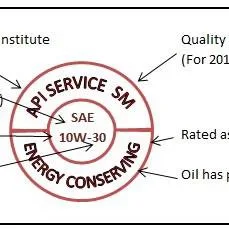
Do not buy oil without these certifications. Budget brands skip the testing. That oil might meet viscosity specs but lacks validated detergents and anti-wear additives.
When to Call a Mechanic
Do it yourself if: You have level ground, basic tools, and 30 minutes. You are comfortable with jack stands. You want control over what goes in your engine.
Call a mechanic if: You lack a safe workspace. You cannot reach the drain plug or filter. Your Avalon has an active oil leak that needs diagnosis.
See a mechanic urgently if: You find metal particles in the drained oil. The oil looks milky (coolant contamination). The engine makes tapping or knocking sounds that oil changes do not fix.
Final Verdict
Use SAE 5W-30 full synthetic oil meeting API SP and ILSAC GF-6 standards. Change it every 5,000 miles for city driving or short trips. Stretch to 7,500 miles for mostly highway driving.
If your Avalon has over 100,000 miles, switch to a full synthetic high-mileage formulation. The seal conditioners help prevent leaks, and the detergents keep the 2GR-FE clean.
If winter temperatures drop below 0°F (-18°C), run 0W-20 during cold months. You can switch back to 5W-30 in warmer weather. Do not feel obligated to use 0W-20 year round.
Stick with reputable brands that display the API donut. Replace the filter every time. Check the dipstick at every other fuel fill.
Never push an oil change past 7,500 miles.
Your 2007 Avalon is a well-engineered car. Give it clean, certified oil on a regular schedule, and it will reward you with another 100,000 miles of smooth driving.
Frequently Asked Questions
Can I use synthetic oil in my 2007 Toyota Avalon?
Yes. Full synthetic oil is safe and recommended. It flows better at cold starts, resists breakdown at high temperatures, and prevents sludge.
No break-in period is needed when switching from conventional.
What happens if I use 10W-30 instead of 5W-30?
10W-30 is not ideal. The thicker oil at cold temperatures delays lubrication to the timing chain and variable valve timing components. This increases wear, especially in winter.
Stick with 5W-30 or 0W-20.
How often should I change the oil?
Toyota recommends every 5,000 miles for normal driving. For severe service (short trips, stop-and-go traffic, dusty roads, extreme temperatures), change every 3,000 to 4,000 miles. Do not exceed 7,500 miles even with synthetic.
Does the 2007 Avalon have an oil life monitor?
No. It has a simple maintenance reminder light that turns on at a fixed interval. Track your mileage manually and reset the light after each change.
Is 0W-20 better than 5W-30?
Not necessarily. 0W-20 offers better cold-start flow and slightly better fuel economy. But 5W-30 provides a thicker oil film at operating temperature. For higher-mileage engines, 5W-30 is generally the safer choice.
Can I switch between 5W-30 and 0W-20 seasonally?
Yes. Many owners run 0W-20 in winter and 5W-30 in summer. No flushing or special procedure is needed.
Just make sure both oils meet API certification.