
So you've heard the Toyota RAV4 is bulletproof, right? Reliable, safe, holds its value. That's true, but it's not the whole story.
When you search for problems with Toyota RAV4, you're looking at real issues that pop up on specific model years, and some are pretty common. This isn't about trashing a good car. It's about helping you know what to watch for.
Toyota's own service bulletins and thousands of owner reports on the NHTSA database (as of 2026) show certain patterns. The RAV4 has been sold in five generations since 1996, and the problems shift with each one. Once you understand which generation you're dealing with, the rest gets much simpler.
Quick Answer
The most common RAV4 problems depend on the model year. 2006, 2012 models often burn oil. 2013, 2018 models can have torque converter shudders. 2019 and newer models have reported roof leaks and infotainment glitches. Hybrid batteries rarely fail, but their cooling fans clog. Always check for recalls by VIN before buying used.
The Problem: "Reliable" Doesn't Mean Problem-Free
Let's be real for a second. The RAV4 is one of the bestselling SUVs in the world. It's earned that reputation.
But no vehicle is perfect, and Toyota's mass production means some parts are shared across hundreds of thousands of units. When a flaw shows up, it shows up on a lot of cars at once.
Take the oil consumption issue on the 2.4‑liter and early 2.5‑liter engines. Toyota even issued a Technical Service Bulletin (TSB) for it. Owners reported adding a quart of oil every 1,000 miles.
That's not normal. But on the other hand, most RAV4s never see that problem.
So what's the real story? It's a mixed bag. The key is knowing which years to be cautious about and which ones are genuinely reliable.
That's what we're going to break down here. You'll get the straight facts, not the marketing spin.
First, What Year Is Your RAV4? (Or… Which One Are You Looking At?)
If you already own a RAV4, check the model year on your registration or driver's door jamb sticker. If you're shopping used, the year is the first filter. The specific problems change dramatically between generations.
Let's map them out quickly.
Generation timeline (U.S. market):
| Generation | Years | Key Engine | Common Issues |
|---|---|---|---|
| XA30 | 2006–2012 | 2.4L I4 / 3.5L V6 | Oil consumption, brake actuator, AWD binding |
| XA40 | 2013–2018 | 2.5L I4 / hybrid | Torque converter shudder, hybrid battery fan, infotainment |
| XA50 | 2019–present | 2.5L I4 / hybrid / Prime | Roof leaks, torque converter (8AT), infotainment freezes |
The first generation (XA10) and second generation (XA20) are old enough that most issues have been documented, but they're less common in used car searches today. The bulk of complaints target the three generations listed above.
If you're looking at a 2007, 2009 model, expect to check for oil consumption. On a 2019, 2020 model, focus on water leaks and transmission shudder. Knowing your year saves you a lot of guesswork.
The Big Decision Tree: Problems by Generation
This is where we get into the nitty-gritty. The RAV4's issues are generation‑specific. If you're dealing with a 2008 V6, you won't find the same trouble as a 2021 hybrid.
So let's walk through each group.
2006–2012 (XA30): Oil Consumption & V6 Issues
The XA30 generation is the one you hear about most in forums. The 2.4‑liter four‑cylinder engine had a known oil consumption problem. Toyota's TSB recommended a piston ring replacement for engines that burned more than 1 quart per 1,200 miles.
That's a pretty big job.
- Symptoms: Low oil light, blue smoke from exhaust, needing to add oil between changes.
- Fix: Piston ring replacement or engine rebuild. Some owners switched to thicker oil as a bandaid, but it's not a fix.
- V6 models (3.5L): Less oil consumption, but the 2006, 2009 V6 had a water pump / belt tensioner issue. Also the AWD system could bind in tight turns.
If you own a 2008, 2009 V6, also check the backup camera if equipped. It was an early version and can fail. We've covered that in our guide on Toyota rear view camera problems, which applies to many Toyota models of that era.
2013–2018 (XA40): Transmission Shudder & Battery Cooling
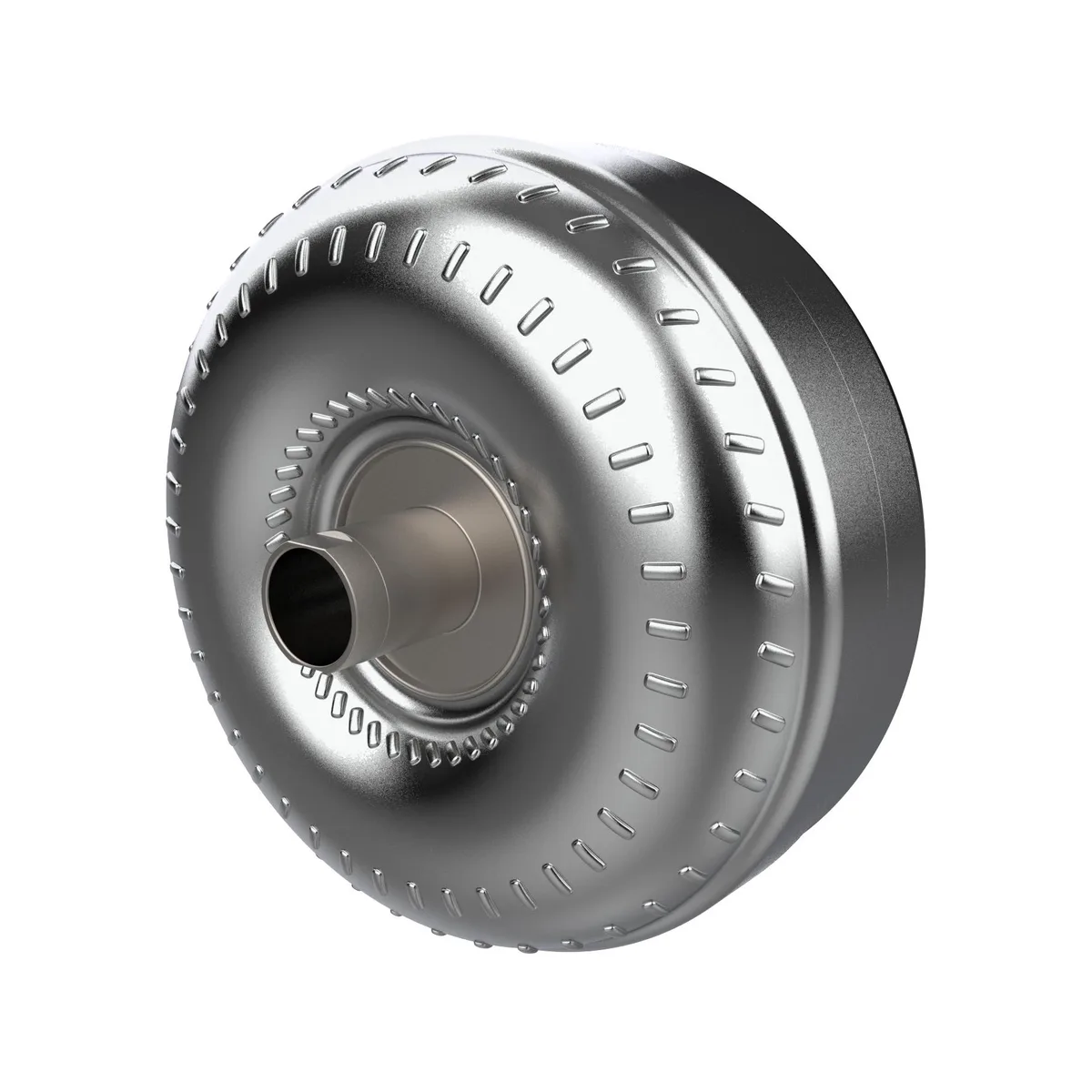
The XA40 generation moved to the 2.5‑liter Dynamic Force engine. Oil consumption dropped significantly, but a new problem emerged: the 8‑speed automatic transmission (Direct Shift‑8AT) could develop a shudder at low speeds, typically between 25, 45 mph.
- What it feels like: A vibration or "wobble" under light acceleration, like driving over rumble strips.
- Cause: Torque converter lockup clutch shudder. TSB 0069‑19 advised a transmission fluid flush and reprogram.
- Hybrid models: The e‑CVT is generally bulletproof, but the hybrid battery cooling fan can clog with dust, especially in dry climates. That leads to reduced hybrid system performance.
Also, the infotainment system (Entune) could freeze or lag. A system reset (holding the power button for 10 seconds) usually fixed it temporarily. Toyota updated the software several times.
2019–Present (XA50): Roof Leaks, Infotainment, & Torque Converter
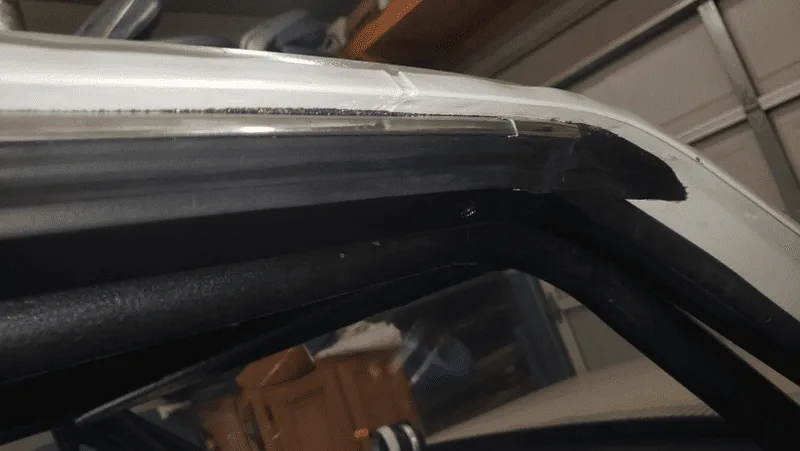
The current generation is the most modern, but it's not immune. The biggest complaint? Roof rail water leaks.
The plastic roof rails can develop a gap at the mounting point, allowing water to drip down the A‑pillar and into the cabin.
- Affected: 2019, 2020 models. Toyota issued a TSB and a service campaign to replace the roof rail seals.
- Check for: Musty smell, water stains on headliner, wet floor mats in front.
Another issue is the same torque converter shudder as the previous generation, though less frequent. If you drive a 2019, 2021 8AT model, watch for that vibration.
Infotainment freezes are also common. The new Toyota Audio Multimedia system (2023+) is better, but the earlier Entune 3.0 can be glitchy.
If you're shopping a used 2019+ RAV4, always check the spare tire well for moisture. A leaking tailgate seal can cause water to pool there.
How to Diagnose the Most Common Problems
You don't need a mechanic for every check. These three tests can help you identify the big issues before they become expensive.
Test for Oil Consumption
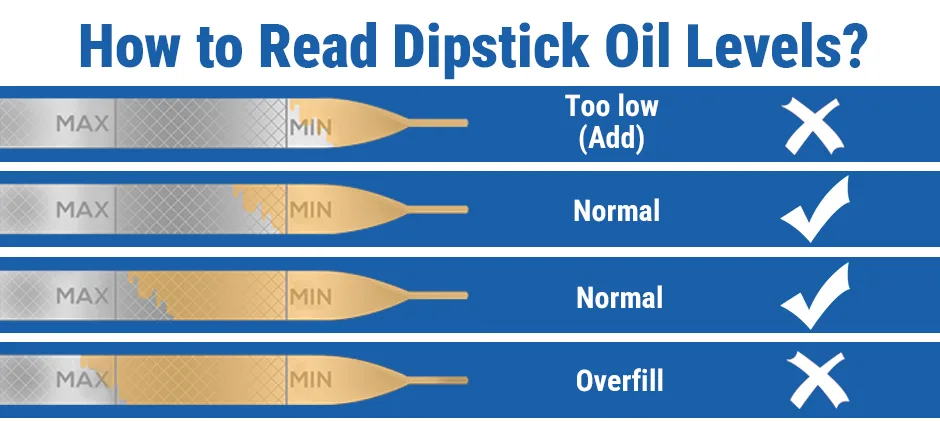
- Park on level ground. Let the engine cool for at least 10 minutes.
- Pull the dipstick. Wipe it clean. Reinsert fully.
- Pull again and read the level. Should be between the two marks.
- Drive 1,000 miles normally. Recheck the dipstick.
- If the level drops from full to low (about 1 quart) in 1,000 miles, you have a consumption problem.
For 2006, 2012 models, that's a strong indicator the piston rings are worn. For later engines, less common but still possible if the PCV valve is stuck.
Check for Transmission Shudder
- Drive on a flat road at 30, 40 mph.
- Gently accelerate (not full throttle). Do you feel a vibration or "judder" through the steering wheel or seat?
- If yes, the torque converter may be the culprit. A transmission fluid exchange (not a flush) often helps. Some models need a software update.
Inspect for Water Leaks (Roof Rails & Tailgate)
This is quick and doesn't require tools.
- Open the tailgate. Pull up the cargo floor mat. Check the spare tire well for dampness or standing water.
- Run a garden hose over the roof rails for 5 minutes. Have someone sit inside and watch the A‑pillar for drips.
- If water appears, the roof rail seals need replacement. This is covered under warranty on 2019, 2020 models.
For a full list of open recalls on any RAV4, check the NHTSA recall database using the vehicle's VIN. It's free and takes two minutes.
If You're Buying Used: A Pre-Purchase Checklist
You've found a used RAV4. It looks clean. But before you hand over cash, run through this checklist.
It'll save you thousands.
- VIN lookup: Check for recalls and TSBs on the NHTSA site. Also check Toyota's owner portal.
- Oil consumption test: Ask the seller if they've noticed needing to add oil between changes. If possible, do a quick dipstick check when the engine is cold.
- Transmission test: Test drive. Accelerate gently at 30, 40 mph. Feel for shudder. Also reverse and forward at low speed to check for AWD binding.
- Water leak check: Open the spare tire well. Smell for mustiness. Inspect the roof rail mounting points.
- Infotainment test: Connect your phone via Bluetooth or USB. Make a call, play music, use navigation. If it freezes, it may need a software update.
- Hybrid battery fan: On hybrid models, listen for a loud fan noise from the rear seat area. That fan should run quietly. If it's rattling or not running, it's clogged.
- Service history: Look for consistent oil changes every 5,000, 10,000 miles. Missing records for a high‑mileage car is a red flag.
Quick reference table for used RAV4 years to approach with caution:
| Model Year | Known Issue | Severity | Typical Fix Cost |
|---|---|---|---|
| 2007–2009 | Oil consumption (2.4L) | High | $2,000–$4,000 |
| 2006–2009 | Brake actuator failure (hybrid) | Moderate | $1,500–$2,500 |
| 2013–2015 | Torque converter shudder | Moderate | $500–$1,200 |
| 2019–2020 | Roof rail leaks | Low | Warranty / $300 |
| 2019–2021 | Torque converter shudder (8AT) | Low | $400–$800 |
If the car has had these fixes done, it's likely fine. The RAV4 is still a great value used, as long as you know what to look for.
The Hybrid vs. Gas-Only Decision: Which Has Fewer Problems?
This is the question we get most often. The short answer is that the hybrid powertrain has fewer documented problems than the gas-only version, especially on newer models. But it's not that simple.
The hybrid's e-CVT is a planetary gear set. It has no belts, no clutches, and no torque converter. That means no shudder, no shifting issues, and no transmission fluid changes needed for the first 100,000 miles.
Toyota's own maintenance schedule doesn't even list a hybrid transmission fluid change as a required item.
On the gas side, the 8-speed automatic (Direct Shift-8AT) has the torque converter shudder we already covered. It's not a dealbreaker, but it's an extra thing to watch. The 6-speed automatic in older XA30 models is more reliable than the 8-speed, but it's paired with the oil-burning 2.4L engine.
Hybrid downsides to know:
- The hybrid battery cooling fan sits behind the rear seat. It pulls in dust and pet hair. If it clogs, the battery overheats and the hybrid system shuts down. Cleaning it takes 15 minutes and a vacuum.
- The 12V auxiliary battery is in the cargo area, not under the hood. Jump-starting is less straightforward. You need to use the terminals under the hood.
- Hybrid models cost $2,000 to $3,000 more upfront than gas equivalents. Fuel savings usually recoup that within 3 to 5 years of average driving.
Gas-only downsides to know:
- Torque converter shudder on 2013, 2018 and 2019, 2021 models.
- Oil consumption on 2006, 2012 models.
- Less complicated overall, but the transmission is a known weak point.
Our take: If you drive mostly city miles or in stop-and-go traffic, the hybrid is the better bet. Its drivetrain is simpler in a mechanical sense. If you drive highway miles and want to keep the car for 10+ years, the gas model is still a solid choice, especially if you get a 2022 or newer 8AT that has the updated software.
Mistakes to Avoid When Troubleshooting a RAV4
We've seen owners make the same errors over and over. Some of these cost time. Others cost real money.
Mistake 1: Ignoring the hybrid battery cooling fan. Owners often don't know it exists. By the time the dashboard shows a "Check Hybrid System" warning, the fan is fully clogged. A simple vacuum of the intake vent (behind the rear seat on the passenger side) prevents the problem entirely.
Do this every 20,000 miles.
Mistake 2: Flushing the transmission instead of exchanging the fluid. A power flush can dislodge debris and clog the valve body. The safe method is a drain-and-fill or a fluid exchange using a machine that doesn't apply pressure. If your mechanic uses a flush machine, find another shop.
Mistake 3: Assuming all dashboard lights mean a major problem. A loose gas cap can trigger the check engine light on many RAV4s. The code is usually P0442 (EVAP system leak). Tighten the cap and clear the code.
If it comes back, then investigate further.
Mistake 4: Ignoring the rearview camera when it acts up. On 2013, 2018 models, a glitchy camera is often a software issue, not a hardware failure. Toyota has released updates. Check if your car has an open service campaign for it.
We've covered this in detail in our guide on Toyota rear view camera fixes.
Mistake 5: Using a pressure washer on the roof rails. High-pressure water can force past the seals and into the cabin. Hand-wash around the roof rails on 2019, 2020 models. If you suspect a leak, use a garden hose at low pressure to test.
When to Fix It Yourself vs. When to See a Mechanic
Some RAV4 problems are DIY-friendly. Others require a lift, a scan tool, or specific training. Here's a quick decision guide.
DIY with basic tools:
- Cleaning the hybrid battery cooling fan. Remove the rear seat cushion, unscrew the vent cover, vacuum the fan and filter. Total time: 15 minutes.
- Replacing the cabin air filter and engine air filter. Both are under $20 and take 5 minutes.
- Checking and topping off oil. Keep a quart in the trunk. Check the dipstick every 1,000 miles if you have a 2006, 2012 model.
- Replacing the 12V battery on gas models. It's under the hood, standard location.
Shop visit recommended:
- Torque converter shudder. The transmission fluid exchange requires a machine that most home mechanics don't have. Plus, the software update needs a Toyota Techstream scan tool.
- Roof rail leak repair. The seal replacement involves removing the roof rail trim and headliner. It's easy to crack the plastic clips.
- Brake actuator replacement (2006, 2009 hybrids). This is a high-voltage system job. Not safe for DIY.
- Oil consumption diagnosis. If you're burning oil, a compression test and leak-down test will tell you if it's rings or valve seals. A shop has the tools.
The rule of thumb: If the repair involves removing the headliner, touching high-voltage cables, or programming a module, leave it to a professional. A $200 diagnostic fee is cheaper than a $2,000 mistake.
What to Do If Your Problem Is Covered by a Recall or TSB
Not every issue is a recall. Recalls are safety-related and free to fix. TSBs (Technical Service Bulletins) are known issues that the manufacturer acknowledges but doesn't always cover for free.
Here's how to handle both.
Step 1: Check your VIN on the official NHTSA website. Enter your 17-digit VIN. It will show any open recalls, including incomplete ones from previous owners. Recalls don't expire.
They're free at any Toyota dealer.
Step 2: Check for TSBs on Toyota's Techinfo site. TSBs cost about $15 to view individually, but you can often find the information for free on owner forums. The TSB number tells your dealer exactly what steps to take.
Step 3: If the issue is a known TSB but not a recall, ask the dealer for a "goodwill" repair. Toyota has a history of covering certain TSBs outside of warranty, especially for common issues like the torque converter shudder. It's not guaranteed, but it's worth asking. Be polite and persistent.
Step 4: If you've already paid for a repair that later becomes a recall, you can file for reimbursement. Toyota will reimburse you for repairs done within a certain timeframe before the recall was announced. Keep your receipts.
Quick reference:
| Issue | Type | Coverage |
|---|---|---|
| Roof rail leaks (2019–2020) | TSB / Service Campaign | Free under warranty, sometimes goodwill after |
| Torque converter shudder (2013–2018) | TSB | Free under powertrain warranty, partial goodwill |
| Fuel pump failure (2019–2020) | Recall | Free, any Toyota dealer |
| Brake actuator (2006–2009 hybrid) | Recall | Free, any Toyota dealer |
The Final Decision Guide: Best Years, Worst Years, and What to Do
You've read the data. Now here's the bottom line.
Best years to buy (used):
| Year | Why It's Good |
|---|---|
| 2010–2012 | V6 models have the 3.5L engine, no oil consumption like the 2.4L. AWD binding is the main issue, but it's fixable. |
| 2016–2018 | The 2.5L engine is solid. The 8AT shudder is less common on these late XA40 models. |
| 2022–present | The XA50 generation got the infotainment update and the torque converter fix. Fewer roof leak complaints. |
Worst years to buy (used):
| Year | Why to Avoid |
|---|---|
| 2007–2009 | Oil consumption is rampant. The 2.4L engine is a gamble. |
| 2013–2014 | Early XA40 models have the most transmission shudder complaints. |
| 2019–2020 | Roof leaks, torque converter issues, and infotainment glitches. Most are fixable under warranty, but it's a hassle. |
If you already own a RAV4 with a problem:
- Check for recalls and TSBs first. You might get a free fix.
- For oil consumption on 2006, 2012 models, keep a quart of oil in the car. If it gets worse, consider a piston ring repair. It's expensive, but cheaper than a new engine.
- For transmission shudder, start with a fluid exchange. If that doesn't fix it, the torque converter replacement is between $500 and $1,200.
- For roof leaks, the seal replacement is covered under warranty or goodwill. Don't delay it. Water damage can lead to mold and electrical issues.
The RAV4 is still one of the most reliable SUVs on the road. The key is knowing which years to target and which problems are manageable. Avoid the worst years, fix the known issues promptly, and you'll get a car that runs well past 200,000 miles.
Frequently Asked Questions
What is the most common problem with Toyota RAV4?
The most common issue depends on the generation. The 2006, 2012 models frequently burn oil due to worn piston rings. The 2013, 2018 models often have torque converter shudder.
The 2019, 2020 models are known for roof rail leaks. Each generation has its own pattern.
Which Toyota RAV4 years should I avoid?
Avoid 2007, 2009 for oil consumption, 2013, 2014 for transmission shudder, and 2019, 2020 for multiple issues including roof leaks and infotainment problems. The 2010, 2012 V6 models and 2022 and newer models are generally safer bets.
Are RAV4 transmissions reliable?
The e-CVT in hybrid models is extremely reliable. The 8-speed automatic in gas models from 2013, 2021 has a known torque converter shudder issue. A fluid exchange and software update usually fix it.
The 6-speed automatic in older models is more durable.
How much does it cost to fix a RAV4 torque converter?
A torque converter replacement typically costs between $500 and $1,200 at an independent shop. A dealer will charge more. A transmission fluid exchange is cheaper, around $150 to $300, and may solve the shudder without replacing the converter.
Is the Toyota RAV4 hybrid worth the extra money?
For city driving, yes. The hybrid gets 38 to 41 mpg versus 27 to 30 mpg for the gas model. The e-CVT eliminates the torque converter shudder issue.
The upfront cost is higher, but fuel savings recover that within 3 to 5 years for average drivers.
How do I check if my RAV4 has a recall?
Enter your 17-digit VIN on the official NHTSA recall website. It's free and takes two minutes. You can also use Toyota's owner portal.
Both show open recalls that are fixed at no charge at any Toyota dealer.