
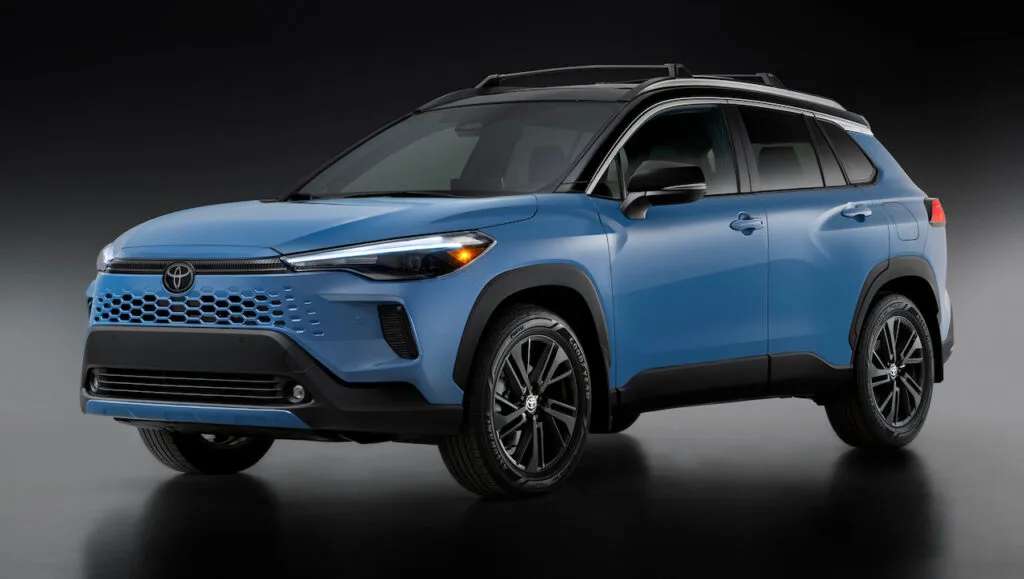
If you're researching toyota corolla cross problems, you've probably seen strong opinions on both sides. Some owners swear by this compact SUV. Others have had frustrating experiences.
Sorting through the noise takes real data.
Aggregate owner reports and NHTSA complaint data as of 2026 reveal a clear pattern. The most frequent issues fall into a handful of categories, and many are addressed by factory Technical Service Bulletins. Let's walk through what's actually going on.
Quick Answer
The most common Toyota Corolla Cross problems are transmission hesitation, infotainment glitches, wind noise, weak AC, and paint chipping. Model years 2022 and 2023 report the most complaints. Most issues are covered under warranty.
Toyota has issued Technical Service Bulletins for several of them.
Why This Matters: Getting the Truth About Corolla Cross Problems
Every car has complaints. The question is whether those complaints are widespread or isolated. For the Corolla Cross, the data shows a mixed picture.
Some problems are genuinely common. Others appear in a handful of forum posts and get amplified out of proportion. Knowing the difference saves you money and stress, especially if you're in the market for a used model.
This is where official data helps. The NHTSA maintains a searchable database of consumer complaints and recalls. That's a far better source than a single angry review on a forum.
Relying on anecdotal reports alone can lead you to overestimate the risk of certain issues.
The stakes are real. A transmission problem can cost thousands out of pocket. A paint defect won't leave you stranded, but it can hurt resale value.
Understanding which problems are genuine and which are rare helps you make a smarter decision.
The Core Facts: What Owners Are Actually Reporting
As of early 2026, the Corolla Cross has accumulated several thousand owner complaints across multiple categories. The largest share relates to the powertrain, followed by the electrical system and body integrity.
Toyota has responded with several Technical Service Bulletins, or TSBs. These are official documents that dealers use to diagnose and fix known issues. They don't cost you anything when the car is under warranty.
They also serve as a roadmap for what problems the manufacturer has acknowledged.
The warranty itself is solid. Toyota covers the Corolla Cross with a 3-year/36,000-mile basic warranty and a 5-year/60,000-mile powertrain warranty. Most of the common problems fall within those windows.
A handful of issues, like paint chipping, fall outside typical warranty coverage unless you have a specific TSB.
The 2022 model year accounts for the highest share of complaints. That's a common pattern for first-year production vehicles. The 2023 model saw incremental improvements, and the 2024 model is still too new for long-term data.
The Most Common Problems (Ranked by Severity and Frequency)
Not all problems are created equal. Here's a breakdown of the top complaints, ranked by how often they appear and how serious they are.
| Problem | Severity | Frequency | Typical Fix |
|---|---|---|---|
| Transmission hesitation | High | Very common | TCM reprogramming or replacement |
| Infotainment glitches | Medium | Common | Software update |
| Wind noise | Low | Moderate | Door seal adjustment |
| Weak AC | Medium | Moderate | AC system service per TSB |
| Paint chipping | Low | Common | Paint protection film |
Transmission Hesitation and Shudder
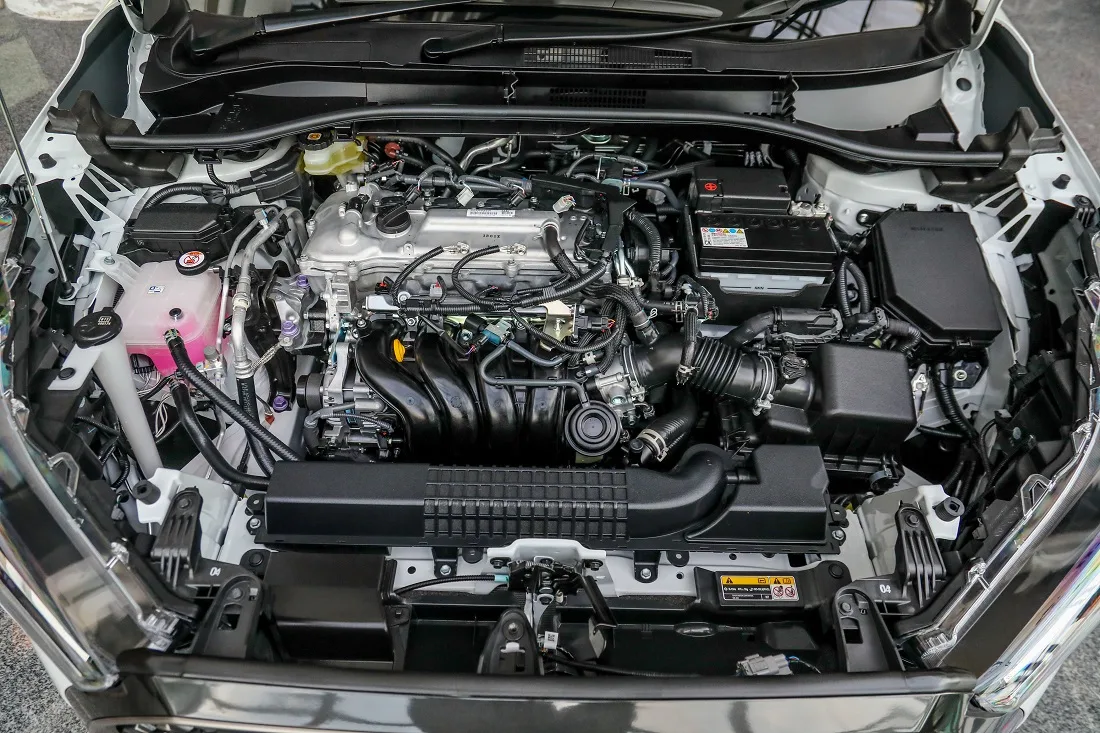
This is the number one complaint by volume. Owners report a hesitation or shudder when accelerating from a stop, especially in the 2022 and early 2023 models. The CVT transmission sometimes feels like it's hunting for the right gear ratio.
Toyota released TSB 0062-22 to address this issue. The fix typically involves a transmission control module reprogramming. In some cases, the transmission itself needs replacement.
If you're under warranty, the repair is covered. If you're out of warranty, expect to pay between $200 and $400 for the reprogramming.
Infotainment System Freezes and Glitches
The 8-inch touchscreen is standard across all trims. It's also a common source of frustration. Owners report the screen freezing, going black, or failing to respond to touch inputs.
Apple CarPlay and Android Auto connections can be inconsistent.
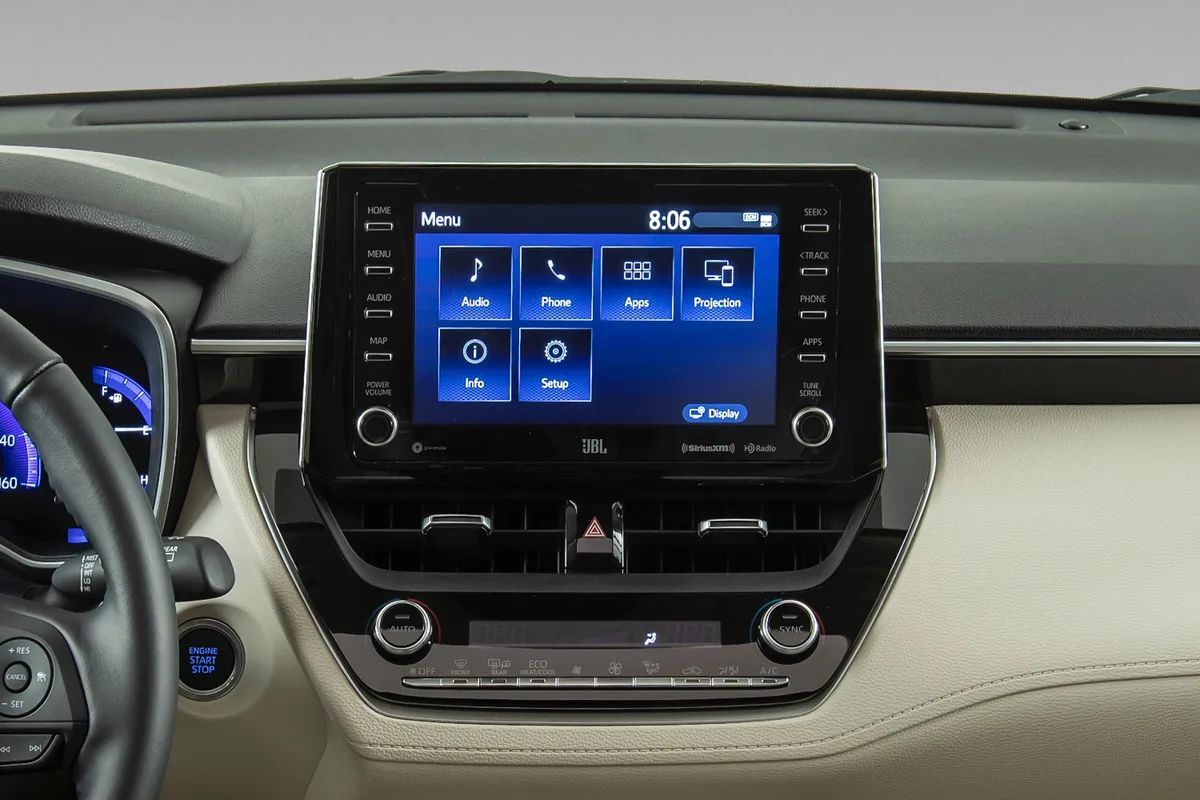
A software update usually resolves these issues. Check with your dealer to see if your vehicle has the latest firmware. Some owners have also reported issues with the rear view camera cutting out intermittently.
If you're seeing that, our dedicated guide on camera and sensor problems covers the troubleshooting steps.
Wind Noise and Door Seal Issues
At highway speeds, some Corolla Cross models produce noticeable wind noise around the front windows. The culprit is often a poorly fitted door seal or weatherstripping. This is more of a comfort issue than a mechanical one, but it's annoying on long trips.
Dealers typically replace the weatherstripping under warranty. The fix takes about an hour. If you're out of warranty, a third-party seal kit costs around $30 to $50 and is easy to install yourself.
Air Conditioning Weakness in Hot Climates
Several owners in southern states report that the AC struggles to keep the cabin cool on very hot days. The system works, but it takes longer than expected to reach the set temperature. Toyota has acknowledged this through TSB AC004-23.
The TSB recommends an AC system recharge and, in some cases, a compressor inspection. The repair is covered under the basic warranty. If you're out of warranty, a recharge costs roughly $150 to $250 at a dealer.
Paint Quality and Premature Chipping
The paint on the Corolla Cross is thin. Owners report chips appearing on the front bumper and hood within the first year. This is a cosmetic issue, but it can affect resale value.
A clear bra or paint protection film is a worthwhile investment.
Toyota does not typically cover paint defects under warranty unless the issue is severe and documented early. If you're buying new, consider adding paint protection at the time of purchase. It's cheaper than a respray down the road.
Risk Factors: Which Model Years and Trims Are Most Affected
Not every Corolla Cross has the same likelihood of problems. Here's how the model years and drivetrain options stack up.
2022 vs. 2023 vs. 2024 – What Changed
The 2022 model year is the most complained about. It was the first year of production, and early build quality issues are common across the industry. The 2023 model saw improvements, particularly in the transmission calibration and infotainment software.
The 2024 model year is still relatively new. Early reports are more positive, but it's too soon to draw firm conclusions. If you're buying used, a 2023 or 2024 model is generally safer than a 2022.
The price difference between a 2022 and a 2023 is often small enough that the newer model is the better value.
Front-Wheel Drive vs. All-Wheel Drive Differences
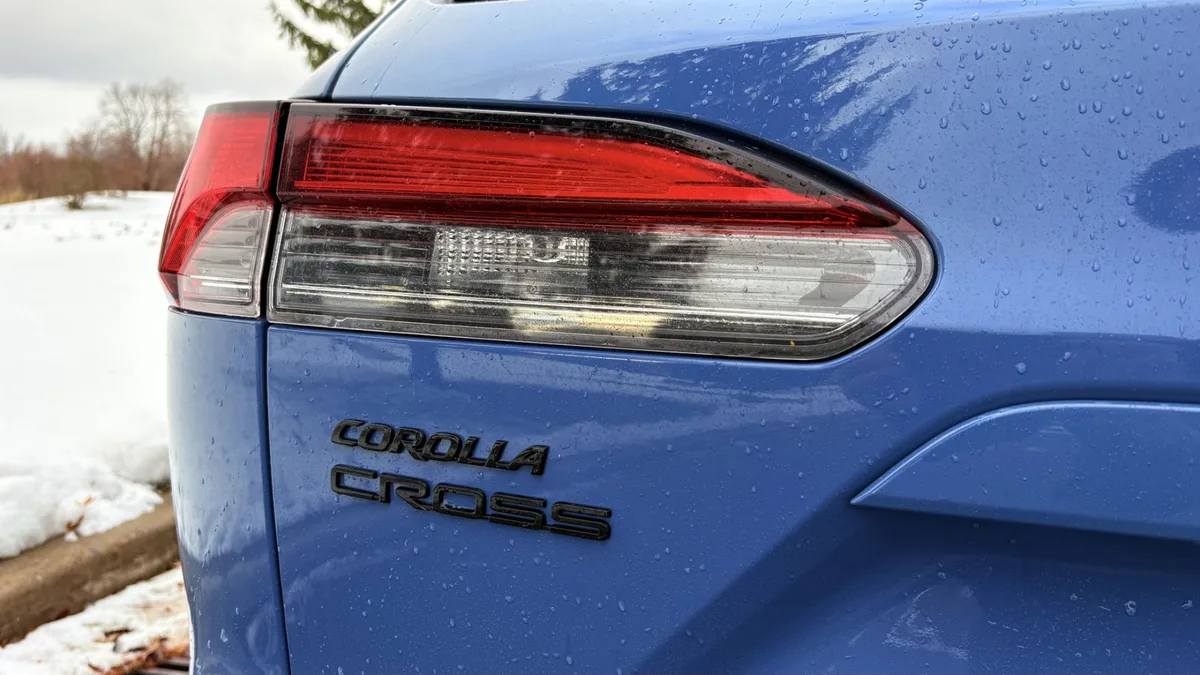
The AWD system adds complexity and weight, but it doesn't seem to introduce additional reliability issues. Most complaints are evenly split between FWD and AWD models. The AWD system itself is mechanically robust.
The bigger difference is between trim levels. The LE and XLE trims share the same powertrain and infotainment system. The higher trims add more features, which means more potential failure points.
But so far, there's no strong evidence that any trim is significantly worse than another.
Safe Practices: What to Do If You Own or Are Buying One
Whether you already own a Corolla Cross or are shopping for one, a few practical steps can save you headaches.
Pre-Purchase Inspection Checklist
If you're buying used, here's what to check:
- Test drive at low speeds. Accelerate gently from a stop and feel for hesitation or shudder.
- Cycle through all infotainment functions. Check for screen freezes, blackouts, and CarPlay or Android Auto connectivity.
- Drive at highway speed with the windows up. Listen for wind noise around the front doors.
- Run the AC on max for 10 minutes. See how quickly the cabin cools compared to another vehicle of the same age.
- Inspect the front bumper and hood for paint chips. Look for rust spots that may have started from a chip.
Warranty Coverage and TSBs
Toyota's factory warranty covers most of the common problems. Before paying for any repair out of pocket, ask your dealer if a TSB exists for your issue. TSBs often mean the repair is covered even if it's not a recall.
You can search for TSBs yourself on the NHTSA website using your VIN. That's a good habit to develop. It tells you exactly what the manufacturer has flagged as a known issue.
How to Document and Report Problems Properly
If you experience a problem, document it. Take photos or videos of the issue as it occurs. Note the date, temperature, and driving conditions.
This helps the dealer diagnose the issue and strengthens your case if you need to escalate.
For infotainment or camera issues, fixing common issues with that system can walk you through the basics. Proper documentation also helps if you need to file a formal complaint with the NHTSA later.
When to Seek Professional Help (And When to Wait)
Not every problem needs a dealer visit. Knowing the difference saves time and money.
If your transmission hesitates or shudders, schedule a dealer visit. This is a documented issue with a TSB. The reprogramming is free under warranty.
If the car is out of warranty, a dealer is still your best bet because they have the correct diagnostic equipment.
For infotainment glitches, try a factory reset first. Turn off the car, open the driver's door, and wait five minutes. Restart the engine.
If the screen still freezes, a software update is likely needed. Your dealer can do that in about 30 minutes.
Wind noise and paint chips are mostly cosmetic. You can address those yourself or wait until your next service visit. They won't leave you stranded.
Dealer vs. Independent Shop – Which Route to Take
For warranty work, always go to the dealer. They bill Toyota directly, and you pay nothing.
For out-of-pocket repairs, an independent shop that specializes in Japanese vehicles is often cheaper. A transmission reprogramming at an independent shop runs $150 to $300. The same job at a dealer costs $200 to $400.
The difference is small for this particular repair.
The catch is that independent shops may not have access to the latest TSBs. If your issue is covered by a TSB, the dealer is the safer choice. They know exactly what to look for.
Lemon Law Triggers and State-Specific Protections
If your Corolla Cross has been in the shop for the same issue multiple times and it's still not fixed, you may have a lemon law claim. Each state has its own rules.
In California, the vehicle must have been in the shop four or more times for the same issue, or be out of service for 30 days within the first 18 months. In Texas, the thresholds are similar but the time window is 24 months.
Document every visit. Keep all repair orders. If you think you have a claim, consult a lemon law attorney.
Most offer free consultations.
The Cost Side: Real Repair Estimates and Out-of-Pocket Expenses
Out-of-warranty repairs can add up. Here's a realistic breakdown based on owner reports and dealer estimates.
| Repair | Dealer Cost | Independent Shop Cost |
|---|---|---|
| TCM reprogramming | $200 – $400 | $150 – $300 |
| Transmission replacement | $4,500 – $6,000 | $3,500 – $5,000 |
| Infotainment software update | $0 – $150 | $50 – $100 |
| Door seal replacement | $100 – $200 | $50 – $100 |
| AC recharge (per TSB) | $150 – $250 | $100 – $200 |
| Paint chip repair (per panel) | $300 – $600 | $150 – $400 |
The transmission replacement is the big one. If you're out of warranty and the CVT fails, you're looking at a bill that could total $6,000. That's roughly a third of the car's value on a used 2022 model.
The good news is that transmission failures are relatively rare. The hesitation issue is much more common and much cheaper to fix. Most owners will never need a full replacement.
Extended warranties are worth considering if you're buying a used 2022 model. A third-party warranty that covers the powertrain costs roughly $1,500 to $2,500 for a five-year term. That's cheaper than a transmission replacement.
What the Competition Does Better (and Worse)
The Corolla Cross doesn't exist in a vacuum. Its main rivals all have their own strengths and weaknesses.
Comparing Against Honda HR-V, Mazda CX-30, and Subaru Crosstrek
The Honda HR-V is the closest competitor. It has a more spacious rear seat and a better infotainment system. But it's slower and gets worse fuel economy.
The HR-V also has its own share of CVT complaints, though they're less frequent than the Corolla Cross.
The Mazda CX-30 is the sporty option. It handles better, has a more premium interior, and uses a traditional automatic transmission instead of a CVT. That eliminates the hesitation issue entirely.
The downside is less rear legroom and slightly higher fuel consumption. The CX-30 also has a firmer ride.
The Subaru Crosstrek offers standard AWD and better ground clearance. It's the most capable off-road option in this class. But the CVT on the Crosstrek has its own history of reliability concerns.
The interior is also less refined than the Corolla Cross.
Where the Corolla Cross Still Wins
Despite the problems, the Corolla Cross has clear advantages. It gets excellent fuel economy, with EPA ratings of 31 mpg combined for the FWD model. That's better than the HR-V and CX-30.
It also has a lower starting price than all three competitors. The base LE trim costs about $1,500 less than the equivalent HR-V and $2,000 less than the CX-30. For budget-conscious buyers, that's significant.
Toyota's reliability reputation, even with these early issues, still beats Subaru's long-term track record. The Crosstrek's CVT failures are more expensive and more common than the Corolla Cross's transmission issues.
Verified Summary: Should You Still Buy One?
The Corolla Cross is a good car with some known issues. Most of those issues are addressable under warranty. The 2023 and 2024 models are demonstrably better than the 2022.
If you're buying new, the Corolla Cross is a solid choice. The warranty covers the common problems, and Toyota has shown a willingness to fix them. Just budget for paint protection film if you want to keep the front end looking good.
If you're buying used, target a 2023 or 2024 model. Avoid the 2022 unless the price is significantly lower and you can verify that the transmission and infotainment issues have been addressed. A pre-purchase inspection at a dealer is money well spent.
If you're keeping your current Corolla Cross, stay on top of TSBs. Check the NHTSA database every six months. If a TSB comes out for a problem you're having, the repair is covered.
Don't wait until the warranty expires.
The Corolla Cross isn't perfect. But in the context of its class, it's a competitive, fuel-efficient, and practical SUV. Just go in with your eyes open.
Frequently Asked Questions
Does the 2023 Toyota Corolla Cross have the same transmission problems as the 2022?
The 2023 model has fewer transmission complaints. Toyota updated the transmission control module calibration. Some owners still report mild hesitation, but it's less frequent and less severe than on the 2022.
How much does it cost to fix a Corolla Cross transmission hesitation?
Under warranty, the fix is free. Out of warranty, expect to pay $200 to $400 for a TCM reprogramming at a dealer. A full transmission replacement costs $4,500 to $6,000.
Is the Corolla Cross reliable long-term?
The model is still too new for long-term data. Based on Toyota's track record and the 2023 and 2024 improvements, the outlook is positive. The 2022 model year is the biggest risk.
Does Toyota cover paint chipping under warranty?
Rarely. Paint defects are only covered if they are severe and documented within the first 12 months. Normal wear and tear, including stone chips, is not covered.
Paint protection film is recommended.
Is the Corolla Cross AWD reliable?
The AWD system itself has not generated significant complaints. Most reliability issues are related to the powertrain and infotainment, not the AWD hardware. The system appears robust.
Should I buy an extended warranty for a used Corolla Cross?
If you're buying a 2022 model, yes. A powertrain-only extended warranty costs roughly $1,500 to $2,500 and covers the most expensive potential failure. For a 2023 or 2024, it's less critical but still offers peace of mind.