Your Tundra's engine is doing something it shouldn't, and you want to know what's going on before the repair bill climbs. Toyota tundra engine problems follow well-documented patterns by generation, and most issues have a known fix. The key is identifying which engine you have and matching the symptoms to the right diagnosis.
As of 2026, the 5.7L V8 has over 15 years of real-world data behind it. Most failures center on the cam tower seals, secondary air injection pump, and timing chain tensioner. The 3.5L twin-turbo is newer and still working through early reliability issues, with Toyota issuing multiple recalls.
Let's walk through what to expect from each engine and how to figure out what's wrong with yours.
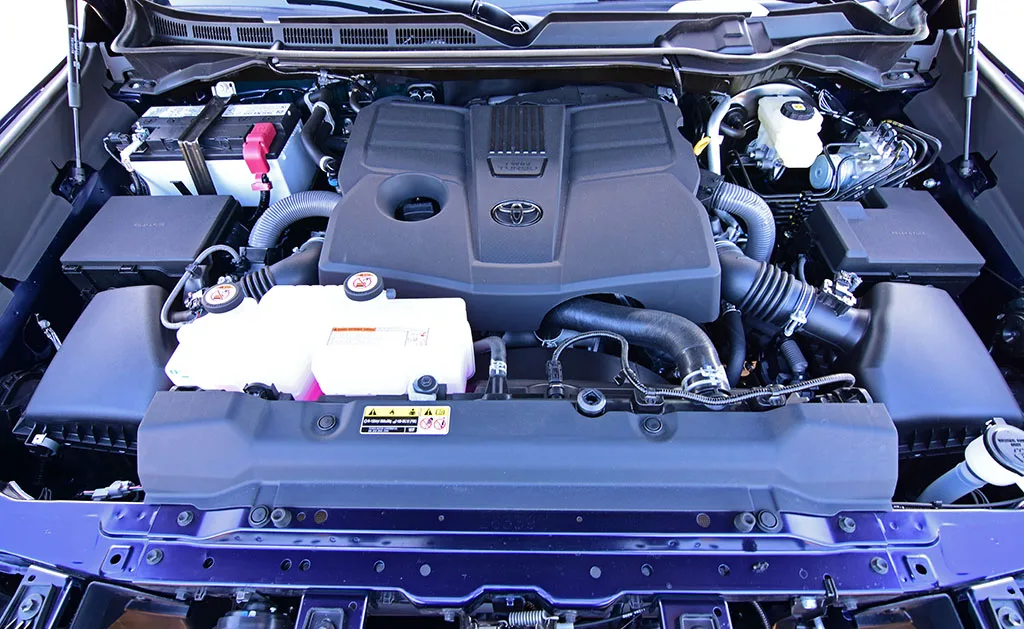
Image source: Bing (Web (fair-use with source credit))
Quick Help: What to Do First With a Tundra Engine Problem
Pull the check engine light codes with an OBD-II scanner. Match the codes and symptoms to your engine generation. Check Toyota's recall page with your VIN.
That covers most issues before you spend anything on repairs. If the engine is making noise, listen for timing chain rattle versus exhaust tick.
The Most Common Tundra Engine Problems (By Generation)
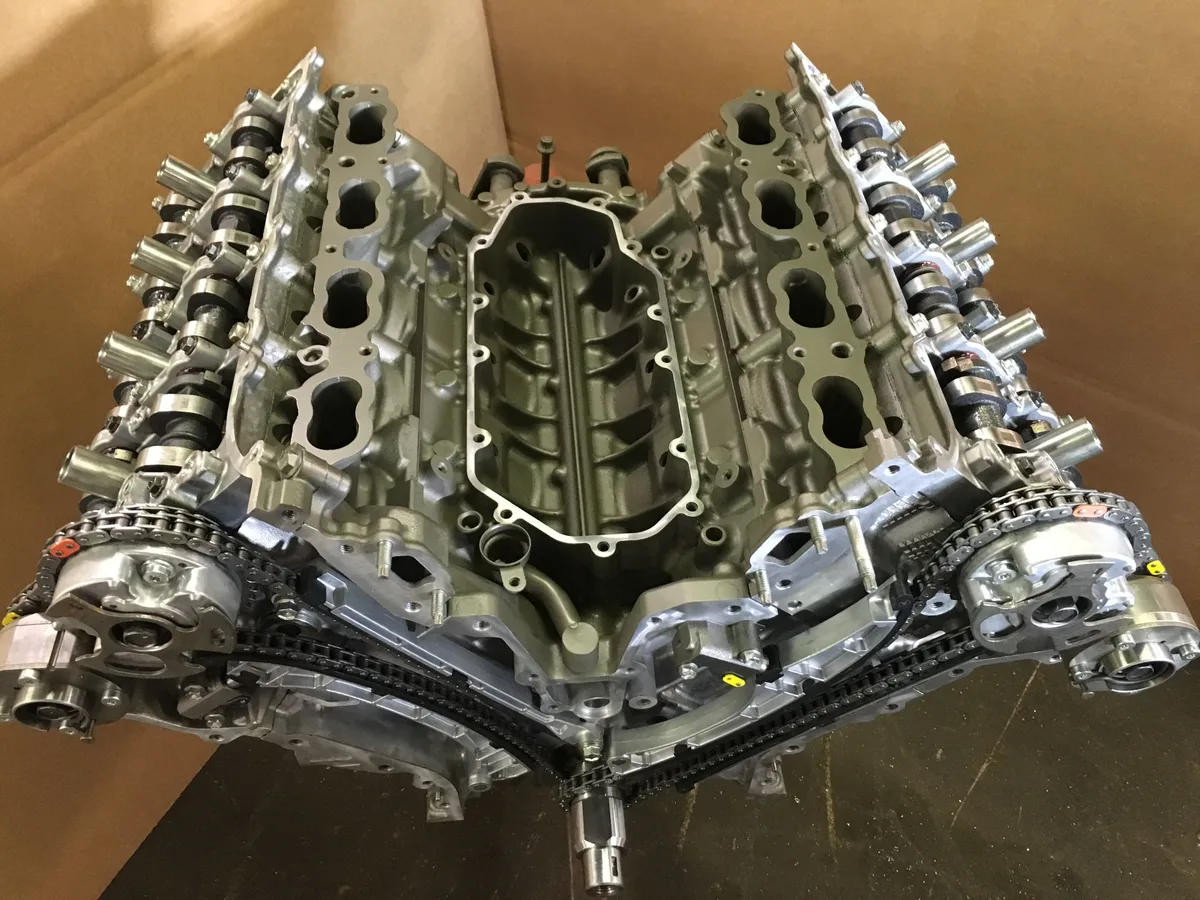
Image source: Web (Bing) / garagefixmorse77.s3-website-us-east-1.amazonaws.com (Web image (fair-use with source credit))
The 5.7L V8 (2007–2021): Known Issues and Long-Term Outlook
The 5.7L 3UR-FE is the engine that built the Tundra's reputation for durability. But it has a few consistent weak points.
Cam tower oil leak. The valley cover gasket fails over time. Oil pools on top of the engine and eventually drips onto the exhaust. Repair runs $2,000 to $4,000 at a dealership because the intake manifold has to come off.
Secondary air injection pump failure. This emissions component sends air into the exhaust to warm up the catalytic converters. When it fails, you get code P2440 or P2442. Replacement costs $800 to $1,500.
Many owners install a bypass kit instead.
Timing chain tensioner rattle. A loose chain on cold startup creates a brief but alarming rattle from the front of the engine. It's not immediately dangerous, but ignoring it can lead to chain slap.
Exhaust manifold crack. A ticking noise that gets louder as the engine warms up. The passenger side manifold is the most common failure point. Replacement runs $1,000 to $1,800.
Oil consumption. One quart every 1,000 miles is considered normal by Toyota. Some engines consume more than that, especially with higher mileage.
The 3.5L Twin-Turbo V6 (2022–Present): Growing Pains
The V35A-FTS is a more complex engine with direct injection and twin turbochargers. Early production years have had a rough start.
Turbocharger wastegate actuator failure. The actuator sticks, causing reduced boost and a loss of power. Toyota has issued multiple recalls and service campaigns.
Coolant intrusion into cylinders. A manufacturing defect in some 2022 and 2023 engines allows coolant to leak into the combustion chamber. This causes white smoke, misfires, and in severe cases, complete engine failure. The recall covered about 102,000 trucks.
Direct injection carbon buildup. Without port injection to clean the intake valves, carbon accumulates over time. This causes rough idle and reduced power. Walnut blasting is the fix.
Other recalls. Toyota has issued several recalls for the 2022-2024 Tundra, including engine replacement campaigns and turbocharger fixes. Always check your VIN on the NHTSA recall database.
Diagnosis Roadmap: How to Pinpoint Your Tundra's Engine Problem
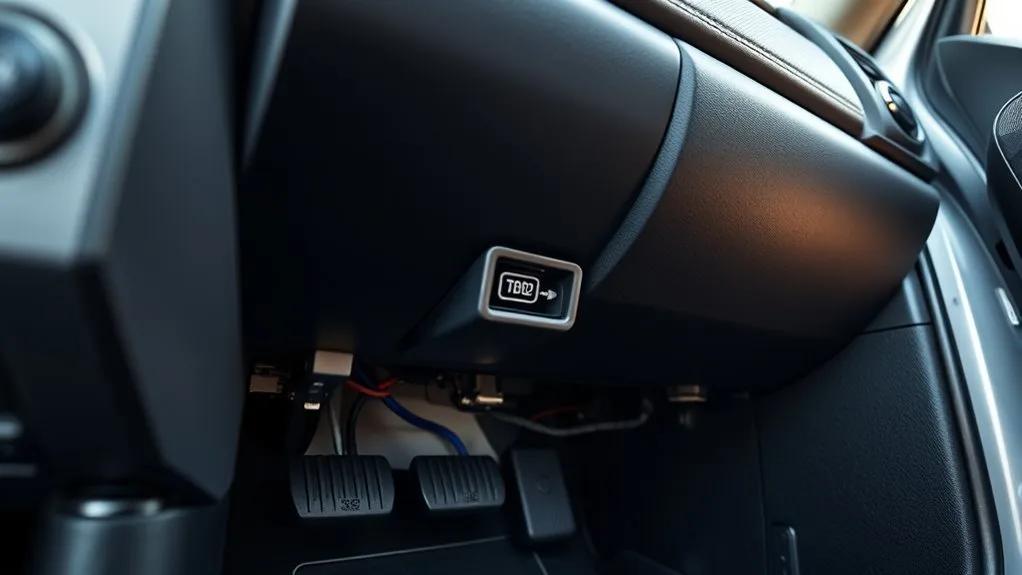
Image source: Web (Bing) / autoreviewnest.com (Web image (fair-use with source credit))
Step 1: Identify Your Engine and Generation
Look under the hood. The 5.7L V8 has a large plastic engine cover with "V8" cast into it. The 3.5L twin-turbo has two visible turbocharger housings and intercooler piping.
The model year tells you the rest: 2007 through 2021 got the 5.7L V8. 2022 and newer got the 3.5L twin-turbo.
Step 2: Read the Check Engine Light Codes
You need an OBD-II scanner. Plug it into the port under the steering column. Write down every code, not just the first one.
Common codes for the 5.7L include P2440, P2442 (air injection pump), and P0430, P0420 (catalytic converter efficiency). For the 3.5L, look for codes related to turbocharger boost pressure and coolant temperature sensors.
Step 3: Match Symptoms to the Likely Culprit
Use this table to narrow it down:
| Symptom | Likely 5.7L Issue | Likely 3.5L Issue |
|---|---|---|
| Cold start rattle, 1-2 seconds | Timing chain tensioner | Not common |
| Ticking noise, louder when warm | Exhaust manifold crack | Not common |
| Oil on top of engine, smelling burnt | Cam tower leak | Not common |
| Check engine light, P2440/P2442 | Air injection pump failure | Not applicable |
| Loss of power, no boost | Not common | Turbo wastegate actuator |
| White smoke, rough idle, coolant loss | Not common | Coolant intrusion |
| Rough idle, reduced power over time | Not common | Carbon buildup on valves |
The 5.7L Decision Tree: Common Issues and What They Cost
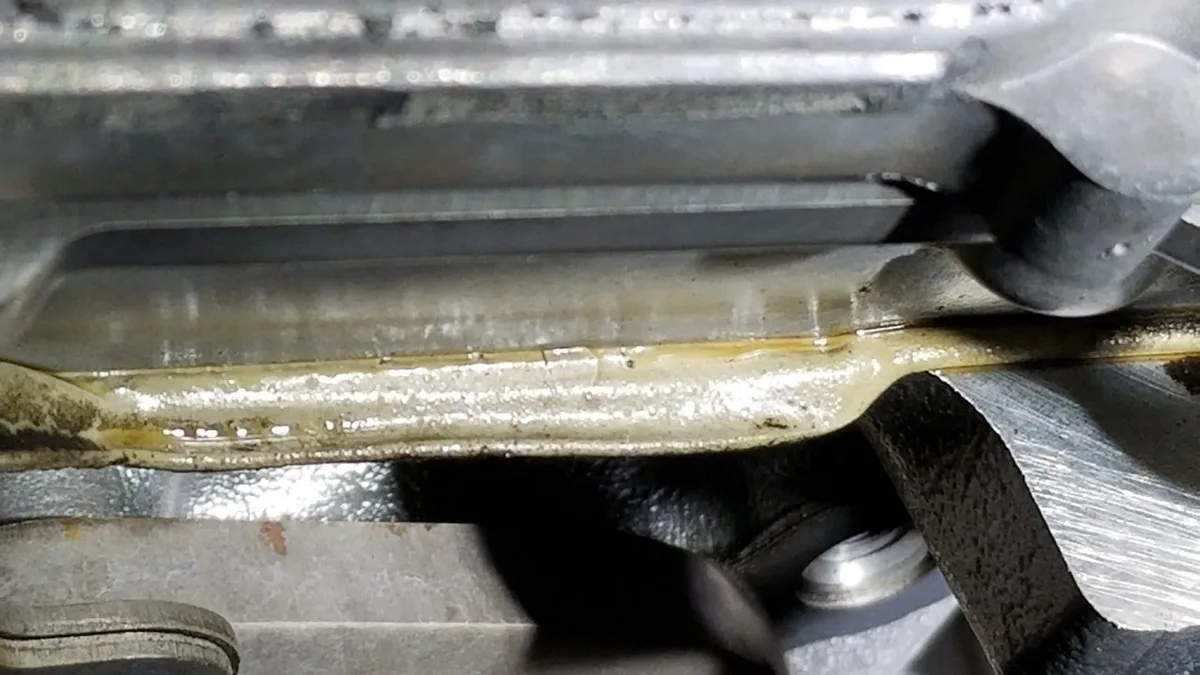
Image source: Web (Bing) / change.org (Web image (fair-use with source credit))
Cold Start Rattle vs. Cam Tower Leak vs. AIS Pump Failure
These three issues are the most common on the 5.7L, and they sound very different.
If you hear a rattle only on cold startup. That's the timing chain tensioner. It loses oil pressure overnight and takes a second to build it back up. Not an emergency, but have it inspected.
If the rattle lasts longer than two seconds or happens every startup, the tensioner needs replacement. Cost: $800 to $1,200.
If you smell burnt oil or see smoke from the engine bay. That's the cam tower leak. Oil pools in the valley between the cylinder heads and drips onto the exhaust manifold. It's a messy, expensive fix because the intake manifold has to come off.
Cost: $2,000 to $4,000.
If the check engine light is on with codes P2440 or P2442. That's the secondary air injection pump. The pump fails or gets clogged with moisture. You can replace it or install a bypass kit that deletes the system.
Cost: $800 to $1,500 for replacement. Bypass kit: $200 to $400 plus labor.
Exhaust Manifold Tick vs. VVT-i Phaser Noise
If you hear a ticking noise that gets louder as the engine warms up. That's an exhaust manifold crack, almost always on the passenger side. The metal expands with heat and the crack opens up. Cost: $1,000 to $1,800 for replacement.
If you hear a knocking or clattering noise that changes with engine speed. That could be the VVT-i phaser. It's less common than the manifold crack, but it happens. The phaser wears out and doesn't hold oil pressure properly.
Cost: $1,200 to $2,000.
Oil Consumption: When to Worry and When to Ignore
The 5.7L burns oil. Toyota says one quart per 1,000 miles is within spec. If you're losing less than that, just keep it topped up.
If you're losing more, check for external leaks first. If there are no leaks, the piston rings are likely worn. That's a major repair.
Cost: $3,000 to $5,000 for a ring job.
The 3.5L Twin-Turbo Decision Tree: What to Watch For
Turbo Failure Signs vs. Coolant Intrusion vs. Carbon Buildup
If you lose power and the check engine light comes on. That's likely the turbocharger wastegate actuator. It sticks, and the computer cuts boost to protect the engine. Toyota has a recall for this.
Take it to the dealer. Cost: free under warranty or recall. Out of warranty: $2,000 to $4,000.
If you see white smoke from the exhaust or notice coolant level dropping. Stop driving immediately. That's coolant intrusion into the cylinders. The engine needs to be replaced under recall for 2022 and 2023 models.
If your truck is not covered, this is a catastrophic failure. Cost: $8,000 to $12,000 for a new engine.
If the engine runs rough at idle or feels sluggish over time. That's carbon buildup on the intake valves. Direct injection engines don't have fuel washing over the valves, so carbon accumulates. The fix is walnut blasting.
Cost: $500 to $800.
Recalls and Warranty Coverage: What's Covered and What's Not
Toyota has issued several recalls for the 2022-2024 Tundra. The big one is the engine failure recall for 2022 and 2023 models. If your truck is affected, Toyota replaces the engine at no cost.
There's also a turbocharger recall for some 2023 and 2024 models.
What's not covered: carbon buildup is a maintenance item, not a defect. Toyota considers it normal wear. Cam tower leaks on the 5.7L have a limited warranty extension in some regions, but it's not a full recall.
If you're outside the extension window, you pay out of pocket.
What Used Tundra Buyers Should Know
Generation Decision: 5.7L vs. 3.5L for Reliability
If you're shopping for a used Tundra, the engine choice is the biggest decision you'll make. The 5.7L V8 is the safer bet for long-term ownership. It has a proven track record of 300,000 miles or more with regular maintenance.
The 3.5L twin-turbo offers better fuel economy and more torque. But it's still working through early reliability issues. Aggregate reviews of the 2022 and 2023 models show a higher rate of major repairs compared to the 5.7L at the same age.
Our research suggests the 5.7L is the better choice if you keep trucks for 10 years or more. The 3.5L makes more sense if you lease or trade in every 3 to 5 years while the warranty is active.
Mileage, Maintenance History, and Model Year Pitfalls
Look for documented oil changes. The 5.7L needs oil every 5,000 miles. Missed intervals accelerate timing chain wear and oil consumption. Ask for receipts or service records.
Avoid 2022 and early 2023 models with the 3.5L unless the engine recall work is done. Check the VIN against Toyota's recall database. If the engine hasn't been replaced yet, factor that into your offer.
Watch for cam tower leak signs on any 5.7L with over 80,000 miles. Look for oil residue on top of the engine and smell for burnt oil after a test drive. A clean engine bay might mean it was recently cleaned to hide a leak.
Model year sweet spots. The 2014 to 2019 5.7L trucks have the fewest reported issues. The 2024 and later 3.5L trucks have improved manufacturing quality and fewer early production defects.
What Current Owners Should Do Next
Essential Maintenance Checks for Your Specific Engine
For the 5.7L V8: Check the oil level every other fill-up. The 5.7L burns oil, and running it low accelerates wear on the timing chain tensioner. Inspect the valley cover area for oil residue every 10,000 miles.
For the 3.5L twin-turbo: Use top-tier gasoline with detergents to slow carbon buildup. Let the engine idle for 30 seconds before shutdown to cool the turbochargers. This extends turbo life.
Both engines: Replace the coolant every 60,000 miles. The 5.7L water pump is a known failure point. The 3.5L's cooling system is more complex and expensive to repair.
When to DIY vs. When to Visit the Dealership
DIY-friendly tasks: Oil changes, air filter replacement, spark plugs (5.7L only), and OBD-II code reading. The 5.7L is straightforward to work on. The 3.5L is more cramped.
Leave to the dealer: Cam tower leak repair, turbocharger work, engine replacement, and any recall-related repairs. These jobs require specialized tools and procedures. A mistake on the cam tower seal can cause a worse leak.
Consider an independent shop for exhaust manifold replacement on the 5.7L and walnut blasting on the 3.5L. Independent shops charge $100 to $150 per hour versus $175 to $225 at the dealer.
Warranty Claims and Recall Lookup: How to Get Help
Check your VIN on the NHTSA recall database. This is the fastest way to find open recalls. Toyota also has a VIN lookup tool on their owner site.
If your 2022 or 2023 3.5L has coolant intrusion issues, take it to the dealer immediately. Toyota's recall covers engine replacement at no cost. Do not drive the truck if you see white smoke or coolant levels dropping.
For the 5.7L cam tower leak, Toyota has a limited warranty extension in some regions. It covers 10 years or 150,000 miles, but only for specific VIN ranges. Call Toyota customer service with your VIN to check.
Mistakes to Avoid When Diagnosing a Tundra Engine Issue
Ignoring the check engine light. A flashing check engine light means a misfire. Continuing to drive can damage the catalytic converter. That's a $1,500 to $2,500 repair on top of the original problem.
Assuming all ticking noises are exhaust manifolds. The 5.7L also makes ticking sounds from injectors and lifters. Record the noise and compare it to known examples. A mechanic with a stethoscope can pinpoint the source.
Using the wrong oil. The 5.7L requires 5W-30. The 3.5L uses 0W-20. Using the wrong viscosity can cause timing chain noise or turbocharger damage.
Check the oil cap and owner's manual.
Skipping the coolant check. The 5.7L water pump leaks through a weep hole before it fails completely. Check for coolant residue on the front of the engine. The 3.5L's cooling system is under higher pressure, and a small leak can lead to overheating quickly.
Ignoring the air injection pump bypass legality. In California and other CARB states, bypassing the secondary air injection system is illegal. You'll fail emissions testing. Check your state's laws before installing a delete kit.
Costs and Repair Estimates: What to Expect to Pay
| Repair | 5.7L V8 (2007-2021) | 3.5L Twin-Turbo (2022+) |
|---|---|---|
| Cam tower leak reseal | $2,000 – $4,000 | Not applicable |
| Air injection pump replacement | $800 – $1,500 | Not applicable |
| Timing chain tensioner | $800 – $1,200 | Not common |
| Exhaust manifold replacement | $1,000 – $1,800 | Not common |
| Turbocharger replacement | Not applicable | $2,000 – $4,000 |
| Walnut blasting (carbon buildup) | Not applicable | $500 – $800 |
| Engine replacement | $5,000 – $8,000 | $8,000 – $12,000 |
| Water pump replacement | $600 – $1,000 | $1,000 – $1,800 |
| Oil consumption diagnosis | $150 – $300 | $200 – $400 |
Labor rates vary by region. Dealerships in urban areas charge more. Independent shops specializing in Toyota trucks can save you 20 to 30 percent on labor.
Factor in the cost of parts. Genuine Toyota parts are more expensive but last longer. Aftermarket parts for the 5.7L are widely available. The 3.5L has fewer aftermarket options, so you're usually stuck with dealer pricing.
Final Decision Guide: Fix, Sell, or Buy a Tundra
If you own a 5.7L with a cam tower leak. Fix it. The engine is otherwise reliable, and the repair adds years of service. The cost is high, but it's cheaper than a new truck payment.
If you own a 2022 or 2023 3.5L with coolant intrusion. Get the recall engine replacement done. After that, decide whether to keep it or sell it. The replacement engine has updated parts, but the truck's resale value has taken a hit.
If you own a 5.7L with high oil consumption (over 1 quart per 500 miles). Consider selling it. A ring job costs $3,000 to $5,000, and the truck won't be worth much more after the repair. Sell it to someone who doesn't mind the consumption.
If you're buying a used Tundra. Choose the 5.7L for long-term ownership. Choose the 3.5L only if you get a 2024 or newer model with a full factory warranty and you plan to sell before the warranty expires.
If you're buying new. The 2025 and 2026 Tundras have addressed most of the early production issues. But the 5.7L is no longer available. If you want the proven engine, you have to buy used.
Frequently Asked Questions
How reliable is the Toyota Tundra 5.7L engine?
The 5.7L V8 is one of the most reliable truck engines ever made. With regular oil changes and basic maintenance, it regularly reaches 300,000 miles. The known weak points are the cam tower seals, air injection pump, and timing chain tensioner.
What years of Toyota Tundra have engine problems?
The 2022 and 2023 models with the 3.5L twin-turbo have the most reported engine issues, including coolant intrusion and turbocharger failures. The 2007 to 2021 models with the 5.7L have fewer major problems. The 2024 and newer models have improved reliability.
How much does it cost to replace a Tundra engine?
A 5.7L V8 replacement costs $5,000 to $8,000 at an independent shop. A 3.5L twin-turbo replacement costs $8,000 to $12,000. Both estimates include labor and parts.
If the engine failure is covered by a recall or warranty, the cost is zero.
Does the 2022 Tundra have engine problems?
Yes. The 2022 Tundra with the 3.5L twin-turbo has known issues with coolant intrusion into the cylinders, turbocharger wastegate actuator failure, and direct injection carbon buildup. Toyota issued a recall for engine replacement on affected trucks.
Is the Tundra 5.7L V8 a good engine?
Yes. The 5.7L 3UR-FE is a durable, well-built engine. It has a few common issues, but none of them are catastrophic.
With proper maintenance, it outlasts most competitors. Many owners report 300,000 miles with only routine repairs.
Should I buy a used Tundra with the 5.7L or the 3.5L twin-turbo?
Buy the 5.7L for long-term reliability and lower repair costs. Buy the 3.5L only if you want better fuel economy and plan to keep the truck for less than 5 years. The 5.7L is the safer choice for most buyers.