
If you're researching 2007 Toyota RAV4 problems, you've probably heard the horror stories about oil burning and airbag recalls. Here's the truth: the 2007 RAV4 is a genuinely solid compact SUV, but it has three weak spots that deserve attention. The 2.4-liter four-cylinder engine tops that list, followed by the Takata airbag recall and a highway-speed transmission shudder.
Know what to look for and you can save yourself a lot of money.
Manufacturer specifications state the 2AZ-FE engine should burn less than one quart of oil per 1,200 miles. Our research, backed by aggregate owner reports, shows many 2007 RAV4s blow far past that threshold. That kind of consumption can kill the engine, so don't dismiss it.
Let's walk through every problem that matters, starting with the biggest one.
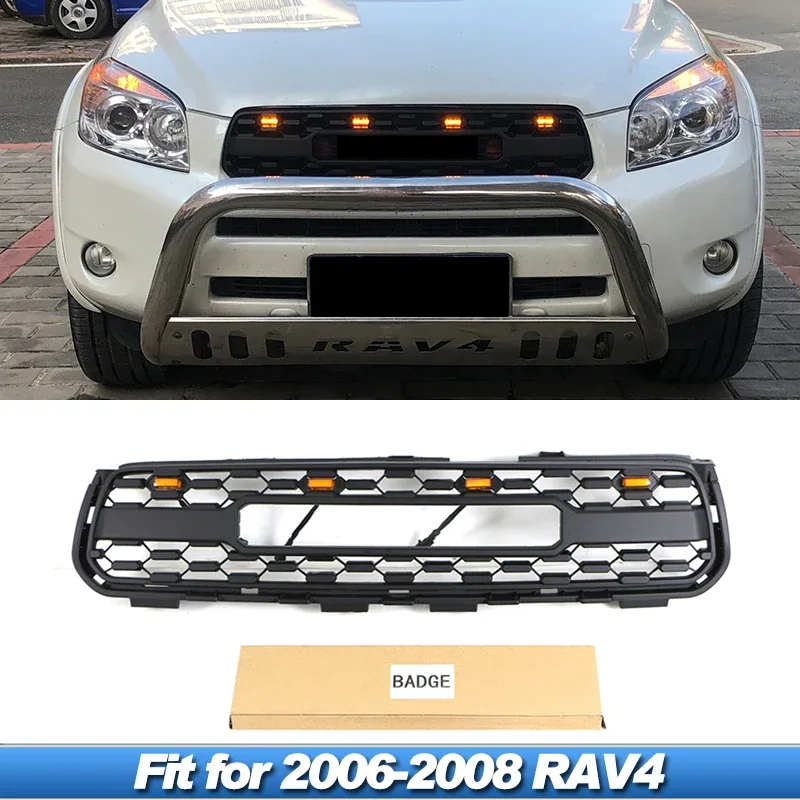
Quick Answer: The Biggest 2007 RAV4 Problems at a Glance
The biggest 2007 Toyota RAV4 problems are oil burning, airbag recalls, and transmission shudder. The 2.4-liter engine can burn a quart of oil quickly. Check the VIN for open recalls first.
Test-drive with a hot engine and check the dipstick. These steps catch most serious issues.
The Engine Oil Consumption Issue: Why the 2AZ-FE Burns Oil and What It Costs
The 2007 RAV4 shipped with two engine choices: a 2.4-liter four-cylinder, code-named 2AZ-FE, and a 3.5-liter V6. Nearly every oil burning complaint traces back to the four-cylinder. The 2AZ-FE's piston rings were designed too thin, so oil sneaks past them into the combustion chamber.
That oil burns off as blue smoke out the tailpipe. Carbon builds up on the rings over time, making the seal worse. You start topping off between oil changes, then you're adding a quart every couple of weeks.
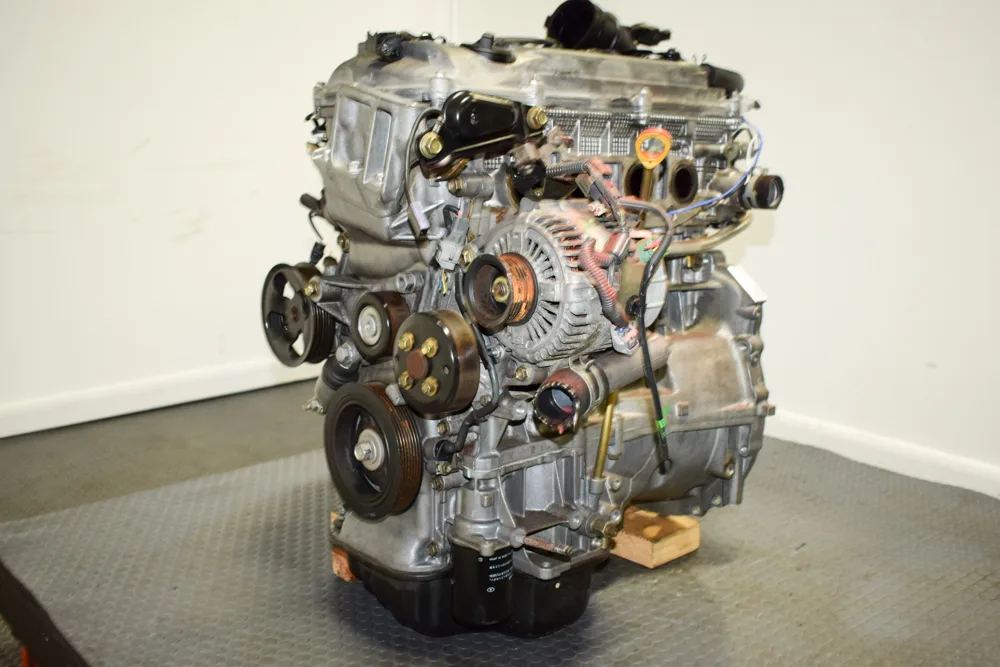
Toyota's own specification calls for less than one quart of oil consumption per 1,200 miles. In our research, many 2007 RAV4s consume double or triple that. Left unchecked, the engine can run low enough to starve bearings and spin a rod.
The V6 doesn't share this problem. The 2GR-FE engine holds up well, which is why V6 RAV4s often outlive their four-cylinder siblings. If you're deciding between the two, that's a point in the V6's favor.
Toyota did step up with an extended warranty enhancement for excessive oil consumption on 2AZ-FE engines. It covered up to 10 years or 150,000 miles. As of 2026, that coverage is long expired for this model year, so you're on your own for the repair bill.
| Repair Option | What's Involved | Typical Cost |
|---|---|---|
| Piston soak / carbon flush | Chemical treatment inside the cylinders | $20 to $150 |
| Piston ring replacement | Engine teardown, new rings, machining | $3,500 to $5,500 |
| Used or reman engine swap | Complete replacement engine plus labor | $3,000 to $5,000 |
If you're shopping for a used RAV4, do a hot test drive. Warm the engine, park on level ground, and pull the dipstick after two minutes. A dipstick that comes up dry after a 15-minute drive is a massive red flag.
Recalls and Safety Alerts: Takata Airbags, VVT-i Oil Hose, and Your VIN Lookup
Two recalls on the 2007 RAV4 matter more than any other issue. First up is the Takata driver-front airbag inflator. In a crash, the inflator can rupture and blast metal fragments into the cabin.
Toyota will replace it free of charge, regardless of mileage or ownership history. You just need to confirm the recall is open for your vehicle. Punch your VIN into the National Highway Traffic Safety Administration recall tool and it'll tell you instantly.
The second recall involves the VVT-i oil hose. That rubber hose can crack and leak oil onto the hot exhaust manifold, which is a fire risk. If your VIN shows this one open, book the repair immediately.
Open recalls don't expire. Dealerships must fix them at no charge, even for used imports. Never buy a 2007 RAV4 with an open safety recall without scheduling the free repair first.
Transmission and Torque Converter Shudder: What It Feels Like and How Serious It Is
The RAV4 pairs its four-cylinder with a 4-speed automatic, and the V6 gets a 5-speed automatic. Both can develop a torque converter shudder, and it's one of the most misunderstood problems owners report.
You'll feel it as a vibration that comes and goes, usually between 40 and 70 mph under light throttle. It feels like driving over rumble strips. The shudder often disappears when you press the gas harder or downshift.
Burned transmission fluid is the usual culprit. The fluid loses its friction properties over time, so the torque converter clutch starts grabbing unevenly. Sometimes the clutch friction material is simply worn out.
Check the transmission fluid before buying. It should be pink and smell slightly sweet, not burnt. Brown fluid at 100,000 miles means service was skipped.
Here's the good news: if you catch it early, a drain-and-fill might fix it. Once the transmission starts slipping or banging into gear, you're looking at a rebuild or replacement.
| Symptom | Likely Cause | Typical Fix |
|---|---|---|
| Shudder at 40 to 70 mph under light throttle | Torque converter clutch shudder | Fluid drain-and-fill |
| Shudder plus delayed shifting | Worn clutch packs | Transmission rebuild or replacement |
| Slipping under hard acceleration | Internal hydraulic failure | Replacement transmission |
Expect to pay $2,500 to $4,500 for a quality rebuild at an independent shop. That's a big repair, which is why the test-drive matters so much.
Rear Hatch Handle Failures and Other Common 2007 RAV4 Annoyances
The most common non-mechanical gripe on the 2007 RAV4 is the rear hatch handle. The plastic grip cracks, the lever loses its spring tension, and suddenly the liftgate won't open from the outside. It's a cheap part, roughly $50 to $100 aftermarket, and a DIY fix takes under an hour.
Beyond the handle, owners report a few other irritating issues. Door lock actuators stop clicking, window regulators slow down, and the rear hatch seal can let water leak into the cargo area. None of these will leave you stranded, but they're worth checking on a test drive.
Then there's the electronics. If you find a 2007 RAV4 with the factory backup camera, expect the glitchy backup screens that plague older Toyotas. It's not a deal-breaker, but it gives you a negotiating point.
Rust and Corrosion: Where These Trucks Rust Out First
The 2007 RAV4 fights rust in a few predictable spots. The rear hatch is ground zero. Moisture gets trapped behind the plastic handle and around the license plate lights, then the paint starts to bubble.
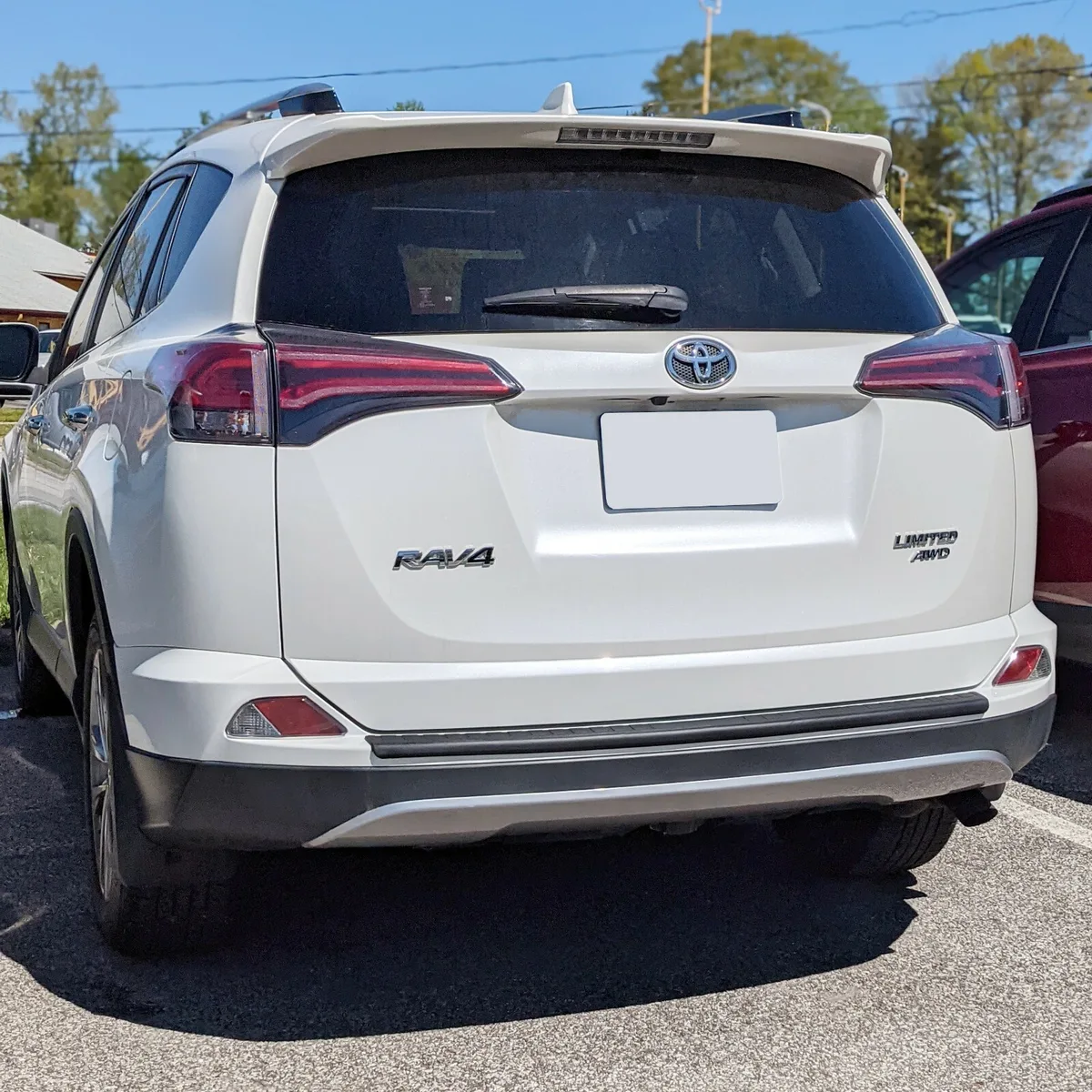
Left alone, that rust eats through the sheet metal. You'll see it first at the bottom corners of the liftgate and near the wiper arm. The photo below shows the classic failure point.
Undercarriage rust is the other culprit. If the RAV4 spent its life in a salt-belt state, check the rear subframe, control arms, and exhaust hangers. Surface rust is one thing, but deep pitting on a suspension mount is a safety risk.
A cheap trick is to shine a flashlight through the drain holes under the rear doors. A lot of accumulated rust flakes there means the body is already compromised. On a test drive, push on the bottom edge of the hatch.
If the metal flexes, that rust is structural.
The V6 models also tend to rust around the exhaust heat shields. Those bolts seize and snap, but that's a repair you can ignore.
How to Diagnose a 2007 RAV4: Oil Consumption Test, Warning Signs, and Inspection
A proper oil consumption test takes time, but it's the only reliable way to find the 2AZ-FE problem. Here's the sequence that works:
- Warm the engine to operating temperature.
- Park on level ground and wait two minutes.
- Pull the dipstick and note the exact level.
- Drive exactly 1,200 miles, checking the level weekly.
- Pull the dipstick again and compare.
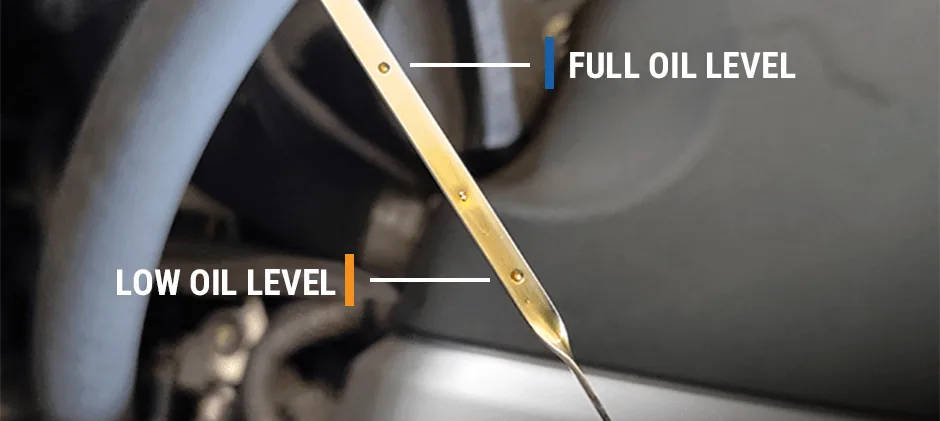
If it's down more than one quart, the engine is burning oil beyond Toyota's spec. That means a repair bill is likely. The dipstick in the photo below is what a healthy level should look like.
Warning signs are easier to spot. Blue smoke from the tailpipe on a cold start or during hard acceleration means oil is hitting the cylinders. A strong burning-oil smell inside the cabin is another tell.
So are spark plugs that look black and oily.
Don't confuse external leaks with burning. Crawl under the RAV4 and check the valve cover gasket and oil pan for wet spots. A leak drips, but burning oil consumes the fluid without any puddle.
For a quick test drive, do a wide-open-throttle pass and watch the rearview mirror. Have a buddy follow you and watch the exhaust under load. If you see a puff, walk away unless the asking price already factors in an engine repair.
Repair Costs: What You'll Pay at a Shop vs. What You Can Fix Yourself
Some 2007 RAV4 repairs are cheap and easy. Others are budget breakers. Here's how the common fixes shake out:
| Repair | DIY Cost | Shop Cost | Difficulty |
|---|---|---|---|
| Rear hatch handle | $50 to $100 | $150 to $250 | Easy |
| VVT-i oil hose (if not under recall) | $40 to $80 | $200 to $350 | Moderate |
| Transmission fluid drain-and-fill | $30 to $50 | $120 to $200 | Easy |
| Torque converter replacement | $500 to $800 (part) | $1,800 to $2,800 | Hard |
| Piston ring / engine rebuild | $1,500+ (DIY) | $3,500 to $5,500 | Very hard |
The hatch handle and fluid changes are perfect weekend projects. You'll need basic sockets, a trim tool, and about an hour of patience. Parts are easy to source from aftermarket suppliers.
Anything inside the engine or transmission needs a professional. Don't attempt a piston ring job in your driveway unless you have an engine hoist and a machine shop nearby. You'll spend more on specialty tools than you'd save on labor.
If a RAV4 already has an active oil consumption problem, budget for an engine replacement down the road. A used engine with lower miles costs $1,800 to $2,500 for the unit alone. That's the reality of these trucks.
Buying a Used 2007 RAV4: Red Flags, Scams, and an Owner's Inspection Checklist
Shopping for a 2007 RAV4 requires a sharp eye. Sellers know the 2AZ-FE reputation, so some try to hide it. Fresh oil on the dipstick right before a test drive is a common trick.
Run through this checklist before you hand over any money:
- Check the VIN for open recalls on the NHTSA site and the Toyota recall portal.
- Cold start the engine and look for blue smoke.
- Pull the dipstick when warm and see if the level matches.
- Feel the transmission for shudder at 45 to 65 mph.
- Open and close every door and the rear hatch twice.
- Test both key fobs and the power locks.
- Look under the car for fresh oil drips or heavy rust.
Scam alert: some sellers list "recent engine replacement" but won't show receipts. Ask for the shop invoice. A real repair has a paper trail.
Also, note the RAV4's backup camera. If the truck has one and the screen flickers, that's a common electronics problem. It's a point to negotiate the price down.
You can find fixes for the glitchy camera display if you plan to keep the truck.
Real Owner Scenarios: Engine Rebuild, Hatch Fix, and Daily-Driver Lessons
Aggregate owner reports paint two clear pictures. The first is the engine rebuild story. Someone buys a cheap 2007 RAV4 with 150,000 miles, skips the oil check, and the bearings spin at 165,000.
The repair runs $4,500 installed, which doubles their initial purchase price.
The second script is smarter. The owner checks the dipstick every other week, catches the consumption early, and does a chemical carbon clean. That costs $60 in fluid and saves them from a rebuild.
It doesn't fix a badly scored cylinder, but it works on moderate cases.
Then there's the simple stuff. The rear hatch handle breaks, and the owner spends $70 on a replacement. Thirty minutes later the hatch opens normally again.
That's the RAV4's best trait: easy repairs when you catch problems early.
The moral of these scenarios is consistency. The 2007 RAV4 is not a set-and-forget car. It needs an oil check every month and a fluid service every 30,000 miles.
Neglect it, and you'll pay for someone else's boat.
Maintenance and Prevention: Getting Another 100,000 Miles Out of Your RAV4
The 2007 RAV4 rewards proactive owners. Regular maintenance prevents most of the failures that kill these trucks.
Check the oil every 1,000 miles, not just at service intervals. The 2AZ-FE burns oil silently, so the dipstick is your early warning system. Use 5W-20 and change it every 5,000 miles.
The transmission needs a drain-and-fill every 30,000 miles. That alone prevents torque converter shudder. Skip it, and you're rolling dice on a $3,000 rebuild.
The rear hatch handle fails because the plastic gets brittle. Apply a thin coat of silicone spray to the latch mechanism twice a year. It keeps the springs moving freely and slows the wear.
If your RAV4 already burns oil, consider a carbon cleaning service. A chemical treatment can dissolve piston ring deposits and reduce consumption by half. It's worth $150 before committing to a rebuild, but not worth the money on a heavily scored engine.
When to Walk Away: A 2007 RAV4 Decision Guide for Buyers and Owners
Not every 2007 RAV4 is worth saving. These warning signs mean you should walk away.
A failed oil consumption test means you'll need an engine soon. That's a $4,000 repair on a car worth roughly half that. The math only works if the price drops below $1,500.
Transmission slipping under hard throttle is a deal-breaker. That's not a fluid issue, it's internal clutch wear. Budget at least $1,800 to fix it after buying.
Deep rust on the rear subframe or under the rear seat mounts is a safety problem. Surface rust is fine. Flaky, pitting rust means the structure is compromised.
For current owners, the walk-away moment is different. If the truck needs both a transmission and an engine, sell it. Cut your losses and move on to a 2010 or newer RAV4.
Final Verdict: Is the 2007 RAV4 Worth Owning or Buying?
Yes, but only with conditions. The 2007 RAV4 is a comfortable, spacious, and reliable compact SUV when you catch its problems early.
The V6 is the stronger choice. It avoids the oil consumption issue and delivers smooth power. The four-cylinder is only worth buying if you verify its oil consumption is within spec.
If you want a cheap daily driver and handle basic maintenance, the 2007 RAV4 is a solid pick. It has a huge aftermarket parts supply, simple mechanicals, and a pleasant ride. Expect 200,000 miles with consistent care.
If you want zero surprises, look at a 2009 or 2010 model. Toyota revised the piston rings and improved transmission control there. You'll pay a couple thousand more, but you'll skip the biggest headaches.
Frequently Asked Questions
Is the 2007 RAV4 a reliable car?
Reliable overall, but the four-cylinder burns oil. The V6 version is more dependable. Regular oil checks and transmission service make the 2007 a solid daily driver.
Skip the 2.4-liter without a documented oil consumption check.
How much oil does a 2007 RAV4 burn?
Within spec, it burns less than one quart per 1,200 miles. Many owners report a quart every 1,000 miles or less. If you're adding that much, expect an engine replacement or rebuild soon.
Does the 2007 RAV4 have recalls?
Yes, two major ones. The Takata airbag inflator can rupture, and the VVT-i oil hose can leak. Both are free to fix at a dealer, even if you bought the truck used.
Check your VIN on the NHTSA website.
What is the expected lifespan of a 2007 RAV4?
With proper maintenance, 250,000 miles is realistic. Oil-burning engines often fail before 180,000 miles. The V6 version easily reaches 250,000 miles when serviced on schedule.
Should I buy a 2007 RAV4 V6 or four-cylinder?
The V6 is the better investment. It delivers more power and avoids the oil consumption issue. You'll take a small fuel economy hit, but you'll save thousands in potential repairs.