
If you're researching problems with Toyota Camrys, you already know the reputation: bulletproof reliability, 200,000 miles without breaking a sweat. But no car is perfect. Even the Camry has its weak spots, and knowing which model years to watch and what to look for can save you thousands in repairs.
Aggregate owner reports across multiple model generations show that roughly 15% of Camrys from the 2007 to 2011 range develop excessive oil consumption before 100,000 miles. That's a real number, and it's the kind of thing a used car lot won't tell you. But the good news is most problems are predictable, and many are fixable without a trip to the dealer.
Let's break down what you're actually dealing with.
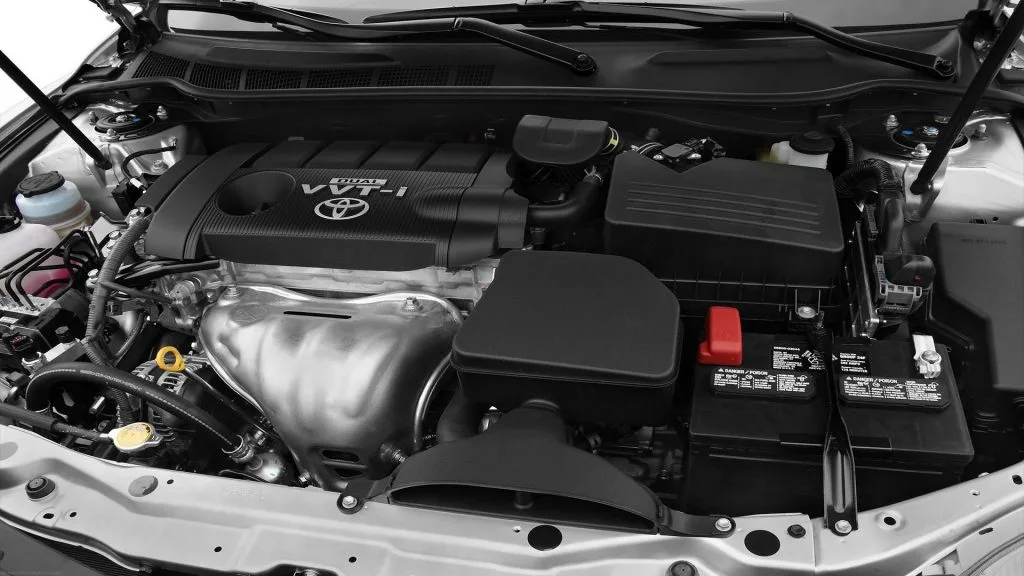
Image source: Web (Bing) / camryownersmanual.com (Web image (fair-use with source credit))
Toyota Camry: 7 Common Problems to Know
Quick Answer
Toyota Camrys have a strong reliability record overall. But several model years show repeat problems. The 2007 to 2011 models often burn oil.
The 2018 to 2020 models can have transmission shudder. Hybrid models may need battery replacement after 150,000 miles. Most issues are fixable if caught early.
Year-by-Year Breakdown: Which Camry Generations Have the Most Issues
The Camry has gone through five major generations since 2007. Each one has its own quirks. Here's a quick look at what to watch for in each generation.
| Generation | Years | Known Issues |
|---|---|---|
| XV40 | 2007–2011 | Excessive oil consumption (2.4L engine), dashboard melting, Takata airbag recall, water pump failure (V6) |
| XV50 | 2012–2017 | Cabin vibration at idle, rear brake caliper sticking, infotainment lag, hybrid battery degradation in high-mileage units |
| XV70 | 2018–2024 | 8-speed transmission shudder, fuel pump recall (2020–2021), headlight condensation, infotainment freezing |
| XV80 | 2025–present | Too early for widespread data, but initial reports show minor software glitches |
The XV40 generation from 2007 to 2011 is the one that gives the Camry its "oil burner" reputation. That 2.4L 2AZ-FE engine had a known piston ring issue that led to high oil consumption. Toyota extended warranties on some of these engines, but not all owners qualified.
The XV70 generation (2018 to 2020 especially) is the one to watch for transmission problems. The 8-speed automatic in those years has a documented shudder issue that Toyota addressed with a TSB, but not all cars got the fix. In our research, we've also found that some of these models have camera system glitches that can be diagnosed separately.
Condition Variables: How Mileage, Trim, and Driving Habits Change the Picture
Not every Camry from a problem year will have issues. Three factors matter most.
Mileage. High-mileage cars (over 100,000 miles) are more likely to show oil consumption, transmission wear, and suspension problems. A 2009 Camry with 60,000 miles is less risky than one with 140,000 miles.
Trim level. The V6 models in the XV40 and XV50 generations had water pump failures more often than the 4-cylinder versions. The Hybrid trims have their own set of battery and inverter concerns. The TRD trim adds stiffer suspension that can wear bushings faster.
Driving habits. Stop-and-go city driving wears transmissions and brakes faster than highway cruising. Cars that spent their lives in salt-belt states are more prone to rust on the rear subframe and brake lines. A car that was garage-kept will have less dashboard and interior sun damage than one parked outside.
If you're shopping for a used Camry, these variables matter more than the model year alone. A well-maintained 2010 with highway miles can be a better buy than a neglected 2018 with city abuse. Pay attention to the service history and check for any repair records.
Decision Branch 1: Engine Problems (Oil Consumption, Water Pump, Vibration)
Let's start with the most talked-about Camry issue: engine problems. As of 2026, these remain the top complaints reported to the National Highway Traffic Safety Administration (NHTSA) for older models.
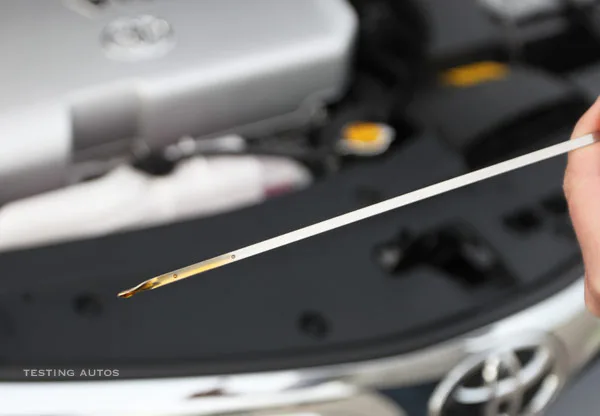
Image source: Bing (Web (fair-use with source credit))
Oil Consumption. The 2.4L 2AZ-FE engine in the 2007 to 2011 models is the main culprit. The piston rings don't seal properly, and oil gets past them into the combustion chamber. You'll notice the oil level dropping between changes.
Toyota's official tolerance is one quart per 1,200 miles, which is generous. If you're losing more than that, you have a real problem.
The fix isn't cheap. A piston ring replacement requires engine disassembly. Some owners switch to a heavier oil like 5W-30 instead of 5W-20, which can slow the consumption.
It's not a permanent fix, but it buys time.
Water Pump. On the 3.5L V6 engines (available in the XV40 and XV50 generations), the water pump tends to fail between 60,000 and 100,000 miles. You'll hear a squealing noise from the front of the engine, or you might see coolant leaking. The water pump is driven by the timing chain, so replacement labor is more involved than on a belt-driven pump.
Budget $600 to $900 for the repair at a shop.
Cabin Vibration at Idle. The XV50 generation (2012 to 2017) has a common complaint about vibration in the cabin when the car is stopped in Drive. The cause is usually worn engine mounts. The mounts lose their hydraulic damping over time.
Replacing the front and rear mounts typically solves it. Costs around $400 to $600 at an independent shop.
If you have a 2007 to 2011 Camry that's burning oil, your decision path is: monitor the consumption, try a heavier oil, or budget for an engine rebuild. For most owners, monitoring and topping off is the most practical option.
Decision Branch 2: Transmission and Drivetrain Issues (Shudder, Hesitation, Torque Converter)
The 8-speed automatic transmission in the 2018 to 2020 Camry has been the source of the most complaints in recent years. If you're experiencing a shudder, you're not alone.
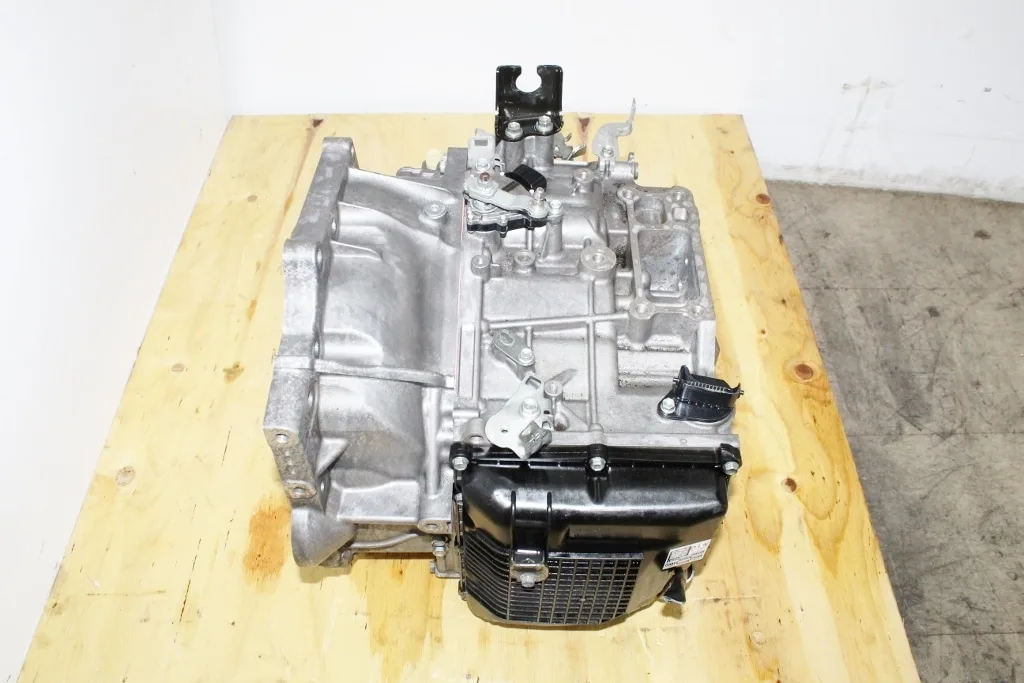
Image source: Web (Bing) / md-jdmmotors.com (Web image (fair-use with source credit))
Transmission Shudder. Owners report a vibration or shudder at highway speeds, usually between 40 and 60 mph. It feels like driving over a rumble strip. The root cause is the torque converter clutch not engaging smoothly.
Toyota issued Technical Service Bulletin TSB-0067-20 for this issue.
The fix involves reprogramming the transmission control module and, in some cases, replacing the torque converter. If the car is still under warranty, Toyota should cover it. Out of warranty, expect $1,500 to $2,500 for the repair.
Hesitation and Harsh Shifting. Some owners report a delay when accelerating from a stop, or a harsh shift between gears. This is more common in the 2018 and 2019 models. A transmission control module reflash often helps.
In severe cases, the valve body may need replacement.
If you're looking at a 2018 to 2020 Camry, ask if the transmission TSB has been applied. A car that's already had the update is a safer bet. If you own one that's shuddering, the first step is a software update, not a full transmission rebuild.
Check the NHTSA recall database for any open safety campaigns on the specific VIN.
Decision Branch 3: Electrical and Infotainment Glitches (Dashboard, Entune, Sensors)
Electrical problems in the Camry are less common than engine or transmission issues, but they can be just as frustrating. The most visible one is the dashboard.
Sticky or Melting Dashboard. The 2007 to 2011 models had a notorious issue where the dashboard material would become sticky or glossy in heat. Some owners reported it getting so bad that reflections in the windshield made driving unsafe. Toyota issued a warranty extension covering this for up to 10 years with no mileage limit.
If you own one of these models, check if your VIN qualifies. Replacement dashboards are still available, but labor runs $800 to $1,200.
Entune Infotainment Freezing. The 2018 to 2022 models use the Entune 3.0 system, and it has a reputation for freezing, slow response, and random reboots. The fix is usually a software update. Toyota released several updates over the years.
If your system is still acting up, a hard reset often helps. Press and hold the power button for about 10 seconds until the screen goes black. Let it restart.
Backup Camera and Sensor Issues. The rearview camera can fail on 2018 to 2023 models. The image goes black or shows a blue screen. The cause is often a loose connector at the camera module or a failed camera unit.
Some owners have also reported blind spot monitor and rear cross-traffic alert malfunctions, usually tied to a sensor calibration issue after a minor bumper impact.
If you're dealing with a camera glitch, check the wiring harness in the trunk lid first. The wires can chafe where they bend at the hinge. A visual inspection and a simple repair can often fix it without replacing the camera.
Decision Branch 4: Hybrid-Specific Problems (HV Battery, Brake Actuator, Inverter)
The Camry Hybrid is a fuel-sipping champ, but it has its own list of problems. If you own a 2007 to 2011 Hybrid, or a high-mileage 2012 to 2017 model, these are the ones to watch.
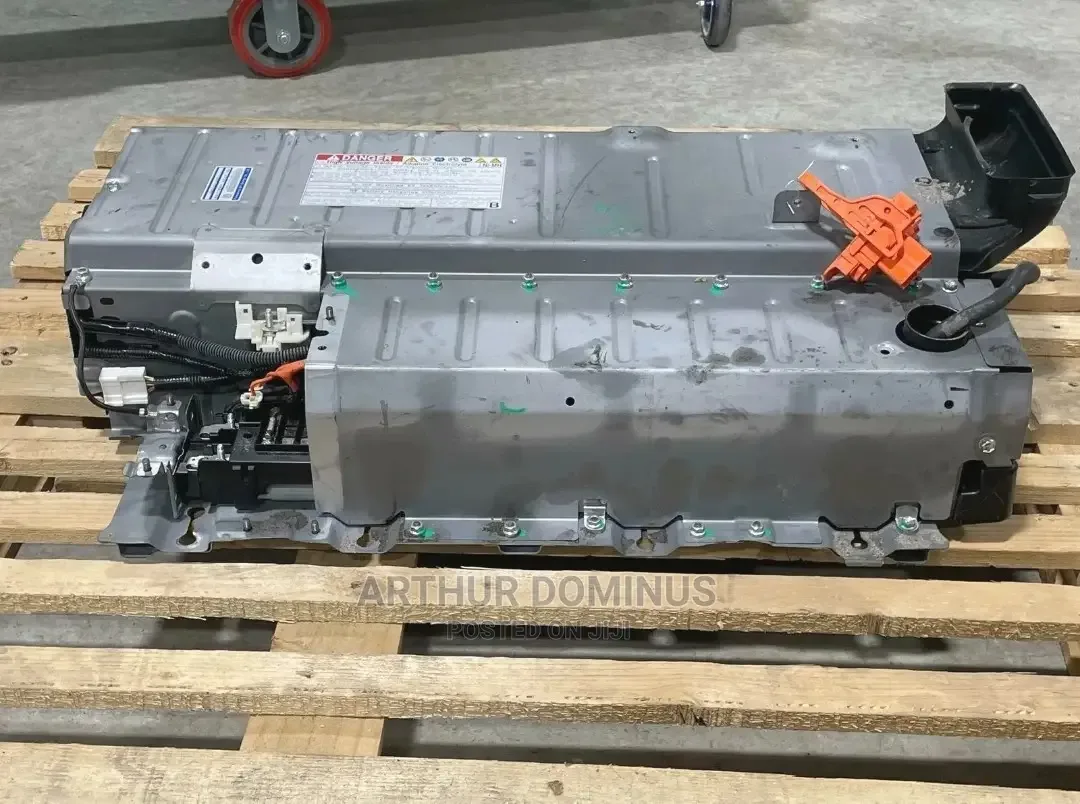
Image source: Bing (Web (fair-use with source credit))
HV Battery Degradation. The hybrid battery (nickel-metal hydride in most models, lithium-ion in newer ones) loses capacity over time. Most batteries last 150,000 to 200,000 miles before performance drops noticeably. You'll see a drop in fuel economy first, then the dashboard might show a check hybrid system warning.
Replacement cost for a new OEM battery is $2,000 to $4,000. Aftermarket rebuilt batteries cost less, around $1,200 to $2,000. Some shops can replace individual failed cells instead of the whole pack, which is cheaper.
But cell matching is tricky, and not all shops do it well.
Brake Actuator Failure. The 2007 to 2011 Hybrid models have a common brake actuator failure. The pump runs excessively, and you'll hear a buzzing or grinding noise from under the hood. The brake pedal might feel hard or require more force.
This is a safety issue. Toyota had a warranty extension on some models, but many are now out of coverage. Replacement costs $1,500 to $2,500.
Inverter Cooling Pump. The hybrid inverter has a dedicated coolant pump. It can fail on the 2012 to 2017 models. A failed pump causes the inverter to overheat, and the car will show a warning light and reduce power.
The pump is about $150, and labor is around $200. It's a relatively cheap fix if caught early.
If you're shopping for a used Camry Hybrid, ask for records of battery health and brake actuator service. A car with a replaced battery is often a better buy than one with the original pack at 150,000 miles.
VIN Lookup and Recalls: What You Must Check Before Buying or Repairing
Before you buy a used Camry or spend money on a repair, run the VIN through the NHTSA recall database. This is a free step that can save you a lot of money.
The NHTSA website at nhtsa.gov lets you enter any VIN and see all open recalls. For Camrys, the major ones include:
- Takata Airbag Recall. Affects 2002 to 2006 models. The driver and passenger airbags can explode with excessive force. Free replacement at any Toyota dealer.
- Fuel Pump Recall. Affects 2020 and 2021 models. The low-pressure fuel pump can fail, causing the engine to stall. Free replacement.
- Brake Booster Recall. Affects some 2019 and 2020 models. A brake fluid leak can reduce braking performance. Free repair.
If a recall is open, the dealer must fix it for free, even if you're not the original owner. This is a great way to get a $1,000 repair done at no cost.
Also check for any Technical Service Bulletins (TSBs) on the specific model. TSBs are not recalls, but they document known issues and factory fixes. A dealer can apply a TSB repair, though you might have to pay out of warranty.
Knowing the TSB number helps you ask the right questions.
Mistakes to Avoid When Diagnosing a Camry Problem
When something goes wrong, it's easy to jump to the wrong conclusion. Here are the most common mistakes we see in owner forums.
Mistake 1: Replacing parts without diagnosing the root cause. A transmission shudder might feel like a driveshaft vibration. A bad engine mount can feel like a transmission problem. Throw parts at it, and you'll waste money.
Always start with a scan tool and a test drive.
Mistake 2: Ignoring fluid levels. Low oil or low transmission fluid can cause symptoms that mimic mechanical failure. Check the oil and transmission fluid level before assuming the worst. On the 8-speed automatic, the fluid level is checked at a specific temperature, so follow the procedure.
Mistake 3: Using the wrong transmission fluid. The 8-speed automatic requires Toyota WS fluid. Using a generic Dexron or Mercon fluid can cause shifting problems. The same goes for the hybrid inverter coolant, which needs a specific Toyota fluid.
Mistake 4: Assuming the dealer is the only option. Independent shops that specialize in Japanese cars often charge less than the dealer. A good indie shop can handle transmission fluid changes, water pump replacements, and brake jobs for 30 to 40 percent less.
Mistake 5: Skipping the pre-purchase inspection. If you're buying a used Camry, spend $100 to $150 on a mechanic's inspection. They'll find the oil consumption, the transmission shudder, the water pump weep, and the dashboard condition. It's the cheapest insurance you can buy.
Decision Guide: Should You Fix It, Trade It, or Walk Away?
This is the question every Camry owner faces sooner or later. Here's a simple framework based on the problem and the car's value.
The Car's Current Value. Look up the trade-in value on a site like Kelley Blue Book or NADA. Compare it to the repair cost. A good rule of thumb: if the repair costs more than 50 percent of the car's value, it's time to think about replacement.
| Problem | Typical Repair Cost | Decision at $5,000 car value | Decision at $15,000 car value |
|---|---|---|---|
| Oil consumption (monitor) | $0 to $200/year | Keep | Keep |
| Transmission shudder (TSB) | $0 to $200 (software) | Fix | Fix |
| Transmission torque converter | $1,500 to $2,500 | Walk away | Fix |
| HV battery replacement | $2,000 to $4,000 | Walk away or DIY | Fix |
| Water pump (V6) | $600 to $900 | Fix | Fix |
| Brake actuator (Hybrid) | $1,500 to $2,500 | Walk away | Fix |
| Engine rebuild | $3,000 to $5,000 | Walk away | Walk away |
If the car is otherwise clean. Rust-free body, good interior, documented maintenance. A major repair can be worth it if the car has another 100,000 miles left in it.
If the car has multiple problems. One issue is normal. Two or three at once is a sign of deferred maintenance. Walk away and find a better example.
If you're handy with tools. Many Camry repairs are DIY-friendly. The water pump on the V6 is tough, but the oil consumption monitoring, engine mounts, and brake work are doable in a driveway. Factor in your time and skill level.
For most owners, the sweet spot is fixing a single known problem on a car that's otherwise in good shape. If the car is rusted or has multiple issues, it's time to let it go.
Expert Tips for Owners and Buyers (Maintenance, TSBs, Warranty Extensions)
A few smart moves can save you money and headaches over the life of your Camry.
Stay on top of maintenance. The Camry's maintenance schedule is straightforward. Oil changes every 5,000 to 7,500 miles. Transmission fluid drain and fill every 60,000 miles.
Coolant flush every 100,000 miles. Spark plugs at 120,000 miles on the 2.5L engine. Following this schedule prevents most common problems.
Check for open TSBs. Technical Service Bulletins are not recalls, but they document known issues and factory fixes. A quick search online for "Camry TSB [year] [problem]" will show you if a fix exists. If the car is still under warranty, the dealer might apply the fix for free.
Know the warranty extensions. Toyota has issued several warranty extensions for Camry problems. The dashboard melting issue on 2007 to 2011 models is covered for 10 years with no mileage limit. The oil consumption issue on some 2.4L engines has a separate extension.
Check with a Toyota dealer using your VIN.
Join owner forums. The Camry community is large and active. Owners share repair tips, known shop recommendations, and DIY guides. A few hours of reading can save you hundreds of dollars.
Frequently Asked Questions
What year Toyota Camry has the most problems?
The 2007 to 2009 models are the most problematic. They have the highest rate of excessive oil consumption from the 2.4L 2AZ-FE engine. Dashboard melting and water pump failures are also common on these years.
Is the 2018 Toyota Camry reliable?
The 2018 Camry is generally reliable, but it has one known issue. The 8-speed automatic transmission can develop a shudder at highway speeds. Toyota issued a TSB for this.
Most owners report the fix is effective.
How long do Toyota Camry engines last?
With proper maintenance, a Camry engine can last 250,000 to 300,000 miles. The 2.5L 4-cylinder and 3.5L V6 are both known for longevity. The main exception is the 2.4L engine in 2007 to 2011 models, which has oil consumption issues.
What is the most common problem with Toyota Camry?
Excessive oil consumption is the most common complaint across all model years. It affects the 2.4L engine in 2007 to 2011 models most severely. Owners report using up to one quart of oil every 1,000 miles.
Should I buy a used Toyota Camry with high mileage?
Yes, if the maintenance history is solid. A Camry with 150,000 miles and a full service record is often a better buy than a lower-mileage car with no records. Pay attention to the transmission and hybrid battery on higher-mileage examples.
Can a Toyota Camry transmission be repaired?
Yes, most Camry transmission problems can be repaired. The 8-speed shudder often just needs a software update. Torque converter replacement is more involved but still cheaper than a full transmission swap.
A transmission fluid change at 60,000 miles prevents many issues.