
If you're shopping for a used sedan on a budget, the 2007 Toyota Camry probably made your shortlist. It's a great car on paper, but the 2007 toyota camry problems are real and well documented. Some issues are minor.
Others can cost you thousands if you don't know what to look for.
Our research into owner complaints and service bulletins shows a clear pattern. The 2.4L four-cylinder engine alone accounts for hundreds of NHTSA complaints about excessive oil consumption. Some owners report adding a quart of oil every 1,000 miles or less.
That's not normal. And it's just one of several problems that make this model year worth a closer look.
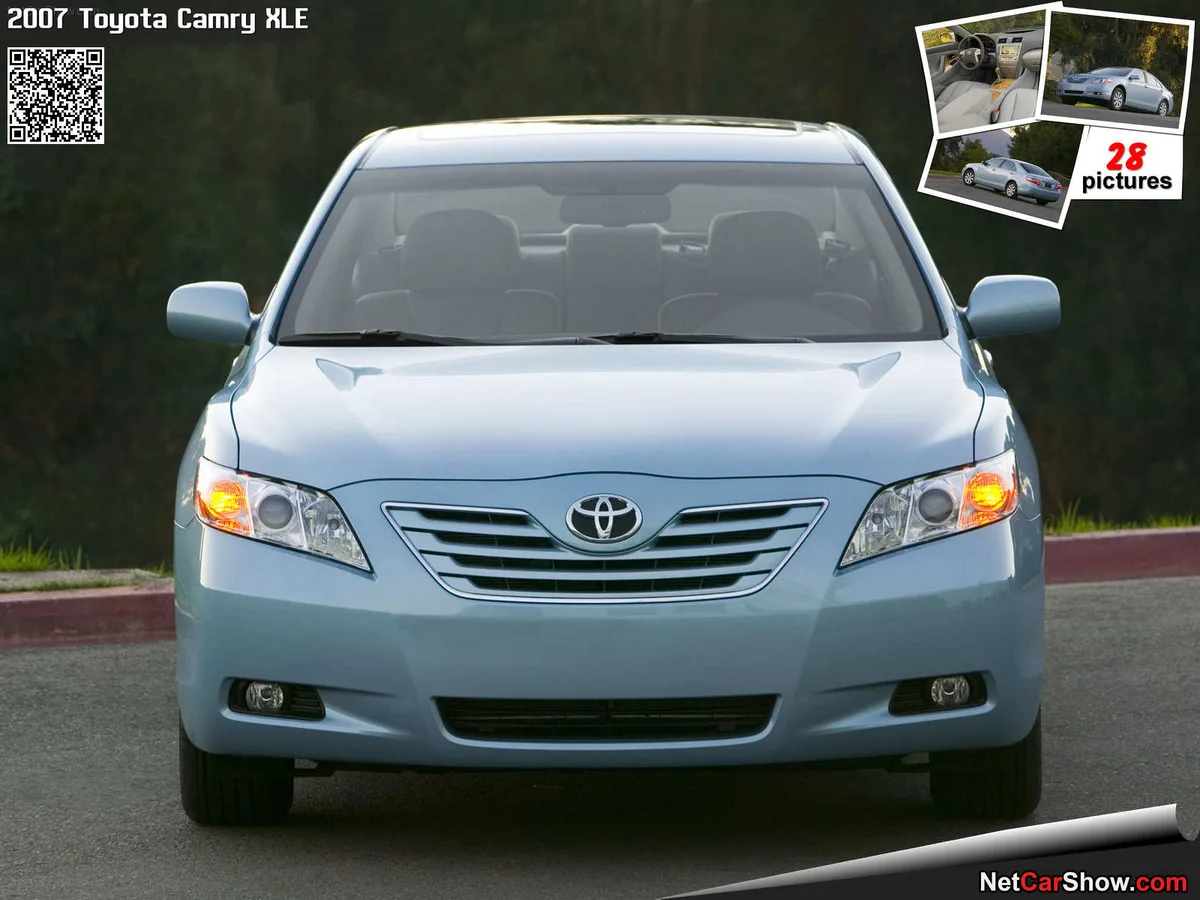
Image source: Bing (Web (fair-use with source credit))
Quick Answer
The 2007 Camry has known engine and transmission issues. The 2.4L engine burns excessive oil. The transmission can shudder or shift harshly.
Brake rotors warp prematurely. Dashboards crack in heat. Inspect these areas before buying.
Why This Car Needs a Closer Look
The 2007 Camry was the first year of the XV40 generation. Toyota redesigned the car from the ground up. New body.
New interior. New engines. And with that came some early production problems that didn't affect later years as much.
On the surface, the 2007 Camry looks like a smart buy. It's comfortable. It's roomy.
It gets decent fuel economy. But the engine and transmission issues are serious enough that you need to know exactly what you're getting into.
The good news is that most of the common problems are well understood. There are known fixes. Toyota even issued warranty extensions for some of them.
The key is knowing what to check and what to walk away from.
The 2.4L Engine's Oil Consumption Problem
This is the biggest issue with the 2007 Camry. The 2.4L 2AZ-FE engine has a design flaw in its piston rings. The oil control rings clog up over time.
Once they clog, oil starts passing through into the combustion chamber. The result is excessive oil consumption.
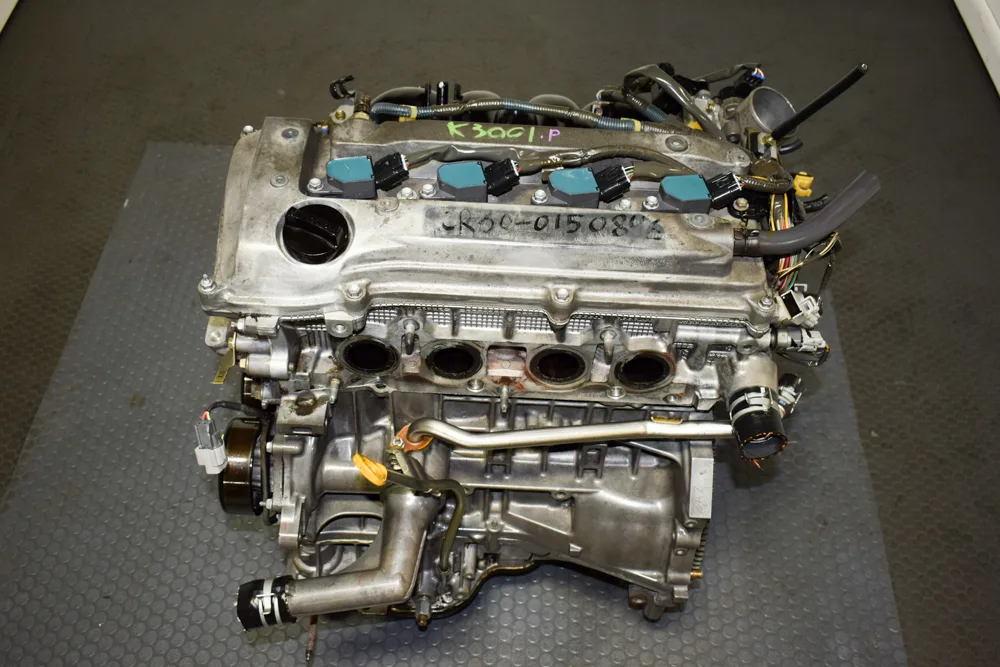
Image source: Web (Bing) / jspecauto.com (Web image (fair-use with source credit))
How much oil are we talking about? Toyota considers consumption above one quart per 1,000 miles to be excessive. Many owners report using a quart every 500 to 800 miles.
That means you're adding oil between every gas fill up.
The National Highway Traffic Safety Administration has logged hundreds of complaints about this exact issue. The problem is widespread enough that Toyota issued Technical Service Bulletin 0066-10. They extended the warranty on the engine for certain VIN ranges.
But that coverage has expired for most vehicles as of 2026.
The fix is not cheap. A piston ring replacement involves pulling the engine apart. It typically costs between $2,500 and $4,000.
Some owners choose to just keep adding oil. Others sell the car before it gets worse.
How to spot it: check the dipstick. Look for low oil level. Watch for blue smoke from the exhaust.
Listen for a ticking noise from the timing chain area. These are all signs of the oil consumption problem.
Transmission Troubles: Shudder, Slip, and Delay
The 2007 Camry came with two main transmissions. The four-speed U241E in the four-cylinder models. And the six-speed U660E in the V6 and Hybrid models.
Both have known issues.
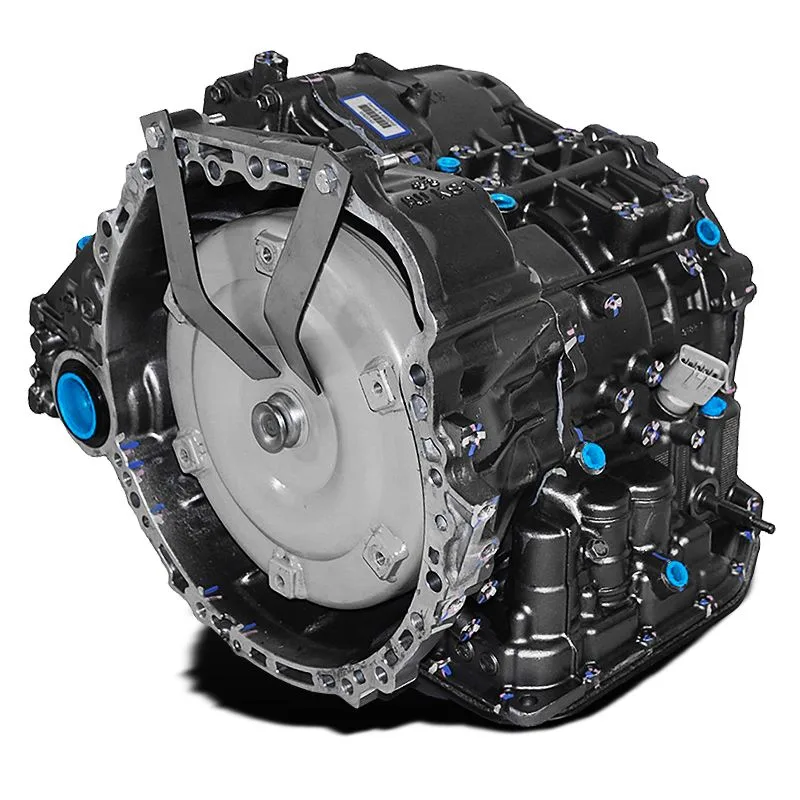
Image source: Web (Bing) / storage.googleapis.com (Web image (fair-use with source credit))
The U241E is the more common problem. Owners report a shudder or vibration during light acceleration. It feels like driving over rumble strips.
This is usually caused by the torque converter not locking up properly. A transmission fluid change can sometimes help. But often the torque converter needs replacement.
The U660E has different issues. Owners report delayed engagement when shifting from Park to Drive. Some feel a harsh bump when the transmission downshifts.
These problems are often linked to low fluid level or contaminated fluid.
The transmission fluid in both units is Toyota's WS fluid. It's supposed to be "lifetime" fluid. But our research and mechanic feedback say otherwise.
Changing the fluid every 60,000 miles is cheap insurance. A full transmission replacement runs $3,000 to $4,500.
How to check: test drive the car. Accelerate gently from a stop. Feel for any shudder between 20 and 40 mph.
Shift from reverse to drive. Listen for a delay or clunk. If you feel anything unusual, walk away.
Brake Pulsation and Premature Rotor Wear
This is one of the most common complaints about the 2007 Camry. Owners report a pulsing sensation in the brake pedal. It usually shows up between 20,000 and 40,000 miles.
The cause is warped front brake rotors.
The problem is that the rotors are relatively thin from the factory. They don't handle heat as well as they should. Hard braking, stop-and-go traffic, or even just normal driving can cause them to warp.
Once they warp, you feel that pulsing every time you brake.
Toyota issued a service bulletin for this. The fix is to replace the rotors with an updated design. Aftermarket rotors are often a better choice than OEM for this application.
They're thicker and handle heat better.
The cost to replace the front rotors and pads is around $300 to $500 at a shop. DIY is about $150 for parts. The key is to catch it early.
Warped rotors can wear out your brake pads faster and reduce stopping power.
How to check: test the brakes at highway speed. Gently apply the brakes. Feel for vibration in the pedal.
If the steering wheel shakes too, the front rotors are likely warped.
Interior Issues: Dashes, Rattles, and Blend Doors
The 2007 Camry's interior has a few well known problems. The most visible is the dashboard cracking. This happens mostly in warmer climates.
The sun causes the dashboard material to degrade. It becomes sticky, then cracks, and eventually can melt.
Toyota faced a class action lawsuit over this. They extended the warranty on the dashboard to 10 years or 150,000 miles. But that coverage has expired for most cars as of 2026.
A replacement dash costs $800 to $1,500 including labor.
Another common issue is the blend door actuator. This is the part that controls your HVAC temperature. When it fails, you hear a clicking noise from behind the dashboard.
It sounds like a plastic gear skipping. The fix is to replace the actuator. It's about $200 to $400 at a shop.
The part itself is cheap, but the labor takes time.
Interior trim rattles are less serious but still annoying. The door panels, center console, and rear deck lid are common sources. These are usually fixable with foam tape or tightening screws.
If you're looking at a 2007 Camry with a cracking or sticky dashboard, it's worth negotiating the price down. The repair is not cheap, and it's a sign the car has been sitting in the sun. The same UV exposure can also affect a car's rear view camera system, which is another known weak point on these models.
Hybrid-Specific Concerns
The 2007 Camry Hybrid shares the same chassis and transmission as the V6 model. But it adds a high-voltage hybrid system that brings its own set of issues.
The hybrid battery is the biggest concern. It's a nickel-metal hydride pack mounted behind the rear seat. These batteries typically last 150,000 to 200,000 miles.
But in hot climates, failure can happen sooner. A replacement battery costs $2,000 to $4,000 from a dealer. Refurbished units from specialized shops run $1,000 to $1,500.
The hybrid system's inverter coolant pump is another weak point. When it fails, the engine overheats quickly. The dashboard warning lights come on.
The car may enter limp mode. The pump itself is about $150. Labor adds another $200 to $300.
The regenerative braking system on the hybrid can feel different from conventional brakes. Some owners report a spongy pedal. This is usually normal.
But if the pedal feels inconsistent, have the brake booster checked.
One upside to the hybrid: its transmission is generally more reliable than the four-speed unit in the base model. The eCVT system has fewer moving parts. It doesn't have the same torque converter shudder issues.
Recalls and Warranty Extensions
The 2007 Camry has nine recalls on file with the NHTSA. Some are minor. A few are serious enough that you should check before buying.
The most notable recall involves the floor mat. It can trap the accelerator pedal. This issue led to a massive Toyota recall across multiple models.
The fix involves replacing the floor mat and modifying the pedal assembly. Check that this recall was completed.
Other recalls cover the front passenger airbag, the rear seat belt latch, and the steering intermediate shaft. You can run the VIN on the NHTSA website to see which recalls are still open. Dealers perform these repairs for free, even if you're not the original owner.
Toyota also issued several warranty extensions. These are not recalls, but they cover specific failures beyond the standard warranty. The most important ones are:
- Dashboard cracking: extended to 10 years or 150,000 miles
- Brake master cylinder: extended to 10 years or 150,000 miles
- Steering intermediate shaft: extended to 10 years or 150,000 miles
- Oil consumption (certain VINs): extended to 8 years or 100,000 miles
All of these extensions have expired as of 2026. But it's still worth checking if the previous owner had the work done under warranty.
How to Inspect a Used 2007 Camry Before Buying
A thorough inspection can save you thousands. Here's what to check on a test drive.
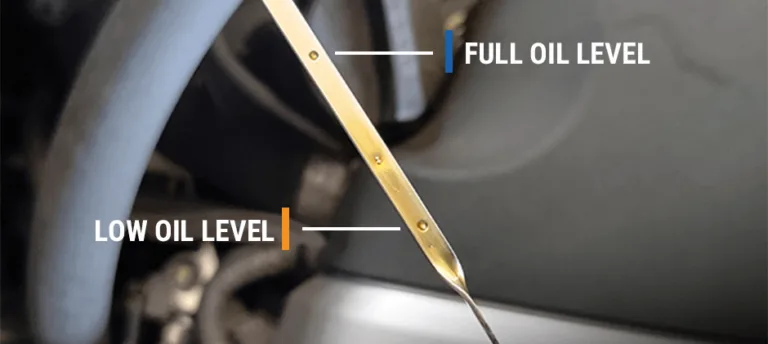
Image source: Bing (Web (fair-use with source credit))
Check the oil first. Pull the dipstick when the engine is cold. Wipe it clean. Reinsert it.
Pull it out again. Look at the level and the color. Low oil or dark oil suggests the owner has been topping it off frequently.
That's a red flag for oil consumption.
Start the engine cold. Listen for a ticking noise from the timing chain area. A rattle on startup that goes away after a few seconds is normal. A constant ticking noise is not.
Test the transmission. Drive the car on a flat road. Accelerate gently from a stop. Feel for any shudder between 20 and 40 mph.
Shift from reverse to drive. Pause for a second. Feel for a delayed engagement or a hard clunk.
Brake test at highway speed. Find a safe stretch of road. Get up to 55 mph. Apply the brakes gently.
Feel for vibration in the pedal. If the steering wheel shakes, the front rotors are likely warped.
Check the dashboard. Look for cracks, especially around the edges near the windshield. Touch the surface. If it feels sticky or tacky, the dashboard is degrading.
Walk away unless the price reflects the repair cost.
Check the service history. Look for records of oil changes every 5,000 miles. Transmission fluid changes every 60,000 miles. A car with full service history is worth more than one without.
What Repairs Actually Cost
Here's a realistic breakdown of what you'll pay for common 2007 Camry repairs. These are estimates based on aggregate mechanic feedback and parts pricing as of 2026.
| Repair | DIY Cost | Shop Cost |
|---|---|---|
| Piston ring replacement (oil consumption fix) | $1,500-$2,000 in parts | $2,500-$4,000 |
| Transmission replacement (U241E) | $1,800-$2,500 | $3,000-$4,500 |
| Transmission fluid change | $40-$60 | $150-$250 |
| Front brake rotors and pads | $100-$150 | $300-$500 |
| Hybrid battery replacement | Not recommended for DIY | $2,000-$4,000 (dealer) |
| Dashboard replacement | $400-$600 (used part) | $800-$1,500 |
| Blend door actuator | $40-$80 | $200-$400 |
| Water pump (V6 engine) | $80-$120 | $400-$600 |
| Control arm bushings | $60-$100 | $300-$500 |
The key takeaway: small repairs are affordable. Major repairs like the engine or transmission can cost more than the car is worth.
Common Mistakes Owners Make
Ignoring the oil level. This is the most expensive mistake you can make. The 2.4L engine burns oil. If you let it run low, the engine can seize.
Check the oil every time you fill up with gas. Carry a spare quart in the trunk.
Skipping transmission fluid changes. The "lifetime fluid" label is misleading. Toyota's WS fluid does break down over time. Change it every 60,000 miles.
A simple drain and fill is enough. Don't do a full flush on a high-mileage transmission.
Buying cheap brake parts. The 2007 Camry is hard on front rotors. Cheap rotors warp faster. Spend a little more on quality aftermarket rotors.
They're thicker and dissipate heat better.
Letting the dashboard crack. If you live in a sunny climate, use a windshield sunshade. It slows down the dashboard degradation. A $10 sunshade is cheaper than a $1,000 dashboard replacement.
Ignoring recalls. Recalls are free to fix. Check the VIN on the NHTSA website. If any recalls are open, schedule the repair at a Toyota dealer.
It costs you nothing and can prevent a serious safety issue.
Is the 2007 Camry Still a Smart Buy in 2025?
The short answer is yes, but only if you find the right one and know what you're getting into.
A well maintained 2007 Camry with the four-cylinder engine can still go 200,000 miles or more. The chassis is solid. The cabin is comfortable.
The fuel economy is respectable. But the oil consumption issue is real. If you buy one, you need to budget for the possibility of a major repair.
The V6 models are generally more reliable. They don't have the same piston ring problems. But they get worse fuel economy and have their own water pump and timing chain issues.
The Hybrid is the wild card. The battery is the main concern. If it's been replaced, you're probably fine.
If it hasn't, you're on borrowed time. Factor that into your offer.
Here's a quick decision guide:
- If you're handy with tools: The 2007 Camry is a solid DIY project. Parts are cheap. Repairs are well documented. You can handle most of the common problems yourself.
- If you're paying a shop for everything: Budget $1,000 to $2,000 for immediate repairs. The oil consumption, transmission shudder, and brake issues are common enough that you'll likely deal with at least one of them.
- If you want a worry-free car: Look for a 2009 or 2010 Camry instead. Toyota fixed most of these issues by the later years of the XV40 generation.
Final Verdict for Shoppers and Current Owners
The 2007 Toyota Camry is a car with a split personality. It's comfortable, reliable in many ways, and affordable. But it has real, documented problems that can cost you serious money.
If you already own one, stay on top of the oil level. Change the transmission fluid every 60,000 miles. Use a sunshade to protect the dashboard.
These simple steps can keep the car running well for years.
If you're shopping for one, inspect it thoroughly. Check the oil. Test the transmission.
Feel the brakes. Look at the dashboard. Run the VIN for recalls.
If the car has a full service history and no major issues, it's worth considering at the right price.
If the car has oil consumption problems or transmission issues, walk away. There are plenty of other 2007 Camrys out there. The right one will serve you well.
The wrong one will drain your wallet.
Frequently Asked Questions
How much oil does a 2007 Camry burn?
Many owners report burning one quart every 500 to 1,000 miles. Toyota considers anything above one quart per 1,000 miles excessive. The problem comes from clogged piston rings in the 2.4L engine.
Can the transmission problem be fixed with a fluid change?
Sometimes. A transmission fluid change using Toyota WS fluid can help with minor shudder or harsh shifting. But if the torque converter is damaged, it needs replacement.
A fluid change is cheap insurance either way.
Is the 2007 Camry Hybrid worth buying?
Yes, if the hybrid battery has been replaced or tested healthy. The battery typically lasts 150,000 to 200,000 miles. Replacing it costs $2,000 to $4,000.
Factor that into your purchase price.
What should I check before buying a used 2007 Camry?
Check the oil level and color. Test the transmission for shudder. Brake test at highway speed.
Inspect the dashboard for cracks. Run the VIN on the NHTSA website for open recalls. A pre purchase inspection by a mechanic is money well spent.
How long do 2007 Camrys last?
With proper maintenance, 200,000 to 250,000 miles is common. The engine and transmission can last longer if the oil consumption issue is managed. The biggest killer is neglect, especially letting the oil run low.
Does the 2007 Camry have a timing belt or chain?
The 2.4L four-cylinder engine has a timing chain. The 3.5L V6 engine also has a timing chain. Neither needs regular replacement like a timing belt.
But the timing chain tensioner can make noise on the four-cylinder engine.