
If you're looking at a used 2013 RAV4 or already own one, the 2013 Toyota RAV4 problems are something you need to understand. This model year has a handful of well-documented issues, and knowing what to watch for can save you a lot of money and frustration.
Aggregate reviews from NHTSA and owner forums show over 1,000 complaints for this model year, with engine and transmission problems leading the list. The 2.5-liter four-cylinder engine has a known oil consumption issue, and the six-speed automatic transmission can develop a shudder. Let's walk through what to expect and how to handle each one.
Quick Answer
The 2013 RAV4 has several known problems. Oil consumption is the most common. The engine can burn a quart every 1,000 miles.
Transmission shudder also affects many owners. Electrical glitches and recalls add to the list. These issues are fixable but costly.
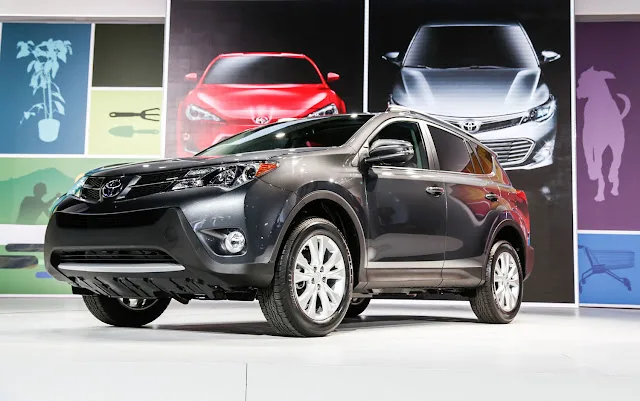
The 2013 RAV4's Most Talked-About Problems
The 2013 model was the first year of the fourth-generation RAV4. It brought a new look, more interior space, and a six-speed automatic transmission. But it also introduced a set of mechanical and electrical issues that owners still talk about today.
Most of the problems fall into three categories: engine oil consumption, transmission shudder, and electrical gremlins. Some are minor annoyances. Others can lead to expensive repairs if ignored.
Here's a quick overview of the most common issues:
| Problem | Typical Symptoms | Severity |
|---|---|---|
| Oil consumption | Low oil level, blue smoke from exhaust, engine noise | High |
| Torque converter shudder | Vibration at 40–50 mph, hesitation on acceleration | Medium |
| Check VSC System warning | Dash light, loss of traction control | Low |
| Blend door actuator failure | Clicking noise behind dashboard, temperature mismatch | Low |
| Recalls | Floor mat entrapment, loose suspension bolts, fuel pump failure | High |
As of 2026, many of these 2013 RAV4s have over 100,000 miles on them. That means some problems may have already been fixed. Others may still be lurking.
The key is knowing what to look for and what to ask about before you buy or before a minor issue turns into a major bill.
Oil Consumption: Why the 2.5L Engine Drinks Oil
The 2.5-liter 2AR-FE engine is generally a reliable unit. Toyota has used it across many models for years. But the 2013 version has a known oil consumption problem that frustrates a lot of owners.
The issue is excessive oil burning. Some owners report using a quart of oil every 1,000 to 1,500 miles. That's well above what Toyota considers normal.
The root cause is often related to the piston rings. They don't seal properly, which allows oil to slip past and burn in the combustion chamber.
Toyota issued Technical Service Bulletin 0061-13 to address this. The bulletin outlines a specific oil consumption test. You measure how much oil the engine burns over 1,000 miles.
If it exceeds a certain threshold, the recommended fix is to replace the piston rings and sometimes the pistons themselves.
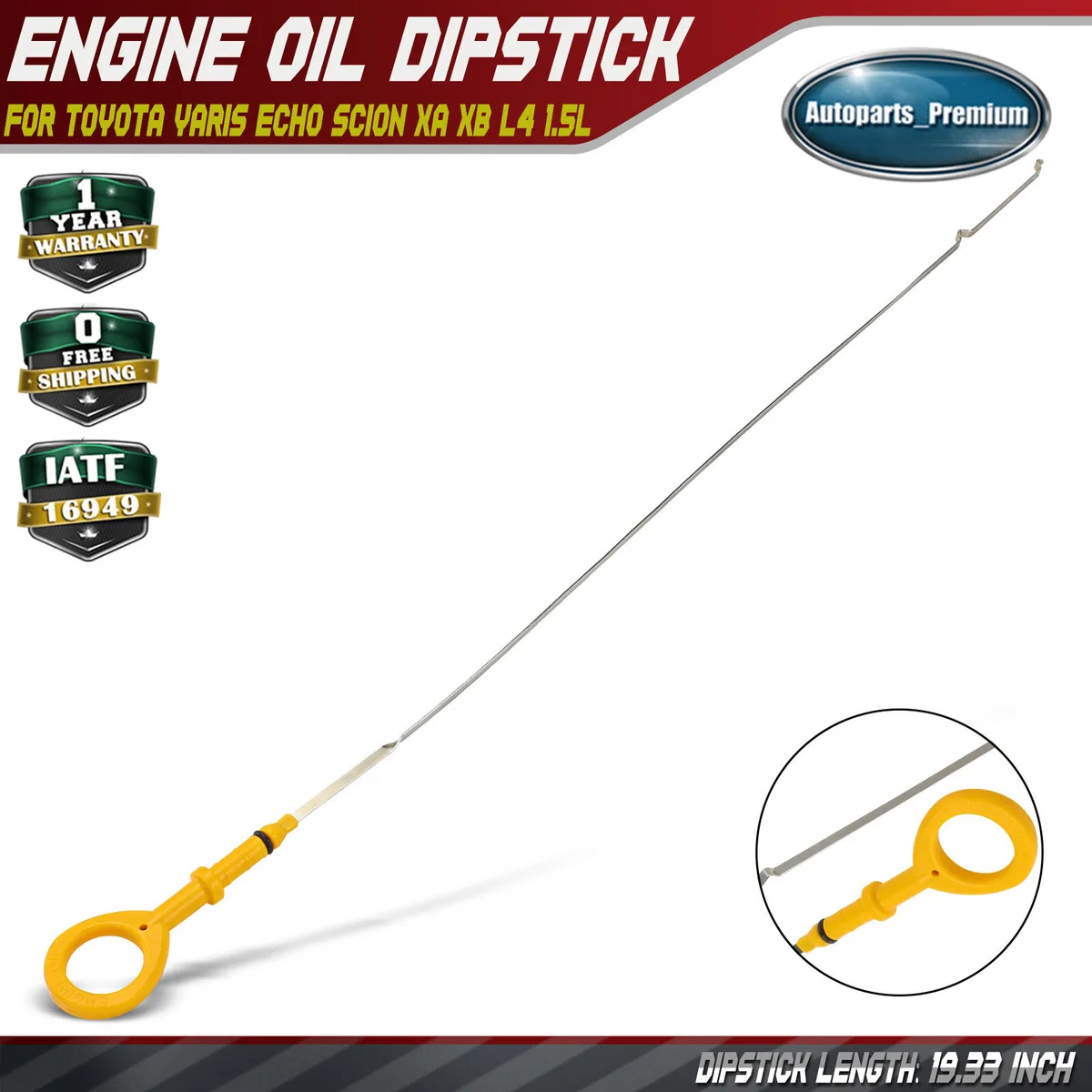
How to Check for Oil Consumption
If you own a 2013 RAV4 or are thinking about buying one, here's a simple way to test for this problem:
- Check the oil level when the engine is cold and on level ground.
- Top it off to the full mark on the dipstick.
- Drive at least 1,000 miles under normal conditions.
- Recheck the oil level. If it's down more than a quart, you likely have a problem.
What the Fix Costs
A piston ring replacement is not a small job. It requires tearing down the top end of the engine. The labor alone can run $1,500 to $2,500.
Parts add another $1,000 to $2,500. Total cost can land between $2,500 and $5,000.
Some owners got lucky and had Toyota cover the repair under a goodwill program, even after the warranty expired. But that program is not guaranteed. If you're shopping for a used 2013 RAV4, ask for service records.
A car that already had this fix done is worth more than one that hasn't.
The Bottom Line on Oil Consumption
This is the most serious problem with the 2013 RAV4. It won't leave you stranded on the side of the road, but it will cost you money in oil top-offs and eventually a big repair bill. If you catch it early and keep the oil level full, the engine can still run for many more miles.
Just don't ignore it.
Torque Converter Shudder and Transmission Complaints
The second most talked-about issue with the 2013 RAV4 is the transmission. Specifically, the torque converter. The six-speed automatic transmission (U760E) generally holds up well, but the torque converter can develop a shudder that drives owners crazy.
The shudder feels like a vibration or rumble through the floorboard. It usually happens between 40 and 50 miles per hour when the transmission is under light load. Some owners describe it as driving over a rumble strip.
Others feel a hesitation or a clunk when the transmission shifts from second to third gear.
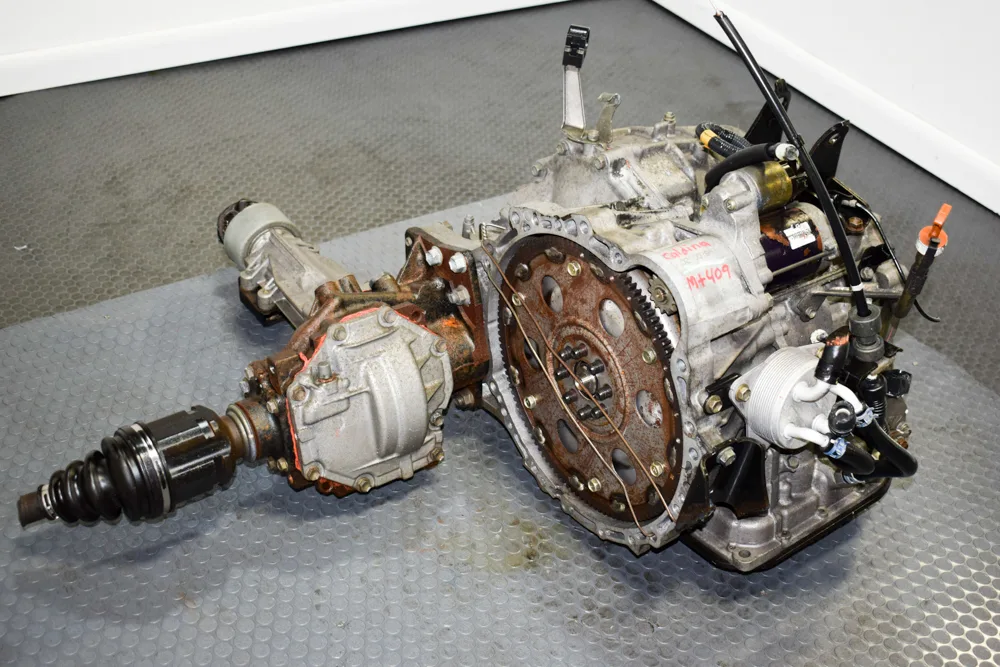
What Causes the Shudder
The torque converter has a lockup clutch that engages at highway speeds to improve fuel economy. When the clutch starts to slip or grab unevenly, you feel that vibration. In some cases, contaminated transmission fluid makes the problem worse.
In others, the torque converter itself is defective.
Toyota issued TSB 0091-14 for this issue. The initial fix was a software update that changed how the transmission control module managed the lockup clutch. That helped some vehicles.
For others, the only lasting fix was replacing the torque converter.
What Owners Report
Our research shows that this problem tends to appear between 60,000 and 100,000 miles. Not every 2013 RAV4 has it, but it's common enough that you should test for it during a test drive.
How to Test for Torque Converter Shudder
- Take the car on a highway or a long stretch of road.
- Accelerate gently to 40 mph, then hold a steady speed.
- Feel for vibration through the floor, seat, or steering wheel.
- Try the same test at 50 mph and 60 mph.
- If you feel a rumble, the torque converter is likely the culprit.
The Cost to Fix
A torque converter replacement is a transmission-out job. It typically costs between $1,500 and $4,000 depending on labor rates in your area and whether you replace the converter alone or do a full rebuild. Some owners choose to live with a mild shudder if it's not getting worse.
That's a personal call, but it's worth knowing that a failing torque converter can shed debris into the transmission fluid and damage the whole unit over time.
Check VSC System and Other Electrical Glitches
The 2013 RAV4 has a few electrical quirks that pop up regularly. The most common one is the "Check VSC System" warning. VSC stands for Vehicle Stability Control.
It's Toyota's traction and stability control system.
When this warning comes on, the dashboard lights up like a Christmas tree. You'll see the VSC light, the check engine light, and sometimes the traction control light. The car still drives fine, but you lose stability control, which means the system won't help you if you hit a slippery patch of road.
What Triggers the Warning
The most common cause is a faulty gas cap. A loose or worn gas cap can trigger an evaporative emissions leak, which sets off the check engine light. The VSC system then disables itself as a safety measure.
The fix is simple: tighten the gas cap or replace it. Clear the codes and see if the warning comes back.
If the gas cap is not the issue, the problem could be a failing oxygen sensor, a vacuum leak, or a problem with the ABS wheel speed sensors. A scan tool can read the code and tell you exactly what's wrong.
Blend Door Actuator Failure
Another common electrical issue is the blend door actuator. This small motor controls the temperature of the air coming from the vents. When it fails, you'll hear a clicking or tapping sound behind the dashboard.
The temperature may also stop matching what you set on the dial.
The fix is a replacement actuator. The part itself costs about $50 to $100, but labor can be $200 to $500 because the dashboard often needs partial removal. It's a tedious job, but not mechanically difficult.
Battery Drain and Entune Issues
Some owners report a dead battery after the car sits for a few days. The culprit is often the Entune infotainment system. It can stay active and draw power even when the car is off.
A software update from the dealer can sometimes fix this. In other cases, owners simply disconnect the battery if the car will sit for a week or more.
If you're dealing with a faulty backup camera, those issues are covered separately in our guide on fixing common rear camera problems.
NHTSA Recalls You Need to Know About
The 2013 RAV4 has been subject to several recalls over the years. Some are minor. Others involve safety-critical parts.
If you own one or plan to buy one, it's essential to check whether the recalls have been completed.
You can check any vehicle's recall status for free at the NHTSA website. Just enter the VIN.
Recall 14V-373: Floor Mat Entrapment
This recall affects the driver-side floor mat. If the mat is not properly secured, it can slide forward and trap the accelerator pedal. That's a dangerous situation.
The fix was a redesigned floor mat and a new retaining clip. This recall was issued in 2014, so most vehicles should have it done by now.
Recall 15V-314: Front Suspension Lower Ball Joint Bolts
This one is more serious. The bolts that secure the lower ball joints to the steering knuckle can loosen over time. If they come loose, the ball joint can separate from the knuckle.
That means you lose steering control. Toyota dealers inspected the bolts and tightened or replaced them as needed.
Recall 19V-645: Fuel Pump Failure
This recall affected a wide range of Toyota and Lexus models from the 2013 to 2019 model years. The fuel pump inside the tank can fail, causing the engine to stall while driving. Toyota replaced the fuel pump assembly at no cost.
This recall was issued in 2020, and many vehicles have already been repaired. But it's worth double-checking.
How to Check If Recalls Are Done
- Go to the NHTSA recall website.
- Enter the vehicle's 17-character VIN.
- The site will show any open recalls and whether they've been completed.
If you're buying a used 2013 RAV4, ask the seller for proof that the recalls were performed. A dealer can also run the VIN and tell you the status. Do not skip this step.
An open recall on the suspension bolts or fuel pump is a genuine safety risk.
How Much It Costs to Fix These Problems
The 2013 RAV4 is not an expensive vehicle to maintain normally. Routine services like oil changes, brake pads, and tires cost about what you'd expect for a compact SUV. The problems we've covered are the exceptions.
Here's a realistic look at repair costs based on aggregate owner reports and shop estimates:
| Problem | Typical Repair Cost | What's Included |
|---|---|---|
| Oil consumption (piston rings) | $2,500 – $5,000 | Engine top-end rebuild, new rings, labor |
| Torque converter replacement | $1,500 – $4,000 | New converter, fluid, labor |
| Blend door actuator | $300 – $600 | Part and labor |
| Water pump replacement | $400 – $700 | Pump, coolant, labor |
| Fuel pump recall | $0 (recall) | Free at dealer |
| Suspension bolt recall | $0 (recall) | Free at dealer |
The oil consumption fix is the big one. It's expensive enough that some owners choose to sell the car rather than pay for it. But here's the thing.
If you catch it early and the engine is otherwise healthy, you can keep driving it for years by simply checking the oil every few weeks and topping it off.
The torque converter is a judgment call. A mild shudder that doesn't get worse can be lived with for 20,000 miles or more. But if it starts to get louder or the transmission starts slipping, you need to address it before it damages the whole transmission.
For the smaller issues like the blend door actuator or water pump, the costs are manageable. A $600 repair on a $12,000 vehicle is not a dealbreaker. It's just maintenance.
How the 2013 RAV4 Compares to Its Rivals
The 2013 compact SUV segment was competitive. The Honda CR-V, Subaru Forester, Ford Escape, and Mazda CX-5 were all strong options. How does the RAV4 stack up with its problems factored in?
vs. 2013 Honda CR-V
The CR-V is the RAV4's closest rival. It's roomy, reliable, and holds its value well. The CR-V's main issue is a vibration at idle caused by the engine mounts.
That's a cheaper fix than the RAV4's oil consumption. The CR-V also has a smoother transmission. If you want fewer headaches, the CR-V is the safer bet.
vs. 2013 Subaru Forester
The Forester has better all-wheel drive and more ground clearance. But it has its own problems. The 2.5-liter engine can develop head gasket leaks.
The CVT transmission is not known for longevity. The RAV4's traditional six-speed automatic is more durable than a CVT. If you live in snow country, the Forester is tempting.
Just budget for potential head gasket work.
vs. 2013 Mazda CX-5
The CX-5 is the most fun to drive. It handles well and has a peppy engine. But it's smaller inside.
The cargo area is tighter. The CX-5 has fewer major mechanical complaints than the RAV4. If you don't need the extra space and want something more engaging to drive, the CX-5 is a solid choice.
The Bottom Line on Comparisons
The 2013 RAV4 is not the most reliable compact SUV from that year. The Honda CR-V and Mazda CX-5 have fewer serious complaints. But the RAV4 has a bigger interior and a more durable transmission than the Subaru.
It's a mixed bag. You can still get a good one, but you need to be picky.
What to Look For When Buying a Used 2013 RAV4
If you're shopping for a used 2013 RAV4, you need to be thorough. Not every car has the problems we've covered, but enough do that you should check for them before handing over money.
The Pre-Purchase Checklist
Follow these steps on any test drive:
- Check the oil level. Pull the dipstick. Look for low oil or burnt smell. Ask the seller when it was last changed.
- Drive at highway speeds. Accelerate to 40 mph and hold steady. Feel for vibration. Do the same at 50 and 60 mph.
- Listen for clicking. Turn the HVAC temperature from hot to cold. Listen for clicking behind the dash. That's the blend door actuator.
- Check the VIN. Run it through the NHTSA recall website. Make sure all recalls are done.
- Look for rust. Check the rear hatch, wheel wells, and undercarriage. Rust is common in snowbelt states.
- Ask for service records. A car with regular oil changes and documented repairs is worth more than one without.
What to Ask the Seller
- Has the oil consumption been addressed?
- Has the torque converter been replaced or updated?
- Are all recalls completed?
- How many miles are on the current battery and tires?
A seller who is honest and has records is a good sign. A seller who is vague or defensive is a red flag.
The Ideal Candidate
The best 2013 RAV4 to buy is one that has already had the oil consumption fix and the torque converter update. It will have a clean Carfax, full service records, and no open recalls. Expect to pay a premium for this car, but it's worth it.
Maintenance Tips to Keep Your RAV4 on the Road
If you already own a 2013 RAV4, you can extend its life with a few smart habits. These won't fix the underlying problems, but they will help you manage them.
Stay on Top of Oil Changes
Use synthetic oil and change it every 5,000 miles. Check the oil level every other time you fill up with gas. If you notice it dropping, keep a quart in the car.
Running low on oil can damage the engine fast.
Flush the Transmission Fluid
The six-speed automatic is sensitive to fluid condition. A drain-and-fill every 30,000 to 40,000 miles helps keep the transmission healthy. Do not do a power flush.
That can dislodge debris and cause more problems. Just a simple drain and refill.
Address Small Problems Early
A clicking blend door actuator is annoying but not urgent. A water pump leak is more serious. If you see coolant on the ground under the front of the car, get it checked.
A failed water pump can overheat the engine and cause head gasket damage.
Keep the Battery Charged
If you don't drive the car every day, consider a battery tender. The Entune system can drain the battery over a week or two. A dead battery is a minor inconvenience, but repeated deep discharges will shorten the battery's life.
Rust Prevention
If you live in an area that uses road salt, get the undercarriage washed regularly. Apply a rust inhibitor to the rear hatch and wheel wells. Rust can spread quickly once it starts.
The Honest Verdict: Is the 2013 RAV4 Worth Buying?
This is the question most people want answered. The honest answer is: it depends.
If you find a 2013 RAV4 that has already had the oil consumption fix and the torque converter update, and the price is right, it's a decent used SUV. The interior is spacious. The ride is comfortable.
The fuel economy is acceptable. It will last 200,000 miles with proper care.
If you find one that has not had those repairs done, and the seller is asking top dollar, walk away. You are buying a car with two expensive problems waiting to happen. There are better options in the same price range.
If you already own one, keep it. The problems are manageable if you stay on top of maintenance. The car is paid for.
A $3,000 repair is cheaper than a $40,000 new car payment.
Who Should Buy a 2013 RAV4
| Buyer Type | Recommendation |
|---|---|
| First-time used car buyer | Look for a 2014 or newer instead |
| Budget-conscious owner | Keep it and maintain it |
| DIY mechanic | Good candidate if priced right |
| Family needing space | A 2014 or 2015 is safer |
| Someone who already owns one | Keep it, fix it as needed |
The 2013 RAV4 is a solid vehicle with a few known weaknesses. Go in with your eyes open, do your homework, and you can still get a good deal. Just don't skip the inspection.
Frequently Asked Questions
How much oil does a 2013 RAV4 burn per 1,000 miles?
Many owners report burning one quart every 1,000 to 1,500 miles. Toyota considers anything over one quart per 1,000 miles excessive. If you see that rate, the piston rings may need replacement.
Is the 2013 RAV4 transmission reliable?
The six-speed automatic is generally reliable, but the torque converter can develop a shudder between 40 and 50 mph. A software update helped some cars. Others needed a full torque converter replacement.
What recalls are on the 2013 RAV4?
Three major recalls exist: floor mat entrapment (14V-373), loose front suspension bolts (15V-314), and fuel pump failure (19V-645). Check the NHTSA website with your VIN to see if they are completed.
Can a 2013 RAV4 reach 200,000 miles?
Yes, with proper maintenance. The engine is durable if you keep oil levels full. The transmission holds up well with regular fluid changes.
Many owners report 200,000 miles with no major issues beyond the known problems.
Is the 2013 RAV4 safe?
The 2013 RAV4 earned an IIHS Top Safety Pick and a five-star NHTSA overall rating. That's good for its era. Just make sure all recalls are completed, especially the suspension bolt recall.
Should I buy a 2013 RAV4 in 2026?
Only if the price reflects the known problems and the car has service records. A well-maintained example with completed recalls can be a good value. But a neglected car with open recalls and no history is a risk you should avoid.