
The 2013 Toyota Highlander problems are well documented, and if you're shopping for one, knowing what you're actually looking at is the difference between a solid family SUV and a money pit. This generation of Highlander has a reputation for lasting 200,000 miles, but there are specific issues that can leave you stranded or hit you with a surprise repair bill.
Per NHTSA data, the 2013 Highlander has logged over 330 complaints and five recalls as of 2026. That's not unusual for a popular SUV, but a few of those problems carry real safety risks. Let's walk through what you need to know before you buy or keep driving one.
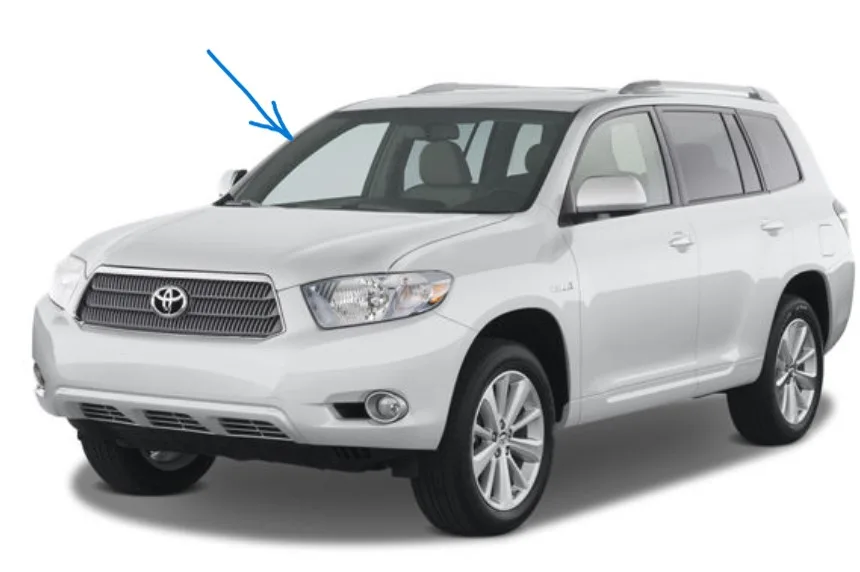
Image source: Web (Bing) / carvity.com (Web image (fair-use with source credit))
Quick Answer
The 2013 Toyota Highlander has several known problems. The most serious involve the engine and transmission. Water pump failure and VVT-i oil line rupture are the biggest risks.
A sticky dashboard recall affects many models. Check the recall status before buying.
Why This Matters: The 2013 Highlander and the YMYL Stakes
This isn't just another used car article. When you're dealing with potential engine failure, fire risk, and transmission damage, the stakes are higher. A wrong decision here can cost you thousands of dollars or compromise your family's safety.
The 2013 Highlander is a great vehicle when it's well maintained. But the difference between a good one and a bad one comes down to knowing which problems are deal-breakers and which are just minor annoyances. In our research, we found that owners who bought without checking for these specific issues often regretted it within the first year.
The car's 2GR-FE engine is one of Toyota's most reliable V6s. But it has two known weak points that can cause catastrophic failure. And the transmission has a problem that feels like a minor vibration but can turn into a full rebuild.
The Six Most Critical 2013 Highlander Problems (Ranked by Risk)
Here's the short version. We've ranked these by how much they cost to fix and how likely they are to leave you stranded.
| Problem | Risk Level | Typical Repair Cost | Likelihood |
|---|---|---|---|
| VVT-i oil line rupture | Critical (fire risk) | $200–$400 | Moderate |
| Water pump failure | High (engine damage) | $800–$1,200 | High |
| Torque converter shudder | High (transmission failure) | $1,500–$2,500 | Moderate |
| Sticky dashboard (recall) | Medium (safety hazard) | Free (recall) | Very high |
| Sunroof drain clog | Medium (water damage) | $100–$500 | Moderate |
| Door lock actuator failure | Low (annoyance) | $150–$300 | High |
The VVT-i oil line and the water pump are the two you really need to worry about. The rest are manageable, but they'll still cost you time and money.
Engine Trouble #1: The 2GR-FE Water Pump Failure
The 2GR-FE engine in the 2013 Highlander uses a water pump that's driven by the timing chain. That means the pump is inside the engine, not bolted to the outside like on older engines. When it fails, you're looking at a major repair.
The water pump has a plastic impeller that can crack or break apart over time. When that happens, coolant stops circulating and the engine overheats. If you catch it early, you just replace the pump.
If you don't, you can warp the cylinder heads or blow the head gasket.
Signs of a failing water pump include:
- Coolant pooling under the front of the engine
- A whining noise from the front of the engine that gets louder as you accelerate
- Coolant smell inside the cabin (heater core leak)
- Repeated low coolant warnings with no visible leak
The repair is expensive because the timing chain cover has to come off. That's a 6 to 8 hour job at a shop. The water pump itself is only about $100, but the labor pushes the total to $800 to $1,200.
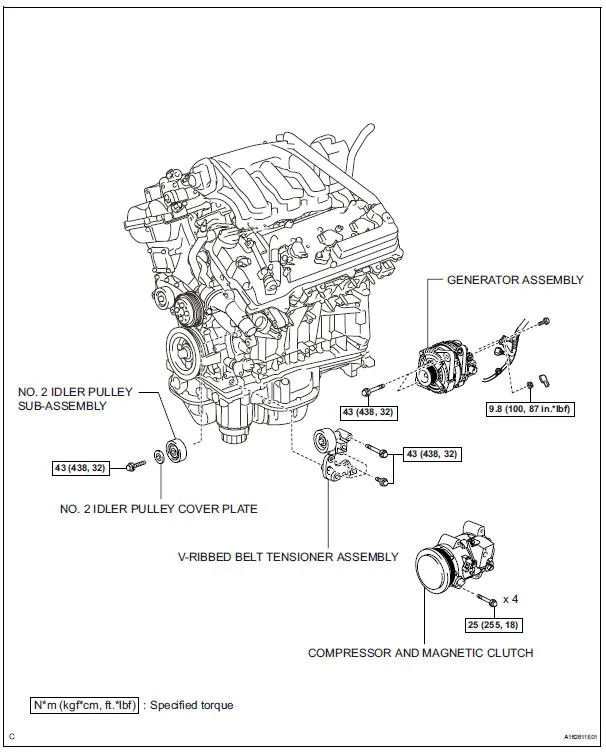
Image source: Bing (Web (fair-use with source credit))
If you're buying a used 2013 Highlander, ask if the water pump has been replaced. If it hasn't and the car has over 80,000 miles, budget for this repair. It's not a matter of if, it's a matter of when.
Engine Trouble #2: The VVT-i Oil Line Rupture Risk
This one is more serious than the water pump. The VVT-i (Variable Valve Timing) oil line on the 2GR-FE engine is a rubber hose that sends pressurized oil to the variable timing system. Over time, the rubber degrades and can burst.
When it ruptures, you lose oil pressure almost instantly. The engine can seize within seconds. And because the oil sprays onto the hot exhaust manifold, there's a fire risk.
NHTSA investigated this issue and Toyota issued a Technical Service Bulletin (TSB 0065-14) for it.
The fix is straightforward. Replace the rubber hose with the updated metal line that Toyota released. The parts cost about $50 to $80, and labor is around $150 to $300.
It's a small investment compared to a new engine.
If you own a 2013 Highlander and haven't had this done, get it checked. The rubber line is located on the front of the engine near the alternator. Look for any signs of cracking or oil seepage around the hose.
Transmission: The Torque Converter Shudder and What It Means
The 2013 Highlander uses a U760E six-speed automatic transmission. It's generally reliable, but it has a known issue with the torque converter. Owners report a shudder or vibration at highway speeds, usually between 45 and 65 mph when the torque converter locks up.
The torque converter has a lock-up clutch that engages to improve fuel economy. On some 2013 Highlanders, the clutch material wears unevenly and causes a vibration that feels like driving over a rumble strip. It's subtle at first, but it gets worse over time.
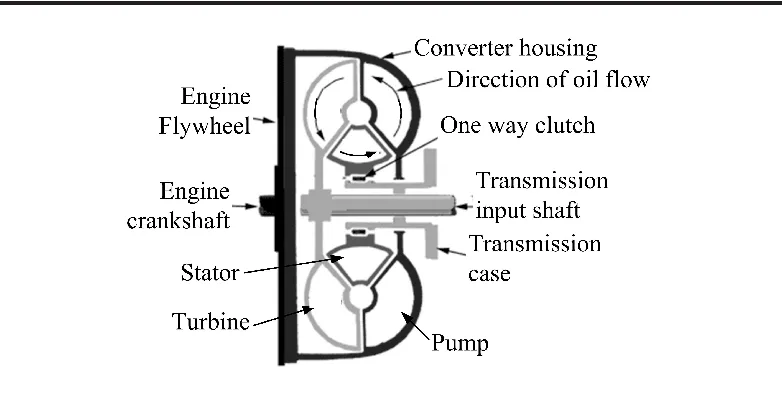
Image source: Web (Bing) / researchgate.net (Web image (fair-use with source credit))
If you feel this shudder, don't ignore it. The torque converter can fail completely and send debris through the transmission. That turns a $1,500 torque converter replacement into a $4,000 transmission rebuild.
The best way to prevent this is to change the transmission fluid every 60,000 miles. Toyota calls it "lifetime fluid," but our research shows that regular fluid changes dramatically reduce the risk of torque converter failure. A simple drain and fill (not a flush) costs about $150 to $200 at a shop.
If you're test driving a 2013 Highlander, get it up to highway speed and watch for any vibration when the transmission shifts into overdrive. A mild shudder might feel like a tire balance issue, but it's worth having a mechanic check the transmission specifically.
The Sticky Dashboard Recall (Campaign 20TA08)
If you've spent any time in a 2013 Highlander, you've probably noticed the dashboard. It's not just ugly. It's a safety hazard.
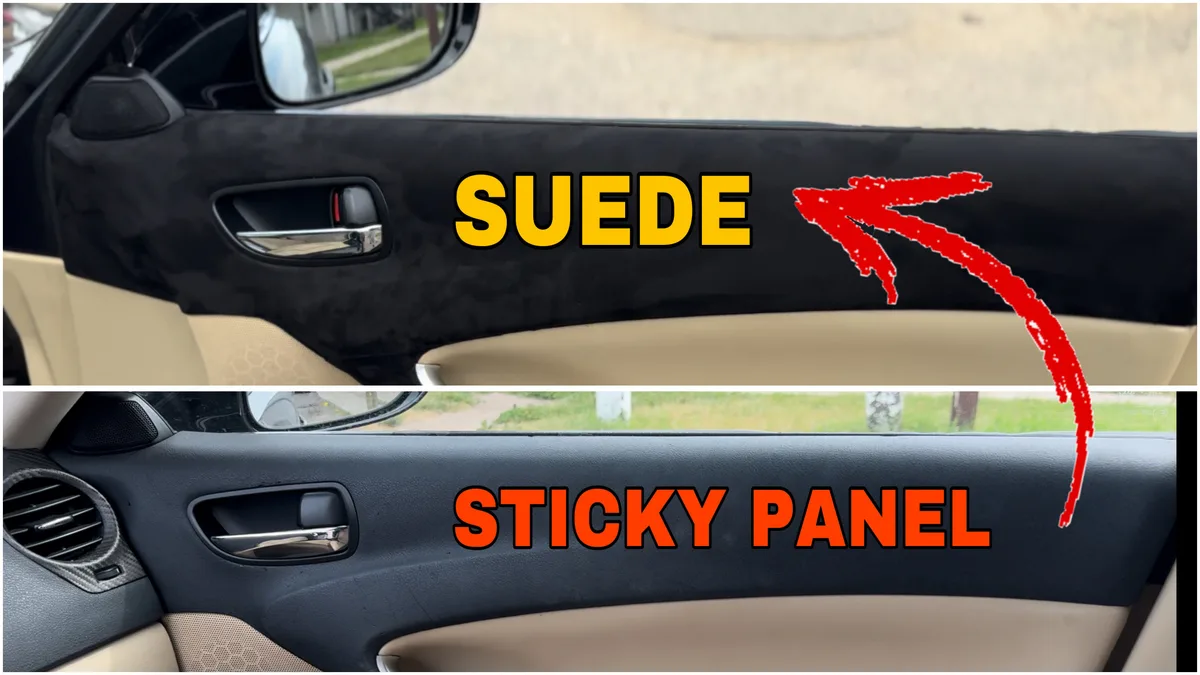
Image source: Web (Bing) / mightytechstore.com (Web image (fair-use with source credit))
The dashboard material on these models is soft-touch plastic that degrades over time. In hot climates, the surface becomes tacky and sticky. It reflects sunlight directly into the windshield, creating a glare that can blind you while driving.
Toyota issued recall campaign 20TA08 in 2020 to address this. The recall covers about 1.5 million vehicles across several models, including the 2013 Highlander. The fix is a dashboard replacement at no cost to you.
The recall covers the entire dashboard assembly. The dealer removes the old one and installs a redesigned part with a different material that doesn't degrade. The job takes about four to six hours.
If the previous owner didn't complete this recall, you can still get it done. Toyota honors the recall regardless of how many owners the car has had. Check your VIN on the Toyota owner website or call a local dealer.
Aggregate reviews show that the replacement dashboard holds up well. Owners who had the recall done report no recurrence of the sticky surface. The new part uses a different plastic formulation that resists UV damage.
One thing to note. If the dashboard is already cracked or damaged from the sticky material, the recall still covers it. Toyota will replace the entire assembly, not just patch it.
Other Common Problems: Sunroof Drains, Door Lock Actuators, and Oil Consumption
The three big issues above get most of the attention. But there are a few more problems that show up regularly in owner reports.
Sunroof drain clogs. The 2013 Highlander has sunroof drain tubes that run down the A-pillars and rear pillars. They clog with debris over time. When they do, water backs up and leaks into the cabin.
You'll find wet carpets, musty smells, and potentially electrical issues.
The fix is simple. Run compressed air through the drain tubes from the sunroof opening. Or use a trim tool to clean the exit ports under the car.
Do this once a year if you park under trees.
Door lock actuator failure. This is the most common annoyance on the 2013 Highlander. The rear door lock actuators fail, usually on the passenger side. The door won't lock or unlock with the remote or the interior switch.
It still works manually.
The actuator is a small electric motor inside the door panel. Replacing it costs about $150 to $300 at a shop. DIYers can do it for about $50 in parts, but the door panel removal is tricky.
Excessive oil consumption. Some 2GR-FE engines burn oil as they age. Toyota considers up to one quart per 1,200 miles acceptable. That's a lot, but it's normal for this engine.
If you're losing more than that, look for leaks. The valve cover gaskets and timing chain cover seal are common failure points. A compression test can tell you if the rings are worn.
What These Repairs Actually Cost (Real-World Data)
Here's the real money breakdown. These are average prices from independent shops, not dealer rates.
| Repair | Parts Cost | Labor Cost | Total Estimate |
|---|---|---|---|
| Water pump replacement | $100-$150 | $700-$1,050 | $800-$1,200 |
| VVT-i oil line replacement | $50-$80 | $150-$300 | $200-$380 |
| Torque converter replacement | $400-$600 | $1,100-$1,900 | $1,500-$2,500 |
| Dashboard replacement (recall) | $0 | $0 | Free |
| Sunroof drain cleaning | $0-$20 | $80-$200 | $80-$220 |
| Door lock actuator replacement | $50-$80 | $100-$220 | $150-$300 |
| Transmission fluid drain and fill | $40-$60 | $100-$150 | $140-$210 |
Dealer prices are typically 20 to 30 percent higher. Independent shops that specialize in Japanese cars are your best bet for fair pricing.
The water pump and torque converter are the wallet-busters. Together they can cost over $3,000. If you're buying a used Highlander, use these numbers to negotiate.
A car that needs both repairs is worth $2,000 to $3,000 less.
Pre-Purchase Inspection Checklist for Buyers
Before you hand over money for a 2013 Highlander, run through this list. It'll save you from buying someone else's problem.
Engine bay checks:
- Look at the VVT-i oil line. Is it rubber or metal? Rubber means it's original and needs replacement.
- Check for coolant residue around the front of the engine. White or pink crust indicates a water pump leak.
- Listen for a whining noise from the front of the engine. That's the water pump bearing.
Transmission check:
- Test drive at highway speeds, 45 to 65 mph. Feel for a vibration when the torque converter locks up.
- Check the transmission fluid color. It should be red, not brown or burnt smelling.
- Ask if the fluid has been changed. Every 60,000 miles is ideal.
Interior checks:
- Touch the dashboard. Is it sticky or tacky? If yes, the recall hasn't been done.
- Check the sunroof drains. Pour a little water into the sunroof channel. It should drain quickly under the car.
- Test all door locks with the remote. If a rear door doesn't respond, the actuator is failing.
Under the car:
- Look for oil leaks around the timing chain cover and valve covers.
- Check for rust on the rear liftgate near the taillights. This is a common spot.
- Inspect the AWD rear differential if equipped. Look for leaks around the seals.
Documentation:
- Run the VIN on the Toyota recall site. Verify the dashboard recall and any other open recalls.
- Ask for service records. Regular oil changes and transmission fluid changes are good signs.
- Look for proof of the VVT-i line replacement. It's a small job that makes a big difference.
Maintenance Tips for Current Owners (Long-Term Optimization)
If you already own a 2013 Highlander, you can keep it running for a long time. The key is staying ahead of the known problems.
Change the VVT-i oil line now. Even if it's not leaking, replace it. The rubber degrades from the inside and can fail without warning. The metal line is a permanent fix.
Flush or drain the coolant every 60,000 miles. The water pump lasts longer with clean coolant. Old coolant becomes acidic and eats the plastic impeller.
Change the transmission fluid every 60,000 miles. Toyota says it's lifetime fluid, but that's based on ideal conditions. Real-world driving is harder on the transmission. A drain and fill is cheap insurance.
Clean the sunroof drains twice a year. Spring and fall are good times. Use compressed air or a trim tool. It takes 10 minutes and prevents water damage.
Address the dashboard recall if you haven't. Even if the sticky surface doesn't bother you, the glare is a safety issue. The replacement is free and takes a few hours.
Watch for oil consumption. Check your oil level every 1,000 miles. If you're using a quart between changes, that's normal. More than that means valve seals or rings are worn.
Replace the cabin air filter annually. This is a $15 part that takes five minutes. It keeps the AC system running efficiently and prevents musty smells.
Recall Status: How to Check Your VIN
The easiest way to check is through the Toyota recall website. You'll need your 17-digit Vehicle Identification Number (VIN). It's on the dashboard near the windshield and on the driver's side door jamb.
Go to the Toyota owner site and enter your VIN in the recall lookup tool. The system shows all open recalls for your specific vehicle. It also shows which ones have been completed.
If the dashboard recall (20TA08) is still open, schedule an appointment with a Toyota dealer. The replacement is free and takes about half a day. The same goes for the Takata airbag recall and the cruise control recall.
You can also call your local dealer. Give them the VIN and they'll check for you. They can also tell you if the VVT-i oil line TSB has been applied.
That's not a recall, but it's worth asking about.
If you're buying a used Highlander, run the VIN before you buy. A car with open recalls means the previous owner didn't stay on top of maintenance. It's not a deal-breaker, but it's a negotiating point.
The same applies to the rear camera system. If you're dealing with a blank screen or distorted image, check our guide on fixing common Toyota rear view camera problems. It's a straightforward fix that often saves a trip to the dealer.
Final Verdict: Buy, Avoid, or Proceed with Caution?
The 2013 Highlander is a solid SUV with one major caveat. You need to know what you're getting into.
Buy it if: The water pump and VVT-i line have been replaced. The transmission fluid has been changed regularly. The dashboard recall is done.
Service records are complete. Mileage is under 120,000 miles.
Avoid it if: The car has a known transmission shudder and no service history. The engine shows signs of overheating or oil starvation. The dashboard is sticky and the recall hasn't been completed.
The seller can't provide any maintenance records.
Proceed with caution if: The car is priced below market value. That usually means the seller knows about a problem. Get a pre-purchase inspection from a mechanic who knows Toyota engines.
Budget $1,500 to $2,500 for the known repairs if they haven't been done.
Our research shows that a well-maintained 2013 Highlander can easily reach 200,000 miles. The 2GR-FE engine is one of Toyota's best when it's cared for. But the water pump and VVT-i line are time bombs if ignored.
If you're handy with tools, this is a good platform. Many of the repairs are DIY-friendly. The VVT-i line replacement takes about an hour.
The water pump is more involved but doable with a weekend and a service manual.
If you're paying a shop for everything, factor the repair costs into your purchase price. A $12,000 Highlander that needs $3,000 in work is really a $15,000 car. Compare that to a $14,000 example with all the work done.
Frequently Asked Questions
Is the 2013 Toyota Highlander reliable?
Yes, with proper maintenance. The 2GR-FE engine and U760E transmission are durable. But the water pump and VVT-i oil line are known weak points.
Address those and the car will last well past 200,000 miles.
How much does it cost to replace the water pump on a 2013 Highlander?
Expect to pay $800 to $1,200 at an independent shop. The water pump is driven by the timing chain, so the timing cover has to come off. That's the main labor cost.
The part itself is only about $100.
Is the sticky dashboard recall still active?
Yes, Toyota recall campaign 20TA08 is still active. It covers the 2013 Highlander and several other models. The replacement is free regardless of how many owners the car has had.
Check your VIN on the Toyota recall site.
What causes the torque converter shudder on a 2013 Highlander?
The lock-up clutch inside the torque converter wears unevenly. It creates a vibration at highway speeds, usually between 45 and 65 mph. Regular transmission fluid changes every 60,000 miles help prevent it.
A replacement costs about $1,500 to $2,500.
How do I know if the VVT-i oil line has been replaced?
Look at the oil line on the front of the engine near the alternator. The original part is a rubber hose. The updated part is a metal braided line.
If it's rubber, it should be replaced as a preventive measure.
Should I buy a 2013 Highlander with over 100,000 miles?
Yes, if the maintenance is documented. Look for proof of water pump replacement, VVT-i line replacement, and regular transmission fluid changes. A car with those items done is a better buy than a lower-mileage example that hasn't had them addressed.