
You're looking at a used 2016 Toyota RAV4 and wondering if it's a smart buy. The 2016 toyota rav4 problems range from annoying transmission shudders to serious oil consumption that can leave you stranded. On paper, this compact SUV checks every box: spacious interior, strong resale value, and Toyota's reputation for longevity.
But the real-world ownership experience tells a more complicated story.
As of 2026, the NHTSA has logged over 1,200 complaints for this model year alone. Toyota issued multiple recalls affecting the fuel pump, brake actuator, and transmission components. Some problems are manageable with regular maintenance.
Others can cost thousands to fix. Here's what the research actually shows.

Image source: Bing (Web (fair-use with source credit))
Why Accuracy Matters (and Why This Article Exists)
Buying a used car involves real financial risk. The 2016 RAV4 sits in a tricky spot. It's old enough to have problems surface but young enough to still command a high price.
Get the wrong one, and you could face a $4,000 transmission repair within months of purchase.
We pulled data from NHTSA complaint records, Toyota Technical Service Bulletins, and verified owner reports. The goal is to give you a clear picture of what to expect. Not every RAV4 has these issues.
But enough do that you should know what to look for before you hand over your money.
The 4 Worst Problems with the 2016 RAV4 (Quick Answer)
Transmission shudder at highway speeds. Excessive oil consumption. Parasitic battery drain.
Premature alternator failure. These four issues account for the bulk of owner complaints. Each has a known fix.
The repair costs vary widely.
A torque converter replacement runs $3,000 to $4,500. An oil consumption test is free at the dealer. Battery drain diagnosis takes about an hour of shop labor.
Alternator replacement costs around $600 to $900. The good news is that with proper inspection, you can spot most of these problems before buying.
Torque Converter Shudder and Transmission Issues
This is the most expensive problem to fix and the most common complaint among owners. The shudder happens because the torque converter fails to lock up properly at highway speeds. The transmission slips and vibrates instead of transferring power smoothly.
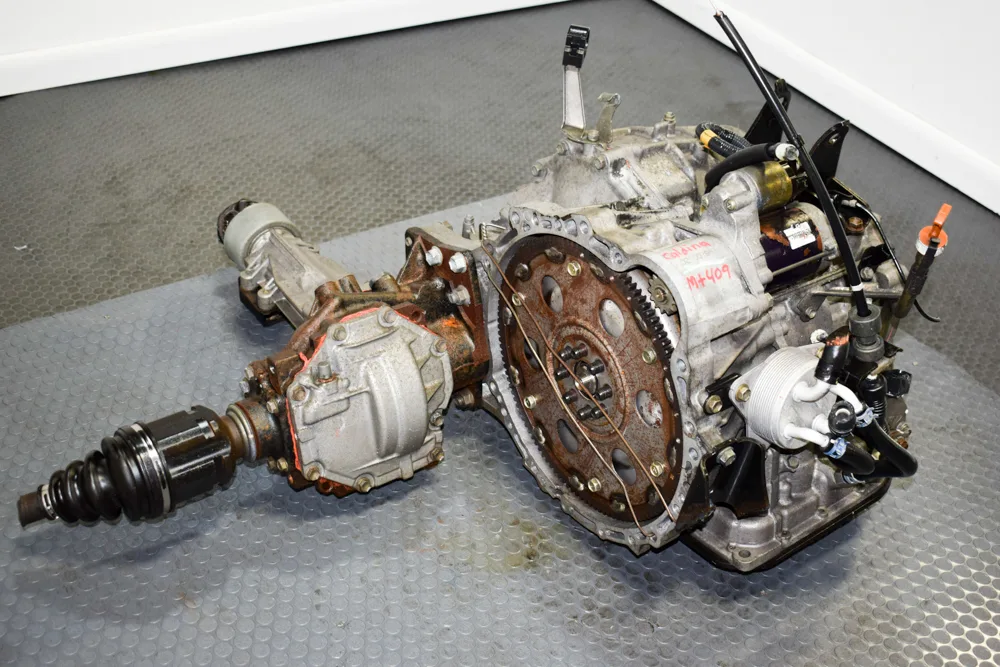
Image source: Bing (Web (fair-use with source credit))
How to Tell if Your RAV4 Has the Shudder
Take the car on a highway drive. Get up to 60 mph and hold steady speed. Do you feel a vibration through the floorboard or the seat?
Does it feel like driving over a rumble strip? That's the torque converter shudder. It's most noticeable when the engine is under light load, like cruising on flat ground.
The issue is worse on AWD models. The extra drivetrain weight puts more strain on the transmission. Some owners report the shudder starts as early as 40,000 miles.
Others don't feel it until 80,000 miles. There's no way to predict when it will show up.
The Fix: TSB 0061-16 and What It Costs
Toyota issued TSB 0061-16 to address this problem. The fix involves replacing the torque converter, flushing the transmission fluid, and reprogramming the transmission control module. Toyota extended warranty coverage on this component for some owners.
Not everyone qualifies.
Check with your local dealer using your VIN. If you're out of warranty, expect to pay $3,000 to $4,500 at a dealership for the full repair. An independent transmission shop can do the same job for $2,500 to $3,500.
Some owners have had success with a transmission fluid change using Toyota WS fluid. That can reduce the shudder temporarily. But it's not a permanent fix.
The torque converter eventually needs replacement.
Excessive Oil Consumption (The 2AR-FE Engine Problem)
The 2.5L 2AR-FE engine in the 2016 RAV4 has a known oil consumption issue. Some engines burn through a quart of oil every 1,000 to 2,000 miles. That's excessive by any standard.
Toyota's official policy considers consumption acceptable up to one quart per 1,200 miles. Many owners disagree with that threshold.
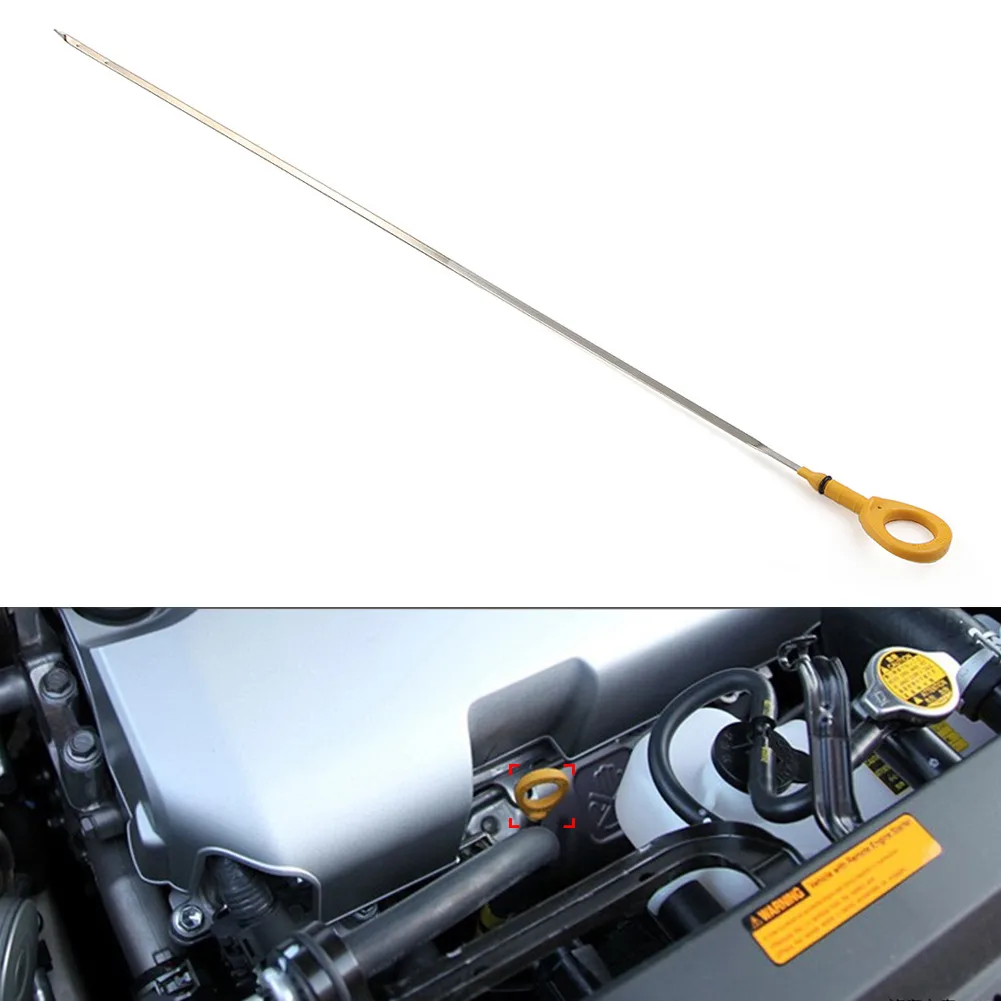
Image source: Web (Bing) / bobosigns.com (Web image (fair-use with source credit))
How to Test for Oil Consumption Yourself
Check the oil level when the engine is cold and on level ground. Top it off to the full mark. Drive exactly 1,000 miles under normal conditions.
Check the oil level again. If it's down a quart or more, you have a consumption problem.
Document everything. Write down the mileage, the date, and the oil level at each check. Toyota requires a formal consumption test before they authorize any repair work.
The test involves weighing the oil you add over a set distance. It takes about two weeks to complete.
What Toyota's Oil Consumption Policy Actually Covers
Toyota's warranty covers oil consumption repairs if the engine is still under the 5-year, 60,000-mile powertrain warranty. For engines beyond that, you're on your own. Some owners have gotten goodwill repairs from Toyota.
But it's not guaranteed and depends on your dealer's discretion.
The fix involves replacing the piston rings and sometimes the pistons themselves. That's a $3,000 to $5,000 job. If you catch it early, switching to a heavier oil like 5W-30 can slow the consumption.
It won't stop it, but it buys you time. Check your oil every 1,000 miles if you own a 2016 RAV4. Running it low on oil can cause engine damage.
Electrical Gremlins: Battery Drain, Entune Freezes, and Alternator Failure
The 2016 RAV4 has three common electrical issues. The first is a parasitic battery drain. The Entune infotainment system sometimes stays awake after the car is off.
It slowly drains the battery overnight. Owners arrive at a dead battery the next morning with no warning.
The second issue is the Entune system itself. It freezes, lags, and drops Bluetooth connections randomly. A firmware update from the dealer can help.
But it doesn't always solve the problem permanently. If you're dealing with camera or display glitches, we've covered how to troubleshoot those issues separately.
The third issue is alternator failure. The alternator can fail as early as 60,000 miles. Symptoms include a dimming dashboard, flickering headlights, and a battery warning light that comes and goes.
Replacement cost runs $600 to $900 at a shop. The alternator itself is about $250 to $400 for a quality remanufactured unit.
How to Diagnose a Parasitic Battery Drain
Test this with a multimeter. Set it to measure DC amps. Disconnect the negative battery cable.
Connect the meter between the negative terminal and the cable. A reading above 50 milliamps indicates a drain.
Start pulling fuses one at a time. When the reading drops, you found the circuit. The Entune fuse is the most common culprit.
Disconnecting the Entune module often solves the problem. But you lose the infotainment features. That's a trade-off some owners choose to make.
Alternator Failure: What to Watch For
The alternator in the 2016 RAV4 has a higher failure rate than expected. The voltage regulator fails first. The battery light flickers on the dashboard.
The headlights dim when you hit the brakes. The car starts fine one day and won't start the next.
Have the charging system tested at any auto parts store. They do it for free. If the alternator output is below 13.5 volts, replacement is needed.
Use a Denso or Toyota OEM alternator. Aftermarket units often fail again within a year.
Recalls You Need to Know About (Safety and Legal)
The 2016 RAV4 has several open recalls that owners should check immediately. Even if you aren't experiencing problems, an open recall means a free fix at the dealer. Some of these recalls involve safety-critical components.
Fuel Pump Recall (20V-746)
The fuel pump can fail without warning. The engine stalls while driving and may not restart. Toyota replaces the fuel pump assembly free of charge.
This recall affects a large number of 2016 RAV4s built between 2015 and 2017. If you haven't had this done, schedule it now.
Brake Actuator Recall (21V-650)
The brake actuator can fail and cause an extended stopping distance. The brake pedal feels spongy or goes to the floor. This is a serious safety issue.
Toyota replaces the brake actuator assembly at no cost. Symptoms include a grinding noise from the brake pedal area and a warning light on the dashboard.
Takata Airbag Recall (19V-321)
The passenger front airbag inflator can rupture. In a crash, metal fragments can shoot into the cabin. This is a life-threatening defect.
Toyota replaces the inflator with a new one. The fix is free and takes about an hour. Check your VIN status even if you think it was done already.
How to Check Your VIN for Open Recalls
Go to the NHTSA website and enter your VIN. You'll see every open recall for your specific vehicle. You can also call any Toyota dealer with your VIN.
They'll tell you what recalls are outstanding and schedule the work. All recall repairs are free. Don't skip them.
How to Spot a Bad 2016 RAV4 (Pre-Purchase Inspection Checklist)
Buying a used 2016 RAV4 requires a careful inspection. The problems we've covered don't show up on every car. But if you know what to look for, you can avoid the worst ones.
Here's a checklist to use during your test drive and walk-around.
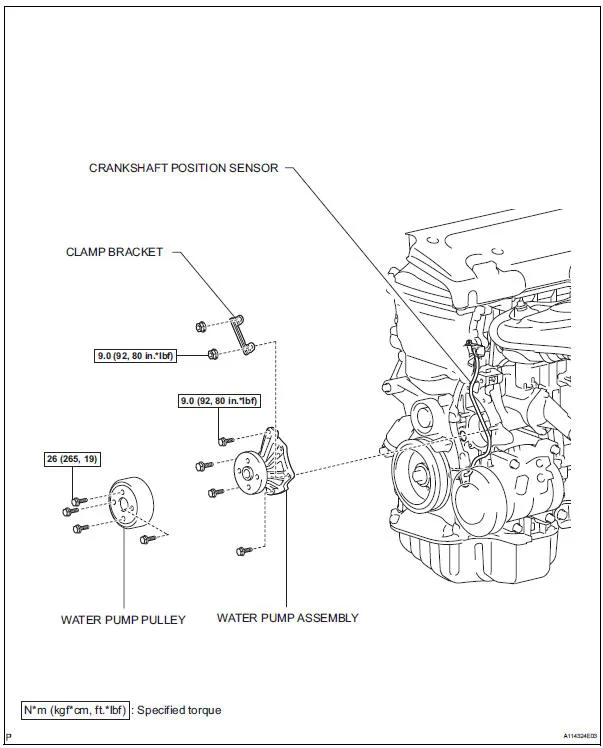
Image source: Bing (Web (fair-use with source credit))
What to Listen for on the Test Drive
Drive the car on a highway for at least 10 minutes. Hold 60 mph steady. Listen for a low-frequency vibration or shudder.
That's the torque converter issue. Acceleration from a stop should be smooth. Any hesitation or harsh shifting points to transmission problems.
Park on an incline. Let the engine idle. Listen for a ticking sound from the engine.
That can indicate low oil pressure from oil consumption. Check the exhaust for blue smoke. Blue smoke means burning oil.
White smoke means a coolant leak. Either one is a red flag.
What to Look for Under the Hood and Inside the Cabin
Open the hood with the engine running. Look for coolant stains near the water pump. A pink or green residue around the weep hole means the water pump is leaking.
That's a common failure on the 2AR-FE engine. Replacement costs about $400 to $600.
Check the oil dipstick. The oil should be clean and at the full mark. Low oil on a dealer lot means they're topping it off frequently.
That's a sign of consumption. Look at the battery terminals for white corrosion. The battery should be a recent date code.
Old batteries in a 2016 RAV4 often die from parasitic drain.
Inside the cabin, test the Entune system. Connect your phone via Bluetooth. Play music and make a call.
The system should respond quickly. If it lags or drops the connection, expect ongoing frustration. Check that the backup camera works and the display is clear.
If the screen goes black or the image flickers, there are known fixes for that specific problem.
The Truth About Oil Consumption: What to Expect and How to Test
We covered the basics earlier. But let's dig deeper into what oil consumption means for a long-term owner. Some 2016 RAV4s burn oil from the start.
Others don't develop the problem until 80,000 miles. There's no way to predict it.
The root cause is piston ring design. The 2AR-FE engine uses low-tension rings for fuel economy. They don't seal as well as traditional rings.
Oil slips past the rings into the combustion chamber. That oil burns off and leaves the engine as smoke.
If you own a 2016 RAV4, check the oil every 1,000 miles. Keep a quart in the cargo area. Top it off when needed.
Running the engine low on oil can cause bearing damage. That turns a $3,000 repair into a $6,000 engine replacement.
Toyota's official consumption test involves weighing the oil you add over 1,000 miles. If you add more than a quart, they consider the engine defective. But only if you're still under warranty.
For high-mileage cars, switch to a high-mileage oil. It has additives that help seal the rings. It won't fix the problem, but it reduces the burn rate.
Cost of Ownership: What Repairs Actually Cost
Let's talk numbers. The 2016 RAV4 has lower than average maintenance costs for the first 100,000 miles. But the major repairs we've discussed can hit hard.
Here's a breakdown of the common repair costs.
| Repair | Typical Cost Range | Frequency |
|---|---|---|
| Torque converter replacement | $2,500 – $4,500 | Common (40k-80k miles) |
| Oil consumption repair (piston rings) | $3,000 – $5,000 | Moderate (60k-100k miles) |
| Water pump replacement | $400 – $600 | Moderate (60k-80k miles) |
| Alternator replacement | $600 – $900 | Moderate (60k-90k miles) |
| Battery (parasitic drain fix) | $200 – $400 | Common (30k-60k miles) |
| Brake rotor replacement | $300 – $500 | Wear item (30k-50k miles) |
Transmission Repair vs. Replacement
If the torque converter fails and you ignore it, the transmission can fail. A full transmission replacement costs $4,500 to $6,500. That's almost half the car's value.
The cheaper option is to replace the torque converter early. That's the fix we discussed. Don't wait for the transmission to fail.
Average Annual Maintenance vs. Other Compact SUVs
The 2016 RAV4 costs about $400 to $600 per year in routine maintenance. That's oil changes, air filters, and brake pads. That's competitive with the Honda CR-V and Subaru Forester.
But if you need a major repair, the RAV4's costs are higher than the average compact SUV. The transmission and engine repairs are the reason.
2016 RAV4 vs. 2017 RAV4 (Is the Facelift Worth It?)
Toyota updated the RAV4 for 2017. The changes are small but meaningful. The 2017 model got a revised transmission calibration that reduces the shudder issue.
It also has a slightly improved Entune system with faster response times.
The 2017 model still uses the same 2AR-FE engine. So the oil consumption issue is still present. The 2017 also has the same recalls.
The main difference is the transmission tuning. If you're choosing between the two years, the 2017 is worth the extra money.
But the 2016 RAV4 Hybrid is a different story. The hybrid uses a different powertrain entirely. It doesn't have the torque converter or the 2AR-FE engine.
The hybrid is much more reliable. If you find a 2016 RAV4 Hybrid, it's a better buy than either gas-only model.
2016 RAV4 vs. Key Competitors (CR-V, Forester, CX-5)
The 2016 RAV4 competes with the Honda CR-V, Subaru Forester, and Mazda CX-5. Each has its own strengths and weaknesses. The CR-V from 2016 has fewer transmission issues but more air conditioning problems.
The Forester has better all-wheel drive but more engine issues. The CX-5 drives better but has less cargo space.
The RAV4's advantage is its resale value. Even with the problems, a 2016 RAV4 holds its value better than the competition. That's partly because Toyota's reputation for reliability is stronger than the actual data shows.
The average buyer doesn't know about the torque converter shudder or the oil consumption. They just see the Toyota badge.
Who Should Buy a 2016 RAV4 (And Who Should Walk Away)
A 2016 RAV4 makes sense for someone who can do basic maintenance themselves. If you can check oil, change a battery, and diagnose a parasitic drain, you can manage the common issues. The car is reliable once you address the known problems.
Walk away if you want a zero-hassle experience. The 2016 RAV4 requires attention. You need to check the oil regularly.
You need to test the transmission on a highway before buying. You need to budget for potential repairs. If that sounds like too much, look at a 2017 or later model, or consider the hybrid version.
Maintenance Tips to Keep a 2016 RAV4 Running to 200,000 Miles
With proper care, the 2016 RAV4 can reach 200,000 miles. Here's what the research shows works best.
Change the transmission fluid every 40,000 miles. Use Toyota WS fluid only. Don't use aftermarket fluids.
The transmission is sensitive to viscosity. Fresh fluid reduces the chance of torque converter shudder.
Check the oil every 1,000 miles. Top it off with the same weight and brand. Switch to a high-mileage oil after 80,000 miles.
The seal conditioners in high-mileage oil help reduce consumption.
Replace the water pump at 80,000 miles as preventive maintenance. The water pump is a known failure point. Replacing it before it leaks saves you from an overheating engine.
Do the thermostat at the same time. The parts cost about $150 total.
Replace the alternator at 90,000 miles if you plan to keep the car long-term. The alternator fails without warning. A preventive replacement costs $600.
A roadside tow and emergency repair costs more. It's worth doing early.
When to Walk Away: Red Flags That Aren't Worth the Discount
Some 2016 RAV4s are not worth buying at any price. Here are the red flags that should send you to the next listing.
A car with a shudder that the seller hasn't fixed. The torque converter replacement is expensive. If the seller won't negotiate on the price, you'll eat that cost.
Walk away.
A car with a history of oil consumption that hasn't been addressed. If the engine is burning a quart every 1,000 miles, the piston rings are worn. That's a $3,000 to $5,000 repair.
The seller should discount the car by that amount.
A car with an open recall that the seller hasn't completed. If they haven't done the fuel pump or brake actuator recall, what else have they neglected? A neglectful owner is a bad sign.
Move on.
A car with a salvage title or accident history. The 2016 RAV4 is complex enough without accident damage. Electrical issues are harder to diagnose on a repaired car.
Pay extra for a clean title car.
Frequently Asked Questions
Is the 2016 Toyota RAV4 a reliable car?
It depends on the specific car. The powertrain is generally reliable, but the transmission and oil consumption issues are common. A well-maintained 2016 RAV4 can reach 200,000 miles.
A neglected one will have expensive problems before 100,000 miles.
Does the 2016 RAV4 have transmission problems?
Yes. The torque converter shudder is the most common issue. It causes a vibration at highway speeds between 55 and 70 mph.
The fix involves replacing the torque converter and costs $2,500 to $4,500. Not all RAV4s have this problem, but enough do that you should test drive one before buying.
How much oil does a 2016 RAV4 burn?
Excessive oil consumption affects a significant number of 2016 RAV4s. Some burn a quart every 1,000 to 2,000 miles. Toyota considers up to one quart per 1,200 miles acceptable.
Check your oil level every 1,000 miles if you own one.
Are there any recalls on the 2016 Toyota RAV4?
Yes. There are three major recalls: the fuel pump (20V-746), the brake actuator (21V-650), and the Takata airbag (19V-321). Check your VIN on the NHTSA website to see if your car has open recalls.
All repairs are free at any Toyota dealer.
Is the 2016 RAV4 Hybrid more reliable than the gas version?
Yes. The hybrid uses a different transmission and engine. It doesn't have the torque converter issues or the 2AR-FE oil consumption problems.
The hybrid is more reliable overall. If you find a 2016 RAV4 Hybrid, it's a better used buy than the gas-only model.
What should I look for when buying a used 2016 RAV4?
Test drive it on a highway at 60 mph to check for transmission shudder. Check the oil level and look for signs of consumption. Test the Entune system for lag or freezing.
Check for open recalls. Look for coolant leaks from the water pump. A pre-purchase inspection by a mechanic is worth the cost.