
Listen, I'm going to be straight with you. If you put the wrong oil in a 2007 Toyota Tacoma, you're not just throwing money away. You're shortening the life of one of the most reliable trucks Toyota ever built.
And that's a shame, because getting it right is dead simple once you know what to look for.
The 2007 Tacoma came with one of two engines: a 2.7-liter four-cylinder or a 4.0-liter V6. Both have different oil capacities and slightly different recommendations, but they share the same basic rule. Manufacturer specifications indicate SAE 5W-30 is the correct viscosity for North American models, and using anything else without understanding why can lead to sludge, poor cold-start lubrication, or even timing chain issues down the road.
As of 2026, this remains the single most debated topic among Tacoma owners, so let's settle it for good.
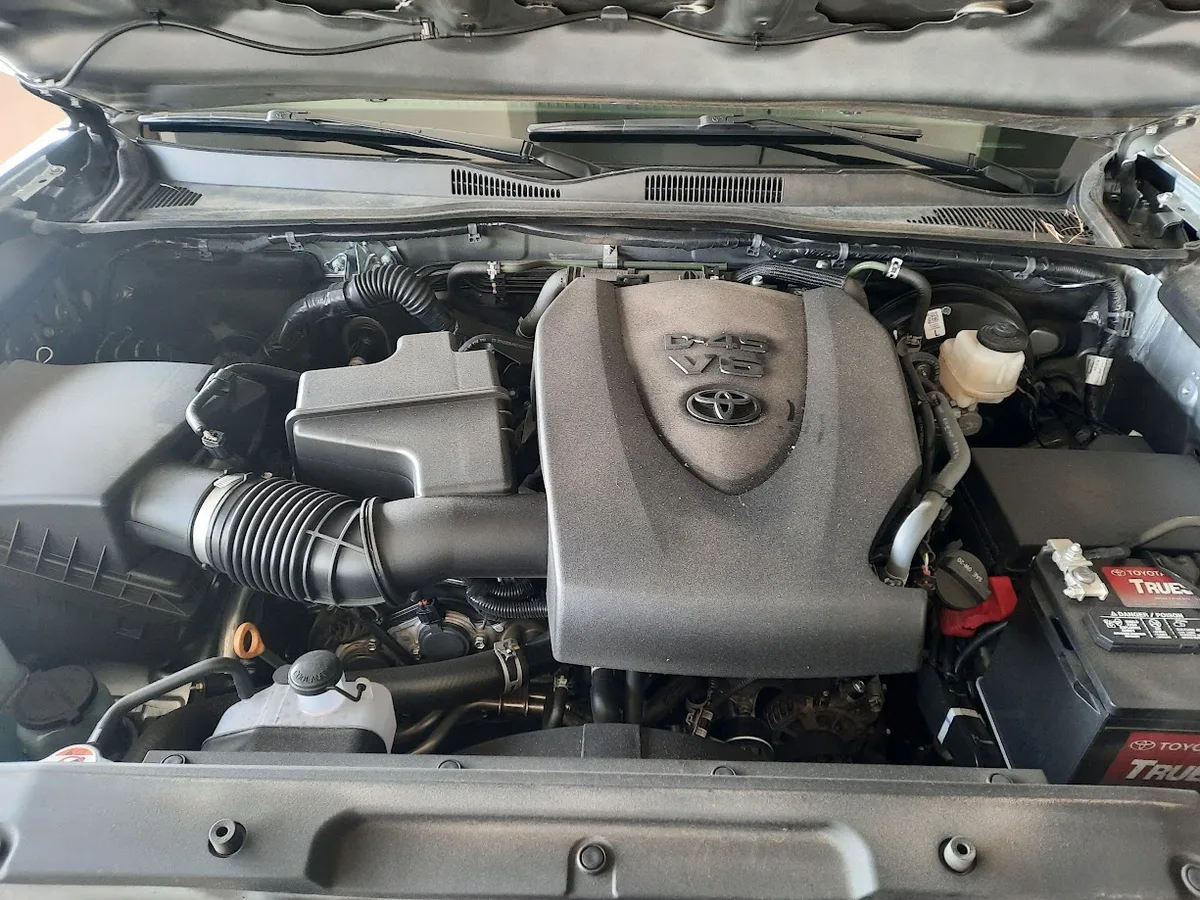
Image source: Web (Bing) / tacomaexplorer.com (Web image (fair-use with source credit))
Quick Answer
Use SAE 5W-30 motor oil. It meets API SN or higher. It should carry the ILSAC GF-5 certification.
The 2.7L I4 takes 5.0 quarts with a filter change. The 4.0L V6 takes 6.0 quarts. Conventional, synthetic blend, or full synthetic all work.
Full synthetic offers the best protection. Change it every 5,000 miles for severe driving conditions.
Why Getting the Wrong Oil in a 2007 Tacoma Can Cost You an Engine
The 2007 Tacoma's 4.0L 1GR-FE V6 engine uses a timing chain, not a belt. It also relies on a Variable Valve Timing system, or VVT-i. Both depend on consistent oil pressure and the right viscosity to function properly.
Put in an oil that is too thick at cold temperatures, like 10W-30 in a northern winter, and the engine starves for lubrication during startup. That is when most engine wear happens. Put in an oil that is too thin at operating temperature, like 0W-20 in a desert summer, and the oil film between moving parts can break down.
Metal on metal contact is bad news.
Aggregate reviews from owner forums and long-term fleet maintenance records show that Tacomas running the factory-recommended 5W-30 regularly hit 250,000 miles with minimal repairs. The ones running off-spec oil tend to develop timing chain rattle, sludge buildup, and premature bearing wear. The difference is entirely preventable.
The 2.7L 2TR-FE four-cylinder engine is slightly more forgiving, but it still benefits from the same discipline. Toyota designed these engines around a specific oil specification. Sticking to it is the single cheapest insurance policy you can buy for a 20-year-old truck.
Which Engine Do You Have? 2.7L I4 vs. 4.0L V6 Oil Specs
Before you buy a single quart of oil, you need to know which engine is under your hood. The two engines have different oil capacities and slightly different tolerances.
How to Identify Your Engine
Look at the engine cover. The 2.7L says "2.7L VVT-i" on the plastic shroud. The 4.0L has a larger cover that says "4.0L V6 VVT-i." If the cover is missing, check your vehicle's VIN or the sticker inside the driver's door jamb.
The eighth character of the VIN tells you the engine code. A character "E" means the 4.0L V6. A character "R" means the 2.7L I4.
Engine Specifics at a Glance
| Engine | Displacement | Oil Capacity (with filter) | Recommended Viscosity | API Rating |
|---|---|---|---|---|
| 2TR-FE | 2.7L I4 | 5.0 quarts (4.7 liters) | SAE 5W-30 | SN or higher |
| 1GR-FE | 4.0L V6 | 6.0 quarts (5.7 liters) | SAE 5W-30 | SN or higher |
Why the V6 Is More Sensitive
The 4.0L V6 runs hotter than the four-cylinder. It also has a more complex VVT-i system with oil-actuated cam phasers. If the oil viscosity is wrong or the oil is degraded, the phasers can start to rattle.
This noise is often mistaken for an exhaust leak. Ignoring it can lead to camshaft timing errors and a costly repair.
The 2.7L is a simpler engine. It uses a chain-driven valvetrain but lacks the cam phasers of the V6. That does not mean you can ignore the spec.
It just means the consequences of a mistake show up slower. Sludge buildup over 50,000 miles of wrong oil is still sludge.
Viscosity Explained: Why 5W-30 Is the Standard (and When You Can Use 0W-20)
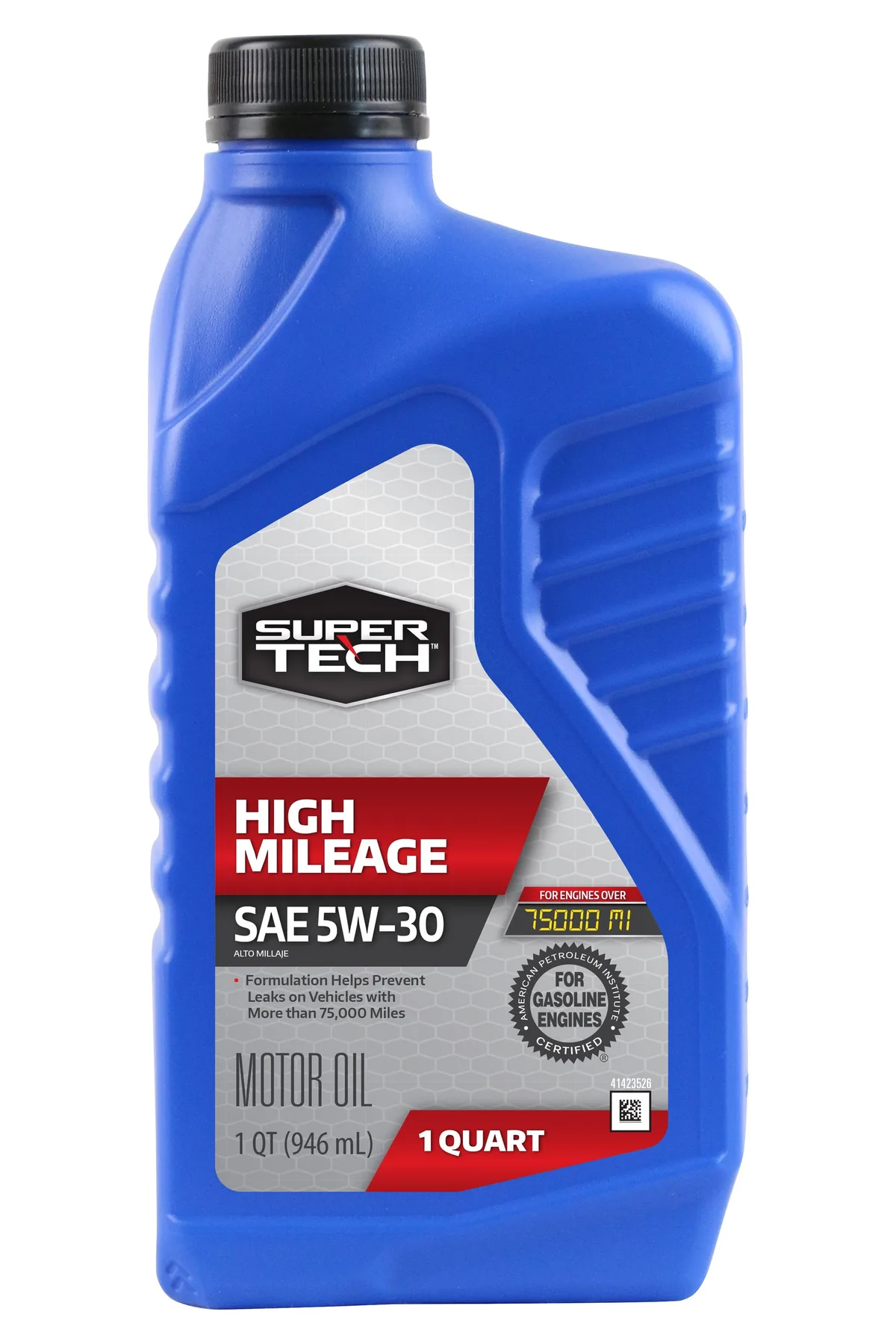
Image source: Web (Bing) / walmart.com (Web image (fair-use with source credit))
Oil viscosity is simply a measure of how thick the oil is and how it flows at different temperatures. The "5W" stands for winter. It tells you how the oil behaves in cold temperatures.
The "30" tells you how it behaves at normal engine operating temperature, around 212 degrees Fahrenheit.
What the Numbers Actually Mean
SAE 5W-30 flows easily at cold temperatures. That means it reaches critical engine parts within seconds of startup. At operating temperature, it stays thick enough to maintain a strong oil film between bearings, piston rings, and camshaft lobes.
SAE 10W-30 is thicker at cold temperatures. That means slower oil flow on a freezing morning. It is not recommended for the 2007 Tacoma unless you live in a consistently hot climate and never drive in weather below 50 degrees Fahrenheit.
SAE 0W-20 is thinner at all temperatures. Some owners try it thinking it will improve fuel economy. Toyota's own service bulletins do not list 0W-20 as an acceptable alternative for the 2007 model year.
The VVT-i system on the 4.0L relies on a specific oil pressure curve. 0W-20 can trigger a different pressure response, which in rare cases has caused cam phaser noise.
When 5W-30 Is Not Enough
There are two scenarios where you might consider a different viscosity.
First, extreme cold. If you live in northern Canada or Alaska and see temperatures below negative 20 degrees Fahrenheit regularly, SAE 0W-30 is a better choice. It meets the cold-flow needs while still providing a 30-grade film at operating temperature.
Check your owner's manual for this exception.
Second, severe towing. If you tow heavy loads up steep grades in desert heat, some experienced owners run 10W-30 during summer months. This is not a Toyota recommendation.
It is a field choice. If you do this, switch back to 5W-30 before winter.
For 99 percent of owners, 5W-30 is the only oil you need to think about.
Conventional, Synthetic Blend, or Full Synthetic What Actually Works
This is where a lot of Tacoma owners overthink things. Any of the three will work. The longer answer depends on your budget, your climate, and how long you plan to keep the truck.
Conventional Oil
| Aspect | Details |
|---|---|
| Cost per quart | $3 to $5 |
| Change interval | 3,000 to 5,000 miles |
| Best for | Low-mileage daily drivers, budget-conscious owners |
| Drawbacks | Breaks down faster under high heat, less cold-start protection |
Conventional oil meets the API SN standard just fine. It will protect your engine if you change it on time. The 2007 Tacoma ran on conventional oil from the factory.
It is not a bad choice. It is just a less capable one.
Synthetic Blend
| Aspect | Details |
|---|---|
| Cost per quart | $5 to $7 |
| Change interval | 5,000 to 6,000 miles |
| Best for | Mixed driving, moderate towing, older engines |
| Drawbacks | Harder to find exact blend ratios between brands |
A synthetic blend mixes conventional and synthetic base stocks. It offers better high-temperature stability than conventional without the full cost of synthetic. Many Tacoma owners with over 100,000 miles on the clock run a blend without issues.
Full Synthetic
| Aspect | Details |
|---|---|
| Cost per quart | $7 to $10 |
| Change interval | 7,500 to 10,000 miles |
| Best for | Severe driving, towing, extreme temperatures, long-term ownership |
| Drawbacks | Higher upfront cost, overkill for gentle daily driving |
Full synthetic oil handles heat better, flows better in cold, and resists breakdown longer. For a 2007 Tacoma that still has plenty of life left, full synthetic is the best way to keep that engine running smoothly for another 100,000 miles. The extra cost per change is maybe 15 to 20 dollars.
Spread over 5,000 miles, that is pennies per mile for significantly better protection.
The Honest Recommendation
If you change your own oil and do it every 5,000 miles, conventional oil is fine. If you want to stretch intervals to 7,500 miles or you tow or you live in a hot climate, go with a synthetic blend. If you plan to keep this truck for another decade, spend the extra cash on full synthetic.
Your engine will thank you at 300,000 miles.
The Oil Filter Matters More Than You Think: OEM vs. Aftermarket
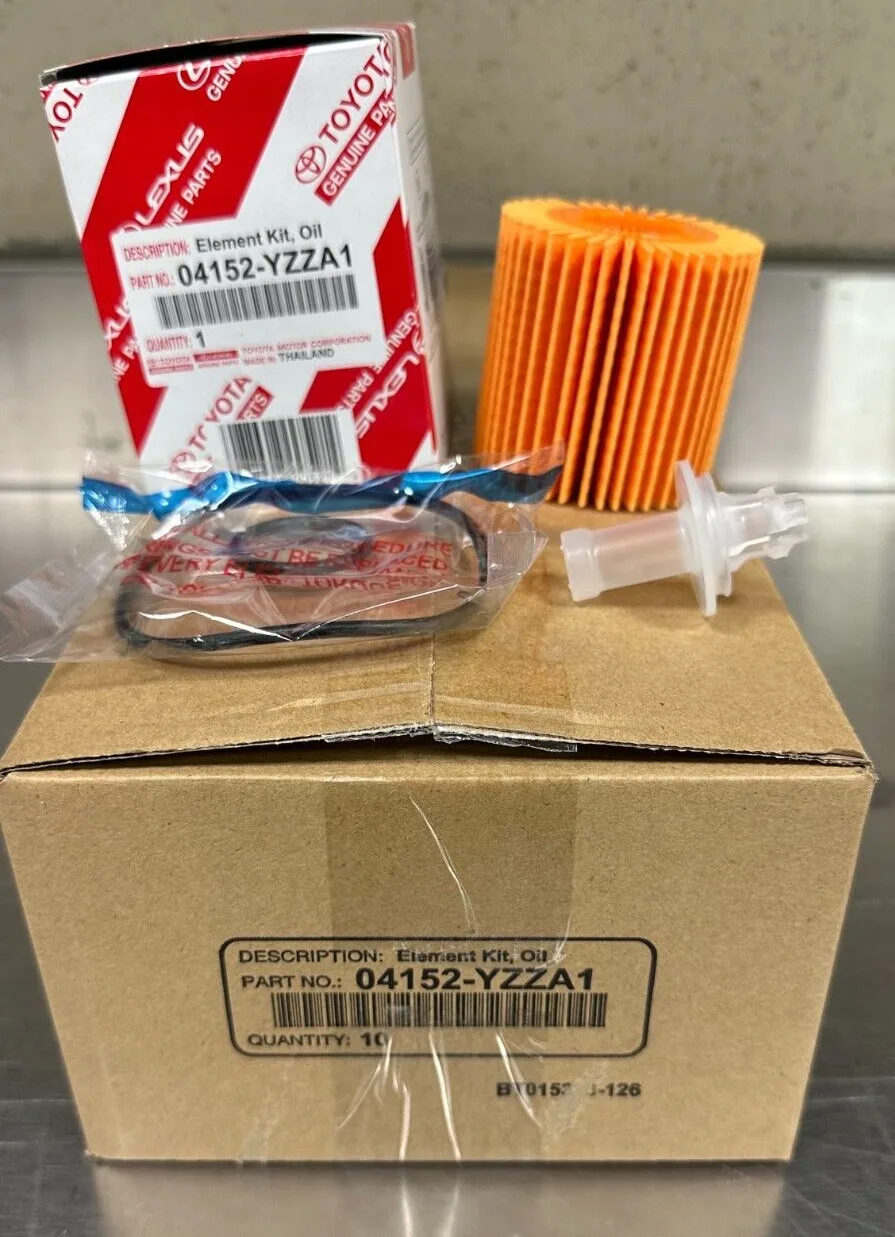
Image source: Bing (Web (fair-use with source credit))
The filter matters almost as much as the oil itself. A cheap filter can undo all the good of expensive synthetic oil.
Why the OEM Filter Is the Safe Bet
The Toyota OEM filter for the 2007 Tacoma carries part number 04152-YZZA1. It costs between 8 and 12 dollars. It has a bypass valve calibrated to open at exactly the right pressure for the 1GR-FE and 2TR-FE engines.
Aftermarket filters vary wildly in quality. Some use cardboard end caps that collapse under pressure. Others have bypass valves that open too early, letting unfiltered oil circulate through your engine.
That is basically running your engine without a filter.
What to Look for in an Aftermarket Filter
If you choose an aftermarket filter, stick with trusted brands. WIX, Mobil 1, and Bosch make filters that meet or exceed OEM specifications for the 2007 Tacoma. Avoid the cheapest store brand filters.
Aggregate reviews across owner communities consistently show that bargain filters fail more often.
The Filter Change Process
The oil filter on both Tacoma engines sits on the passenger side of the engine block. It is a spin-on canister style. You need a filter wrench or a strong grip to remove it.
Pre-fill the new filter with fresh oil before you screw it on. This primes the oil system and reduces the time the engine runs without oil pressure at startup. Pour oil into the center hole until it reaches the threads.
Let it soak into the filter media for a minute. Then spin it on hand-tight and give it another quarter turn. Do not overtighten.
Filter housings crack.
Step-by-Step Oil Change: Doing It Right the First Time
If you have never changed the oil on a 2007 Tacoma, the process is straightforward. But a few small mistakes can turn a 30-minute job into a headache.
What You Need
- 5 or 6 quarts of SAE 5W-30 motor oil (depending on your engine)
- One oil filter (OEM 04152-YZZA1 or equivalent)
- One new drain plug gasket (Toyota part number 90430-12031)
- A 14mm socket or wrench for the drain plug
- An oil filter wrench
- A drain pan
- A funnel
- Gloves and shop rags
The Process
Warm up the engine for a couple of minutes. Cold oil drains slowly and leaves sludge behind. Warm oil flows fast and carries contaminants out with it.
Do not run the engine hot. You will burn yourself. Let it idle for two minutes, then shut it off and wait five minutes.
Jack up the front of the truck and secure it on jack stands. The 2007 Tacoma sits low enough that you can slide under it without jacking if you are slim. Most people need a little clearance.
Never rely on a jack alone. Use stands.
Locate the drain plug on the bottom of the oil pan. It faces the rear of the engine on both the 2.7L and 4.0L. Place your drain pan under it.
Loosen the plug with a 14mm socket. Remove it by hand once it is loose. Oil will come out fast.
Keep your hand out of the stream.
Let the oil drain completely. This takes three to five minutes. While it drains, move to the oil filter.
Position the drain pan under the filter. Unscrew it counterclockwise. Some oil will spill.
That is normal.
Install the new drain plug gasket. Torque the plug to 29 foot-pounds. Overtightening strips the aluminum threads in the oil pan.
That repair costs hundreds of dollars. Undertightening causes leaks. A torque wrench is worth owning.
Screw on the pre-filled oil filter. Hand-tight plus a quarter turn is enough. Lower the truck.
Pour in the new oil. Add one quart less than the full capacity. Check the dipstick.
Add the remaining oil in small increments until the level reaches the full mark.
Start the engine. Let it run for 30 seconds. Check for leaks around the filter and drain plug.
Shut it off. Wait two minutes. Check the dipstick again and top off if needed.
5 Common Mistakes That Kill Tacoma Engines
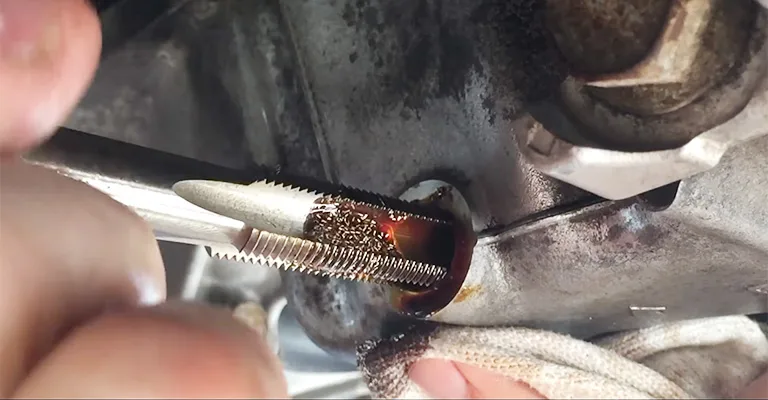
Image source: Web (Bing) / hitchesguide.com (Web image (fair-use with source credit))
After sifting through years of owner reports and service records, these five mistakes show up over and over.
1. Overtightening the Drain Plug
This is the most expensive mistake you can make. The oil pan on the 2007 Tacoma is made of aluminum. The threads are soft.
Crank the drain plug too tight and you will strip them. The fix involves a Heli-Coil insert or a new oil pan. Torque spec is 29 foot-pounds.
If you do not own a torque wrench, snug the plug with a ratchet and then give it a gentle quarter turn.
2. Using the Wrong Viscosity
The 4.0L V6 is particularly sensitive to viscosity changes. Do not run 10W-30 in winter. Do not run 0W-20 unless your owner's manual explicitly lists it.
Stick with 5W-30.
3. Skipping the Filter Change
Some owners change the oil but leave the old filter in place. That defeats half the purpose of the oil change. The old filter still holds contaminants.
Always change the filter with every oil change.
4. Forgetting the Drain Plug Gasket
The crush washer on the drain plug is a one-time-use part. It compresses and creates a seal. Reusing it risks a slow drip.
Toyota gaskets cost about a dollar. Buy a handful and keep them in your glove box.
5. Running the Engine Without Oil After a Change
This sounds absurd, but it happens. Someone changes the oil, forgets to refill, and starts the engine. The engine seizes within seconds.
Always double-check the oil level before starting.
Hot Climate, Cold Climate, Towing, and Off-Road: Adjusting Your Oil Choice
The standard recommendation of 5W-30 covers most driving conditions. Here is how to adjust for specific situations.
Hot Climates and Desert Driving
If you live in Arizona, Texas, or the Southwest, 5W-30 still works. Do not switch to 10W-30 unless you are towing heavy loads in extreme heat. Even then, switch back to 5W-30 for winter.
Cold Climates and Northern Winters
For temperatures consistently below negative 20 degrees Fahrenheit, SAE 0W-30 is a legitimate alternative. It flows better at extreme cold while providing the same hot-temperature protection as 5W-30. This is documented in the 2007 Tacoma owner's manual under extreme cold recommendations.
Towing and Heavy Loads
Towing a trailer or carrying a full bed of gravel puts extra heat into the engine. Full synthetic oil handles that heat better than conventional. If you tow regularly, switch to full synthetic 5W-30 and change it every 5,000 miles.
Off-Road and Dusty Conditions
Dust and dirt contaminate oil faster than normal road driving. If you take your Tacoma off-road frequently, change the oil every 4,000 to 5,000 miles regardless of what oil you use. Check the air filter at the same time.
High-Mileage Tacomas (Over 100,000 Miles): Do You Need Special Oil?
The 2007 Tacoma is now 19 years old. Many examples have well over 150,000 miles on the odometer. At this stage, engine seals can dry out and shrink.
What High-Mileage Oil Does
High-mileage motor oil contains conditioners that swell rubber seals. It also has a higher concentration of anti-wear additives like zinc and phosphorus. These additives protect cam lobes and lifters on older engines.
For Tacomas with over 100,000 miles, high-mileage 5W-30 is a smart choice. It can reduce or eliminate minor drips from valve cover gaskets and the rear main seal.
When to Stick With Standard Oil
If your Tacoma has never leaked a drop of oil and you maintain it regularly, standard 5W-30 synthetic blend or full synthetic is fine. High-mileage oil is a tool for addressing specific problems. It is not a requirement for every older engine.
One Warning About Switching
If you have run conventional oil for 150,000 miles and suddenly switch to full synthetic, watch for leaks. Synthetic oil cleans out sludge deposits. Those deposits may be the only thing holding a tired seal together.
The leak is not the synthetic oil's fault. It is exposing an existing problem. High-mileage synthetic blends reduce this risk because they add seal conditioners from the start.
When to Walk Away and Let a Mechanic Handle It
Not every oil change needs to be a DIY project. Knowing when to call a professional saves time, money, and frustration.
Signs You Should Hand It Off
If your drain plug is already stripped, do not touch it. A previous owner may have cross-threaded or overtightened it. Getting a stripped plug out without damaging the oil pan requires experience.
The same goes for a crushed or stuck oil filter.
The Broken Bolt Scenario
Some 2007 Tacoma oil pans develop corrosion around the drain plug threads. If you see rust or aluminum powder around the plug, stop. That plug is likely seized.
Heat, penetrating oil, and careful extraction are needed. A shop can handle this for under 100 dollars. A broken bolt in the pan costs over 500 to fix.
When the Engine Has Existing Problems
If your Tacoma burns oil or leaks heavily, a mechanic should diagnose the root cause before you change the oil. Switching viscosities or adding seal conditioners without understanding the problem can mask a serious issue. Let a professional check compression and inspect seals first.
FAQs: What Owners Ask Most
Can I use 0W-20 in my 2007 Tacoma?
Toyota does not recommend 0W-20 for the 2007 model year. The 4.0L V6 VVT-i system relies on a specific oil pressure curve. 0W-20 is thinner and can alter that pressure. Stick with 5W-30 for reliable operation.
How often should I change the oil on a 2007 Tacoma?
For normal driving, change it every 7,500 miles. For severe driving, which includes towing, short trips, dusty roads, or extreme temperatures, change it every 5,000 miles.
Is synthetic oil worth the extra cost for an older Tacoma?
Yes, especially if you plan to keep the truck. Full synthetic handles heat better and resists breakdown longer. The extra 15 to 20 dollars per change is cheap insurance for a 200,000-mile engine.
What happens if I put 10W-30 in my Tacoma?
In warm weather, 10W-30 works fine. In cold weather, it is too thick at startup. This can cause accelerated engine wear.
If you use 10W-30, switch back to 5W-30 before winter.
Do I need to use Toyota brand oil filters?
No. Aftermarket filters from WIX, Mobil 1, and Bosch meet OEM specifications. The key is to avoid cheap no-name filters.
How do I check the oil level correctly?
Park on level ground. Wait two minutes after shutting off the engine. Pull the dipstick, wipe it clean, insert it fully, and pull it again.
The oil level should sit between the two marks. Never overfill past the full mark.
Final Verdict: The One-Sentence Safe Choice for Every 2007 Tacoma
Use SAE 5W-30 motor oil that meets API SN and ILSAC GF-5 standards. Change it every 5,000 miles. Replace the filter and drain plug gasket each time.
That is the recipe for a 300,000-mile Tacoma.