
If you own a 2009 Toyota Venza, the correct oil type depends on which engine you have under the hood. Get it wrong and you risk sludge, reduced fuel economy, or long-term engine damage. Toyota engineered these engines with tight tolerances that demand a specific viscosity and certification level.
Manufacturer specifications indicate that both the 2.7L I4 and 3.5L V6 engines call for 0W-20 full synthetic oil meeting API SN or newer standards, as of 2026. The difference between these two engines and the climate you drive in can shift which oil is actually safest. Let's walk through what you need to know.
Quick Answer
The 2009 Toyota Venza takes 0W-20 full synthetic oil. Both the 2.7L I4 and 3.5L V6 require this viscosity. The oil must meet API SN or SP certification.
Capacity is about 6.5 to 6.9 quarts with filter. Toyota recommends genuine or an equivalent synthetic oil. Check your owner's manual to confirm.
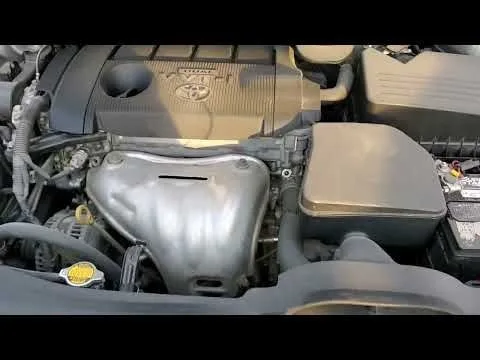
Image source: Bing (Web (fair-use with source credit))
The Two Engines – 2.7L I4 vs 3.5L V6 – and Why It Changes Everything
The 2009 Venza came with two engine options. They have different oil specifications despite both using 0W-20.
The 2.7L 1AR-FE inline-four is the base engine. It produces 182 horsepower. This engine is sensitive to oil quality.
It has a timing chain rather than a belt, and sludge buildup can cause chain tensioner issues. Stick with full synthetic 0W-20 and change it every 5,000 miles under severe service.
The 3.5L 2GR-FE V6 is the upgrade, making 268 horsepower. It's a proven, durable engine found in many Toyota and Lexus products. It also uses 0W-20, but it tolerates 5W-20 in a pinch more easily than the 2.7L does.
The factory recommendation remains 0W-20 full synthetic.
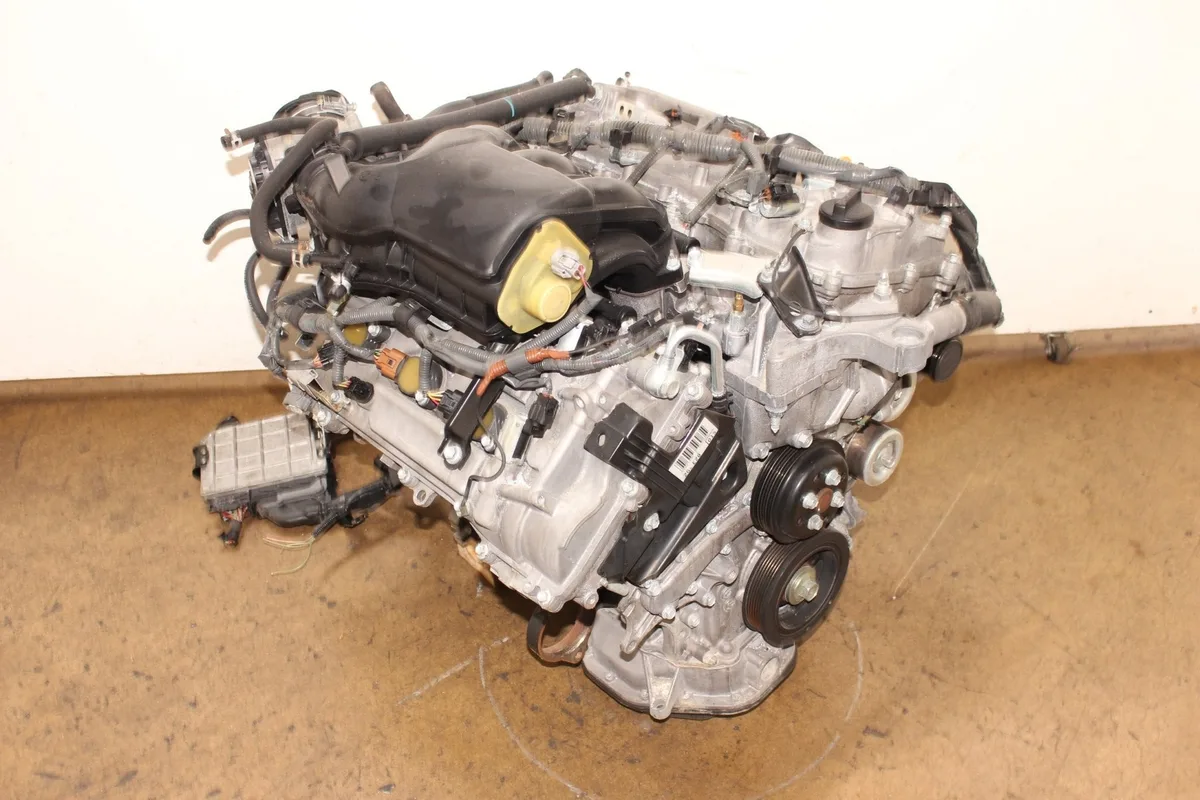
Image source: Bing (Web (fair-use with source credit))
How to tell which engine you have
| Engine | Badging | Visual Cue |
|---|---|---|
| 2.7L I4 | No "V6" badge on fender | Smaller engine cover, timing chain cover on driver's side |
| 3.5L V6 | "V6" badge on front fenders | Larger engine bay, two banks of cylinders visible |
If you're still unsure, check your VIN. The eighth character will be "3" for the 2.7L or "4" for the 3.5L.
Viscosity Explained: 0W-20 vs 5W-20 vs 5W-30
Oil viscosity ratings are simple once you understand the code. The first number (0W, 5W, 10W) tells you how the oil flows in cold temperatures. The "W" stands for winter.
Lower is better for cold starts. The second number (20, 30, 40) tells you how thick the oil stays at operating temperature.
0W-20 is the recommended oil for your Venza. It flows like a thin oil when cold for easy startup. It maintains enough protection at high temperatures.
It's the Goldilocks option.
5W-20 is slightly thicker when cold. Your Venza can use it down to about -10°F according to Toyota. At very cold temperatures, 0W-20 is still superior.
5W-30 is noticeably thicker at both cold and hot temperatures. Using it will reduce your fuel economy by roughly 1 to 2 MPG. It also increases engine wear during cold starts.
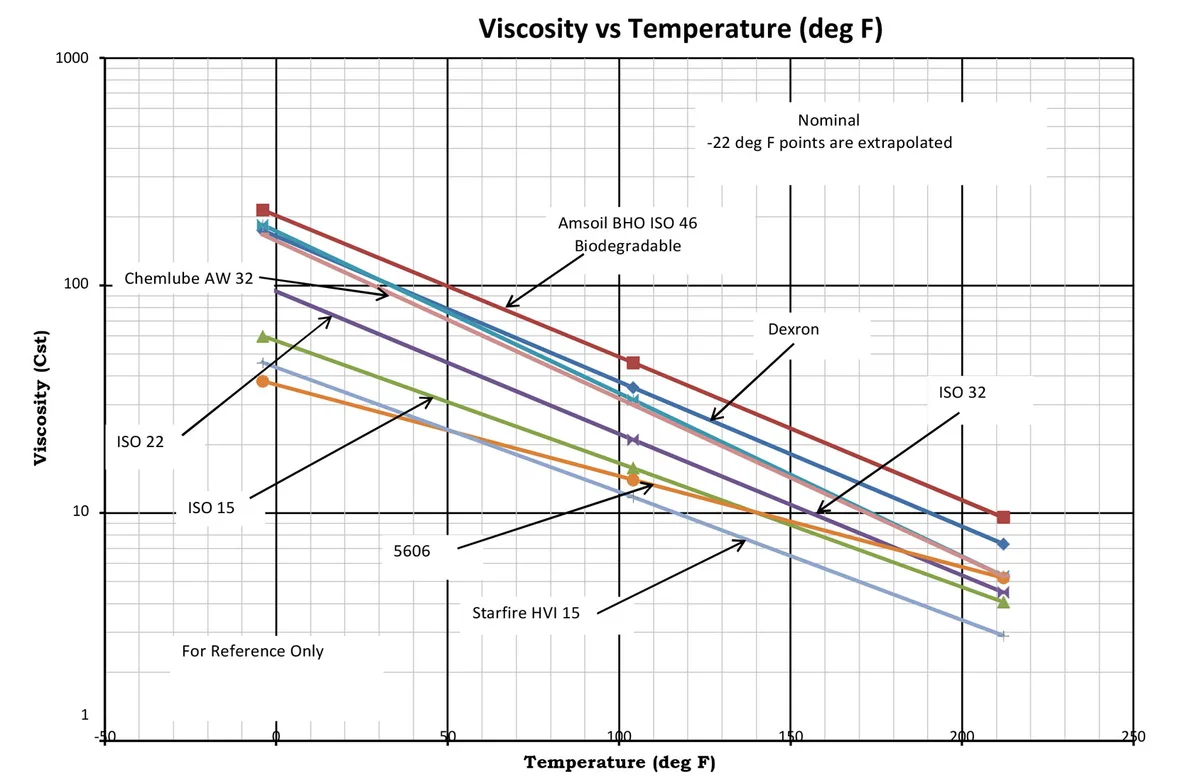
Image source: Web (Bing) / eerstkoffie.org (Web image (fair-use with source credit))
Viscosity decision guide
- Cold climate (Canada, northern US): Stick with 0W-20 year-round. No exceptions.
- Moderate climate: 0W-20 still recommended. 5W-20 acceptable in summer if you can't find 0W-20.
- Hot climate (desert southwest): 0W-20 full synthetic still handles the heat. The hot viscosity rating is the same regardless of the winter rating.
- Engine over 150,000 miles: Some mechanics suggest 5W-30 for worn engines. Toyota never officially recommended this. Stick with 0W-20 and change it more frequently.
API and ILSAC Certifications – Why the Starburst Symbol Matters
Those starburst symbols on oil bottles aren't just marketing. They tell you the oil has passed real testing by the American Petroleum Institute (API) and the International Lubricant Standardization and Approval Committee (ILSAC).
For your Venza, you need oil that carries the API "SN" or newer certification. SN Plus or SP are also fine. The SP rating, introduced in 2020, offers better protection against low-speed pre-ignition and timing chain wear.
It's backward-compatible and an excellent choice for the 2009 Venza.
Why this matters
- API SN or SP oils contain detergent packages that prevent sludge in the 2.7L engine.
- ILSAC GF-5 or GF-6 certified oils meet fuel economy standards and protect emissions systems.
- Oil without these certifications may lack proper anti-wear additives for your Venza's valvetrain.
How to check at the store
Look on the back of the oil bottle. First, the API "donut" with the service category. Second, the ILSAC starburst.
If either is missing, skip that oil.
Full Synthetic vs Synthetic Blend vs Conventional
Full synthetic is the only type Toyota recommends. It flows at low temperatures while staying stable at high heat. It resists breakdown longer than other types.
The 2.7L engine especially benefits from its superior detergent package.
Synthetic blend is a mix of conventional and synthetic base oils. It's better than straight conventional oil but not as good as full synthetic. The savings aren't worth the reduced protection.
Conventional oil should never go in a 2009 Venza. It lacks the thermal stability and detergency these engines need. Using it can accelerate sludge formation in the 2.7L engine.
What the owner's manual says
The manual calls for "API certified SAE 0W-20" and recommends "Toyota Genuine Motor Oil or equivalent." You don't need the Toyota-branded bottle. Any major brand that carries API SN or SP certification and the ILSAC starburst is fine.
Step-by-Step: How to Change Your Venza's Oil
What you'll need
- 6.5 to 6.9 quarts of 0W-20 full synthetic meeting API SN or SP
- Oil filter: OEM part 04152-YZZA6 or equivalent
- 14mm socket, oil filter wrench, drain pan, funnel, torque wrench
- New drain plug washer, gloves, shop rags
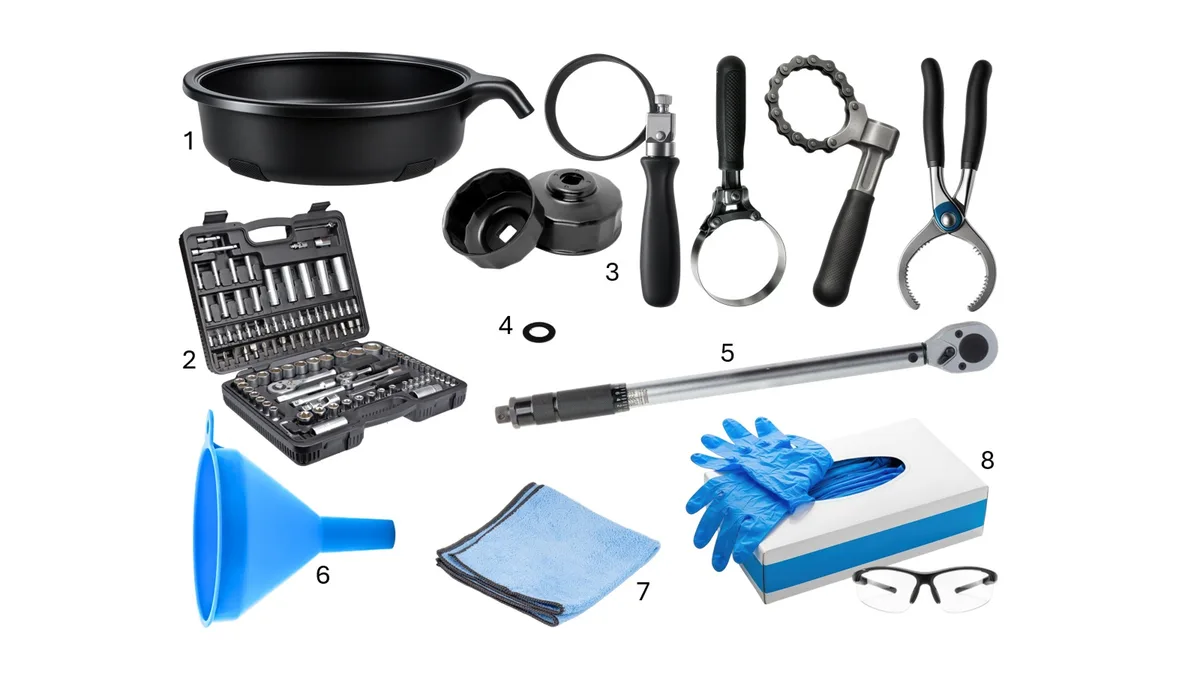
Image source: Bing (Web (fair-use with source credit))
The process
Warm up the engine for about 5 minutes. Hot oil drains faster and carries more contaminants out.
Jack up the Venza safely. Use jack stands at the designated lift points. Never rely on the scissor jack alone.
Remove the drain plug. Use a 14mm socket. Turn counterclockwise. Let the oil drain for at least 10 minutes.
Replace the drain plug washer. This critical step prevents leaks. Torque the plug to 29 ft-lb for the 2.7L or 33 ft-lb for the 3.5L.
Remove the old oil filter. On the 3.5L engine, it's tucked near the front. On the 2.7L, it's on the driver's side. Use an oil filter wrench if it's stuck.
Pre-fill the new oil filter. Pour fresh oil in until it's about halfway full. Rub a thin layer of oil on the gasket. This prevents dry starts.
Install the new filter. Screw it on by hand until the gasket contacts the mounting surface. Tighten another 3/4 turn. Hand-tight is correct.
Add new oil. Use a funnel. Add about 6 quarts, then check the dipstick. Add slowly until you reach the full mark. Total capacity is 6.5 quarts for the 3.5L or 6.9 quarts for the 2.7L.
Start the engine. Let it run for 30 seconds. Check for leaks around the drain plug and filter. Turn off the engine, wait 2 minutes, and recheck the dipstick.
Reset the maintenance light. With the ignition off, press and hold the trip reset button. Turn the key to the "on" position. Keep holding until the light flashes and turns off.
Common Mistakes That Kill the 2.7L Engine
The 2.7L 1AR-FE engine is prone to oil sludge buildup if you cut corners. Toyota issued technical service bulletins about sludge prevention for this generation.
Mistake 1: Stretching oil change intervals
If you drive short trips, that counts as severe service. Change your oil every 5,000 miles, not 7,500.
Mistake 2: Using conventional oil
Conventional oil lacks the detergent package needed to keep the 2.7L's internal passages clean. Over time, varnish and sludge form inside the engine.
Mistake 3: Ignoring the oil filter
A cheap filter with a poor bypass valve can send unfiltered oil through your engine. Stick with the OEM filter or a premium aftermarket brand.
Mistake 4: Overfilling the oil
Too much oil causes foaming. Foam doesn't lubricate like liquid oil does. Fill slowly and check the dipstick multiple times.
Signs your engine already has sludge
- Ticking or rattling at startup that lasts more than a few seconds
- Oil pressure light flickering at idle
- Dark, gritty oil on the dipstick after a recent change
- Poor fuel economy that keeps dropping
When to Change It: Normal vs Severe Service
Toyota gives two maintenance schedules for the 2009 Venza.
Normal service: 7,500 miles or 12 months. This applies if you do mostly highway driving, live in a moderate climate, and don't tow.
Severe service: 5,000 miles or 6 months. This applies to most Venza owners. Severe service includes short trips under 10 miles, stop-and-go traffic, towing, dusty roads, and frequent idling.
If you're unsure, err on the side of more frequent changes. Oil is cheap. Engines are not.
What Happens If You Use the Wrong Oil
Using 5W-30 instead of 0W-20
This is the most common mistake. Cold starts are harder on the engine. Thicker oil takes longer to reach critical components.
You'll lose about 1 to 2 MPG on average.
Using conventional oil
Conventional oil breaks down faster. The detergents are weaker. The result is sludge, varnish, and eventually clogged oil passages.
Using oil without proper certification
Budget oils without API SN or SP certification lack modern anti-wear additives. Over 50,000 miles, the difference in engine wear can be significant.
What to do if you already used the wrong oil
Drive it gently for a few hundred miles without causing serious damage. Then change it again as soon as possible. Use the correct 0W-20 full synthetic with the right certifications.
Expert Tips from Toyota Mechanics
The 2.7L engine is the one that keeps mechanics busy. Most sludge-related failures come from two things: using conventional oil and stretching intervals past 7,500 miles.
Always use a genuine Toyota oil filter or a high-quality equivalent. Cheap filters can collapse internally. If you drive mostly short trips, change your oil at 5,000 miles without exception.
The 2.7L engine will reward you with hundreds of thousands of miles of service.
You can verify the latest API oil certification standards through the American Petroleum Institute's official site.
Frequently Asked Questions
Can I use 5W-30 in my 2009 Venza if I live in a hot climate?
Not recommended. 0W-20 full synthetic handles high heat without breaking down. The "20" in 0W-20 is the hot viscosity rating. Use 0W-20 year-round.
How much oil does a 2009 Venza take?
The 2.7L I4 takes 6.9 quarts with a filter change. The 3.5L V6 takes 6.5 quarts. Always check the dipstick after adding.
What happens if I put conventional oil in my Venza?
Change it as soon as possible. Conventional oil lacks the detergents your engine needs. Running it for a full interval increases sludge risk.
Does the 2009 Venza have an oil life monitor?
Yes. It tracks driving conditions and alerts you when a change is due. But it's calibrated for normal service.
Change the oil before the light comes on if you drive in severe conditions.
Is Toyota genuine oil better than other brands?
Toyota genuine oil meets the spec. Any major brand with API SN or SP certification and the ILSAC starburst performs identically. Mobil 1, Pennzoil, Castrol, and Valvoline are all fine choices.
Final Verdict
For your 2009 Toyota Venza, use 0W-20 full synthetic oil that meets API SN or SP certification. Change it every 5,000 miles if you drive short trips, or every 7,500 miles if you do mostly highway cruising. Choose a quality oil filter and replace it every time.
That single choice protects both engines. It keeps the 2.7L free from sludge. It keeps the 3.5L running smoothly for hundreds of thousands of miles.
And it saves you money at the pump over the long run.