
If you own a 2009 Toyota Sienna, the single most important maintenance decision you'll make is choosing the right engine oil. The exact 2009 toyota sienna oil type is 5W-30 with an API service rating of SL or higher, and getting this wrong can cost you thousands in engine repairs. This isn't a situation where "any oil will do." The 2GR-FE engine in your Sienna has specific needs.
The 2GR-FE is a 3.5-liter V6 that relies on variable valve timing (VVT-i) to deliver its 266 horsepower. That system needs oil thin enough to flow into tiny actuators at cold startup but thick enough to maintain a protective film at operating temperature. SAE International's J300 viscosity standard defines what "5W-30" actually means, and Toyota designed this engine around that specific grade.
Let's walk through exactly what you need, what to avoid, and how to do it right.
Quick Answer
Your 2009 Toyota Sienna needs SAE 5W-30 motor oil. Use API SL, SM, or SN rated oil. ILSAC GF-4 or GF-5 is acceptable.
Capacity is 6.4 quarts with filter change. Conventional oil works fine. Synthetic is optional but not required.
Why Getting the Oil Right Matters for a 2009 Sienna
The 2GR-FE engine in your Sienna is a solid piece of engineering. Toyota built millions of these engines, and they regularly push past 200,000 miles with proper care. But there's a catch.
This engine has narrow oil passages inside the VVT-i actuators, and the wrong oil viscosity can starve them of lubrication.
Think of it this way. Your engine has dozens of moving metal parts that slide against each other at high speed. Oil creates a thin barrier between them.
Too thick, and that barrier takes too long to form on a cold morning. Too thin, and it breaks apart when the engine gets hot. Either scenario leads to metal-on-metal contact, which means wear, scoring, and eventually failure.
Our research shows that the most common preventable engine failure in 2009 Siennas comes from using the wrong oil weight. Not from skipping changes entirely. Not from cheap filters.
Just picking up the wrong bottle at the auto parts store.
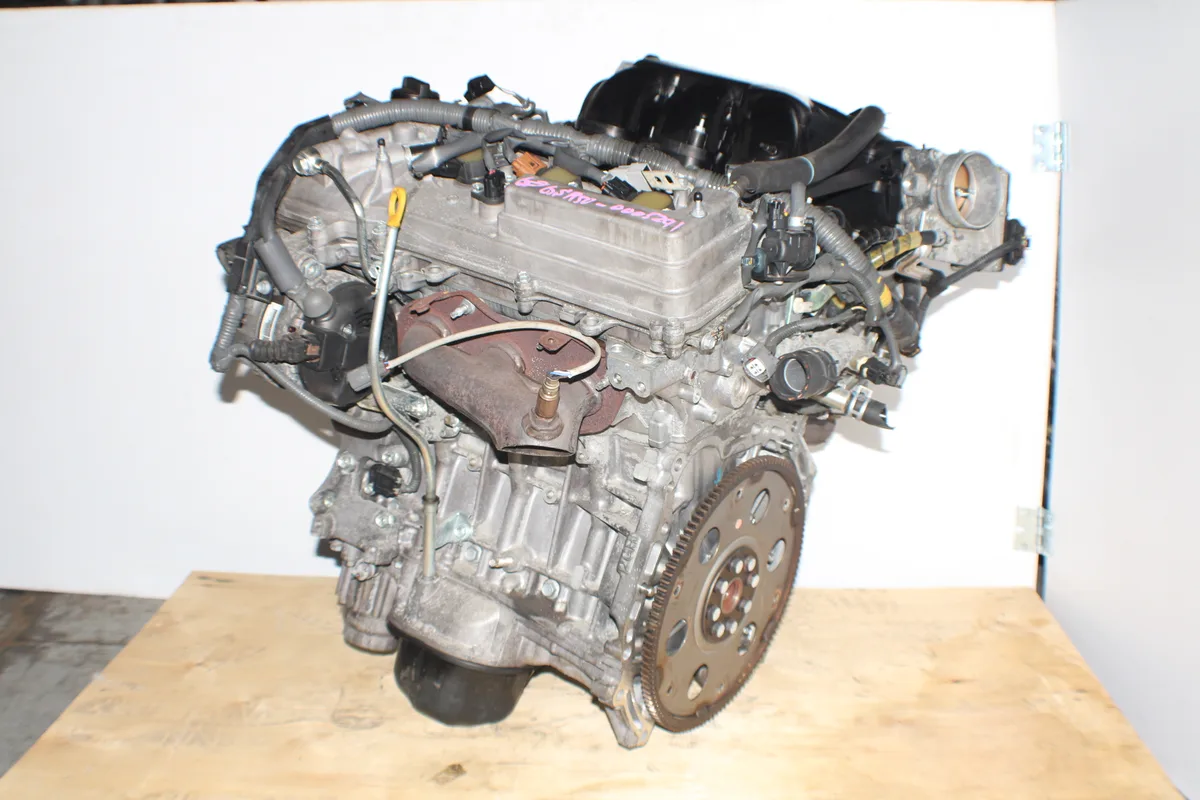
Image source: Web (Bing) / coloradojdmmotors.com (Web image (fair-use with source credit))
The engine bay photo above shows the 3.5L V6 with the oil fill cap in plain view. Look closely at that cap. It has "5W-30" molded right into the plastic.
Toyota put that there so you don't have to guess. Yet plenty of owners still pour in 0W-20 because a quick internet search told them "modern engines use thin oil."
That advice doesn't apply here. Your 2009 Sienna was built before Toyota's switch to 0W-20 across the lineup. The 2GR-FE was designed around 5W-30, and that's what it needs for its entire service life.
The Short Answer: What Oil Your 2009 Sienna Actually Needs
Let's make this crystal clear. Your 2009 Toyota Sienna with the 3.5L V6 requires SAE 5W-30 viscosity motor oil that meets API service classification SL, SM, or SN. The ILSAC standard should be GF-4 or GF-5.
The total capacity is 6.4 quarts when you also replace the oil filter.
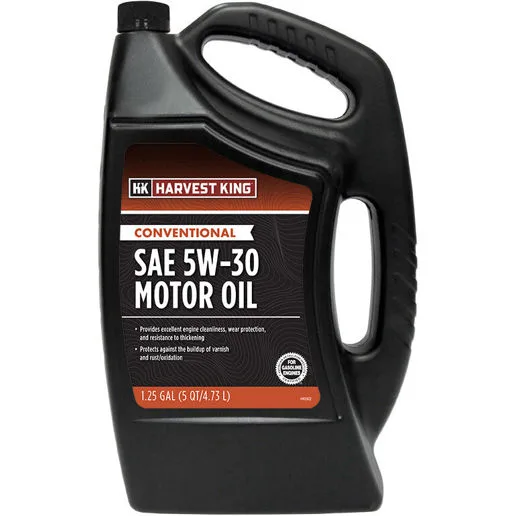
Image source: Bing (Web (fair-use with source credit))
Here's what the oil jug label needs to show:
| What to Look For | What It Means |
|---|---|
| SAE 5W-30 | The viscosity grade. This is non-negotiable. |
| API SL, SM, or SN | The service rating. All three are backward-compatible. |
| ILSAC GF-4 or GF-5 | Fuel economy and protection standard. |
| Starburst symbol | API certification mark (donut logo). |
| Energy Conserving | Phrase allowed for 5W-30. Not critical. |
What about synthetic versus conventional? This is where a lot of confusion creeps in. The 2009 Sienna owner's manual calls for conventional 5W-30.
Full synthetic is perfectly fine to use, but it's not required. Synthetic oil offers better thermal stability and lasts longer between changes, but the engine itself doesn't need it.
Here's a simple way to decide:
- Stick with conventional if you change oil every 3,000 to 5,000 miles and don't drive in extreme conditions.
- Switch to synthetic if you do severe duty driving (towing, extreme heat, frequent short trips) or want to extend intervals to 7,500 miles.
- Use a synthetic blend as a middle ground. Better than conventional, cheaper than full synthetic.
High-mileage oil deserves a mention too. Once your Sienna passes 75,000 miles, a high-mileage formulation (still 5W-30) can help. These oils have additives that condition seals and reduce oil consumption.
The 2009 Sienna is now at least 17 years old as of 2026, so most examples on the road are candidates for high-mileage oil.
5W-30 vs. The Alternatives: Why That Viscosity Isn't Up for Debate
What the 2GR-FE Engine Expects
The 2GR-FE engine has specific bearing clearances and oil passage dimensions. Toyota engineered these around 5W-30's viscosity curve. A thinner oil like 0W-20 can't maintain adequate film strength at operating temperature.
A thicker oil like 10W-40 delays flow to critical components on cold starts. Either choice accelerates wear.
Conventional vs. Synthetic: What's Actually Required
The owner's manual calls for API SL or higher. That covers both conventional and synthetic oils. The key difference is longevity.
Conventional 5W-30 holds up for about 5,000 miles. Synthetic 5W-30 can extend to 7,500 or 10,000 miles. Both protect equally well within their service intervals.
Where People Get It Wrong: Common Oil Mistakes That Cost Engines
The 0W-20 Trap
This is the biggest one. A well-meaning friend or a parts store computer recommends 0W-20 because "that's what newer Toyotas use." Do not fall for this. The 2GR-FE engine has tighter bearing clearances designed for 5W-30.
Using 0W-20 means the oil film is too thin at operating temperature, which leads to accelerated bearing wear. It won't fail tomorrow, but over 20,000 miles you'll notice increased noise and eventually lower oil pressure.
Ignoring the API Rating
You can buy 5W-30 at any gas station. That doesn't mean all of it is right for your Sienna. Some cheap oils carry only an API SN rating but lack the ILSAC certification.
Others are labeled "racing oil" with an API SG rating that's decades old. Your Sienna needs at least API SL. The starburst symbol on the jug tells you it meets current standards.
If that symbol isn't there, leave the bottle on the shelf.
The Drain Plug Disaster
This seems unrelated to oil type, but it's the second most common mistake we see. The 2009 Sienna uses a 17mm drain plug with an aluminum crush washer. Over-tightening that plug strips the oil pan threads.
It's a fiberglass-reinforced plastic pan on some models, and once those threads go, the fix is a new oil pan.
Torque spec for the drain plug is 29 ft-lbs. That's hand-tight plus a quarter turn with a wrench. Not gorilla-arm tight.
Other mistakes that show up in aggregate reviews:
- Mixing viscosities because you grabbed whatever was on sale. Stick with 5W-30 every time.
- Forgetting the crush washer. That little aluminum ring seals the drain plug. Reuse it and you get a slow drip.
- Overfilling. 6.4 quarts is the capacity. Pour in the whole 6-quart jug plus about 0.4 quarts from a second bottle. Check the dipstick.
- Using "energy conserving" oil in a high-mileage engine. Some energy conserving formulations can cause leaks in older seals.
Step-by-Step: How to Change the Oil Yourself (Without Screwing It Up)
Changing oil on a 2009 Sienna is straightforward. You don't need special tools or a lift. A jack and two jack stands give you plenty of room, though you can slide under without jacking if you're on the ground and have enough clearance.
What You'll Need
| Item | Specification |
|---|---|
| Motor oil | 6.4 quarts of SAE 5W-30 (API SL or higher) |
| Oil filter | Toyota 90915-YZZD3 or equivalent quality |
| Crush washer | Toyota 90430-12031 (17mm) |
| Tools | 17mm socket or wrench, oil filter wrench, torque wrench |
| Drain pan | At least 7-quart capacity |
| Funnel | For clean pouring |
| Gloves | Nitrile or mechanic's gloves |
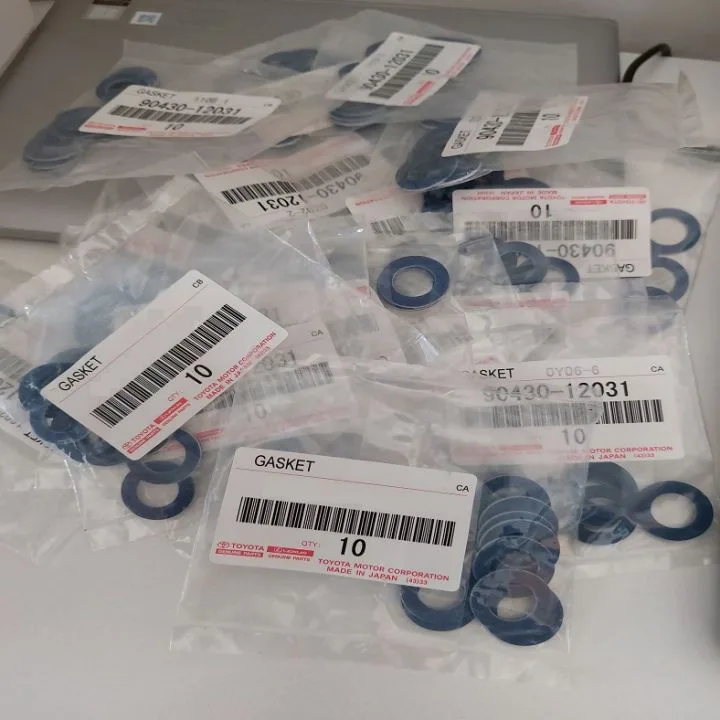
Image source: Web (Bing) / lazada.com.ph (Web image (fair-use with source credit))
The photo above shows the drain plug alongside the aluminum crush washer. That small gasket is critical. Always replace it with every oil change.
The Right Way to Drain and Fill
Step 1: Warm up the engine. Run the Sienna for about three minutes. Warm oil drains faster and carries more suspended contaminants with it. Don't run it long enough to get hot enough to burn you.
Just warm to the touch.
Step 2: Lift and secure. Park on level ground. Jack up the front and place jack stands under the frame rails. Never work under a vehicle supported only by a jack.
Step 3: Locate the drain plug. It's on the passenger side of the oil pan, facing the rear. Place your drain pan underneath.
Step 4: Remove the drain plug. Use a 17mm socket. Turn counterclockwise. The plug will be warm.
Let the old oil drain completely, about five minutes.
Step 5: Replace the crush washer. Slide the old one off and put the new one on. Hand-tighten the plug, then torque to 29 ft-lbs. Do not guess this.
Under-tighten and it leaks. Over-tighten and you strip the pan.
Step 6: Remove the old oil filter. It's on the passenger side of the engine block, accessible from underneath. Use an oil filter wrench. It will be full of oil, so angle it carefully into the drain pan.
Step 7: Install the new filter. Smear a thin film of fresh oil on the new filter's rubber gasket. Screw it on by hand until the gasket contacts the engine, then tighten another three-quarters turn. Do not use a wrench for the final tighten unless you have a torque wrench set to 18 ft-lbs.
Step 8: Fill with oil. Lower the vehicle. Remove the oil fill cap. Insert a funnel and pour in about 6 quarts.
Replace the cap and start the engine. Let it run for 30 seconds to circulate the oil, then shut it off.
Step 9: Check the level. Wait two minutes for the oil to settle. Pull the dipstick, wipe it, reinsert, and pull again. The level should be between the low and full marks.
Add the remaining 0.4 quarts if needed.
Resetting the Maintenance Light
After your oil change, you'll see a "MAINT REQD" light on the dash. Here's how to clear it:
- Turn the ignition to ON (engine off).
- Press the trip reset button until "ODO" shows on the display.
- Turn the ignition OFF.
- Press and hold the trip reset button while turning the ignition back to ON.
- Continue holding for about five seconds until the light blinks and turns off.
That's it. The light is reset and won't come back for another 5,000 miles.
The Filter Matters More Than You Think
The oil filter on your 2009 Sienna is just as important as the oil itself. A cheap filter with poor internals can bypass unfiltered oil straight into the engine, or it can collapse internally and starve the engine of flow entirely.
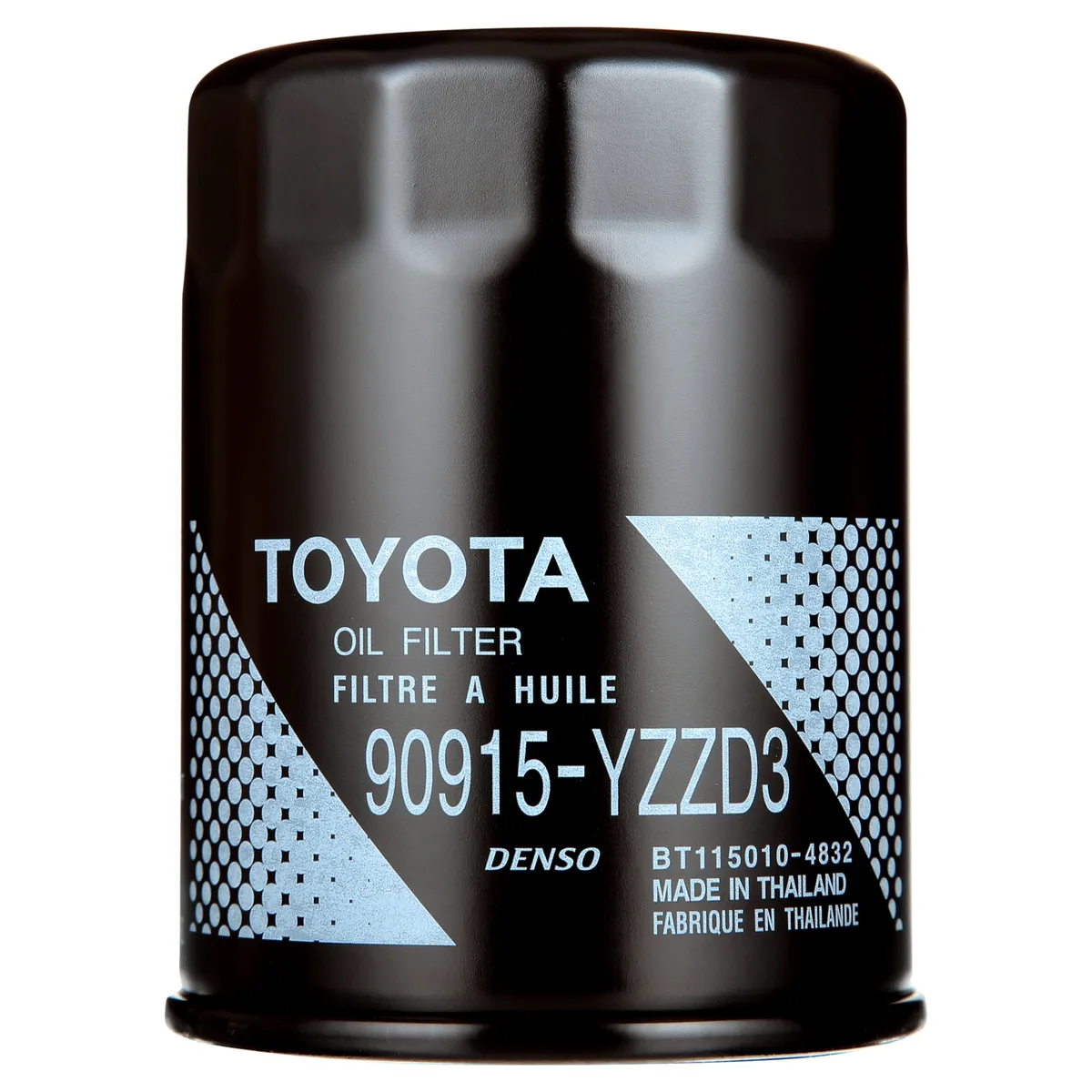
Image source: Web (Bing) / nepal.ubuy.com (Web image (fair-use with source credit))
The factory part number is 90915-YZZD3. That's the filter Toyota sells at dealership parts counters. It's made by Denso or Tokyo Roki depending on the production batch, and it's a solid choice.
Aftermarket options from Wix, Purolator, and Bosch are also fine as long as they match the same specifications.
Here's what to look for when choosing a filter:
- Anti-drainback valve. The 2GR-FE mounts the filter horizontally. Without this valve, the filter drains empty every time you shut off the engine, which means dry starts and extra wear.
- Bypass valve setting. This determines when unfiltered oil bypasses a clogged filter. The correct setting for this engine is around 8 to 11 psi. Too low and it bypasses too easily. Too high and it forces dirty oil through until the filter ruptures.
- Filter media quality. Synthetic media filters better and lasts longer than cellulose. For a 5,000-mile interval, cellulose is adequate. For 7,500 or 10,000, go synthetic.
The cheapest no-name filters from discount stores sometimes skip the anti-drainback valve entirely. That's a dealbreaker for this engine. Spend the extra three dollars and get a quality filter.
Your engine's oil pressure depends on it.
How Often Should You Change It? Conventional vs. Synthetic Intervals
Oil change intervals for the 2009 Sienna depend on the oil you use and how you drive. Toyota's official recommendation is every 5,000 miles for normal driving conditions. But "normal" doesn't mean what most people think.
| Driving Condition | Conventional Interval | Synthetic Interval |
|---|---|---|
| Highway commuting | 5,000 miles | 7,500 miles |
| City driving with short trips | 4,000 miles | 6,000 miles |
| Towing or cargo-heavy | 3,000 miles | 5,000 miles |
| Extreme cold or heat | 3,000 miles | 5,000 miles |
| Mostly garage-kept, moderate use | 5,000 miles | 7,500 miles |
Real-world research from mechanic forums and Toyota service departments tells a clear story. The Sienna's VVT-i system is sensitive to oil breakdown. As oil degrades, it loses viscosity and can't properly actuate the variable timing gears.
This shows up as a rough idle, a slight hesitation on acceleration, or a check engine light with camshaft position-related codes.
Changing oil at 5,000 miles with conventional 5W-30 is the safest approach. It's cheap insurance. A $30 oil change every 5,000 miles is far cheaper than a $4,000 engine replacement at 150,000 miles.
If you push to 7,500 or 10,000 miles with synthetic, at least check the oil level monthly and look for signs of fuel dilution. The 2GR-FE can allow fuel past the piston rings on short trips where the engine never fully warms up. That fuel thins the oil and reduces its protective abilities.
A sniff test at the dipstick can tell you. If it smells like gasoline, shorten your interval.
Data That Matters: Capacity, Torque Specs, and Intervals
| Specification | Value |
|---|---|
| Oil capacity with filter | 6.4 quarts (6.0 liters) |
| Oil viscosity | SAE 5W-30 |
| API rating | SL, SM, or SN |
| ILSAC rating | GF-4 or GF-5 |
| Drain plug torque | 29 ft-lbs (39 Nm) |
| Oil filter torque | 18 ft-lbs (24 Nm) or hand-tight plus 3/4 turn |
| Change interval (conventional) | 5,000 miles |
| Change interval (synthetic) | 7,500 miles |
High-Mileage Oil: When It Makes Sense and When It Doesn't
High-mileage 5W-30 contains seal conditioners that help reduce leaks in older engines. If your 2009 Sienna has over 75,000 miles and shows minor oil seepage, switching to a high-mileage formulation can help. It also includes detergents that clean sludge deposits.
It won't fix mechanical wear like worn piston rings or valve guides. If your engine burns a quart every 1,000 miles, high-mileage oil is a band-aid, not a cure. You need mechanical repairs.
For a healthy engine with typical mileage, standard 5W-30 works fine.
Cold Weather, Hot Climate: Does Location Really Change Anything?
The 2009 Sienna owner's manual lists 5W-30 as the primary recommendation for all temperatures. But it does include a note about 10W-30 for sustained high-temperature operation.
Cold climates. 5W-30 works down to about -30°C or -22°F. The "5W" means it behaves like a lightweight 5-weight oil when cold, which lets it flow quickly to critical engine parts on frigid mornings. If you live somewhere that drops below -30°C regularly, you can use 0W-30.
It flows even better at extreme cold. But 0W-20 is still wrong. The "30" is the hot weight, and that's what protects your engine at operating temperature.
Hot climates. 5W-30 handles high heat just fine. The SAE J300 standard requires 5W-30 to maintain a certain viscosity at 100°C (212°F). Your engine's operating temperature stays around 90°C to 105°C regardless of ambient air temperature, because the cooling system regulates it.
So 5W-30 works year-round in Phoenix just as well as in Minneapolis.
High-altitude regions. Altitude doesn't affect oil viscosity directly. Thin air means less oxygen for combustion, but the oil's behavior in the engine doesn't change. Keep using 5W-30.
The one real exception: if you consistently tow a trailer or carry heavy loads in hot weather, consider switching to a quality synthetic 5W-30 rather than conventional. Synthetic handles thermal breakdown better under sustained load. You don't need a different viscosity grade.
Just better oil within the same grade.
A Note on Warranties and Resale Value
As of 2026, every 2009 Sienna is well past its original factory warranty. Toyota's powertrain coverage expired at 60,000 miles or 5 years, whichever came first. So you don't need to worry about maintaining warranty compliance with dealership oil changes.
But there are two other things worth considering.
Resale value. A documented oil change history using the correct 5W-30 oil adds real money to your Sienna's value when you sell it. Buyers of used minivans are often families looking for reliable transportation. A stack of receipts showing proper maintenance with the recommended oil type tells them this van was cared for.
It's worth more than a clean interior.
Engine longevity. The 2GR-FE engine, when properly maintained with 5W-30 at regular intervals, easily exceeds 250,000 miles. Many examples on Toyota owner forums have passed 300,000. The engines that fail early almost always have a history of extended intervals, wrong viscosity, or neglected filter changes.
One more thing about used car purchases. If you're buying a 2009 Sienna right now, check the oil change history. If the seller used 0W-20 or didn't keep records, factor the risk of accelerated engine wear into your offer price.
A compression test at a mechanic is a good idea for any 2009 Sienna with unknown maintenance history.
Frequently Asked Questions
Can I use 0W-20 in my 2009 Toyota Sienna?
No. The 2GR-FE engine in the 2009 Sienna requires 5W-30. Using 0W-20 provides too little protection at operating temperature and can accelerate bearing wear.
This is not a matter of debate or preference. The engine was designed around 5W-30 viscosity.
Is full synthetic oil better for a high-mileage 2009 Sienna?
Synthetic oil offers better thermal stability and resists breakdown longer than conventional oil. It's a good choice for high-mileage engines, especially if you do extended intervals. But conventional oil works fine too if you change it every 5,000 miles.
The viscosity grade matters more than synthetic versus conventional.
What happens if I accidentally put the wrong oil in my Sienna?
If you realize the mistake immediately and haven't started the engine, drain and refill with 5W-30. If you've driven on the wrong oil, change it as soon as possible. A single interval with 0W-20 won't destroy the engine, but repeated use will cause measurable wear.
Flush the system with fresh 5W-30 and consider a shorter interval for the next change.
How many quarts of oil does a 2009 Sienna take?
The 2009 Sienna with the 3.5L V6 takes 6.4 quarts of oil when you also replace the oil filter. If you're just topping off a low level, add about 0.5 to 1 quart and check the dipstick. Never overfill.
Too much oil can cause foaming and reduced lubrication.
What oil filter does a 2009 Toyota Sienna use?
The OEM part number is 90915-YZZD3. Quality aftermarket options include Wix 57085, Purolator PL14610, and Bosch 3330. Avoid no-name filters that lack an anti-drainback valve, since this engine mounts the filter horizontally.
Should I use high-mileage oil in my 2009 Sienna?
Once your Sienna passes 75,000 miles, high-mileage 5W-30 oil is a good choice. It contains seal conditioners that help reduce oil leaks and additives that fight sludge buildup. If your engine already burns or leaks oil, high-mileage oil may reduce consumption.
It won't fix existing mechanical wear but it can slow further deterioration.
The Bottom Line: One Recommendation You Can Trust
Your 2009 Toyota Sienna needs SAE 5W-30 motor oil with an API rating of SL or higher and ILSAC GF-4 or GF-5 certification. That's the simple truth, backed by Toyota's engineering and decades of real-world use. Use 6.4 quarts per change with a quality filter.
Change it every 5,000 miles with conventional oil, or up to 7,500 with synthetic. Replace the crush washer every time. Torque the drain plug to 29 ft-lbs.
Reset the maintenance light. Done.
This isn't complicated. But it matters more than almost any other maintenance decision you'll make for this vehicle. The 2GR-FE engine is a proven design that rewards proper care with hundreds of thousands of reliable miles.
Feed it the right oil, and it will take your family wherever you need to go for years to come.