
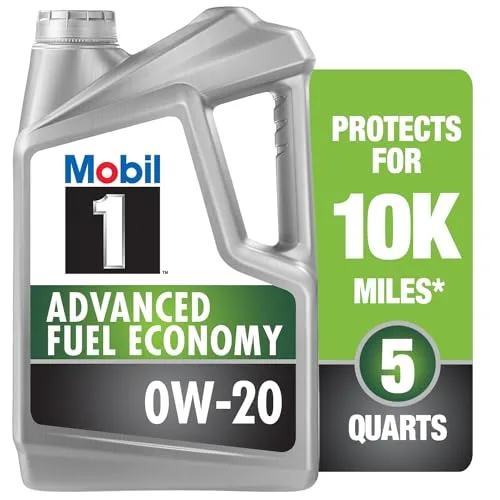
If you own a 2010 Toyota Highlander, picking the right oil is the most important thing you can do for its engine. The exact 2010 toyota highlander oil type recommended by Toyota is 0W-20 full synthetic. This isn't a suggestion. Using the wrong viscosity can hurt performance, fuel economy, and long-term reliability.
Manufacturer specifications call for an oil that meets API SN certification and ILSAC GF-5 standards. As of 2026, these ratings are still the baseline for this engine family. Let's break down what you need to know and why it matters.

Image source: Web (Bing) / enginehungry.com (Web image (fair-use with source credit))
## Quick Answer
The 2010 Toyota Highlander takes 0W-20 full synthetic oil. Both the 2.7L four-cylinder and the 3.5L V6 use this grade. The oil must meet API SN certification and ILSAC GF-5 standards. Toyota Genuine Motor Oil is the preferred choice. Any brand that meets these specs works fine.
## Why the Right Oil Matters for This Engine
The 2GR-FE and 1AR-FE engines in the 2010 Highlander use variable valve timing. VVT systems rely on precise oil pressure and flow. The wrong viscosity can cause the VVT actuators to rattle or fail. You might hear a ticking noise at startup. That's a sign the oil isn't flowing correctly.
Toyota engineered these engines specifically for 0W-20 oil. The lower viscosity reduces friction inside the engine. Less friction means better fuel economy. It also means less wear during cold starts, which is when most engine wear happens.
Many owners report 200,000 miles or more with regular oil changes using 0W-20 synthetic. Swapping to a thicker oil like 10W-30 can cut fuel economy by 1-2 MPG. The oil also serves as a hydraulic fluid for the VVT system. If the viscosity is too high, the timing adjustment can lag. This affects performance and can trigger the check engine light. Per the API certification standards, the correct oil grade ensures proper lubrication and protection.
## The Two Engines – 2.7L I4 vs. 3.5L V6 Oil Specs
The 2010 Highlander came with two engine options. Each has slightly different oil requirements.
### 2.7L I4 (1AR-FE Engine)
This engine uses 0W-20 full synthetic oil. The oil capacity with filter is 4.5 quarts. Toyota recommends the same oil for all climates. The 1AR-FE is a smaller engine, but it still needs the same viscosity for proper VVT operation.
### 3.5L V6 (2GR-FE Engine)
The V6 also requires 0W-20 full synthetic. The oil capacity is larger at 5.5 quarts with filter. This engine is more common in the Highlander lineup. It's also more sensitive to oil viscosity changes.
Here's a quick comparison for both engines.
| Specification | 2.7L I4 (1AR-FE) | 3.5L V6 (2GR-FE) |
|---------------|-------------------|-------------------|
| Oil capacity (with filter) | 4.5 quarts | 5.5 quarts |
| Recommended viscosity | 0W-20 | 0W-20 |
| Oil type | Full synthetic | Full synthetic |
| API rating | SN or higher | SN or higher |
| ILSAC rating | GF-5 or higher | GF-5 or higher |
Both engines share the same oil filter part number. The OEM filter is Toyota 90915-YZZD1. Aftermarket filters that meet OEM specs are also fine. Just make sure the filter is rated for the correct oil flow.
## Viscosity Explained – Why 0W-20 and Not Something Else
Oil viscosity can be confusing. Let's simplify it.
The "0W" part means the oil flows like a thin 0-weight oil when cold. The "W" stands for winter. This ensures the oil pumps easily through the engine at startup. The "20" means the oil thickens to a 20-weight at operating temperature. So 0W-20 is thin when cold and moderately thin when hot. That's what the 2010 Highlander's engine needs.
### Why Not 5W-30 or 10W-30?
Many older cars use 5W-30 or 10W-30. These are thicker oils. They work well for engines designed with looser tolerances. The 2010 Highlander's engines have tighter bearing clearances. Thicker oil can't flow into the tight spaces quickly enough. This causes a delay in lubrication at startup.
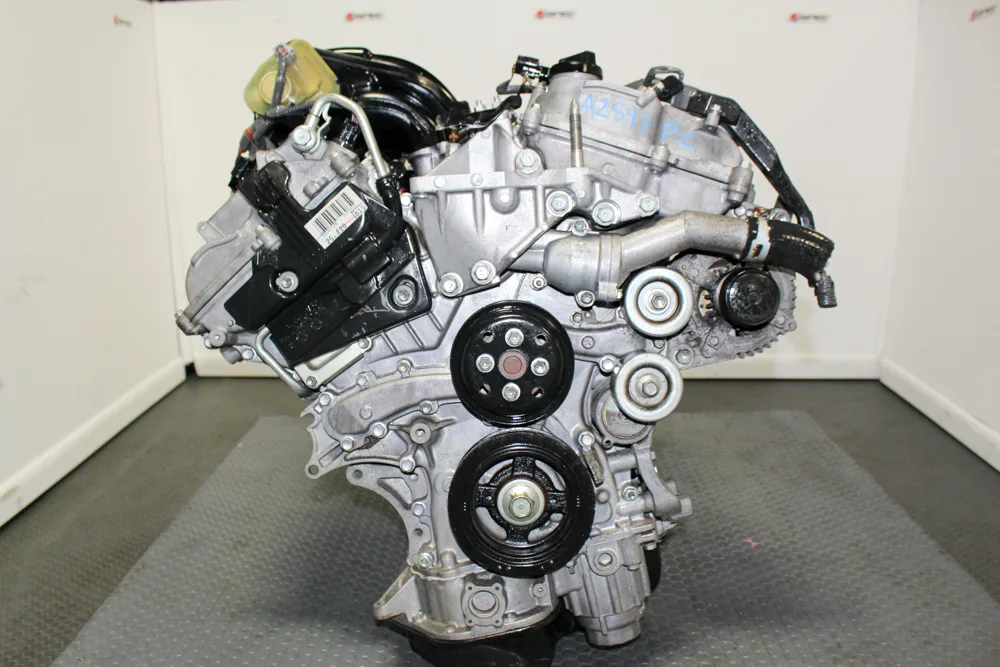
Image source: Bing (Web (fair-use with source credit))
The oil filler cap on the 2GR-FE engine clearly shows 0W-20. If you open your hood and check, you'll see it stamped right there. That's a good reminder every time you add oil.
Using 5W-30 is acceptable only in very hot climates if 0W-20 is not available. But Toyota recommends returning to 0W-20 as soon as possible.
### Full Synthetic vs. Conventional
The 2010 Highlander requires full synthetic oil. Conventional oil doesn't hold up as well in the tighter tolerances of modern engines. Synthetic oil also resists thermal breakdown better. That matters in the V6, which runs hotter than some older engines.
Synthetic blend oils are a step down from full synthetic. They might save you a few dollars per change. But the extra protection from full synthetic is worth it for the long haul.
## The Risks of Getting It Wrong – What Happens with the Wrong Oil
Using the wrong oil in your 2010 Highlander isn't a minor mistake. It can cause real damage.
### Sludge Buildup
The biggest risk is engine sludge. Sludge is a thick, gooey deposit that forms when oil breaks down. It clogs oil passages and starves the engine of lubrication. The 2GR-FE engine is particularly prone to sludge if oil changes are skipped or the wrong oil is used.
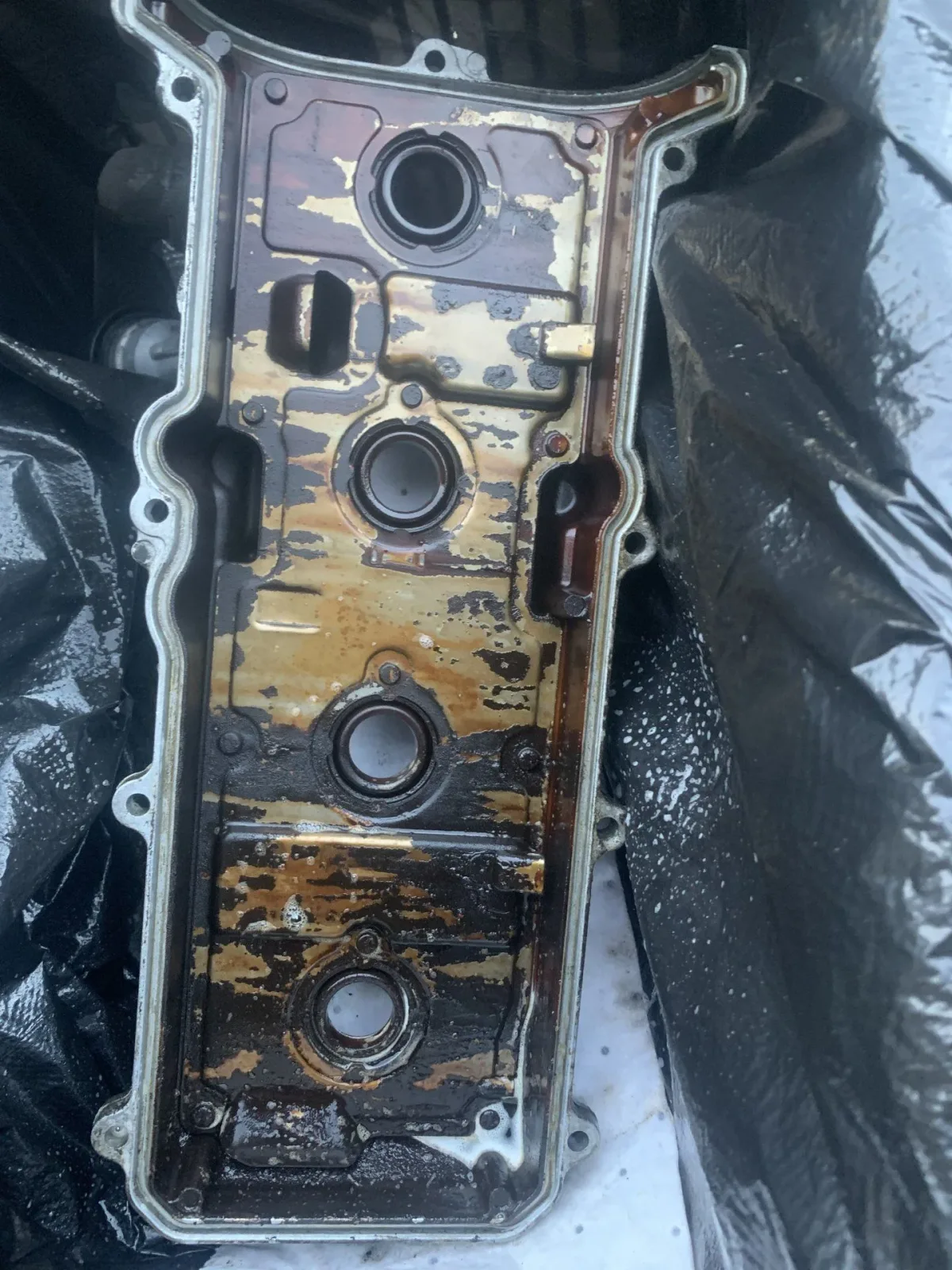
Image source: Web (Bing) / forum.ih8mud.com (Web image (fair-use with source credit))
That image shows what sludge looks like inside a valve cover. Once sludge forms, it's difficult to remove. In severe cases, the engine needs to be taken apart and cleaned. Sometimes the damage is permanent.
### VVT Actuator Rattle
Thicker oil can cause the VVT actuators to rattle. This sounds like a ticking or knocking noise at startup. If you ignore it, the actuators can fail. Replacing them is expensive.
### Reduced Fuel Economy
Thicker oil creates more drag inside the engine. The engine has to work harder to turn the crankshaft. This drops fuel economy by 1-3 MPG depending on the oil weight. Over a year of driving, that adds up to real money.
### Check Engine Light
Using the wrong viscosity can trigger the check engine light. The VVT system monitors oil pressure and timing. If the oil is too thick, the system can't adjust timing correctly. You'll get a code like P0010 or P0012.
### Warranty Issues
If your Highlander still has a powertrain warranty, using the wrong oil could void it. Toyota requires the correct viscosity and API rating. Keeping records of your oil changes is important. Save receipts showing the oil type and filter used.
Step-by-Step – How to Change Your Oil (The Right Way)
Changing the oil on a 2010 Highlander is straightforward. Here's the process that works best.
What You'll Need
- 0W-20 full synthetic oil (4.5 or 5.5 quarts depending on engine)
- Toyota 90915-YZZD1 oil filter or equivalent
- Oil filter wrench
- 14mm socket or wrench for the drain plug
- Drain pan
- Funnel
- Torque wrench (optional but recommended)
The Steps
- Warm up the engine. Run it for 2-3 minutes. Warm oil drains faster and carries more contaminants with it.
- Park on level ground. Engage the parking brake.
- Locate the drain plug. It's on the bottom of the oil pan. Place your drain pan underneath.
- Remove the drain plug. Turn it counterclockwise with your 14mm socket. Let the oil drain completely. This takes about 5 minutes.
- Remove the old oil filter. It's on the side of the engine block. Use your filter wrench. Oil will spill, so keep the drain pan under it.
- Install the new filter. Lubricate the rubber gasket with fresh oil. Screw it on hand-tight, then tighten another 3/4 turn.
- Reinstall the drain plug. Torque it to 29 ft-lb. Don't overtighten. The oil pan threads are aluminum and strip easily.
- Add new oil. Use a funnel. Add the correct amount for your engine. Replace the oil filler cap.
- Check the level. Start the engine and let it run for 30 seconds. Turn it off. Wait 5 minutes, then check the dipstick. Add more oil if needed.
- Reset the maintenance light. If your Highlander has one, press the trip reset button and turn the ignition to ON. Hold until the light flashes and turns off.
Dispose of the old oil properly. Most auto parts stores accept used oil for free.
Oil Capacity and Filter Specs – Quick Reference
Here's a quick reference for both engines.
| Engine | Oil Capacity (with filter) | Drain Plug Torque | Filter Part Number |
|---|---|---|---|
| 2.7L I4 (1AR-FE) | 4.5 quarts | 29 ft-lb | 90915-YZZD1 |
| 3.5L V6 (2GR-FE) | 5.5 quarts | 29 ft-lb | 90915-YZZD1 |
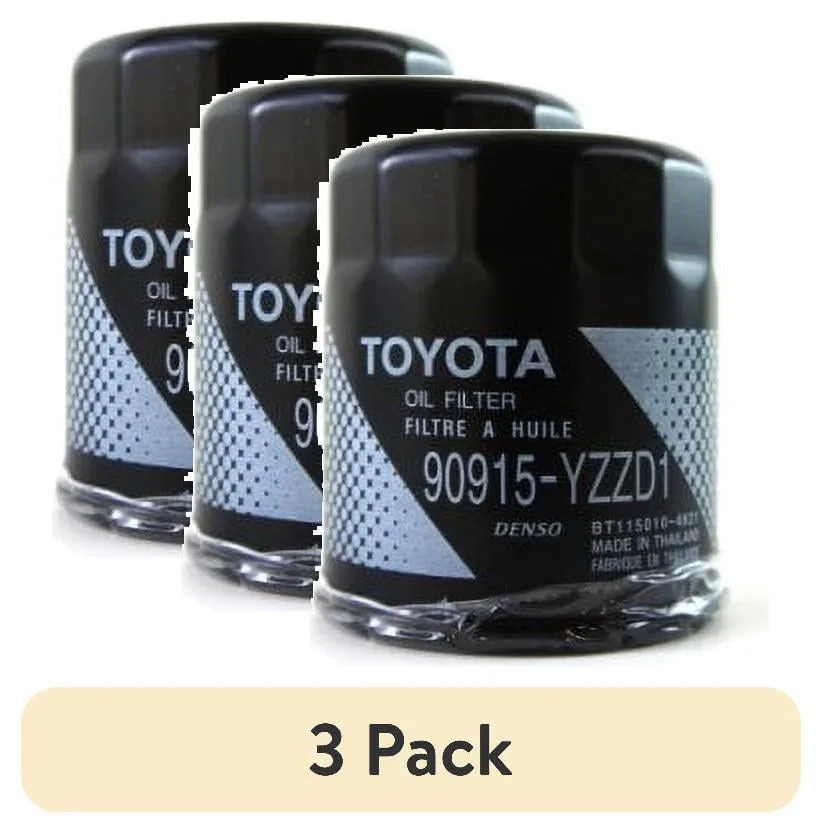
Image source: Web (Bing) / walmart.com (Web image (fair-use with source credit))
The OEM filter is widely available. Aftermarket options from brands like Purolator, Mobil 1, or Fram are also acceptable. Just make sure the filter meets the OEM specifications for flow rate and bypass pressure.
Common Mistakes DIY Owners Make
Even experienced DIYers slip up. Here are the most common mistakes to avoid.
Overtightening the Drain Plug
The oil pan is aluminum. It's soft. Over-torquing the drain plug can strip the threads.
A stripped pan means a replacement. That's expensive. Tighten to 29 ft-lb with a torque wrench.
Hand-tight plus a quarter turn is the alternative if you don't have one.
Overtightening the Oil Filter
Hand-tight is enough. Seriously. The filter's rubber gasket creates a seal.
If you use a wrench to crank it down, you'll have trouble removing it next time. You might even damage the filter housing.
Using the Wrong Oil Filter
Not all filters fit the same. Some aftermarket filters have different bypass valve pressures. The wrong pressure can restrict oil flow at startup.
Stick with the OEM filter or a reputable brand that specifically lists the Highlander.
Skipping the Filter Change
Every oil change needs a new filter. Running the old filter for two changes means the filter media is clogged. It can't trap contaminants.
Your new oil gets dirty faster.
Overfilling or Underfilling
Too much oil causes foaming. The oil pump can't circulate foam properly. Too little oil starves the engine.
Both cause damage. Always check the dipstick after filling.
Not Warming the Engine
Cold oil is thick and slow. It clings to the inside of the engine. If you drain cold oil, you leave a lot of old oil behind.
That dilutes the fresh oil. A 2-minute warmup fixes this.
High-Mileage Highlanders – When to Switch Formulas
If your 2010 Highlander has over 75,000 miles, you might consider a high-mileage oil. The difference is simple. High-mileage oils contain conditioners that can swell worn seals.
This helps reduce oil consumption and leaks.
Does It Actually Work?
In our research, many owners report positive results. A 2010 Highlander with 120,000 miles may start seeping oil from the valve cover gasket. High-mileage oil can slow or stop that seepage.
It's not a permanent fix for a bad gasket, but it buys time.
When to Use It
Switch to high-mileage oil if you notice any of these signs.
- Oil consumption between changes (adding a quart before the next change)
- Small drips or wet spots on the garage floor
- A slight burning oil smell after driving
When to Skip It
If your engine is clean and dry, you don't need high-mileage oil. Stick with standard 0W-20 full synthetic. The high-mileage additives won't hurt anything, but they're not necessary.
One important note. High-mileage oil is still 0W-20. Don't switch to a thicker weight like 5W-30.
That defeats the purpose. The high-mileage formula is just the same viscosity with extra additives.
Frequently Asked Questions
What happens if I use 5W-30 instead of 0W-20?
In cold weather, 5W-30 is thicker than recommended. This can cause sluggish oil flow at startup and increased wear. In hot weather, it's acceptable temporarily.
But Toyota recommends returning to 0W-20 as soon as possible.
Can I use conventional oil in my 2010 Highlander?
You can, but it's not recommended. The engine was designed for synthetic oil. Conventional oil breaks down faster and doesn't flow as well at low temperatures.
The small savings isn't worth the reduced protection.
How often should I change the oil?
Toyota recommends every 5,000 miles for severe driving conditions. That includes short trips, stop-and-go traffic, or extreme temperatures. For normal driving, 10,000 miles is acceptable with full synthetic.
Many owners prefer 5,000-mile intervals for peace of mind.
Does the 2010 Highlander burn oil?
Some 2GR-FE engines have reported oil consumption issues. It's not universal, but it's common enough to mention. Check your oil level every 1,000 miles.
If you consistently need to add oil between changes, consider switching to a high-mileage formula.
What oil filter should I use?
The OEM Toyota filter (90915-YZZD1) is the safest choice. Aftermarket filters from Mobil 1, Purolator, or Wix are also reliable. Avoid cheap no-name filters.
They often have poor filtration and incorrect bypass valves.
Can I switch to a different brand of oil?
Yes. Toyota Genuine Motor Oil is the brand recommendation, but any brand that meets API SN and ILSAC GF-5 standards works. Mobil 1, Castrol, Valvoline, and Pennzoil all make 0W-20 full synthetic oils that meet these specs.
Final Verdict – The Safe Choice for Your 2010 Highlander
The answer is simple. Use 0W-20 full synthetic oil that meets API SN and ILSAC GF-5 standards. Change it every 5,000 to 10,000 miles.
Use the correct OEM filter. Check the level regularly.
Don't overthink it. The 2010 Highlander's 2GR-FE and 1AR-FE engines are reliable when maintained properly. The right oil is the cheapest insurance you can buy.
Stick with the spec and your engine will reward you with hundreds of thousands of miles.