
The 2025 Tacoma comes with a completely different engine than the model it replaces. That changes everything about what oil goes in it. If you just grab the same bottle you used for your 2019 Tacoma, you could cause real damage.
The correct 2025 toyota tacoma oil type is a 0W-20 full synthetic that meets the API SP or ILSAC GF-6A specification. Nothing else belongs in that engine.
Toyota switched from the 3.5L V6 to a 2.4L turbocharged four-cylinder for the 2025 model year. This engine, code-named T24A-FTS, demands specific oil for two reasons: the turbocharger runs hot, and direct-injection engines are prone to a problem called low-speed pre-ignition (LSPI). The oil capacity is around 5.9 quarts with a filter change, and the fill cap is clearly marked with the required viscosity.
Let's walk through every detail you need to know, from the specs to the step-by-step process.
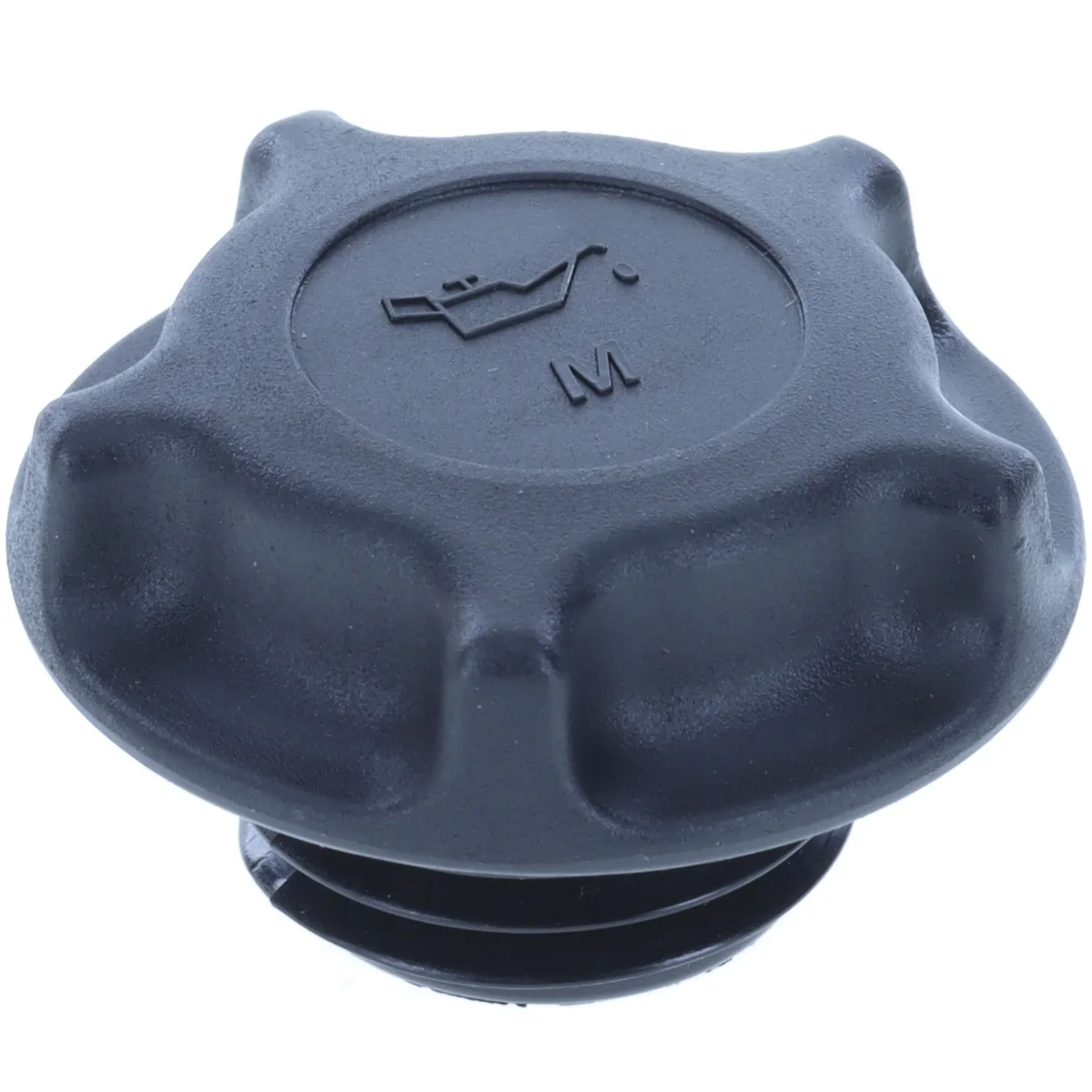
Image source: Web (Bing) / autozone.com (Web image (fair-use with source credit))
Quick Answer
The 2025 Tacoma requires 0W-20 full synthetic oil. It must meet API SP or ILSAC GF-6A standards. Do not use conventional oil.
Do not use 5W-30 unless the owner's manual explicitly permits it for extreme heat. Capacity is approximately 5.9 quarts with filter. The engine takes Toyota Genuine Motor Oil or any brand that carries the correct certifications.
Check the fill cap before starting anything.
What's Different About the 2025 Tacoma Engine (2.4L Turbo vs. Old V6)
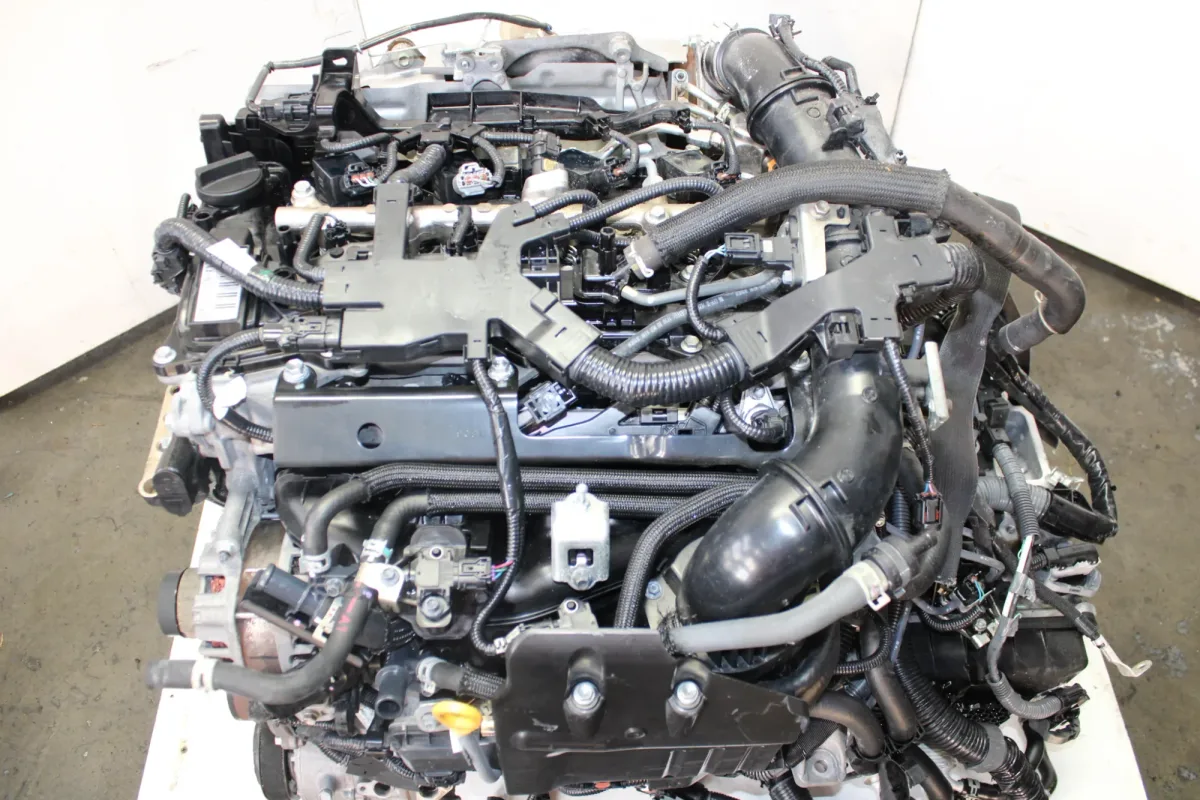
Image source: Web (Bing) / bestautomobileparts.com (Web image (fair-use with source credit))
The old Tacoma used a 3.5L naturally aspirated V6. It took 0W-20 too, but the stakes were lower. A V6 without a turbo is more forgiving.
The new 2.4L turbo isn't like that. Turbochargers spin at speeds over 100,000 RPM. The bearings inside that turbine rely on a thin film of oil under pressure.
Wrong viscosity or the wrong additive package and that film breaks down. Metal touches metal. That's a turbo replacement, not cheap.
There is also the LSPI issue. Low-speed pre-ignition happens when oil and fuel mix in the combustion chamber and ignite prematurely. It can crack a piston ring or punch a hole through the piston crown.
API SP certification specifically addresses this. Older API SN oils do not offer the same protection.
The hybrid version (i-Force Max) uses the same engine block and same oil requirements. Toyota did not change the oil spec for the hybrid. One less thing to worry about.
Oil Specs Decoded: Viscosity, Certification, and Why 0W‑20 Is Mandatory
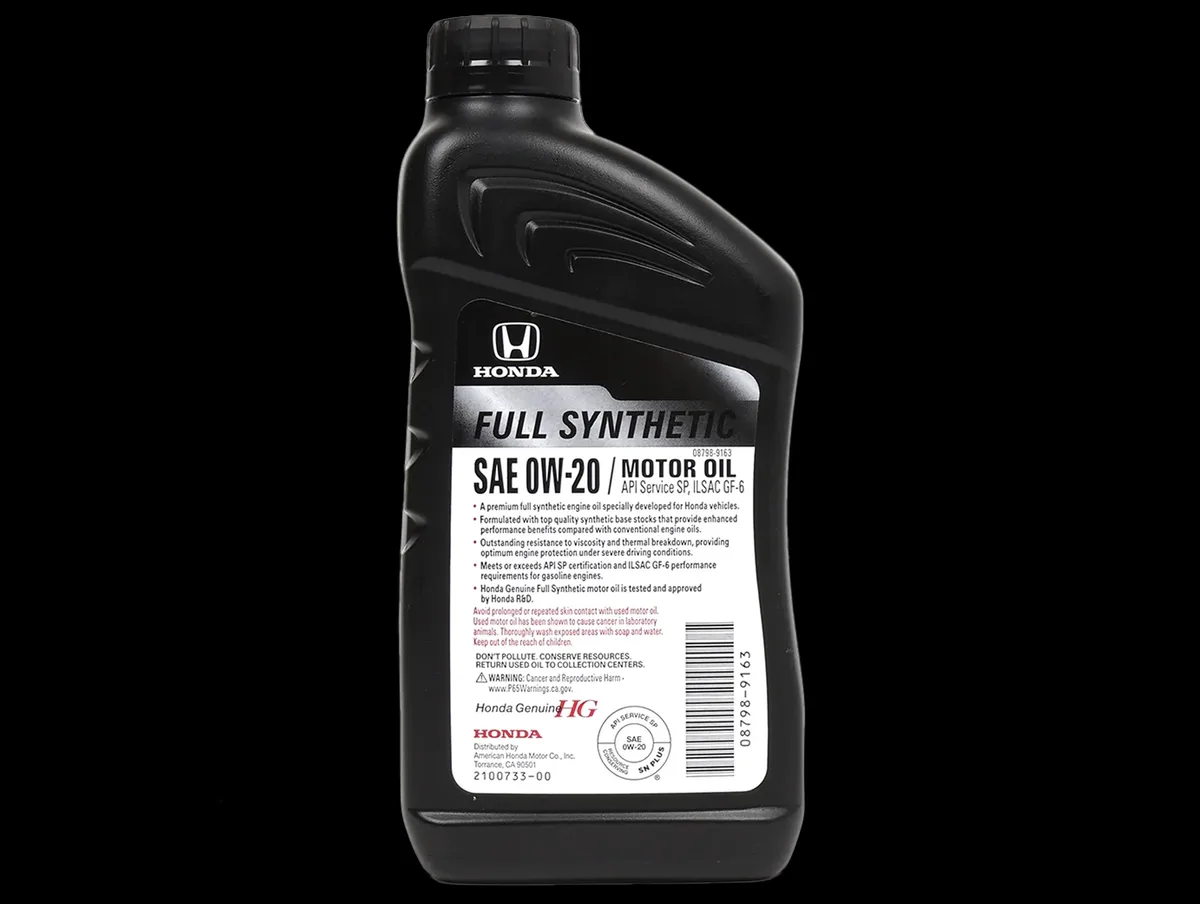
Image source: Bing (Web (fair-use with source credit))
Let's break down what those numbers and letters mean. 0W-20 refers to viscosity. The "0W" means the oil stays thin enough in freezing temperatures to flow easily on a cold start. The "20" means it thickens enough at operating temperature to maintain a protective film.
Toyota picked this weight to balance fuel economy with engine protection.
API SP is the current standard from the American Petroleum Institute. It replaced API SN Plus. The key improvements are better LSPI protection, improved deposit control for turbocharged direct-injection engines, and longer oxidation stability.
An oil bottle marked API SP has been tested and approved.
ILSAC GF-6A is the International Lubricant Standardization and Approval Committee's version of the same thing. It focuses more on fuel economy and emissions compatibility. If the bottle says GF-6A, you are good.
If it only says GF-5 or older, skip it.
You might see bottles labeled "0W-20" that are not full synthetic. Avoid those. The T24A-FTS needs full synthetic.
Conventional oil will degrade too quickly under turbo heat and may trigger the low-oil-pressure warning.
Can you use 5W-30 in an emergency? Check your owner's manual. Toyota states that 5W-30 may be used if 0W-20 is unavailable for a single oil change, but only in high-temperature driving conditions.
Then you must switch back at the next change. This is a rare exception, not a practice. I would not rely on it.
Step-by-Step: How to Change the Oil in a 2025 Tacoma
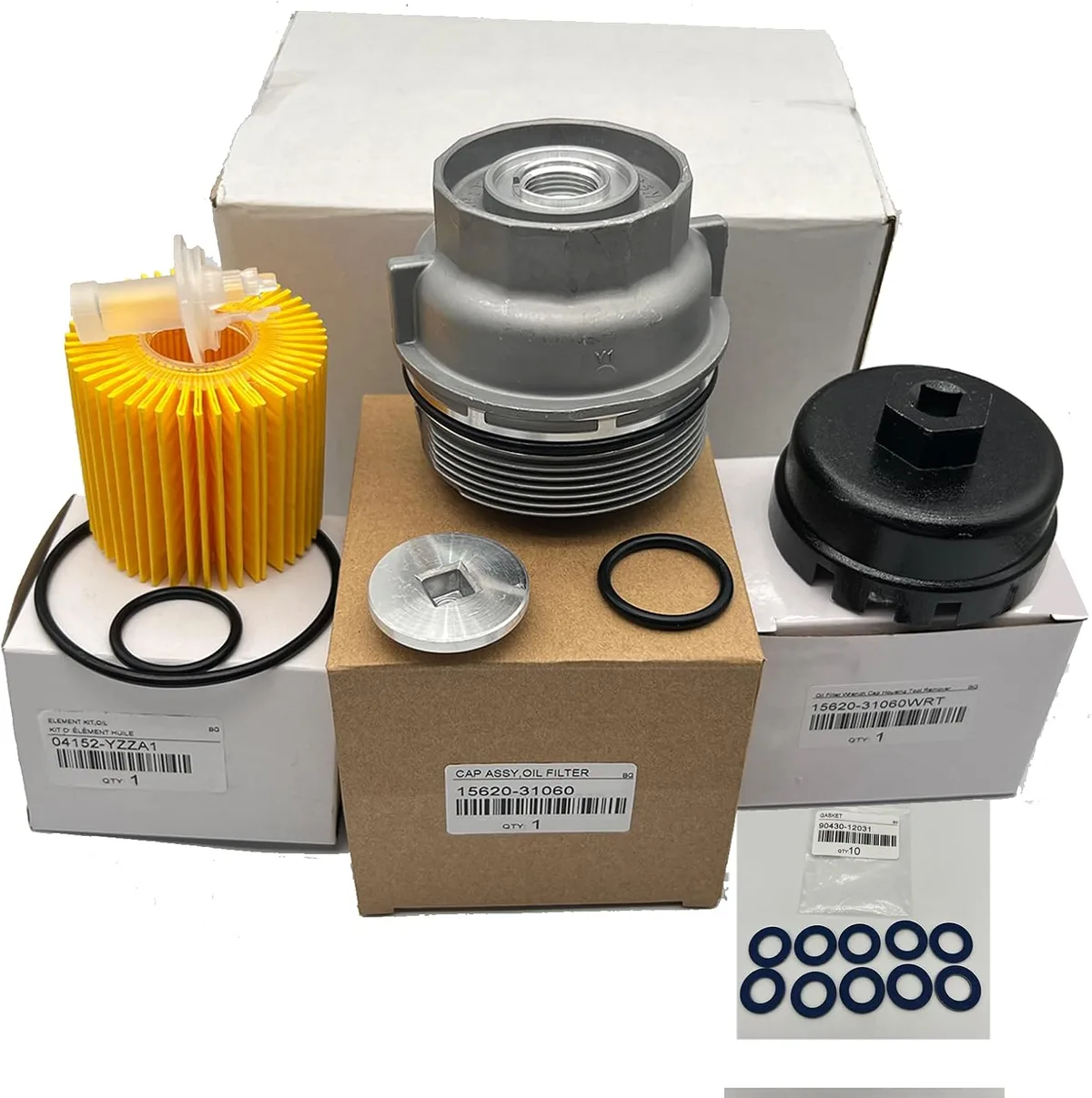
Image source: Bing (Web (fair-use with source credit))
You can do this yourself with basic tools. The job takes about 30 minutes if you have everything ready. Here is what you need.
Tools and parts:
- 0W-20 full synthetic oil (about 6 quarts)
- Oil filter (OEM part 04152-YZZA1 or equivalent premium aftermarket)
- Drain plug crush washer (Toyota part 90430-12031 or equivalent)
- 19mm socket or wrench for the drain plug
- 24mm socket for the oil filter cap
- Torque wrench (recommended, not optional for the drain plug)
- Drain pan, funnel, rags
The sequence:
Warm up the engine for a few minutes. Warm oil drains faster and carries more contaminants. Do not do this on a cold engine if you can avoid it.
Place the drain pan under the oil pan. The drain plug is on the passenger side, near the front. It is a 19mm bolt.
Remove the drain plug carefully. Let the oil drain completely. This takes about five minutes.
Replace the crush washer. Never reuse the old one. It is a single-use seal. Install the drain plug and torque it to 30-33 lb-ft. Over-tightening strips the aluminum oil pan.
Move the drain pan under the oil filter. The filter housing is on the front of the engine, top-mounted. Use the 24mm socket to remove the cap. Pull out the old filter element.
Replace the O-ring on the cap. Lube it with fresh oil. Install the new filter element. Torque the cap to 20-25 lb-ft.
Fill the engine with roughly 5.5 quarts of oil. Do not dump the whole six quarts at once.
Run the engine for one minute. Check for leaks at the drain plug and filter.
Turn off the engine and wait three minutes. Check the dipstick. Top up to the full mark. Total fill is usually around 5.9 quarts.
Reset the oil maintenance light. The procedure varies. On most 2025 Tacomas, hold the trip reset button while cycling the ignition, then release and select reset.
5 Common Mistakes That Can Void Your Warranty
Toyota is strict about warranty claims. They can check the oil type and service records if you bring in a failed engine. These five mistakes are the ones that get people into trouble.
Using conventional oil instead of full synthetic. The turbo runs hot. Conventional oil forms sludge and varnish deposits inside the oil passages. Toyota will deny a turbo failure claim if they find conventional oil in the sump.
Ignoring the API SP certification. Some budget oils say "synthetic" on the front but carry API SN certification on the back. That is insufficient for LSPI protection. Check the back label before you buy.
Over-tightening the drain plug. The oil pan is aluminum. The spec is 30-33 lb-ft. Going tighter strips the threads.
That means a new oil pan. This is one of the most common DIY mistakes across all modern vehicles.
Skipping the crush washer. Without a new crush washer, the drain plug may weep oil slowly. A small drip worsens over time. Low oil level due to a weeping plug can starve the turbo of lubrication.
Using the wrong oil filter. Cheap filters often lack the bypass valve pressure spec that Toyota requires. A filter that bypasses too early sends unfiltered oil through the engine. A filter that bypasses too late starves the engine of oil at startup.
Stick with OEM or a well-known premium brand that specifies Toyota compatibility.
Cost Breakdown: DIY vs. Dealership Oil Change
You have two options for the 2025 Tacoma oil change. Doing it yourself costs less but requires about 30 minutes and the right tools. The dealership handles everything but charges more.
Here is how the numbers stack up.
| Item | DIY Cost | Dealership Cost |
|---|---|---|
| Oil (6 quarts 0W-20 full synthetic) | $45 – $65 | Included |
| Oil filter (OEM or premium) | $10 – $15 | Included |
| Crush washer | $1 – $3 | Included |
| Labor | $0 (your time) | $30 – $60 |
| Shop supplies / disposal fee | $0 – $5 | Included |
| Total | $56 – $88 | $90 – $150 |
The dealership price includes genuine Toyota parts and a quick check of other fluids, tire pressure, and a complementary car wash at some locations. That might be worth it if you do not have time or do not want to deal with used oil disposal.
DIY saves you roughly $40 per change. Over 150,000 miles at 5,000-mile intervals, that adds up to about $1,200. The trade-off is you need to buy a few sockets and a torque wrench if you do not already own them.
That is a one-time cost of about $40.
One hidden cost: improper disposal of used oil. Most auto parts stores accept used oil for free. Never pour it down a drain or toss it in the trash.
Expert Tips for Maximum Turbo Life and Fuel Economy
The 2.4L turbo in the 2025 Tacoma responds well to good oil maintenance. Here are the practices that make the biggest difference.
Change oil before the severe-service interval. Toyota recommends 5,000 miles for severe service. That includes stop-and-go driving, frequent short trips, towing, dusty roads, and cold climates. Most Tacoma driving qualifies.
Stick with 5,000 miles even if you do not think you drive harshly. A turbo tolls extra on oil.
Warm up the engine before hard acceleration. Cold oil is thick. The turbo does not get proper lubrication until oil pressure builds. Give the engine 30 to 60 seconds of idle after startup.
Then drive gently for the first mile. For those who do regular towing, consider an oil cooler upgrade if you live in hot climates.
Use the same brand consistently. Every synthetic oil has its own additive package. Switching brands every change does not harm the engine, but sticking with one helps maintain consistent chemical properties. That matters for deposit control in the turbo and combustion chamber.
Check the oil level every other fuel fill. The turbo can consume a small amount of oil over time. Catching it low early prevents the low-oil-pressure light from being the first warning.
Warranty, Legal, and Disposal: What You Really Need to Know
Using the wrong oil can void your powertrain warranty. Toyota does not mess around with this. The Magnuson-Moss Warranty Act protects you from being forced to use a specific brand, but the oil must meet the manufacturer's specifications.
If a turbo fails and Toyota inspects the oil, they will check two things: viscosity certification (API SP / ILSAC GF-6A) and the service record. Keep receipts for oil and filters. Write the date and mileage on each receipt.
You can also log changes in the Toyota app.
The hybrid model shares the same warranty requirements. Toyota does not list a separate oil spec for the i-Force Max. Follow the same rules.
Used oil disposal is regulated by the U.S. Environmental Protection Agency. Each quart of used oil can contaminate 1 million gallons of groundwater.
Your local auto parts store accepts used oil for free. Call ahead to confirm. Check the EPA's used oil management guidelines for your state's rules.
FAQs About 2025 Tacoma Oil
How often should I change the oil in a 2025 Tacoma?
Toyota says every 10,000 miles under normal conditions. But for most real-world driving, 5,000 miles is safer. Turbochargers and direct injection create more heat and soot.
Shorter intervals keep the oil clean and protect the turbo bearings.
Is the oil different for the hybrid Tacoma?
No. The i-Force Max hybrid uses the same 2.4L turbo engine with the same oil capacity and specifications. Toyota did not change the oil type for the hybrid.
Use 0W-20 full synthetic API SP oil in both.
Can I use 5W‑30 if I live in a hot climate?
The owner's manual allows 5W-30 only if 0W-20 is unavailable and only for extreme high-temperature driving. The engine is designed for 0W-20. Using 5W-30 long-term can reduce fuel economy and increase engine wear on cold starts.
Switch back to 0W-20 at the next change.
Do I need to use Toyota Genuine Motor Oil?
No. The API SP or ILSAC GF-6A certification is the standard. Many brands like Mobil 1, Pennzoil Platinum, and Valvoline Advanced meet that spec.
The oil viscosity and certification matter, not the brand name.
What happens if I accidentally put conventional oil in?
Conventional oil breaks down faster under turbo heat. It cannot protect against LSPI. If you realize the mistake early, drain it and refill with full synthetic.
If you drive a full interval on conventional, flush the engine with new oil at the next change. Monitor for leaks or sludge.
Final Verdict: One Oil Recommendation, No Guesswork
After reviewing the manufacturer specs, certification requirements, and real-world driving conditions, one clear recommendation emerges for the 2025 Toyota Tacoma. Use a 0W-20 full synthetic oil that carries the API SP or ILSAC GF-6A certification. Stick with a reputable brand.
Change it every 5,000 miles with a new OEM or premium aftermarket filter. Replace the crush washer each time. That combination gives you maximum turbo protection, full warranty coverage, and the best fuel efficiency.
The T24A-FTS engine is a good one. It deserves the right oil. Skimping here is not worth the risk.
The extra cost per quart is small compared to the cost of a new turbo or a replacement engine. Follow the specs, keep the receipts, and enjoy the truck.