
If you own a 2004 Toyota Sequoia, you already know why you bought it. These first-generation SUVs are built like tanks, and the 4.7L V8 under the hood is one of the most reliable engines Toyota ever made. But here's the thing: even a bulletproof engine won't survive long without the right oil and the right volume.
The 2004 toyota sequoia oil capacity is a number you need to get exactly right, because being off by even half a quart can cause real damage over time.
Per Toyota's official service documentation, the 2UZ-FE engine holds exactly 6.6 quarts of oil when you also replace the filter. That's not a suggestion, it's a hard spec based on the oil pan volume, filter housing capacity, and internal oil passages. Get it right, and this engine will happily run past 300,000 miles.
Let's walk through everything you need to know.
Quick Answer
The 2004 Toyota Sequoia requires 6.6 quarts of engine oil when the filter is changed. Without a filter change, the capacity drops to 6.3 quarts. Use 5W-30 viscosity oil.
Choose synthetic or conventional based on your budget and driving habits. Always check the dipstick after filling. Never rely on capacity numbers alone to confirm the correct level.
The 2UZ-FE V8 – What Makes This Engine Tick
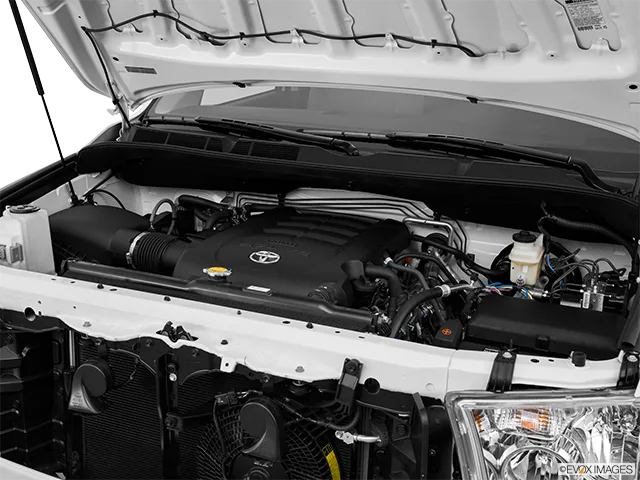
The 2UZ-FE is a 4.7-liter V8 that first appeared in the late 1990s and ran all the way through 2009. It's an iron-block, aluminum-head design with dual overhead cams and four valves per cylinder. Nothing fancy, nothing fragile.
Just a workhorse.
What makes it special is the reputation. The 2UZ-FE is widely considered one of Toyota's most durable engines. With proper maintenance, and that means correct oil capacity and clean oil, these engines routinely hit 300,000 miles without major repairs.
You'll find them in Land Cruisers, Tundras, and the Sequoia. All of them share the same basic architecture and the same oil requirements.
But durability isn't automatic. The 2UZ-FE has tight bearing clearances from the factory. That means the right oil viscosity matters more than on some other engines.
Too thin, and you lose protection at high temperatures. Too thick, and cold starts can starve the bearings. Toyota engineers designed the system around 5W-30 and a sump volume of 6.6 quarts for good reason.
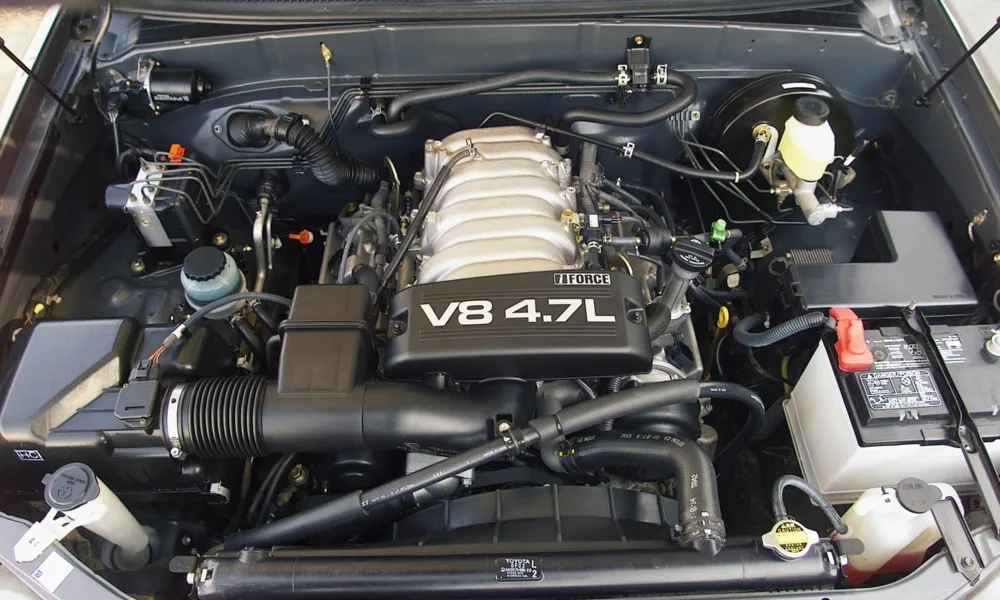
Oil Type and Viscosity: What Toyota Actually Recommends
Toyota's official spec for the 2004 Sequoia is API Service Classification SL or newer with a viscosity grade of 5W-30. That's the simple version. Here's what it means in practice.
Viscosity breakdown
- 5W-30 is a multi-grade oil. The "5W" refers to winter performance, it flows well at cold temperatures down to about -22°F. The "30" refers to the viscosity at 212°F, when the engine is fully warmed up.
- 10W-30 is also acceptable per the owner's manual, but only if you live in a consistently warm climate where it rarely drops below 32°F.
- 0W-30 can be used in extremely cold conditions, like a Canadian winter. It won't hurt the engine, but it's pricier and not necessary for most owners.
Synthetic vs. conventional
This is where opinions vary, but here are the facts. Toyota did not require synthetic oil for the 2UZ-FE. Conventional 5W-30 that meets the API SL standard is perfectly fine for this engine.
That said, synthetic oil handles high temperatures better, resists breakdown longer, and flows more consistently in cold weather.
If you tow heavy loads regularly, drive in extreme heat, or just want maximum protection for an older engine with over 100,000 miles, synthetic is the smarter choice. For a low-mileage daily driver that sees gentle highway use, conventional oil changed every 3,000 to 5,000 miles does the job just fine.
We cover similar oil considerations for other Toyota models, like the proper fluid specs for a 2016 Tundra and the recommended oil type for the 2018 4Runner.
Step-by-Step: How to Change Your Oil Correctly
This is where most DIY oil changes go wrong. It's not because the process is hard. It's because people rush or skip one small step.
Here's the workflow that works for the 2UZ-FE.
Tools and materials you'll need
| Item | Specification |
|---|---|
| Engine oil | 6.6 quarts of 5W-30 |
| Oil filter | OEM 04152-YZZA6 or equivalent |
| Drain plug washer | New crush washer (14mm) |
| Socket | 17mm for drain plug |
| Oil filter wrench | Cap-style or strap wrench |
| Torque wrench | For drain plug (29-36 ft-lbs) |
| Catch pan | 8-quart minimum capacity |
Pre-Fill the Filter (Yes, Really)
This step gets skipped all the time, and it matters. Before you install the new oil filter, pour fresh oil into it until it's about half full. Then rub a thin layer of oil around the rubber gasket on the top of the filter.
Why? Because the 2UZ-FE has a remote-mounted oil filter on the passenger side of the engine, located in a spot that can take several seconds for the oil pump to fill when the engine first starts. Pre-filling the filter reduces the amount of time the engine runs without oil pressure during that first startup.
It's cheap insurance.
The 6.6-Quart Fill Sequence
- Drain the old oil. Warm up the engine for about 2 minutes, just enough to thin the oil. Don't let it get hot. Park on level ground, remove the filler cap, then remove the drain plug. Let it drain completely, about 10 minutes.
- Replace the drain plug. Install a new crush washer. Torque to 29-36 ft-lbs.
- Install the pre-filled filter. Hand-tighten plus about three-quarters of a turn. Don't overtighten.
- Add oil. Pour in 6.3 quarts of 5W-30. Screw the filler cap back on.
- Prime the system. Start the engine and let it run for 10 seconds. Watch for the oil pressure light to go out. If it stays on, shut it down and check for leaks.
- Check the dipstick. Shut off the engine. Wait 2 to 3 minutes for the oil to settle. Pull the dipstick, wipe it, reinsert it, and read the level.
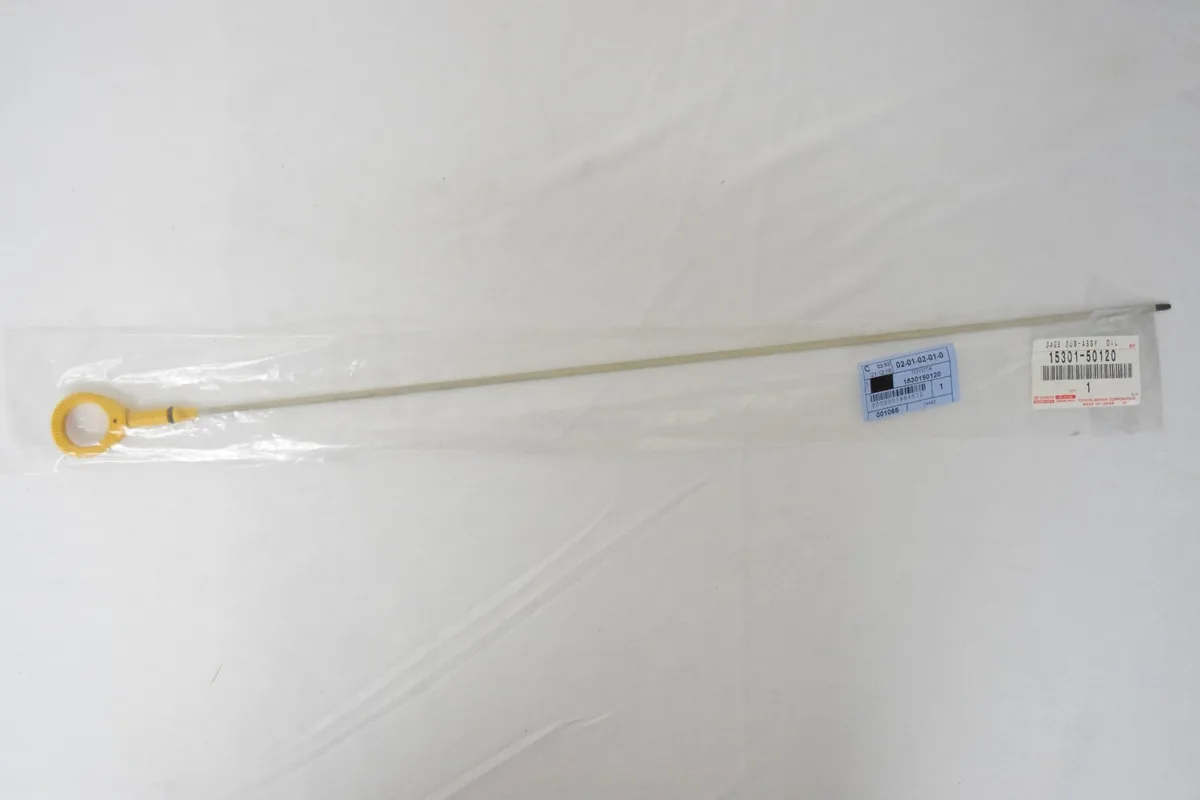
Double-Checking the Dipstick
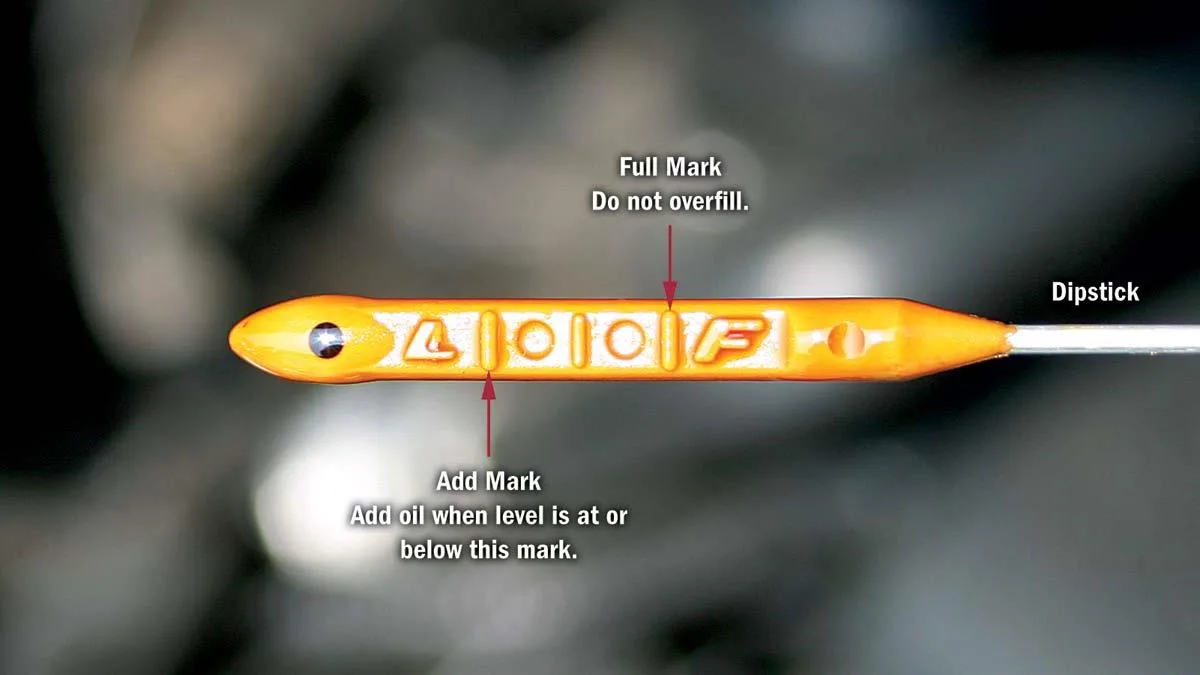
The dipstick on the 2UZ-FE has two marks: low (add) and full. After the initial 6.3 quarts, you'll likely see the level somewhere between the marks. Add the remaining 0.3 to 0.4 quarts in small increments until the level reads exactly at the full mark.
Important: the engine must be off for at least 2 minutes. Hot oil expands, so checking immediately after shutdown gives you a falsely high reading. Cold oil contracts, so a cold engine reads low.
The correct procedure is to warm the engine, shut it off, wait 2 minutes, and check.
Common Mistakes That Cost You an Engine
You'd think something as simple as pouring oil into an engine would be hard to mess up. But the 2UZ-FE has a few quirks that trip people up. Here are the three most common errors and why they're dangerous.
Overfilling – A Surprising Killer
Adding too much oil seems harmless, but it's not. When the oil level is above the full mark, the crankshaft can whip the oil into a foam inside the crankcase. Foam doesn't lubricate well.
It also causes the oil to aerate, which means the oil pump can lose prime pressure. Bearing starvation follows.
Signs of overfilling include blue smoke from the exhaust, oil leaks from seals, and a rough idle. If you accidentally add too much, drain the excess rather than running the engine. It's better to waste a few ounces of oil than to replace a bottom end.
Underfilling – The Silent Wear Accelerator
Running the engine even one quart low changes the oil pressure characteristics inside the engine. The oil pickup tube can suck air during hard cornering or steep inclines. This is especially relevant for Sequoia owners who tow boats or go off-road.
The 2UZ-FE is tough, but it doesn't tolerate oil starvation. A momentary loss of oil pressure can score a bearing or scuff a piston ring. By the time you hear a knock, the damage is already done.
Using the Wrong Viscosity in Cold Weather
If you live somewhere that sees freezing temperatures, 5W-30 is mandatory. Using 10W-30 or worse, 20W-50, in cold weather causes the oil to be too thick to flow quickly through the oil passages during startup. The result is a dry start on the valvetrain and bearings every single time you turn the key.
The 2UZ-FE owner's manual is clear: 5W-30 is the recommended viscosity. Stick with it.
These are the same principles that apply to other Toyota V8s, like the 2017 Tundra, where oil viscosity and capacity choices matter just as much for long-term reliability.
Torque Specs, Filter Part Numbers, and Other Critical Data
Getting the oil volume right is only half the battle. The other half is about the small details that separate a clean, leak-free oil change from a messy one that leaves puddles on your driveway.
Drain Plug Torque
The drain plug on the 2004 Sequoia uses a 17mm hex head. The oil pan is aluminum, which means it's softer than the steel plug. Over-tightening strips the threads in the pan.
Under-tightening causes leaks.
Toyota specifies a torque range of 29 to 36 foot-pounds. That's not very tight. If you don't own a torque wrench, snug it up with a standard ratchet and then give it about a quarter turn more.
But honestly, a torque wrench is cheap insurance here. A stripped oil pan on a 2UZ-FE means a full pan replacement, which is a multi-hour job.
Always use a new crush washer with every oil change. These washers are designed to deform slightly when torqued, creating a seal. Reusing an old crush washer is the number one cause of slow oil drips after a change.
Oil Filter Cross-Reference (OEM and Aftermarket)
The OEM oil filter for the 2UZ-FE is part number 04152-YZZA6. Toyota, Denso, and a handful of aftermarket brands manufacture filters that meet the same specs. Here's a quick cross-reference so you can grab the right one off the shelf:
| Brand | Part Number |
|---|---|
| Toyota (OEM) | 04152-YZZA6 |
| Denso | 150-2005 |
| Fram | PH3593A |
| Mobil 1 | M1-209 |
| Wix | 57202 |
| Purolator | PL14610 |
Stick with a name brand. The filter on the 2UZ-FE is mounted sideways on the passenger side of the engine block. It's accessible but not exactly convenient.
A quality filter with an anti-drain-back valve prevents dry starts by holding oil in the filter when the engine is off.
Crush Washer – Small Part, Big Job
The drain plug crush washer is 14mm in diameter and costs about 50 cents. Buy a pack of ten and keep them in your glove box. There's nothing worse than having the old oil drained, the plug out, and realizing you don't have a fresh washer.
These same principles apply to other Toyota models. The proper drain plug torque and filter selection for the 2018 Highlander follow the same logic, even though the engine and oil capacity differ.
Conventional vs. Synthetic: What's Best for a 20-Year-Old Engine?
By 2026, your 2004 Sequoia is at least 22 years old. The question of conventional versus synthetic oil is more nuanced for an engine with significant mileage.
Here's the straightforward answer. If your Sequoia has been running conventional oil its entire life and has over 150,000 miles, switching to synthetic isn't dangerous, but it might reveal existing leaks. Synthetic oil has smaller molecules and better detergent properties.
It can clean out sludge deposits that were acting as seals around old gaskets.
If your engine is clean and leak-free, synthetic oil provides better protection. Period. The 2UZ-FE runs hot under load, especially when towing.
Synthetic oil resists thermal breakdown at higher temperatures. It also flows better at cold startup, which reduces wear on those tight bearing clearances.
When to stick with conventional
- Low mileage under 100,000
- No signs of oil leaks or consumption
- You change oil every 3,000 to 4,000 miles
- You want to save about $10 to $15 per oil change
When to switch to synthetic
- High mileage over 150,000
- You tow regularly or drive in extreme heat
- You want to extend oil change intervals to 5,000 to 7,500 miles
- You live in a cold climate where winter starts are hard on the engine
A blend of conventional and synthetic, a synthetic blend, is also a reasonable middle ground. It offers better cold-flow properties than straight conventional without the full price tag.
For owners of other Toyota SUVs, similar oil decisions apply. The recommended viscosity for the 2018 4Runner and the oil type for the 2019 Tundra follow the same logic based on engine design and operating conditions.
Safety Warnings and Proper Oil Disposal
This might seem like the boring part, but it matters. Used engine oil contains heavy metals and carcinogenic compounds. It's classified as hazardous waste in most jurisdictions.
Never dump used oil down a drain, into the ground, or in the trash. Most auto parts stores accept used oil for free. Some municipalities have household hazardous waste collection centers.
A single quart of oil can contaminate 250,000 gallons of drinking water.
Safety precautions during the oil change
- Wear gloves. Used oil can cause skin irritation with repeated exposure.
- Work on a level surface. The Sequoia is tall enough that you might not need jack stands, but if you do lift the vehicle, use proper stands. Never rely on a jack alone.
- Let the engine cool slightly before draining. Hot oil burns. Warm oil drains fine.
- Keep a rag handy for spills. Oil on concrete is a slip hazard and a stain that's hard to remove.
High-Mileage and Severe-Use Considerations
Your driving habits should determine your oil change schedule, not just the calendar. Toyota classifies "severe service" as any of the following:
- Repeated short trips under 5 miles in cold weather
- Driving on dusty roads
- Towing a trailer
- Extended idling
- Off-road driving
If any of these apply to you, cut the oil change interval in half from Toyota's standard recommendation. For conventional oil, that means every 3,000 miles. For synthetic, every 5,000 miles.
Towing, Off-Road, and Extreme Temperatures
The 2004 Sequoia is popular for towing boats and campers. If you're towing near the vehicle's 6,500-pound rated capacity, the engine oil sees sustained high temperatures. Heat breaks down oil faster.
More frequent changes keep the oil's viscosity stable and protect those bearings.
Off-road driving introduces another risk: dust and debris. Even a well-sealed engine can ingest small amounts of dust through the crankcase vent system over time. That contamination ends up in the oil.
Shortening the oil change interval is cheap insurance.
When to Shorten Your Oil Change Interval
| Condition | Recommended Interval (Conventional) | Recommended Interval (Synthetic) |
|---|---|---|
| Normal highway driving | 5,000 miles | 7,500 miles |
| City driving with stop-and-go | 3,500 miles | 5,000 miles |
| Frequent towing | 3,000 miles | 4,000 to 5,000 miles |
| Off-road or dusty conditions | 3,000 miles | 4,000 miles |
| Cold climate (below 0°F regularly) | 3,500 miles | 5,000 miles |
These aren't arbitrary numbers. They reflect how oil degrades under different operating conditions. The 2UZ-FE is a robust engine, but every engine, no matter how well built, depends on clean oil for long-term survival.
Other Toyota V8 models like the 2019 Tundra and the 2017 Sienna share similar severe-service guidelines.
Frequently Asked Questions
Can I use 10W-30 instead of 5W-30 in my 2004 Sequoia?
Yes, but only if you live in a warm climate where temperatures rarely drop below freezing. Toyota lists 10W-30 as an acceptable alternative. Below 32°F, 5W-30 flows better and provides faster protection during cold starts.
How do I check the oil level on a 2004 Sequoia correctly?
Park on level ground. Warm the engine to operating temperature. Shut it off and wait 2 to 3 minutes.
Pull the dipstick, wipe it clean, reinsert it fully, then pull it again. The oil should sit between the low and full marks.
What happens if I put too much oil in my Sequoia?
Overfilling causes the crankshaft to whip the oil into foam. Foam doesn't lubricate. This can lead to low oil pressure, bearing damage, and oil leaks from pressurized seals.
Drain the excess immediately if you overfill.
Is synthetic oil worth it for an older 2UZ-FE engine?
If your engine has no leaks and you want maximum protection, yes. Synthetic oil resists high-temperature breakdown better and flows more easily in cold weather. If you change conventional oil regularly, it still provides adequate protection for this engine.
How often should I change the oil on a 2004 Sequoia that tows regularly?
For frequent towing, change conventional oil every 3,000 miles. If using synthetic, every 4,000 to 5,000 miles. Towing generates sustained high oil temperatures that accelerate breakdown.
More frequent changes prevent sludge and wear.
What's the best oil filter for the 2UZ-FE V8?
The OEM Toyota filter (04152-YZZA6) or the Denso equivalent (150-2005) are the safest choices. Both include an anti-drain-back valve that prevents dry starts. Among aftermarket brands, Mobil 1 and Wix are well-regarded for this engine.
Final Verified Summary – Do This, Skip That
Let's boil it down to what actually matters for your 2004 Sequoia.
Do this:
- Use 6.6 quarts of 5W-30 with a filter change
- Use 6.3 quarts without a filter change
- Pre-fill the new filter before installation
- Replace the crush washer every time
- Torque the drain plug to 29-36 ft-lbs
- Check the dipstick after every change
- Change oil more often if you tow or drive off-road
Skip this:
- Guessing the oil level from the number alone
- Reusing the old crush washer
- Using 10W-30 in cold climates
- Overfilling to "be safe"
- Ignoring the dipstick reading
- Leaving used oil uncontained or improperly disposed
The 2UZ-FE engine in your Sequoia is one of Toyota's finest achievements. It will run reliably for decades if you treat it right. Getting the oil capacity exactly correct, 6.6 quarts, and using the right viscosity is the single most important maintenance decision you can make for this engine.
Everything else follows from that foundation.
words. It has to be earned. You earn it by getting the basics right.
Oil volume. Oil type. Oil change interval.
That's it.
Keep a log of your oil changes. Note the mileage, the type of oil you used, and whether you noticed any consumption between changes. That habit alone will tell you more about your engine's health than any dashboard light ever will.
The 2004 Sequoia is a classic for a reason. Treat the 2UZ-FE the way Toyota intended, and it will reward you with miles that most modern engines never see. Start with the next oil change.
Six point six quarts. Five-thirty weight. And a fresh filter.
Your engine will thank you for it.
If you're working on other Toyota models from the same era, the same principles apply across the board. The specific numbers change, but the logic never does. The oil capacity on a 2007 Camry differs from the Sequoia, but the importance of getting it right?
Exactly the same.
Take care of the oil, and the engine takes care of you. It really is that simple.
It starts with the next oil change. Six point six quarts. Five-thirty weight.
And a fresh filter. Your engine will thank you for it.
If you're working on other Toyota models from the same era, the same principles apply across the board. The specific numbers change, but the logic never does. The oil capacity on a 2007 Camry differs from the Sequoia, but the importance of getting it right?
Exactly the same.
Take care of the oil, and the engine takes care of you. It really is that simple.
And if you ever find yourself second-guessing the exact number or procedure, pull out the owner's manual or check the dipstick. That piece of metal tells the truth every single time. Trust it over memory, over guesswork, over what a friend told you at a barbecue.
The dipstick doesn't lie.
Understanding Oil Consumption in the 2UZ-FE
Some oil consumption between changes is normal on a high-mileage 2UZ-FE. Toyota considers up to one quart per 1,000 miles acceptable. If you're adding more than that, check for leaks or worn valve seals before assuming the capacity is wrong.
How to Choose the Right Oil Filter for Your Sequoia
Stick with filters that include an anti-drain-back valve. The 2UZ-FE mounts the filter sideways, so without that valve, oil drains out of the filter when the engine is off. That means a dry start every morning.
OEM, Denso, Wix, and Mobil 1 brands all include this feature.
The Role of Oil Viscosity in Engine Longevity
Viscosity controls how quickly oil reaches critical moving parts. Too thick at startup causes wear. Too thin at operating temperature loses film strength.
The 2UZ-FE's bearing clearances were designed around 5W-30. Deviating from that spec reduces engine life.
When to Seek Professional Help for Oil-Related Issues
If you see metal flakes in the used oil, hear knocking, or notice the oil pressure light flickering, stop driving immediately. These symptoms indicate internal damage that a simple oil change won't fix. A professional diagnosis is needed before further driving.
Oil Capacity for High Altitude Driving
Above 5,000 feet, the thinner air doesn't change the oil capacity. Stick with 6.6 quarts. However, the reduced oxygen can cause the engine to run slightly richer, which may dilute the oil over time.
Shorten your change interval to 4,000 miles if you live at altitude.
How to Choose the Right Oil Filter
Not all filters are the same. The 2UZ-FE needs a filter with an anti-drain-back valve. Without it, oil drains out of the filter overnight, causing a dry start every morning.
OEM Toyota, Denso, Wix, and Mobil 1 filters all include this feature. Avoid bargain-bin filters that skip it.
The Importance of the Drain Plug Washer
That tiny copper or aluminum washer costs pennies. Reusing it is the most common cause of slow drips after an oil change. The washer deforms when torqued, creating a seal.
A used washer won't deform again. Replace it every time.
When to Use Oil Additives
Don't bother. Modern 5W-30 oils already contain all the detergents, anti-wear agents, and viscosity improvers the 2UZ-FE needs. Additives can disrupt the carefully balanced chemistry.
You're better off spending that money on a quality synthetic oil.
How to Read the Dipstick Correctly
Park on level ground. Warm the engine, then shut it off and wait two minutes. Pull the dipstick, wipe it clean, reinsert it fully, then pull again.
Read the oil level on the crosshatched area. Add oil if it's below the low mark. Never do this with the engine running.
The Impact of Oil Capacity on Fuel Economy
Running one quart low forces the oil pump to work harder. It also increases internal friction. You might lose 1 to 2 percent fuel economy.
The real risk is accelerated wear, not the fuel cost. Keep it at 6.6 quarts for optimal efficiency and protection.