
If you own a 2005 Toyota Camry, the single most important maintenance decision you'll make is picking the right oil. Get it wrong and you're looking at sludge buildup, poor fuel economy, and premature engine wear. Get it right and that engine will hit 200,000 miles without breaking a sweat.
The short answer for the 2005 toyota camry oil type is straightforward: SAE 5W-30 conventional or synthetic blend meeting API SL or higher. But the full picture depends on your climate, driving habits, and mileage. Manufacturer specifications from Toyota indicate the 2AZ-FE four-cylinder and 1MZ-FE V6 engines share the same oil recommendation.
Per API testing standards, the right viscosity directly impacts cold-start protection and high-temperature film strength.
Quick Answer
The 2005 Toyota Camry needs SAE 5W-30 motor oil. It must meet API SL or higher certification. You need 4.5 quarts for the four-cylinder engine.
The V6 takes 5.8 quarts. Conventional oil works fine. Synthetic blend offers better protection.
High-mileage oil is best over 100,000 miles. Use 10W-30 only if temperatures stay above freezing.
The Quick Answer: What Oil Your 2005 Camry Needs
Toyota's engineers designed the 2005 Camry around 5W-30 viscosity. That's what the oil filler cap reads and what the owner's manual specifies. Use it year-round in most climates.
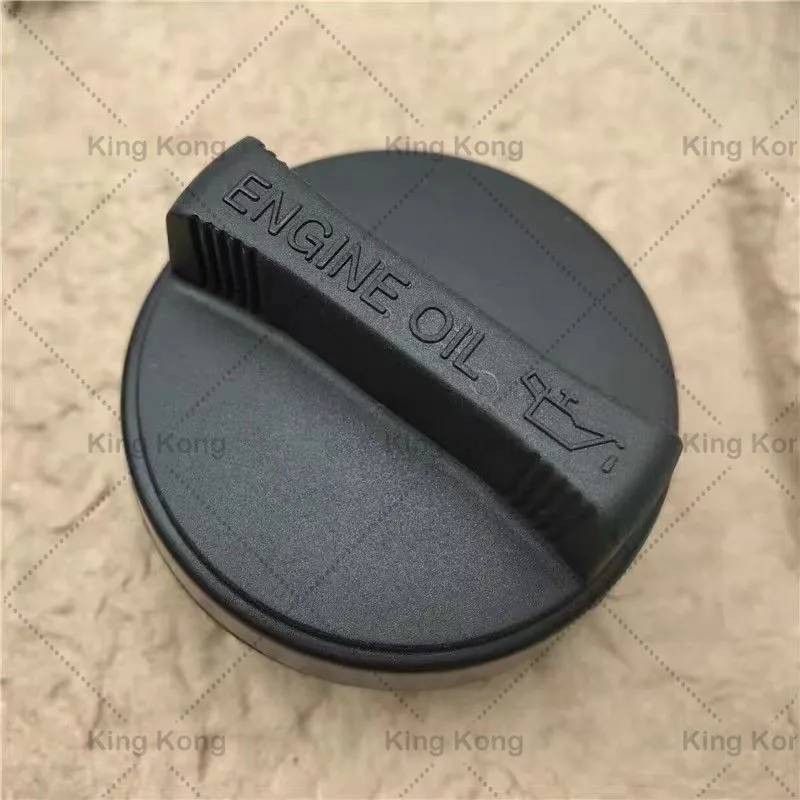
The API service rating matters just as much as the weight. Your Camry needs at least API SL, which was current when the car was built. Newer ratings like SM, SN, and SP are backward-compatible and perfectly safe.
ILSAC GF-4 or higher is the equivalent standard.
For the four-cylinder 2AZ-FE engine, the oil capacity with a filter change is 4.5 quarts. The V6 1MZ-FE takes 5.8 quarts. Always check the dipstick after filling and add small amounts if needed.
Overfilling causes foaming and pressure buildup that can damage seals.
5W-30 vs 10W-30 – What's the Real Difference?
The first number in a viscosity rating tells you how the oil flows in cold temperatures. The second number is how it behaves at operating temperature. Both 5W-30 and 10W-30 are the same thickness when the engine is hot.
The difference is when you start the car on a cold morning.
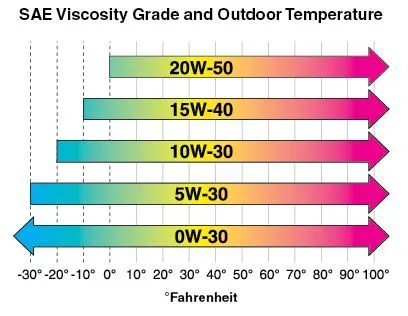
5W-30 flows at temperatures as low as -30 degrees Celsius. 10W-30 only flows down to -20 degrees Celsius. That ten-degree difference matters when you live somewhere with real winters. Cold oil that is too thick struggles to reach critical engine components during startup, which is when most engine wear happens.
| Condition | Best Choice | Why |
|---|---|---|
| Winters below freezing | 5W-30 | Flows easily at cold startup |
| Year-round temperate climate | 5W-30 | Meets Toyota spec in all conditions |
| Hot climate only, no freezing | 10W-30 | Acceptable, provides slightly thicker cold start |
| Extreme heat plus towing | 5W-30 | Still preferred, consider synthetic for extra protection |
Stick with 5W-30 unless you live in a place where the temperature never drops below freezing and you cannot find 5W-30 locally. Even then, switching back for winter is wise. Most Camry owners do best with 5W-30 year-round and never look back.
Conventional vs Synthetic – Does Your Engine Care?
Your 2005 Camry does not require synthetic oil. Conventional oil meeting API SL is perfectly adequate. But the choice affects how often you change it and how well the engine is protected under hard use.
Conventional oil is cheaper and works fine for normal driving. Change it every 3,000 to 5,000 miles depending on your driving conditions. Synthetic oil handles higher temperatures better and resists breakdown longer.
You can stretch synthetic changes to 7,500 miles with confidence.
Synthetic blend sits in the middle. It mixes conventional base stock with synthetic additives for better high-temperature performance at a lower cost than full synthetic. Many Camry owners find this the sweet spot.
The real consideration is your driving pattern. Short trips where the engine never fully warms up cause conventional oil to break down faster from condensation and fuel dilution. Synthetic handles this better.
If you mostly do highway miles, conventional is fine.
How the 2AZ-FE (4-Cylinder) and 1MZ-FE (V6) Differ in Oil Needs
Both engines in the 2005 Camry use the same 5W-30 viscosity. That is the simple part. But they have different oil capacities and slightly different wear patterns as they age.
The 2AZ-FE four-cylinder holds 4.5 quarts with a filter change. It is a durable engine but prone to oil consumption as mileage climbs. Many owners report using a quart between changes after 150,000 miles.
Switching to a high-mileage formulation with seal conditioners can reduce this.
The 1MZ-FE V6 holds 5.8 quarts with a filter change. It is known for smooth operation and longevity. The V6 runs cooler than the four-cylinder but has a timing belt instead of a chain.
Oil leaks at the valve cover gaskets are more common on higher-mileage V6 examples.
| Engine | Code | Capacity | Common Issue | Best Oil at 100k+ |
|---|---|---|---|---|
| 4-cylinder | 2AZ-FE | 4.5 quarts | Oil consumption | High-mileage 5W-30 |
| V6 | 1MZ-FE | 5.8 quarts | Valve cover leaks | High-mileage 5W-30 |
Neither engine is picky about brand as long as the rating is correct. Toyota Genuine Motor Oil is fine but overpriced. Mobil 1, Valvoline, Castrol, and Pennzoil all meet the spec.
Pick whichever is on sale.
What Happens When You Use the Wrong Oil
Using the wrong oil in your 2005 Camry is not immediately catastrophic. The engine will start and run. But the damage accumulates silently over thousands of miles.
Thicker oil like 10W-40 or 15W-40 causes several problems. It does not flow well enough to reach the valvetrain during cold starts, leading to increased wear on camshafts and lifters. It also puts extra drag on the oil pump, reducing pressure and flow at idle.
Some owners think thicker oil fixes a leaky engine. It does not. It just slows the leak while accelerating internal wear everywhere else.
Thinner oil like 0W-20 or 5W-20 is too thin for the bearing clearances in the 2005 Camry engine. It cannot maintain a proper oil film at high temperatures, especially during highway driving or in hot weather. This leads to metal-on-metal contact and accelerated bearing wear.
Using 0W-20 because it is what newer Toyotas use is a common mistake with expensive consequences.
Mixing viscosities or brands is not dangerous if you are topping off between changes. But doing it consistently means you lose control over the final viscosity and additive package. Stick with one weight and change it on schedule.
The clearest signs of wrong oil include engine noise at startup, ticking that does not go away, lower fuel economy, and the oil pressure light flickering at idle. If you notice any of these, drain and refill with the correct 5W-30.
How Mileage Changes Your Oil Choice
Your 2005 Camry at 60,000 miles needs the same oil it did when new. But at 120,000 miles the engine is different. Wear has increased clearances.
Seals have hardened. The oil that worked perfectly at 60,000 may not be ideal at 150,000.
When to Switch to High-Mileage Oil
High-mileage oil is formulated for engines over 75,000 to 100,000 miles. It contains seal conditioners that soften and swell dried-out gaskets, reducing external leaks. It also has higher levels of detergents to clean sludge deposits that build up over time.
Manufacturers recommend high-mileage oil for engines that show signs of oil consumption, minor leaks, or sludge buildup. If your Camry uses a quart between changes or leaves a few drops on the driveway, high-mileage oil is worth trying.
The switch is simple. Drain the old oil, replace the filter, and fill with a high-mileage 5W-30 formulation. No special procedure or flush is needed.
Do not use engine flush products on a high-mileage engine unless you are prepared for potential leak issues.
What High-Mileage Oil Actually Does
High-mileage oil additives work in three ways. Seal conditioners penetrate dried rubber gaskets and restore some flexibility. Detergents break down old sludge deposits that restrict oil flow.
Anti-wear additives like zinc and phosphorus protect camshafts and lifters that have already seen significant wear.
These additives are present in higher concentrations than standard conventional oil. That is why high-mileage oil costs a few dollars more per quart. The extra cost is worth it if your engine benefits from any of these three functions.
Not every high-mileage engine needs high-mileage oil. If your Camry has 120,000 miles but does not leak, burn oil, or have sludge, conventional 5W-30 is still fine. The high-mileage formulation will not hurt, but you are paying for benefits you might not need.
Step-by-Step: How to Pick the Right Oil for Your Driving Situation
Your driving situation determines the best oil choice more than any other factor. Let us break it down by common scenarios.
Cold Climate Drivers (Below Freezing)
Use 5W-30 conventional, synthetic blend, or full synthetic. Do not use 10W-30. The cold flow properties of 5W make a real difference in startup wear.
Consider a synthetic blend or full synthetic for the best cold-start protection. Change before winter if you are due.
Hot Climate and Highway Drivers
Stick with 5W-30. It handles high temperatures fine. If you tow a trailer or drive at sustained high speeds in extreme heat, consider a full synthetic.
It resists thermal breakdown better than conventional. Change intervals of 5,000 miles are adequate for highway driving.
Stop-and-Go City Commuters
This is severe service. Short trips where the engine does not fully warm up cause fuel and moisture buildup in the oil. Change at 3,000 to 5,000 miles maximum.
Synthetic blend handles this better than conventional. Full synthetic is even better if your budget allows.
High-Mileage Engines (Over 100,000 Miles)
Use high-mileage 5W-30. This is the safest choice regardless of climate or driving style. It provides the seal conditioning, detergency, and anti-wear protection that older engines need.
The cost difference is small compared to the potential repair bill from an oil-related failure.
The Oil Change Process – What You Need to Know
Changing the oil on a 2005 Camry is straightforward. The drain plug and oil filter are accessible without jacking the car, though a ramp or jack makes the job easier. Plan for about 30 minutes the first time.
Tools and Parts Required
| Item | Specification | Notes |
|---|---|---|
| Oil | 5W-30, API SL or higher | 5 quarts (4-cyl) or 6 quarts (V6) |
| Oil filter | Toyota 04152-YZZA1 or equivalent | WIX, Purolator, Mobil 1 all fine |
| Drain plug washer | 14mm crush washer | Replace every time |
| Socket or wrench | 14mm for drain plug | Box-end or socket |
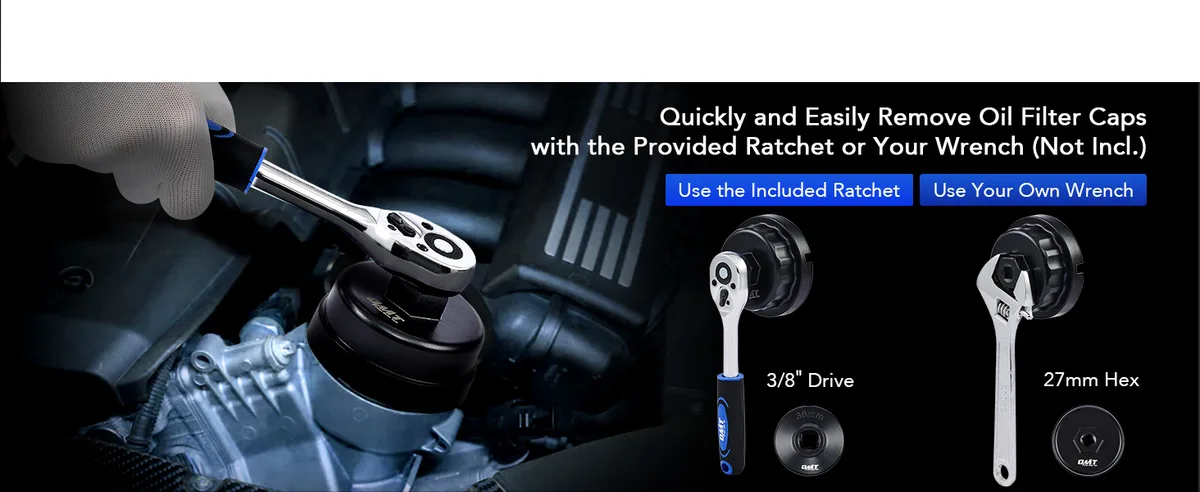
| Oil filter wrench | Cap-style or strap | Hand-tight works if filter is accessible |
| Drain pan | 6+ quart capacity | Any container that holds oil |
| Funnel | Small, flexible neck | Makes filling the engine clean |
| Jack and stands or ramps | Optional but helpful | Provides easier access underneath |
The crush washer on the drain plug is often overlooked. It is a soft metal ring that deforms when tightened to create a seal. Reuse it and you risk a slow drip.
Buy a pack of ten for a few dollars and replace it every time.
Step-by-Step Oil Change for a 2005 Camry
Park on level ground and let the engine cool for 10 to 15 minutes. Warm oil drains faster and carries more suspended contaminants. Hot oil can burn you, so let it cool enough that you can touch the drain plug without pain.
Locate the drain plug under the engine. It is the lowest point on the oil pan, a 14mm bolt. Place the drain pan underneath.
Loosen the plug with a socket or wrench and remove it by hand. Let the oil drain completely, about five minutes.
While the oil drains, remove the oil filter. It is on the front of the engine on both the four-cylinder and V6. On the four-cylinder it faces the radiator.
On the V6 it is on the passenger side. Turn it counterclockwise. Some oil will spill, so position the drain pan underneath.
Install the new filter. Lightly oil the rubber gasket on the filter with clean oil. Screw it on by hand until the gasket contacts the mounting surface.
Tighten it another three-quarters of a turn by hand. Never use a wrench to tighten a spin-on filter unless the manufacturer specifies a torque value.
Replace the drain plug with a new crush washer. Tighten it to 29 foot-pounds on the four-cylinder or 31 foot-pounds on the V6. If you do not have a torque wrench, snug it firmly and stop.
Over-tightening strips the oil pan threads, which is an expensive repair.
Pour in the new oil. For the four-cylinder, add 4.5 quarts. For the V6, add 5.8 quarts.
Replace the oil filler cap. Start the engine and let it run for 30 seconds. The oil pressure light should turn off within a few seconds.
Check for leaks at the drain plug and filter.
Turn off the engine and wait two minutes. Check the dipstick. Top up if needed to reach the full mark.
Do not overfill.
Common Mistakes That Kill Camry Engines
Over-tightening the oil filter is the most common DIY mistake. The gasket compresses and seals with hand tightness. Using a wrench crushes the gasket and makes removal next to impossible.
Hand tight plus three-quarters of a turn is all you need.
Forgetting the crush washer or reusing an old one causes slow leaks. The leak may be small initially but worsens over time. A quart lost between changes is a quart your engine does not have.
Using the wrong viscosity because it is what the auto parts store recommends for newer cars. The clerk may suggest 0W-20 because that is what a 2025 Camry uses. Your 2005 Camry is not a 2025 Camry.
Stick with 5W-30.
Extending oil change intervals beyond 7,500 miles even with synthetic oil. The oil may be fine, but the filter is not. Filters bypass at a certain pressure once they are clogged, sending unfiltered oil through the engine.
Change at 5,000 miles for conventional or 7,500 for synthetic and replace the filter every time.
Topping off with a different viscosity than what is in the crankcase. A quart of 10W-30 mixed with four quarts of 5W-30 shifts the overall viscosity. It will not destroy the engine, but it defeats the purpose of choosing a specific weight.
Use the same viscosity for top-offs.
Cost Breakdown: DIY vs Shop vs Dealer
| Option | Typical Cost | Time Required | What You Get |
|---|---|---|---|
| DIY with conventional oil | $25 to $35 | 30 minutes | New oil, filter, crush washer |
| DIY with synthetic blend | $35 to $45 | 30 minutes | Better oil, same filter |
| DIY with full synthetic | $45 to $60 | 30 minutes | Maximum protection, longer interval |
| Quick-lube shop | $50 to $80 | 15 to 20 minutes | Convenience, risk of stripped plug |
| Toyota dealer | $80 to $120 | 30 to 45 minutes | OEM filter, inspection, paperwork |
DIY is the clear winner for cost. The tools pay for themselves after two oil changes. Quick-lube shops are convenient but rush the job.
Stripped drain plugs and over-tightened filters are common complaints. Dealers charge a premium but use OEM parts and document the service for resale value.
For most owners, DIY with a synthetic blend at $40 every 5,000 miles is the best balance of cost and protection. If you value convenience, a quick-lube shop is fine as long as you inspect the work afterward.
How Often Should You Change It?
Toyota specifies 5,000 miles for severe service and 7,500 miles for normal service on the 2005 Camry. Severe service includes short trips under five miles, stop-and-go traffic, extreme temperatures, dusty roads, or towing. Normal service is mostly highway driving at moderate speeds and temperatures.
Be honest about your driving. Most commuter driving qualifies as severe service. The short trip to work where the engine barely warms up is harder on oil than a 500-mile highway journey.
Stick with 5,000 miles if you are unsure.
Time also matters. Change the oil at least once a year even if you do not hit the mileage. Oil absorbs moisture from the air over time, especially in humid climates.
Old oil loses its additive package and becomes acidic, which corrodes bearings and seals.
Frequently Asked Questions
Can I use 10W-30 instead of 5W-30 in my 2005 Camry?
Yes, but only if temperatures stay above freezing. 10W-30 is thicker at cold startup and can cause increased wear in winter. Toyota recommends 5W-30 for all temperatures. Use 10W-30 only as a temporary option if 5W-30 is unavailable.
What happens if I put 0W-20 in a 2005 Camry?
0W-20 is too thin for the 2005 Camry engine. It cannot maintain proper oil film at high temperatures, leading to accelerated bearing wear. Do not use it.
Stick with 5W-30 as specified in the owner's manual and on the oil filler cap.
How many quarts of oil does a 2005 Camry take?
The four-cylinder 2AZ-FE engine takes 4.5 quarts with a filter change. The V6 1MZ-FE engine takes 5.8 quarts with a filter change. Always check the dipstick after filling and add small amounts if needed to reach the full mark.
Is synthetic oil worth it for a 2005 Camry?
Synthetic oil offers better protection at high temperatures and longer change intervals. It is worth it if you drive in extreme conditions, tow, or want maximum engine life. Conventional oil is perfectly fine for normal driving as long as you change it on schedule.
Does the 2005 Camry need high-mileage oil?
High-mileage oil is recommended for engines over 100,000 miles. It contains seal conditioners and extra detergents that help reduce leaks and clean sludge. If your Camry has lower mileage and no leaks or oil consumption, conventional 5W-30 is still appropriate.
Final Verdict: What to Buy and What to Skip
Pick SAE 5W-30 that meets API SL or higher. That is the only spec that matters. Conventional is fine for low-mileage engines and normal driving.
Synthetic blend is the smart middle ground for most owners. High-mileage formulation is the best choice for engines over 100,000 miles.
Skip the boutique oils with exotic marketing claims. Skip the 0W-20 your neighbor uses in their newer car. Skip the 10W-40 your uncle swears by for his truck.
Your 2005 Camry knows what it needs.
Change it every 5,000 miles with a new filter and a fresh crush washer. Check the dipstick weekly. Top off with the same viscosity.
Do that and that 2AZ-FE or 1MZ-FE engine will still be running strong long after the rest of the car gives up.