
If you own a 2005 Toyota Matrix, you have a reliable car that can easily go past 200,000 miles with proper care. The single most important maintenance decision you will make is picking the right oil. The correct 2005 toyota matrix oil type is not just a suggestion from the owner's manual.
It is a critical choice that determines whether your engine stays clean and quiet or starts burning oil and building sludge.
Manufacturer specifications call for SAE 5W-30 viscosity with an API SN rating or higher. The 1ZZ-FE engine in most Matrix models has a known sensitivity to oil quality. As of 2026, many of these cars are pushing 20 years old with well over 150,000 miles.
Using the wrong oil is one of the fastest ways to shorten its life. Let us walk through exactly what you need to know.
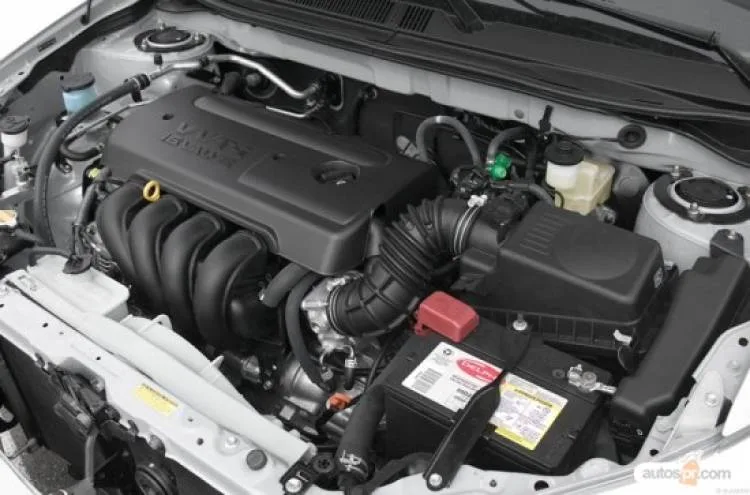
Image source: Web (Bing) / autospr.com (Web image (fair-use with source credit))
Quick Answer
Your 2005 Toyota Matrix needs SAE 5W-30 motor oil. Use API SN or ILSAC GF-5 rated oil. The engine holds 4.5 quarts with a filter change.
You can use conventional or synthetic. The 1ZZ-FE and 2ZZ-GE engines both take 5W-30. Do not use 10W-40 or 20W-50.
Why Using the Right Oil in Your 2005 Matrix Actually Matters
Most people think oil is oil. Pop the hood, pour something in, and drive. That works until it does not.
The 2005 Matrix uses either the 1ZZ-FE or the 2ZZ-GE engine. Both were designed around specific oil characteristics. Straying from those specs creates real problems.
The 1ZZ-FE engine has a known reputation for oil sludge when owners neglect changes or use the wrong viscosity. Toyota even issued service bulletins about it. Sludge forms when oil breaks down under heat and starts depositing gummy residue inside the engine.
It clogs oil passages, starves bearings, and eventually leads to catastrophic failure. A replacement engine for a 2005 Matrix can run you $3,000 to $5,000 installed. That is more than the car is worth.
The right oil prevents that. It also affects how the variable valve timing system operates, how easily the engine starts in cold weather, and how much protection the bearings get at high RPM. Using the correct 2005 toyota matrix oil type is cheap insurance.
Understanding the Two Engines: 1ZZ-FE vs. 2ZZ-GE
The 2005 Matrix came with two engine options. Most models have the 1ZZ-FE. The XRS trim has the 2ZZ-GE.
Both take the same oil viscosity, but there are differences worth knowing.
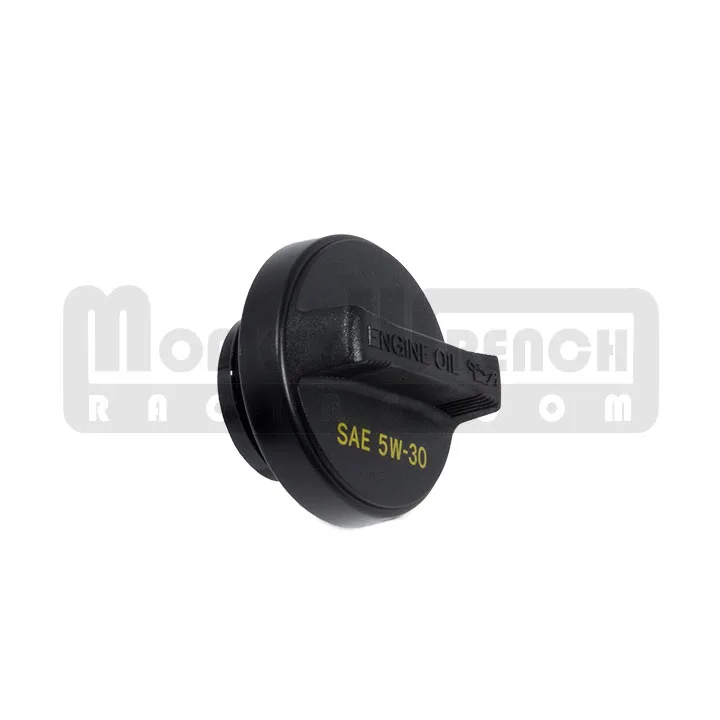
Image source: Web (Bing) / monkeywrenchracing.com (Web image (fair-use with source credit))
The 1ZZ-FE Engine
This is the standard 1.8-liter four-cylinder. It makes about 130 horsepower and focuses on fuel economy and reliability. The 1ZZ-FE is known for lasting a long time if maintained well.
It is also the engine that gained a reputation for sludge problems in the early 2000s. Toyota redesigned the PCV system and updated the recommended oil spec to address this. If you own a 1ZZ-FE, keeping clean 5W-30 in it is non-negotiable.
Oil capacity with filter: 4.5 quarts. The filter is located on the front of the engine, making DIY changes easy.
The 2ZZ-GE Engine
The XRS model got the 2ZZ-GE, a 1.8-liter engine with variable valve timing and lift. It makes 164 horsepower and revs higher. This engine is more performance-oriented and also takes 5W-30.
Some owners consider using a slightly thicker oil for track use. For daily driving, stick with the factory recommendation.
Oil capacity with filter: 4.8 quarts. The 2ZZ-GE holds slightly more oil due to its different oil pan design.
If you are unsure which engine you have, check your VIN or look at the engine cover. The 1ZZ-FE has a plastic cover that says "VVT-i." The 2ZZ-GE says "VVTL-i."
Viscosity Explained (Without the Confusion)
Oil viscosity is a measurement of how thick or thin the oil is at different temperatures. The "5W" means the oil flows like a thinner oil when cold, which helps during startup. The "30" means it thickens up enough at operating temperature to protect the engine.

Image source: Bing (Web (fair-use with source credit))
SAE 5W-30 – The Gold Standard
This is what Toyota put in the owner's manual. Use it 99 percent of the time. 5W-30 provides the best balance of cold-start protection and high-temperature film strength for the 2005 Matrix. It works in every climate from below freezing to desert heat.
When You Can Use 10W-30 (and When You Can't)
If you live somewhere hot all year round, 10W-30 is acceptable. Places like Arizona, Texas, or inland California where temperatures stay above freezing. The catch is that 10W-30 is thicker when cold.
That means more engine wear during startup in cooler weather. If your area drops below 32 degrees Fahrenheit at any point, stick with 5W-30.
| Viscosity | Cold Start Performance | Best Climate | Recommended? |
|---|---|---|---|
| 5W-30 | Excellent | All climates | Yes |
| 10W-30 | Good | Warm climates only | Acceptable |
| 0W-30 | Superior | Very cold climates | Optional |
| 5W-20 | Poor wear protection | Not recommended | No |
| 10W-40 | Too thick | Not recommended | No |
What About 0W-20 or 0W-30?
Some newer Toyotas use 0W-20, but your 2005 Matrix is not one of them. The engine was designed with tighter clearances for 5W-30. Using 0W-20 would be too thin at operating temperature and could lead to increased wear.
You can use 0W-30 if you live in extreme cold areas like Canada or northern Minnesota. It flows better than 5W-30 at very low temperatures while still providing the same high-temperature protection.
Conventional vs. Synthetic – Which One Should You Pick?
This is where most people get stuck. You walk into the auto parts store and see shelves full of options. Conventional oil costs $15 for five quarts.
Synthetic runs $30 to $40. Is the extra cost worth it for a 20-year-old car?
Conventional Oil
Conventional oil meets the minimum requirements for your Matrix. It will protect the engine if you change it every 3,000 miles. The downside is that conventional oil breaks down faster under heat, oxidizes more quickly, and leaves more deposits.
For a 2005 Matrix with over 100,000 miles, conventional oil works but requires discipline with change intervals.
Synthetic Blend
This is half conventional, half synthetic. It offers better protection than conventional at a lower price point than full synthetic. Many high-mileage oils are blends.
For most Matrix owners, this is a solid middle ground.
Full Synthetic
Full synthetic oil resists breakdown much longer than conventional. It handles heat better, flows better in cold weather, and keeps the engine cleaner. For a high-mileage 2005 Matrix, synthetic oil can help reduce oil consumption and prevent sludge.
You can safely run 5,000 to 7,500 miles between changes with synthetic.
| Oil Type | Cost per Change | Oil Change Interval | Best For |
|---|---|---|---|
| Conventional | $15-$20 | 3,000 miles | Budget-focused owners |
| Synthetic Blend | $22-$28 | 5,000 miles | Most owners |
| Full Synthetic | $35-$45 | 5,000-7,500 miles | High-mileage engines |
Aggregate reviews and owner forums consistently report that switching to full synthetic around 100,000 miles helps reduce oil consumption in the 1ZZ-FE engine. The synthetic detergents clean out deposits that may have built up over years of conventional oil use. If your engine already burns oil, switching to synthetic might initially make it leak more past worn seals.
That is temporary in most cases as the seals recondition.
High-Mileage Oil: Is It Worth It for a 20-Year-Old Engine?
If your 2005 Matrix has crossed the 100,000-mile mark, high-mileage oil is worth serious consideration. These formulations include seal conditioners that help keep old gaskets and valve stem seals pliable. They also contain extra detergents to clean out deposits that conventional oil leaves behind.
The 1ZZ-FE engine is particularly prone to developing small leaks around the valve cover gasket and oil pan as it ages. High-mileage oils are designed to reduce those leaks without swelling seals to the point of failure. Aggregate feedback from Matrix owner communities shows that switching to a high-mileage synthetic blend around 120,000 miles often reduces oil consumption by a quarter to a half quart per change interval.
One thing to watch for: if your engine already burns a quart every 1,000 miles or more, high-mileage oil probably will not fix it. That level of consumption usually means worn piston rings or valve guides. Those require mechanical repair rather than an oil change.
For the typical Matrix burning half a quart between changes, high-mileage oil is a smart move.
You can use high-mileage oil in either conventional or synthetic form. The key difference is the additive package, not the base oil. Most major brands offer a high-mileage variant.
Look for API SN or SP certification on the bottle.
The Oil Capacity Numbers You Actually Need
Getting the oil level wrong is surprisingly common. Underfill it and you risk oil starvation. Overfill it and you risk foaming, which also starves the engine of lubrication.
Here are the exact numbers for your 2005 Matrix.
| Engine | With Filter | Without Filter |
|---|---|---|
| 1ZZ-FE (standard) | 4.5 quarts | 4.2 quarts |
| 2ZZ-GE (XRS) | 4.8 quarts | 4.5 quarts |
Here is the practical workflow. Buy a 5-quart jug of your chosen oil. Pour in about 4.2 quarts for the 1ZZ-FE or 4.5 quarts for the 2ZZ-GE.
Check the dipstick. Top off slowly until the level reaches the full mark. You will almost always have a little left over in the jug.
The dipstick on the 1ZZ-FE can be tricky to read accurately. Pull it out, wipe it clean, insert it fully, then pull it again. The oil should sit between the two dots.
If it is above the top dot, you have overfilled it. Drain some out rather than leaving it. Overfilled oil causes the crankshaft to whip the oil into foam, which aerates the lubricant and reduces its ability to protect bearings.
The Filter Matters More Than You Think
Your choice of oil filter is almost as important as the oil itself. A cheap filter can bypass its internal valve, fail to trap contaminants, or collapse under pressure. The 1ZZ-FE engine uses a spin-on filter that screws onto a threaded adapter.
The 2ZZ-GE uses the same filter.
Toyota Genuine filters (part number 90915-YZZD3) are excellent. They have a consistent bypass valve pressure and high-quality filter media. Aftermarket options from Wix, Purolator, and Mobil 1 are also good choices.
Fram filters, particularly the orange canister economy line, have a mixed reputation. Some testing shows they use inferior filter media and cardboard end caps that can fail. If you buy Fram, stick with the Ultra or Tough Guard lines rather than the basic orange one.
The crush washer that seals the drain plug is another small part that matters. Toyota part number 90430-12031 is the correct size. Replace it every oil change.
They cost about a dollar. Skipping this step is the most common cause of slow oil leaks after a change.
Step-by-Step: How to Change Your Oil Yourself
Changing the oil on a 2005 Matrix is straightforward. The filter is accessible from above on the 1ZZ-FE, which makes the job cleaner than on many other cars. You can do the entire job with basic hand tools and about 30 minutes.
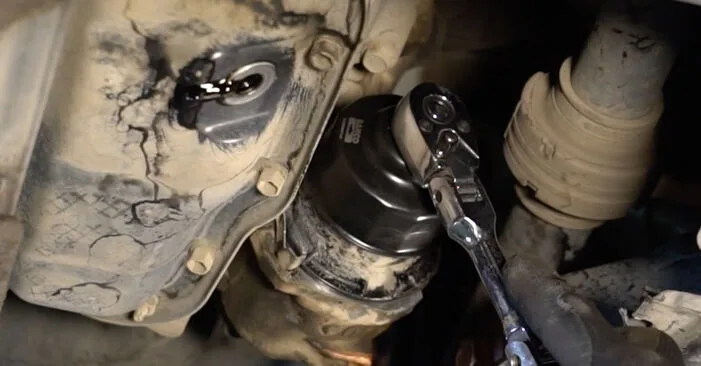
Image source: Web (Bing) / club.autodoc.co.uk (Web image (fair-use with source credit))
What you will need:
- 5 quarts of SAE 5W-30 oil
- Oil filter (Toyota Genuine or equivalent)
- New crush washer (part 90430-12031)
- 14mm socket or wrench for the drain plug
- Oil filter wrench (if the filter is tight)
- Drain pan
- Funnel
- Gloves and rags
The process:
Warm up the engine for a few minutes. Warm oil drains faster and carries more suspended contaminants with it. Park on level ground and engage the parking brake.
Locate the drain plug under the engine. It faces the rear of the car on the 1ZZ-FE. Place your drain pan underneath.
Use the 14mm socket to loosen the plug counterclockwise. Remove it by hand once it is loose. Be ready for oil to flow immediately.
Let it drain completely, about 10 to 15 minutes.
While the oil drains, remove the old filter. On the 1ZZ-FE, it is on the front of the engine facing upward. Unscrew it by hand or with a filter wrench.
Some oil will spill from the filter housing. Let it drain into the pan.
Install the new crush washer on the drain plug. Torque the plug to 29 foot-pounds. If you do not have a torque wrench, snug it firmly plus about a quarter turn.
Do not overtighten it. Stripping the oil pan threads is a costly mistake.
Pre-fill the new oil filter with fresh oil before installing it. This prevents a dry start where the engine runs without oil pressure for a few seconds. Rub a thin layer of oil on the filter gasket with your finger.
Screw the filter on by hand until the gasket contacts the mounting surface, then tighten another three-quarter turn.
Pour in about 4.2 quarts of oil for the 1ZZ-FE or 4.5 quarts for the 2ZZ-GE. Replace the oil fill cap. Start the engine and let it run for 30 seconds.
Check for leaks around the drain plug and filter. Shut the engine off and wait two minutes. Check the dipstick and top off to the full mark.
The One Mistake That Kills the 1ZZ-FE Engine
There is one error that destroys more 2005 Matrix engines than any other. It is not using the wrong viscosity. It is not even using cheap oil.
It is simply neglecting oil changes for too long.
The 1ZZ-FE engine builds sludge when oil breaks down and oxidizes. This happens fastest when oil changes are stretched past 5,000 miles with conventional oil. The sludge clogs the oil pickup tube screen.
Once that screen blocks, the engine loses oil pressure. Within seconds, the bearings spin and the engine seizes.
Toyota addressed this with a service campaign in the mid-2000s. They updated the PCV system and recommended shorter change intervals. But the fix only helps if you actually do the maintenance.
A 2005 Matrix that goes 8,000 or 10,000 miles between changes on conventional oil is a ticking time bomb.
The safe approach is simple. Change conventional oil every 3,000 miles. Change synthetic every 5,000 miles.
Do not push it further. That $30 oil change is far cheaper than the $4,000 engine replacement you will need if the sludge wins.
Common Myths About Oil in Older Toyotas
Myth: You should use thicker oil in an old engine to stop leaks. This is the most common bad advice floating around. Thicker oil like 10W-40 does slow leaks temporarily. But it also reduces oil flow to critical engine parts, especially during cold starts.
The 1ZZ-FE needs proper flow to its variable valve timing system. Thick oil starves it. Fix the leak.
Do not mask it with the wrong viscosity.
Myth: Switching to synthetic will cause leaks. This one has a grain of truth but gets blown out of proportion. Synthetic oil has smaller molecules than conventional oil. If your engine already has worn seals, synthetic can sneak past them where conventional could not.
That is not the synthetic causing the leak. The leak was already there. The synthetic just revealed it.
Most high-mileage engines handle synthetic just fine.
Myth: You cannot switch back and forth between conventional and synthetic. You absolutely can. Oil is oil. Synthetic and conventional mix without issues.
There is no chemical reaction. No special flush is needed. If you want to run conventional for one change and synthetic for the next, go ahead.
The important thing is the viscosity and API rating, not the base oil type.
What the Owner's Manual Doesn't Tell You About 2025 Driving
The 2005 owner's manual recommends changing conventional oil every 5,000 miles. That was reasonable for 2005 driving conditions. But here is what has changed.
Modern engines run hotter. Traffic is denser, so you spend more time idling. And your 2005 Matrix is now 20 years old with looser internal clearances than when it left the factory.
Stick to a 3,000 mile interval for conventional oil and a 5,000 mile interval for synthetic. That gives you a safety margin against sludge formation. Short trips are especially hard on the 1ZZ-FE.
If most of your drives are under 10 miles, the engine never fully warms up. Moisture and fuel contamination build up in the oil. In that case, change it every 3,000 miles regardless of what type you use.
Real-World Oil Recommendations by Mileage
Under 75,000 miles: Stick with SAE 5W-30 conventional or synthetic blend. Change every 5,000 miles. Your engine is still tight and does not need high-mileage additives.
75,000 to 150,000 miles: This is the sweet spot for switching to a high-mileage oil. Use 5W-30 synthetic blend or full synthetic. High-mileage additives help keep seals soft and reduce consumption.
Change every 5,000 miles for blend, 6,000 for full synthetic.
Over 150,000 miles: Run 5W-30 full synthetic high-mileage oil exclusively. The extra detergents help keep sludge at bay. Change every 5,000 miles without exception.
At this mileage, the 1ZZ-FE needs every bit of protection it can get. Check the oil level every other fuel fill. Many engines at this age start consuming oil between changes.
When to Call a Mechanic (Instead of DIY)
Changing your own oil saves money and gives you control over quality. But some situations call for professional help.
If your drain plug is stripped or rounded off, do not force it. The oil pan threads are aluminum and strip easily. A mechanic can tap the hole or install a thread insert.
If you see metal flakes in your drained oil, that signals internal engine wear. A mechanic should inspect it. And if you cannot get the oil filter off without destroying it, stop.
A stuck filter can be removed with the right tool. Tearing the filter can leaves the metal base ring on the engine, which requires extraction.
Read our disclaimer before attempting any vehicle maintenance. If you need specific guidance for your engine and mileage, use our contact page.
Final Verdict: The Safest Oil Choice for Your 2005 Matrix
Stick with SAE 5W-30. Use a reputable brand with API SN or SP certification. Choose full synthetic high-mileage oil if your car has over 100,000 miles.
Change it every 5,000 miles. Replace the filter and crush washer each time. That combination will keep your 2005 Matrix running reliably for years to come.
The 1ZZ-FE engine rewards consistent maintenance. Neglect it and it will sludge up. Take care of it and it will easily pass 250,000 miles.
The choice of oil is simple. The discipline of changing it on schedule is the hard part. Do that, and your Matrix will keep going long after most cars its age have been scrapped.
Frequently Asked Questions
What happens if I put 10W-30 in my 2005 Toyota Matrix?
Nothing catastrophic in warm weather. But 10W-30 is thicker during cold starts, which increases wear. If your winter temperatures drop below 32 degrees Fahrenheit, stick with 5W-30.
In year-round warm climates, 10W-30 works as an acceptable alternative.
Can I use 0W-20 oil in my 2005 Matrix?
No. The engine was designed for 5W-30. Using 0W-20 means the oil is too thin at operating temperature.
This leads to increased bearing wear and reduced engine life. Newer Toyotas use 0W-20, but your 2005 Matrix is not one of them.
How often should I check my oil level?
Check it every other time you fill up with gas. A 2005 Matrix with over 100,000 miles can burn a quart between changes without any external leaks. Running low on oil causes rapid engine damage.
The dipstick check takes 30 seconds.
Is synthetic oil worth the extra money for an older Matrix?
Yes, especially over 100,000 miles. Synthetic oil resists breakdown longer, handles heat better, and keeps the engine cleaner. It reduces sludge risk in the 1ZZ-FE.
The extra $15 to $20 per change is cheap insurance against engine failure.
What does the API certification on the bottle mean?
API stands for the American Petroleum Institute. The certification ensures the oil meets minimum performance standards. For your 2005 Matrix, look for API SN or SP on the bottle.
These are the current standards and provide adequate protection for your engine.