
If you own a 2006 Toyota Tundra, knowing the correct 2006 toyota tundra oil capacity isn't just a random spec. It's the difference between an engine that runs smoothly for another 150,000 miles and one that fails prematurely from oil starvation or overfilling damage. The 2006 model year came with two very different engines, and each one needs a different amount of oil.
Manufacturer specifications from Toyota indicate the 4.0L V6 requires 6.0 quarts with a filter change, while the 4.7L V8 needs 7.0 quarts. As of 2026, these trucks are 20 years old. Getting the right oil in the right amount matters more than ever for keeping these engines on the road.
Quick Answer
The 2006 Toyota Tundra oil capacity is 6.0 quarts for the 4.0L V6 engine. The 4.7L V8 engine takes 7.0 quarts. Both engines require 5W-30 viscosity oil.
Always use a new oil filter and check the dipstick after filling.
Why Getting the Right Oil Capacity Matters for Your 2006 Tundra
Your Tundra's engine is a precision machine. Every internal part relies on a thin film of oil to prevent metal-on-metal contact. Too little oil, and you risk bearing failure, scoring on cylinder walls, and eventually a seized engine.
Too much oil, and the crankshaft whips the excess into foam. Foam doesn't lubricate. It aerates the oil and causes pressure drops that damage components just as badly as low oil does.
The 2UZ-FE V8 in the 2006 Tundra has a well-earned reputation for lasting 300,000 miles or more. But that longevity depends on proper maintenance. Aggregate reviews from owners who have crossed the 250,000-mile mark consistently report one thing: they never missed an oil change, and they never guessed on capacity.
The 1GR-FE V6 is equally durable when cared for. Both engines share the same basic architecture for oiling. The oil pan holds a specific volume designed to keep the pickup tube submerged during hard cornering, towing, and steep inclines.
Guessing or eyeballing the amount bypasses that engineering.
There's also the cost factor. An engine replacement on a 2006 Tundra can run $4,000 to $6,000 for a quality remanufactured unit. A quart of oil costs about $6.
Getting it right is the cheapest insurance you'll ever buy.
4.0L V6 vs. 4.7L V8: Two Engines, Two Capacities
The 2006 model year sits in the middle of the first-generation Tundra run, which started in 2000 and ended in 2006. By this point, Toyota had refined both available engines. Let's break down exactly what each one needs.
The 1GR-FE V6 Specs
The 4.0L V6 is a 24-valve DOHC engine with variable valve timing. It produces 236 horsepower and 266 lb-ft of torque. Toyota introduced this engine in 2003 and used it across the Tundra, 4Runner, Tacoma, and FJ Cruiser.
- Oil capacity with filter change: 6.0 quarts (5.7 liters)
- Oil capacity without filter change: 5.5 quarts (5.2 liters)
- Recommended viscosity: 5W-30
- API rating: SL or SM
- Oil filter part number: Toyota 90915-YZZD1 or 90915-YZZD4
This engine uses a cartridge-style oil filter on earlier models, but the 2006 version uses a spin-on canister. The filter is located on the lower front passenger side of the engine block. It's easy to reach from underneath the truck.
The 2UZ-FE V8 Specs
The 4.7L V8 is legendary among Toyota enthusiasts. It's a 32-valve DOHC engine that made 271 horsepower and 313 lb-ft of torque in the 2006 model year. This is the same engine found in the Land Cruiser and Lexus LX470.
It's known for being nearly indestructible when properly maintained.
- Oil capacity with filter change: 7.0 quarts (6.6 liters)
- Oil capacity without filter change: 6.5 quarts (6.2 liters)
- Recommended viscosity: 5W-30
- API rating: SL or SM
- Oil filter part number: Toyota 90915-YZZD1 or 90915-YZZD4
The V8 oil filter is also a spin-on canister. It sits on the lower front side of the engine, near the oil pan. You'll need a 14mm wrench for the drain plug on most 2006 models, though some early production trucks used a 19mm plug.
Here's a quick reference table for both engines:
| Engine | Capacity with Filter | Capacity without Filter | Viscosity | Drain Plug Torque |
|---|---|---|---|---|
| 4.0L V6 (1GR-FE) | 6.0 quarts | 5.5 quarts | 5W-30 | 30 ft-lbs |
| 4.7L V8 (2UZ-FE) | 7.0 quarts | 6.5 quarts | 5W-30 | 30 ft-lbs |
If you have access to the owner's manual, check the sticker on the inside of the glove box. Some early 2006 trucks may show different recommendations depending on the build date. Toyota updated the oil specifications periodically based on testing.
What Type of Oil Should You Use?
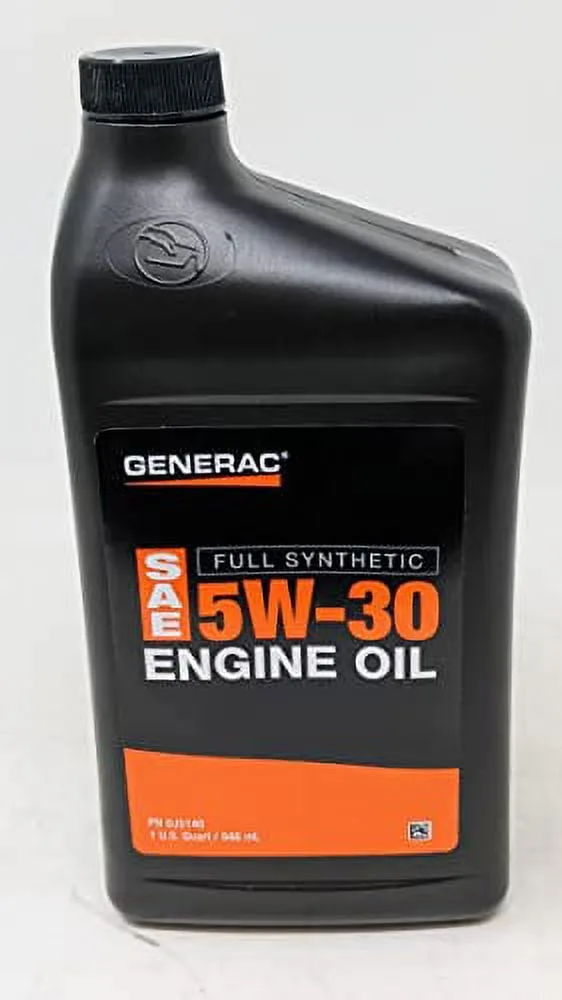
This is where a lot of owners overthink things. The answer is straightforward. Toyota recommends 5W-30 for both the V6 and V8 in the 2006 Tundra.
That recommendation hasn't changed. As of 2026, it's still the right choice.
Viscosity: Why 5W-30 Is the Standard
The "5W" part means the oil flows like a 5-weight oil when cold. The "30" means it behaves like a 30-weight oil at operating temperature. This dual rating gives you easy cold starts and solid protection at highway speeds.
In our research, some owners in very hot climates have asked about 10W-30 or even 20W-50. Don't do it. The 2UZ-FE and 1GR-FE engines were designed with tight bearing clearances.
Thicker oil won't flow into those tight spaces fast enough during cold starts. The result is increased wear every single time you fire it up.
If you live in extreme cold, like northern Canada or Alaska, you can drop to 0W-30. That provides even better flow at subzero temperatures. But for 99 percent of owners, 5W-30 is the only oil you need.
Synthetic vs. Conventional: What's Actually Best for a 2006 Tundra?
This debate gets heated in forums. Let's keep it simple.
Conventional oil works fine in a 2006 Tundra. It meets the API SL or SM rating that Toyota specified. It's cheaper.
If your truck has 200,000 miles and burns some oil between changes, conventional is a perfectly sensible choice.
Full synthetic oil offers better high-temperature stability, improved cold flow, and longer drain intervals. It resists breakdown better under heavy load. If you tow regularly, live in extreme temperatures, or plan to keep the truck for another decade, synthetic is worth the extra cost.
Synthetic blend sits in the middle. It's a mix of conventional and synthetic base stocks. Many owners use it without issues.
The important thing is the API certification. Look for the starburst symbol on the bottle. That guarantees the oil meets current industry standards.
Any major brand that carries that certification will protect your engine. Toyota's own factory fill for the 2006 model year was conventional 5W-30, so don't feel pressured to buy synthetic if your budget doesn't support it.
Also worth noting: the Tundra's V6 oil type guide covers the 4.0L specifically if you want to dig deeper into that engine's preferences.
Step-by-Step: How to Check and Fill Your Oil Correctly
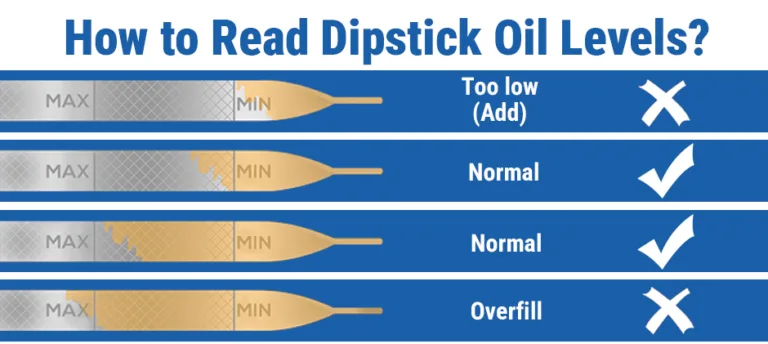
Getting the oil level right is a skill, not a guessing game. Here's the process that works every time.
Step 1: Park on level ground. This seems obvious, but a lot of people skip it. If the truck is tilted, the oil in the pan shifts. Your dipstick reading will be wrong.
Pull onto a flat surface and let the engine cool for at least five minutes.
Step 2: Pull the dipstick. It's a yellow loop handle near the front of the engine on both the V6 and V8. Pull it out completely. Wipe it clean with a lint-free rag.
Insert it all the way back in. Pull it out again and read the level.
Step 3: Read the marks. The dipstick has two marks: a low mark and a full mark. The oil should land between them, ideally closer to the full mark. If it's at or below the low mark, you need oil.
If it's above the full mark, you have too much.
Step 4: Add oil in small amounts. Never pour a full quart in at once if you're just topping off. Add about half a quart. Wait 30 seconds for it to drain into the pan.
Check the dipstick again. Repeat until the level sits at the full mark.
Step 5: Check when changing oil. After draining the old oil and replacing the filter, add the full capacity: 6.0 quarts for the V6 or 7.0 quarts for the V8. Run the engine for 30 seconds to fill the new filter. Shut it off.
Wait two minutes. Check the dipstick. Top off if needed.
One common mistake is checking the dipstick immediately after adding oil. The oil hasn't reached the pan yet. Always wait.
A few minutes of patience saves you from overfilling.
If you notice the dipstick consistently showing low between changes, check for leaks underneath the truck. Also look at the valve cover gaskets. On high-mileage 2006 models, these gaskets can seep oil slowly.
It's not a crisis, but it's worth monitoring.
For reference, the process is similar to what you'd follow when checking the correct fluid level on other Toyota engines. The same dipstick logic applies across the lineup.
Tools and Parts You'll Need for a DIY Oil Change
Changing your own oil on a 2006 Tundra is straightforward. You don't need specialized tools. Here's what to gather before you start.
Oil: 6.0 quarts for the V6 or 7.0 quarts for the V8. Buy an extra quart if you want to top off between changes. Any name brand 5W-30 with the API starburst works.
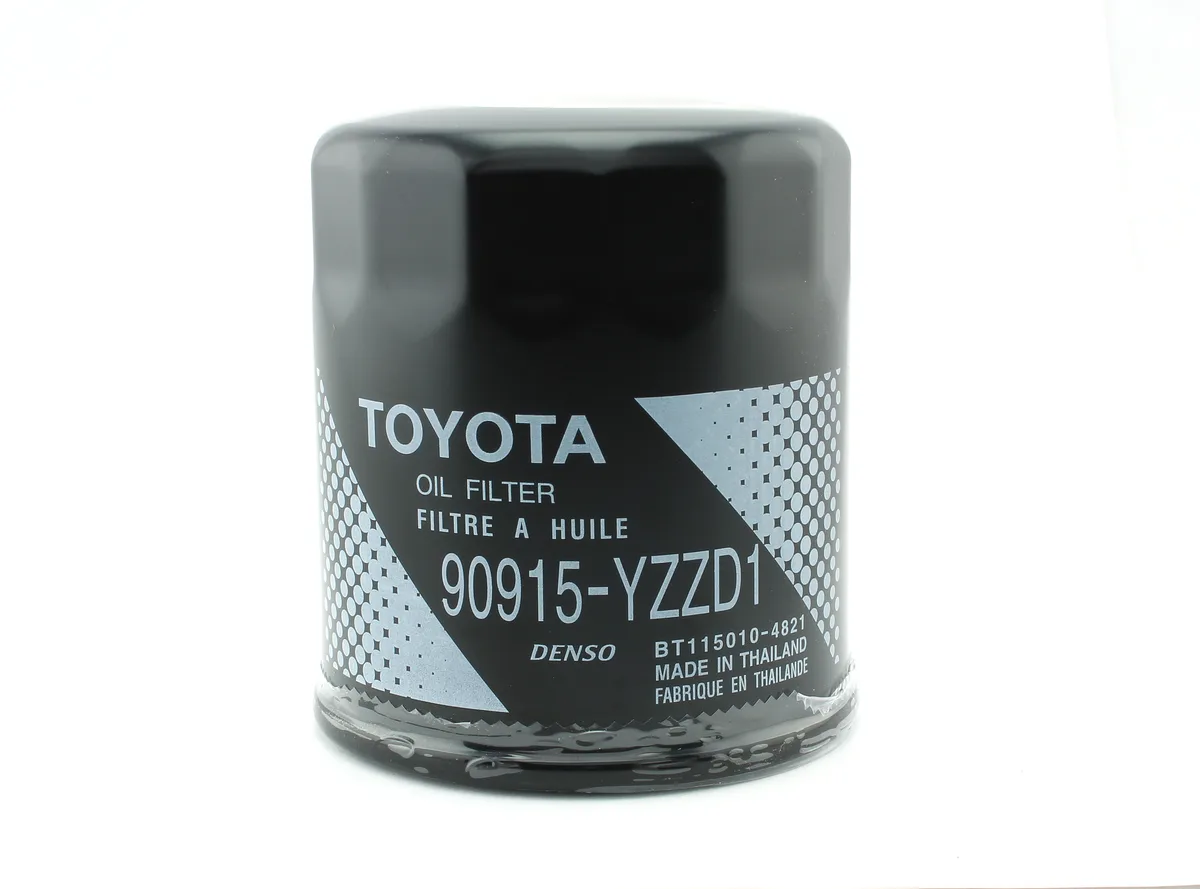
Oil filter: The OEM Toyota filter part number is 90915-YZZD1 or 90915-YZZD4. Both work interchangeably. Aftermarket options from Wix, Mobil 1, and Purolator also fit.
Avoid the absolute cheapest no-name filters. A few extra dollars buys better filtration media.
Drain plug gasket: This is a crush washer. Toyota part number 90430-12031. It's a copper or aluminum ring that seals between the drain plug and the oil pan.
Replace it every oil change. Reusing the old one risks a slow drip.
Tools needed:
- 14mm socket or wrench for the drain plug (19mm on some early 2006 trucks)
- Oil filter wrench (a cap-style wrench fits the Toyota filter perfectly)
- Drain pan (at least 8-quart capacity)
- Funnel for refilling
- Jack and jack stands or ramps (if you can't reach underneath)
- Nitrile gloves and rags
Ramps vs. jacks: Ramps are safer and faster for an oil change. Drive the Tundra up onto them, chock the rear wheels, and you're ready. Jacks require stands and more time.
Either works, but never work under a vehicle supported only by a jack.
Disposal: Used oil is hazardous waste. Most auto parts stores accept it for free. Pour the used oil into a clean container with a tight lid.
Take it to Advance Auto Parts, AutoZone, O'Reilly, or similar stores. Never pour it down a drain or onto the ground.
The total cost for a DIY oil change runs between $35 and $60, depending on the oil brand you choose. That compares to $80 to $130 at a shop. Over four changes per year, you save around $200 to $280.
The tools pay for themselves in one or two changes.
If you're new to working on your own vehicle, the Toyota dealer service manuals are available online through the Toyota Technical Information System. They provide the exact torque specs and procedures for your specific model year.
The Most Common Oil Change Mistakes Owners Make
Even experienced DIYers slip up sometimes. The 2006 Tundra is forgiving, but certain mistakes can cause real damage. Here are the ones we see most often.
Overfilling: Why More Oil Isn't Better
It seems logical that extra oil means extra protection. It doesn't work that way. When the oil level sits above the full mark, the crankshaft whips through the oil surface as it spins.
This creates foam. Foam aerates the oil and reduces its ability to carry heat and lubricate bearings.
The result is low oil pressure and accelerated wear. In severe cases, overfilling can push oil past the piston rings and into the combustion chamber. You'll see blue smoke from the exhaust.
You might also blow out a rear main seal from excess crankcase pressure.
If you accidentally overfill, don't panic. Drain a small amount from the oil pan until the level drops to the full mark. A turkey baster or fluid extractor through the dipstick tube works for small corrections without crawling under the truck.
Underfilling and Oil Starvation Risks
Running a quart low is more common than you'd think. This happens when someone adds the correct amount for a V6 to a V8 or forgets to account for the oil filter capacity. A quart low might not trigger the oil pressure warning light on the dash.
But it still reduces the safety margin during hard cornering, steep climbs, or heavy towing.
The oil pickup tube sits in the sump. When the level drops, the pickup can suck air during aggressive driving. Air in the oil pump means air in the bearings.
That's how rod knock starts.
Check the dipstick after every oil change. Don't trust the bottle count alone. This is especially important if you recently bought a used Tundra and don't know its maintenance history.
The previous owner might have been using the wrong capacity.
Stripped Drain Plugs and Leaking Filters
The oil pan on the 2006 Tundra is made of stamped steel. It's tough but not indestructible. The drain plug threads can strip if you overtighten.
The torque spec is 30 ft-lbs. That's snug by hand with a short wrench, not cranked down with a breaker bar.
If the drain plug threads strip, you have two options. A thread repair kit like a Time-Sert or Helicoil can restore the threads without replacing the pan. Or you can install an oversized drain plug.
Both work. A new oil pan is the last resort and costs around $150 plus labor.
Oil filter leaks happen when the old gasket sticks to the engine block. You install the new filter on top of the old gasket. The seal fails immediately.
Always wipe the filter mounting surface with a clean rag and verify the old gasket came off before installing the new filter.
What It Costs: DIY vs. Shop Oil Change
Money matters on a 20-year-old truck. Here's what you're looking at for a 2006 Tundra oil change in 2026.
| Option | V6 Cost | V8 Cost | Labor Time |
|---|---|---|---|
| DIY conventional | $35 $45 | $40 $50 | 30 45 minutes |
| DIY synthetic | $55 $70 | $60 $80 | 30 45 minutes |
| Quick lube shop | $80 $100 | $90 $120 | 20 30 minutes |
| Toyota dealer | $100 $130 | $110 $150 | 30 45 minutes |
The DIY savings add up fast. At four changes per year, you save roughly $200 to $320. That's a set of new tires every couple of years.
But there's a hidden cost to consider. Used oil disposal requires a trip to the auto parts store. Some municipalities charge a small fee for accepting used oil.
Factor that into your comparison.
If you choose a shop, verify they use the correct viscosity and capacity. Quick lube chains sometimes default to 10W-30 or 5W-20 for older trucks. Bring the oil yourself if you're worried.
Most shops will use customer-supplied oil if you ask.
When to Change Your Oil: Mileage Intervals That Actually Work
The old 3,000-mile rule is outdated for modern oils. But the 2006 Tundra isn't a modern truck. Here's what the data supports.
Conventional oil: Change every 3,500 to 5,000 miles. Play it safe on the lower end if you do mostly short trips or stop-and-go driving. The 2UZ-FE and 1GR-FE engines run hot.
Short trips don't burn off moisture and fuel dilution.
Synthetic oil: Change every 5,000 to 7,500 miles. Some owners stretch to 10,000 miles with high-quality synthetic and oil analysis. That's a personal risk call.
Our research suggests 7,500 miles is a comfortable max for most driving conditions.
Severe service: Toyota defines severe service as frequent towing, dusty roads, extreme temperatures, or idling for long periods. If any of these apply, cut your interval in half. A Tundra used for towing a boat or camper should get oil changes every 3,000 to 4,000 miles regardless of oil type.
Time-based: Oil breaks down even when the truck sits. Change it at least once per year, even if you haven't hit the mileage mark. Moisture accumulates in the crankcase from temperature changes.
That moisture turns into sludge over time.
A good habit is to change the oil in spring and fall. That covers about six months and 5,000 miles for most drivers. Mark it on your calendar.
Your Tundra's engine will thank you.
Signs Your Tundra Needs an Oil Change Now
Sometimes the calendar doesn't matter. Your truck will tell you when it needs fresh oil. Here's what to watch for.
Tick or tap from the valvetrain: If you hear a light tapping sound from the top of the engine at idle, the oil is breaking down. Fresh oil restores hydraulic pressure to the lifters. The noise usually disappears within a few seconds of starting after an oil change.
Dark oil on the dipstick: Clean oil is amber and translucent. Dirty oil is dark brown or black and opaque. If you can't see the dipstick markings through the oil, it's time for a change.
The oil has absorbed combustion byproducts and lost its additive package.
Oil smells like fuel: Pull the dipstick and smell it. A strong gasoline odor means fuel is leaking past the piston rings and diluting the oil. This thins the oil and reduces its ability to protect bearings.
Change it immediately and investigate the cause.
Check engine light: On the 2006 Tundra, low oil pressure or a clogged oil control valve can trigger the check engine light. Don't ignore it. Low oil pressure codes mean the engine is already in distress.
Burning oil smell: If you smell burning oil inside the cabin or see smoke under the hood, you may have a leak. Check the valve cover gaskets and oil pan gasket. Leaks get worse as oil ages and thins out.
Catching these signs early saves money. An oil change costs $40. A new engine costs thousands.
Your Tundra is worth protecting.
When to Call a Mechanic Instead of DIY
Some jobs are worth doing yourself. Others are better left to a pro. Here's how to decide.
Call a mechanic if you smell fuel in the oil. That points to a leaking injector or worn piston rings. An oil change won't fix that. You need a diagnosis.
Call a mechanic if the drain plug is stripped. Helicoil repairs require drilling and tapping the oil pan. If you don't have the tools or experience, a shop can handle it for about $100.
Call a mechanic if you see metal flakes in the drained oil. That's bearing material. The engine needs professional evaluation before it fails completely.
Call a mechanic if you can't break the oil filter loose. Filters can weld themselves to the engine block over 20 years. A shop has better leverage and penetrating solvents.
For routine changes on a well-maintained Tundra, DIY is perfectly safe. Know your limits.
Frequently Asked Questions
Can I use 10W-30 instead of 5W-30 in my 2006 Tundra?
Toyota specifies 5W-30 for both the V6 and V8. Using 10W-30 increases cold start wear because it flows slower in low temperatures. In warm climates it won't cause immediate damage, but it's not recommended.
How often should I change the oil filter?
Change the filter every single oil change. The filter traps contaminants. After 5,000 miles it's full.
Never skip the filter to save $8. It's false economy.
What happens if I put 6 quarts in a 4.7L V8 engine?
The V8 needs 7.0 quarts. At 6 quarts, the oil level sits near the low mark. The engine will run, but the safety margin during hard driving is reduced.
Top it off as soon as possible.
Can I switch from conventional to synthetic oil?
Yes. Switching is safe at any mileage. Synthetic oil cleans better, so on a high-mileage engine with sludge, expect to see some oil consumption initially as deposits loosen.
That's normal.
Why does my oil pressure gauge read low at idle?
On a warm engine, idle oil pressure around 10 15 psi is normal for the 2UZ-FE and 1GR-FE. If the pressure drops to zero or the warning light comes on, shut the engine down immediately.
Is the 2006 Tundra oil capacity the same for 4×4 and 4×2 models?
Yes. The oil pan capacity is identical regardless of drivetrain. The 4×4 system doesn't affect engine oil volume.
Check your dipstick for confirmation regardless of which model you own.
Final Take: Keeping Your 2006 Tundra's Engine Alive for 300,000 Miles
The 2006 Tundra is a special truck. Both the 4.0L V6 and the 4.7L V8 are capable of outlasting almost anything on the road today. But they need you to do your part.
Here's the short version. Use 5W-30 oil. Put in 6.0 quarts for the V6 or 7.0 quarts for the V8.
Check the dipstick after every fill. Change the oil on schedule. Replace the crush washer and filter every time.
Don't overfill. Don't underfill.
That's it. That's the whole formula.
The owners who get 300,000 miles from their Tundra don't use special oil or secret tricks. They just stay consistent. Every single oil change is an investment in the next 5,000 miles.
Miss one and you start catching up. Catch up too many times and the engine pays the price.
Toyota built these engines to last. The oil capacity isn't a suggestion. It's an engineering specification.
Respect it and your Tundra will respect you back.