
If you own a 2007 Toyota Prius, or you're thinking about buying one, there's one fluid question that matters more than most: the 2007 Toyota Prius oil capacity. Get this wrong, and you're looking at expensive engine trouble, not just a messy driveway. Overfill it, and the engine can foam up, starve itself of lubrication, and cause damage that a hybrid repair bill won't make you happy about.
Underfill it, and you risk bearing wear that turns a reliable car into a headache.
The good news? The answer is straightforward once you know the spec. Toyota designed the 1.5L 1NZ-FXE Atkinson-cycle engine with very specific oil requirements, and as of 2026, those specs haven't changed.
The engine takes 3.9 US quarts (3.7 liters) of 0W-20 full synthetic oil when you include a filter change, and 3.5 quarts if you're just topping up after a drain. That number matters, but so does the type of oil and the way you check it. Let's walk through what you actually need to know.
Quick Answer
A 2007 Toyota Prius takes 3.9 quarts (3.7 liters) of 0W-20 full synthetic oil with a filter change. Without a filter change, it takes 3.5 quarts (3.3 liters). Use only API SN or higher certified oil.
The correct viscosity is 0W-20. Earlier specs allowed 5W-30, but Toyota superseded that recommendation. Check the dipstick on level ground with the engine warm.
Why Getting the Oil Capacity Right Matters for Your 2007 Prius
The 2007 Prius isn't like a conventional car when it comes to oil. The 1NZ-FXE engine runs on the Atkinson cycle, which means it operates differently from a standard Otto-cycle engine. It's designed for efficiency, not raw power, and it's tuned to run on very specific oil.
Put the wrong weight in there, or the wrong amount, and the engine management system won't compensate for it.
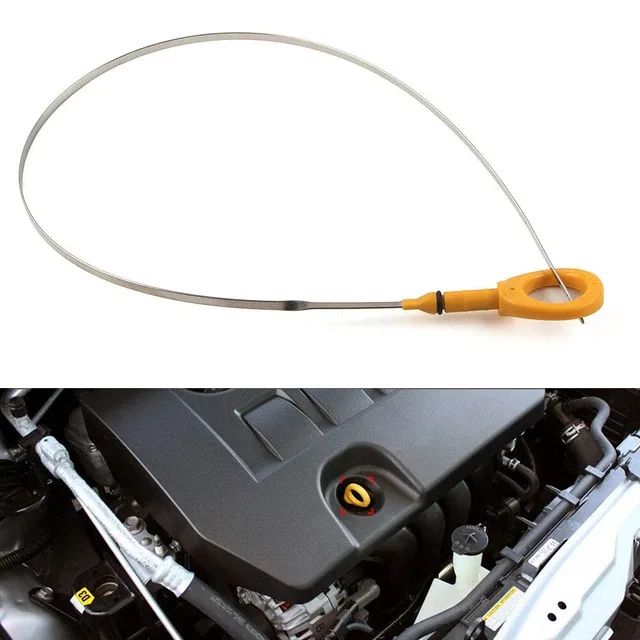
Image source: Web (Bing) / picclick.co.uk (Web image (fair-use with source credit))
Here's what happens when you get it wrong:
- Overfilling causes the crankshaft to whip the oil into a froth. Aerated oil doesn't lubricate well, and the engine can suffer from oil starvation at critical points. It can also push oil past seals and into places it shouldn't be.
- Underfilling means the oil pump can suck air during hard corners or steep inclines. Low oil level also means higher oil temperatures, which accelerates breakdown.
- Wrong viscosity 5W-30 in particular can cause the variable valve timing system to respond sluggishly, and in cold weather, the engine has to work harder to circulate thicker oil.
The Prius also has a shallow oil pan design. That's not a design flaw, it's a packaging decision to fit everything under the hybrid powertrain. But it means the oil drains differently than on a Corolla or a Camry.
If you rush the drain, you might leave old oil in the pan, which then contaminates your fresh fill. Manufacturer specifications indicate that with the filter change, you should put in exactly 3.9 quarts and then adjust based on the dipstick reading.
If you've ever serviced a newer Toyota hybrid, you'll notice the process is similar. For instance, the correct fluid level in a 2021 model follows the same principle, which you can check in our guide on what oil type works for that generation.
The 1NZ-FXE Engine: What Makes It Different
The 1NZ-FXE is a 1.5-liter four-cylinder engine, but it's not the same as the 1NZ-FE found in the Yaris or the Echo. The "X" in the code stands for "Atkinson cycle," and that changes everything about how the engine breathes and how it needs to be lubricated.
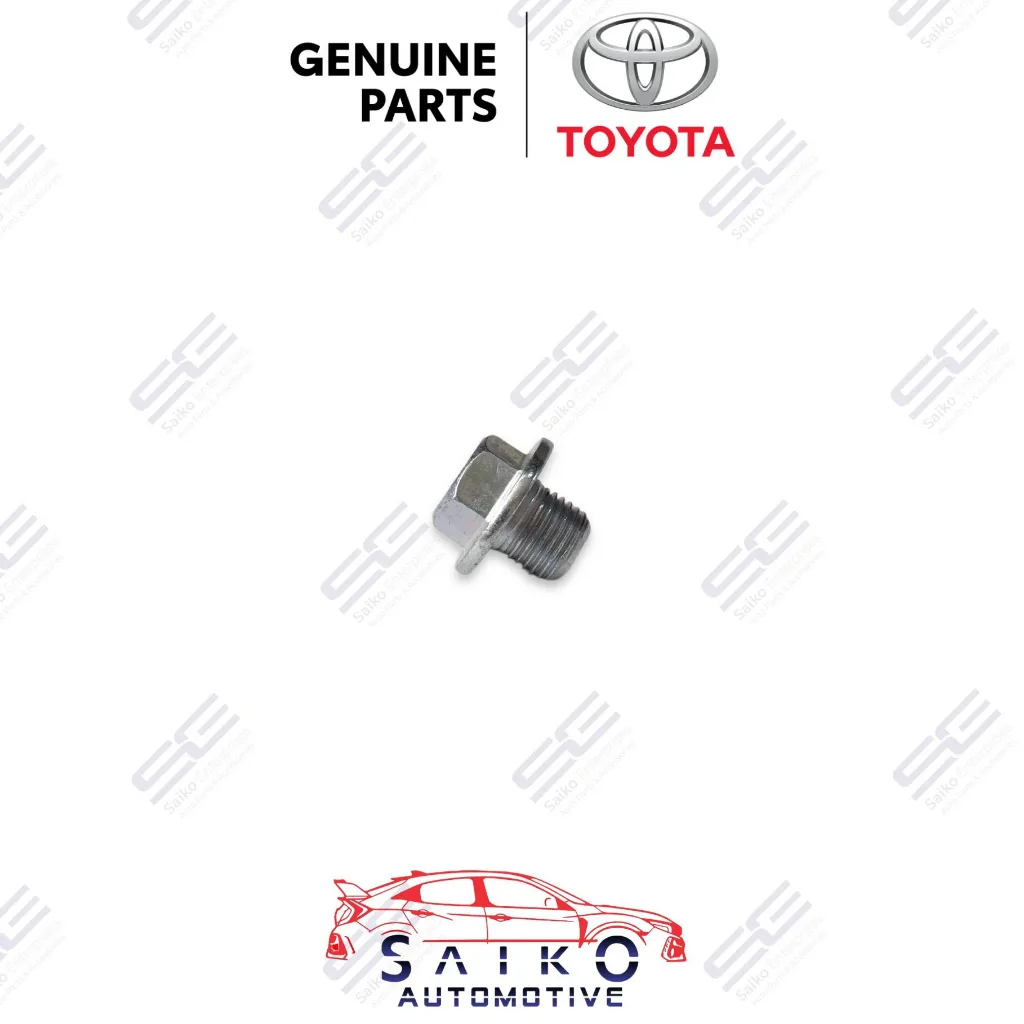
Image source: Bing (Web (fair-use with source credit))
In an Atkinson-cycle engine, the intake valve stays open longer during the compression stroke. That means the effective compression ratio is lower than the geometric compression ratio. The engine is more efficient, but it also has different thermal characteristics.
The oil has to handle heat that builds up differently than in a conventional engine.
The oil pan on this engine is shallower than you'd expect. It's shaped to fit around the transaxle and the electric motor assembly. That means:
- The oil level changes more noticeably with small additions.
- The dipstick reading is more sensitive to the engine being perfectly level.
- Old oil can pool in the pan's corners if you don't let it drain long enough.
Because of this pan design, checking the oil level requires the car to be on level ground. Park on a slope, and you'll get a false reading that could lead you to overfill.
Another thing to know: the 1NZ-FXE doesn't have a traditional oil pressure gauge. It has a low oil pressure warning light. By the time that light comes on, you've already got a problem.
Keeping the oil at the correct 2007 Toyota Prius oil capacity is your only early warning system.
This engine also shares some design DNA with other Toyota hybrids of the era. If you're working on a Toyota RAV4 hybrid from around the same period, you'll see a similar oil pan geometry. The principle is the same, drain thoroughly, measure precisely.
Oil Capacity: With Filter vs. Without Filter
This is where most of the confusion happens. The 2007 Toyota Prius oil capacity changes based on whether you're replacing the oil filter or not. Here's the breakdown in plain numbers:
| Condition | US Quarts | Liters |
|---|---|---|
| With oil filter change | 3.9 quarts | 3.7 liters |
| Without oil filter change | 3.5 quarts | 3.3 liters |
If you're doing a full oil change, always change the filter. There's no good reason to skip it. The filter costs around ten bucks, and it traps contaminants that would otherwise circulate through your fresh oil.
Running new oil through an old filter is like taking a shower and putting your dirty clothes back on.
When you drain the old oil, let it drip for at least 10 to 15 minutes. The pan's shallow design means oil takes longer to find its way to the drain plug. If you're in a hurry and button it up after five minutes, you might have half a cup of old oil still in there.
That throws off your new oil measurement and dilutes the fresh fill.
Start by putting in 3.5 quarts if you changed the filter. Run the engine for a minute, let it sit for five minutes, then check the dipstick. Add the remaining 0.4 quarts in small increments until the level hits the full mark.
Do not just dump the whole 3.9 quarts in without checking. Every engine is slightly different, and minor variations in drain time can affect how much old oil remains.
The same approach works for other Toyota models. Our guide to the Toyota Corolla oil type follows a similar logic, drain fully, measure carefully, adjust.
0W-20 vs. 5W-30: What Your Prius Actually Needs
This is a debate that still comes up in forums, and it's settled. Your 2007 Prius needs 0W-20 full synthetic oil. Period.
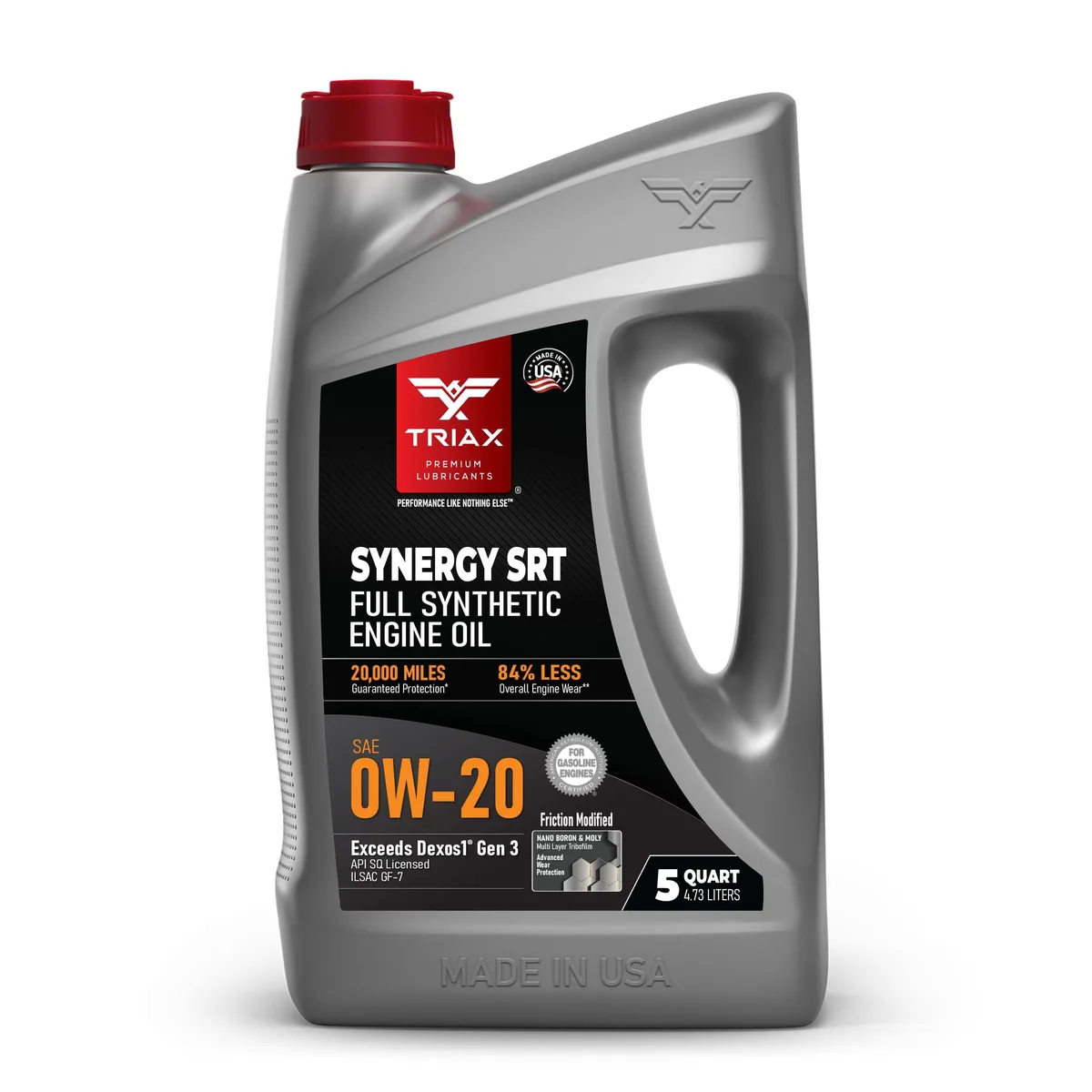
Image source: Web (Bing) / walmart.com (Web image (fair-use with source credit))
Here's the history. When the 2007 Prius was new, Toyota recommended 5W-30 in some markets. But the company issued a technical service bulletin years ago updating the recommendation to 0W-20 for all second-generation Prius models.
The reasoning is straightforward:
- 0W-20 flows better in cold weather. The lower viscosity means the oil reaches critical engine parts faster on a cold start. The Prius engine cycles on and off frequently in hybrid operation, so it experiences more cold starts than a conventional car.
- 0W-20 improves fuel economy. The Atkinson-cycle engine is all about efficiency. Thicker oil creates more drag on the moving parts, and that costs you miles per gallon.
- 0W-20 is required for the variable valve timing system. The oil-actuated VVT system needs the right flow characteristics to adjust cam timing properly. 5W-30 can make the system sluggish, especially when the oil is cold.
Can you use 5W-30 in an emergency? Sure, if that's all you have on a Sunday in the middle of nowhere. But you should change it back to 0W-20 at the next oil change.
Do not make a habit of it.
When you buy oil, look for the API certification mark on the bottle. It should say "API SN" or "API SP" on the label. Those are the current standards as of 2026.
Also look for "ILSAC GF-5" or "GF-6" certification. That's the fuel economy standard that 0W-20 oils are formulated to meet.
Stick with a name-brand full synthetic. Mobil 1, Castrol EDGE, Pennzoil Platinum, Valvoline Advanced, any of these will serve you well. The key is the viscosity and the certification, not the brand name.
The same oil type guidance applies across Toyota's lineup. The 2025 Toyota Camry hybrid also uses 0W-20 for the same reasons. It's not unique to the Prius.
Step-by-Step: How to Change the Oil the Right Way
Changing the oil on a 2007 Prius isn't hard, but it's different from a standard car. Here's the process that works every time.
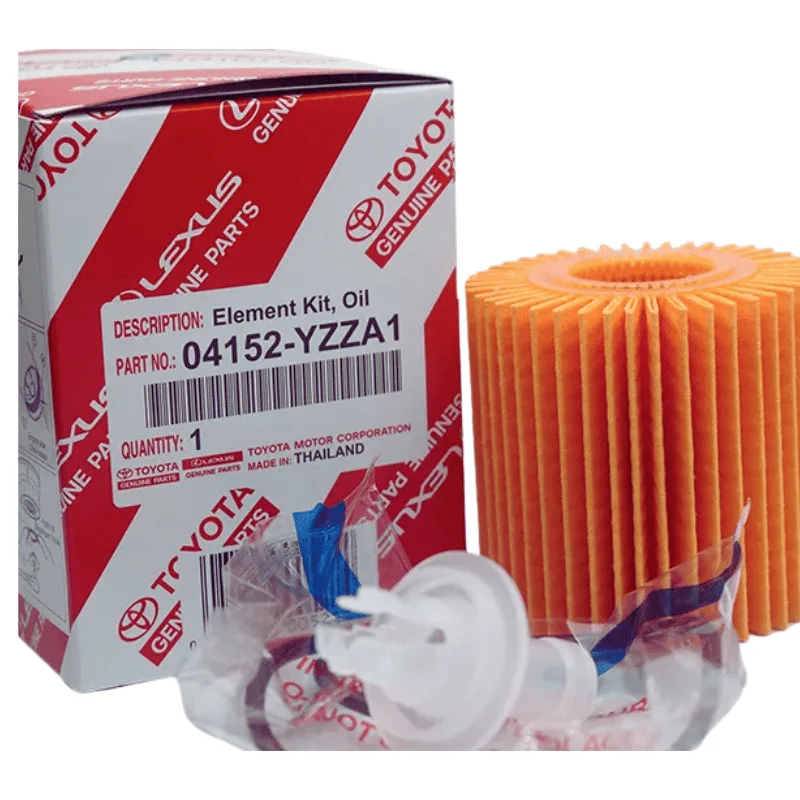
Image source: Web (Bing) / mrparts.ng (Web image (fair-use with source credit))
Tools and Supplies You'll Need
Before you start, gather everything. Nothing worse than getting halfway through and realizing you're missing something.
- 3.9 quarts of 0W-20 full synthetic oil (one 5-quart jug covers it)
- OEM or equivalent oil filter (part number 04152-YZZA1)
- New drain plug gasket (Toyota part number 90430-12031 or a generic copper washer)
- 14mm socket or wrench for the drain plug
- Oil filter wrench (the metal canister type needs a cap-style wrench)
- Funnel
- Jack and jack stands or ramps
- Drain pan
- Shop towels or rags
Getting the Car Ready
Warm up the engine for a few minutes. Warm oil flows faster and carries more suspended contaminants. But don't run the engine until it's hot, warm enough that the oil is thin, but not so hot you'll burn yourself.
Park on level ground. Set the parking brake. Jack up the front of the car and place it securely on jack stands.
Never work under a car supported only by a jack. Use ramps if you prefer, they're stable and easy.
Draining the Old Oil
Put the drain pan under the engine. The drain plug is on the passenger side of the oil pan, facing downward. Use your 14mm socket to loosen it.
Turn it counterclockwise by hand once it's loose. Be ready for hot oil to come out immediately.
Let the oil drain completely. Wait at least 10 minutes. Go do something else, clean your tools, check the air filter, whatever.
The shallow pan means the last bit of oil takes its time coming out.
Remove the old oil filter while the oil is draining. It's on the front of the engine, near the top. Use the filter wrench to turn it counterclockwise.
Some oil will spill out, so position the drain pan under it. Wipe the mounting surface clean before installing the new filter.
Replacing the Filter
Lubricate the new filter's rubber gasket with a little fresh oil. This prevents the gasket from sticking and tearing when you next change the filter. Hand-tighten the filter until the gasket contacts the mounting surface, then give it another three-quarters of a turn.
Do not overtighten it. The filter wrench is for removal, not installation.
Adding Fresh Oil
Reinstall the drain plug with a new gasket. Torque it to 29 foot-pounds. That's snug but not gorilla-tight.
The aluminum oil pan strips easily if you overdo it.
Pour in 3.5 quarts of oil through the fill cap on the valve cover. Replace the fill cap. Start the engine and let it run for 30 seconds.
Check for leaks around the filter and drain plug.
Turn the engine off. Wait five minutes for the oil to drain back into the pan. Check the dipstick.
It should read below the full mark. Add oil in 0.2-quart increments, checking the dipstick each time, until the level reaches the full mark. You'll likely end up somewhere between 3.7 and 3.9 quarts total.
Checking the Dipstick Correctly
Pull the dipstick out, wipe it clean, push it all the way back in, then pull it out again. Read the level. The oil should be between the low and full marks.
The full mark is the top hole or the upper notch, depending on your dipstick design.
Check it on level ground with the engine warm but off. If you check it cold, the reading will be lower because the oil has contracted. If you check it right after running, the reading will be lower because some oil hasn't drained back yet.
Warm engine, off for five minutes, that's the sweet spot.
The same step-by-step process applies to many Toyota vehicles. If you're working on a 2024 Toyota RAV4, the procedure is nearly identical, though the capacity and filter location differ slightly.
Common Mistakes That Can Wreck Your Engine
Most Prius oil problems come from the same handful of errors. Knowing them upfront saves you the headache of learning the hard way.
Overfilling is the most common mistake. You pour in the full jug, check the dipstick, and it reads high. The engine runs rough, and you might notice white smoke from the exhaust. That's burning oil that got pushed past the piston rings.
Drain some out immediately. Running an overfilled engine for any length of time can damage the catalytic converter.
Using 5W-30 instead of 0W-20. We covered this, but it bears repeating. Some parts stores still list 5W-30 as acceptable for the 2007 Prius in their computer systems. They're wrong.
Toyota updated the spec over a decade ago. Do not trust a store lookup without checking the owner's manual supplement.
Skipping the filter change. The filter on the 1NZ-FXE is small. It clogs faster than filters on larger engines. Running two or three oil changes on the same filter means restricted oil flow at highway speeds.
Change it every time.
Forgetting the drain plug gasket. That little copper or aluminum washer costs less than a dollar. Reusing the old one risks a slow leak that can dump your oil overnight. Always replace it.
Checking the dipstick wrong. Cold engine, hot engine, on a slope, in park, in neutral, every variation gives a different reading. Warm the engine, turn it off, wait five minutes, and check on level ground. That's the only method that works.
When to Change the Oil: Mileage and Time Intervals
Toyota originally recommended 5,000-mile oil change intervals for the 2007 Prius under severe driving conditions. The standard interval was 10,000 miles. Most owners should stick with 5,000 miles.
Here's why. The Prius engine doesn't run continuously. It cycles on and off based on driving conditions.
That means the oil spends more time at operating temperature than in a conventional car, but it also undergoes more thermal cycles. Each heat cycle breaks down the oil additives a little more.
| Driving Condition | Recommended Interval |
|---|---|
| Normal highway driving | 7,500 – 10,000 miles |
| City driving, short trips | 5,000 miles |
| Extreme cold or hot climate | 5,000 miles |
| Frequent stop-and-go traffic | 5,000 miles |
| Track or autocross use | 3,000 miles |
Time matters too. If you drive less than 5,000 miles a year, change the oil once a year. Oil absorbs moisture from the air over time, and combustion byproducts accumulate even in short drives.
The same interval logic applies to other Toyota hybrids. Our guide to the Toyota Sienna oil type recommends similar intervals for the same reason, thermal cycling affects all hybrid powertrains.
Should You Go Synthetic or Conventional?
Use synthetic. Full stop.
The 2007 Prius was designed around full synthetic 0W-20 oil. Conventional oil in a 0W-20 weight barely exists, and what's available doesn't hold up to the thermal stress of the Atkinson cycle. Synthetic oil resists breakdown at high temperatures, flows better in cold weather, and keeps the engine cleaner over time.
Does it cost more? Yes. A 5-quart jug of 0W-20 synthetic runs about $25 to $40 depending on the brand.
Conventional oil for an older car might be half that. But the Prius only takes 3.9 quarts, so the cost difference per change is maybe ten to fifteen bucks.
Consider this. The 1NZ-FXE engine uses a timing chain, not a timing belt. A timing chain lasts longer, but it's lubricated directly by engine oil.
Sludge or deposits from cheap oil can stretch or damage the chain. Replacing a timing chain on a Prius is a thousand-dollar job. Synthetic oil is cheap insurance.
Some owners use high-mileage synthetic formulations after 100,000 miles. These contain seal conditioners that help reduce oil consumption in older engines. If your Prius has over 100,000 miles and you notice it using a little oil between changes, high-mileage 0W-20 is a smart choice.
For a side-by-side view of synthetic versus conventional in a similar platform, check the breakdown for the Toyota RAV4 oil type. The engineering reasoning is the same.
How to Tell If Someone Put in the Wrong Oil
Buying a used 2007 Prius comes with some uncertainty. The previous owner might have used 5W-30 or even 10W-40. Here's how to spot the problem.
Listen to the engine on a cold start. With 0W-20, the engine should fire up quietly and settle into a smooth idle within seconds. With thicker oil, you'll hear a brief rattle or clatter from the valvetrain while the oil pump pushes the heavier fluid through the passages. That noise is the variable valve timing actuator struggling to get oil pressure.
Check the dipstick. If the oil looks dark and thick on the dipstick after a recent change, it might be the wrong viscosity. Fresh 0W-20 is amber and flows like water when warm. 5W-30 at the same temperature is noticeably thicker on the dipstick.
Look for signs of oil consumption. Thicker oil can cause the PCV system to work harder. You might see oil residue around the PCV valve or in the intake hose. That's a clue that the engine wasn't running on the right oil.
Check the oil filler cap for sludge. If you remove the cap and see dark, gritty deposits on the underside, that's a sign of previous neglect or wrong oil. A well-maintained Prius running 0W-20 has a clean, amber-colored cap with no buildup.
If you suspect someone used the wrong oil, do an early oil change. Flush the system with the correct 0W-20 and run it for 1,000 miles, then change it again. That's enough to clear out most of the residual incorrect oil.
When It's Time to Call a Mechanic
DIY oil changes save money and give you control. But some situations call for professional help.
Stripped drain plug threads. The Prius oil pan is aluminum. It's easy to cross-thread the drain plug or overtighten it until the threads strip. If the plug won't tighten or starts leaking after a change, stop.
Driving with a loose drain plug can empty your oil pan in minutes. A mechanic can install a thread repair insert or replace the oil pan.
The oil filter won't come off. The filter sits on the front of the engine, but it can seize in place after years of heat cycles. If you've tried a filter wrench and it just spins or crushes the filter, call a shop. They have tools that grip better without damaging the filter housing.
The check engine light comes on after an oil change. If you see a CEL within a few miles of a fresh oil change, it's probably not related to the oil itself. But it could be a loose gas cap, a disconnected vacuum line, or something else you bumped during the service. A shop can pull the code and tell you what's going on.
You see oil on the ground after driving. A drip under the engine after a change usually means the drain plug isn't tight or the filter gasket isn't seated. If tightening doesn't stop it, you might have a damaged gasket surface. Don't ignore it.
Oil leaks on a Prius can drip onto the exhaust system and cause smoke or worse.
The engine sounds different after the change. If your Prius suddenly sounds louder or rattles after an oil change, the oil level or viscosity may be wrong. Or the filter could be defective. Either way, better to have a second set of eyes on it.
Even if you usually DIY, knowing when to hand it off saves your engine and your wallet. For a complete overview of when professional service matters for Toyota models, the guide on 2025 Toyota Tacoma oil type includes a similar breakdown of DIY versus shop work.
The Cost: What a Proper Oil Change Should Set You Back
A DIY oil change on a 2007 Prius runs between $35 and $55. That includes 3.9 quarts of 0W-20 synthetic, a new filter, and a drain plug gasket. The oil is the biggest expense at roughly $25 to $40 for a 5-quart jug.
The filter costs $8 to $15, and the gasket is about $2.
A shop will charge $80 to $120 for the same service. You're paying for labor, disposal, and the convenience of not getting your hands dirty. That's fair, but the job is simple enough that most owners can handle it themselves in under an hour.
The math works in your favor if you DIY. Over five years of 5,000-mile intervals, you save roughly $200 to $300. Plus you know exactly what went into the engine.
Verified Specs at a Glance
Here's the quick reference sheet for the 2007 Toyota Prius. Bookmark this or keep it in your glove box.
| Spec | Value |
|---|---|
| Engine | 1.5L 1NZ-FXE Atkinson-cycle |
| Oil capacity with filter | 3.9 US quarts (3.7 liters) |
| Oil capacity without filter | 3.5 US quarts (3.3 liters) |
| Recommended viscosity | 0W-20 full synthetic |
| API certification | SN or SP |
| ILSAC certification | GF-5 or GF-6 |
| Drain plug torque | 29 ft-lbs (39 Nm) |
| Oil filter part number | 04152-YZZA1 |
| Drain plug gasket | 90430-12031 |
| Interval (normal) | 7,500 miles or 12 months |
| Interval (severe) | 5,000 miles or 12 months |
Frequently Asked Questions
What happens if I put 5W-30 in my 2007 Prius?
The engine will run, but cold starts will be harder and fuel economy drops. The variable valve timing system may respond slower. Change it to 0W-20 at your next oil change.
Do not run 5W-30 permanently.
How do I check the oil level on a 2007 Prius?
Warm the engine, turn it off, and wait five minutes. Park on level ground. Pull the dipstick, wipe it, reinsert it fully, then pull it again.
The level should sit between the low and full marks. Never check it on a slope.
Can I use conventional oil instead of synthetic?
Not recommended. The engine was designed around synthetic 0W-20. Conventional oil breaks down faster under the thermal stress of the Atkinson cycle and doesn't flow as well in cold weather.
Stick with synthetic.
How often should I change the oil filter?
Every oil change. The filter is small and traps contaminants quickly. Running multiple oil changes on one filter risks restricted flow.
It costs about ten bucks. Just change it.
My Prius burns oil between changes. What should I do?
Switch to a high-mileage 0W-20 synthetic. These formulations contain seal conditioners that reduce consumption in older engines. If that doesn't help within two oil changes, check for leaks or have a compression test done.