
If you own a 2007 Toyota RAV4, the single most common maintenance question is simple: how much oil does it actually take? The answer matters more than you might think. Pour in too little and the engine starves.
Pour in too much and you risk foaming, seal damage, and internal pressure that can kill seals. The 2007 toyota rav4 oil capacity isn't a one-size-fits-all number either. It depends entirely on which engine is under your hood.
According to Toyota's factory service specifications, the 2.4L four-cylinder holds exactly 4.5 quarts (4.3 liters) with a filter change, while the 3.5L V6 takes a full 6.4 quarts (6.1 liters). Those two numbers are the foundation of every oil change you'll do. The wrong guess costs time, money, or worse.
Let's walk through everything you need to know before you pick up a wrench.
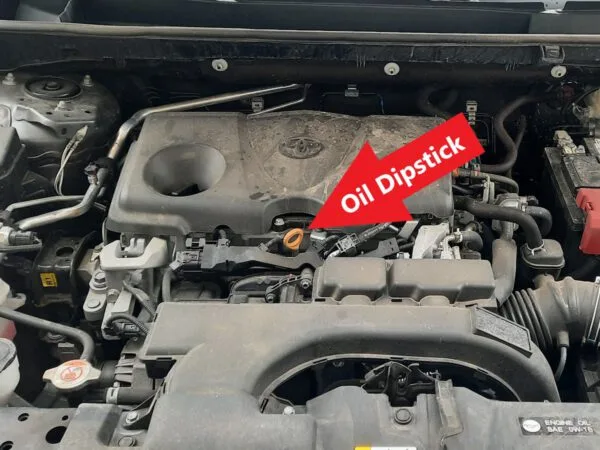
Image source: Web (Bing) / rav4resource.com (Web image (fair-use with source credit))
Quick Answer
The 2007 Toyota RAV4 takes 4.5 quarts of oil with the 2.4L engine. The 3.5L V6 takes 6.4 quarts. Both use SAE 5W-30 oil meeting API SL or newer standards.
Always change the oil filter. Check the dipstick after filling. Never overfill.
Why Getting the Exact Oil Capacity Right on Your 2007 RAV4 Matters
The engine in your 2007 RAV4 was designed around a specific oil volume. The oil pan, the pump, the passages, even the filter housing are all sized to hold a precise amount of lubricant at the correct level. Straying from that number creates real problems.
When you underfill, the oil level drops below the pickup tube during hard cornering or steep inclines. The pump sucks air instead of oil. That's metal-on-metal contact in the bearings, the camshaft journals, and the piston rings in a matter of seconds.
Even a quart low is enough to cause damage on a long highway climb in summer heat.
Overfilling is equally dangerous. The crankshaft whips through excess oil at high speed, aerating it into foam. Foam doesn't lubricate.
It also increases internal pressure, pushing oil past valve seals and into the combustion chamber. You'll see blue smoke from the tailpipe, and you'll burn through oil fast. A full quart over the max line can cause catastrophic seal failure.
Toyota engineers spent years validating these capacity numbers. They weren't guessing. Neither should you.
Quick Reference: Oil Capacity at a Glance
Here is the simplest way to know what you need before you start. These numbers come directly from Toyota's 2007 RAV4 owner manual and service documentation.
| Engine | With Filter Change | Without Filter Change | Recommended Oil |
|---|---|---|---|
| 2.4L 4-cylinder (2AZ-FE) | 4.5 quarts (4.3 liters) | ~4.3 quarts | SAE 5W-30, API SL or newer |
| 3.5L V6 (2GR-FE) | 6.4 quarts (6.1 liters) | ~6.2 quarts | SAE 5W-30, API SL or newer |
The filter change matters more than most people realize. The oil filter holds roughly 0.2 to 0.3 quarts of oil on its own. If you drain the pan and install a new dry filter, you need that extra volume to reach the full mark on the dipstick.
Always buy a full 5-quart jug plus an extra quart for the 2.4L, or two 5-quart jugs for the V6 (you'll have roughly 3.6 quarts left over for the next change).
First Things First: Which Engine Does Your RAV4 Have?
The 2007 model year was a transition point for the RAV4. Toyota offered two completely different engines, and if you don't know which one you have, you cannot get the oil capacity right. The good news is it takes about ten seconds to find out.
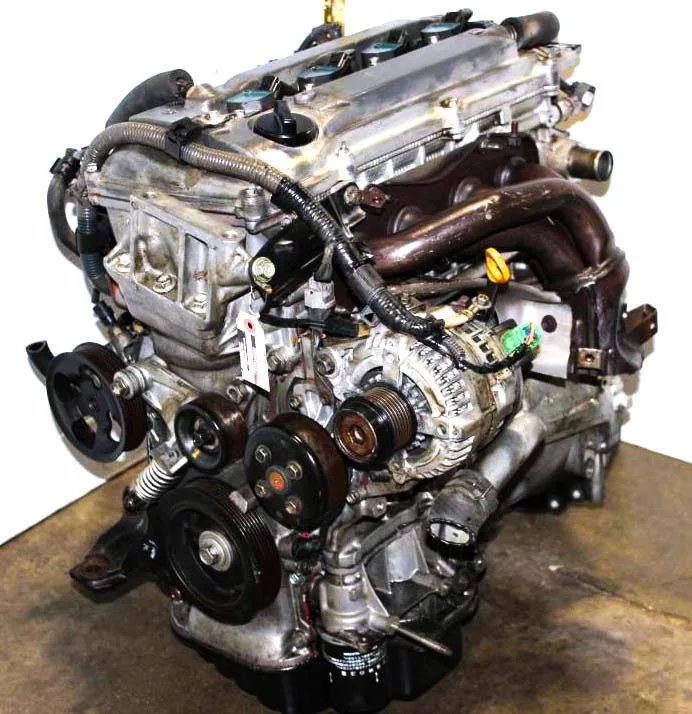
Image source: Web (Bing) / mediaplaylistmanager.com (Web image (fair-use with source credit))
Method one: Check the VIN. The eighth character of your vehicle identification number tells the story. For the 2007 RAV4, position eight will be either "A" for the 2.4L four-cylinder or "F" for the 3.5L V6. You can find the VIN on the driver's side dashboard near the windshield or on the driver's door jamb sticker.
Method two: Pop the hood. The 2.4L engine has a plastic engine cover that says "VVT-i" in raised lettering. It sits relatively compact and square over the top of the engine. The 3.5L V6 is physically larger, takes up more of the engine bay side to side, and has a longer plastic cover with "3.5L V6" or "VVT-i" molded into it.
If you see two exhaust manifolds or a larger air intake box, you're looking at the V6.
Method three: Check the owner manual. If you still have the original glovebox manual, the engine specifications section lists the exact engine code (2AZ-FE or 2GR-FE) and the corresponding capacities.
The 2.4L was standard on base trims. The 3.5L V6 came on higher trims and was optional on mid-range models. As of 2026, many used 2007 RAV4s on the market have had their badges removed or swapped, so visual identification is more reliable than trusting fender badges.
The Full Specs: Oil Type, Viscosity, and Certification
Getting the right volume is step one. Getting the right oil type is step two. The two work together.
Viscosity: SAE 5W-30. Toyota specified 5W-30 for both engines in the 2007 RAV4. The "5W" means the oil flows like a 5-weight when cold, which matters for startup protection in winter. The "30" means it thickens to a 30-weight at operating temperature, which provides film strength at high RPM.
Do not use 10W-30 or 0W-20. The 2AZ-FE engine in particular has known issues with oil consumption at higher mileage, and using the wrong viscosity accelerates that problem.
API Certification: SL or newer. The American Petroleum Institute (API) assigns service categories to engine oils. For a 2007 engine, API SL is the minimum acceptable standard. Oils rated SM, SN, SN Plus, or SP are backward-compatible and better.
Look for the API donut symbol on the bottle. If you see an oil labeled only for diesel engines or with an obsolete rating like SG, do not use it.
Conventional vs. synthetic. Either works in terms of capacity. Four and a half quarts is four and a half quarts regardless of whether the oil is conventional or synthetic. However, synthetic oil generally resists thermal breakdown better, which is relevant for the 3.5L V6.
That engine runs hotter and puts more stress on the oil during sustained highway use. If you drive mostly short trips and change oil every 5,000 miles, conventional 5W-30 is fine. If you tow, drive in mountains, or live in extreme heat, synthetic is the better long-term choice.
Additives and blends. Avoid "high mileage" oils formulated for engines over 75,000 miles if your engine doesn't need them yet. They contain seal conditioners that are unnecessary on a tight engine. Stick with the basic 5W-30 rating and the API spec.
More additives are not better.
Step-by-Step: How to Check and Fill Oil the Right Way
Even if you aren't doing your own oil change, knowing how to check and top off the oil correctly prevents mistakes. This procedure is the same for both engines.
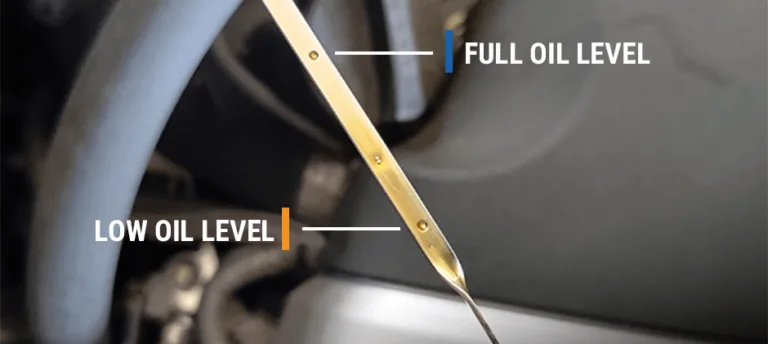
Image source: Bing (Web (fair-use with source credit))
Tools you need:
- A clean rag or paper towel
- The correct 5W-30 oil (one quart for top-offs)
- A funnel (optional but helpful to avoid spills)
The correct checking procedure:
Park on level ground. Even a slight slope tilts the oil in the pan and gives a false reading. Pull into a flat driveway or parking spot.
Warm the engine. Run the engine for about five minutes. Cold oil drains slowly and reads low. Hot oil has expanded and reads slightly high. The "normal operating temperature" middle ground gives the most accurate reading.
Turn the engine off. Wait two full minutes. This lets the oil drain back into the pan from the valvetrain and upper passages.
Pull the dipstick. Locate the yellow or orange loop handle near the front of the engine on the 2.4L, or toward the center on the V6. Pull it straight out and wipe it clean with the rag.
Reinsert fully. Push the dipstick all the way back into its tube. Wait a second. Pull it out again.
Read the level. The dipstick has two marks near the bottom: a low mark and a full mark. The oil level should be between these two marks. Ideally, it sits closer to the full mark. If it's at or below the low mark, you need to add oil.
How to add oil safely:
- Remove the oil fill cap on top of the valve cover.
- Add about half a quart at a time.
- Wait one minute for the oil to drain into the pan.
- Recheck the dipstick.
Never add a full quart at once unless you know you're a full quart low. It is surprisingly easy to overshoot, especially on the 2.4L engine where the total capacity is only 4.5 quarts. A half-quart overfill is already outside the safe range.
One critical rule: The dipstick tells the truth. Trust it over the bottle. Even if the bottle says "1 quart," the actual volume in your engine depends on how much drained out, how much the filter holds, and how level the car is.
The dipstick is the final authority.
Mistakes That Can Destroy Your Engine
You already know the right capacity. You know the right oil. But knowing is only half the battle.
The other half is avoiding the mistakes that send perfectly good 2007 RAV4 engines to the scrapyard early.
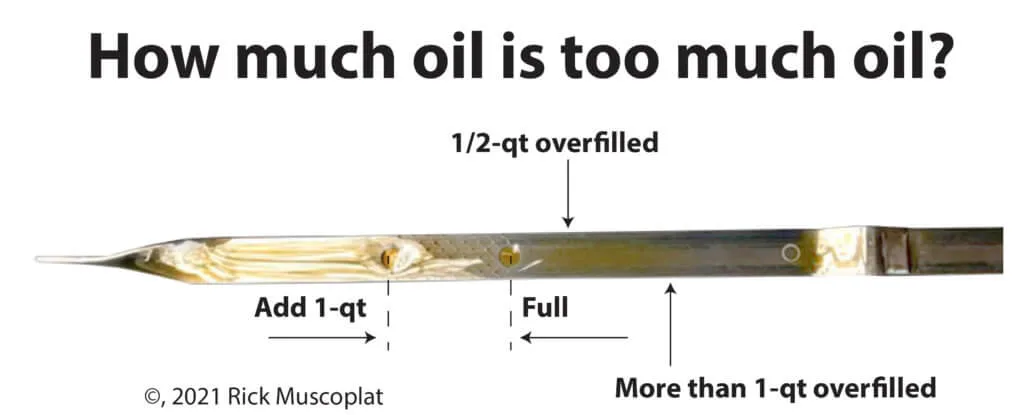
Image source: Web (Bing) / ricksfreeautorepairadvice.com (Web image (fair-use with source credit))
Overfilling is the most common and most damaging error. It happens fast. You pour in a full 5-quart jug on the 2.4L engine without checking the dipstick halfway through. The engine takes 4.5 quarts, but you dumped in 5.
That half-quart overfill pushes the oil level above the full mark by a significant margin. The crankshaft now churns through excess oil at high speed, aerating it into foam. Foam cannot maintain oil pressure.
Bearings starve. Seals leak. You might not notice until the engine starts smoking or knocking.
Underfilling is the silent killer. If you measure based on a warm engine that hasn't fully drained, or if you forget the filter capacity, you might pour in exactly 4 quarts on the 2.4L. That leaves you half a quart low. At highway speeds, oil sloshes away from the pickup tube in the pan.
The oil pump sucks air. Oil pressure drops. Modern engines do not tolerate low oil pressure for long.
The 2AZ-FE engine in particular has a known vulnerability to oil starvation in the variable valve timing system. A low oil level starves the VVT actuator, leading to timing chain noise and eventual replacement.
Using the wrong viscosity. Someone tells you 10W-30 is fine because it's "basically the same." It is not. At cold startup, 10W-30 flows slower than 5W-30. The 2AZ-FE engine has narrow oil passages in the cylinder head.
Thicker cold oil takes longer to reach the camshaft journals and valve lifters. Over time, that extra wear adds up. Conversely, 0W-20 is too thin at operating temperature for an engine designed around 5W-30.
You will see lower oil pressure readings on the dashboard, which causes some owners to panic and add more oil, creating an overfill problem instead.
Skipping the filter change. Some quick-lube shops offer a "drain and fill" that leaves the old filter in place. This is never acceptable. The old filter contains dirt, metal particles, and degraded oil.
It also restricts flow as it clogs. Worse, the capacity numbers in this article assume a new filter. If you reuse the old filter, you are roughly 0.2 to 0.3 quarts overfilled before you even check the dipstick.
Always replace the filter. It costs about six dollars and takes three extra minutes.
Stripping the drain plug. The oil pan on both engines is aluminum. The threads are soft. Using an impact gun or overtightening by hand strips them in seconds.
A stripped drain plug means a leaking oil pan and a $300 replacement at a shop. Toyota specifies 29 ft-lbs for the 2.4L drain plug and 27 ft-lbs for the V6. Use a torque wrench.
Replace the crush washer every time.
Ignoring the dipstick. The biggest mistake of all is trusting the bottle instead of the dipstick. The bottles say "1 quart" but the actual volume in your engine depends on how much drained, whether the car is level, and whether the filter is full. The dipstick is the only tool that gives you real data.
Every oil change should end with a dipstick check. Every top-off should start with one.
DIY Oil Change: Capacity and Procedure for Each Engine
If you want to do the job yourself, the process is straightforward. The key numbers are different for each engine, so follow the one that matches your RAV4.
What you will need for either engine:
- 5W-30 oil (4.5 quarts for the 2.4L, 6.4 quarts for the V6)
- Oil filter (Toyota 04152-YZZA1 or equivalent)
- 14mm socket or wrench for the 2.4L drain plug
- 10mm hex bit or socket for the V6 drain plug
- Oil filter wrench (64mm 14-flute cap for 2.4L, 65mm for V6)
- Drain pan
- Torque wrench
- New crush washer (14mm for 2.4L, 10mm for V6)
- Funnel
2.4L four-cylinder procedure:
- Warm the engine for two minutes. Hot oil drains faster and more completely.
- Park on level ground. Set the parking brake.
- Remove the oil fill cap on top of the valve cover.
- Position the drain pan under the drain plug. The plug is on the passenger side of the oil pan, facing the rear of the vehicle.
- Loosen and remove the drain plug with a 14mm socket. Let the oil drain for at least five minutes.
- Move the drain pan under the oil filter. The filter is on the front of the engine, low on the passenger side. Remove it with the filter wrench. Let it drain fully.
- Lubricate the gasket of the new filter with a thin coat of fresh oil. Hand-tighten it. Do not use the wrench to tighten.
- Install a new crush washer on the drain plug. Torque to 29 ft-lbs.
- Pour in 4.5 quarts of 5W-30 oil. Replace the fill cap.
- Start the engine. Let it idle for 30 seconds. Check for leaks at the filter and drain plug.
- Turn off the engine. Wait two minutes. Check the dipstick. The level should be near the full mark.
3.5L V6 procedure:
The steps are the same, with two differences. The drain plug uses a 10mm hex bit instead of a 14mm socket. Torque it to 27 ft-lbs, not 29.
The oil filter is located on the lower front of the driver side of the engine. It is easier to access than the 2.4L filter but requires a slightly larger wrench. Pour in 6.4 quarts of 5W-30 oil.
Important note for both engines: If you are replacing conventional oil with synthetic, the capacity does not change. Four and a half quarts is four and a half quarts regardless of the oil type. The only change is the drain interval.
Synthetic lasts longer, but the volume measurement stays the same.
When to Use Synthetic vs. Conventional Oil
This decision has nothing to do with capacity. It has everything to do with how you drive and how long you keep the car.
Synthetic oil is better for the 3.5L V6. That engine runs hotter and generates more heat in the oil passages during sustained highway driving. Synthetic oil resists thermal breakdown better. It maintains its viscosity longer.
If you regularly drive on the interstate for an hour or more, synthetic is worth the extra cost.
Synthetic oil helps with oil consumption on the 2.4L. The 2AZ-FE engine has a well-documented tendency to consume oil as it ages past 100,000 miles. Conventional oil burns off faster in this engine. Synthetic oils with lower volatility, particularly those labeled "European formula" or "high mileage," reduce consumption by a measurable amount.
Many owners report switching to synthetic at 80,000 miles and seeing oil consumption drop from a quart every 1,000 miles to a quart every 3,000 miles.
Conventional oil is perfectly adequate for normal driving. If you drive mostly short trips under 30 minutes, never tow, and change oil every 5,000 miles, conventional 5W-30 is fine. The engine was designed for it. The API SL spec from 2004 was written around conventional oil.
Modern conventional oils are better than what the engine originally called for.
Never mix types unnecessarily. If you have conventional in the crankcase, you can top off with synthetic without damage. But if you want to switch, do it at an oil change when the old oil is fully drained. Mixed oil is not harmful, but it also does not deliver the full benefits of either type.
The cost difference matters. As of 2026, a 5-quart jug of conventional 5W-30 runs about $18 to $22. The same quantity of full synthetic runs $28 to $35. For the 2.4L engine, the savings per change is roughly $10.
Over a year of three oil changes, that is $30 saved. For the V6, the difference is larger because it takes more oil. Synthetic makes sense for long-term owners who plan to keep the car past 150,000 miles.
For short-term owners, conventional is the smart financial call.
How Often to Change: Mileage Intervals and Signs
Toyota's original recommendation for the 2007 RAV4 was every 5,000 miles with conventional oil or every 10,000 miles with synthetic. Those numbers assume normal driving conditions and a well-maintained engine.
The reality of used RAV4s is different. Most 2007 RAV4s on the road in 2026 have over 120,000 miles. Engines with that many miles benefit from shorter intervals. For a high-mileage 2.4L engine, 4,000 miles is a safer interval than 5,000.
The rings and valve seals allow more combustion blowby as they age. That blowby contaminates the oil faster. Shorter intervals keep the oil clean and maintain viscosity.
Severe driving conditions cut the interval in half. Toyota defines severe as: frequent short trips under five miles, stop-and-go traffic in hot weather, towing, driving on dusty roads, or extended idling. If any of these apply to your daily routine, change the oil every 3,000 miles with conventional or every 5,000 miles with synthetic.
Signs your oil needs changing sooner:
- The oil on the dipstick looks dark brown or black instead of amber.
- The oil feels gritty between your fingers.
- The "check engine" light illuminates with a P0012 or P0018 code, which often indicates oil sludge in the VVT system.
- The engine sounds noisier at startup than it did after the last change.
- The oil level drops noticeably between changes (consumption accelerating).
One rule that never changes: The 2007 RAV4 does not have an oil life monitor system like modern Toyotas. You have to track the interval yourself. Use the sticker the shop gives you, set a phone reminder, or log it in a notebook.
The engine will not tell you when it is due. It will just wear faster.
Common Questions About 2007 RAV4 Oil
What if I put in too much oil?
Stop driving immediately if you suspect an overfill. Drain the excess by loosening the drain plug slightly and letting oil drip into a pan until the level drops to the full mark. Do not drive with the oil level above the full mark.
The damage happens fast.
Can I switch between conventional and synthetic?
Yes, without any special procedure. Drain the old oil, replace the filter, and fill with the new type. Do not mix them in the crankcase long-term, but switching at a change is perfectly safe.
What happens if I use 10W-30 instead of 5W-30?
You will notice slower cold-start oil pressure and potentially more engine noise during winter months. In warm climates, the difference is smaller. But Toyota specified 5W-30 for a reason.
Stick with it for maximum engine life.
Do I need to reset anything after an oil change?
No. The 2007 RAV4 does not have an electronic oil life reset function. You simply change the oil and note the mileage for your next service.
How do I know if my oil filter is the right one?
The correct filter for the 2.4L engine is Toyota part number 04152-YZZA1 or an equivalent aftermarket filter that matches that specification. The V6 uses the same filter on the 2007 model year. If the filter box lists compatibility with "2007 Toyota RAV4 2.4L and 3.5L," it is correct.
Is it worth switching to synthetic on a high-mileage engine?
Yes, for the 2.4L especially. Synthetic oil reduces the rate of oil consumption that plagues high-mileage 2AZ-FE engines. Many owners report a noticeable drop in oil use after switching.
For the V6, synthetic offers better protection against heat-related breakdown. Both engines benefit from the switch if the engine is in good mechanical condition.
Safety and Disposal: What Not to Do
Used engine oil is hazardous waste. One quart poured down a storm drain can contaminate a million gallons of freshwater. That is not an exaggeration.
The EPA regulates used oil disposal for a reason.
Never dump oil on the ground, in a drain, or in the trash. Collect it in a sealed container. A clean gallon jug or the empty oil bottles work fine. Most auto parts stores accept used oil for free.
Some states have drop-off limits, but a single oil change worth of oil is always welcome.
Hot oil burns. Let the engine cool for at least ten minutes before draining. The oil temperature can exceed 200 degrees Fahrenheit. A spill on your forearm causes a second-degree burn in under a second.
Wear gloves and keep the drain pan stable.
Check for leaks after every change. Start the engine and let it idle for 30 seconds. Look under the car. If you see oil dripping from the drain plug or filter, tighten them slightly.
A loose drain plug causes a sudden total oil loss at highway speed. That seizes the engine in minutes.
Frequently Asked Questions
How much oil does a 2007 Toyota RAV4 4-cylinder take?
It takes 4.5 quarts with a filter change. That is 4.3 liters. Use SAE 5W-30 oil meeting API SL or newer.
Without a filter change, it takes roughly 4.3 quarts.
How much oil does a 2007 Toyota RAV4 V6 take?
It takes 6.4 quarts with a filter change. That is 6.1 liters. Use SAE 5W-30 oil.
The V6 holds nearly two quarts more than the 4-cylinder, so always verify which engine you have before buying oil.
What type of oil does a 2007 RAV4 need?
Toyota specifies SAE 5W-30 for both engines. The API certification should be SL or newer. SM, SN, and SP are all backward-compatible and fine to use.
Conventional or synthetic both work.
Can I use 10W-30 instead of 5W-30?
You can, but it is not recommended. The 5W-30 flows better at cold startup and reaches critical engine parts faster. In warm climates the difference is smaller, but stick with the factory specification for maximum engine life.
How often should I change the oil in a 2007 RAV4?
Toyota recommends every 5,000 miles with conventional oil. With synthetic, you can extend to 7,500 or 10,000 miles. For high-mileage engines over 100,000 miles, shorter intervals of 4,000 miles provide better protection.
Does the 2007 RAV4 have an oil life monitor?
No. You need to track the interval yourself. Set a phone reminder or use the sticker from the oil change shop.
The engine will not alert you when the oil is due for a change.
What happens if I accidentally put too much oil in my RAV4?
Stop driving immediately. Excess oil causes foaming, pressure spikes, and seal damage. Loosen the drain plug slightly and let oil drip into a pan until the dipstick reads at the full mark.
Check the level again after a short drive.
Can I mix conventional and synthetic oil?
Yes, in an emergency. Topping off with synthetic when you have conventional in the crankcase will not damage the engine. But for your next full change, stick with one type.
The two oils have different additive packages and perform best when not blended long-term.
How do I check the oil level correctly?
Park on level ground. Run the engine for five minutes to warm the oil. Turn it off and wait two minutes.
Pull the dipstick, wipe it clean, reinsert fully, and pull it again. The oil should sit between the low and full marks. Never check the oil right after adding it.
Final Verdict: The One Number You Need to Remember
For the 2.4L engine: 4.5 quarts. For the 3.5L V6: 6.4 quarts. Those two numbers are the difference between a healthy engine and a costly repair.
Write them on the inside of your owner manual or save them in your phone. Use 5W-30 oil with the right API rating. Change the filter every time.
Check the dipstick before you drive away. Your 2007 RAV4 has years of life left if you feed it the right amount of the right oil.