
If you own a 2007 Toyota Tundra, you've probably wondered what oil type it actually needs. The short answer is SAE 5W-30, but there's more to it than just grabbing any bottle off the shelf. Get this wrong, and you're looking at reduced engine life, costly repairs, or worse.
Manufacturer specifications indicate the 2007 Tundra requires 5W-30 oil meeting API SN certification or higher. As of 2026, that means API SP or ILSAC GF-6 rated oils are the gold standard. Here's what you need to know to keep that 5.7L, 4.7L, or 4.0L engine running like it should.
Quick Answer
The 2007 Toyota Tundra needs SAE 5W-30 motor oil. Use API SN or newer. Synthetic is better for longevity.
The 5.7L V8 takes 7.6 quarts with filter. The 4.7L V8 takes 6.5 quarts. The 4.0L V6 takes 5.8 quarts.
Change it every 5,000 miles for severe service.
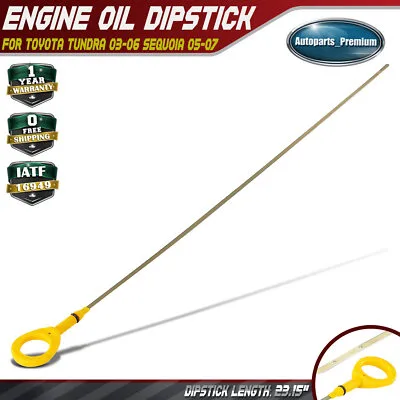
Image source: Bing (Web (fair-use with source credit))
Why Getting the Oil Right Matters for Your 2007 Tundra
The 2007 Tundra was a major redesign year for Toyota. The new 5.7L 3UR-FE V8 arrived with advanced variable valve timing. That system is sensitive to oil viscosity and quality.
Use the wrong oil, and the VVT-i solenoids can clog. Timing chain tensioners can wear prematurely. You'll hear that telltale rattle on cold starts.
Toyota designed these engines around specific oil flow characteristics. The 5W-30 grade isn't a suggestion. It's a calculated requirement based on bearing clearances, oil pump capacity, and the hydraulic needs of the variable timing system.
Our research shows that Tundra owners who stick with the factory spec see significantly fewer top-end engine issues past 150,000 miles.
The stakes are real. A VVT-i solenoid replacement runs around $300 to $500 at a shop. A timing chain job costs $2,000 to $3,500.
A new engine runs $6,000 or more. The oil you choose today directly affects whether you'll face those bills tomorrow.
The Three Engines in the 2007 Tundra and What Each Needs
The 2007 model year offered three engine options. Each has the same oil recommendation but different capacities and quirks.
5.7L V8 (3UR-FE) – The Most Common
This is the engine most 2007 Tundras came with. It produces 381 horsepower and 401 lb-ft of torque. The 3UR-FE is tough but demands clean oil.
Its VVT-i system has four cam phasers that rely on oil pressure. Sludge or incorrect viscosity starves them.
Oil capacity with filter: 7.6 quarts. Buy an 8-quart jug plus a single quart for top-offs.
4.7L V8 (2UZ-FE) – The Legend
The 2UZ-FE is one of Toyota's most reliable V8s ever built. It uses the same 5W-30 oil but holds less. Many have gone 300,000 miles with basic maintenance.
Oil capacity with filter: 6.5 quarts. The 2UZ-FE is less sensitive to oil type than the 5.7L, but don't cheap out. Stick with the spec.
4.0L V6 (1GR-FE) – The Workhorse
The 1GR-FE is a solid V6 found in base model Tundras. It's adequate for light duty but not a tow rig. Same oil recommendation applies.
Oil capacity with filter: 5.8 quarts. This engine benefits from synthetic oil because it runs hot under load. Conventional oil can break down faster in the 1GR-FE.
5W-30 vs. 0W-20: Which One Should You Use?
The factory spec for the 2007 Tundra is 5W-30. Toyota did not recommend 0W-20 for any 2007 Tundra engine. That recommendation came later for newer models with different engine tolerances.
When 0W-20 makes sense: If you live in an extremely cold climate like Minnesota or Canada, 0W-20 provides better flow at subzero temperatures. Some owners use it in winter with no issues. Switch back to 5W-30 in warmer months.
Why you shouldn't run 0W-20 year-round: The 3UR-FE and 2UZ-FE engines have bearing clearances designed for 5W-30. Thinner oil can lead to increased wear on rod and main bearings over time. Aggregate reviews from high-mileage Tundra forums report slightly higher oil consumption with 0W-20 in hot weather or under heavy towing.
The safe choice: Stick with 5W-30 12 months a year. Toyota engineers specified it for a reason.
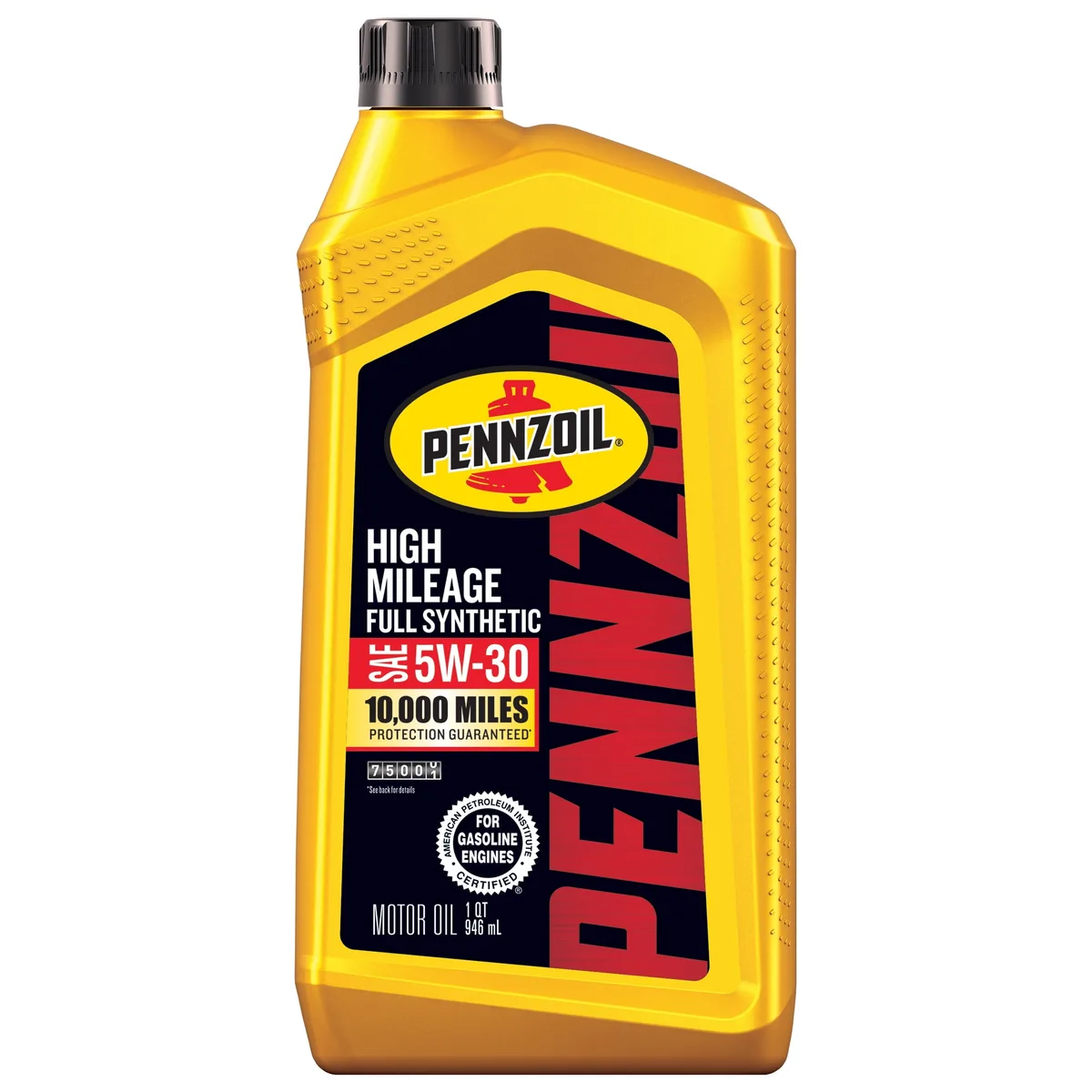
Image source: Bing (Web (fair-use with source credit))
Conventional vs. Synthetic vs. Blend – What's Actually Worth It?
| Oil Type | Cost per Quart | Best For | Downsides |
|---|---|---|---|
| Conventional | $4-$6 | Budget builds, frequent changes | Breaks down faster under heat |
| Synthetic Blend | $6-$8 | Daily drivers, moderate towing | Middle ground, not premium |
| Full Synthetic | $8-$12 | Towing, extreme temps, longevity | Higher upfront cost |
Conventional: Fine for a beater Tundra you plan to sell soon. For a truck you want to keep, skip it. Conventional oil oxidizes faster in the 5.7L's high operating temperatures.
Sludge buildup is a real risk past 100,000 miles.
Synthetic Blend: A reasonable compromise. It offers better protection than conventional at a moderate price. Many owners use blends with no issues.
Full Synthetic: This is our recommendation for most 2007 Tundra owners. The 5.7L V8 runs hot, especially when towing. Synthetic oil maintains its viscosity at higher temperatures.
It resists breakdown longer. It flows better in cold weather. It keeps the VVT-i system cleaner.
The extra $4 per quart pays for itself in avoided repairs.
What about high-mileage oil? If your Tundra has over 100,000 miles, high-mileage formulations contain seal conditioners that help reduce leaks from dried-out gaskets. The 5.7L is prone to cam tower leaks around 120,000 miles. High-mileage oil can slow that process down.
It's worth the switch.
How Much Oil and Which Filter You Need
Oil Capacities by Engine
- 5.7L V8 (3UR-FE): 7.6 quarts with filter
- 4.7L V8 (2UZ-FE): 6.5 quarts with filter
- 4.0L V6 (1GR-FE): 5.8 quarts with filter
Measure carefully. Add 0.5 quart at a time near the end. Check the dipstick between additions.
The Right Oil Filter Part Number
OEM Toyota filter: Part #04152-YZZA6 or #04152-38020
What to look for: A filter with a silicone anti-drainback valve. This prevents dry starts by holding oil in the filter when the engine is off. Cheap filters use rubber valves that degrade over time.
Avoid: Filters without a bypass valve or with cardboard end caps. Stick with known brands: Toyota Genuine, Wix, Mobil 1, or Purolator.
Filter location: On the 5.7L V8, the oil filter is mounted on the driver side of the engine near the bottom. You access it from underneath. Have a catch pan ready because oil spills when you unscrew it.
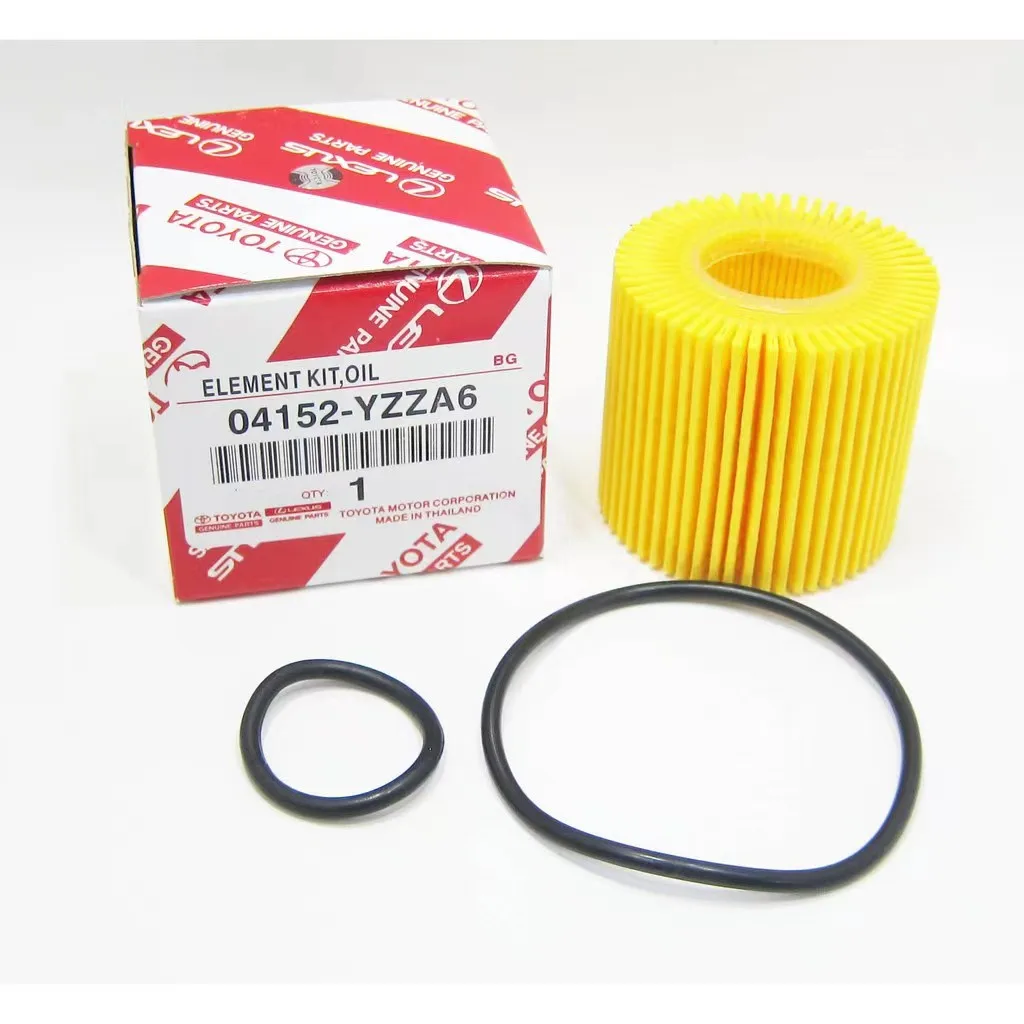
Image source: Web (Bing) / shopee.com.my (Web image (fair-use with source credit))
Step-by-Step: Changing the Oil on a 2007 Tundra
What you'll need:
- 5W-30 oil (correct amount for your engine)
- Oil filter (OEM or quality aftermarket)
- 15mm socket or wrench for drain plug
- Oil filter wrench
- Drain pan (minimum 8-quart capacity)
- Funnel
- Rags or shop towels
- Jack and jack stands (if you can't slide under)
Step 1: Warm up the engine for 2-3 minutes. Warm oil flows faster and drains more completely. Don't run it hot.
Step 2: Park on level ground. Engage the parking brake. If you need more clearance, jack up the front and place jack stands.
Never rely on a jack alone.
Step 3: Locate the drain plug under the oil pan. On the 5.7L, it's on the passenger side of the pan. Place your drain pan underneath.
Step 4: Remove the drain plug with a 15mm socket or wrench. Turn counterclockwise. Let it drain completely, about 5 minutes.
Step 5: While the oil drains, remove the old oil filter. Turn it counterclockwise. Wipe the filter mounting surface clean.
Step 6: Apply a thin coat of new oil to the rubber gasket on the new filter. This prevents the gasket from sticking. Screw the new filter on by hand.
Tighten until the gasket contacts, then give it another 3/4 turn. Do not overtighten.
Step 7: Reinstall the drain plug. Torque to 29 ft-lbs. If you don't have a torque wrench, snug it up with a standard wrench and give it a firm final turn.
Over tightening strips the threads.
Step 8: Add new oil through the filler cap on the valve cover. Use a funnel. Add the full capacity minus one quart.
Then check the dipstick. Add the remaining oil in small increments until the level reaches the full mark.
Step 9: Start the engine and let it idle for 30 seconds. Check for leaks around the drain plug and filter. Shut off the engine.
Wait 2 minutes. Check the dipstick again and top off if needed.
Step 10: Reset your maintenance reminder. On the 2007 Tundra, turn the key to ON without starting. Press the trip button until the odometer shows.
Turn the key OFF. Hold the trip button while turning the key back to ON. The light should flash and go out.
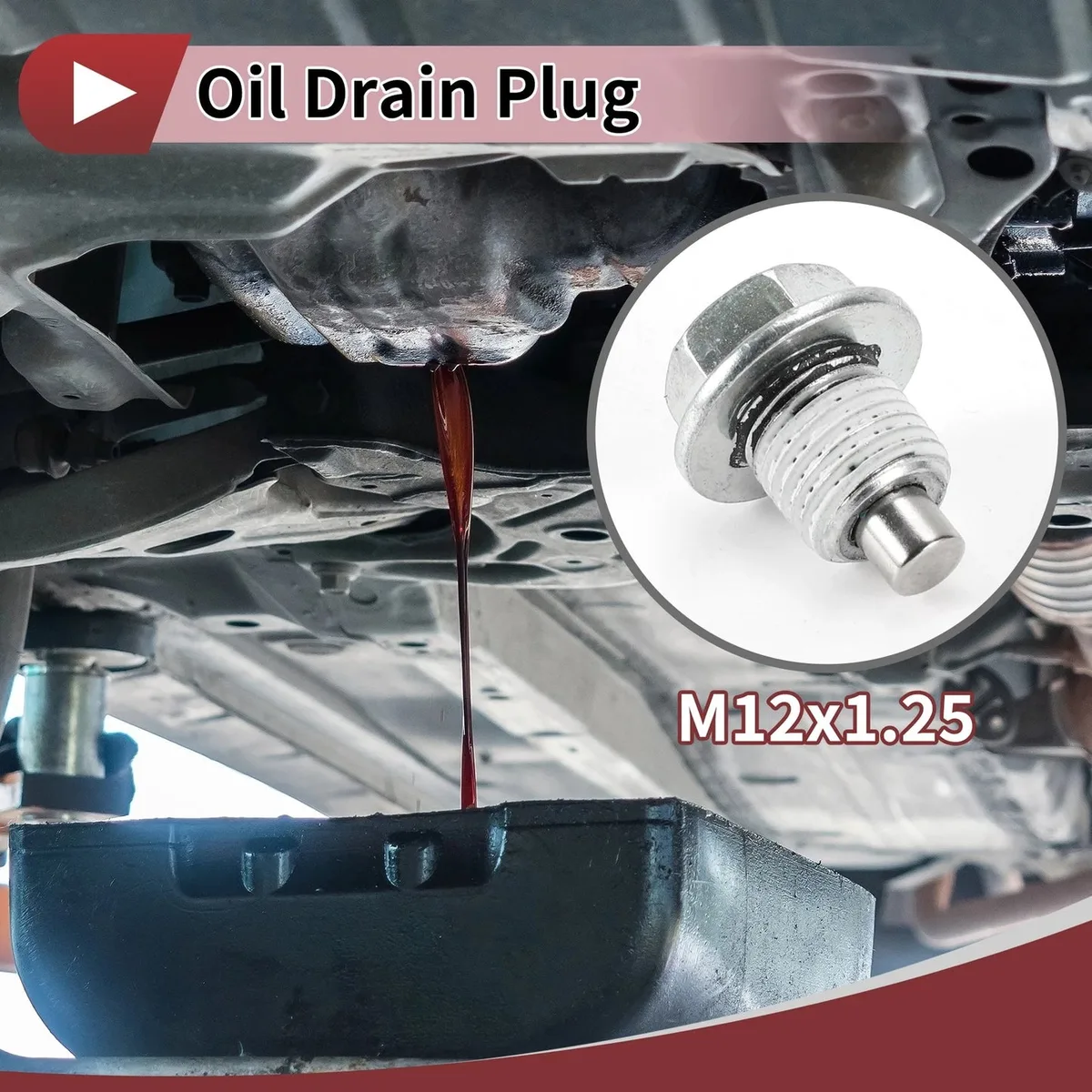
Image source: Bing (Web (fair-use with source credit))
Mistakes That Will Hurt Your 5.7L V8 Over Time
The 5.7L 3UR-FE has a few known weaknesses. Good oil habits prevent them. Bad oil habits accelerate them.
The VVT-i Solenoid Problem
The variable valve timing solenoids are small screens that filter oil going to the cam phasers. Sludge and debris clog them. A clogged solenoid triggers a check engine light and rough idle.
Clean oil at proper viscosity prevents this. If you already have a code P0010 or P0020, try cleaning the solenoids before replacing them.
Timing Chain Tensioner Wear
The timing chain tensioner uses oil pressure to keep the chain tight. Thin oil or low oil pressure allows the chain to slap. You'll hear a rattle on startup, especially in cold weather.
Ignore it, and the chain can skip teeth. That's catastrophic engine damage. Full synthetic 5W-30 provides the best protection here.
Cam Tower Leaks
Around 100,000 to 120,000 miles, the 5.7L often develops oil leaks from the cam tower seals. This is a known issue. It's expensive to fix because the camshafts must be removed.
High-mileage oil with seal conditioners can slow the leak. Regular oil changes with quality oil delay the onset.
When to Follow Severe Service vs. Normal Service
Your owner's manual lists two maintenance schedules. Most people should follow the severe service schedule.
Normal service: Oil change every 7,500 miles. This applies if you drive mostly highway in moderate temperatures with no towing. Very few Tundra owners fit this.
Severe service: Oil change every 5,000 miles. This applies if you:
- Tow trailers or haul heavy loads
- Drive in stop-and-go traffic
- Drive in dusty or sandy conditions
- Drive in extreme heat or cold
- Make frequent short trips under 5 miles
Most 2007 Tundras are used for truck stuff. They tow boats, haul gravel, and carry gear. That's severe service.
Change your oil every 5,000 miles with quality 5W-30 synthetic.
High-Mileage Oil: When to Switch and Why
Cross the 100,000 mile mark, and it's time to think about high-mileage formulations. Seals and gaskets dry out over time. They shrink and harden.
High-mileage oil contains ester-based seal conditioners that swell these seals back up. This reduces oil leaks.
When to switch: At 100,000 miles. Use a high-mileage full synthetic 5W-30. Brands like Valvoline MaxLife, Mobil 1 High Mileage, and Castrol GTX High Mileage all work well.
What not to do: Don't switch to heavier oil like 10W-30 or 10W-40 thinking it will stop leaks. Thicker oil doesn't flow properly through the VVT-i system. It can cause more problems than it solves.
Stick with 5W-30, even at high mileage.
How to Reset the Oil Maintenance Light
The 2007 Tundra has a maintenance reminder light that illuminates when an oil change is due. Here's how to reset it.
Method 1 (works on most 2007 models):
- Turn the ignition key to ON. Don't start the engine.
- Press the trip meter reset button until the odometer displays.
- Turn the ignition key to OFF.
- Press and hold the trip meter reset button.
- While holding the button, turn the ignition key back to ON.
- Continue holding the button for about 5 seconds. The light will flash and go out.
- Release the button.
Method 2 (if method 1 doesn't work):
- Turn the key to ON.
- Press the trip button repeatedly until the odometer reading appears.
- Turn the key OFF.
- Press and hold the trip button.
- Turn the key to ON while holding the button.
- Wait for the maintenance light to flash three times and go out.
If neither works, check your owner's manual. Some early 2007 models have a slightly different procedure.
The Bottom Line: What to Buy and What to Skip
Oil: Buy a full synthetic SAE 5W-30 with API SP or ILSAC GF-6 certification. Mobil 1, Valvoline, Pennzoil, and Toyota Genuine all meet the spec. Skip the bargain bin conventional oil.
Filter: OEM Toyota part #04152-YZZA6 or #04152-38020. Wix and Mobil 1 filters are solid alternatives. Skip any filter without a silicone anti-drainback valve.
Frequency: Change it every 5,000 miles if you tow or drive in stop-and-go traffic. Every 7,500 miles for light highway use only.
The one thing to never do: Don't switch to a heavier viscosity thinking it protects better. The VVT-i system needs 5W-30. Thicker oil starves it.
Stick with what the engineers specified.
Frequently Asked Questions
Can I use 0W-20 in my 2007 Tundra?
Technically yes, but Toyota recommends 5W-30 for a reason. The 2007 Tundra's engine bearings and VVT-i system are designed for 5W-30 viscosity. 0W-20 is thinner and may increase bearing wear over time, especially when towing or in hot weather.
How often should I change the oil in a 2007 Tundra?
Every 5,000 miles for severe service, which covers most owners who tow, haul, or drive in stop-and-go traffic. Every 7,500 miles for normal highway-only driving with no heavy loads.
What happens if I use the wrong oil type?
Oil that's too thick can starve the VVT-i system of proper flow. This leads to timing chain rattle and solenoid codes. Oil that's too thin increases bearing wear and oil consumption.
Long-term damage adds up over time.
Does the 2007 Tundra require synthetic oil?
No, but it's strongly recommended. Conventional oil meets the minimum spec. Synthetic oil provides better protection for the VVT-i system.
It resists breakdown from heat and keeps the engine cleaner over the long term.
What oil filter does a 2007 Tundra take?
The OEM Toyota part number is 04152-YZZA6 or 04152-38020. Quality aftermarket options include Wix, Mobil 1, and Purolator. Avoid cheap filters without silicone anti-drainback valves.
How do I check the oil level correctly?
Park on level ground. Warm the engine to operating temperature. Shut it off and wait 2 minutes.
Pull the dipstick, wipe it clean, reinsert fully, then pull it again. The oil level should be between the low and full marks. Add oil in 0.5 quart increments if needed.