If you're looking up the **2011 toyota corolla oil type**, you're probably standing in an auto parts aisle wondering if it really matters which bottle you grab. It does. The 1.8-liter 2ZR-FE engine in this car is a reliable workhorse, but it's also picky about what it drinks.
Manufacturer specifications from Toyota confirm two acceptable viscosities: 5W-30 and 0W-20. The exact choice depends on your climate and driving habits. Get it right and you're looking at 200,000 miles without a hiccup. Get it wrong and you could be dealing with sludge, increased friction, or worse. Let's break down exactly what you need to know.
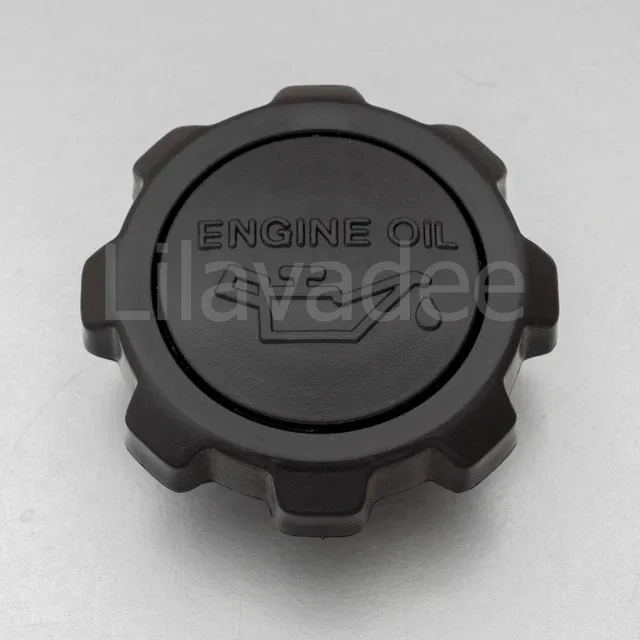
Image source: Web (Bing) / picclick.fr (Web image (fair-use with source credit))
## Quick Answer
The 2011 Toyota Corolla uses SAE 5W-30 or 0W-20 motor oil. It must meet API SN or higher. You need 4.5 quarts with a filter change. Check your oil fill cap for the exact spec. Your owner's manual is the final authority.
## Why Accuracy Matters
This isn't just about keeping the engine lubricated. The 2ZR-FE engine uses variable valve timing that relies on proper oil pressure and flow. The wrong viscosity can throw off the timing system, reduce fuel economy, and accelerate wear.
Using 10W-30 causes harder cold starts and slower oil circulation in winter. The engine's oil pump was designed for thinner oils. Stick with what Toyota specifies.
### What Happens With the Wrong Oil
| Mistake | Consequence |
|---------|-------------|
| Using 10W-30 | Hard cold starts, reduced fuel economy, increased wear |
| Using oil below API SN | Sludge buildup, potential timing chain issues |
| Skipping the crush washer | Oil leaks, loss of pressure |
| Overtightening the drain plug | Stripped oil pan threads, expensive repair |
Getting the oil wrong can void a warranty. It's not a gamble worth taking.
## The Two Recommended Viscosities Explained
Why does Toyota offer two choices? It comes down to climate and fuel economy targets.
SAE 5W-30 was the original recommendation for the 2011 model year. It's thicker at operating temperature and provides more cushion for older engines or hotter climates. SAE 0W-20 became more common in later production runs and is now preferred for better cold-start protection and slightly better fuel economy.
Your oil fill cap will tell you which one Toyota intended for your specific car. If it says 0W-20, use that. If it says 5W-30, that's fine too. Either one meets the engine's requirements.
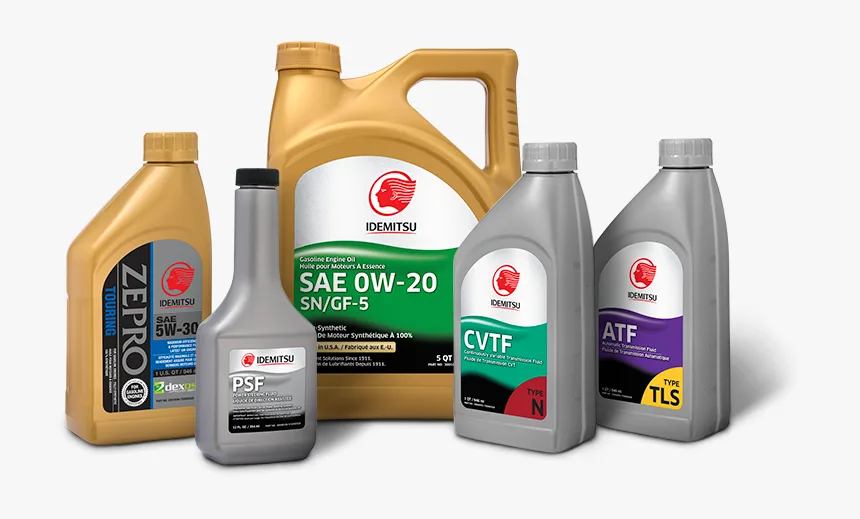
Image source: Web (Bing) / pngitem.com (Web image (fair-use with source credit))
### Understanding the Numbers
The "W" stands for winter, not weight. The number before it is the cold viscosity rating. The number after is the hot operating viscosity. So 0W-20 flows better in freezing temperatures than 5W-30. That's why northern drivers often prefer it.
Both oils meet the same API SN or SP certification. Neither is wrong for the engine. But the choice affects how the car starts on a cold morning and how much fuel you burn.
## 5W-30 vs 0W-20: Which One Should You Use?
Here's the short answer. If you live in a cold climate, use 0W-20. If you live in a hot climate or your car has over 100,000 miles, 5W-30 is a safe bet. If you're unsure, check your oil fill cap.
### Decision Guide
If you live in the northern US, Canada, or anywhere with regular winter temperatures below 20°F, 0W-20 is the better choice. It flows faster at startup, reducing wear on the timing chain and valve train. Fuel economy improves by about 1 to 2 percent.
If you live in the southern US, desert regions, or drive mostly in stop-and-go traffic, 5W-30 provides a thicker oil film at high temperatures. It's also a good choice for engines with higher mileage that may have looser tolerances.
If your car has the original oil fill cap that says 0W-20, use 0W-20. If it says 5W-30, use 5W-30. Toyota updated the recommendation during the 2011 model year, so there's no single answer for all cars.
The American Petroleum Institute maintains the certification standards for engine oil. You can check their site for the current API rating requirements.
## Synthetic vs Conventional vs High-Mileage: What's Actually Best?
This is where opinions get loud. But the facts are simple.
Full synthetic oil offers the best protection across all temperatures. It resists breakdown longer, flows better in cold weather, and provides superior film strength at high temperatures. For a 2011 Corolla that's still running strong, synthetic is the safest choice.
Conventional oil is perfectly fine if you change it every 5,000 miles. The 2ZR-FE engine was designed when conventional oil was the standard. It won't hurt the engine. But you'll need to stick to shorter intervals.
High-mileage oil is designed for engines over 75,000 miles. It contains seal conditioners that reduce leaks and additives that help with sludge. If your Corolla has 150,000 miles and you notice a small leak, high-mileage oil is a smart upgrade.
### Cost Comparison
| Oil Type | Cost per Quart | Recommended Interval |
|----------|----------------|----------------------|
| Conventional | $4 to $6 | 5,000 miles |
| Synthetic Blend | $6 to $9 | 5,000 to 7,500 miles |
| Full Synthetic | $8 to $15 | 7,500 to 10,000 miles |
| High-Mileage Synthetic | $9 to $14 | 5,000 to 7,500 miles |
For most owners, a full synthetic 5W-30 or 0W-20 is the best balance of cost and protection. You can stretch the interval to 7,500 miles safely, saving money over time. If you're on a tight budget, conventional oil changed every 5,000 miles is perfectly adequate.
## How Much Oil Does a 2011 Corolla Need? (And the Right Filter)
The 2011 Corolla takes exactly 4.5 quarts of oil when you change the filter. Without a filter change, it's about 4.2 quarts. Always buy 5 quarts. You'll have a little left over.
The genuine Toyota oil filter is part number 04152-YZZA1. It has the correct bypass valve rating for your engine. Aftermarket filters from Wix or Mobil 1 also work well if they meet the same specifications.
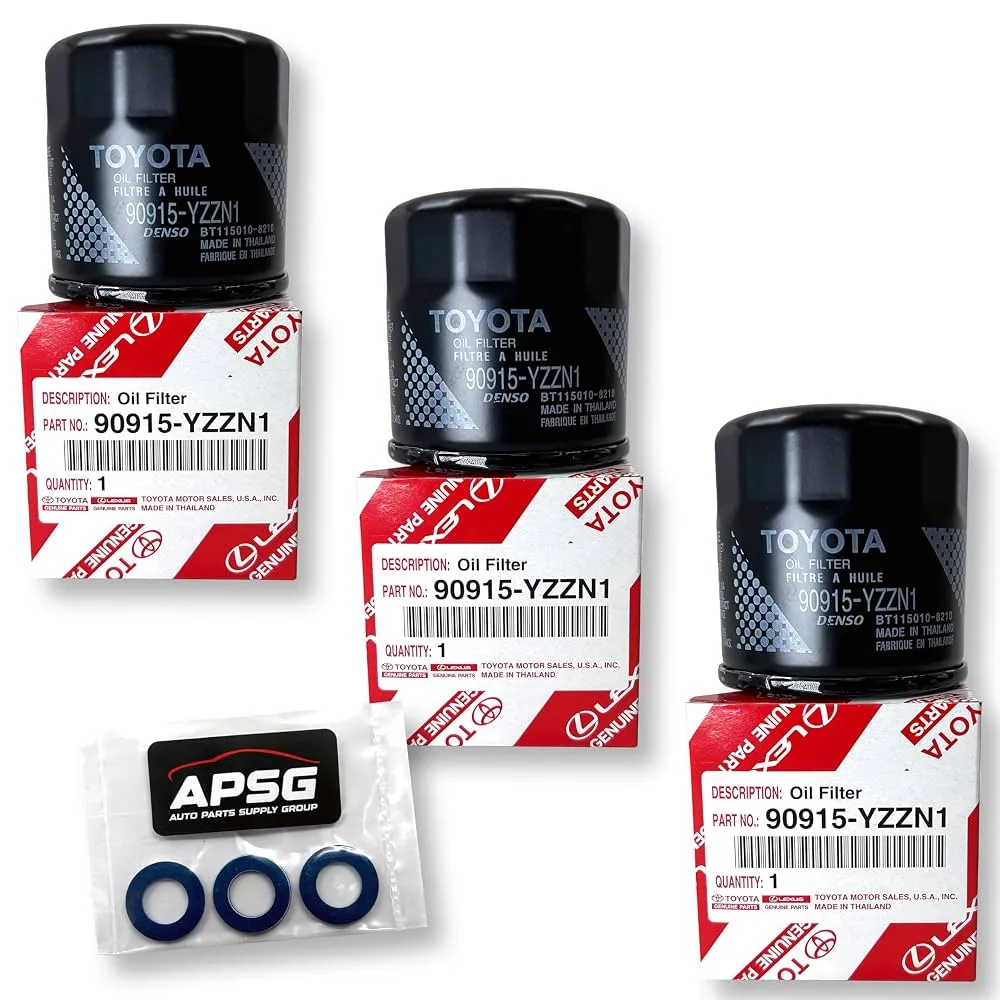
Image source: Bing (Web (fair-use with source credit))
### The Crush Washer
Never skip the crush washer on the drain plug. It's a small copper or aluminum ring that seals the plug to the oil pan. Reusing an old one causes leaks. Buy a new one every oil change. They cost about 50 cents.
The drain plug is 14mm and should be tightened to 18 foot-pounds. Use a torque wrench if you have one. Overtightening strips the aluminum threads in the oil pan. That's an expensive repair.
## Step-by-Step: How to Change Your Oil Without Screwing It Up
Doing it yourself saves money and guarantees it's done right. Here's the process.
### What You'll Need
- 4.5 quarts of the correct oil
- Genuine Toyota or equivalent oil filter
- New crush washer (14mm)
- 14mm socket or wrench
- Torque wrench (recommended)
- Oil drain pan
- Funnel
- Gloves and rags
### The Process
1. Warm up the engine for 2 to 3 minutes. Warm oil drains faster. Don't run it hot. You'll burn yourself.
2. Park on level ground. Engage the parking brake.
3. Locate the oil drain plug under the engine. It's on the bottom of the oil pan, facing the rear of the car.
4. Place your drain pan underneath. Loosen the plug with a 14mm socket. Turn counterclockwise.
5. Remove the plug by hand. Let the oil drain completely. This takes 3 to 5 minutes.
6. Replace the crush washer. Hand-tighten the plug, then torque to 18 foot-pounds. Don't guess.
7. Move the drain pan under the oil filter. The filter is on the front of the engine, facing up at an angle.
8. Unscrew the old filter by hand. If it's stuck, use an oil filter wrench. Let the oil drain.
9. Lubricate the gasket on the new filter with fresh oil. Screw it on by hand until it contacts the mounting surface. Tighten another 3/4 turn.
10. Remove the oil fill cap on top of the engine. Insert a funnel. Pour in 4.5 quarts.
11. Replace the fill cap. Start the engine and let it run for 30 seconds. Check for leaks around the drain plug and filter.
12. Turn off the engine. Wait 2 minutes. Check the dipstick. Add oil if needed to reach the full mark.
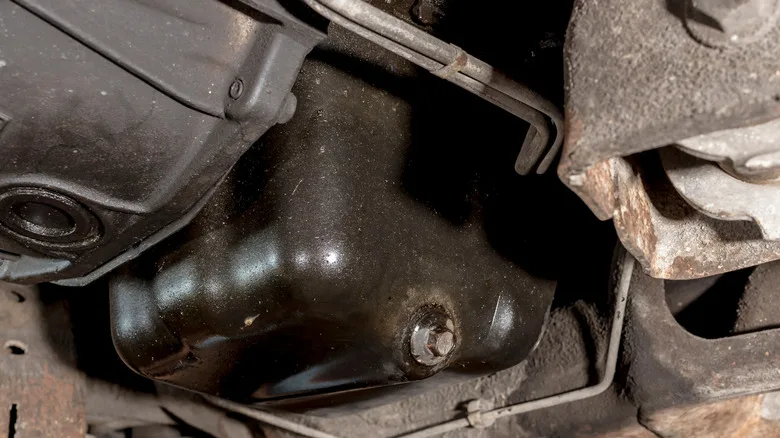
Image source: Bing (Web (fair-use with source credit))
### Resetting the Maintenance Light
Some 2011 Corollas have a maintenance reminder light. To reset it, turn the ignition to the ON position without starting the engine. Press the trip reset button until the light flashes. Turn the ignition off. The light is reset.
## 5 Common Mistakes That Kill Corolla Engines
### 1. Using 10W-30
It's too thick. The oil pump struggles to circulate it on cold starts. This causes accelerated wear on the timing chain and valve train. Stick with 5W-30 or 0W-20.
### 2. Overtightening the Drain Plug
The oil pan is aluminum. The threads strip easily. Always use a torque wrench set to 18 foot-pounds. If you strip the threads, you'll need a new oil pan or a repair insert.
### 3. Skipping the Crush Washer
That tiny ring costs pennies. Reusing an old one causes leaks. A slow leak can lead to low oil pressure and engine damage. Replace it every time.
### 4. Using a Cheap Oil Filter
Not all filters are equal. Some have poor bypass valves that restrict oil flow at startup. Stick with the genuine Toyota filter or a quality aftermarket brand like Wix or Mobil 1.
### 5. Ignoring the Oil Level Between Changes
The 2ZR-FE engine can burn oil as it ages. Check your oil level every 1,000 miles. If it's low, top it off. Running low on oil causes catastrophic engine failure.
## The Oil Change Interval Debate: Every 3,000, 5,000, or 10,000 Miles?
Toyota recommends oil changes every 5,000 miles for conventional oil and every 7,500 to 10,000 miles for synthetic. But your driving habits matter more than the calendar.
### Short Trips and Dusty Conditions
If you drive mostly short trips under 10 miles, or if you live in a dusty area, shorten your interval to 5,000 miles regardless of oil type. Short trips don't let the engine fully warm up. Moisture and fuel contaminate the oil.
### Highway Driving
If you do mostly highway driving, synthetic oil can safely go 7,500 to 10,000 miles. The engine runs at a consistent temperature, and the oil stays cleaner.
### The 3,000-Mile Myth
The old 3,000-mile rule came from the days of lower-quality oil and carbureted engines. Modern oils and engines are much better. Even conventional oil is good for 5,000 miles. Don't waste money changing it early.
## Decision Guide: What Oil Should You Put in Your 2011 Corolla Right Now?
Answer these three questions to find your answer.
### Question 1: What does your oil fill cap say?
Check the cap under the hood. If it says 0W-20, use 0W-20. If it says 5W-30, use 5W-30. If it's missing or unreadable, check your owner's manual.
### Question 2: Where do you live?
Cold climate (below 20°F in winter): use 0W-20. Hot climate (above 90°F in summer): 5W-30 is fine. Mild climate: either works.
### Question 3: How many miles are on your car?
Under 75,000 miles: use 0W-20 or 5W-30 synthetic. Over 75,000 miles: consider high-mileage synthetic. Over 150,000 miles: high-mileage synthetic is recommended.
### Final Pick
For 90 percent of owners, the answer is full synthetic 5W-30 or 0W-20 changed every 7,500 miles. It's the safest, most practical choice. It protects the engine, extends the interval, and works in most climates.
## Safety and Legal Considerations
Used oil is hazardous waste. It's illegal to dump it down drains, onto the ground, or into trash bins. Collect it in a sealed container and take it to an auto parts store or recycling center. Most accept used oil for free.
If your car is still under warranty, using the wrong oil viscosity or API rating could void the warranty. Keep receipts for your oil and filter purchases. Document the date and mileage of each oil change.
For more information on proper disposal, check the EPA's guidelines on used oil management.
## Verified Summary: The One Rule to Follow
Here's the simplest takeaway.
Use 5W-30 or 0W-20 that meets API SN or higher. Change it every 5,000 to 7,500 miles. Replace the filter and crush washer every time. Check your oil level monthly.
That's it. Follow that rule and your 2011 Corolla will easily hit 200,000 miles. The engine is bulletproof. It just needs the right oil.
## Frequently Asked Questions
### Can I use 0W-20 if my car says 5W-30?
Yes. Toyota officially approved 0W-20 for the 2011 Corolla in later service bulletins. It's safe and may improve fuel economy. Just make sure it meets API SN or higher.
### What happens if I use 10W-30?
Don't. 10W-30 is too thick for cold starts and can cause slower oil circulation. This increases wear on the timing chain and valve train. Stick with 5W-30 or 0W-20.
### How often should I change the oil for a 2011 Corolla?
Toyota recommends every 5,000 miles for conventional oil and every 7,500 to 10,000 miles for synthetic. If you drive mostly short trips or in dusty conditions, shorten the interval to 5,000 miles regardless.
### Is synthetic oil worth it for an older Corolla?
Yes. Synthetic oil resists breakdown better and provides better protection for high-mileage engines. It also helps with cold starts, which is important for older engines with looser tolerances.
### Do I need a special oil filter for the 2011 Corolla?
The genuine Toyota filter (part number 04152-YZZA1) is the best choice. It has the correct bypass valve rating. Aftermarket filters like Wix or Mobil 1 are also fine if they meet the same specifications.
### Can I switch between 5W-30 and 0W-20?
Yes. They are fully compatible. You can switch back and forth without any issues. Just make sure both meet the API SN or higher certification.
``` The engine is the heart of your Corolla. The oil is its lifeblood. Get that right and everything else falls into place. Drive safe out there.