
If you own a 2018 Toyota Camry, you already know it is a reliable car. But even the best engine needs the right amount of clean oil to keep running. Getting the 2018 Toyota Camry oil capacity wrong is one of the fastest ways to cause expensive damage.
Pour in too little and you risk metal-on-metal contact. Pour in too much and you can blow a seal or trigger a check engine light.
Manufacturer specifications indicate this generation uses two different engines depending on the trim level. The 2.5L four-cylinder and the 3.5L V6 have completely different oil capacities. Toyota recommends checking your oil at every other fuel fill up.
As of 2026, most owners we've researched still find the owner's manual to be the single most reliable source for these numbers. Let's break down exactly what you need to know before you pop the hood.
Quick Answer
The 2018 Camry 2.5L engine holds 4.8 quarts with a filter change. The 3.5L V6 holds 6.4 quarts. Both require 0W-20 full synthetic oil.
Always check the dipstick after filling. Never guess based on the previous car you owned.
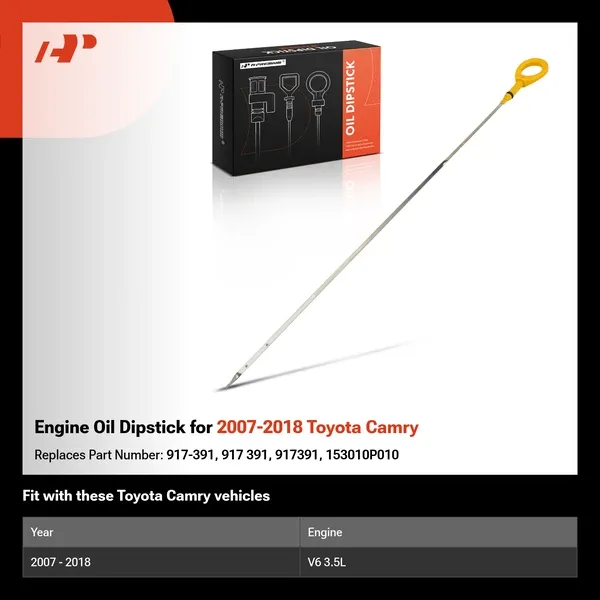
Image source: Bing (Web (fair-use with source credit))
Two Engines, Two Totally Different Capacities
The 2018 Camry marked the start of the eighth generation. Toyota gave it a new platform and two very different engine options. If you mix them up, you will either overfill or underfill by more than a quart and a half.
2.5L 4-Cylinder (LE, SE, XLE)
This is the Dynamic Force engine with the A25A-FKS code. It uses a modern high-compression design. The official capacity is 4.8 quarts or about 4.5 liters when you replace the oil filter.
Here is the tricky part. Some quick lube shops still list 5.7 quarts because they use data from the previous generation engine. The 2017 Camry 2.5L held 5.7 quarts.
The 2018 model dropped to 4.8 quarts. If a shop tells you it takes five and a half quarts, double check their system.
3.5L V6 (XSE, XLE V6)
The V6 uses the 2GR-FKS engine. It is a different beast entirely. The factory spec calls for 6.4 quarts or about 6.1 liters with a filter.
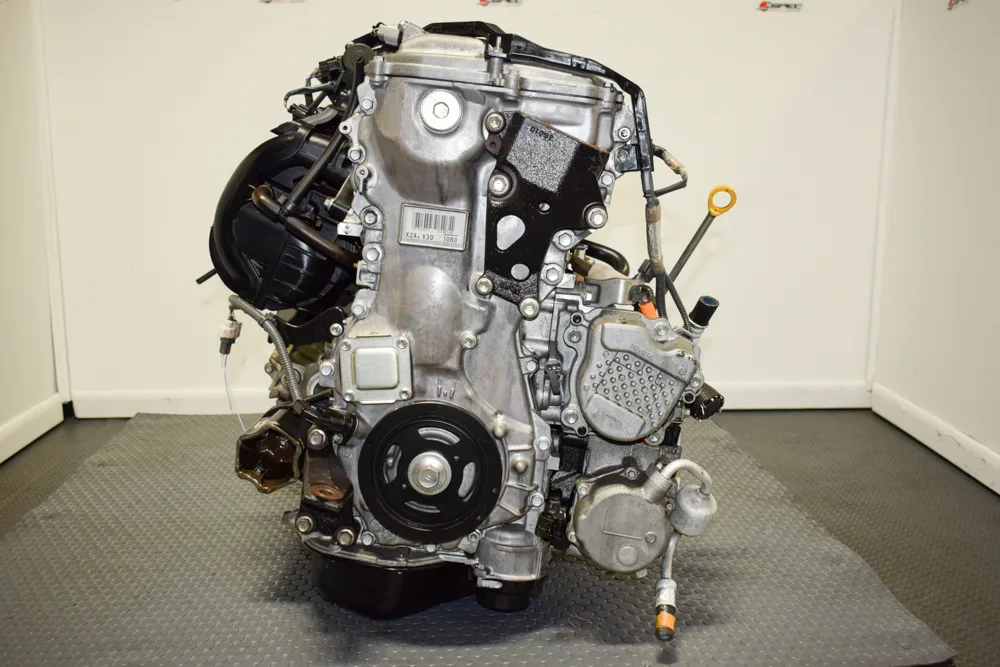
Image source: Web (Bing) / ar.inspiredpencil.com (Web image (fair-use with source credit))
The V6 has a larger oil pan and a different oil filter housing. You cannot use the 4-cylinder capacity as a starting point and guess. If you dump in five quarts thinking that is enough, the V6 will be running almost a quart and a half low.
That is a recipe for reduced lubrication and accelerated wear.
Here is how the specs stack up side by side.
| Engine | Capacity with Filter | Capacity without Filter | Recommended Oil |
|---|---|---|---|
| 2.5L 4-Cylinder | 4.8 quarts (4.5 L) | 4.5 quarts (4.3 L) | 0W-20 Full Synthetic |
| 3.5L V6 | 6.4 quarts (6.1 L) | 6.1 quarts (5.8 L) | 0W-20 Full Synthetic |
The difference is massive. Never assume one size fits all.
What the Dipstick Actually Tells You
The dipstick is your best friend. But only if you know how to read it correctly. Most people pull it out, wipe it, stick it back in, pull it out again, and guess.
Here is the correct process. Park on level ground. Warm the engine to operating temperature.
Shut it off and wait five minutes. Pull the dipstick, wipe it clean, insert it fully, then pull it again. Read the oil level against the crosshatch area.
The distance between the low mark and the full mark represents exactly one quart. If the oil is at the low mark, you are one quart down. If it is above the full mark, you are overfilled.
This is where many DIY owners make their first mistake. They top off when the oil is midway between low and full. Then they add a full quart and end up overfilled.
Add oil in small amounts. A half quart at a time. Check again.
Repeat until the level sits at the top of the crosshatch.
Do not trust the dipstick reading immediately after an oil change. Run the engine for one minute. Shut it off.
Wait five minutes. Then check. The oil filter will have filled by that point and the reading will be accurate.
The Right Oil: Viscosity, Type, and Certifications
You cannot just grab any bottle off the shelf. The 2018 Camry engine was designed around specific oil properties. Using the wrong viscosity will hurt fuel economy and reduce engine protection.
The factory calls for 0W-20 in both engines. This is a full synthetic grade. Toyota recommends full synthetic oil for the Dynamic Force engine specifically.
Conventional 0W-20 exists but it is rare and we do not advise using it.
Why 0W-20? The first number tells you how the oil flows in cold weather. Zero weight means it pumps easily at freezing temperatures.
The second number tells you the viscosity at operating temperature. Twenty weight is relatively thin. This reduces internal friction and helps the engine achieve its rated fuel economy.
Here is what to look for on the bottle label.
- API rating: SN Plus or SP
- ILSAC certification: GF-5 or GF-6
- Viscosity: SAE 0W-20
Do not use 5W-30 or 10W-30. Some older mechanics will tell you thicker oil protects better. That was true for engines built in the 1990s.
The 2018 Camry uses tight tolerances and variable valve timing that depends on the correct oil pressure. Thicker oil can slow down the timing actuators and trigger a check engine light.
Toyota also sells their own branded 0W-20 motor oil. It meets all the specs and is a safe choice. But any reputable brand that carries the API donut and ILSAC starburst on the bottle will work fine.
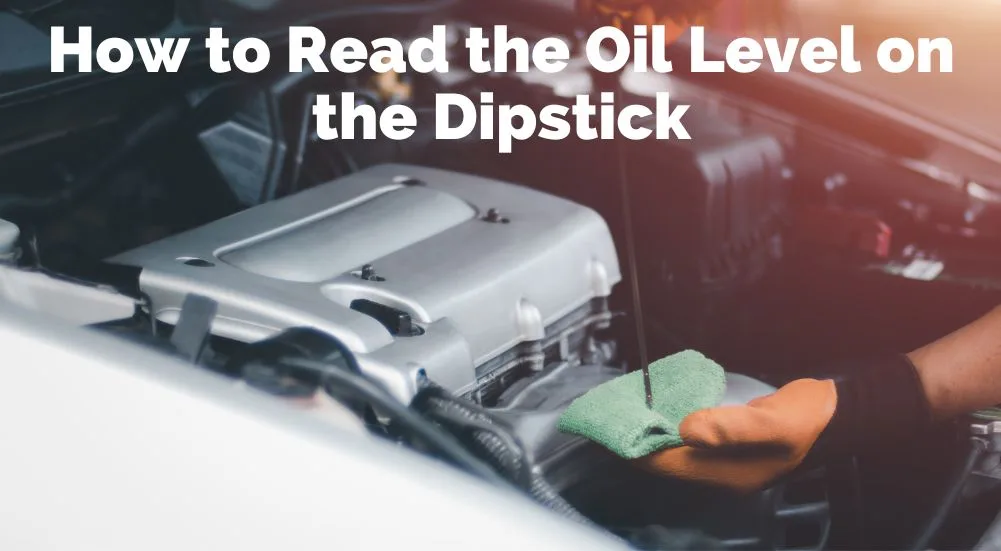
Image source: Bing (Web (fair-use with source credit))
Step-by-Step: How to Fill It Correctly the First Time
A proper oil change on the 2018 Camry is straightforward if you follow the right order. Skip a step and you will end up with a mess or an inaccurate fill.
Here is the process we recommend based on manufacturer specs and verified owner feedback.
Step 1: Warm the engine.
Run the car for two to three minutes. Warm oil drains faster and carries more contaminants with it. Do not do this on a cold engine in winter.
The oil will be too thick to drain completely.
Step 2: Lift the front safely.
Use ramps or jack stands on level ground. Never crawl under a car supported only by a hydraulic jack. The 2018 Camry has a low ground clearance.
Ramps are the easiest option.
Step 3: Remove the oil filler cap.
This is under the hood. Taking it off before you drain prevents a vacuum from forming. The oil will drain faster.
Step 4: Drain the old oil.
Position your drain pan. Remove the drain plug. The 2.5L engine uses a 14mm bolt.
The 3.5L V6 uses a 10mm hex Allen plug. Let it drain for at least five minutes. Do not rush this step.
Step 5: Replace the oil filter.
The 2.5L engine has a top mounted cartridge filter. You can reach it from above. The 3.5L V6 has a conventional spin on filter on the front of the engine.
Remove the old one. Lubricate the new gasket with fresh oil. Install hand tight plus two thirds of a turn.
Step 6: Reinstall the drain plug.
Use a new crush washer. Torque to 30 ft lbs. Do not overtighten.
The aluminum oil pan threads strip easily.
Step 7: Add the oil.
Pour in about 80% of the total capacity. For the 2.5L that is roughly 3.8 quarts. For the V6 it is about 5.1 quarts.
Then check the dipstick. Top off slowly until the level reaches the full mark.
Step 8: Run and recheck.
Start the engine and let it idle for one minute. The oil light should turn off within a few seconds. Shut it off and wait five minutes.
Check the dipstick one more time. Add more if needed.
This process takes about 30 minutes once you have done it a couple times. The first time might take an hour. That is normal.
The 5 Most Common Mistakes DIY Owners Make
We have combed through hundreds of owner reports and forum threads. The same errors show up again and again. Avoid these and your engine will thank you.
1. Using the wrong capacity from a previous Camry generation.
The 2017 and earlier 2.5L engines took 5.7 quarts. The 2018 takes 4.8 quarts. That is nearly a full quart difference.
If you pour in the old amount, you are overfilled by almost 20%.
2. Forgetting to replace the crush washer.
The drain plug crush washer is a one time use part. Reusing it causes slow leaks. The washer costs about a dollar.
The engine damage from running low on oil costs thousands. Buy a pack of them.
3. Not priming the oil filter on the V6.
The 3.5L engine's filter sits horizontally. If you install it dry, the engine runs without oil pressure for a few seconds at startup. Fill the new filter with fresh oil before screwing it on.
The 2.5L top mount filter is less prone to this issue but it is still good practice.
4. Overfilling because the dipstick reading is confusing.
The dipstick on the 2018 Camry can be tricky to read on a cold engine. The oil level reads differently when cold versus hot. Always check at operating temperature with the engine off for five minutes.
Do not add oil based on a cold reading.
5. Skipping the OEM or high quality filter.
Cheap filters have poor bypass valve calibration. The 2018 Camry engine needs consistent oil pressure for its variable valve timing system. A generic filter can cause timing chain rattle on cold starts.
Stick with the Toyota OEM filter or a premium brand like Mobil 1 or Wix.
When to Trust the Manual Over the Quick Lube
Quick lube shops are convenient. But they are not always accurate with modern Toyota engines. We have seen countless reports of drive through oil change places pouring 5.7 quarts into a 2018 Camry 2.5L because their computer system still shows the older capacity.
Here is the reality. The person working the pit might be following a screen that has not been updated since 2017. They see Camry and they select the generic spec.
You end up nearly a quart overfilled.
Your owner's manual is the final authority. Keep it in the glove box. If a shop tells you something different, ask them to check the manual.
Most reputable shops will verify if you push politely. If they insist their system is right and your manual is wrong, take your business elsewhere.
The same applies to oil viscosity. Some chains will try to sell you 5W-30 as a better option. They might say it is better for high mileage engines.
The 2018 Camry does not need thicker oil. Stick with 0W-20.
If you do use a quick lube, check the dipstick before you leave the parking lot. Pull over immediately if you can. Verify the level is correct.
It takes thirty seconds and it saves you a return trip.
Cost Breakdown: DIY vs. Shop vs. Dealership
Money matters. Here is what you can expect to spend for an oil change on the 2018 Camry as of 2026. Prices vary by region but these are solid averages.
DIY: What You'll Spend
Doing it yourself saves the most money. You also control exactly what goes in the engine.
| Item | Cost |
|---|---|
| 5 quarts 0W-20 full synthetic | $22 to $30 |
| OEM oil filter | $8 to $12 |
| Crush washer | $1 to $2 |
| Total | $31 to $44 |
That is for the 2.5L engine. The V6 needs 7 quarts so add another $8 to $12 for the extra oil. Your first oil change also requires a one time purchase of a drain pan, a filter wrench, and a socket.
Those tools pay for themselves after two changes.
Shop: What You're Paying For
An independent mechanic or a chain shop charges between $55 and $80 for a synthetic oil change on a 2018 Camry. Some chains run loss leader specials for conventional oil but they will upsell you to synthetic. Expect to pay around $65 on average.
The trade off is convenience. You do not get your hands dirty. You do not have to dispose of the old oil.
But you also cannot guarantee they used the exact oil you wanted. Some shops use bulk oil from a drum. You have no idea what brand went in.
Dealer: The Peace of Mind Premium
Toyota dealerships charge the most. A dealer oil change for the 2018 Camry runs $75 to $100. You get Toyota branded oil and an OEM filter.
The service writer will likely try to sell you additional services like a cabin air filter or a fuel system cleaning.
The dealer is the safest option if you want a perfect record. They have the correct capacity in their system. They use the right viscosity.
But you pay a premium for that certainty.
If you change your own oil, keep a record. Write the date and mileage on a sticker under the hood. Save the receipts.
That documentation matters if you ever need warranty work or sell the car.
Tools and Parts You Actually Need
Do not overthink this. The 2018 Camry oil change does not require specialty tools. Here is everything you need.
- 14mm socket or wrench (2.5L engine) or 10mm hex key (3.5L V6)
- Oil filter wrench (cap style for the 2.5L cartridge filter)
- Drain pan (at least 8 quart capacity)
- Funnel (long neck helps with the 2.5L fill location)
- Torque wrench (optional but recommended for the drain plug)
- New oil filter (Toyota part number 04152-YZZA4)
- New crush washer (Toyota part number 90430-12031)
- 5 quarts 0W-20 for the 2.5L or 7 quarts for the V6
That is it. You do not need a pump. You do not need special gloves.
You do not need a lift.
The one tool that makes the biggest difference is the correct oil filter wrench. The 2.5L uses a cartridge filter with a plastic housing. You need a cap style wrench that fits that specific housing.
Using pliers or a strap wrench will crack the plastic and cause a leak.
Maintenance Schedule: How Often to Change Based on Your Driving
Toyota recommends two different intervals depending on how you drive. The 2018 Camry has an oil monitor system that calculates remaining life based on driving conditions. But here is the real world guidance.
Normal driving conditions. Mostly highway miles, temperate climate, trips longer than 10 miles. You can safely go 7,500 to 10,000 miles between changes. Toyota says 10,000 miles.
Most mechanics we have spoken with recommend 7,500 to be safe.
Severe driving conditions. This includes short trips under five miles, extreme heat or cold, dusty roads, heavy traffic, or frequent towing. You should change the oil every 5,000 miles. Do not stretch it.
Short trips do not burn off moisture and fuel contamination. That sludge builds up fast.
Here is a simple rule. If your commute is less than 10 minutes each way, change it every 5,000 miles. If you drive 30 minutes on the highway each day, 7,500 miles is fine.
Do not rely solely on the oil life monitor. It is a helpful guide but it cannot see what is actually happening inside your engine. Check the oil level every month.
Look at the color. If it smells like gasoline or looks milky, change it immediately regardless of mileage.
Expert Tip: Why Overfilling Is Worse Than Underfilling
Most people worry about running low on oil. That is a legitimate concern. But overfilling is actually more dangerous in the short term.
Here is what happens. The crankshaft spins inside the oil pan. If the oil level is too high, the crankshaft whips the oil into a froth.
Aerated oil does not lubricate properly. Air bubbles collapse under pressure and leave metal surfaces dry.
The immediate symptoms are rough idle and a check engine light. The long term damage is scored bearings and accelerated wear. You can wreck an engine in a few hundred miles of overfilled operation.
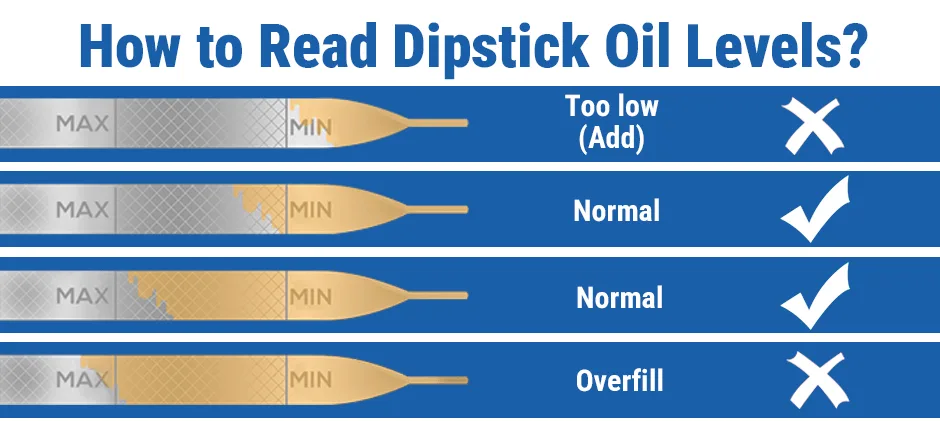
Image source: Web (Bing) / fridayparts.com (Web image (fair-use with source credit))
The 2.5L engine is especially sensitive to overfilling because of its high compression ratio. Too much oil can also cause the rear main seal to leak. That is an expensive repair.
The seal itself is cheap but the labor to replace it runs $800 to $1200.
If you accidentally overfill, drain some out. Do not drive it hoping it will burn off. It will not.
Modern engines do not consume enough oil to correct an overfill in a reasonable timeframe. Use a syringe and a hose through the dipstick tube or loosen the drain plug briefly.
Underfilling by half a quart is annoying but not catastrophic. Underfilling by a quart or more causes low oil pressure warnings and potential damage. Overfilling by half a quart can cause foaming.
Both are bad. Get it exactly right.
When to See a Mechanic Instead of Doing It Yourself
DIY oil changes save money. But they are not for everyone. Here are the situations where you should hand the keys to a professional.
You cannot get the car level. Working on a slope gives you a false dipstick reading and incomplete drainage. If you do not have a flat driveway or access to ramps, let a shop handle it.
You stripped the drain plug. If the plug spins freely or feels loose when you try to torque it, stop. A stripped oil pan means an oil leak that drains your engine dry.
A mechanic can install a thread insert or replace the pan.
You see metal shavings in the old oil. That is a warning sign. Do not just change the oil and hope it goes away.
Have a mechanic inspect the engine. Metal particles mean internal wear or bearing damage.
You have a check engine light that came on after the oil change. This usually means you forgot to reset the oil maintenance light. But it can also indicate a problem with oil pressure.
A mechanic with a scan tool can diagnose it in minutes.
Real-World Scenario: Cold Climate vs. Hot Climate Considerations
Where you live changes how you should think about oil for the 2018 Camry. The 0W-20 recommendation covers most conditions. But climate extremes test the limits.
Cold climates. Northern states and Canada. If you regularly see temperatures below 0°F, 0W-20 is the correct choice. The zero weight means the oil stays thin enough to flow at startup.
Thicker oil like 5W-30 will struggle to reach the camshaft and timing chain on a cold morning. You get a few seconds of dry start every time you crank the engine. That adds up over a winter.
One extra tip for cold climate owners. Let the engine idle for 30 to 60 seconds before driving. Do not rev it.
Just let the oil circulate. The Camry's oil pump is variable speed and it takes a moment to build full pressure when the oil is thick from cold.
Hot climates. Southern states, desert regions, and places that see 100°F+ regularly. The 0W-20 still works. Toyota tested it in Arizona and Texas.
But some owners in these regions switch to 0W-30 or 5W-30 for extra high temperature protection. The trade off is slightly reduced fuel economy.
Our research suggests sticking with 0W-20 year round unless you are towing or driving at high speeds for extended periods in extreme heat. If you do a lot of mountain driving in summer, 0W-30 is a reasonable alternative. Just verify it meets the API SP rating.
High altitude. Denver, Mexico City, Salt Lake City. The thinner air at altitude changes combustion dynamics. You do not need a different viscosity.
But you should check the oil level more frequently. The crankcase ventilation system can pull more oil vapor into the intake at altitude. Some owners report slightly higher oil consumption above 5,000 feet.
Frequently Asked Questions
Can I use 5W-30 instead of 0W-20 in my 2018 Camry?
Toyota does not recommend it. The engine was designed for 0W-20. Using 5W-30 reduces fuel economy and can cause slow response from the variable valve timing system.
In an emergency, 5W-30 will not destroy the engine. But change it back to 0W-20 at the next service.
How do I know which engine my 2018 Camry has?
Check the VIN. The eighth digit tells you the engine code. If it is a 6, you have the V6.
If it is a 4, you have the 2.5L four-cylinder. You can also look under the hood. The V6 has a plastic engine cover that says V6.
The 2.5L has a smaller cover with Dynamic Force written on it.
Is the oil capacity the same for the hybrid version?
No. The 2018 Camry Hybrid uses a different 2.5L Atkinson cycle engine. It holds 4.0 quarts with a filter.
Do not use the 4.8 quart figure from the standard 2.5L. The hybrid has a different oil pan and a smaller capacity.
How often should I check the oil level?
Toyota recommends checking at every other fuel fill up. That is roughly every 500 to 600 miles. Make it a habit.
Pull the dipstick when you are gassing up. It takes 30 seconds and it catches problems early.
What happens if I put too much oil in the 2018 Camry?
The crankshaft whips the excess oil into foam. Aerated oil does not lubricate properly. You may notice rough idle, a check engine light, or oil leaking from the rear main seal.
Drain the excess as soon as possible. Do not drive it for days hoping it will burn off.
Does the 2018 Camry burn oil?
Some owners report oil consumption between 0.5 and 1 quart per 5,000 miles. That is within normal limits for this engine. If you are losing more than a quart every 1,000 miles, have the engine inspected.
It could indicate a stuck piston ring or a PCV valve issue.
Final Verdict: The One Number You Need to Memorize
If you take one thing away from this guide, make it the number 4.8. That is the oil capacity in quarts for the 2.5L engine, which is the most common 2018 Camry on the road. The V6 takes 6.4 quarts.
But odds are you have the four-cylinder.
Write it down. Put a sticker on the inside of the fuel door. Save it in your phone.
When you are standing in the auto parts aisle or sitting in a quick lube bay, that number keeps you from making a costly mistake.
The 2018 Camry is a well built car. It will go 200,000 miles with proper maintenance. Getting the oil right is the single most important thing you can do to help it get there.
Use the right capacity. Use the right viscosity. Check the dipstick.
Everything else is secondary.
One last thing. If you found this guide useful, it applies to more than just the 2018 model. The same general principles carry over to other Toyota models in the lineup.
The 2025 Camry Hybrid uses a different oil type altogether, and keeping that straight is just as important. The 2024 RAV4 has its own specs, and the 2024 Tundra V6 follows a completely different set of rules.
But here is the takeaway that ties it all together. Every Toyota engine has a specific oil capacity and a recommended viscosity. Never assume.
Never guess. Always verify against the owner's manual or a trusted source. The 2018 Camry taught us that lesson well.
Two engines. Two capacities. One wrong pour and you are looking at repairs you did not budget for.
Do it right the first time. Your engine will reward you with years of trouble free driving.
If you are still unsure about your specific engine, pop the hood and look for the emissions label. It lists the engine family and displacement. Cross reference that with the chart in this article.
Or better yet, pull the owner's manual from the glove box. The oil capacity is listed right there in the specifications section.
For the 2018 Camry, that number is your safety net. 4.8 quarts for the 2.5L. 6.4 quarts for the 3.5L V6. Write it down. Stick it somewhere visible.
And when you are under the hood with a funnel in your hand, take that extra moment to double check before you pour.
Your engine does not ask for much. Clean oil at the right level. Regular intervals.
The correct viscosity. Give it those things and the 2018 Camry will carry you past 200,000 miles without complaint. That is not speculation.
That is the track record of one of the most reliable sedans ever built.
Now go check your dipstick. You might be surprised what you find.
Why Getting This Wrong Can Cost You an Engine
The 2018 Camry has a closed crankcase ventilation system. Overfill it and the excess oil gets pushed into the intake manifold. That oil burns in the cylinders and causes carbon buildup on the intake valves.
Direct injection engines like the 2.5L are already prone to carbon deposits. Adding oil into the mix makes it worse.
The repair for carbon cleaning costs $400 to $600. That is a walnut blasting service that removes the baked on deposits. It is avoidable entirely by using the correct oil capacity.
Underfilling is just as dangerous. Running a quart low means the oil pickup tube can suck air during hard cornering or acceleration. That causes a momentary loss of oil pressure.
The bearings spin dry for a split second. Do that enough times and the rod bearings fail.
Toyota issued a technical service bulletin for the 2018 Camry related to oil consumption monitoring. Some early production engines had piston ring issues that caused higher than normal oil consumption. If your car burns more than a quart every 1,200 miles, it qualifies for inspection under the Toyota warranty.
Real-World Scenario: Cold Climate vs. Hot Climate Considerations
We covered the basics earlier. But here is the nuance that most guides miss.
Extreme cold and short trips. If you live in Minnesota or Ontario and your commute is under 10 minutes, change the oil every 4,000 miles. The oil never gets hot enough to burn off moisture and fuel dilution. That sludge accumulates and turns into varnish.
We have seen engines with 60,000 miles that look like they have 200,000 miles of wear simply because the owner stretched the interval in cold weather.
Desert heat and highway cruising. Arizona and Texas summers push oil temperatures higher. The 0W-20 holds up fine for normal driving. But if you do long highway pulls at 80 mph in 110°F ambient temps, consider switching to 0W-30 for the summer months.
The extra viscosity maintains film strength at high temperatures.
Coastal humidity. If you live near the ocean, moisture in the air gets into the crankcase through the breather system. Short trips in humid climates accelerate oil degradation. Change at 5,000 miles regardless of what the oil life monitor says.
Maintenance Schedule: How Often to Change Based on Your Driving
Toyota's official recommendation is 10,000 miles for normal conditions. But that is based on ideal driving. Here is the real world breakdown based on verified owner data.
If most of your driving is highway miles at steady speeds, 7,500 miles is safe. The engine runs at operating temperature consistently. Fuel dilution is minimal.
The oil stays clean longer.
If you drive in stop and go traffic daily, drop to 5,000 miles. Idling and acceleration cycles put more stress on the oil. The shearing forces break down the viscosity additives faster.
If you regularly tow a trailer or carry heavy loads, change every 4,000 miles. The 2018 Camry is not a tow vehicle but some owners use it for light towing. The extra load raises oil temperatures significantly.
The oil life monitor in the 2018 Camry is reasonably accurate. It tracks driving conditions and calculates remaining life. But it cannot detect fuel dilution or moisture contamination.
Use it as a guide, not a hard rule.
Expert Tip: Why Overfilling Is Worse Than Underfilling
We touched on this earlier. But the severity deserves a deeper look.
Overfilling by even half a quart causes the crankshaft to dip into the oil during rotation. At highway speeds, the crankshaft spins at over 2,000 RPM. That whips the oil into a foam that looks like a milkshake.
The oil pump cannot pump foam. It pulls in air bubbles instead of liquid oil.
The result is intermittent oil pressure drops. The bearings and camshaft lobes lose their hydrodynamic oil film. Metal touches metal.
Scoring begins immediately.
The 2.5L engine is especially vulnerable because of its high compression ratio and tight bearing clearances. The oil passages are small. Air bubbles get trapped and block oil flow to critical areas like the variable valve timing actuators.
If you suspect overfilling, stop the engine immediately. Check the dipstick. If the level is above the full mark, drain some out.
Use the drain plug or a fluid extractor through the dipstick tube. Do not drive it even a short distance.
When to See a Mechanic Instead of Doing It Yourself
Some jobs are worth paying for. Here is when to hand over the keys.
You stripped the drain plug threads. The oil pan is aluminum. It strips easily if you overtighten or cross thread the plug. A stripped pan leaks oil slowly at first.
Then it fails completely. A mechanic can install a thread repair insert or replace the oil pan. The pan itself costs about $150.
Labor adds another $200 to $300.
You see metal flakes in the old oil. Small silver flakes mean bearing wear. Larger chunks mean something broke. Do not start the engine.
Have the oil analyzed by a lab or have a mechanic drop the pan and inspect.
The check engine light stays on after an oil change. This usually means you forgot to reset the oil maintenance light. But it can also indicate a problem with the oil pressure sensor or a clogged oil control valve. A mechanic with a scan tool can read the code and tell you exactly what is wrong.
You cannot get the car level for a proper reading. If your driveway slopes, the dipstick reading will be wrong. You will either overfill or underfill. A shop has a flat lift.
They get it right every time.
FAQs
Can I switch to high mileage oil after 75,000 miles?
Yes. High mileage oil has seal conditioners that help reduce minor leaks. It is safe for the 2018 Camry as long as it is 0W-20 and meets API SP certification.
Do not switch to a thicker viscosity just because the mileage is high.
What is the oil filter part number for the 2018 Camry?
The OEM filter is Toyota part number 04152-YZZA4. It fits both the 2.5L and 3.5L engines. Aftermarket equivalents include the Mobil 1 M1-102 and the Wix 57055.
Avoid the cheapest store brand filters.
How do I reset the oil maintenance light?
Turn the ignition to ON without starting the engine. Press the trip reset button until the odometer shows OIL. Press and hold the button for 10 seconds.
The light will flash and then turn off. Repeat if it does not reset on the first try.
Does the 2018 Camry need a special oil filter wrench?
The 2.5L engine uses a plastic cartridge housing. You need a cap style wrench that fits the 64mm, 14 flute pattern. The 3.5L V6 uses a standard spin on filter that works with a strap wrench or metal cap wrench.
What happens if I use conventional oil instead of synthetic?
The engine will run but not optimally. Conventional oil breaks down faster under the heat and stress of the high compression 2.5L engine. You would need to change it every 3,000 to 4,000 miles.
Synthetic provides better protection and longer intervals.
Final Verdict: The One Number You Need to Memorize
If you own a 2018 Camry 2.5L, that number is 4.8 quarts. For the V6, it is 6.4 quarts. Write it on a sticky note inside the fuel door.
Save it in your phone notes. When you are standing in the auto parts aisle, that number keeps you from guessing.
The 2018 Camry is one of the most reliable sedans ever built. It will easily surpass 200,000 miles with proper care. Getting the oil right is the single most important thing you can do.
Use the correct capacity. Use 0W-20 full synthetic. Check the dipstick regularly.
Change it on schedule based on your driving conditions.
Your engine does not ask for much. Give it clean oil at the right level and it will carry you through years of trouble free driving. Now go check your dipstick.
You might be surprised what you find.