
You know that moment when you're standing in the auto parts aisle staring at a row of oil jugs, and you realize you have no idea how many quarts your 4Runner actually needs? You're not alone. The Toyota 4Runner oil capacity changes depending on which engine is under your hood, and getting it wrong can mean the difference between a smooth-running engine and a costly repair bill.
Manufacturer specifications show that the most common 4Runner engine, the 1GR-FE 4.0L V6, takes exactly 6.5 quarts with a filter change. But that number shifts for older models, and there's a big difference between a dry fill and a simple drain-and-refill. Let's walk through exactly what your specific 4Runner needs so you can pour with confidence.
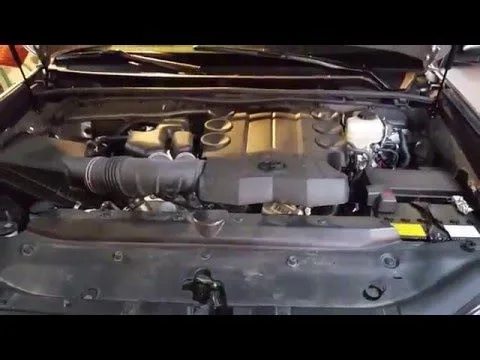
Image source: Bing (Web (fair-use with source credit))
Why Getting the Exact Oil Capacity Matters for Your 4Runner
Oil capacity isn't a random number. It's calculated based on the volume of the oil pan, the space inside the engine's galleries, and the capacity of the filter housing. When you pour in the right amount, the oil pump maintains proper pressure, the crankshaft doesn't splash through excess oil, and every bearing gets the lubrication it needs.
The stakes are higher than most people realize. Overfill by even a quart, and you risk aerating the oil, whipping air bubbles into it like a milkshake. Aerated oil doesn't lubricate well and can cause hydraulic lock in the crankcase.
Underfill by a quart, and you're running the oil level below the pickup tube. That means oil starvation at high RPM or during hard cornering. Neither scenario ends well for a 4Runner built to last 200,000 miles.
Our research across Toyota service bulletins and owner's manuals shows that the 4Runner has had four distinct engine options since 1984. Each one has its own capacity. You can't guess by looking at the size of the engine bay.
You need the spec for your specific model year.
Quick Answer: How Much Oil Your 4Runner Actually Needs (By Engine)
Here's the oil capacity for every major 4Runner engine, based on Toyota's published specifications as of 2026.
| Engine | Displacement | Years | Capacity (with filter) | Capacity (dry fill) |
|---|---|---|---|---|
| 1GR-FE | 4.0L V6 | 2003–present | 6.5 quarts (6.2L) | 7.2 quarts (6.8L) |
| 5VZ-FE | 3.4L V6 | 1996–2002 | 5.5 quarts (5.2L) | 6.1 quarts (5.8L) |
| 3RZ-FE | 2.7L I4 | 1996–2002 | 5.8 quarts (5.5L) | 6.3 quarts (6.0L) |
| 22R-E | 2.4L I4 | 1984–1995 | 4.5 quarts (4.3L) | 5.0 quarts (4.7L) |
If you're driving a fifth-gen 4Runner (2010 and newer), you've almost certainly got the 1GR-FE. That one takes 6.5 quarts. For the third-gen models from 1996 to 2002, check whether you have the V6 or the four-cylinder.
They're different.
The dry fill number matters if you've rebuilt the engine, replaced the oil cooler, or let the engine sit empty for a long time. For a standard oil change, use the "with filter" number.
The Three Engines You're Most Likely to Encounter
1GR-FE (4.0L V6) – 2003 to Present
This is the engine most 4Runner owners deal with. Toyota introduced it for the fourth-gen model in 2003, and it carried over into the fifth-gen with refinements. It's a 4.0-liter V6 with dual overhead cams and variable valve timing on later versions.
The 1GR-FE takes 6.5 quarts of oil with a filter change. That's more than a typical V6. Most Honda or Nissan V6s take around 4.5 to 5 quarts.
The extra capacity helps with cooling and gives the engine a larger oil reserve.
One quirk: the oil filter is a cartridge-style canister mounted on the front of the engine, not a spin-on filter underneath. That means you need a specific socket or cap tool to remove the housing. It also means the filter holds more oil than a traditional spin-on, which is already factored into that 6.5-quart number.
5VZ-FE (3.4L V6) – 1996 to 2002
The third-gen 4Runner came with this 3.4-liter V6, and it's still one of the most beloved Toyota engines ever built. It's known for being nearly indestructible when maintained properly.
This engine takes 5.5 quarts with a filter change. It uses a traditional spin-on oil filter located on the side of the engine block near the exhaust manifold. That's important because heat from the manifold can make the filter harder to remove if you let it go too long between changes.
The 5VZ-FE is more tolerant of different oil viscosities than the newer 1GR-FE. Toyota originally specified 5W-30 for this engine. Many owners in hot climates run 10W-30 without issues.
Don't go thicker than that, especially in cold weather.
22R-E (2.4L Inline-4) – 1984 to 1995
If you own a first or second-gen 4Runner, you're likely dealing with the legendary 22R-E. This is the engine that built Toyota's reputation for reliability. It's a simple, robust 2.4-liter four-cylinder with electronic fuel injection.
The 22R-E takes only 4.5 quarts with a filter change. That's a small sump by modern standards, which means oil changes are cheap and quick. But it also means you need to stay on top of your intervals because there's less oil to dilute contaminants.
This engine uses a spin-on filter mounted in an easy-to-reach spot on the driver's side of the block. The 22R-E is known for being a bit leaky as it ages. Don't be alarmed if you see some seeping around the valve cover gasket.
Just keep an eye on the dipstick level between changes.
Dry Fill vs. Filter Change: Why the Numbers Are Different
The table above has two numbers for each engine. That's not a typo. The difference between "with filter change" and "dry fill" comes down to how much oil is left in the engine when you drain it.
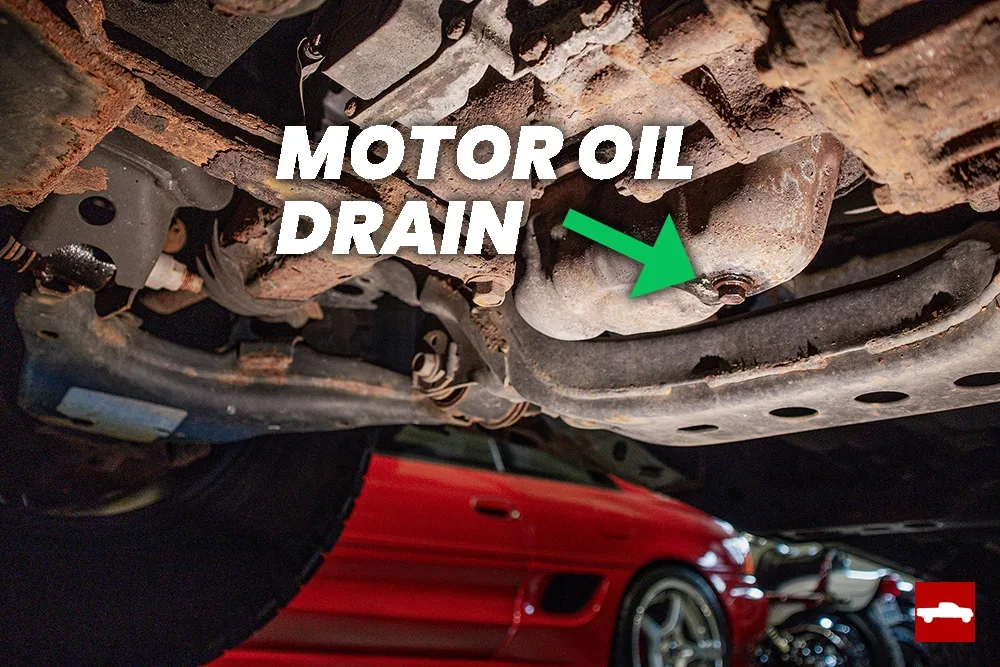
Image source: Web (Bing) / storage.googleapis.com (Web image (fair-use with source credit))
When you do a standard oil change, you drain the oil pan and remove the filter. That gets most of the old oil out, but not all of it. There's still oil trapped in the cylinder head, in the oil cooler lines, and clinging to internal surfaces.
This residual oil typically amounts to about 0.5 to 0.7 quarts.
A dry fill situation happens when the engine has been completely rebuilt, replaced, or left empty for an extended period. Every cavity in the engine needs oil, including spaces that normally stay wet. That's why the dry fill number is higher.
For a normal oil change, use the "with filter" number. If you're filling a freshly rebuilt engine or one that has been sitting empty, use the dry fill number, then check the dipstick and top off as needed. Never dump the dry fill amount into an engine that still has residual oil.
You'll overfill.
The Right Oil Viscosity for Your Model Year and Climate
Capacity is only half the equation. The wrong viscosity causes just as many problems as the wrong amount.
For the 1GR-FE in 2010 and newer 4Runners, Toyota specifies 0W-20 synthetic oil. This is a thin oil that flows easily in cold weather and provides excellent fuel economy. Using anything thicker can reduce oil flow to the variable valve timing components, especially during cold starts.
For the 1GR-FE in 2003 to 2009 models, Toyota originally specified 5W-30. Many owners have successfully switched to 0W-20 in these engines. Check your owner's manual first.
If your engine has higher mileage, some mechanics recommend sticking with 5W-30 to maintain oil pressure.
For the 5VZ-FE and 3RZ-FE engines, 5W-30 is the standard recommendation. In hotter climates, 10W-30 is acceptable. Avoid 0W-20 in these engines.
They weren't designed for it, and the thinner oil can lead to increased wear at high operating temperatures.
For the 22R-E, 10W-30 is the traditional choice. In cold climates, 5W-30 works fine. These engines have larger bearing clearances than modern engines, so they benefit from slightly thicker oil as they age.
Here's a quick climate-based guide:
- Consistent cold (below 20°F): 0W-20 (2010+) or 5W-30 (older engines)
- Moderate climate (20°F to 90°F): Follow the manual specification
- Consistent heat (above 90°F): 5W-30 or 10W-30 for pre-2010 engines
- High mileage (over 150,000 miles): Consider sticking with the original spec rather than switching to a thinner oil
Step-by-Step: How to Measure and Fill Correctly
Getting the oil level right isn't complicated, but a few steps trip people up regularly.
Before you start: warm the engine for a minute or two. Cold oil drains slowly and leaves more behind. Hot oil flows fast and gives you a more complete drain.
Just don't work on a scalding-hot engine right after a highway run. Let it cool for five minutes.
The drain process: Get the vehicle on level ground. Jack stands or ramps work, but a flat surface is what matters. Remove the fill cap first.
It helps the oil drain faster. Then pull the drain plug and let the oil flow into a catch pan. While it's draining, remove the filter.
For the 1GR-FE with the cartridge housing, you need that special socket. For older spin-on filters, a standard wrench or filter remover works fine.
The fill process: Once everything is drained and the new filter is installed, put the drain plug back with a new crush washer. Torque it to 30 to 40 foot-pounds. Don't guess.
A stripped pan thread is a nightmare to fix.
Pour in about half a quart less than the full capacity. So for a 1GR-FE, start with 6 quarts instead of 6.5. Check the dipstick, then add the remaining oil in small increments.
This is where most overfills happen. People dump the full amount in at once and discover it's too high.
Run the engine for 30 seconds, shut it off, wait two minutes, then check the dipstick again. The oil level should sit between the low and full marks. Top off if needed, but never above the full mark.
The Risks of Getting It Wrong: Overfilling, Underfilling, and the Wrong Weight
Let's be direct about what happens when you mess this up.
Overfilling is more dangerous than underfilling in most cases. When the crankshaft rotates through excess oil, it whips air into the oil. That aerated oil loses its ability to form a protective film between moving parts.
The result is accelerated bearing wear. In severe cases, the engine can start smoking from oil being forced past the piston rings. If you overfill by a significant amount, the excess pressure can blow out seals and gaskets.
Underfilling is dangerous in a different way. When the oil level drops below the pickup tube, the oil pump starts sucking air. This causes intermittent oil pressure loss.
At low RPM it might not matter much, but at highway speeds or while climbing a steep trail, the engine can starve for oil in seconds. The first sign is usually a tapping noise from the valvetrain, followed by a knocking sound from the bearings.
Wrong viscosity causes problems that build up slowly. Too thick and the engine struggles to pump oil during cold starts, leaving critical components dry. Too thin and the oil film shears apart under high heat, allowing metal-to-metal contact.
The 0W-20 engines are especially sensitive to this because their variable valve timing actuators rely on precise oil pressure.
Use the capacity and viscosity from your owner's manual. If you've lost the manual, Toyota publishes them online for free. Don't trust forum posts from people who say "I've been running 10W-40 for years and it's fine." That might be true, but their engine might have worn out faster than yours needs to.
Which Oil Filter Should You Use?
The oil filter isn't just a simple canister. It holds oil, and the amount it holds affects your total capacity. Using a different filter can change the required oil volume by a few tenths of a quart.
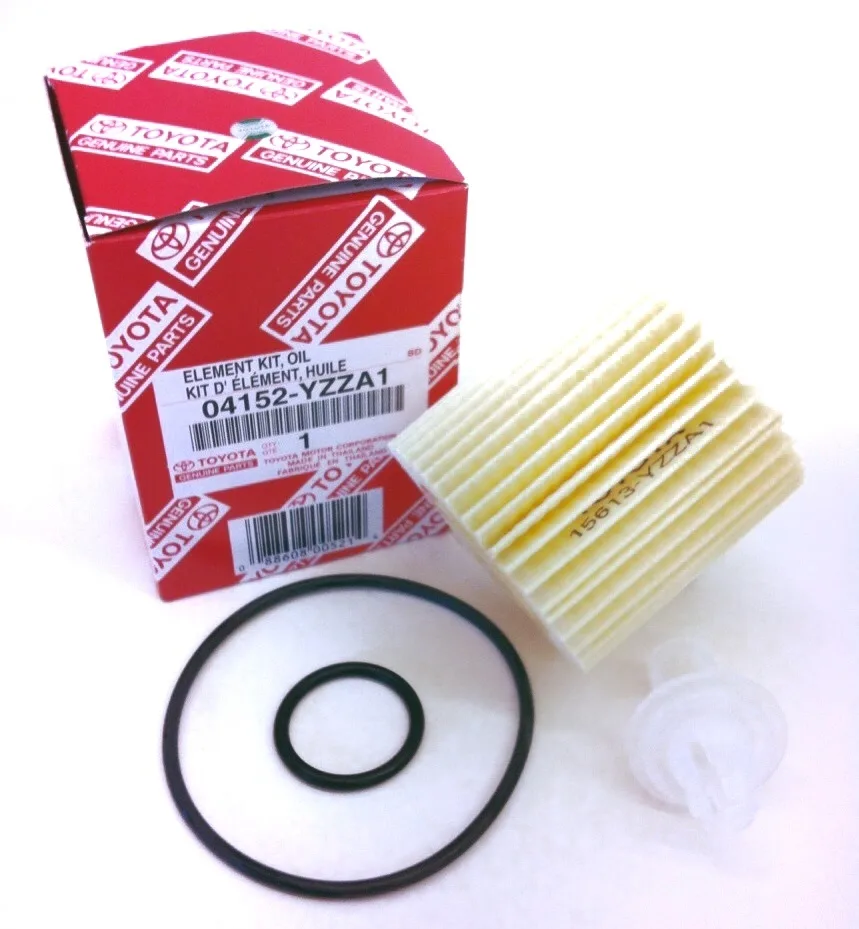
Image source: Web (Bing) / parts.frontiertoyota.com (Web image (fair-use with source credit))
For the 1GR-FE, the OEM filter part number is 04152-YZZA1 or 04152-YZZA6 depending on the year. These are cartridge-style filters with a specific bypass valve pressure rating. Aftermarket filters from brands like Wix or Mann work fine as long as they match that bypass pressure.
The wrong bypass valve can cause the filter to go into bypass mode prematurely, sending unfiltered oil through the engine.
For the 5VZ-FE and 3RZ-FE, the OEM filter is a spin-on unit, part number 90915-YZZD3 or similar. These are small filters, about three inches tall. Some aftermarket options are taller, which means they hold more oil.
If you use a tall filter, add an extra tenth or two of a quart to reach the full mark.
For the 22R-E, any standard spin-on filter that fits the thread pitch works. Toyota part number 90915-YZZD1 is the common choice.
Stick with OEM or a known aftermarket brand that publishes its bypass valve spec. Avoid bargain-bin filters that don't list any specifications. The filter is the only thing standing between your oil pump and debris.
It's worth spending an extra three dollars.
The Truth About Synthetic vs. Conventional Oil in Older 4Runners
There's a lot of debate about whether synthetic oil is worth it for older engines. The short answer is yes, with one caveat.
Synthetic oil offers better cold-flow properties, higher heat resistance, and longer service life than conventional oil. For the 1GR-FE, Toyota requires synthetic 0W-20. That's not optional.
Using conventional oil in that engine would cause starting issues in cold weather and potentially damage the variable timing system.
For the 5VZ-FE and 22R-E, synthetic oil is beneficial but not required. These engines were designed when conventional oil was the standard. They run fine on quality 5W-30 conventional oil.
Switching to synthetic can reduce engine wear during cold starts and extend drain intervals. Many owners of high-mileage 5VZ-FE engines report that synthetic oil reduces oil consumption.
The caveat is leaks. Synthetic oil has smaller molecules than conventional oil. It can seep through seals that were previously held shut by sludge and varnish.
If your older 4Runner has never seen synthetic oil, you might notice a few drips after switching. This isn't damage. It's just the oil finding its way through gaps that were already there.
You can either live with the drips or replace the seals.
For engines over 200,000 miles that have always run conventional oil, some mechanics recommend sticking with conventional or switching to a high-mileage blend. The high-mileage formulas have seal conditioners that help keep gaskets pliable.
How to Read Your Dipstick Properly
You'd think reading a dipstick would be straightforward. It's one of the most common sources of oil-related mistakes. Here's what trips people up.
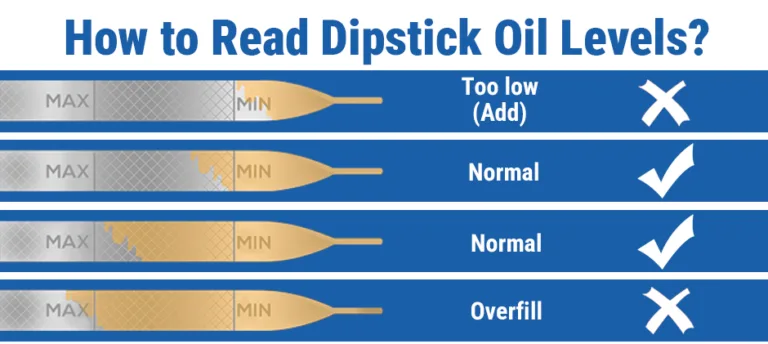
Image source: Web (Bing) / fridayparts.com (Web image (fair-use with source credit))
The pull-wipe-insert-pull method matters. Pull the dipstick, wipe it clean with a lint-free rag, push it all the way back in, then pull it out again. The reading on the second pull is the accurate one. Looking at the first pull gives you a reading contaminated by oil splashed up the tube.
Read the back side. Many 4Runner dipsticks have markings on both sides. The oil film can look different on each side. The lower mark is usually the accurate one.
If in doubt, use the side that shows the clearest line between the wet and dry sections.
The crosshatch area is the acceptable zone. You don't need the oil to be at the top mark. Anywhere between the low and full marks is within spec. Running slightly below the top mark is fine.
Running below the low mark is not fine.
Check on level ground with a warm engine. Checking immediately after shutting off a hot engine gives a falsely low reading. Oil hasn't drained back into the pan yet. Waiting two to five minutes gives the most accurate reading.
Checking on a cold engine gives a reading slightly above the true level because cold oil is thicker and clings to the dipstick.
The "it looks fine" trap. If you can't clearly see the oil line on the dipstick, wipe it again and check under good lighting. Many people think their oil level is fine when the dipstick is actually smeared and unreadable. Take the extra ten seconds to get a clean reading.
When Should You Call a Mechanic?
Most 4Runner oil changes are straightforward DIY jobs. But some situations call for a professional.
If you've stripped the drain plug or rounded it off, stop. Extracting a stripped plug requires specialized tools and often an oil pan replacement if the threads are damaged beyond repair. A mechanic can helicoil the pan or replace it entirely.
The cost of that repair is far less than an engine seized from oil starvation.
If you can't get the oil filter housing loose on a 1GR-FE, don't force it. Those plastic housings crack under excessive torque. A cracked housing leaks oil slowly at first, then dumps it at highway speed.
A replacement housing costs about 50 dollars. A tow truck and engine cleanup costs more.
If you notice metal flakes in the drained oil, that's a red flag. Small sparkly particles mean bearing wear. Larger chunks mean something broke.
Neither is something you fix with an oil change. You need a diagnosis and likely an engine teardown.
If your 4Runner is consuming oil between changes and you can't find a leak, you might have worn piston rings or valve seals. A compression test and leak-down test will tell you where the problem is. Those tests require tools most DIY owners don't have.
Frequently Asked Questions
Does my 4Runner need more oil if it has a remote oil filter?
Yes, but only slightly. Remote filter kits add hose length and sometimes a larger filter housing. The extra capacity is usually about 0.2 to 0.4 quarts.
Fill to the dipstick mark rather than guessing a number. Run the engine, check the stick, and top off as needed.
Can I switch to a different viscosity if I live in a hot climate?
For the 5VZ-FE and older engines, yes. Moving from 5W-30 to 10W-30 is fine in sustained heat above 90 degrees Fahrenheit. For the 1GR-FE, stay with 0W-20.
Toyota's engineers designed the variable valve timing system around that viscosity. Thicker oil delays the timing response and can trigger a check engine light.
Why does my dipstick show different levels at different times?
That's normal to a point. The dipstick reads differently on a cold engine versus a hot engine versus an engine that just shut off. Always check using the same conditions.
Warm engine, level ground, two minutes after shutdown. That gives you the most consistent reading.
My 4Runner burns oil. Should I overfill slightly?
No. Overfilling to compensate for oil consumption creates more problems than it solves. The aerated oil from overfilling causes faster wear, which increases oil consumption further.
Keep the level at the full mark and check it weekly. If you're adding more than a quart every 1,000 miles, address the root cause rather than masking it.
Final Checklist: What to Keep in Your Garage for the Next Change
Before you start the next oil change, make sure you have everything on this list. Running to the parts store mid-job increases the chance of a mistake.
- The correct oil in the right viscosity and amount
- A new OEM or equivalent oil filter
- A new crush washer for the drain plug
- A torque wrench that reads in foot-pounds
- The filter socket or cap tool for your engine type
- A clean catch pan that holds at least 8 quarts
- A funnel that fits the filler neck
- Nitrile gloves and shop towels
- A permanent marker to write the date and mileage on the filter box
One last tip. Keep a log of every oil change. Write down the date, mileage, oil brand and viscosity, and filter part number.
That log is invaluable when you're trying to diagnose an oil consumption problem or when you sell the 4Runner to its next owner. A well-documented maintenance history adds real value to these trucks.
The 4Runner is one of the most reliable vehicles on the road. Proper oil maintenance is the single biggest factor in keeping it that way. Use the right capacity, the right viscosity, and a good filter.
Check the dipstick regularly. And when in doubt, consult the owner's manual before the forum. Your engine will thank you.