
If you're getting ready to change the oil on your 2006 Toyota Tacoma, knowing the exact oil capacity is more than just a trivia stat. Put in too little and you risk engine starvation. Put in too much and you can blow seals or damage the catalytic converter.
The difference between a smooth oil change and a costly mistake comes down to one number.
Manufacturer specifications for the 2006 model year are clear. The 4.0L V6 holds 6.5 quarts with a filter change, while the 2.7L four-cylinder takes 5.2 quarts. As of 2026, these figures remain the standard for any DIY oil change on this generation of Tacoma.
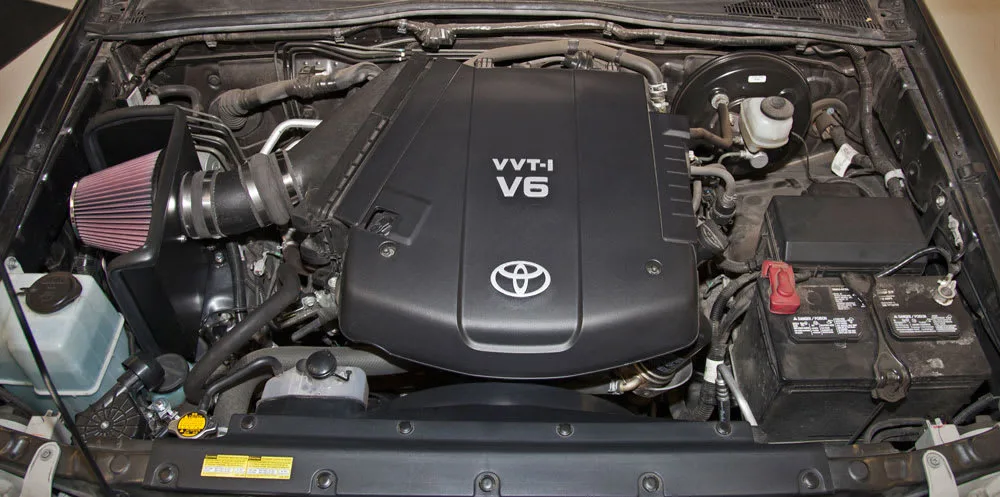
Image source: Web (Bing) / knfilters.com (Web image (fair-use with source credit))
Why Getting the Oil Capacity Wrong Can Cost You an Engine
The 1GR-FE V6 in your 2006 Tacoma is a durable engine, but it's not invincible. Overfilling causes the crankshaft to whip the oil into a froth. That foam can't lubricate properly, leading to metal-on-metal contact.
Underfilling starves the oil pump, especially during hard cornering or off-road use. Either way, you're looking at bearing wear, scored cylinder walls, or a seized engine.
The 2.7L 2TR-FE four-cylinder is equally sensitive. It uses a smaller oil pan, so the margin for error is even tighter. Half a quart low on this engine can drop oil pressure enough to trigger the warning light.
Half a quart high can push oil past the rear main seal.
Toyota's own service bulletins warn against deviating from the specified capacity. Aftermarket oil pans, heavy-duty towing, and extreme climates don't change the base number. Getting the right amount of the correct viscosity is the foundation of every reliable engine.
The Quick Answer: 2006 Tacoma Oil Capacity by Engine
Here's the short answer. For the 2.7L I4 (2TR-FE), you need 5.2 quarts (4.9 liters) of oil when you also replace the filter. For the 4.0L V6 (1GR-FE), the capacity is 6.5 quarts (6.2 liters).
These numbers assume a standard oil pan and a filter change.
| Engine | Capacity with filter | Capacity without filter |
|---|---|---|
| 2.7L I4 (2TR-FE) | 5.2 quarts (4.9 L) | 4.9 quarts (4.6 L) |
| 4.0L V6 (1GR-FE) | 6.5 quarts (6.2 L) | 6.2 quarts (5.9 L) |
If you're buying oil by the bottle, grab one 5-quart jug plus a single quart for the V6, or a 5-quart jug and a small top-off for the four-cylinder. Always buy a little extra. You can return the unopened bottle, but you can't drive to the store with the oil pan drained.
A Note on the 3.4L V6 (5VZ-FE)
Some 2006 Tacomas were sold with the 3.4L V6 if they were early production models. That engine holds 5.5 quarts with a filter. But the vast majority of 2006 models use either the 2.7L or 4.0L.
Double-check your VIN or the sticker under the hood before you pour.
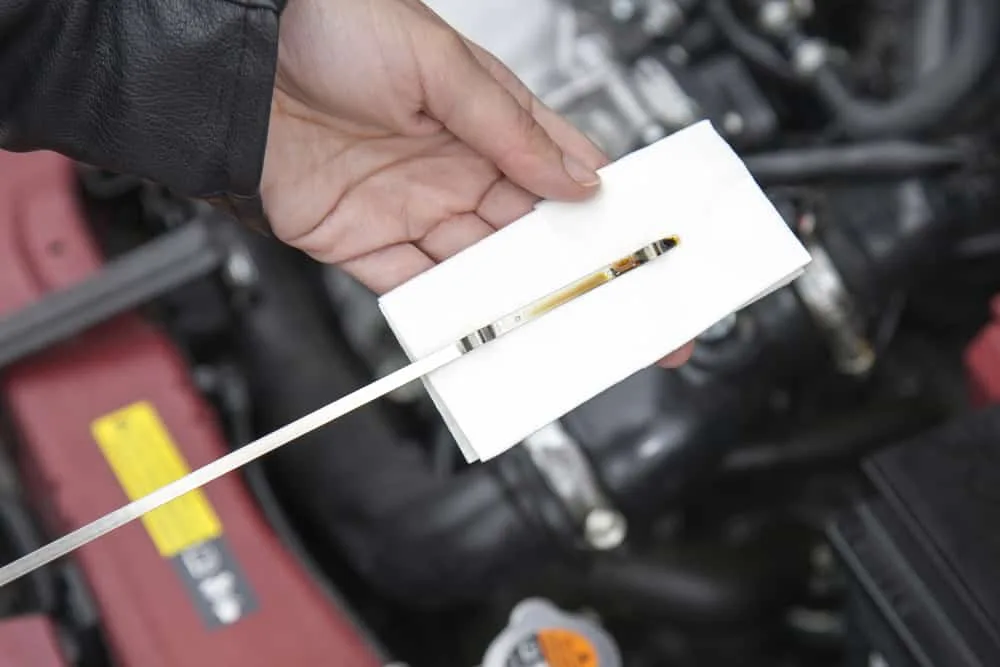
Image source: Bing (Web (fair-use with source credit))
The dipstick is your final check. Pour in the stated capacity, then run the engine for 30 seconds. Shut it off, wait five minutes, and check the level.
It should sit between the low and full marks. Never trust the bottle alone.
What Oil You Should Use (Viscosity, API, and ILSAC)
Toyota recommends 5W-30 for the 2006 Tacoma in nearly all conditions. This viscosity works from freezing cold to desert heat. If you live in an area where temperatures never drop below 32°F, 10W-30 is also acceptable.
But stick with 5W-30 for winter starts.
| Viscosity | Temperature range | Best for |
|---|---|---|
| 5W-30 | -22°F to 100°F+ | All-year, most climates |
| 10W-30 | 32°F to 100°F+ | Warm climates only |
The API rating matters just as much as the viscosity. Look for API SN or higher on the bottle. This rating guarantees the oil meets modern wear protection, sludge control, and seal compatibility standards.
ILSAC GF-5 or GF-6 is the same standard under a different name.
Synthetic oil is not required, but it's a smart upgrade. Conventional 5W-30 works fine if you change it every 3,000 to 5,000 miles. Synthetic handles heat better, lasts longer, and provides better cold-start protection.
If you tow, haul heavy loads, or drive off-road, synthetic is worth the extra cost.
For a complete breakdown of your options, check out our guide on the best oil type for the Tacoma. It covers synthetic blends, high-mileage formulas, and what to avoid.
Step-by-Step: How to Do the Oil Change Correctly
You can do this yourself with basic tools. Here's the sequence that works every time.
Tools and parts you'll need:
- 5 quarts of 5W-30 (or 6.5 for the V6)
- Oil filter (Toyota 90915-YZZD3 or equivalent)
- Drain plug crush washer (14mm for 2.7L, 18mm for 4.0L)
- 14mm or 18mm socket and ratchet
- Torque wrench (optional but recommended)
- Oil filter wrench
- Drain pan
- Funnel
- Jack stands or ramps
Step 1: Warm up the engine. Run it for a couple of minutes so the oil flows easily. Don't let it get hot enough to burn you.
Step 2: Lift and secure the truck. Ramps are easier. Jack stands are safer than a floor jack alone. Never crawl under a vehicle supported only by a jack.
Step 3: Drain the old oil. Remove the oil fill cap. Place the drain pan under the drain plug. Loosen the plug with the socket, then unscrew it by hand.
Let it drain completely.
Step 4: Replace the crush washer. This is a small step that prevents a big leak. Slide the old washer off, put the new one on, and tighten the plug to 29 ft-lbs. If you don't have a torque wrench, snug it up and then give it a quarter turn.
Don't overtighten.
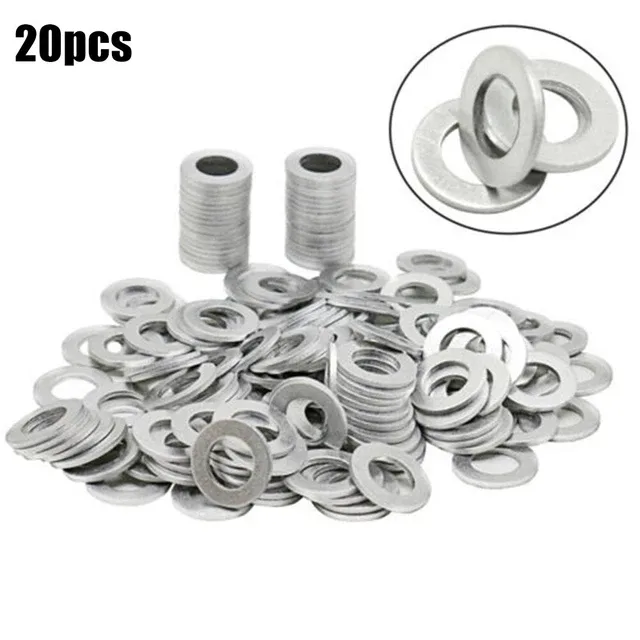
Image source: Web (Bing) / picclick.com.au (Web image (fair-use with source credit))
Step 5: Remove the old oil filter. It's on the side of the engine block. Use the filter wrench if it's stuck. Expect some oil to spill.
Step 6: Pre-fill the new filter. Pour fresh oil into the filter until it's about two-thirds full. Rub a thin layer of oil on the gasket. This prevents a dry start, which can damage the engine in the first few seconds.
Step 7: Install the new filter. Screw it on by hand until the gasket touches the mounting surface. Then tighten it another three-quarters of a turn. No wrench needed.
Step 8: Add the new oil. Use the funnel. Pour in the full capacity minus half a quart. Check the dipstick.
Add more in small increments until it reads full.
Step 9: Check for leaks. Start the engine. Let it run for a minute. Look under the truck for drips around the drain plug and filter.
Step 10: Dispose of the old oil. Pour the used oil into a sealed container. Take it to an auto parts store or recycling center. Most states have strict rules against dumping oil in the trash.
If you're new to this, the process is similar to what you'd do for a Camry. Our guide on the 1997 Camry oil type walks through the same steps if you want a parallel example.
Common Mistakes That Kill Tacoma Engines
Even experienced mechanics make these errors. Here's what to watch out for.
Overfilling. The most common mistake. The dipstick should show oil between the low and full marks, never above the full line. Overfilling leads to foaming, seal leaks, and catalytic converter damage.
The foam can't lubricate, so bearings overheat and fail.
Using the wrong viscosity. 10W-30 in a freezing winter turns to sludge on cold starts. The oil pump struggles to push it through the engine. 5W-30 is the safe bet year-round.
Stripping the drain plug. The oil pan is aluminum. The drain plug is steel. Overtightening strips the threads in the pan.
That repair costs hundreds of dollars. Use a torque wrench.
Skipping the crush washer. The old washer gets flattened and hard. It won't seal properly. A slow drip turns into a puddle on your driveway.
A new washer costs about 50 cents. Replace it every time.
Forgetting to pre-fill the filter. Starting a dry engine with an empty filter means the oil pump has to push air through the system before oil reaches the bearings. That's 3 to 5 seconds of metal-on-metal contact. Pre-filling the filter eliminates this risk.
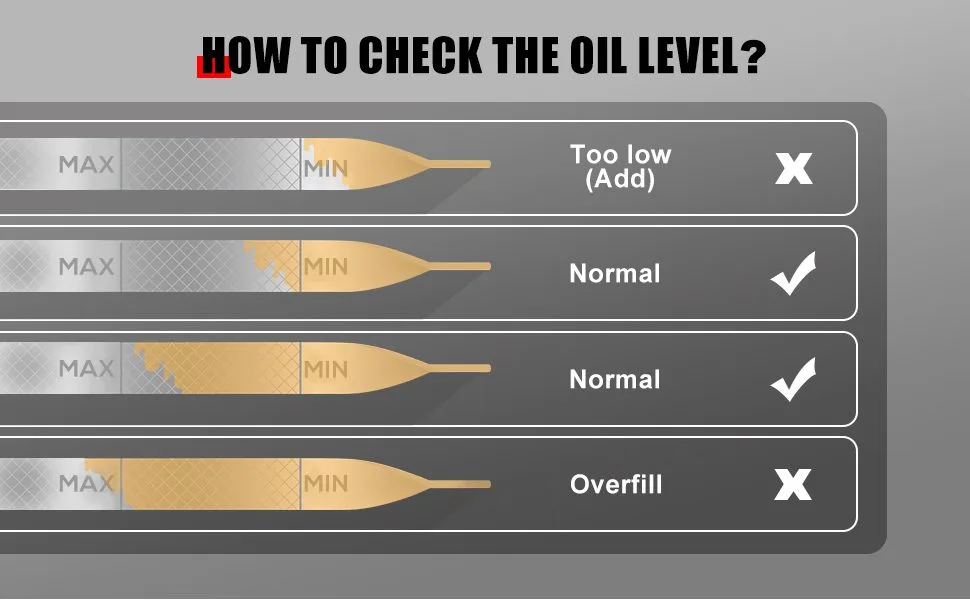
Image source: Web (Bing) / mechanictimes.com (Web image (fair-use with source credit))
If you see smoke from the exhaust, oil on the driveway, or a check-engine light after an oil change, you've made one of these mistakes. Shut the engine off and check the dipstick. Don't drive until you're sure the level is correct.
The same principles apply to other Toyota models, like the Highlander. Our Highlander oil guide covers similar pitfalls.
4WD vs. 2WD: Does It Change Oil Capacity?
Short answer: no. The oil capacity for a 2006 Tacoma is identical whether you have a 2WD or 4WD drivetrain. The engine is the same.
The oil pan is the same. The 4WD system uses a separate transfer case and differentials that have their own fluid requirements, but those don't touch the engine oil.
The confusion comes from the transmission. An automatic transmission has a different cooler and different fluid routing, but again, that doesn't affect how much oil goes into the engine block. Whether you're crawling rocks in a 4WD or commuting in a 2WD, you still pour 5.2 quarts for the 2.7L or 6.5 quarts for the 4.0L.
If you're servicing both the engine and the transfer case, keep those fluids separate. The same principle applies to other Toyota vehicles. The RAV4 oil type guide covers a similar distinction between drivetrain configurations.
Aftermarket Oil Pans: When the Standard Capacity No Longer Applies
Stock oil pans on the 2006 Tacoma are stamped steel. They hold the factory capacity. But some owners swap in aftermarket pans for more oil capacity, better cooling, or improved ground clearance.
An aftermarket pan changes the game. A deep-sump pan might hold an extra quart or two. A skid-plate replacement pan might hold less.
If you have a non-stock pan, the factory numbers no longer apply.
Here's how to find the right capacity with an aftermarket pan:
- Drain the old oil completely.
- Measure exactly how much comes out using a graduated container.
- Fill the new filter and install it.
- Pour in the same measured amount of fresh oil.
- Start the engine, check the dipstick, and top off as needed.
This method works for any pan. The dipstick is always your final authority. If you're running a custom pan, keep a log of the measured capacity.
That way you don't have to guess next time.
The situation is similar to what you'd see with other Toyota models running modified setups. The Matrix oil type guide touches on aftermarket considerations for that platform.
Severe Duty vs. Normal Driving: How It Affects Your Oil Change Interval
The oil capacity doesn't change, but the interval does. Toyota defines severe duty as frequent short trips, extreme temperatures, dusty conditions, towing, or off-road use. If any of these describe your driving, you need to change oil more often.
| Driving condition | Recommended interval |
|---|---|
| Normal driving | 5,000 miles |
| Severe duty | 3,000 to 3,500 miles |
Severe duty doesn't mean you're abusing the engine. It means you're using it the way a truck was designed to be used. Towing a trailer, hauling gravel, or driving on dirt roads all count.
So does idling for long periods or driving in stop-and-go traffic.
The 2.7L four-cylinder runs hotter under load than the V6. If you tow with the smaller engine, stick to the 3,000-mile interval. The 4.0L V6 has more thermal capacity, but it still benefits from shorter intervals under heavy use.
For reference, the same severe-duty logic applies across the Toyota lineup. The Sienna oil type guide explains how towing and family hauling affect oil life on that platform.
Safety, Disposal, and Warranty Compliance
Changing your own oil saves money, but it comes with responsibilities. Let's cover the big ones.
Jack stands vs. ramps. Ramps are easier for a Tacoma because of the ground clearance. But they can slide on smooth concrete. Chock the rear wheels.
If you use a floor jack, always support the truck with jack stands. Never crawl under a vehicle held up by a jack alone. The hydraulic seal can fail without warning.
Proper oil disposal. Used motor oil is classified as hazardous waste in most states. Pouring it down a drain, onto the ground, or into the trash is illegal. The EPA enforces strict disposal rules.
Collect the oil in a clean, sealable container. Auto parts stores, quick-lube shops, and municipal recycling centers accept used oil for free. Many also take used oil filters.
Warranty compliance. The 2006 Tacoma is well past its factory warranty, but if you have an extended warranty, keep records. Save the receipts for oil and filters. Write the date and mileage on the receipt.
If a warranty claim comes up, you need proof of proper maintenance.
The same documentation habits apply to any Toyota vehicle. The Venza oil type guide covers record-keeping for warranty compliance.
When to Seek a Professional: Signs You're Out of Your Depth
Most oil changes are straightforward. But some situations call for a mechanic.
Stripped drain plug threads. If the plug won't tighten or it spins freely, stop. The aluminum threads in the oil pan are damaged. A helicoil repair kit can fix it, but it's a precision job.
One mistake and you're buying a new oil pan.
Oil filter stuck solid. If you can't budge the filter with a standard wrench, don't use a screwdriver to punch through it. That creates metal shavings that can enter the oil system. A professional has the right tools and techniques to remove a seized filter without contamination.
Persistent oil leaks. If you replace the crush washer and tighten everything correctly but still see drips, the problem might be a cracked pan or a damaged sealing surface. That requires inspection and possibly replacement.
Engine noise after an oil change. If you hear ticking, knocking, or rattling after the change, something is wrong. It could be a blocked oil passage, the wrong viscosity, or an air pocket. Shut the engine off and have it towed to a shop.
Driving with unusual noise can cause catastrophic damage.
Trust your instincts. If a job feels wrong, stop and get help. A 2006 Tacoma is a reliable truck.
A single oil change mistake doesn't have to end its life.
FAQs: What Real Tacoma Owners Ask
Can I use 0W-30 in very cold climates?
Yes. 0W-30 provides better cold-start flow than 5W-30 in temperatures below -20°F. Toyota approves 0W-30 as an alternative for extreme cold. Just make sure it carries the API SN rating.
Switch back to 5W-30 for warmer months.
How often should I change the oil on a high-mileage Tacoma?
Every 3,000 to 4,000 miles. High-mileage engines (over 100,000 miles) accumulate sludge and seal wear. Shorter intervals keep the oil clean and reduce deposits.
Consider a high-mileage formula with seal conditioners. Our Tacoma oil type guide covers high-mileage options in more detail.
What happens if I put the wrong capacity in?
Underfilling starves the oil pump. Overfilling causes foaming and seal damage. Either way, you risk bearing wear and engine failure.
If you catch the mistake quickly, drain and refill to the correct level. If you've driven for a while, inspect for leaks and listen for unusual noises.
Does the oil capacity change for manual vs. automatic transmission?
No. The transmission type has no effect on engine oil capacity. The engine block and oil pan are identical regardless of the transmission.
The transmission itself has its own separate fluid system.
Final Verified Specs: Print This for Your Next Oil Change
Here's the cheat sheet. Keep it in your glove box.
- 2.7L I4 (2TR-FE): 5.2 quarts (4.9 L) with filter, 5W-30, API SN or higher
- 4.0L V6 (1GR-FE): 6.5 quarts (6.2 L) with filter, 5W-30, API SN or higher
- Oil filter: Toyota 90915-YZZD3 or equivalent
- Drain plug torque: 29 ft-lbs
- Crush washer: 14mm (2.7L), 18mm (4.0L)
- Interval: 5,000 miles normal, 3,000 miles severe duty
The dipstick is always your final check. Pour the stated capacity, run the engine, wait five minutes, and verify the level. A few minutes of caution saves thousands in repairs.