
Your 2000 Toyota Avalon has a 1MZ-FE V6 engine. Pick the wrong oil and you risk sludge buildup that can destroy the motor. Get it right and this engine easily runs past 250,000 miles.
The good news? The answer is simple once you know what this engine needs. Let's walk through exactly what to pour in and why it matters.
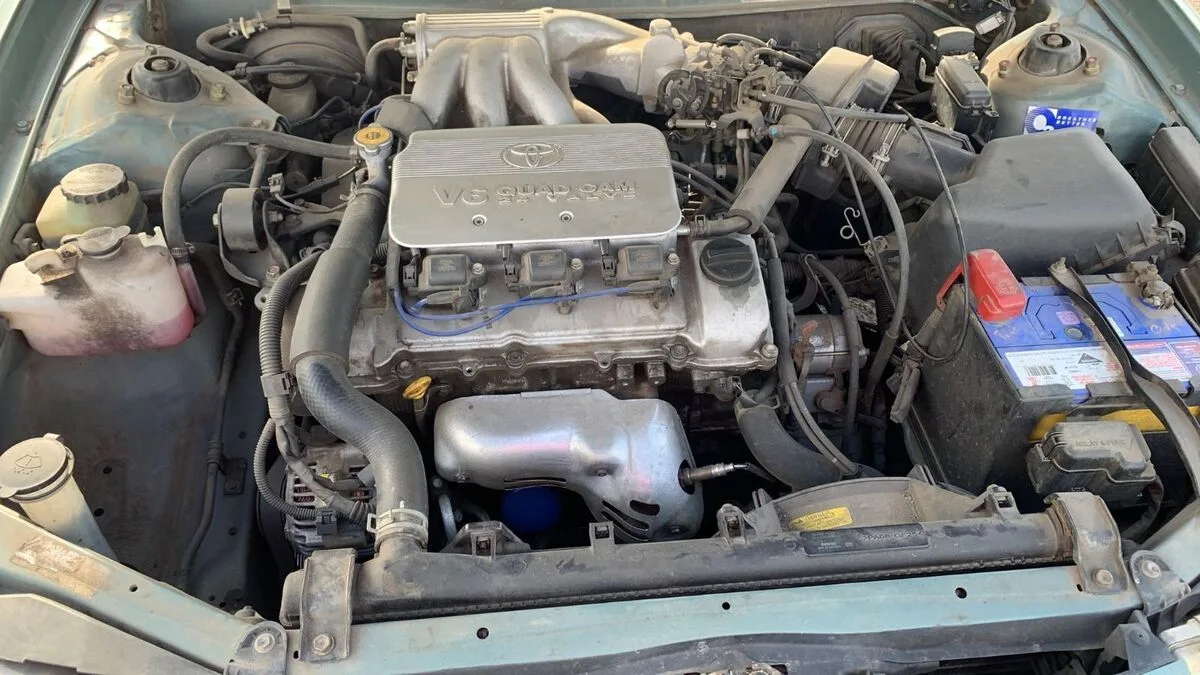
Image source: Web (Bing) / mmmautocentre.com.au (Web image (fair-use with source credit))
Quick Answer
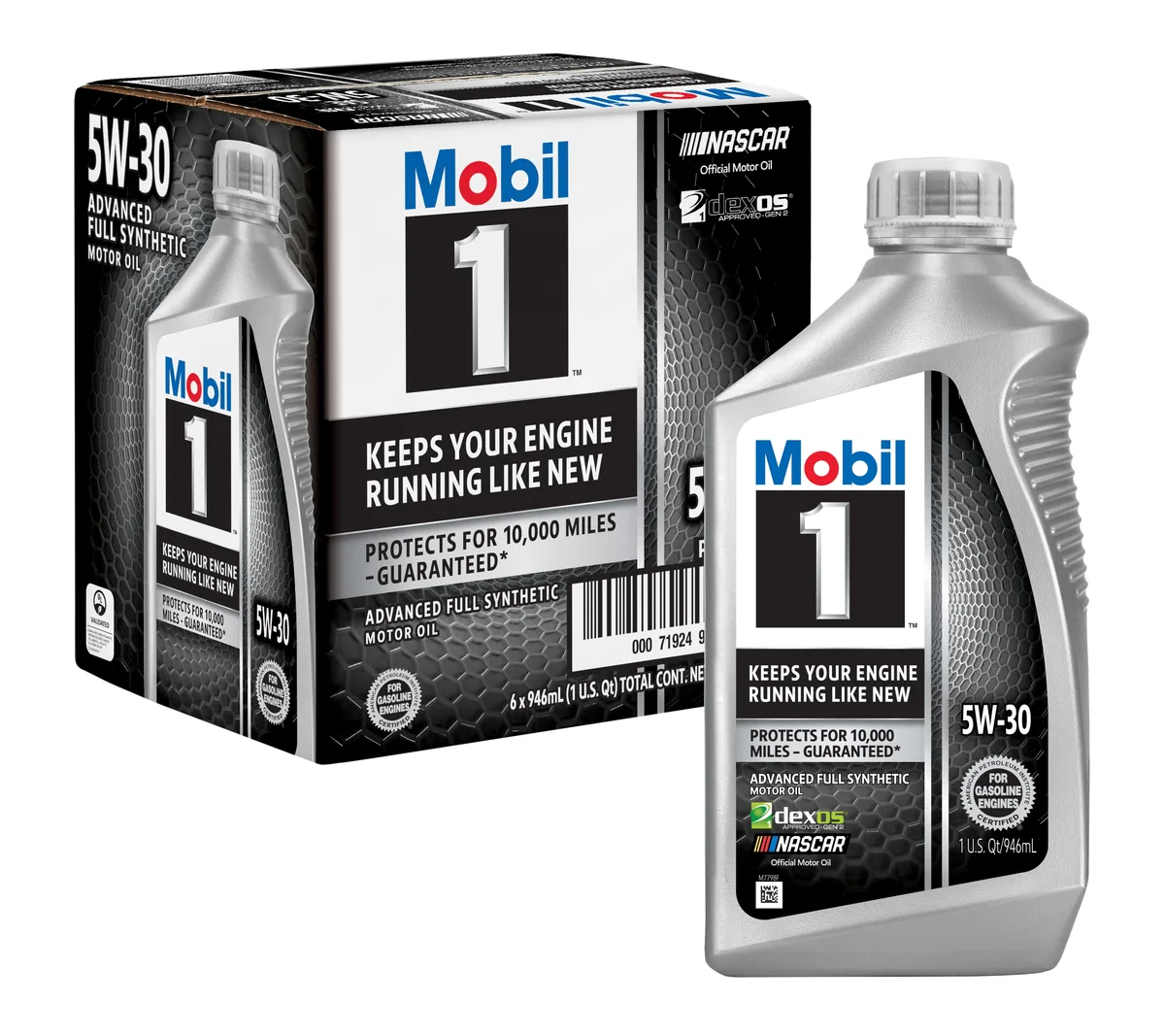
Image source: Bing (Web (fair-use with source credit))
The 2000 Toyota Avalon takes 5W-30 viscosity oil. You need 4.5 quarts with a filter change. The oil must meet API SJ or newer.
Conventional oil works fine. Synthetic is better for longevity. High-mileage oil helps over 75,000 miles.
Stick with 5W-30 unless you live in a very hot climate.
Why Getting This Wrong Can Cost You an Engine
The 1MZ-FE has a known weakness. It's prone to oil sludge when it gets the wrong oil or when changes are stretched too long. Sludge is cooked, oxidized oil that turns into thick deposits inside your engine.
It blocks oil passages, starves bearings, and leads to rod knock or a seized motor.
Toyota issued technical service bulletins about this in the early 2000s. The problem was widespread enough that some engines needed replacement under warranty. The root cause was extended change intervals combined with oils that couldn't handle the heat from this engine's compact exhaust manifolds.
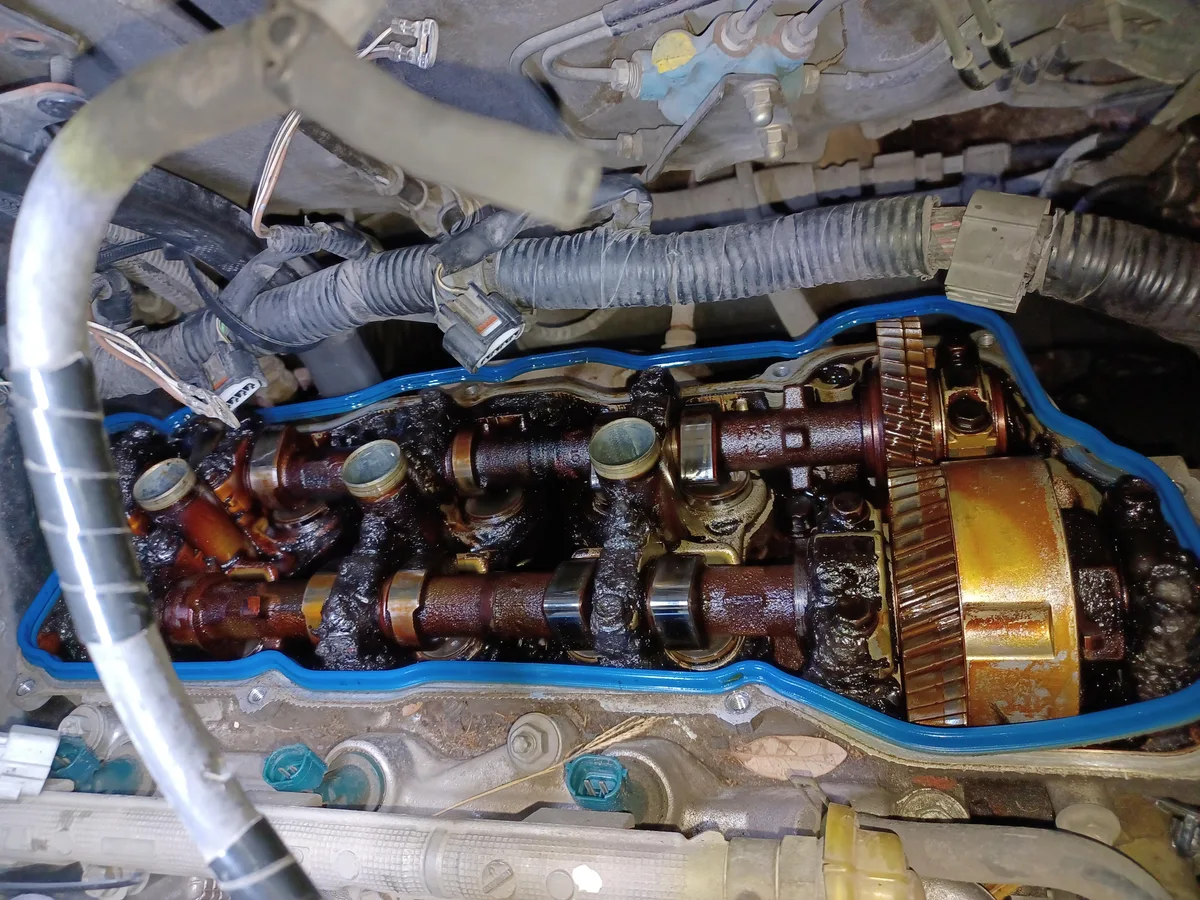
Image source: Bing (Web (fair-use with source credit))
That black crust in the image above is baked-on oil deposits. Once sludge forms, it rarely comes out without tearing the engine apart. Pick the right oil, change it on time, and the 1MZ-FE will easily run past 250,000 miles.
Understanding the 1MZ-FE Engine and Its Oil Needs
The 1MZ-FE is a 3.0-liter V6 from the mid-1990s through early 2000s. It's a narrow-angle 60-degree V6 with aluminum heads and a cast-iron block. Toyota used it in the Avalon, Camry, Sienna, and some Lexus models.
This engine has design quirks that affect oil choice. The oil filter sits on the front facing upward. You can reach it from above without crawling under the car.
The oil system uses a gear-type pump that pushes oil through a full-flow filter into the main gallery. The system holds 4.5 quarts with a filter change.
The 1MZ-FE runs hot near the exhaust manifolds. The compact engine bay traps heat. Oil that breaks down under heat creates varnish and sludge.
That's why viscosity and API rating matter. A 5W-30 oil with modern additives handles the heat better than the cheap 10W-40 some owners used back in the day.
5W-30 vs. 10W-30: What's Actually the Right Choice?
5W-30 flows better in cold weather. The "5W" means the oil acts like a 5-weight when cold, making startup easier in freezing temperatures. Once warm, it behaves like a 30-weight for proper protection.
This is the recommended choice for most owners.
10W-30 is thicker when cold. It's acceptable in warm climates where temperatures rarely drop below freezing. In the southern US or desert regions, it works fine.
But in cold winters, stick with 5W-30.
| Condition | Best Choice | Why |
|---|---|---|
| Cold winters below 32°F | 5W-30 | Better cold-start flow, less wear |
| Moderate climate | 5W-30 | Year-round protection |
| Hot climate above 90°F | 5W-30 or 10W-30 | Both work; 10W-30 provides slightly thicker film |
| Engine over 100,000 miles | 5W-30 high-mileage | Maintains viscosity, seal conditioners help |
Conventional, Synthetic Blend, or Full Synthetic?
Conventional oil is what Toyota designed the engine for. It works fine changed every 3,000 to 4,000 miles. Synthetic blend costs a few dollars more but offers better sludge resistance and 5,000-mile intervals.
Full synthetic gives the best high-temperature stability and longest intervals.
For most 2000 Avalon owners, a synthetic blend is the sweet spot. Full synthetic is overkill unless you live in extreme heat or plan to keep the car another 100,000 miles.
High-mileage oil adds seal conditioners. If your engine has over 75,000 miles, it's worth the premium. It can reduce minor oil leaks from aging gaskets.
Oil Capacity and Filling Basics
The 2000 Avalon holds 4.5 quarts with a filter change. Without a filter change, it's 4.0 quarts. Always change the filter.
Skipping it traps old contaminants in the new oil.
Fill slowly and check the dipstick halfway through. Pour in about 4 quarts, run the engine for 30 seconds, shut it off, wait a minute, then check. Top off as needed.
The level should sit between the low and full marks.
Oil Filter: Why It Matters
The filter catches metal particles, carbon, and sludge before they circulate. A cheap filter can collapse or lack a good anti-drainback valve. That means dry starts and extra wear.
Use a filter that fits the 1MZ-FE engine. The OEM Toyota filter is a safe bet. Wix, Mobil 1, and Purolator also make quality options.
Avoid no-name filters with rust-prone cans.
Step-by-Step: Changing the Oil on a 2000 Avalon
What you'll need
- 4.5 quarts of 5W-30 oil
- Oil filter (Toyota 90915-YZZD3 or equivalent)
- 17mm socket or wrench
- Oil filter wrench
- Drain pan
- Funnel
- Jack and jack stands
The process
- Warm up the engine for two minutes. Warm oil drains faster.
- Park on level ground. Jack it up and use stands if needed.
- Locate the 17mm drain plug on the oil pan. Place the drain pan underneath.
- Remove the drain plug. Let it drain for 5 to 10 minutes.
- Remove the old oil filter from the front of the engine. Some oil will spill.
- Apply a thin layer of new oil to the filter gasket.
- Screw the new filter on hand-tight. Give it another three-quarters turn.
- Reinstall the drain plug. Torque to 29 ft-lbs. Don't overtighten.
- Add 4.5 quarts of new oil through the fill cap.
- Run the engine for 30 seconds. Check for leaks.
- Shut off the engine. Wait one minute. Check the dipstick.
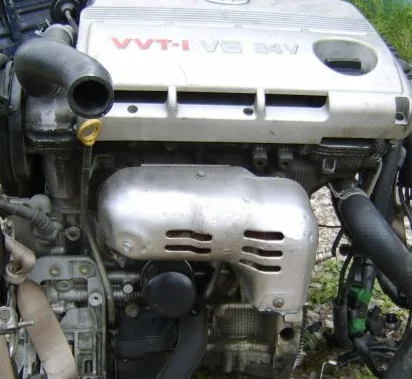
Image source: Web (Bing) / carpedia.club (Web image (fair-use with source credit))
Dispose of used oil properly. Most auto parts stores accept it for free.
Common Mistakes That Shorten Engine Life
Wrong viscosity in cold weather. 10W-30 below freezing means thick oil at startup. Critical engine parts run with minimal lubrication until the oil warms up.
Overfilling or underfilling. Too much oil causes foaming. Too little starves the engine. Always check the dipstick.
Skipping the filter change. A filter costs a few dollars. An engine costs thousands.
Using oil without the API donut. Some cheap oils carry outdated or no ratings. Look for API SN or SP on the label.
Stretching changes too far. Conventional oil every 3,000 to 4,000 miles. Synthetic every 5,000 to 7,500. When in doubt, change it.
Signs You Used the Wrong Oil
A ticking or tapping noise at idle, especially when cold, means the oil is too thick. Check the dipstick first. If the level is fine, switch to the correct 5W-30.
Oil leaks around valve cover gaskets get worse with heavy oil. Thicker oil builds more internal pressure. Fresh oil on the engine or a burning smell means check the gaskets.
Poor fuel economy can point to the wrong oil. Thicker oil creates more drag. If your Avalon suddenly drinks more gas, check the viscosity.
When to Stick With the Manual vs. When to Adjust
Follow the manual on viscosity. Toyota's 5W-30 recommendation still holds. Don't switch to 0W-20.
This engine needs 30-weight at operating temperature.
Adjust on oil type. The manual was written for conventional oil. Modern synthetics fight sludge better and last longer.
Use them if your budget allows.
Adjust for climate. If it never freezes where you live, 10W-30 works. But 5W-30 gives you a safety margin.
When in doubt, follow the manual.
Final Verdict
For a typical 2000 Avalon with over 75,000 miles, use a high-mileage 5W-30 synthetic blend. Change it every 5,000 miles with a quality filter. Stick with 5W-30 in cold climates. 10W-30 is fine in warm climates.
The right oil, changed on time, is the cheapest insurance for this engine. Do that and your 1MZ-FE will keep running for many more years.
Frequently Asked Questions
Can I use 5W-20 in my 2000 Toyota Avalon?
No. The 1MZ-FE needs 5W-30 or 10W-30. 5W-20 is too thin at operating temperature and causes increased bearing wear.
How often should I change the oil?
Every 3,000 to 4,000 miles with conventional oil. Every 5,000 to 7,500 with synthetic or synthetic blend. Frequent changes prevent sludge.
Does the 2000 Avalon need synthetic oil?
No. Conventional oil meets Toyota's specs. Synthetic provides better high-temperature protection and longer intervals, but it's not required.
What happens if I use 10W-30 instead of 5W-30?
In warm climates, nothing bad. In cold climates, 10W-30 is thicker at startup and causes increased wear until the engine warms up.
What brand of oil filter should I use?
OEM Toyota or quality aftermarket brands like Wix, Mobil 1, and Purolator. Avoid no-name filters without a silicone anti-drainback valve.