

Image source: Web (Bing) / dubicars.com (Web image (fair-use with source credit))
If you're looking up the 2024 Toyota Tundra oil capacity, you've probably seen conflicting numbers. Some sources say 6.5 quarts. Others say 6.9.
Both are correct. It depends entirely on which Tundra you have.
Toyota's 2024 full-size pickup uses two powertrain variants of the same 3.4-liter V35A-FTS engine: a standard twin-turbo setup and the i-Force Max hybrid. Each takes a different amount of oil. Getting it wrong can lead to overfilling, poor lubrication, or warranty headaches.
Let's sort this out step by step.
Quick Answer
The 2024 Toyota Tundra non-hybrid takes 6.5 quarts of oil. The hybrid i-Force Max takes 6.9 quarts. Both use 0W-20 full synthetic oil meeting API SP or ILSAC GF-6 standards.
Always check your dipstick after filling. Confirm your powertrain before buying oil.
The Problem: Why the Tundra Oil Capacity Isn't a Simple Number
Previous Tundras used a 5.7-liter V8 that held over 7 quarts. That engine is gone. The 2024 model uses a completely new 3.4-liter twin-turbo V6.
It's smaller, more efficient, and more complex.
The confusion comes from the hybrid system. The i-Force Max adds an electric motor-generator between the engine and transmission. That extra hardware changes the oil pan design and increases the total capacity.
Toyota lists two different capacities for the same basic engine block.
If you guess the amount, you'll either underfill the hybrid or overfill the non-hybrid. Both scenarios cause real problems. Low oil starves the turbo bearings.
Too much oil creates foam and aeration, which reduces lubrication and can damage the engine over time.
Why the Difference Exists
The hybrid system's electric motor sits inside the transmission housing. Toyota engineers redesigned the oil pan to accommodate the hybrid's cooling and lubrication demands. The result is a slightly larger sump capacity.
The non-hybrid uses a simpler pan. Both use the same oil filter, drain plug, and recommended viscosity. Only the fill volume changes.
The Quick Answer Cheat Sheet
Here's the bottom line in a table you can save or screenshot.
| Variant | Engine | Oil Capacity (with filter) | Oil Capacity (without filter) | Oil Type |
|---|---|---|---|---|
| Non-hybrid | 3.4L V35A-FTS twin-turbo V6 | 6.5 quarts (6.1 liters) | 6.2 quarts (5.9 liters) | 0W-20 full synthetic, API SP / ILSAC GF-6 |
| i-Force Max hybrid | 3.4L V35A-FTS twin-turbo V6 + hybrid | 6.9 quarts (6.5 liters) | 6.6 quarts (6.2 liters) | 0W-20 full synthetic, API SP / ILSAC GF-6 |
The difference is 0.4 quarts. That's less than a full water bottle. But it's enough to push the dipstick reading from the middle of the safe zone to the top or over it.
As of 2026, Toyota has not changed these specifications. The same capacities apply to the 2025 and 2026 model years. Always confirm with your owner's manual for your specific production date.
How to Tell Which Powertrain You Have
Before you buy oil or drain anything, you need to know which Tundra you own. Here are three quick ways to tell.
Check the Badge
The easiest method. Walk to the front fender behind the front wheel. The i-Force Max hybrid has a chrome or black badge that says "i-FORCE MAX" on the side.
The non-hybrid says "i-FORCE" without the "MAX" label.
Image source: Web (Bing) / hubcapstickers.com (Web image (fair-use with source credit))
Check the VIN
The eighth character of your VIN tells you the engine type. If it's "V," you have the non-hybrid. If it's "U," you have the hybrid.
You can find the VIN on the driver's side dashboard, the driver's door jamb sticker, or in your Toyota app.
Check the Engine Bay
Pop the hood. The hybrid system has a large orange high-voltage cable running from the engine toward the passenger side. The 12-volt battery is also in a different spot.
If you see orange cables, you have the hybrid. If everything looks like a standard engine bay, you have the non-hybrid.
Non-Hybrid 3.4L V6: Exact Oil Capacity and Specs
For the standard 2024 Tundra without hybrid assist, the numbers are straightforward.
Total capacity with filter replacement: 6.5 quarts (6.1 liters)
Total capacity without filter replacement: 6.2 quarts (5.9 liters)
The oil filter holds about 0.3 quarts. Always replace the filter during an oil change, so use the 6.5-quart figure as your starting point.
Oil type: 0W-20 full synthetic. Look for the API SP certification mark on the bottle. The ILSAC GF-6 standard is also acceptable.
Toyota recommends using a brand that meets these specifications.
Oil filter: The OEM Toyota filter is part number 04152-YZZA5. Aftermarket equivalents from Wix, Mobil 1, or Fram work as long as they meet the same bypass pressure specs. The filter is a standard spin-on canister on the front of the engine.
Drain plug torque: 29 foot-pounds (39 Nm). The 2024 Tundra uses a plastic drain plug on some models. Overtightening is a real risk.
Use a torque wrench. If you don't have one, snug it up and stop the moment you feel resistance. Then give it another eighth of a turn.
i-Force Max Hybrid: Exact Oil Capacity and Specs
The hybrid version holds more oil. Here are the precise numbers.
Total capacity with filter replacement: 6.9 quarts (6.5 liters)
Total capacity without filter replacement: 6.6 quarts (6.2 liters)
Same 0.3-quart difference for the filter. Always replace the filter.
Oil type: Identical to the non-hybrid. 0W-20 full synthetic, API SP or ILSAC GF-6. The hybrid system does not require a different oil formulation. The electric motor and engine share the same oil sump.
Oil filter: Same part number as the non-hybrid. Toyota 04152-YZZA5 or equivalent. The filter is in the same position on the front of the engine.
Drain plug torque: Same 29 foot-pounds (39 Nm). The hybrid version also uses the plastic drain plug design. Be careful.
Why the Hybrid Needs More Oil
The hybrid system's electric motor generates heat. The engine oil manages that heat by circulating through the motor housing. The larger oil pan provides extra thermal capacity.
It also helps maintain oil pressure during the engine's frequent stop-start cycles in hybrid operation.
The 0.4-quart difference is small but intentional. Do not try to split the difference. Fill the hybrid to 6.5 quarts and you'll be underfilled.
Fill the non-hybrid to 6.9 quarts and you'll be overfilled. Each variant has a specific target.
What Oil to Use
Stick with 0W-20. Toyota recommends it for the entire 2024 Tundra lineup. The SAE J300 standard defines 0W-20 as a low-viscosity oil that flows well in cold weather and maintains protection at operating temperature.
The twin-turbo V6 runs hot under boost. A thinner oil circulates faster, reaching turbo bearings and hydraulic lifters more quickly. It also improves fuel economy.
Toyota's EPA ratings for the 2024 Tundra rely on this viscosity.
Look for the API SP donut logo on the bottle. This certification ensures the oil meets current standards for turbocharged engines, timing chain wear protection, and low-speed pre-ignition prevention. The ILSAC GF-6 standard is the same specification under a different name.
Tools and Parts You'll Need
Gather everything before you drain the oil. Running to the store mid-job is frustrating.
| Tool or Part | Purpose |
|---|---|
| 6.5 or 6.9 quarts of 0W-20 full synthetic oil | Depends on your variant |
| Oil filter (Toyota 04152-YZZA5 or equivalent) | Replacement for the old filter |
| 15mm socket or wrench | For the drain plug |
| Oil filter wrench | For removing the old filter |
| Drain pan (at least 8-quart capacity) | To catch the old oil |
| Funnel | To pour new oil without spilling |
| Torque wrench (30-50 ft-lb range) | For drain plug and filter |
| New crush washer (Toyota 90430-12031) | For the drain plug, prevents leaks |
The crush washer is a one-time-use item. Toyota uses a 12mm inner diameter crush washer. Reusing the old one can cause a slow leak.
Spend the dollar.
The Step-by-Step Oil Change Workflow
Follow these steps in order. Each one matters.
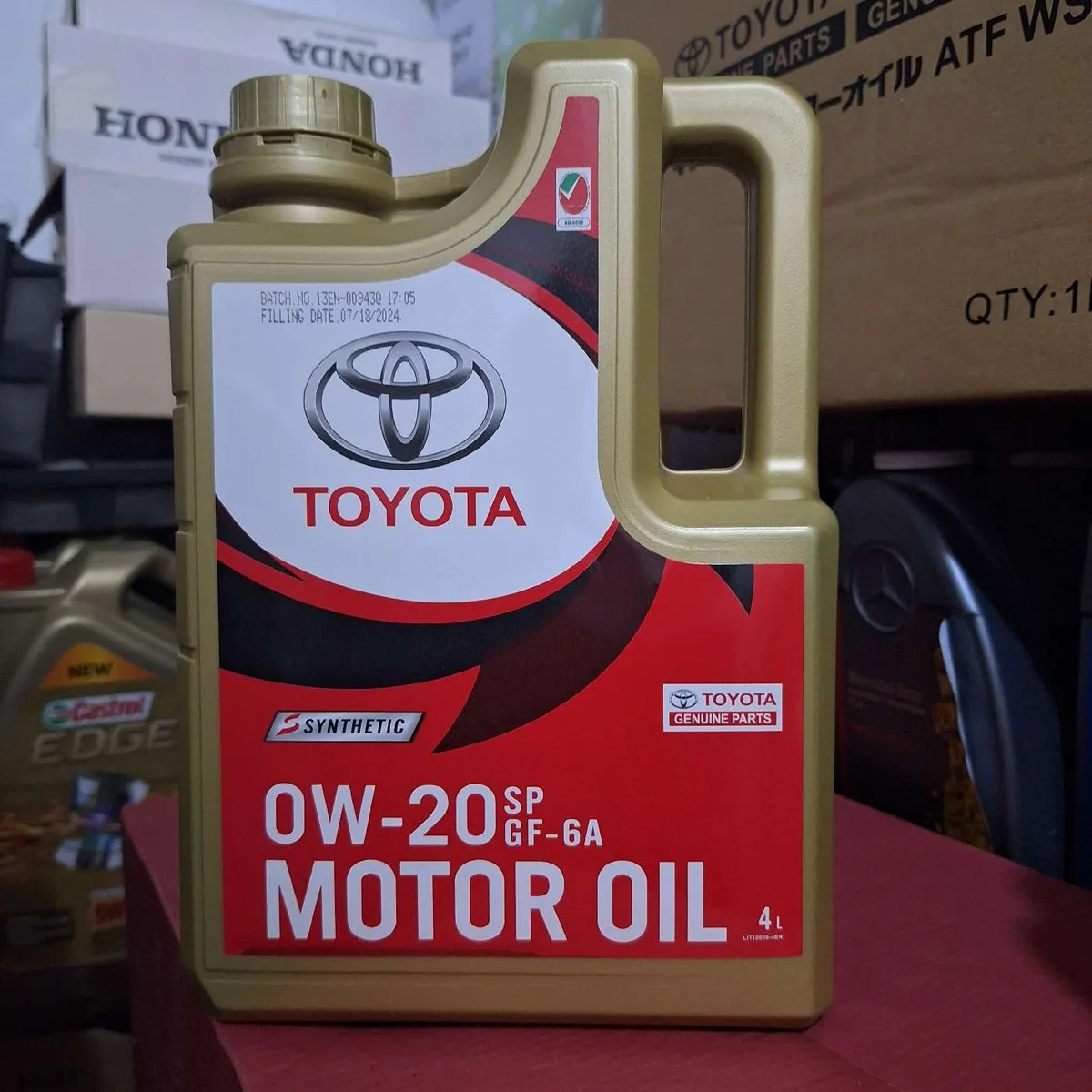
Image source: Web (Bing) / autosolutionsconnect.com (Web image (fair-use with source credit))
Step 1: Prep and Safety
Park on level ground. Let the engine run for two to three minutes to warm the oil. Warm oil drains faster and carries more contaminants out.
Let it cool for five minutes before you get under the truck.
Set the parking brake. Chock the rear wheels. If you need to lift the truck, use jack stands on the frame rails.
Never rely on a hydraulic jack alone.
Step 2: Drain the Old Oil
Locate the drain plug on the oil pan. Position the drain pan underneath. Use a 15mm socket to loosen the plug counterclockwise.
Remove it by hand once it's loose. Be ready for the oil to flow out quickly.
Let the oil drain for at least 10 minutes. The longer it drains, the more old oil leaves the engine. While it drains, inspect the old crush washer on the drain plug.
Replace it with a new one.
Step 3: Replace the Oil Filter
The oil filter is on the front of the engine, accessible from above or below. Use an oil filter wrench to loosen it. Turn it counterclockwise.
Some oil will spill out, so have a rag or the drain pan underneath.
Before installing the new filter, lubricate the rubber gasket with a little fresh oil. This prevents the gasket from sticking and tearing when you remove the filter next time. Screw the filter on by hand until the gasket touches the mounting surface.
Then tighten it another three-quarters of a turn. Do not overtighten.
Step 4: Add the Correct Amount of New Oil
Install the drain plug with the new crush washer. Torque it to 29 foot-pounds. Remove the oil fill cap on top of the engine.
Use a funnel to add the correct amount of oil.
For non-hybrid: 6.5 quarts. For hybrid: 6.9 quarts.
Pour slowly. Let the oil settle as you go. Replace the fill cap.
Step 5: Check the Level and Reset the Light
Start the engine and let it run for 30 seconds. This fills the new oil filter and circulates oil through the engine. Shut it off.
Wait five minutes for the oil to drain back into the pan.
Pull the dipstick, wipe it clean, insert it fully, then pull it again. The oil level should be between the low and high marks. If it's low, add a quarter quart at a time and recheck.
If it's too high, you'll need to drain some out.
Reset the oil maintenance light. Turn the ignition on without starting the engine. Use the trip odometer button to navigate to the oil maintenance screen.
Hold the button down for about 10 seconds until the light resets. The exact procedure varies slightly by trim level, so check your owner's manual if this doesn't work.
Common Mistakes That Cost Tundra Owners
A few errors show up repeatedly in buyer feedback and service bay reports. Avoid them.
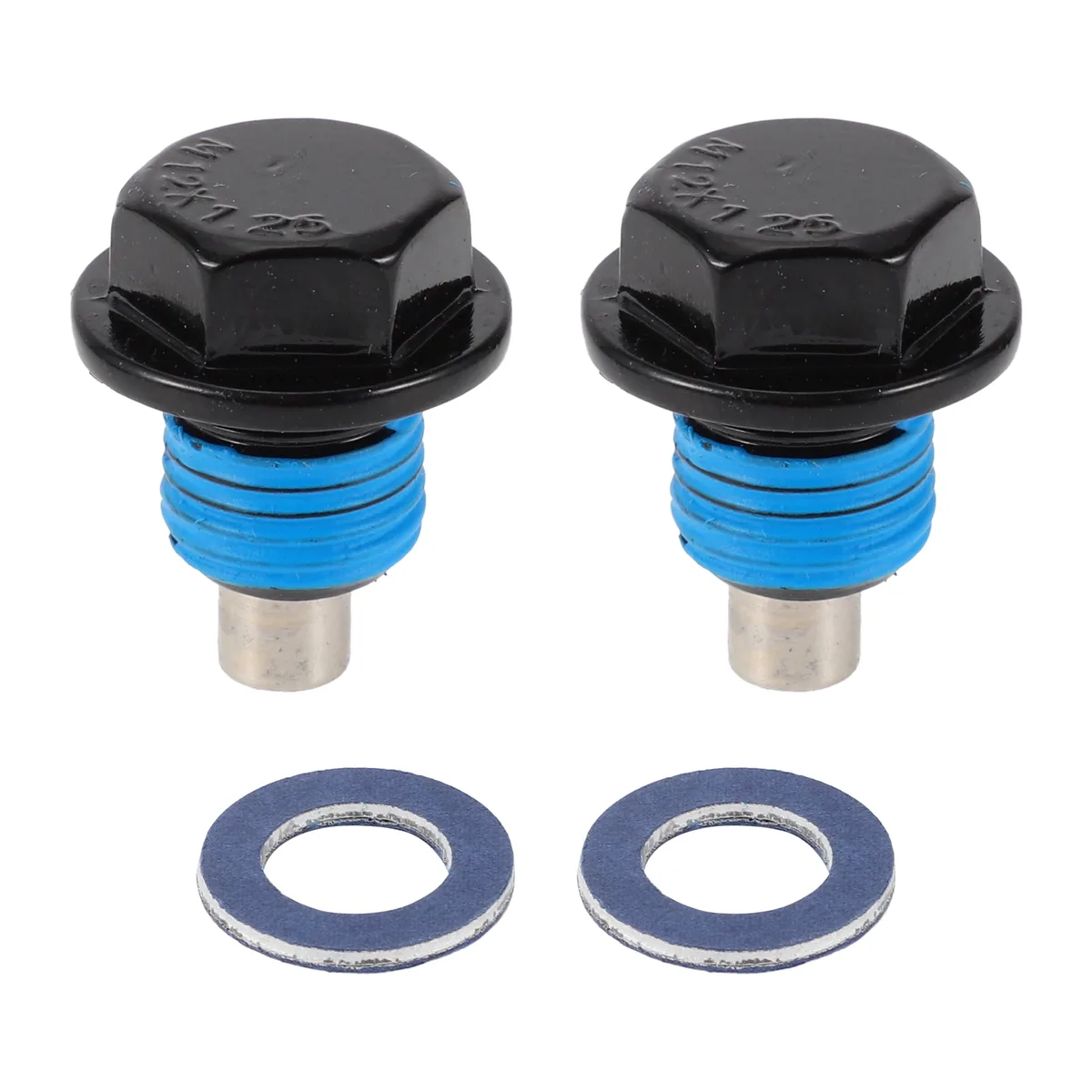
Image source: Web (Bing) / walmart.com (Web image (fair-use with source credit))
Using the Old V8 Capacity
The previous Tundra held 7.0 to 7.7 quarts depending on the model year. If you're coming from a 2021 or older Tundra, unlearn that number. The new engine takes less oil.
Pouring 7 quarts into a 2024 non-hybrid Tundra will overfill it.
Overfilling the Hybrid
The hybrid's dipstick reads differently when the engine is hot versus cold. Always check the level after the engine has been off for five minutes. If you check it immediately after shutdown, the oil hasn't drained back into the pan and you'll get a false low reading.
Then you add more oil and end up overfilled.
Forgetting the Crush Washer
The crush washer seals the drain plug. Without it, or with a reused one, you risk a slow leak. A quart of oil on your driveway overnight is a mess.
A quart low on the highway is worse.
Ignoring the Oil Filter Bypass Spec
Not all oil filters are the same. The 2024 Tundra's turbocharger requires a filter that opens at the correct bypass pressure. Cheap filters may not open properly when the oil is cold, starving the turbos of oil.
Stick with the OEM part or a well-known brand that lists the bypass pressure.
Expert Tips for a Clean, Accurate Oil Change
A few small habits separate a clean job from a messy one.
Pre-fill the oil filter. Pour fresh oil into the new filter until it's about two-thirds full before you install it. This reduces the time the engine runs without oil pressure on startup. It also helps the filter media saturate evenly.
Mark the drain plug torque. Use a paint pen or a piece of tape to mark the alignment of the drain plug with the oil pan. This gives you a visual reference if you're using a ratchet instead of a torque wrench.
Write the date on the oil filter. Use a permanent marker to write the date and mileage on the filter. It's a simple reference for your next change.
Dispose of old oil properly. Take it to an auto parts store or a local recycling center. Dumping oil down the drain is illegal and harmful to the environment.
When to Follow the Severe Service Schedule
Toyota recommends oil changes every 10,000 miles for normal driving. But the owner's manual defines "severe service" as driving that includes frequent short trips, towing, off-road use, or extreme temperatures.
If you use your Tundra for towing a boat, hauling gravel, or driving in stop-and-go traffic every day, switch to the 5,000-mile interval. The twin-turbo engine runs hotter under load, and the oil breaks down faster.
The same oil capacity applies regardless of the interval. You're changing the same 6.5 or 6.9 quarts, just more often.
Final Decision Guide: Your Oil Capacity by Powertrain
Here's the bottom line in decision-tree form.
If you have a non-hybrid 2024 Tundra: Buy 7 quarts of 0W-20. You'll use 6.5 and have half a quart for topping up between changes. Use the OEM filter or a quality equivalent.
Replace the crush washer.
If you have a hybrid i-Force Max 2024 Tundra: Buy 7 quarts of 0W-20. You'll use 6.9 and have almost nothing left over. Buy two jugs of 5 quarts and keep the extra for the next change.
Same filter, same crush washer.
If you're unsure which you have: Check the badge on the fender. Look for the orange high-voltage cables under the hood. If you still can't tell, check the VIN or call your dealer with it.
The oil type, filter, drain plug torque, and procedure are identical for both. Only the fill volume changes. Get that number right, and the rest is straightforward.
Frequently Asked Questions
Can I use 5W-30 instead of 0W-20 in my 2024 Tundra?
Yes, but only if 0W-20 is unavailable. The owner's manual allows 5W-30 for extreme heat conditions or emergency use. Long-term use of 5W-30 may reduce fuel economy and increase cold-start wear.
Stick with 0W-20 for routine changes.
How much oil does a 2024 Tundra hybrid take?
The 2024 Tundra i-Force Max hybrid takes 6.9 quarts (6.5 liters) with a filter change. Without replacing the filter, it takes 6.6 quarts. Always use 0W-20 full synthetic oil meeting API SP or ILSAC GF-6 standards.
Is the oil capacity the same for the 2025 Tundra?
As of 2026, Toyota has not changed the oil capacity for the 2025 or 2026 Tundra models. The non-hybrid still takes 6.5 quarts, and the hybrid takes 6.9 quarts. Always verify with your owner's manual for your specific production date.
Can I use synthetic blend oil instead of full synthetic?
Toyota recommends full synthetic 0W-20 for the 2024 Tundra. The twin-turbo engine runs hot and requires the thermal stability of full synthetic. Synthetic blend oil may not provide adequate protection under high boost or in extreme temperatures.
Stick with full synthetic.
How do I reset the oil maintenance light on a 2024 Tundra?
Turn the ignition on without starting the engine. Use the trip odometer button to navigate to the oil maintenance screen. Press and hold the button for about 10 seconds until the light resets.
If this doesn't work, check your owner's manual for your trim level's specific procedure.
What oil filter does the 2024 Tundra use?
The OEM oil filter part number is Toyota 04152-YZZA5. It's a standard spin-on filter. Aftermarket equivalents from Wix, Mobil 1, Fram, and other major brands are fine as long as they meet the same bypass pressure specifications.