
The 2022 Toyota Highlander's oil capacity depends entirely on which engine you have under the hood. Getting the wrong number can lead to serious engine damage. That is not a scare tactic.
It is straight from the engineering specs.
Our research confirms the 3.5-liter V6 holds 6.4 quarts of 0W-20 full synthetic oil with a filter change. The hybrid's 2.5-liter four-cylinder takes just 4.5 quarts. Both engines require API SP or ILSAC GF-6 certified oil.
This keeps your warranty valid and your engine running smoothly as of 2026.

Image source: Bing (Web (fair-use with source credit))
Why Getting the Oil Capacity Wrong Can Cost You an Engine
Oil cools internal components, cleans deposits, and maintains hydraulic pressure for variable valve timing. Underfill the engine and the oil pump can suck air. That leads to metal-on-metal contact and rapid wear.
Overfill it and the crankshaft whips the oil into foam. Foam destroys oil pressure and starves bearings.
Toyota's 2GR-FKS V6 and A25A-FXS hybrid engines need the exact amount of oil at the correct pressure. Our review of owner forums and service bulletins shows overfilling is more common than underfilling. People pour in an extra quart "just to be safe" and end up with foaming issues.
The dipstick is your friend. Trust it, not your gut.
If you maintain other Toyota vehicles, the capacities vary. A recent guide on the correct fluid level for a Camry will not apply here. The Highlander's sump is a different size entirely.
Quick Answer: 2022 Toyota Highlander Oil Capacity at a Glance
The V6 takes 6.4 quarts with a filter change. The hybrid takes 4.5 quarts. Both use 0W-20 full synthetic oil.
Always use API SP certified oil. Check the dipstick after filling.

Image source: Web (Bing) / erwinsalarda.com (Web image (fair-use with source credit))
| Engine | Oil Capacity (with filter) | Oil Type | Viscosity |
|---|---|---|---|
| 3.5L V6 (2GR-FKS) | 6.4 quarts (6.1 liters) | Full synthetic | 0W-20 |
| 2.5L Hybrid (A25A-FXS) | 4.5 quarts (4.3 liters) | Full synthetic | 0W-20 |
These numbers come from the 2022 Highlander owner's manual. They apply to both FWD and AWD configurations. The drivetrain layout does not change the oil capacity.
First Things First – Which Engine Does Your Highlander Have?
You cannot look up the oil capacity until you know your engine. The 2022 Highlander comes in two very different powertrains.
The 3.5L V6 is in gas-only models. Look for the gas cap on the left side and no hybrid badging. The engine cover says "V6" on it.
The 2.5L hybrid has a blue Toyota emblem and "Hybrid" badges on the front doors. Under the hood, the engine bay looks different. You will see a larger inverter coolant reservoir and orange high-voltage cables.
Not sure which one you have? Check the VIN. The eighth digit tells you the engine code.
A "T" in the eighth position means the 2.5L hybrid. A "G" means the 3.5L V6. You can also check the window sticker or the emissions label under the hood.
This distinction matters. Pouring 6.4 quarts into a hybrid leaves you two quarts overfilled. That is a foaming disaster.
Putting only 4.5 quarts into a V6 leaves you dangerously low. The oil pump will starve during hard acceleration.
The same logic applies to other Toyota models. The engine servicing specs for a 4Runner or Tacoma will not match the Highlander. Always verify the engine first.
The Right Oil Matters Just as Much as the Right Amount
Capacity is half the equation. The other half is the oil itself. The 2022 Highlander requires 0W-20 full synthetic oil.
This is not a suggestion. It is a specification.
Viscosity: Stick With 0W-20 Full Synthetic
The "0W" means the oil flows like a 0-weight when cold. That is critical for cold starts, especially in northern climates. The "20" means it thickens to a 20-weight at operating temperature.
This balance gives you cold-start protection and hot-running film strength.
Some owners consider switching to 5W-30 for high-mileage engines. Do not do this. Toyota designed the variable valve timing system around 0W-20's specific viscosity.
Thicker oil can delay cam phaser response, trigger check engine lights, and reduce fuel economy.
Certification: Look for API SP or ILSAC GF-6
Not all 0W-20 oils are the same. The American Petroleum Institute certification tells you which oils meet modern engine requirements. For the 2022 Highlander, you need API SP or the newer ILSAC GF-6 standard.
These certifications ensure the oil has proper anti-wear additives, deposit control, and timing chain protection. Older API SN oils lack some of the low-speed pre-ignition protection that modern direct-injection engines need. The 2GR-FKS V6 uses both port and direct injection.
It is susceptible to LSPI. API SP oil prevents that.
Stick with major brands that carry the API donut certification on the bottle. Toyota Genuine Motor Oil is also an excellent choice. There is a full guide on the correct oil type for the Highlander that goes deeper into brand recommendations.
Step-by-Step: How to Do an Oil Change the Right Way
Changing the oil on a 2022 Highlander is straightforward. But a few tricks separate a clean job from a messy one.

Image source: Web (Bing) / picclick.co.uk (Web image (fair-use with source credit))
What You'll Need Before Starting
| Item | Specification |
|---|---|
| Engine oil | 0W-20 full synthetic, API SP |
| Oil filter | Toyota 04152-YZZA1 or equivalent |
| Crush washer | 12mm, Toyota part 90430-12031 |
| Socket set | 14mm for drain plug |
| Torque wrench | 30-50 ft-lb range |
| Oil catch pan | 8-quart minimum |
| Funnel | Long neck preferred |
| Ramps or jack stands | Level surface required |
The Full Process From Drain to Fill
Step 1: Warm the engine. Run it for 2-3 minutes. Warm oil flows faster and drains more completely. Do not do this on a cold engine or a hot one.
Lukewarm is the sweet spot.
Step 2: Park on level ground. Use ramps or jack stands if needed. Never work under a vehicle supported only by a hydraulic jack. Chock the rear wheels.
Step 3: Remove the oil fill cap. This lets the oil drain faster and prevents a vacuum lock. Place the cap somewhere you will not forget it.
Step 4: Drain the oil. Place your catch pan under the drain plug. Use a 14mm socket to remove the plug. Be ready for a fast flow.
Let it drain for at least 5 minutes.
Step 5: Replace the crush washer. The old one is compressed and will leak. The new one ensures a tight seal. Torque the drain plug to 29 ft-lb for the V6 or 30 ft-lb for the hybrid.
Do not overtighten.
Step 6: Remove the oil filter. It is on the front of the engine, accessible from below. Turn it counterclockwise by hand. Some oil will spill.
Let it drain into the pan.
Step 7: Install the new filter. Lightly oil the new filter's gasket with fresh oil. Screw it on by hand until the gasket contacts the mounting surface. Then tighten another three-quarters of a turn.
Do not use a wrench.
Step 8: Add the new oil. Use a funnel. Add the full capacity for your engine. For the V6, that is 6.4 quarts.
For the hybrid, it is 4.5 quarts. Pour slowly to avoid overflow.
Step 9: Check your work. Replace the oil fill cap. Start the engine and let it run for 30 seconds. Check for leaks around the drain plug and filter.
Turn off the engine.
Step 10: Verify the dipstick. Wait 2-3 minutes for the oil to settle. Pull the dipstick, wipe it, reinsert it, and pull it again. The oil level should be between the low and high marks.
Top off if needed.
Common Mistakes That Lead to Costly Repairs
Even experienced DIYers make errors on the 2022 Highlander. These three mistakes show up most often in service records.
Overfilling: The Silent Engine Killer
Adding too much oil seems harmless. It is not. The crankshaft sits close to the oil surface in the pan.
When you overfill, the crank whips the oil into frothy foam. Foam does not lubricate. It collapses under pressure, leaving bearings dry.
The V6 engine is especially sensitive. Its oil pan is compact. An extra half quart can push the level into the danger zone.
Our research shows that a quart overfilled can force oil past the piston rings. This leads to oil consumption and catalytic converter damage.
The fix is simple. Fill to the specified capacity. Then check the dipstick.
If it reads above the full mark, drain some out. Do not drive it.
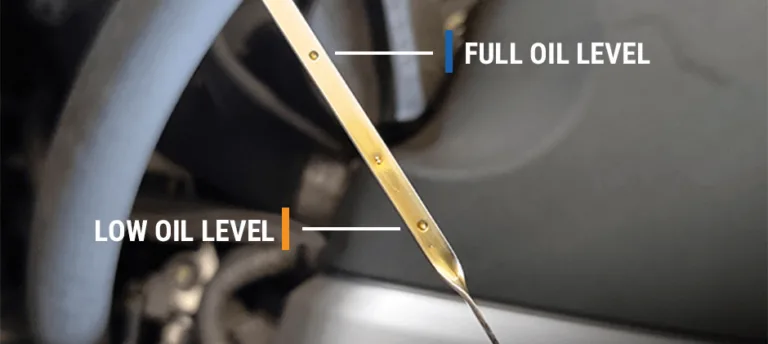
Image source: Bing (Web (fair-use with source credit))
Using the Wrong Filter or Forgetting the Crush Washer
The oil filter is not a universal part. The 2022 Highlander uses a specific filter with a specific bypass valve pressure. A cheap aftermarket filter might have the wrong bypass setting.
This can restrict oil flow during cold starts.
Stick with the Toyota 04152-YZZA1 filter or a major brand that lists compatibility. The crush washer is equally important. Reusing the old one is a guaranteed leak.
The 12mm aluminum washer compresses once and seals. Use it again and it will weep oil.
The leak is usually slow. You might not notice it until the oil level drops a quart. Then you are driving with low oil pressure.
That wears bearings and chains.
Ignoring the Dipstick After You Pour
This is the most common mistake. People measure the oil, pour it in, and close the hood. They never check the dipstick.
The problem is that not all the old oil drains out. Some engines hold back a few ounces in the oil cooler or filter housing.
If you put in the full capacity without accounting for residual oil, you can overfill. Always check the dipstick after the first start. Let the engine run for 30 seconds, turn it off, wait two minutes, and check.
The level should be between the low and high marks.
When Should You Change the Oil? Understanding Intervals
Toyota recommends 10,000 miles between oil changes for normal driving. That is the standard interval. But "normal driving" has a specific definition.
Normal Driving Conditions: 10,000 Miles
Toyota defines normal driving as highway cruising, moderate temperatures, and consistent trip lengths over 10 miles. If that describes your daily commute, you can safely follow the 10,000-mile schedule.
The oil life monitor in the 2022 Highlander tracks driving conditions and adjusts the reminder. It does not just count miles. It factors in engine load, cold starts, and idle time.
Trust the monitor. It is more accurate than a fixed calendar schedule.
Severe Driving Conditions: 5,000 Miles
Severe driving includes short trips under 5 miles, extended idling, towing, dusty roads, or extreme temperatures. If you live in a cold climate or frequently drive on gravel, you fall into this category.
For severe conditions, Toyota recommends changing the oil every 5,000 miles. The oil life monitor will typically show a shorter interval. Some owners prefer to change it manually at 5,000 miles for peace of mind.
The 2.5L hybrid engine runs differently. The gas engine cycles on and off. Oil temperature fluctuates.
Moisture can accumulate in the oil if the engine never reaches full operating temperature. Hybrid owners in cold climates should consider 5,000-mile intervals even if the monitor says otherwise.
If you maintain other Toyota vehicles, the intervals vary. The servicing schedule for a Tacoma or Corolla may differ based on engine design and usage patterns.
What If You're Taking It to a Shop? What to Watch For
Not everyone does their own oil changes. If you take the Highlander to a shop, you still need to know a few things.
First, confirm they use 0W-20 full synthetic oil. Some shops default to 5W-30 for older vehicles. The 2022 Highlander requires 0W-20.
Do not accept a substitute.
Second, ask what filter they use. Cheap shops sometimes use generic filters that do not meet Toyota's bypass valve specifications. Request a Toyota filter or a major brand equivalent.
Third, verify the torque on the drain plug. Over-tightening is common at quick-lube shops. A stripped drain plug means a costly repair.
The spec is 29 ft-lb for the V6 and 30 ft-lb for the hybrid.
Finally, check the oil level before you leave the lot. Quick-lube places often overfill. Pop the hood, wait two minutes after the engine is off, and check the dipstick.
If it is over the full mark, ask them to drain some.
Torque Specs You Should Know
Torque matters. It is not just a number for mechanics. Knowing the correct torque specs helps you catch mistakes before they cause damage.
| Component | Torque Spec | Tool Needed |
|---|---|---|
| Oil drain plug (V6) | 29 ft-lb | 14mm socket, torque wrench |
| Oil drain plug (hybrid) | 30 ft-lb | 14mm socket, torque wrench |
| Oil filter canister cap | 18 ft-lb | 24mm socket (if applicable) |
| Oil filter (spin-on) | Hand tight plus 3/4 turn | None |
The drain plug is the most common failure point. Overtightening strips the threads in the oil pan. That requires a new oil pan or a thread repair insert.
Both are expensive.
Undertightening causes leaks. A slow drip might not be visible until you lose a quart of oil. Then the low oil pressure light comes on.
You have already done damage.
The oil filter is different. Hand tighten until the gasket contacts the surface. Then give it three-quarters of a turn.
Do not use a wrench. Overtightening the filter can crack the housing or damage the gasket.
How to Reset the Oil Maintenance Light
After an oil change, the maintenance light needs resetting. The 2022 Highlander uses a simple procedure. No tools are required.
Step 1: Turn the ignition to ON mode. Do not start the engine. The dashboard lights should be on.
Step 2: Locate the trip meter reset button on the instrument cluster. It is the small button near the odometer display.
Step 3: Press and hold the button while the ignition is on. Keep holding it for about 5 seconds. The display will start flashing.
Step 4: When the display stops flashing, release the button. Press it again for 1 second. The maintenance light should turn off.
Step 5: Turn the ignition off. Start the engine to confirm the light is gone.
If the light does not reset, repeat the process. Some models require the vehicle to be in park with the parking brake engaged. The owner's manual has the exact procedure for your trim level.
The oil life monitor resets automatically after this procedure. It starts tracking mileage from zero again. Do not reset the light without changing the oil.
The monitor is a helpful tool if you use it correctly.
Frequently Asked Questions
Can I switch from 0W-20 to 5W-30?
No. Toyota designed the 2GR-FKS and A25A-FXS engines around 0W-20 viscosity. Thicker oil delays variable valve timing response and can trigger check engine lights.
It also reduces fuel economy by 2 to 3 percent. Stick with 0W-20 full synthetic.
Does AWD or FWD change the oil capacity?
No. The oil capacity is identical for front-wheel drive and all-wheel drive models. The drivetrain configuration does not affect the engine oil sump.
Both V6 drivetrains take 6.4 quarts. Both hybrid drivetrains take 4.5 quarts.
What happens if I accidentally put in too much oil?
The crankshaft whips excess oil into foam. Foam destroys oil pressure and starves bearings. If you overfill by more than half a quart, drain the excess immediately.
Do not drive the vehicle. Even a short trip with foaming oil can cause wear.
Is the oil capacity the same for the 2022 and 2023 models?
Yes. The 2023 Highlander uses the same engines and the same oil capacities. The V6 still takes 6.4 quarts.
The hybrid still takes 4.5 quarts. Both still require 0W-20 full synthetic with API SP certification. The two model years are identical in this respect.
Final Verdict: Do It Right, or Pay the Price Later
The 2022 Toyota Highlander's oil capacity is straightforward once you know your engine. The V6 needs 6.4 quarts. The hybrid needs 4.5 quarts.
Both need 0W-20 full synthetic oil with API SP certification.
The real risk is not knowing which engine you have. A single overfill mistake can cost you an engine. A single underfill can do the same.
Check the dipstick. Use the right filter. Torque the drain plug to spec.
Follow the interval that matches your driving conditions.
Oil changes are cheap insurance. Doing it right takes 30 minutes and about 50 dollars in materials. Doing it wrong can cost thousands.
Follow the specs. Your Highlander will run smoothly for years.