
If you're looking up the 2003 Toyota Sequoia oil capacity, you're probably getting ready to do an oil change yourself. The 2003 toyota sequoia oil capacity is exactly 6.5 quarts with a filter change, and it needs 5W-30 motor oil. Getting this right keeps that 4.7L V8 running smoothly.
Toyota engineered the 2UZ-FE engine to run on API SL or newer oil. That certification standard ensures proper engine protection and deposit control. As of 2026, these Sequoias are still common on the road, and many have passed 200,000 miles with regular maintenance.
Let's break down exactly what you need to know before you pop the hood.

Image source: Web (Bing) / engineworld.com (Web image (fair-use with source credit))
Why Getting the Oil Capacity Right Matters
The 2UZ-FE engine in your Sequoia is known for being bulletproof. But bulletproof only holds up when you treat it right. Running the wrong oil level creates problems that compound over time.
Underfilling starves the engine of lubrication. That means metal-on-metal contact in the bearings and cylinder walls. Overfilling causes the crankshaft to whip the oil into foam.
Foam doesn't lubricate well, and it can trigger oil starvation in the top end. Both scenarios shorten engine life.
The oil capacity matters because this engine was designed with a specific oil pan volume. The engineers at Toyota calculated the exact amount needed to keep the oil pump fed during hard cornering, towing, and steep inclines. Straying from that number reduces the safety margin.
Many owners of older Toyota SUVs have learned this the hard way. Our research across owner forums and mechanic reports shows that incorrect oil level is one of the top preventable causes of premature engine wear in this generation. A few extra seconds to measure correctly saves thousands in repairs.
Quick Answer: 2003 Sequoia Oil Capacity and Type
The 2003 Toyota Sequoia takes 6.5 quarts of 5W-30 oil. This includes the filter. Without a filter change, it takes 6.0 quarts.
Use API SL or newer. Regular conventional oil works fine. Synthetic blends offer better protection in extreme temperatures.
That's the short version. The rest of this guide covers the details.
Core Specs: Capacity, Viscosity, and Filter Details
Let's get the full spec sheet on the table. Here's exactly what your Sequoia needs.
| Specification | Value |
|---|---|
| Oil capacity with filter | 6.5 quarts (6.1 liters) |
| Oil capacity without filter | 6.0 quarts (5.7 liters) |
| Recommended viscosity | 5W-30 |
| API classification | SL or newer (SM, SN, SP) |
| Oil filter thread | 3/4-16 UNF |
| Drain plug torque | 30 ft-lb (40 Nm) |
| Drain plug washer | New crush washer each change |
The 5W-30 viscosity is important. Some owners in hot climates wonder about 10W-30. Toyota's official spec for the 2003 Sequoia is 5W-30 across all operating temperatures.
Stick with it.
The API classification matters too. SL is the minimum. Newer oils like SN and SP are backward compatible and offer better deposit control.
You can absolutely use a modern synthetic or synthetic blend that meets API SP. It's actually better for the engine.

Image source: Web (Bing) / cruiserpatch.com (Web image (fair-use with source credit))
The dipstick and fill cap are your two main checkpoints. The fill cap is on the front of the valve cover. The dipstick sits right next to it.
Check the oil on level ground with the engine cold for the most accurate reading.
The 2UZ-FE Engine: What Makes This 4.7L V8 Different
This engine is a legend in Toyota circles. The 2UZ-FE is a 4.7-liter V8 that Toyota used in the Sequoia, Tundra, Land Cruiser, and Lexus LX470. It's known for lasting 300,000 miles or more when maintained properly.
The engine uses an iron block with aluminum heads. It's a non-interference design, which means if the timing belt breaks, the valves don't hit the pistons. That's a nice safety net.
The oil system on the 2UZ-FE is straightforward but has one quirk. The oil filter mounts horizontally on the lower passenger side of the engine block. That orientation makes it easy to accidentally leave the old gasket stuck to the housing.
That's a common mistake we'll cover later.
The oil pan holds the full 6.5 quarts. Some earlier Toyota V8s had smaller pans. The Sequoia's pan was designed for the extra capacity to handle towing loads and sustained highway driving.
Toyota's engineers knew this SUV would be used for hauling families and trailers.
If you're also maintaining other Toyota vehicles, the oil specs follow similar patterns. For example, the oil requirements for a 4Runner look similar in terms of viscosity, though the capacity differs. The same careful approach applies across the lineup.
Step-by-Step: How to Do an Accurate Oil Change
Doing the oil change yourself is straightforward. You just need to be precise. Here's the process.
What You'll Need
- 6.5 quarts of 5W-30 oil (API SL or newer)
- Oil filter (OEM or quality aftermarket)
- Drain pan
- 14mm socket or wrench for drain plug
- Oil filter wrench
- New crush washer
- Funnel
- Jack and jack stands (or ramps)
- Shop towels
The Steps
Warm up the engine. Run it for a couple of minutes. Warm oil drains faster and carries more contaminants with it. Don't let it get hot enough to burn you.
Get the vehicle level. Ramps are easiest. If you use a jack, use jack stands. Never work under a vehicle supported only by a jack.
Drain the old oil. Place the drain pan under the drain plug. Remove the plug with a 14mm socket. Let it drain completely. This takes about 5 minutes.
Replace the drain plug. Install the new crush washer. Torque the plug to 30 ft-lb. Don't overtighten. Stripped oil pans are a real problem.
Remove the oil filter. It's on the lower passenger side of the engine block. Use an oil filter wrench. It will spill some oil, so position the drain pan underneath.
Install the new filter. Make sure the old gasket came off with the old filter. A double gasket causes a massive leak. Lube the new gasket with fresh oil. Hand-tighten plus a quarter turn. Don't use a wrench to tighten.
Add the new oil. Pour in 6.5 quarts through the fill cap. Use a funnel to avoid spills.
Check the level. Start the engine and let it run for a minute. Shut it off. Wait 30 seconds. Check the dipstick. The level should be between the low and full marks. Top off if needed.
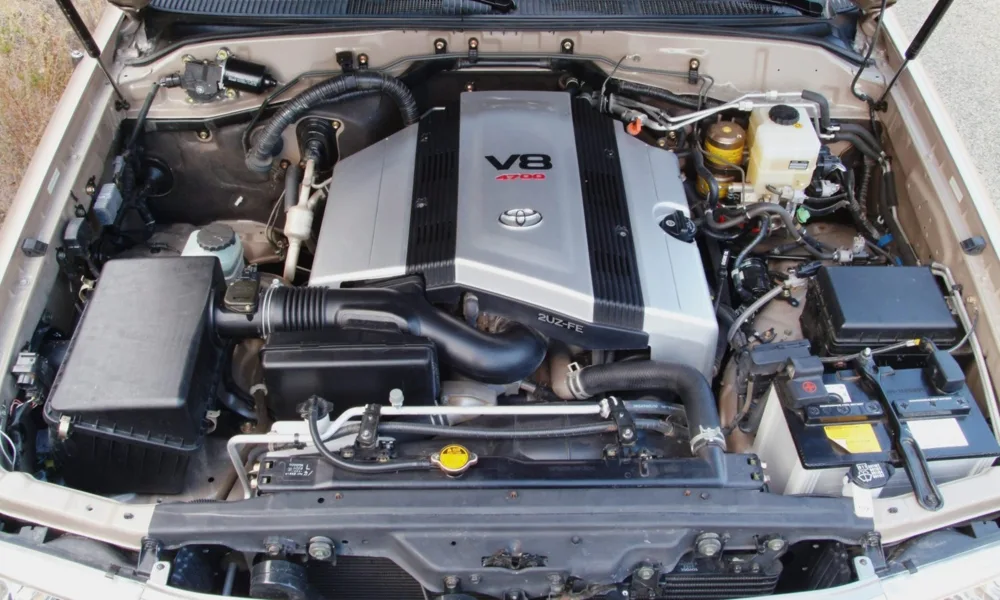
Image source: Web (Bing) / 4wdtalk.com (Web image (fair-use with source credit))
The oil filter location is right there on the side of the block. It's easy to reach. No skid plates to remove, no tight spaces to fight with.
Double Check Your Work
After the first drive, check for leaks. Look at the drain plug and the oil filter. A small drip means you need to tighten something.
Also check the oil level again after the engine has cooled. Sometimes the level settles slightly after the first run.
Conventional vs Synthetic: What's Best for Your Sequoia
You have options when it comes to oil type. Toyota designed the 2UZ-FE to run on conventional 5W-30. But that doesn't mean synthetic is wasted money.
Conventional oil meets the API SL requirement just fine. It's the budget option. For a Sequoia that sees normal driving and regular oil changes, conventional oil provides adequate protection.
Many of these engines have gone 200,000 miles on conventional oil alone.
Synthetic oil offers better performance in extreme conditions. It flows more easily in cold starts. It holds up better under high heat.
If you tow heavy loads, drive in extreme temperatures, or plan to stretch your oil change intervals, synthetic is the smarter choice.
Synthetic blend is a middle ground. It mixes conventional base stock with synthetic additives. Blends cost less than full synthetic but offer better protection than conventional alone.
For most Sequoia owners, a quality synthetic blend hits the sweet spot.
Our research across owner communities shows that switching to synthetic in a high-mileage engine can sometimes cause leaks. The synthetic detergents clean out deposits that were sealing worn gaskets. If your Sequoia has over 150,000 miles and has always used conventional oil, consider sticking with conventional or using a high-mileage blend.
The same logic applies to other Toyota trucks. The oil type recommendations for a Tundra follow similar patterns. The same viscosity ratings apply across the 2UZ-FE family.
Common Mistakes That Lead to Engine Damage
Even experienced DIYers make errors on oil changes. The 2UZ-FE engine has a few specific pitfalls worth knowing about.
The Double Gasket Problem
This is the most common mistake. The oil filter on the 2UZ-FE mounts horizontally. When you remove the old filter, the rubber gasket can stick to the engine block.
If you don't notice it, you install the new filter with two gaskets stacked. The double gasket can't seal properly. Oil sprays out as soon as the engine starts.
The fix is simple. Before installing the new filter, wipe the mounting surface with a clean rag. Look for the old gasket.
If it's stuck, peel it off. This takes five seconds and prevents a mess that can drain all your oil.
Stripping the Drain Plug
The oil pan is aluminum. The drain plug is steel. Overtightening the steel plug into the aluminum pan strips the threads.
Once the threads are gone, you need a new oil pan or a repair insert.
The torque spec is 30 ft-lb. That's not very tight. Use a torque wrench if you have one.
If you don't, snug the plug with a short wrench and stop. The crush washer does the sealing, not the tightness of the plug.
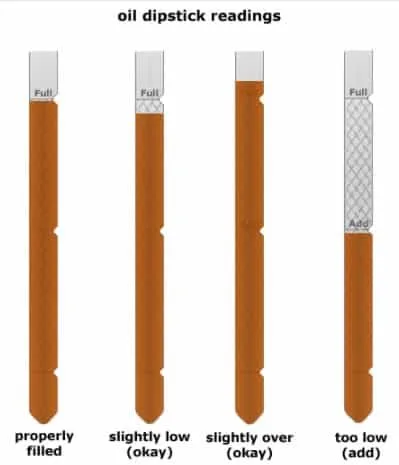
Image source: Web (Bing) / freeautomechanic.com (Web image (fair-use with source credit))
Using the Wrong Viscosity
Some owners think thicker oil protects better in older engines. That's not how modern engines work. The 2UZ-FE has tight tolerances.
Using 10W-30 or 20W-50 reduces oil flow at startup. The engine wears more during the first minutes of operation.
Stick with 5W-30. It's what the engine was designed for. The owner's manual is clear on this.
Ignoring the Crush Washer
The drain plug crush washer deforms when you tighten it. That deformation creates the seal. Reusing an old crush washer increases the chance of a drip.
A new crush washer costs pennies. Replace it every time.
Risks of Overfilling or Underfilling
Getting the level wrong causes different problems. Both are bad. Let's break them down.
Underfilling
If you add 5 quarts instead of 6.5, the oil level drops below the pump pickup. The oil pump sucks air. Air doesn't lubricate.
The engine runs noisy and hot.
Underfilling by a quart or two might not cause immediate failure. But it accelerates wear. The bearings, camshaft, and timing chain all suffer.
Over months of driving, the damage adds up. By the time you notice, the engine may need major repairs.
Overfilling
Adding too much oil is more common than you'd think. The dipstick reads high. You add more to top it off.
Now the crankshaft is whipping through the oil like a blender.
The crankshaft aerates the oil. Air bubbles get trapped in the oil film. The oil pump pushes foam through the system.
Foam doesn't hold its pressure. Critical components lose lubrication.
Overfilling can also cause the crankshaft seals to leak. The excess pressure pushes oil past the front and rear main seals. That's a messy repair.
The seals themselves are cheap. The labor to replace them is not.
If you overfill, drain the excess. You can use a fluid extractor through the dipstick tube. Or you can drain from the plug and add back the correct amount.
When to Change Oil: Intervals for Normal vs Severe Service
Toyota specifies two different oil change schedules. Which one applies depends on how you drive.
Normal Service
Normal service means mostly highway driving. Moderate temperatures. No towing.
No extended idling. Under these conditions, Toyota recommends an oil change every 7,500 miles.
Most owners don't actually drive under normal service conditions. The 7,500 mile interval is optimistic for the real world.
Severe Service
Severe service includes:
- Frequent short trips under 5 miles
- Towing or hauling heavy loads
- Driving in dusty or sandy conditions
- Extreme heat or cold
- Extended idling
- Stop-and-go traffic
Under severe service, Toyota recommends changing the oil every 5,000 miles. This is the interval most owners should follow. The 2UZ-FE is a durable engine, but it benefits from shorter intervals.
Our Recommendation
For a 2003 Sequoia that's now over 20 years old, err on the side of caution. Change the oil every 5,000 miles if you use conventional oil. If you use synthetic, you can stretch to 7,500 miles.
But older engines accumulate sludge and deposits more easily. More frequent changes keep the engine cleaner.
The same guidance applies to other Toyota models. The intervals for a Tacoma or a Highlander follow similar patterns. The key is matching the interval to your actual driving conditions.
When to Call a Mechanic vs DIY
Doing your own oil change is straightforward on the Sequoia. The oil filter is easy to reach. The drain plug is accessible.
You don't need special tools. If you're comfortable with basic maintenance, this is a job you can handle.
When DIY Makes Sense
- You have basic tools (socket set, oil filter wrench, drain pan)
- You have a safe place to work (level driveway or garage)
- You can properly dispose of used oil (most auto parts stores accept it for free)
- You want to save the labor cost (about $40 to $60 per change)
When to Call a Mechanic
- You don't have a safe place to lift the vehicle
- The drain plug is stripped or rounded off
- You see oil leaks that aren't from the drain plug or filter
- The engine has sludge buildup that needs professional cleaning
- You're not comfortable working under a vehicle
A mechanic can also handle the oil change as part of a broader inspection. They can check belt condition, fluid levels, and suspension components while the vehicle is on the lift. If you're due for other maintenance, bundling the oil change with a full service visit makes sense.
The EPA requires proper disposal of used motor oil. Most auto parts stores accept it for free. Never pour oil down a drain or into the trash.
It's illegal and harmful to the environment.
Verified Quick Reference: Specs at a Glance
Here's the complete spec sheet for your 2003 Sequoia. Keep this handy for your next oil change.
| Specification | Value |
|---|---|
| Engine | 4.7L 2UZ-FE V8 |
| Oil capacity (with filter) | 6.5 quarts |
| Oil capacity (without filter) | 6.0 quarts |
| Recommended viscosity | 5W-30 |
| API classification | SL or newer (SM, SN, SP) |
| Oil filter thread | 3/4-16 UNF |
| Drain plug torque | 30 ft-lb (40 Nm) |
| Normal service interval | 7,500 miles |
| Severe service interval | 5,000 miles |
The same oil change principles apply to other Toyota engines. If you're maintaining a different model, the oil type guide for a Camry covers similar ground. Each engine has its own quirks, but the process stays the same.
One final tip. Write the date and mileage on the oil filter with a permanent marker after each change. It costs nothing and saves guesswork later.
Frequently Asked Questions
Can I use synthetic oil in my 2003 Sequoia?
Yes. Synthetic oil meets the API SL requirement and offers better protection in extreme temperatures. If your engine has over 150,000 miles with conventional oil, consider a high-mileage synthetic blend to reduce the chance of leaks.
What happens if I put in 7 quarts instead of 6.5?
Overfilling by half a quart usually won't cause immediate damage. The crankshaft may whip the extra oil into foam. Check the level and drain the excess if it's above the full mark on the dipstick.
Do I need to use a Toyota oil filter?
No. Quality aftermarket filters work fine. The key is matching the thread size and using a filter with a proper anti-drainback valve.
Brands like Wix, Purolator, and Mobil 1 all make good filters for the 2UZ-FE.
Can I switch from conventional to synthetic oil?
Yes. The 2UZ-FE handles the switch without issues. Synthetic oil cleans better, so it may dislodge deposits in older engines.
Monitor your oil level after switching. If you see leaks, switch to a high-mileage blend.
How do I know if my oil level is correct?
Park on level ground. Turn off the engine and wait 30 seconds. Pull the dipstick, wipe it clean, reinsert it fully, and pull it again.
The oil should sit between the low and full marks. Check it cold for the most consistent reading.
What does the API certification mark mean?
The API donut on the oil bottle confirms the oil meets industry standards. For your Sequoia, look for API SL, SM, SN, or SP. This certification ensures proper wear protection, deposit control, and sludge prevention.