
You pull out the dipstick, wipe it clean, slide it back in, and pull it out again. The oil level is somewhere between the two dots. But the real question is not just "do I have enough oil." It is "how much oil does this engine actually hold?" Because pouring in the wrong amount is worse than running low.
And the answer changes depending on which RAV4 you drive.
When it comes to the toyota rav4 engine oil capacity, there is no single number that fits every model year. A 2019 hybrid holds 4.4 quarts. A 2023 gas model holds 4.8 quarts.
An older V6 holds nearly 6 quarts. Mix them up, and you risk overfilling or underfilling an engine that cost you thousands. This guide covers the exact capacity for every common RAV4 generation, the right oil type to use, and the step-by-step process to get it right every time.
As of 2026, these specs remain current for all mainstream models.
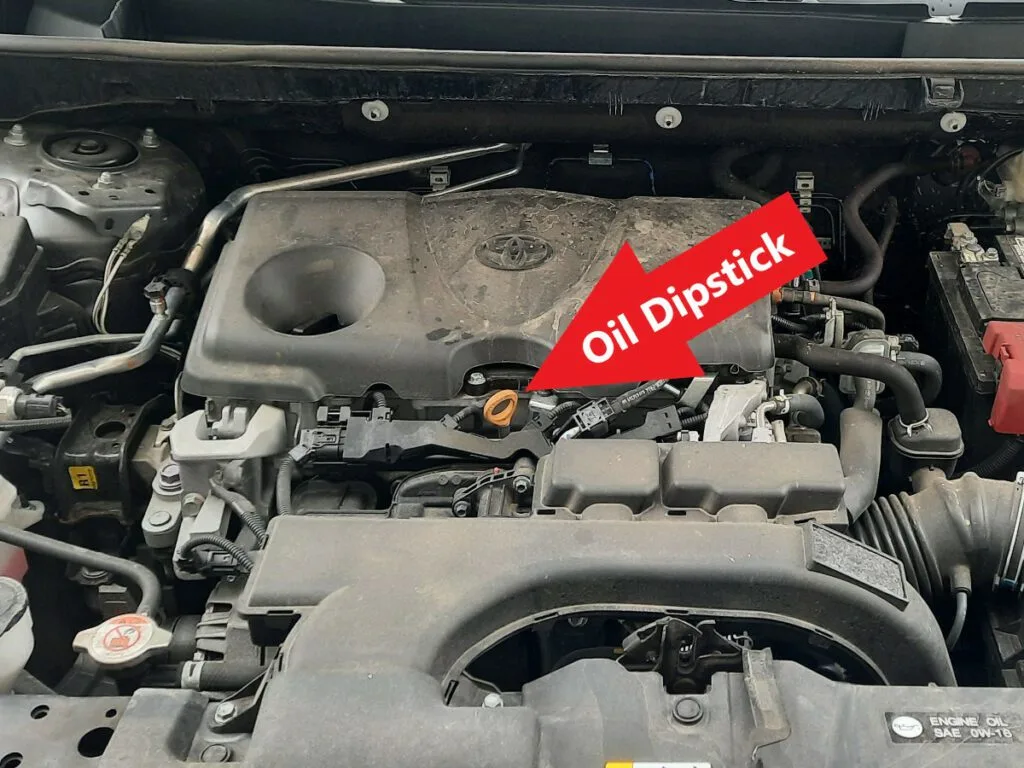
Image source: Web (Bing) / rav4resource.com (Web image (fair-use with source credit))
Quick Answer
Most Toyota RAV4 models take between 4.4 and 5.9 quarts of oil. The 2019 to 2024 gas 2.5L engine requires 4.8 quarts. The hybrid version of the same year takes 4.4 quarts.
Older 2.5L engines (2013 to 2018) hold 4.4 quarts. The 3.5L V6 found in 2006 to 2012 models needs 5.9 quarts. Always use 0W-20 full synthetic for vehicles from 2010 onward, or 5W-30 for older engines.
Check the owner's manual to confirm your specific year and trim.
Why Getting the Exact Oil Capacity Matters for Your RAV4
Engines are precision machines. Every component inside that 2.5L Dynamic Force engine is designed to run with a specific volume of oil circulating at a specific pressure. Pour in too little, and the oil pump can suck air during hard cornering or steep inclines.
That means metal-to-metal contact inside the valvetrain and bearings. Pour in too much, and the crankshaft whips the oil into a froth. Aerated oil does not lubricate well, and it can cause the variable valve timing system to misbehave.
Toyota engineers calculate these numbers carefully. The oil capacity includes the volume held inside the oil filter, the oil cooler lines, and the passages in the cylinder head. A RAV4's oil pan is shaped specifically to keep the pickup tube submerged during acceleration and braking.
Bumping the capacity by even half a quart changes that dynamic.
In our research across owner forums and service bulletins, the most common complaint from DIY owners who guessed at the capacity was a check engine light triggered by low oil pressure or a rough idle caused by overfilling. Neither is worth the risk when the correct number takes thirty seconds to confirm.
RAV4 Oil Capacity by Year and Engine — The Full Breakdown
This section gives you the exact numbers. No estimates, no rounding up. These figures come from Toyota's official service specifications for each engine code.
2019 to 2024 Gas Models (2.5L A25A-FKS)
This is the current generation RAV4 with the Dynamic Force engine. It uses direct injection and port injection, a high thermal efficiency design, and a very specific oil demand.
- Oil capacity with filter: 4.8 US quarts (4.5 liters)
- Oil capacity without filter: approximately 4.5 quarts
- Recommended viscosity: 0W-16 or 0W-20
- Oil type: Full synthetic only
The 0W-16 viscosity is newer and thinner. Toyota started recommending it for some 2020 and later models to improve fuel economy. If your oil cap says 0W-16, use it.
If it says 0W-20, that is fine too. Do not mix them between changes.
2019 to 2024 Hybrid Models (2.5L A25A-FXS)
The hybrid version uses the same basic engine block but a different oil pan and a different oil cooler setup. The Atkinson cycle design changes oil demand slightly.
- Oil capacity with filter: 4.4 US quarts (4.2 liters)
- Recommended viscosity: 0W-16 or 0W-20
- Oil type: Full synthetic only
Note the half-quart difference from the gas model. The hybrid's oil pan is shaped differently to accommodate the electric motor generator assembly. Do not assume the gas model number applies.
2013 to 2018 RAV4 (2.5L 2AR-FE)
This generation ran for six years and is still common on the road. The engine is the older 2AR-FE, which is a different design from the Dynamic Force series.
- Oil capacity with filter: 4.4 US quarts (4.2 liters)
- Recommended viscosity: 0W-20 full synthetic
- Alternative viscosity: 5W-20 or 5W-30 in warmer climates (check manual)
These engines are less picky about viscosity than the newer ones. But full synthetic 0W-20 remains the best choice for cold starts and long engine life.
2006 to 2012 RAV4 (2.4L and 3.5L V6)
This generation came with two engine options. The four-cylinder uses the 2AZ-FE, and the V6 uses the 2GR-FE. The capacities are very different.
2.4L four-cylinder (2AZ-FE):
- Oil capacity with filter: 4.5 US quarts (4.3 liters)
- Recommended viscosity: 5W-30 conventional or synthetic blend
3.5L V6 (2GR-FE):
- Oil capacity with filter: 5.9 US quarts (5.6 liters)
- Recommended viscosity: 5W-30 conventional or synthetic blend
The V6 is the outlier. At almost 6 quarts, it holds nearly 40 percent more oil than the hybrid models. If you inherited a 2009 V6 RAV4 from a family member, this is the number to remember.
Older Models and International Variants
Some export RAV4s use a 2.0L engine. The capacity for those is typically 4.2 to 4.5 quarts depending on the specific engine code. If you own a non-US model, check the oil filler cap or the owner's manual for the exact spec.
The 1996 to 2005 first and second generation RAV4s with the 2.0L 1AZ-FE or 2.4L 2AZ-FE generally hold 3.9 to 4.5 quarts depending on the exact variant.
What Oil Type and Viscosity to Use — and Why It Changes
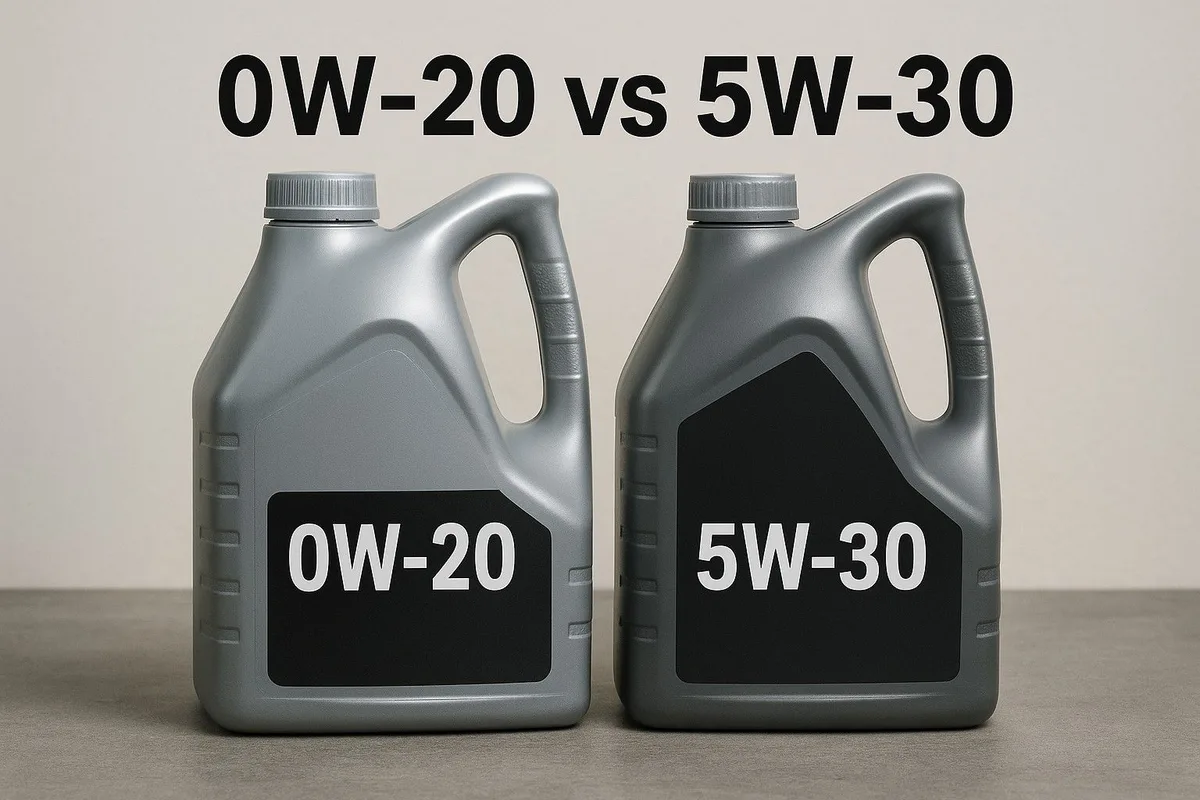
Oil viscosity is not a suggestion. It is a calculated property that determines how quickly the oil flows at cold startup and how thick it remains at operating temperature. Toyota's engineers select the viscosity based on bearing clearances, oil pump capacity, and expected operating temperatures.
0W-16 vs. 0W-20
The newer 0W-16 oil is thinner at operating temperature than 0W-20. Toyota started recommending it for the Dynamic Force engine to reduce parasitic drag on the crankshaft. Less drag means slightly better fuel economy.
If your oil filler cap says 0W-16, use 0W-16. If it says 0W-20, stick with 0W-20. Do not substitute one for the other unless the manual explicitly lists both as acceptable.
The difference is small, but the engine's variable valve timing system is calibrated around a specific oil viscosity.
Full Synthetic Only
Every RAV4 built after 2010 requires full synthetic oil. The reasons are straightforward. Synthetic oil handles higher temperatures without breaking down.
It flows better at low temperatures for cold starts. And it resists oxidation longer than conventional oil.
Using conventional oil in a modern RAV4 engine will not destroy it immediately. But it will increase wear over time, especially during cold starts. The price difference between conventional and synthetic is roughly $10 to $15 per oil change.
That is cheap insurance for an engine that costs thousands to replace.
API and ILSAC Ratings
Look for the API starburst symbol on the bottle. For 2019 and newer RAV4s, the minimum rating is API SN Plus or SP. For older models, API SN is sufficient.
The ILSAC GF-6 standard is the current benchmark. Any bottle labeled ILSAC GF-6 meets the requirements for every RAV4 on the road today.
The specific Toyota Genuine Motor Oil is formulated with an additive package that Toyota says helps maintain the variable valve timing system. It is not mandatory. Major brands like Mobil 1, Castrol Edge, and Pennzoil Platinum all meet or exceed the spec.
But if you want the exact formulation Toyota tested, the genuine stuff is a safe bet.
Step-by-Step: How to Check Your RAV4's Oil Level Correctly
Checking oil sounds simple. But the RAV4's dipstick is notorious for being difficult to read. The oil is thin, it spreads easily, and the dipstick markings are small.
Here is the method that works.
Cold vs. Warm Engine Reading
Check the oil when the engine is warm but has been sitting for five to ten minutes. That gives the oil time to drain back into the pan. A cold reading will show a higher level because the oil has not expanded fully.
A hot reading right after shutdown will show a lower level because some oil is still circulating.
Manufacturer specifications indicate that the marks on the dipstick are calibrated for a warm engine. But a cold reading within the crosshatch area is acceptable. The key is consistency.
Check it the same way every time.
The Wipe-and-Reinsert Method
Pull the dipstick out. Wipe it clean with a paper towel. Slide it all the way back in.
Wait two seconds. Pull it out again and read it immediately.
Do not tilt the dipstick. Hold it level. Look at the oil film on both sides.
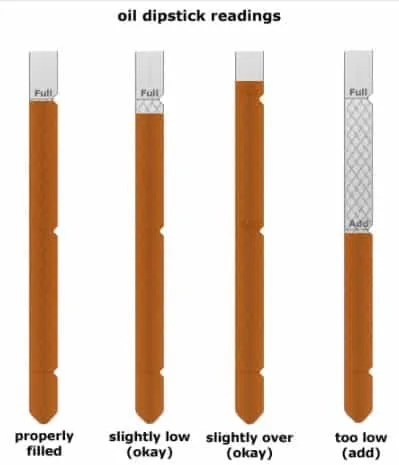
The lower reading is the accurate one. The dipstick has two marks: a low mark and a full mark, sometimes indicated by holes or notches. The oil level should be between them.
Ideally, it sits closer to the full mark.
What the Dipstick Marks Actually Mean
The distance between the low and full marks represents approximately one quart of oil. If your oil level is at the low mark, you are about one quart low. If it is below the low mark, add one quart and recheck.
If it is above the full mark, you have overfilled the engine.
Overfilling is more dangerous than underfilling. A quart low will cause increased wear but will not destroy the engine immediately. A quart over the full mark can cause the crankshaft to foam the oil, leading to oil starvation and potential bearing failure.
How to Do an Oil Change on a RAV4 (Without Messing It Up)
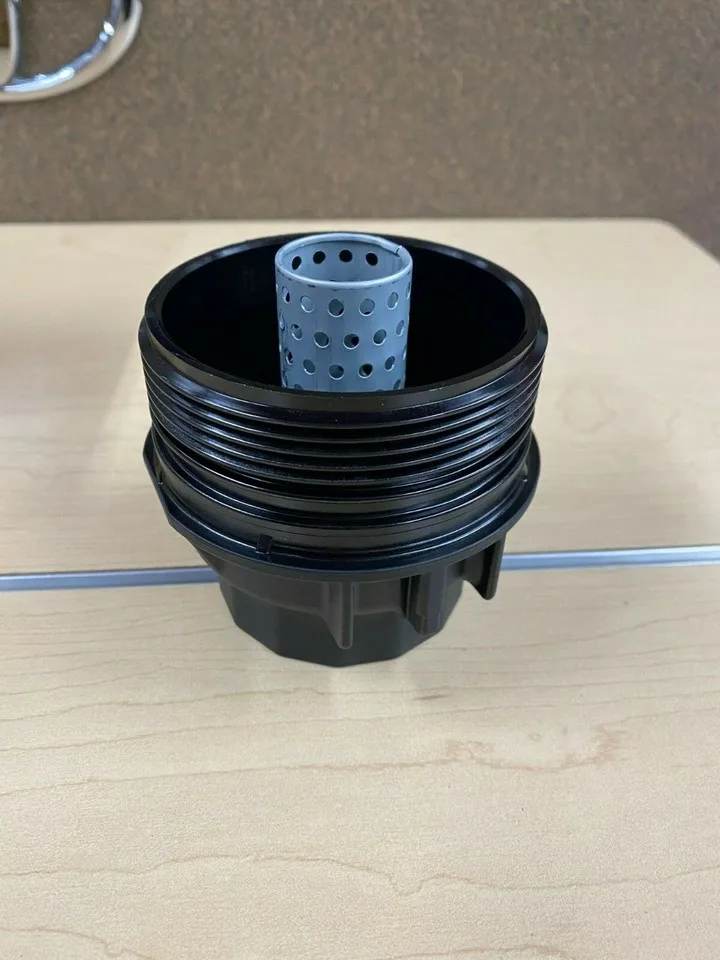
If you are doing the oil change yourself, you need a few specific parts and tools. The RAV4's oil filter is a cartridge type on most models from 2013 onward, not the old spin-on canister. That changes the procedure.
Tools and Parts Needed
| Item | Specification |
|---|---|
| Oil filter | OEM 04152-YZZA1 or equivalent |
| Crush washer | OEM 90430-12031 (12mm) |
| Oil drain plug socket | 14mm hex socket |
| Oil filter cap wrench | 64mm / 14 flute for most models |
| Torque wrench | Range 10 to 50 lb-ft |
| Drain pan | Minimum 8 quart capacity |
| Oil | As specified for your model year |
Draining the Old Oil Safely
Start with a warm engine. Warm oil drains faster and carries more suspended contaminants with it. Place the drain pan under the oil pan.
Use the 14mm socket to remove the drain plug. Turn counterclockwise. The plug will have a crush washer on it.
Replace that washer every time. Reusing it is the most common cause of slow oil leaks.
Let the oil drain for at least five minutes. The pan is shaped with a slight slope, so tilting the car slightly (if safe) can help drain the last few ounces.
Replacing the Oil Filter
The oil filter housing is a black plastic cap located on the front of the engine, usually accessible from above. Use the 64mm filter cap wrench to loosen it. Turn counterclockwise.
The cap will have a spring and a filter element inside. Remove the old filter element and the two O-rings (large and small) from the cap. Replace them with the new ones included in the filter kit.
Lubricate the new O-rings with fresh oil before installing. Hand-tighten the cap until it seats, then torque it to 18 lb-ft. Over-torquing the plastic cap is a common mistake.
It can crack the housing, which means a new housing and a tow truck.
Adding the Right Amount of Oil
Fill with the amount specified for your engine. For most current RAV4s, that is 4.8 quarts for gas or 4.4 quarts for hybrid. Pour in about half a quart less than the total at first.
Check the dipstick. Add the rest in small increments until the level reaches the full mark.
Run the engine for two minutes. Let it sit for five minutes. Recheck the dipstick.
The level will likely drop slightly as the oil fills the filter and passages. Top off as needed.
Resetting the Maintenance Light
On the 2019 and newer RAV4, the maintenance light is reset through the dashboard menu. Turn the ignition on. Navigate to the settings screen.
Select "Maintenance." Select "Oil Change." Confirm the reset. The light will turn off. If you skip this step, the light stays on until the dealership resets it, which is annoying but harmless.
Common Mistakes That Cost RAV4 Owners Real Money
Most oil change mistakes are avoidable. But they happen constantly. Here are the ones that hurt the most.
Overfilling and What It Does to Your Engine
The most common mistake. The RAV4's oil pan is not large. An extra half quart pushes the oil level above the crankshaft counterweights.
The crankshaft whips the oil into foam. Foam does not lubricate bearings. Foam causes the variable valve timing system to lose oil pressure.
Foam triggers check engine lights and rough idle.
If you overfill, drain the excess. Use the drain plug or a fluid extractor through the dipstick tube. Do not just "run it and see if it burns off." It will not.
Underfilling and Oil Starvation
Underfilling by a quart or more means the oil pickup tube can suck air during hard braking or cornering. That causes momentary loss of oil pressure. Over time, that leads to bearing wear, camshaft scoring, and eventual engine failure.
The RAV4's low oil pressure warning light is not early warning. It comes on after damage has already started. By the time you see it, the bearings have already experienced metal-to-metal contact.
Using the Wrong Viscosity
Using 5W-30 in a 2022 RAV4 that calls for 0W-16 will cause increased engine wear at cold startup. The thicker oil does not flow fast enough to reach the upper valvetrain components before the engine starts. Over many cold starts, that adds up.
Using 0W-16 in a 2008 V6 RAV4 that calls for 5W-30 can cause low oil pressure at operating temperature. The oil is too thin to maintain proper film strength in the bearings. That leads to accelerated bearing wear.
Stripping the Drain Plug or Over-Torquing the Filter
The oil pan is aluminum. The drain plug threads into aluminum. If you overtighten the plug, you strip the threads.
That means a new oil pan or a helicoil repair. The torque spec is 29 lb-ft. Use a torque wrench.
The plastic filter housing cap is even more fragile. At 18 lb-ft, it is snug. Going to 30 lb-ft cracks the cap.
A cracked cap leaks oil under pressure. You will find the puddle on your driveway.
Mixing Hybrid and Gas Model Capacities
This one is specific to RAV4 owners. The hybrid and gas models look identical under the hood. But the capacities differ by half a quart.
If you own a hybrid and use the gas model's 4.8 quarts, you overfill. If you own a gas model and use the hybrid's 4.4 quarts, you underfill. Check the manual.
Check the oil cap. Confirm the number.
When to Change Your RAV4's Oil — Realistic Intervals
Toyota officially recommends 10,000 miles between oil changes for most modern RAV4s. That number assumes ideal conditions. Highway cruising, moderate temperatures, and consistent oil level checks.
Most of us do not drive under ideal conditions.
The severe service schedule is what applies to the majority of drivers. Toyota defines severe service as frequent short trips under five miles, stop-and-go traffic, dusty roads, or extreme temperatures. Under severe service, the recommended interval drops to 5,000 miles.
Here is a simple rule. If you drive in a city, take trips under 10 miles, or live somewhere with winter temperatures below freezing, use the 5,000 mile schedule. That advice lines up with the maintenance schedules Toyota publishes for fleet vehicles and taxi use.
For high-mileage RAV4s over 100,000 miles, consider sticking with 5,000 mile intervals regardless of driving conditions. Older engines burn oil more easily. Frequent changes keep the oil level where it belongs and flush out sludge buildup before it becomes a problem.
The cost difference over a year is roughly two extra quarts of oil. That is nothing compared to an engine rebuild.
Signs Your RAV4 Needs an Oil Change or Has the Wrong Amount
The dashboard oil change light is obvious. But it can come on late or not at all if the system was not reset properly. Watch for these physical signs instead.
Engine noise is the clearest indicator. If you hear a ticking or tapping sound from the top of the engine at idle, the oil is either old, low, or the wrong viscosity. Fresh oil dampens valvetrain noise.
Old oil lets it get louder.
The oil pressure warning light is the final warning. It means oil pressure has dropped below a safe threshold. Shut the engine off immediately.
Check the level. If the level is fine, the oil pump or pressure sensor may have failed. Do not drive it until you confirm the issue.
A burnt smell inside the cabin after a hard acceleration can mean oil is burning on hot exhaust parts. That usually points to a leak, not low oil. But if you smell oil and the dipstick reads low, you have a problem that needs attention now.
Rough idle, especially when the engine is warm, can indicate oil that has broken down enough to lose its viscosity. Fresh oil restores smooth idle in most cases.
What the Owner's Manual Doesn't Tell You (But You Need to Know)
The owner's manual gives you the capacity and the viscosity. It does not tell you why the crush washer matters. That small copper or aluminum ring sits between the drain plug and the oil pan.
It deforms slightly when torqued, creating a seal. Reusing it means the seal is unpredictable. A slow drip over a week can cost you half a quart.
The manual also does not explain the difference between dry fill and with filter capacity. Dry fill is the amount the engine needs when completely empty, like after a rebuild. With filter is the amount for a routine oil change.
Always use the with filter number. The dry fill number is about half a quart higher.
Aftermarket oil filters are a gray area. Some meet OEM specs. Others do not.
The key difference is the bypass valve pressure. Toyota's OEM filter opens the bypass at a specific pressure to protect the engine during cold starts. Cheap filters can open too early or too late.
Stick with OEM or a major brand like Wix, Purolator, or Mobil 1 that publishes their bypass specs.
RAV4 Oil Capacity Specs at a Glance
| Model Year | Engine | Capacity (quarts) | Oil Type |
|---|---|---|---|
| 2019-2024 Gas | 2.5L A25A-FKS | 4.8 | 0W-16 or 0W-20 full synthetic |
| 2019-2024 Hybrid | 2.5L A25A-FXS | 4.4 | 0W-16 or 0W-20 full synthetic |
| 2013-2018 Gas | 2.5L 2AR-FE | 4.4 | 0W-20 full synthetic |
| 2006-2012 4-Cyl | 2.4L 2AZ-FE | 4.5 | 5W-30 synthetic blend |
| 2006-2012 V6 | 3.5L 2GR-FE | 5.9 | 5W-30 synthetic blend |
All capacities listed include the oil filter change. For hybrid models, verify your specific trim level. Some early hybrid versions have slightly different pans.
Final Take: One Simple Rule to Keep Your RAV4's Engine Healthy
Check the oil level every time you fill up with gas. It takes thirty seconds. If the level is low, top it off.
If the oil looks dark and smells burnt, change it. Follow the capacity numbers in this guide exactly. Use the right viscosity.
Replace the crush washer. Reset the maintenance light.
That routine alone will keep your RAV4 running past 200,000 miles without major engine work. The engine oil capacity is not a suggestion. It is a specification.
Treat it like one.
Frequently Asked Questions
Can I use 5W-30 instead of 0W-20 in my RAV4?
Not in a modern model. The 2019 and newer engines are designed around 0W-20 or 0W-16. Using 5W-30 increases cold start wear and can trigger the check engine light.
For 2006 to 2012 models, 5W-30 is the correct specification.
How do I know if my RAV4 takes 0W-16 or 0W-20?
Check the oil filler cap. It is printed right on top. If the cap says 0W-16, use that.
If it says 0W-20, use that. When in doubt, the owner's manual lists both if either is acceptable for your year.
What happens if I put too much oil in my RAV4?
The crankshaft whips the excess oil into foam. Foam does not lubricate properly. You may notice rough idle, a check engine light, or oil leaking from seals.
Drain the excess immediately.
Is Toyota Genuine Motor Oil worth the extra cost?
It meets the exact additive package Toyota tested for the variable valve timing system. That said, major brands like Mobil 1 and Castrol Edge meet the same API and ILSAC specs. Either choice works fine.
How often should I check my RAV4 oil level?
At every fuel fill up. It takes 30 seconds. Catching a low level early prevents engine damage.
The dipstick is easy to read once you know the wipe and reinsert method.