
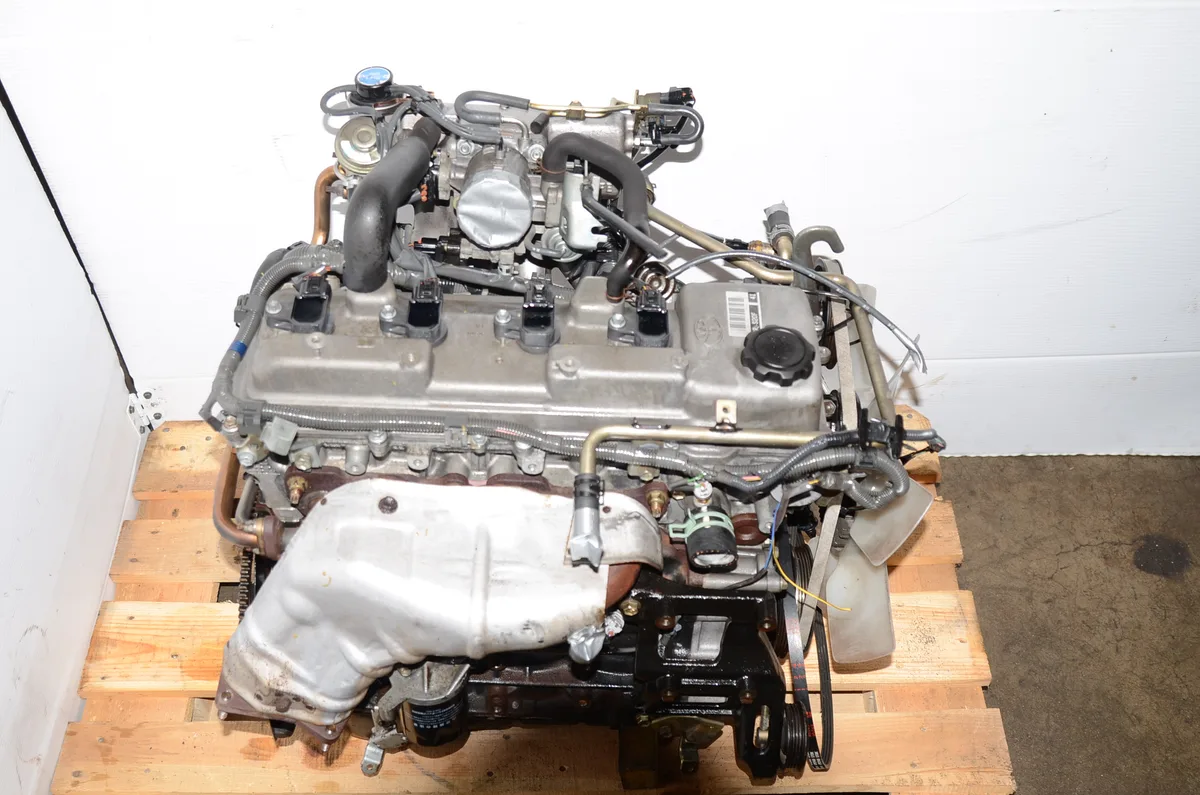
Image source: Web (Bing) / storage.googleapis.com (Web image (fair-use with source credit))
If you own a 2002 Toyota Tacoma, you already know it's one of the most reliable trucks ever built. But even the toughest engine needs the right oil, and getting that wrong can cost you thousands in repairs. The 2002 toyota tacoma oil type isn't complicated, but it does depend on a few specific factors that most quick-lube shops won't bother asking about.
Manufacturer specifications from Toyota call for SAE 5W-30 meeting API service rating SN or higher. That recommendation was written over two decades ago, and the oil market has changed significantly since then. As of 2026, you have more options and better technology than when this truck was new.
Let's walk through exactly what you need.
Quick Answer
Your 2002 Toyota Tacoma needs SAE 5W-30 motor oil. Use API SN or higher rating. The 2.4L four-cylinder takes 4.5 quarts.
The 3.4L V6 takes 5.0 quarts. Full synthetic is recommended for engines over 100,000 miles. Change it every 5,000 miles with conventional oil.
Use a quality oil filter from a known brand.
Why This Matters More Than You Think
Engine oil lubricates, cleans, cools, and protects every moving part inside your motor. The wrong oil leads to sludge buildup, increased wear, and eventually a seized engine. Toyota designed the 2RZ-FE and 5VZ-FE engines with specific tolerances that require certain oil properties.
These engines are known for lasting 250,000 miles or more with proper maintenance. A replacement engine for a 2002 Tacoma runs anywhere from 2,500 to 4,500 dollars installed. A $40 oil change looks pretty cheap compared to that.
The Two Engines: 2.4L vs. 3.4L – They're Not the Same
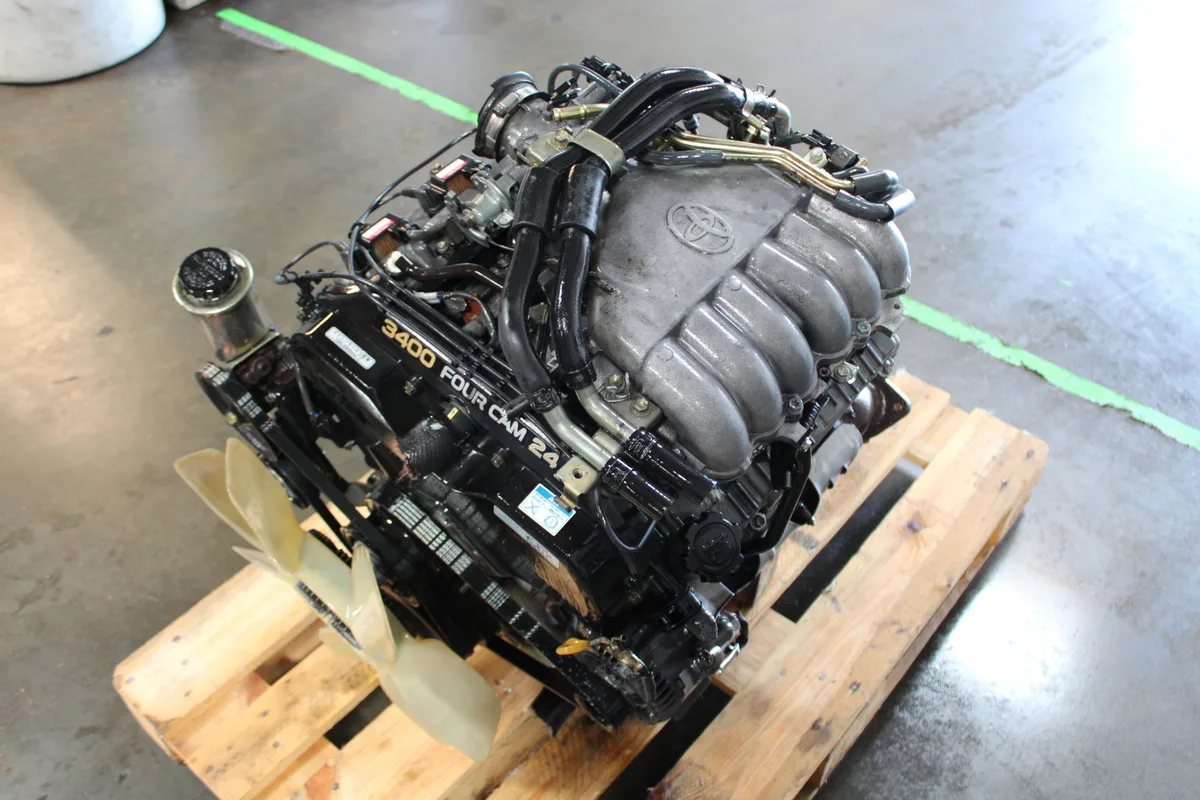
Your 2002 Tacoma came with one of two engines. Knowing which one you have is step one. The 2.4L 2RZ-FE is a four-cylinder workhorse known for being nearly indestructible.
The 3.4L 5VZ-FE is a V6 that delivers more power for towing and hauling.
How to Identify Your Engine
Pop the hood and look at the engine cover. The 2.4L has a smaller valve cover with a single camshaft configuration. The 3.4L fills the engine bay more and has two valve covers since it is a V configuration.
You can also check your VIN. The eighth character tells you the engine type. An R means the 2.4L four-cylinder.
A V means the 3.4L V6.
Why It Matters for Oil Choice
Both engines take the same viscosity oil, but the quantity differs. The 2.4L holds 4.5 quarts including the filter. The 3.4L holds 5.0 quarts.
That half-quart difference matters when you are buying oil. Grab the wrong amount and you are either short or wasting money.
The V6 also runs hotter under load. If you tow regularly with the 3.4L, consider a synthetic blend or full synthetic for better heat protection. The four-cylinder runs cooler and is more forgiving with conventional oil.
Viscosity Explained: 5W-30 vs. 10W-30 and What the Numbers Actually Mean
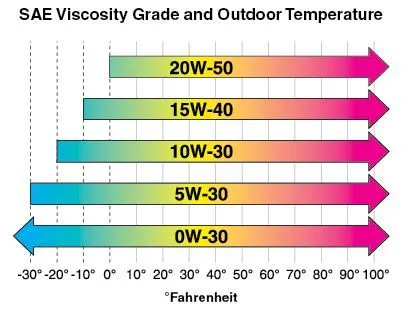
Viscosity is simply a measure of thickness. Oil gets thinner when hot and thicker when cold. The numbers tell you how it behaves at different temperatures.
The first number with a W stands for winter. It measures cold flow. The second number is thickness at normal engine operating temperature.
5W-30: The Factory Recommendation
Toyota says use 5W-30 for your 2002 Tacoma. This oil flows well in cold weather down to about minus 30 degrees Fahrenheit. That matters for startup protection.
Most engine wear happens in the first few seconds after starting. Thin oil reaches critical parts faster.
10W-30: When It Makes Sense
In hotter climates like Arizona or Texas, some owners switch to 10W-30 during summer months. This oil is thicker when cold but performs the same at operating temperature. The tradeoff is slightly less cold-start protection.
If your winters rarely drop below 20 degrees Fahrenheit, 10W-30 is a safe alternative.
What About 0W-20 or 5W-20?
Do not use them. Modern engines are designed for thinner oils to improve fuel economy. Your 2002 Tacoma has looser tolerances.
Thinner oil leads to increased wear and oil consumption. Stick with what the manual says.
Conventional vs. Synthetic vs. High-Mileage – Which One Should You Use?
This is where most Tacoma owners get confused. Three options exist, and each serves a different purpose. Let's break them down.
Conventional Oil
This is the cheapest option and what Toyota originally recommended. It works fine for low-mileage engines driven gently. But conventional oil breaks down faster under heat.
Change it every 3,000 to 5,000 miles.
Best for: Stock engines under 75,000 miles, light duty driving, budget-minded owners.
Synthetic Blend
This is a mix of conventional and synthetic base stocks. It offers better heat resistance than conventional without the premium price of full synthetic. Many Tacoma owners find this hits the sweet spot.
Best for: Daily drivers, occasional towing, moderate climates.
Full Synthetic
Full synthetic oil flows better in cold weather, resists breaking down under heat, and keeps engines cleaner. Many synthetic oils can go 7,500 miles between changes with a quality filter.
A word of caution: if your 2002 Tacoma has over 150,000 miles and has only ever seen conventional oil, switching to full synthetic can cause leaks. The synthetic detergents can clean out sludge that is actually sealing old gaskets. Consider a high-mileage synthetic blend instead.
High-Mileage Oil
This is formulated for engines over 75,000 miles. It contains seal conditioners that help reduce oil consumption and leaks. If your Tacoma burns oil between changes, high-mileage oil is worth trying.
Best for: Engines over 100,000 miles, especially those showing oil consumption.
A Quick Comparison Table
| Oil Type | Price per 5 Quarts | Change Interval | Best Engine Mileage | Key Benefit |
|---|---|---|---|---|
| Conventional | $15 to $22 | 3,000 to 5,000 miles | Under 75,000 | Lowest cost |
| Synthetic Blend | $22 to $35 | 5,000 to 6,000 miles | Any mileage | Good value |
| Full Synthetic | $35 to $55 | 7,500 to 10,000 miles | Any mileage | Best protection |
| High-Mileage | $25 to $40 | 5,000 to 6,000 miles | Over 75,000 | Reduces oil consumption |
Real-World Factors That Change Your Oil Choice
Your driving habits and location matter more than most people realize. The factory recommendation is a starting point, not a rigid rule.
Climate and Where You Live
Cold climates demand thinner oil for startup protection. If you live in Minnesota, Maine, or Canada, stick with 5W-30 year-round. The winter rating matters more than the summer rating in these areas.
Hot climates let you consider 10W-30 during summer months. But 5W-30 still works perfectly fine in Arizona heat. The operating temperature number is the same.
The only difference is cold-flow performance.
High humidity areas mean more moisture in the crankcase. Short trips that do not fully warm up the engine make this worse. If you drive less than 10 miles per trip, change your oil more frequently.
Moisture contamination dilutes the oil and reduces its protective properties.
Engine Mileage and Condition
Engines under 75,000 miles can run conventional oil without issues. But full synthetic offers better long-term protection if you plan to keep the truck for another 100,000 miles.
Engines between 75,000 and 150,000 miles benefit from high-mileage oil. The seal conditioners help maintain compression and reduce leaks. This is a smart preventive measure.
Engines over 150,000 miles need careful consideration. If your Tacoma has been on conventional oil its whole life, switching to high-mileage synthetic blend is safer than going full synthetic.
How You Drive
Daily commuting with mostly highway miles is the easiest on oil. Conventional or synthetic blend works fine. Follow the standard 5,000 mile interval.
Towing puts serious stress on your engine. Oil temperatures climb higher and stay there longer. Full synthetic is worth the extra cost here.
Change it every 4,000 to 5,000 miles.
Off-road driving introduces dust and dirt. Combined with engine heat from low-speed crawling, this creates a tough environment for oil. Change intervals should drop to 3,000 or 4,000 miles.
Short trip driving under 5 miles is actually harder on oil than highway driving. The engine never fully warms up. Fuel and moisture accumulate in the oil.
Change oil every 3,000 miles regardless of type.
The Complete Specs: Capacity, Filter, and Torque Values
Getting the numbers right matters. A stripped drain plug or wrong filter can turn a simple oil change into a weekend project.
Oil Capacity
The 2.4L four-cylinder takes 4.5 quarts with a filter change. Buy a 5-quart jug and keep the leftover for topping off.
The 3.4L V6 takes 5.0 quarts with a filter change. A single 5-quart jug covers it exactly.
Oil Filter
Your Tacoma needs a filter with the correct thread size and bypass valve pressure. The OEM Toyota filter part number is 90915-YZZD3. Any quality aftermarket filter that matches this spec works fine.
Look for filters with a silicone anti-drain back valve. These prevent dry starts by keeping oil in the filter when the engine is off.
Drain Plug Torque
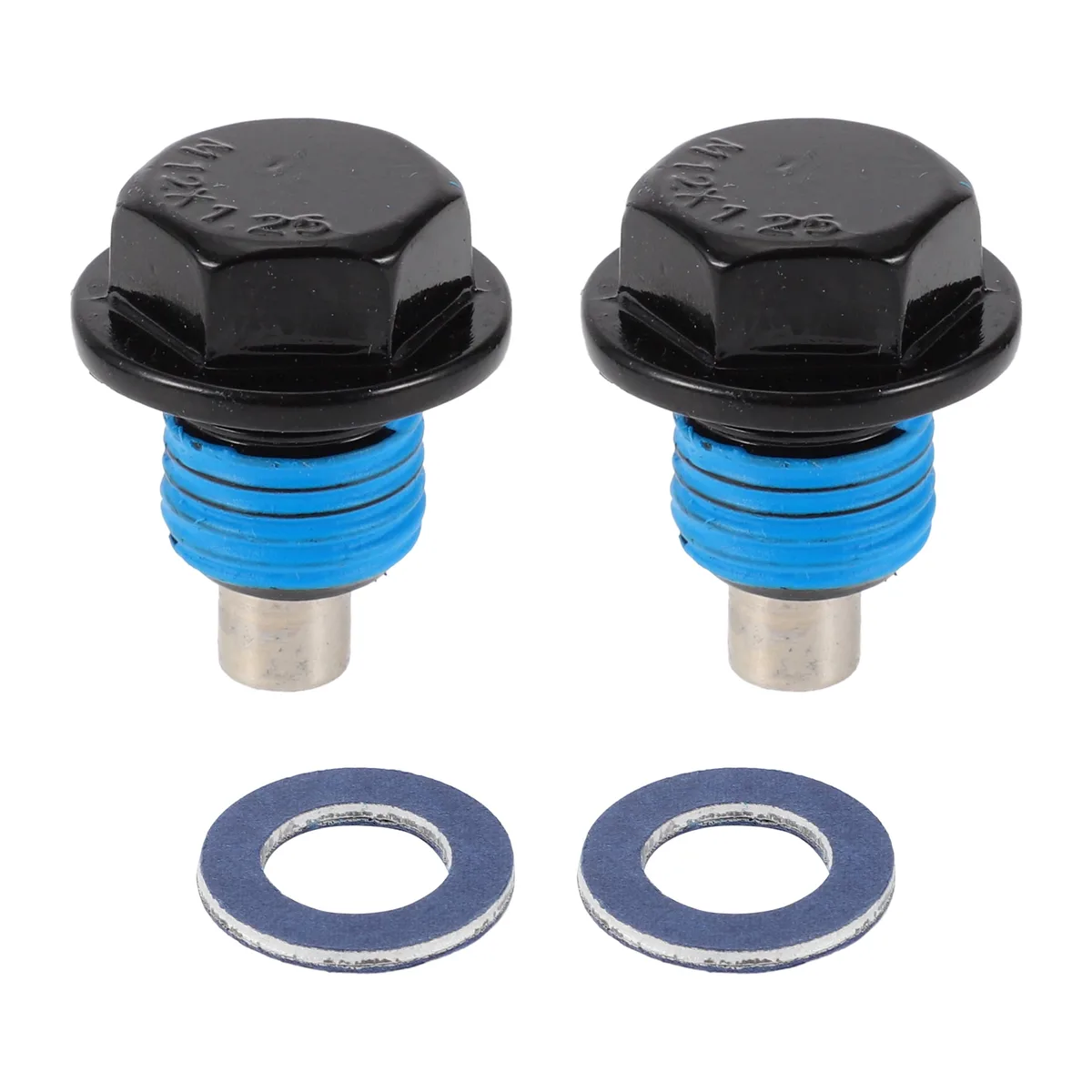
The drain plug takes a 19mm socket. Torque it to 29 foot-pounds. That is snug plus a quarter turn with a standard ratchet.
Over tightening strips the oil pan threads. Under tightening causes leaks.
Replace the crush washer every oil change. It is a small copper or aluminum ring that deforms to create a seal. They cost pennies and prevent drips.
Step-by-Step Oil Change Guide for a 2002 Tacoma
Changing your own oil saves money and guarantees it is done right. The process takes about 30 minutes. Here is the exact sequence.
What You Need
- 5 quarts of the correct oil
- One oil filter
- One crush washer
- 19mm socket or wrench
- Oil filter wrench
- Drain pan
- Funnel
- Jack and jack stands or ramps
The Steps
Warm up the engine for two minutes. Warm oil drains faster and carries more suspended contaminants. Park on level ground.
Engage the parking brake.
Jack up the front of the truck and secure it on jack stands. Never crawl under a vehicle supported only by a jack.
Locate the drain plug under the engine. Place your drain pan underneath. Loosen the plug with your 19mm socket.
Remove it by hand once it spins freely. Let the oil drain completely. This takes about three minutes.
Move the drain pan under the oil filter. The filter sits on the side of the engine block. Use your filter wrench to loosen it.
Spin it off by hand.
Take your new filter and rub a thin layer of fresh oil on the rubber gasket. This prevents the gasket from sticking. Screw the new filter on by hand until the gasket contacts the mounting surface.
Tighten it another three quarter turn by hand.
Install a new crush washer on the drain plug. Thread the plug in by hand to avoid cross threading. Torque it to 29 foot-pounds.
Remove the oil fill cap on top of the valve cover. Insert your funnel. Pour in 4 quarts for the 2.4L or 4.5 quarts for the 3.4L.
Replace the fill cap.
Start the engine and let it run for 30 seconds. The oil pressure light should turn off within a few seconds. Shut the engine off.
Wait two minutes for the oil to settle.
Check the dipstick. Wipe it clean, insert it fully, pull it out, and read the level. Add oil in quarter quart increments until the level sits between the low and full marks.
Do not overfill.
Disposal
Pour the used oil into a sealed container. Most auto parts stores accept used oil for free. Never pour it down a drain or onto the ground.
Common Mistakes That Cost You an Engine
Some mistakes cause immediate damage. Others slowly kill your engine over thousands of miles. Either way, they are easy to avoid.
Using the Wrong Viscosity
Thicker oil is not better for older engines. Running 10W-40 or 15W-40 in cold weather starves the valvetrain of oil during startup. The damage accumulates each time you start the engine.
Stick with 5W-30.
Overfilling
Adding too much oil causes the crankshaft to whip the oil into foam. Foam does not lubricate well. Air bubbles cause metal on metal contact.
Check your dipstick after adding. Stop at the full mark.
Skipping the Crush Washer
Running the same crush washer for years eventually causes a drip. The washer hardens and loses its sealing ability. Replace it every change.
Using Cheap Filters
Budget filters often lack proper anti-drain back valves. They also use lower quality filter media that bypasses sooner. Spend the extra three dollars.
Ignoring the Oil Change Interval
Oil breaks down over time even if you do not drive much. Short trips contaminate oil with fuel and moisture. Change it by the calendar if you drive less than 5,000 miles per year.
Six months is the maximum interval regardless of mileage.
When to Stick With the Manual and When to Ignore It
The owner's manual is a fantastic resource. It was written by the engineers who designed the vehicle. But it was also written in 2001, and oil technology has advanced since then.
Stick With the Manual On
Viscosity recommendations are still accurate. Toyota specified 5W-30 for good reason. Modern oil chemistry has not changed the fundamental cold flow and hot thickness requirements of these engines.
Oil change intervals for severe service are also correct. Toyota defined severe service as towing, dusty conditions, short trips, or extreme temperatures. Most Tacoma owners fall into this category.
The 3,000 to 4,000 mile recommendation still holds.
Ignore the Manual On
The manual recommends conventional oil. Today's full synthetic oils outperform anything available in 2001. If your budget allows, synthetic is objectively better for engine protection.
The 5,000 mile interval for normal service is conservative with modern synthetics. High quality synthetic oils can safely extend to 7,500 miles. Use your own judgment based on driving conditions.
The Middle Ground
Synthetic blend oil offers a practical compromise. It provides better protection than conventional without the premium price of full synthetic. For most Tacoma owners, this is the best value option.
How Often Should You Change It? (The Honest Answer)
The short answer is every 5,000 miles with conventional oil and every 7,500 miles with full synthetic. But real world conditions change that number.
If you tow, drive off road, or make lots of short trips, cut those intervals by 1,000 to 2,000 miles. Your oil degrades faster under those conditions. If you drive mostly highway miles in moderate weather, you can safely stretch to 7,500 miles even with conventional oil.
The best approach is to check your oil every 1,000 miles. Look at the color and consistency. Clean amber oil is fine.
Dark brown oil that feels gritty needs changing.
Frequently Asked Questions
Can I use synthetic oil in my 2002 Tacoma after using conventional for years?
Yes, but proceed carefully. Synthetic detergents can loosen sludge that may be sealing old gaskets. If your engine has over 150,000 miles on conventional oil, switch to a high mileage synthetic blend first.
Monitor for leaks after the change.
What happens if I use 10W-30 instead of 5W-30?
Nothing catastrophic in warm weather. But in cold climates below 20 degrees Fahrenheit, 10W-30 flows slower during startup. This increases wear on bearings and valvetrain components.
Stick with 5W-30 if you experience freezing temperatures.
Does the brand of oil really matter?
Not as much as the specifications. Any brand that meets API SN or SP with SAE 5W-30 will protect your engine. Toyota Genuine, Mobil 1, Valvoline, and Castrol are all reliable choices.
Avoid bargain brands that may lack proper certification.
How do I know if my Tacoma is burning oil?
Check your dipstick every 1,000 miles. If the level drops noticeably between changes, your engine is consuming oil. Watch for blue smoke from the exhaust during startup.
Switch to a high mileage oil with seal conditioners to reduce consumption.
Should I use an oil additive with my Tacoma?
No. Modern oils already contain the necessary additive packages. Extra additives can upset the chemical balance and reduce effectiveness.
Stick with quality oil from a reputable brand and skip the extras.