
If you own a 2018 Toyota 4Runner, you already know it's a beast off-road and a tank on the highway. But keeping that 4.0L V6 running strong for 200,000 or 300,000 miles comes down to one simple thing: getting the 2018 toyota 4runner oil capacity exactly right. Too little oil and you risk engine starvation.
Too much and you can blow seals or trigger a check engine light.
Manufacturer specifications from Toyota indicate the exact fill is 6.6 quarts when you replace both the oil and the filter. As of 2026, that spec hasn't changed, the 1GR-FE engine is that consistent. And while it sounds straightforward, there's a surprising amount of confusion around dry fill versus filter-change capacity, what oil weight to actually use, and how to avoid the common mistakes that send people to the shop with a damaged engine.
Let's walk through it.
Quick Answer
The 2018 Toyota 4Runner takes 6.6 quarts of oil with a filter change. Use 0W-20 full synthetic oil. That's it.
The dry engine capacity is 6.9 quarts. Always check the dipstick. Never guess.
Why Getting This Wrong Can Cost You an Engine
This isn't like putting too much sugar in your coffee. Get the oil wrong on the 4Runner and the consequences add up fast.
The 4.0L 1GR-FE engine is built tough. But it's also sensitive to oil level and viscosity. Here's what actually happens when you mess up:
- Underfilling, The oil pickup tube can suck air during hard cornering or steep off-road angles. That means metal-on-metal contact inside the bearings. Rod knock follows. And a rod knock on a 4Runner means a rebuild or a new engine. That's five figures at a shop.
- Overfilling, Too much oil lets the crankshaft whip the oil into foam. Foam doesn't lubricate well. Oil pressure drops. The variable valve timing system can also get air bubbles, causing rough idle and potential timing chain issues.
- Wrong viscosity, Using 10W-30 in winter means thick oil struggles to reach the top end on cold starts. That accelerates wear on the timing chain and camshafts. Using 0W-20 in extreme heat while towing can shear down and lose film strength.
The engine in the 2018 4Runner is shared with the Tacoma and some Tundra models from the same era. It's a proven design. But it's also an interference engine, meaning if the timing chain fails from poor lubrication, valves hit pistons.
You don't walk away from that with a cheap fix.
The Short Answer: 2018 Toyota 4Runner Oil Capacity
Let's get the numbers on the table so you can bookmark this page and come back to it later.
| Scenario | Oil Capacity |
|---|---|
| With oil filter change | 6.6 quarts (6.2 liters) |
| Dry engine rebuild fill | 6.9 quarts (6.5 liters) |
| Oil type (recommended) | 0W-20 full synthetic |
| Oil type (alternative) | 5W-30 for hot climates or heavy towing |
| API certification | SN or SP |
| ILSAC certification | GF-5 or GF-6 |
That 6.6-quart number is the one you'll use for nearly every oil change. The extra 0.3 quarts for a dry engine only matters if you've rebuilt the engine, replaced the oil cooler, or completely drained every drop during a repair.
Toyota specifies 0W-20 for a reason. The 0W rating means the oil flows like a thin 0-weight oil at cold temperatures. That's crucial for the 4Runner's timing chain tensioners, which rely on immediate oil pressure at startup.
The 20-weight at operating temperature provides the right film strength for the bearing clearances in this engine.
If you live somewhere it hits 100°F regularly and you tow a trailer, you can safely run 5W-30. Toyota even lists it as acceptable in the owner's manual for sustained high-speed driving or heavy loads. Just don't switch back and forth every change.
Pick one and stick with it.
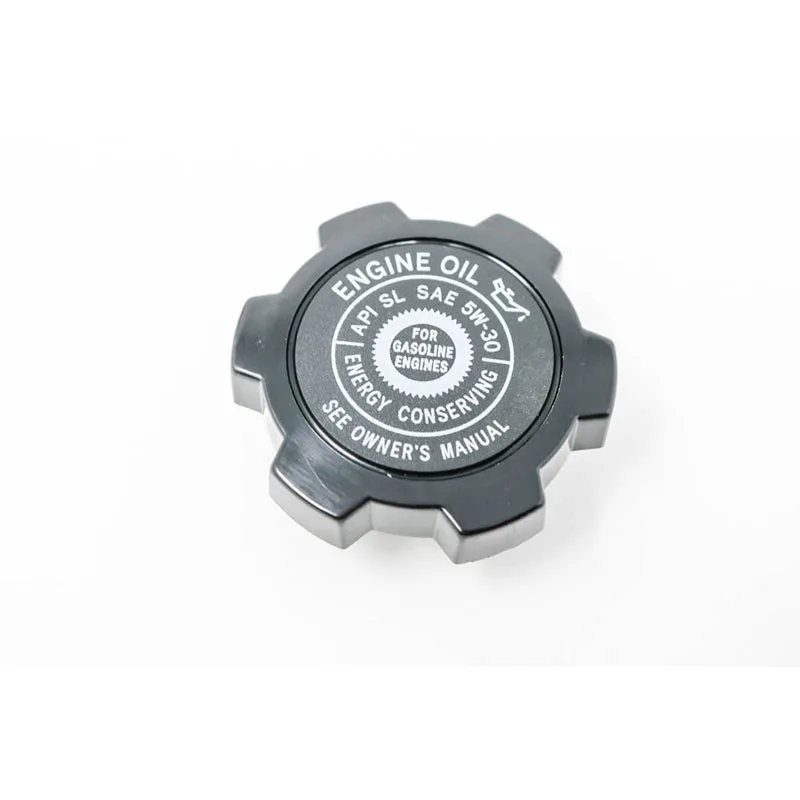
Image source: Web (Bing) / buymachineryparts.com (Web image (fair-use with source credit))
Understanding the 4.0L 1GR-FE Engine and Its Oil Needs
The 1GR-FE is a dual-overhead-cam V6 with variable valve timing on both intake and exhaust cams. It's been in production since 2002, and Toyota kept refining it through the 2018 model year.
What makes it different from modern engines is the oiling system. It uses a chain-driven oil pump that moves a lot of volume. The oil passages are generous.
But the VVT-i actuators need clean oil at the right pressure to function. If the oil level drops or the viscosity gets too thick, those actuators can lag. You'll notice it as a hesitation when accelerating or a slight rattle on cold starts.
The oil pan holds the bulk of the 6.6 quarts. It's a stamped steel pan with a baffle inside to keep oil around the pickup during off-road angles. That baffle works well, but only if the oil level is correct.
Low oil means the baffle can't help because there's nothing to baffle.
The oil filter on the 2018 4Runner is a cartridge-style filter. It sits in a plastic housing on the front of the engine, driver's side. You unscrew the cap with a 24mm socket or a special filter cap tool.
The filter element slides out. There's an o-ring on the cap that needs replacement every change. Toyota dealerships sell the whole kit, filter element, o-ring, and a new drain plug washer, for about $10 to $15.
One thing to watch: the plastic housing is easy to overtighten. The torque spec is just 18 ft-lbs. Going tighter can crack the housing, and that's a tow-truck repair.
Dry Fill vs. Filter Change: Why There Are Two Numbers
This is where most of the confusion comes from. You'll see 6.6 quarts listed in some places and 6.9 quarts in others. Both are correct for the 2018 4Runner.
It just depends on the situation.
Filter change capacity, 6.6 quarts
This is what you need for a normal oil change. You drain the old oil from the pan, replace the filter, and fill with fresh oil. The filter holds about 0.2 quarts of oil on its own.
When you install a dry filter, that space needs to fill. So 6.6 quarts accounts for the filter fill plus the pan fill.
Dry engine capacity, 6.9 quarts
If you've removed the engine, tore it down, and put it back together with all new seals and gaskets, the internal oil passages are completely empty. The oil cooler is dry. The timing chain tensioners have no oil.
In that scenario, you need the full 6.9 quarts to bring everything up to the full mark on the dipstick.
For 99% of 4Runner owners, you'll never need the 6.9 number. But it's good to know it exists so you don't panic if you see it online.
Here's the practical workflow:
- Drain the warm oil.
- Remove and replace the oil filter.
- Add 6 quarts of 0W-20.
- Start the engine and let it run for 30 seconds.
- Shut it off and wait 2 minutes.
- Check the dipstick.
- Add the remaining 0.6 quarts in small increments until it reaches the full mark.
Always add the last half quart slowly. It's easier to add a little more than to drain out the excess. And if you're the type who rounds up, don't.
The 4Runner's dipstick is accurate. Trust it.
The Right Oil: Viscosity, Certification, and What Toyota Actually Says
Walking into an auto parts store for oil is overwhelming. There are shelves of bottles in different colors and weights. Here's what actually matters for your 2018 4Runner.
Viscosity: 0W-20 is the baseline
Toyota's engineering team designed the 1GR-FE around 0W-20. It's what they used for EPA fuel economy testing. It's what the variable valve timing system was calibrated for.
And it's what the cold-start protection relies on.
The "0W" means the oil pumps easily at -30°F. The "20" means it thickens to a 20-weight at operating temperature. That's a wide range, and it's only possible with modern synthetic base stocks.
When to use 5W-30
The owner's manual says 5W-30 is acceptable for:
- Sustained high-speed driving
- Heavy trailer towing
- Hot ambient temperatures (above 100°F)
If you daily your 4Runner on paved roads and rarely tow, stick with 0W-20. If you spend summers pulling a travel trailer through the mountains, switch to 5W-30 during those months. Some owners run 5W-30 year-round in Texas and Arizona without issues.
Just don't use 10W-30 or 10W-40, those are too thick for the VVT-i system.
Certification matters more than brand
Toyota requires API SN or SP certification for the 4Runner. You'll see the API donut logo on the back of the bottle. That's the certification mark.
ILSAC GF-5 or GF-6 is also acceptable.
Brand doesn't matter nearly as much as certification. Mobil 1, Castrol Edge, Valvoline Advanced, Pennzoil Platinum, they all meet the spec. Even Toyota's own branded oil is just repackaged Mobil 1.
Pick whatever is on sale and has the API donut on the label.
Synthetic vs. conventional
The 1GR-FE can run conventional 0W-20, but it's rare to find conventional oil that thin. Most 0W-20 is synthetic blend or full synthetic. Go with full synthetic.
It handles heat better, resists thermal breakdown longer, and flows better in cold weather. The price difference between conventional and synthetic is about $10 per change. On a vehicle that costs $40,000, that's worth it for the extra protection.
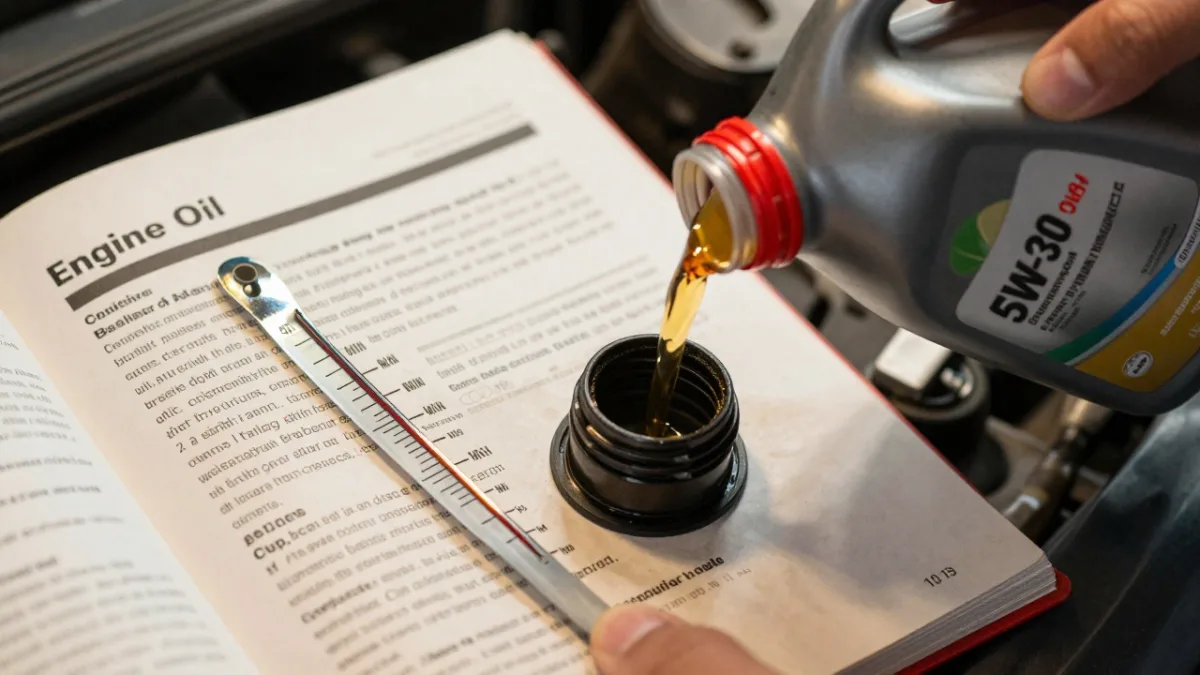
Image source: Web (Bing) / northwichtyrescentre.co.uk (Web image (fair-use with source credit))
One more thing: don't fall for "high mileage" oils unless you're over 100,000 miles. Even then, the 4Runner's engine doesn't typically need seal conditioners. The valve cover gaskets and rear main seal are robust.
High-mileage oil won't hurt, but it's not necessary either. Save the money and buy a good filter instead.
Step-by-Step: How to Do an Accurate Oil Change on a 2018 4Runner
You can do this in your driveway with basic hand tools. A floor jack and two jack stands make it easier, but you can also drive up on ramps. Here's the exact process.
What you'll need:
- 6.6 quarts of 0W-20 full synthetic oil
- Toyota oil filter kit (filter element, o-ring, drain plug washer)
- 24mm socket or filter cap wrench
- 14mm socket for the drain plug
- Torque wrench (highly recommended)
- Drain pan
- Funnel
- Shop rags
The process:
Warm the engine for 2 to 3 minutes. Warm oil drains faster and carries more suspended contaminants. Don't run it hot. Warm is fine.
Get the 4Runner safely off the ground. Use ramps or jack stands. Never work under a vehicle supported only by a floor jack.
Place the drain pan under the oil pan. Locate the 14mm drain plug. It faces the rear of the vehicle on the passenger side.
Remove the drain plug. Let the oil drain for at least 5 minutes. Replace the crush washer with the new one from the kit.
Torque the drain plug to 18 to 25 ft-lbs. Overtightening strips the aluminum oil pan threads. That's a $400 repair.
Move the drain pan under the oil filter housing. It's on the front of the engine, driver's side. Use the 24mm socket to loosen the cap.
Remove the cap and pull out the old filter element. Wipe the housing clean. Install the new o-ring on the cap. Lightly oil it before installation.
Insert the new filter element. Hand-tighten the cap, then torque to 18 ft-lbs. The plastic housing cracks easily.
Lower the vehicle. Remove the oil fill cap. Insert a funnel.
Add 6 full quarts. Replace the fill cap. Start the engine and let it run for 30 seconds. The oil pressure light should go out within seconds.
Shut the engine off. Wait 2 minutes. Check the dipstick. It should be near the low mark.
Add the remaining 0.6 quarts in small increments. Recheck until the dipstick reads at the full mark.
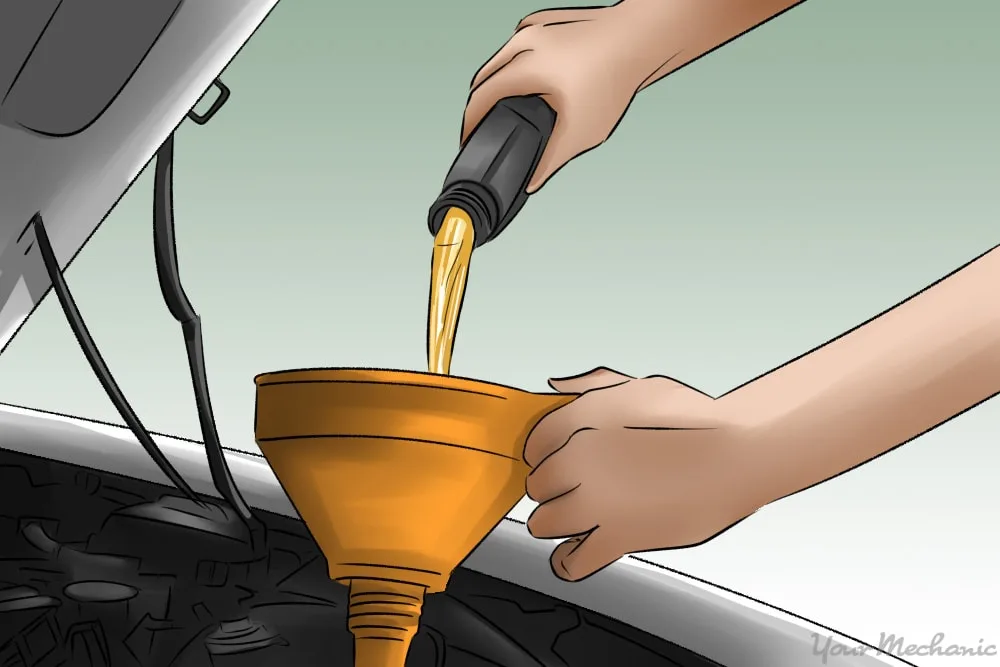
Image source: Web (Bing) / yourmechanic.com (Web image (fair-use with source credit))
The whole job takes about 30 minutes your first time. Faster once you've done it a few times. And you'll save about $50 compared to a dealership oil change.
Common Mistakes That Lead to Engine Damage
We've seen enough 4Runner oil-related failures to know what goes wrong. Here are the biggest ones.
Mistake 1: Trusting the 6.6 quarts and walking away.
Every engine retains a different amount of old oil. Some hold back 0.3 quarts in the oil cooler. Some hold 0.5 quarts if the filter didn't drain.
Adding the exact 6.6 quarts without checking the dipstick can leave you overfilled. Always check. Always adjust.
Mistake 2: Using the wrong filter.
The 2018 4Runner takes a specific cartridge filter. Some parts stores try to sell you a spin-on conversion kit. Don't do it.
The cartridge system works fine and has a bypass valve calibrated for this engine. Use Toyota's OEM filter or a reputable aftermarket brand like Wix or Mobil 1.
Mistake 3: Overtightening the drain plug.
The oil pan is aluminum. The drain plug threads into it directly. Torque to 25 ft-lbs max.
If you strip the threads, you're looking at a helicoil repair or a new oil pan. Both are expensive and annoying.
Mistake 4: Ignoring the severe service schedule.
Toyota says change the oil every 10,000 miles for normal driving. That's fine for highway commuters. But if you do any of the following, you're in the severe service category:
- Off-road driving
- Towing a trailer
- Frequent short trips under 5 miles
- Extreme heat or cold
- Dusty or sandy conditions
Severe service means 5,000-mile oil changes. The 4Runner's oil analysis results show viscosity breakdown starting around 5,000 to 6,000 miles under heavy use. Change it sooner and sleep better.
Mistake 5: Using the oil life monitor as the only guide.
The monitor is a countdown timer and algorithm, not an oil analysis tool. It doesn't know you spent the weekend crawling over rocks at low RPM in 100°F heat. Use it as a reminder, but default to 5,000 miles if you're hard on the truck.
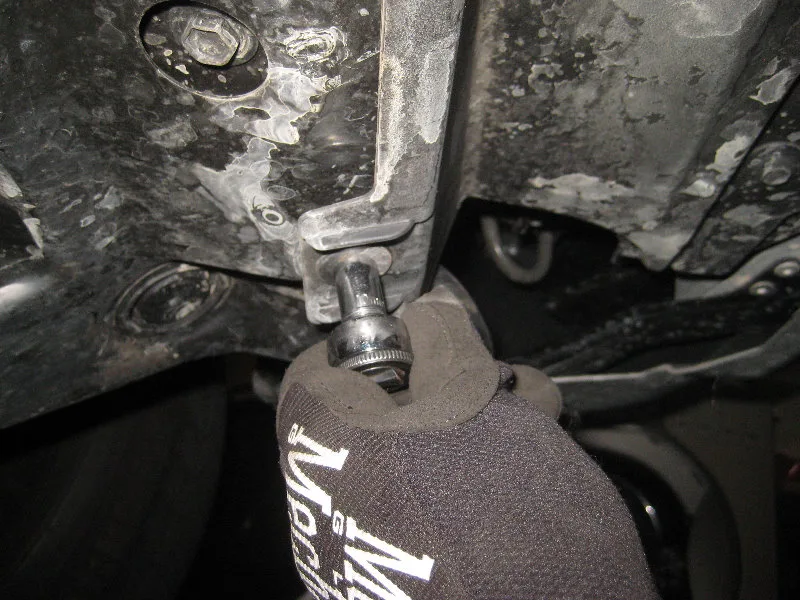
Image source: Web (Bing) / paulstravelpictures.com (Web image (fair-use with source credit))
When to Change: Mileage Intervals and Severe Service Conditions
Let's settle the interval debate once and for all.
Normal driving: 7,500 to 10,000 miles.
Toyota's official recommendation is 10,000 miles with synthetic 0W-20 under normal conditions. Many owners prefer 7,500 miles as a compromise. It's early enough to catch any issues and late enough to not waste oil.
The Toyota Camry oil type guide covers similar logic for that engine family, and the same thinking applies here.
Severe driving: 5,000 miles.
This is the safe bet for anyone who uses their 4Runner like a 4Runner. Off-road trips, towing, mountain passes, dusty trails. The oil gets contaminated faster.
It shears down from heat. Change it at 5,000 miles and don't second-guess it.
How to decide which category you're in.
Ask yourself three questions:
- Do I tow anything heavier than a small utility trailer?
- Do I drive on unpaved roads regularly?
- Do I take frequent trips under 5 miles in cold weather?
If you answered yes to any of them, you're in severe service. Change at 5,000 miles.
The Toyota Highlander oil type guide shows similar patterns for that platform. Lighter vehicles can stretch intervals more. The 4Runner is heavier and works harder.
Treat it accordingly.
High-Mileage and Towing: When to Adjust Your Oil Choice
Your 4Runner doesn't need special treatment just because it crossed 100,000 miles. But there are two scenarios where you should think about changing your oil strategy.
Towing heavy loads.
If you regularly tow a trailer that weighs 4,000 pounds or more, consider switching to 5W-30 during towing season. The thicker oil maintains film strength better under sustained high loads and high oil temperatures. The Toyota Tundra V6 oil type guide covers similar ground for that truck's engine.
The same logic applies to the 4Runner under load.
Switch back to 0W-20 in winter. The 4Runner's cold-start protection matters more in freezing temperatures than the extra film strength at operating temperature.
High mileage over 150,000 miles.
Some owners report that switching to a high-mileage formulation helps reduce minor oil consumption. The seal conditioners in high-mileage oil can soften dried-out valve stem seals. That can slow down the quarter-quart-per-thousand-mile consumption that becomes normal in high-mileage 1GR-FE engines.
But don't expect miracles. If your 4Runner is burning a quart every 1,000 miles, you have a mechanical issue, not an oil issue. High-mileage oil might buy you time, but it won't fix worn piston rings.
When to use a heavier weight.
At very high mileage, some owners jump to 5W-30 year-round. That's acceptable as long as you live in a warm climate. In freezing temperatures, 5W-30 is noticeably thicker on startup.
The timing chain tensioners don't like that. If you're in the northern states, stay with 0W-20 until summer.
Tools, Parts, and Estimated Costs for a DIY Oil Change
Let's talk money. A dealership oil change for a 2018 4Runner runs about $80 to $120. Doing it yourself costs roughly half that.
And you know exactly what went in.
Here's the budget breakdown as of 2026:
| Item | Cost | Notes |
|---|---|---|
| 6.6 quarts 0W-20 full synthetic | $35 to $50 | Brand depends on sales and availability |
| Toyota OEM oil filter kit | $10 to $15 | Includes filter, o-ring, and crush washer |
| Total DIY cost | $45 to $65 | One-time tool purchase not included |
If you don't already own the tools, you need:
- 24mm socket or cap wrench: $8 to $15
- 14mm socket: $5 to $8
- Torque wrench: $30 to $60 for a decent one
- Drain pan: $10 to $20
- Funnel: $3 to $5
That's about $60 in one-time tool costs. After the first change, you're saving $40 to $60 every time. The tools pay for themselves in two changes.
The Toyota filter kit is worth the extra dollar over generic store brands. The o-ring seal is consistent. The filter media has the right micron rating.
The bypass valve opens at the correct pressure. Aftermarket filters sometimes cut corners on that valve, and a stuck-closed bypass means unfiltered oil circulates through the engine.
Safety Warnings: Hot Oil, Jack Stands, and Proper Disposal
This section matters more than any other. Oil changes are routine. But routine tasks breed complacency, and complacency causes injuries.
Hot oil burns.
Drain the oil when the engine is warm, not hot. Warm means after a 2-minute idle or a short drive. Hot means after a 30-minute highway run.
Hot oil can exceed 200°F. That's hot enough to cause second-degree burns if it splashes on your skin. Let it cool for 15 minutes if you just got off the highway.
Jack stand safety.
Never get under the 4Runner supported only by a floor jack. Hydraulic jacks can fail. Use jack stands rated for at least 3 tons.
Place them under the frame rails, not the suspension components. The 4Runner weighs about 4,500 pounds. That's a lot of truck to drop on your leg.
If you use ramps, make sure they're rated for the weight. Drive up slowly and set the parking brake. Chock the rear wheels.
Crush washer replacement.
The drain plug crush washer is a one-time-use part. It deforms to create a seal. Reusing it increases the chance of a slow drip.
That drip can lead to low oil level over time. The Toyota filter kit includes a new washer. Use it.
Proper oil disposal.
Used motor oil is hazardous waste. It never goes in the trash, down the drain, or on the ground. One quart of oil can contaminate 250,000 gallons of water.
Most auto parts stores accept used oil for free. Advance Auto Parts, AutoZone, and O'Reilly all have collection tanks. Pour the used oil back into the empty bottles and drop them off.
Your local municipality might also have a hazardous waste collection site. Check their website. It's the law in most states.
Quick Reference Specs Table
Here's everything in one place for future oil changes. Bookmark this section.
| Specification | Value |
|---|---|
| Engine | 4.0L 1GR-FE V6 |
| Oil capacity (with filter change) | 6.6 quarts (6.2 liters) |
| Oil capacity (dry engine) | 6.9 quarts (6.5 liters) |
| Recommended viscosity | 0W-20 full synthetic |
| Acceptable alternative | 5W-30 for towing or high heat |
| API certification | SN or SP |
| ILSAC certification | GF-5 or GF-6 |
| Oil filter type | Cartridge (not spin-on) |
| Filter cap torque | 18 ft-lbs |
| Drain plug size | 14mm |
| Drain plug torque | 18 to 25 ft-lbs |
| Oil change interval (normal) | 7,500 to 10,000 miles |
| Oil change interval (severe) | 5,000 miles |
| Oil fill cap location | Front center of valve cover |
| Dipstick location | Front passenger side of engine |
When to Let a Shop Handle It
Some jobs are worth paying for. If any of these apply to you, consider letting a professional handle the oil change.
You have limited space or tools.
Not everyone has a driveway, jack stands, or a torque wrench. Apartment dwellers and city drivers often have nowhere to safely drain oil. A quick-lube shop or dealership is the practical choice.
You're dealing with a stripped drain plug.
If the previous owner or a shop overtightened the plug and damaged the threads, don't make it worse. A helicoil repair kit costs about $30, but the installation requires drilling and tapping. One mistake and you're replacing the oil pan.
A mechanic can helicoil it in 30 minutes with the right tools.
You're short on time.
An oil change takes 30 minutes once you're comfortable. But setup, cleanup, and disposal add another 20 minutes. If your hourly rate makes that a bad trade, pay the $80 and move on.
The oil filter housing is cracked.
The plastic cap cracks from overtightening or age. If it's leaking, replace it. But the part is dealer-only and costs about $40.
A mechanic can do the swap and the oil change in one trip.
For most 4Runner owners, the DIY path is rewarding. You know the right oil went in, the filter is fresh, and you saved money. But there's no shame in letting a pro handle it.
Just verify they use 0W-20 full synthetic and a new filter. Not all shops pay attention to the details.
Just verify they use 0W-20 full synthetic and a new filter. Not all shops pay attention to the details.
Frequently Asked Questions
Can I use conventional oil instead of synthetic in my 2018 4Runner?
You can, but it's not recommended. Conventional 0W-20 is hard to find, and it breaks down faster under the 4Runner's operating temperatures. Synthetic handles heat better and lasts longer.
The $10 savings per change isn't worth the reduced protection.
What happens if I put 5W-30 instead of 0W-20?
Nothing catastrophic in warm weather. The engine runs fine. In cold weather, 5W-30 is thicker at startup, which delays oil flow to the timing chain tensioners.
If you live where it freezes, stick with 0W-20. If you're in a hot climate and tow regularly, 5W-30 is acceptable.
How do I reset the oil maintenance light on a 2018 4Runner?
Turn the ignition to ON without starting the engine. Press the trip reset button until the odometer displays the trip A reading. Turn the ignition OFF.
Hold the trip reset button while turning the ignition back to ON. Continue holding until the maintenance light stops flashing and turns off.
Why does my dipstick show overfull after adding exactly 6.6 quarts?
Some oil remains in the engine from the previous change. Residual oil in the oil cooler and passages can add 0.2 to 0.4 quarts. Always add 6 quarts first, check the dipstick, then add the rest in small increments.
The dipstick never lies.
Is it normal for a 2018 4Runner to burn some oil between changes?
Yes. Toyota considers up to one quart per 1,000 miles acceptable for this engine. Most 4Runners burn less than that.
If you're losing more than a quart every 1,000 miles, check for external leaks and consider a compression test.
Can I switch between 0W-20 and 5W-30 at different oil changes?
Yes, as long as both meet API SN or SP certification. Toyota's manual lists both as acceptable. Just don't mix them in the same fill.
Drain the old oil completely before switching. And if you live in a cold climate, use 0W-20 in winter.