
If you own a Toyota with a continuously variable transmission, you might have noticed some odd behavior. Shuddering at low speeds. Hesitation when you hit the gas.
A whining sound that wasn't there before. Toyota cvt transmission problems are real, and they affect thousands of owners across multiple model years.
Our research shows that the most common CVT complaints cluster around the 2014 to 2018 model years. NHTSA records list over 1,000 complaints for the Corolla alone during that period. That's not a small number.
Let's look at why these transmissions fail and what you can do about it.
Quick Answer
Toyota CVT problems include shuddering, hesitation, and whining. These issues affect many models from 2014 to 2018. The root cause is often belt wear, fluid breakdown, or valve body failure.
Regular fluid changes can help. Severe cases need a rebuild or replacement.
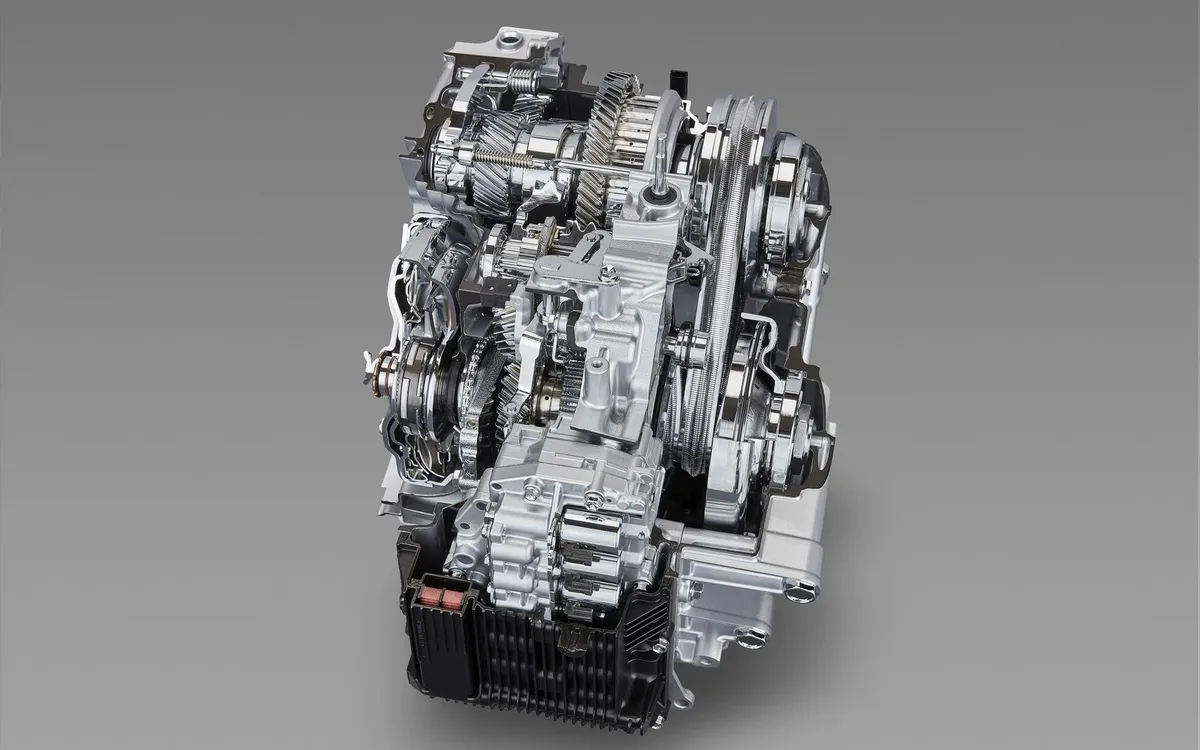
Image source: Web (Bing) / wemtoyota.com (Web image (fair-use with source credit))
Why Toyota CVT Problems Deserve Real Attention
Toyota built its reputation on bulletproof reliability. But its CVT line has been a different story. These transmissions were introduced to boost fuel economy, and they do that well.
But long-term durability has been a real concern.
The financial hit is significant. A full CVT replacement at a dealer runs between $3,500 and $5,000. That's a tough pill to swallow for a car that's still in decent shape otherwise.
Even a valve body repair can cost $800 to $1,200.
The safety angle matters too. A shuddering or hesitating transmission can affect your ability to merge into traffic or accelerate away from a dangerous situation. The NHTSA has received hundreds of complaints about sudden loss of power or delayed acceleration.
That's not something to ignore.
Toyota has issued several technical service bulletins (TSBs) addressing these issues. Some models even got extended warranty coverage. But not every owner knows about these programs.
And not every dealer proactively applies them.
The bottom line is this: the problem is widespread enough that it affects resale value. Used car buyers are starting to ask about CVT history before they buy. If you're planning to sell your Toyota down the road, a documented CVT issue can knock hundreds off the price.
How Toyota's CVT Actually Works (And Where It Goes Wrong)
A CVT doesn't use traditional gears. Instead, it relies on two pulleys connected by a steel push belt. One pulley connects to the engine.
The other connects to the wheels. The pulleys change diameter continuously, which creates an infinite range of gear ratios.
That's the magic of the design. No fixed gear steps. No shifting feel.
Just smooth, seamless acceleration. The engine stays in its peak power band more often, which is why CVTs get better fuel economy than traditional automatics.
Toyota uses several CVT families. The K311 and K313 are common in the Corolla. The K111 and K112 appear in the RAV4 and Camry.
The K120 handles the Highlander. Each has its own quirks, but they share the same basic architecture.
Here's where things go wrong:
Belt wear. The steel push belt rides between the pulleys under high pressure. Over time, the belt wears down. This creates metal particles that contaminate the fluid. The belt can also slip, which causes the shudder you feel at low speeds.
Pulley scoring. The pulleys are smooth metal surfaces. When the belt slips, it can gouge the pulleys. Once that happens, the transmission can't maintain proper grip. The damage is usually permanent.
Fluid breakdown. CVT fluid is under extreme heat and pressure. In hot climates or stop-and-go traffic, the fluid can degrade faster than expected. Toyota calls it a "lifetime" fluid. Many transmission specialists disagree. They recommend changes every 30,000 to 60,000 miles.
Valve body failure. The valve body controls hydraulic pressure inside the transmission. Sludge from degraded fluid can clog the tiny passages. This leads to delayed engagement, harsh shifting, or erratic behavior.
Overheating. CVTs generate more heat than traditional automatics. Without proper cooling, the transmission can overheat. This causes the fluid to break down faster and accelerates wear on every internal component.
The Direct Shift CVT, introduced in the 2020 Corolla and 2021 RAV4, adds a physical first gear. This helps with low-speed shudder and reduces stress on the belt. Early reports suggest it's more reliable, but it's still too new to have long-term data.
The Most Common Toyota CVT Complaints – Shudder, Hesitation, Whine
Owners report three main symptoms. Each points to a different root cause.
Shudder or judder. This is the number one complaint. You feel a vibration or shaking sensation at low speeds, typically between 15 and 30 mph. It often happens when you're lightly accelerating, like in stop-and-go traffic.
The most common cause is belt slip or pulley wear. In some cases, a software update from the dealer can reduce the shudder. But for many owners, it gets worse over time.
Hesitation on acceleration. You press the gas pedal and the car pauses before it moves. This can feel like a delay of one to two seconds. In some cases, the engine revs but the car doesn't accelerate.
This is often a valve body issue. The transmission can't build hydraulic pressure quickly enough to engage the belt. A fluid change might help if the problem is mild.
But if the valve body is truly clogged, it needs replacement.
Whining noise. A CVT makes some noise by design. But a loud, high-pitched whine that changes with speed is a red flag. It usually means the belt is wearing unevenly or the bearings inside the transmission are failing.
This sound often precedes a complete failure. If you hear it, don't wait.
Less common but still reported issues include:
Delayed engagement. You shift into Drive or Reverse and there's a two to three second pause before the car moves. This is often a hydraulic pressure issue.
Check Engine Light with transmission codes. Common codes include P0741 (torque converter clutch), P0841 (fluid pressure sensor), and P2714 (shift solenoid). These don't always mean the transmission is dead. But they do mean something is wrong.
Transmission slipping. The engine revs up but the car doesn't accelerate proportionally. This is a sign of severe belt wear or internal damage.
High-Risk Models and Years You Should Know About
Not every Toyota with a CVT has problems. But some model years are significantly more prone to issues than others. Our research, combined with NHTSA complaint data and owner reports, points to these high-risk vehicles.
Toyota Corolla (2014 to 2016). This is the most complained-about model. The K311 CVT in these cars has a high rate of shudder and hesitation. Toyota issued TSB T-SB-0001-16 for this issue.
Some owners got extended warranty coverage up to 10 years or 100,000 miles. Check your VIN with a dealer to see if you qualify.
Toyota RAV4 (2015 to 2018). The K111 CVT in these models also has a notable failure rate. Complaints include shuddering, whining, and complete transmission failure. The RAV4 is a heavier vehicle, which puts more stress on the CVT.
Towing or carrying heavy loads makes the problem worse.
Toyota Camry (2018 to 2019, 4-cylinder). The Camry's K112 CVT has a lower failure rate than the Corolla or RAV4. But it's not immune. Owners report hesitation and occasional shudder.
The Camry's CVT is paired with a more powerful engine, which can strain the belt under hard acceleration.
Toyota Highlander (2014 to 2019, 4-cylinder). The K120 CVT in the Highlander handles a heavier vehicle. Overheating and fluid breakdown are the main concerns. If you use your Highlander for towing, pay extra attention to transmission health.
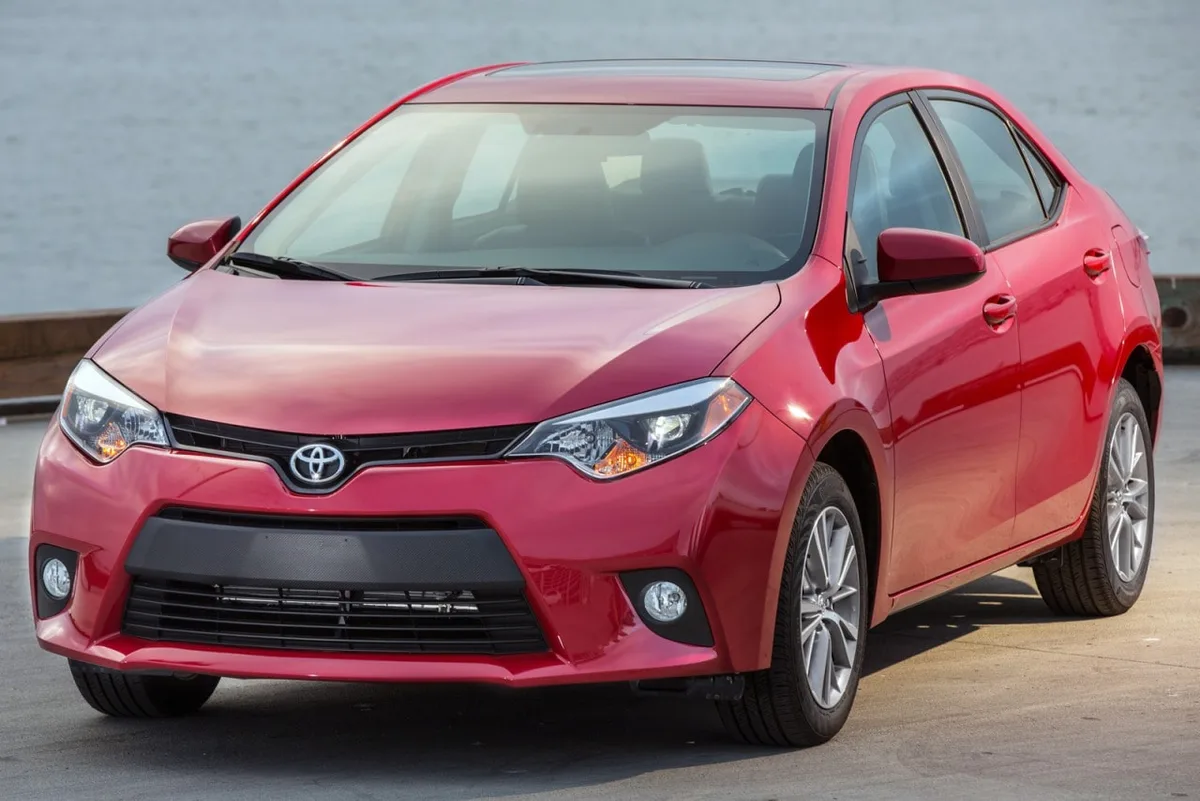
Image source: Bing (Web (fair-use with source credit))
Models considered lower risk. The 2020 and newer Corolla with the Direct Shift CVT has shown fewer issues so far. The 2021 and newer RAV4 with the same system also looks promising. And the eCVT used in Toyota hybrids (Prius, Camry Hybrid, RAV4 Hybrid) is a completely different design.
It uses a planetary gear system, not a belt and pulley. The eCVT is widely considered one of the most reliable transmissions Toyota makes.
If you're shopping for a used Toyota, knowing which years to avoid can save you thousands. The 2014 to 2016 Corolla and 2015 to 2018 RAV4 are the ones to watch out for.
How to Diagnose a CVT Problem at Home (Before You Go to a Shop)
You don't need a mechanic to spot the early warning signs. A few simple checks can tell you a lot about your transmission's health.
Step 1: Listen for unusual sounds. Start the car and let it idle. Put it in Drive and slowly accelerate from a stop. Listen for whining, grinding, or a sound like a slipping belt.
If you hear anything out of the ordinary, make a note of when it happens.
Step 2: Feel for shudder. Find a quiet road and accelerate gently from 0 to 40 mph. Pay attention to the steering wheel, floorboard, and seat. A vibration or shaking between 15 and 30 mph is a classic sign of belt or pulley wear.
Step 3: Check for hesitation. Stop on a level surface. Press the gas pedal firmly and see how quickly the car responds. A delay of more than one second is worth investigating.
Try this from a full stop and from a rolling start at 10 mph.
Step 4: Look for leaks. Park the car on a clean surface overnight. Check for red or brown fluid spots under the front of the car. CVT fluid is usually red when fresh and turns brown as it degrades.
A leak means low fluid level, which accelerates wear.
Step 5: Check the fluid condition. Many Toyota CVTs don't have a dipstick, which makes this harder. But if you can access the overflow plug, a small amount of fluid can tell you a lot. Fresh fluid is clear red.
Burnt fluid is dark brown and smells like burnt toast. Contaminated fluid may look cloudy or have metal particles.
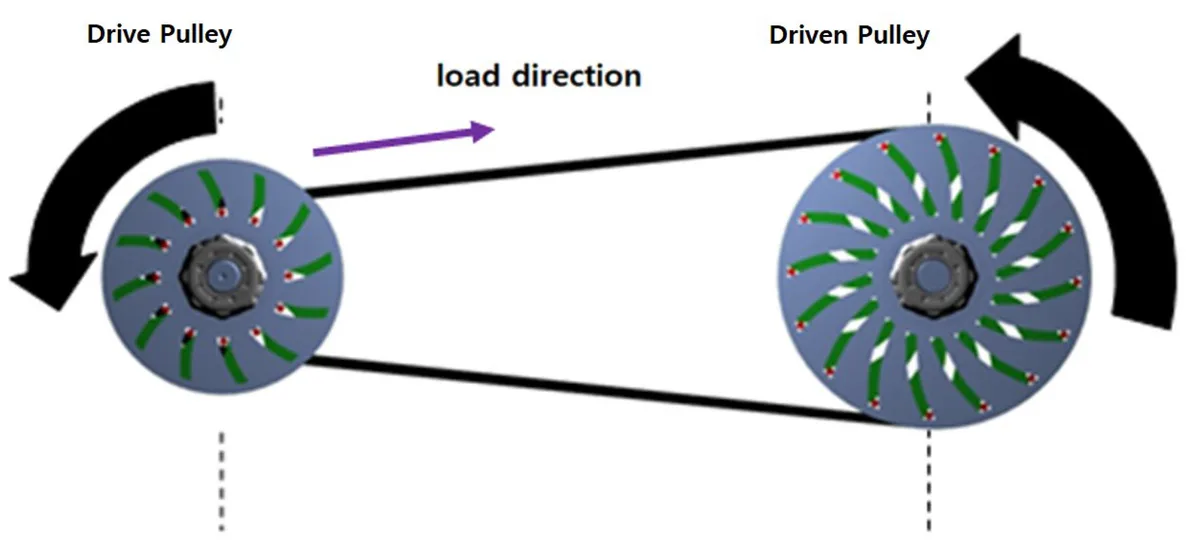
Image source: Web (Bing) / mdpi.com (Web image (fair-use with source credit))
Step 6: Scan for codes. A basic OBD-II scanner can read transmission codes. Common codes include P0741, P0841, P2714, P2804, and P2820. Not every code means the transmission is failing.
But it gives you a starting point for diagnosis.
Step 7: Test drive in different conditions. Drive in stop-and-go traffic. Drive on the highway. Drive uphill.
Each scenario stresses the CVT differently. A problem that only appears when the transmission is hot is often a fluid issue. A problem that appears immediately is more likely mechanical.
If you notice any of these symptoms, don't ignore them. Early intervention can save you money. A fluid change at the first sign of shudder might prevent a full rebuild.
Waiting until the transmission fails completely means a much bigger bill.
When It's a Fluid Issue – And When It's Something Worse
Not every CVT problem means your transmission is dying. Fluid issues are common and often fixable. Mechanical issues are not.
Fluid-related problems. Low fluid level causes hesitation and delayed engagement. Burnt fluid causes shudder and whining. Contaminated fluid causes erratic behavior.
These are all fixable with a drain and fill. If the fluid is dark brown or smells burnt, replace it immediately. In many cases, fresh fluid resolves mild shudder.
Mechanical problems. If the belt is worn or the pulleys are scored, fluid won't help. The damage is physical. Symptoms include persistent shudder that gets worse over time, loud whining regardless of fluid condition, and metal particles in the old fluid.
If you see glitter in the fluid, internal wear is already happening.
The test. Do a fluid change first. If symptoms disappear or improve significantly, you caught it early. If symptoms remain the same, the damage is mechanical.
At that point, a rebuild or replacement is the only real fix.
The risk of waiting. Driving with low or degraded fluid accelerates wear on every internal component. A $200 fluid change can prevent a $4,000 replacement. Don't delay.
The Real Cost of Repairs: Fluid Change vs. Rebuild vs. Replacement
Cost is the biggest factor in deciding what to do. Here is a breakdown of what each option runs in 2025.
| Repair Type | Cost Range | What It Includes |
|---|---|---|
| Fluid change (drain and fill) | $150 to $300 | New fluid, no filter change on most models |
| Valve body replacement | $800 to $1,200 | New valve body, fluid, labor |
| Rebuild | $2,000 to $3,500 | Remanufactured belt, pulleys, seals, fluid |
| New OEM replacement | $3,500 to $5,000 | Factory transmission, full labor |
| Used salvage yard unit | $1,500 to $2,500 | Used transmission, labor, no warranty typically |
Fluid change is the only cheap option. It works if you catch the problem early. Many owners report that a fluid change at 40,000 to 60,000 miles prevents issues entirely.
Valve body replacement is a middle ground. If the transmission shifts erratically but the fluid is clean, the valve body is often the culprit. This is cheaper than a full rebuild and can buy you years of reliable service.
Rebuild vs. replacement. A rebuild is only worth it if the transmission case and pump are in good condition. If the belt has damaged the case, a rebuild is a waste of money. A new OEM transmission comes with a warranty.
A used unit is a gamble.
The math. If your car is worth $8,000 to $10,000, a $4,000 replacement might not make sense. In that case, a used unit or selling the car as-is could be the better move.
Common Mistakes That Make CVT Problems Worse
The biggest mistake is doing nothing. Ignoring shudder or hesitation doesn't make it go away. It makes the damage worse.
Using the wrong fluid. Toyota CVT fluid is not the same as universal CVT fluid. Using the wrong type can cause immediate damage. The K311 and K313 use Toyota CVT Fluid TC.
Newer models use CVT Fluid FE. Check your owner's manual or the transmission label.
Doing a power flush. A machine flush can dislodge debris and push it into small passages. This can kill a transmission that was only mildly sick. Always do a drain and fill instead.
Partial changes are safer.
Ignoring the cooling system. CVTs run hot. If your radiator or transmission cooler is clogged, the transmission overheats faster. Overheating accelerates fluid breakdown.
Make sure the cooling system is in good shape.
Towing beyond the limit. Toyota CVT vehicles have low towing capacities. The Corolla is rated at 1,500 pounds. The RAV4 is similar.
Exceeding that puts extreme stress on the belt and pulleys.
Resetting adaptive learning without a fix. Some owners pull the battery cable to clear the transmission's learned behavior. This can mask symptoms temporarily. But the underlying problem remains.
It's a band-aid, not a solution.
Which Toyota CVT Models Are Actually Reliable? (Years to Trust)
Not all Toyota CVTs are bad. Some are genuinely reliable. The key is knowing which ones to trust.
The eCVT (hybrid models). This is the gold standard. The Toyota hybrid system uses a planetary gear set, not a belt and pulley. There is no belt to wear out.
No pulleys to score. The eCVT routinely goes 200,000 miles with basic maintenance. If you want a worry-free Toyota, get a hybrid.
The Direct Shift CVT (2020+ Corolla, 2021+ RAV4). This design adds a physical first gear. It eliminates low-speed shudder because the car uses the gear instead of the belt at low speeds. Early data suggests better reliability than the older CVT.
But it's still a belt design for higher gears. Long-term data is still being collected.
The older K311 and K313 (2014 to 2018). These are the most problematic. The K311 in the Corolla has the highest complaint rate. The K313, used in some later models, is slightly better but still prone to shudder.
The K111 and K112 (RAV4 and Camry). These have a moderate failure rate. The RAV4's heavier weight puts more stress on the transmission. The Camry's version is somewhat more reliable but not bulletproof.
The K120 (Highlander). This is the most stressed CVT in Toyota's lineup. The Highlander is heavy, and many owners tow with it. Overheating is the main concern.
Regular fluid changes are essential.
Toyota CVT vs. Traditional Automatic vs. eCVT – What's the Better Choice?
If you're shopping for a used Toyota, this comparison matters. Each transmission type has different strengths and weaknesses.
| Transmission Type | Fuel Economy | Reliability | Repair Cost | Best For |
|---|---|---|---|---|
| Traditional automatic | Good | Excellent | Moderate | Long-term ownership, towing |
| CVT (belt type) | Excellent | Fair to good | High | Fuel economy focused buyers |
| eCVT (hybrid) | Excellent | Excellent | Low | Maximum reliability, city driving |
Traditional automatic. Toyota's 6-speed and 8-speed automatics are proven. They shift smoothly and last 200,000 miles with regular fluid changes. Repair costs are lower than a CVT.
The trade-off is slightly lower fuel economy. If you plan to keep the car for 10 years or more, this is the safer bet.
Belt type CVT. The fuel economy advantage is real. You get 35 to 40 mpg in a Corolla. But the long-term reliability is not up to Toyota's usual standard.
If you buy a CVT equipped vehicle, budget for a fluid change every 30,000 to 60,000 miles. Accept that the transmission may need work before 150,000 miles.
eCVT (hybrid). This is the best of both worlds. Excellent fuel economy, excellent reliability, and low maintenance. The Prius and Camry Hybrid routinely go 200,000 miles without transmission issues.
The eCVT has fewer moving parts than any automatic or CVT. If reliability is your top priority, this is the choice.
Our recommendation. If you need a Toyota with a CVT, buy a hybrid or a 2020+ model with the Direct Shift CVT. If you're looking at older models, the traditional automatic is a safer bet. The fuel economy difference is small compared to the cost of a CVT replacement.
What to Do If Your CVT Fails: Your Repair Options, Ranked
Option 1: Fluid change. If the transmission still drives but shudders, try a drain and fill. This costs $150 to $300. It works about 30% of the time for mild shudder.
Option 2: Valve body replacement. If the fluid is clean but shifting is erratic, the valve body is likely the issue. This costs $800 to $1,200. It's a solid middle ground.
Option 3: Used transmission. If the unit is completely dead, find a salvage yard CVT with under 60,000 miles. Expect to pay $1,500 to $2,500 installed. No warranty.
Option 4: New OEM replacement. This is the most reliable fix. It costs $3,500 to $5,000. Comes with a factory warranty.
Best for newer or high-value vehicles.
Option 5: Sell the car. If the repair cost exceeds the car's value, sell it as a mechanic's special. List the transmission issue honestly.
Safety Risks and Recalls You Can't Ignore
A failing CVT is a safety hazard. Sudden loss of power on the highway can cause an accident. Delayed acceleration at an intersection is dangerous.
Check your VIN at the NHTSA website for open recalls. Some 2019 and 2020 RAV4 models had CVT pump recalls. The 2014 to 2016 Corolla has a TSB for shudder that may qualify for extended warranty coverage.
If your transmission shudders or hesitates, avoid highway driving until it's diagnosed. The risk of complete failure is real.
Maintenance That Actually Extends CVT Life (What Toyota Won't Tell You)
Toyota calls the CVT fluid "lifetime." Transmission specialists disagree. Change the fluid every 30,000 to 60,000 miles. This is the single most important thing you can do.
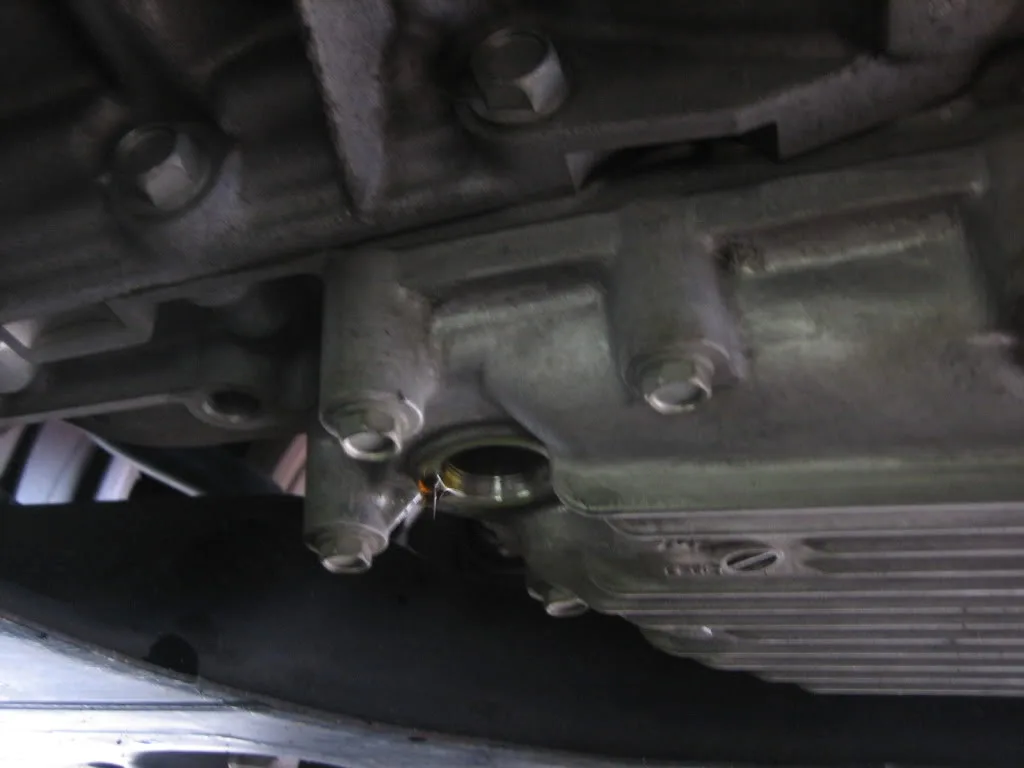
Image source: Bing (Web (fair-use with source credit))
Use only Toyota CVT Fluid TC or FE. Do not use universal CVT fluid. Check your owner's manual for the correct type.
Install an aftermarket transmission cooler if you tow or live in a hot climate. The cooler reduces fluid temperature and extends transmission life.
Avoid aggressive driving. Hard acceleration puts more stress on the belt and pulleys. Gentle throttle inputs reduce wear.
Frequently Asked Questions About Toyota CVT Problems
How long do Toyota CVTs last?
With regular fluid changes every 30,000 to 60,000 miles, many CVTs reach 150,000 miles. Without maintenance, failure is common before 100,000 miles.
Is it worth replacing a Toyota CVT?
It depends on the car's value. If the car is worth more than $8,000, a replacement makes sense. If it's an older model, a used transmission or selling the car may be better.
Can a Toyota CVT be repaired?
Yes. Valve body replacement, belt replacement, and fluid changes are all possible. Full rebuilds are less common because the cost approaches that of a new unit.
Does Toyota have a CVT recall?
There are no widespread recalls. But some models have TSBs with extended warranty coverage. Check your VIN with a Toyota dealer or the NHTSA website.
What is the best Toyota CVT fluid?
Use Toyota CVT Fluid TC for older models (K311, K313) and Toyota CVT Fluid FE for newer models. Never use generic CVT fluid.
How much does a Toyota CVT fluid change cost?
A drain and fill costs $150 to $300 at a shop. DIY cost is about $60 to $80 for the fluid. No special tools are required for most models.
Final Verdict: Should You Buy, Fix, or Walk Away?
If you already own a Toyota with a CVT, maintain it diligently. Change the fluid on schedule. If problems arise, catch them early.
A $200 fluid change can save you $4,000.
If you're shopping for a used Toyota, the safest bet is a hybrid with an eCVT or a model with a traditional automatic. The 2014 to 2016 Corolla and 2015 to 2018 RAV4 are the highest risk years. The 2020 and newer Direct Shift CVT models look promising but lack long-term data.
If you're facing a repair, run the numbers. Compare the cost to the car's value. If the math doesn't work, walk away.
There are plenty of reliable Toyotas out there.