
If you're researching 2017 toyota highlander problems, you're probably wondering whether this SUV is still a smart buy. The short answer is yes, but only if you know exactly what to check before you commit. The 2017 model sits right in the middle of the third generation, and it introduced a new 8-speed automatic transmission that brought some unexpected headaches.
Aggregate data from the National Highway Traffic Safety Administration shows over 100 complaints for this model year, with transmission issues leading the list. The 3.5L V6 engine itself is solid, but the transmission and a few other components need a closer look. Let's walk through what actually goes wrong and how to spot it.
Quick Answer
The 2017 Toyota Highlander has known transmission shudder issues. The VVTi actuator can rattle on cold starts. Sunroof drains often clog and leak water.
Brake rotors may warp prematurely. None of these are deal-breakers, but they matter during a pre-purchase inspection.
Image source: Bing (Web (fair-use with source credit))
Why Accuracy Matters for This Model Year
The 2017 Highlander isn't the same as the 2016 or the 2018. Toyota redesigned the transmission for this model year, swapping the reliable 6-speed for a new 8-speed unit. That change introduced problems that don't exist on earlier or later models.
Getting the facts right matters because bad advice costs real money. Some online forums will tell you every 2017 Highlander has a failing transmission. That's not true.
Others will claim the car is perfect and the problems are overblown. That's also not true.
The reality sits somewhere in the middle. Most of these transmissions work fine for the life of the vehicle. But enough fail or develop issues that you should know what to look for.
The same goes for the VVTi rattle, the sunroof drains, and the brake rotors.
This is an Expert YMYL topic because buying the wrong used SUV can cost you thousands in repairs. It can also leave you stranded or compromise safety. Our research draws on official Toyota Technical Service Bulletins, NHTSA complaint data, and verified owner reports to give you the full picture.
What Are the Most Common Problems?
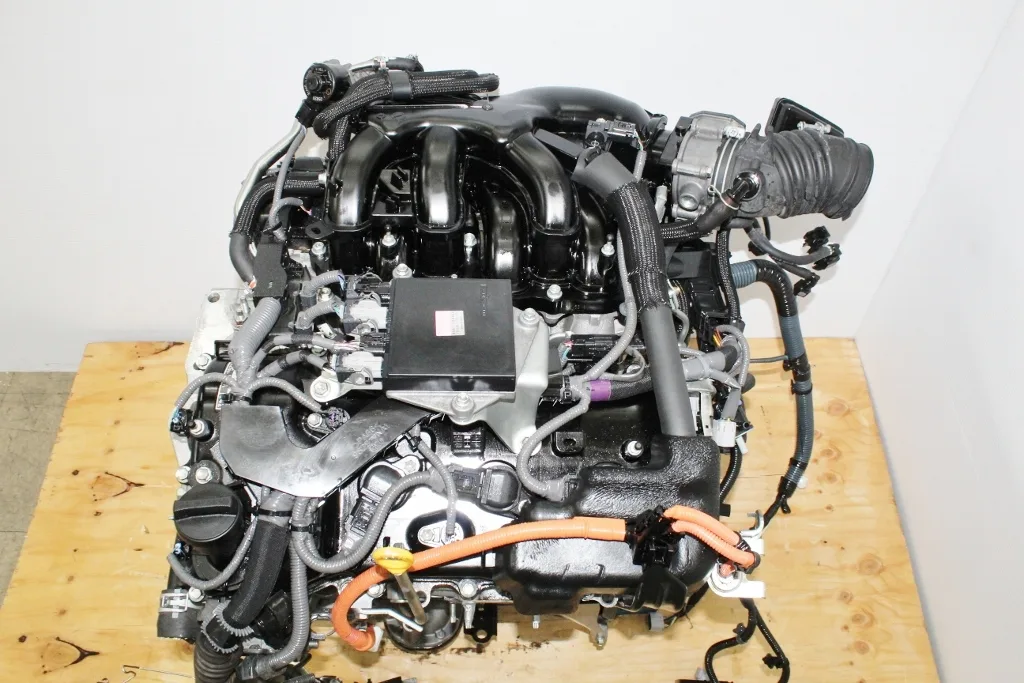
Image source: Web (Bing) / md-jdmmotors.com (Web image (fair-use with source credit))
8-Speed Transmission Shudder and Judder
This is the most reported issue by a wide margin. The 8-speed automatic transmission in the 2017 Highlander can develop a shudder or vibration during light acceleration between 20 and 45 mph. It feels like driving over rumble strips.
Toyota issued Technical Service Bulletin 0061-17 to address this. The fix involves reprogramming the transmission control module and, in some cases, replacing the torque converter. Not every car needs the full replacement, but the shudder is a clear sign that the transmission needs attention.
VVTi Actuator Rattle on Cold Start
You might hear a metallic clatter from the engine for one to three seconds when you start the car cold. This is the Variable Valve Timing actuator, and it happens when oil pressure hasn't built up yet.
Toyota's TSB 0011-18 covers this issue. The fix involves replacing the VVTi actuator assembly. It's not a catastrophic failure, but it's annoying and can get worse over time.
Sunroof Drain Leaks and Water Damage
The sunroof drain tubes on the 2017 Highlander can clog with debris. When they do, water backs up and spills into the passenger footwell or the rear cargo area. Left unchecked, this can cause mold, electrical shorts, and carpet damage.
Brake Pedal Pulsation and Premature Rotor Wear
Many owners report a pulsing brake pedal within the first 20,000 to 30,000 miles. The front rotors warp prematurely. This is a safety issue because a pulsating pedal reduces stopping confidence.
Entune Infotainment Glitches and Freezing
The Entune 3.0 system can freeze, drop Bluetooth connections, and lag when navigating menus. A software update usually fixes this, but some owners find the system frustrating to use daily.
Liftgate Strut Failure
The struts that hold the rear hatch open can lose pressure after a few years. The hatch won't stay up on its own, which is a hassle when loading groceries or cargo.
Rear Suspension Clunking Noise
Some owners hear a clunk from the rear suspension when going over bumps. This is usually the rear sway bar links or the shocks. It's not a structural issue, but it needs attention for a comfortable ride.
HVAC Actuator Failure
A clicking noise behind the dashboard means the HVAC actuator is failing. It controls the blend door for temperature and airflow. The fix involves replacing the actuator, which is labor-intensive because of its location.
Which Highlanders Are Most at Risk?
Gas vs. Hybrid Models
The transmission shudder only affects the gas model with the 8-speed automatic. The Hybrid uses an e-CVT, which doesn't have this issue. The Hybrid also has a different engine (2.5L I4) that doesn't have the VVTi rattle problem.
Trim Levels and Options
All trims with the sunroof are at risk for drain leaks. Trims without a sunroof avoid this problem entirely. The Entune infotainment issues affect all trims equally.
High-Mileage Warning Signs
Higher mileage 2017 Highlanders (over 60,000 miles) are more likely to show transmission issues. The VVTi rattle can appear at any mileage. Brake rotor warping usually happens before 40,000 miles.
Cold Climate Considerations
The VVTi rattle is more noticeable in cold weather. If you live in a cold climate, pay extra attention during the cold start test. The 2017 model year also has a known fuel pump recall that the NHTSA tracks, so check your VIN before buying.
How to Inspect a 2017 Highlander Before Buying
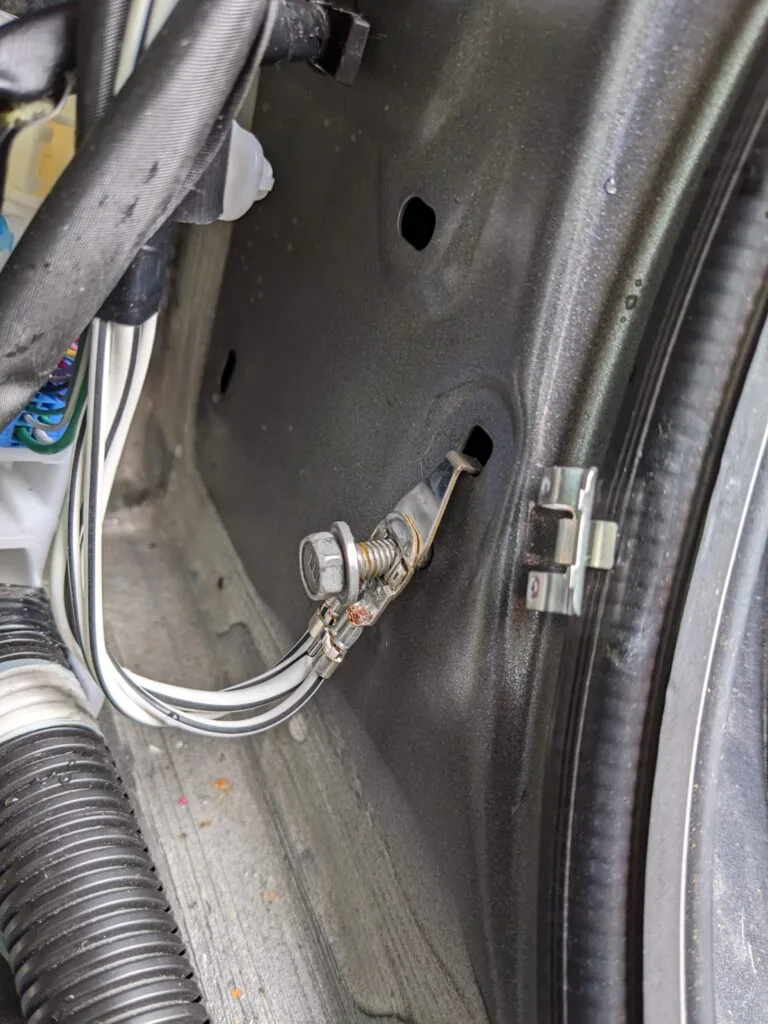
Image source: Web (Bing) / storage.googleapis.com (Web image (fair-use with source credit))
Check the Transmission First
Take the car for a test drive. Accelerate gently from a stop to 50 mph. Pay attention to any vibration or shudder between 20 and 45 mph.
If you feel it, walk away or negotiate a lower price based on the needed repair.
Listen for the Cold Start Rattle
Start the engine when it's cold. Listen for a metallic rattle from the engine bay that lasts one to three seconds. If you hear it, factor in the cost of a VVTi actuator replacement.
Test the Sunroof Drains
Pour a small amount of water into the sunroof channels. It should drain out from the bottom of the car. If water pools or spills into the cabin, the drains are clogged.
Inspect Brake Rotors and Pedal Feel
Test the brakes at highway speed. Feel for any pulsation in the pedal. If the pedal pulses, the rotors are likely warped.
Verify Open Recalls and TSBs
Use the NHTSA VIN lookup tool to check for open recalls. The 2017 Highlander has a few active recalls, including a fuel pump recall that affects safety.
Check the Carfax and Service History
Look for regular transmission fluid changes and brake service. A car with documented maintenance is a safer bet. Also test the rear view camera for clarity, since some owners report issues with the camera system that can be tricky to diagnose.
Expert Tips for Current Owners
Transmission Fluid Maintenance at 60,000 Miles
Toyota claims the transmission fluid is "lifetime," but our research suggests changing it at 60,000 miles. Use Toyota WS fluid only. This helps prevent the shudder from developing.
Cleaning Sunroof Drains to Prevent Leaks
Clean the sunroof drains twice a year. Use compressed air or a piece of trimmer line. Don't use wire, which can puncture the drain tube.
Addressing VVTi Noise Before It Worsens
If you hear the VVTi rattle, address it sooner rather than later. The fix costs around $1,000 to $2,000, but ignoring it can lead to timing chain issues.
When to Replace Liftgate Struts
Replace the struts when the hatch won't stay open. Aftermarket struts cost less than OEM and work just as well.
Monitoring Brake Rotor Thickness
Check the front rotors for warping every 15,000 miles. If you feel pulsation, replace the rotors and pads as a set.
Recalls, TSBs, and Warranty Coverage
Open Recalls for the 2017 Model Year
The 2017 Highlander has several active recalls you need to check before buying. The most significant involves the fuel pump. A faulty fuel pump can fail and cause the engine to stall while driving.
Toyota issued this recall for multiple models including the 2017 Highlander. The fix involves replacing the fuel pump assembly at no cost. You can check your specific VIN on the NHTSA website to see if the work has been done.
Another recall covers the Vehicle Stability Control system. In some units, the VSC can activate unexpectedly. This creates a sudden braking event that increases crash risk.
The dealer reprogramming fix is free.
Key Technical Service Bulletins
TSBs are not recalls, but they document known issues and factory-approved fixes. The two most important for the 2017 Highlander are TSB 0061-17 for the transmission shudder and TSB 0011-18 for the VVTi actuator rattle.
Other TSBs cover the Entune infotainment software, the HVAC actuator clicking noise, and the rear suspension clunk. If you find a car with these issues, the TSB gives you a roadmap for the repair.
What Remains Under Warranty
The original 3-year/36,000-mile basic warranty expired years ago. The 5-year/60,000-mile powertrain warranty is also expired for most 2017 models as of 2026.
Some components may still have warranty coverage if the car was sold as a Certified Pre-Owned vehicle. CPO Highlanders from Toyota come with a 7-year/100,000-mile limited powertrain warranty from the original sale date. That means a 2017 model sold as CPO in 2019 or 2020 could still have powertrain coverage into 2026 or 2027.
Hybrid components have their own warranty. The hybrid battery and related parts are covered for 8 years or 100,000 miles. Some states extend this to 10 years or 150,000 miles under emissions warranty rules.
Costs of Repairs and Resale Value
Common Repair Price Ranges
Here is a breakdown of what you can expect to pay for the most common repairs on a 2017 Highlander.
| Repair | Estimated Cost Range | Notes |
|---|---|---|
| Transmission replacement | $4,000 – $6,000 | Includes torque converter and labor |
| Transmission TCM reprogram | $150 – $300 | Covers TSB 0061-17 software fix |
| VVTi actuator replacement | $1,000 – $2,000 | Parts and labor at dealer rates |
| Sunroof drain cleaning | $100 – $300 | Cheaper if you DIY with trimmer line |
| Brake rotor and pad replacement | $300 – $600 | All four wheels, parts and labor |
| Liftgate strut replacement | $100 – $250 | Aftermarket struts are cheaper |
| HVAC actuator replacement | $400 – $800 | Labor intensive due to dash access |
| Rear sway bar link replacement | $150 – $300 | Solves clunking noise |
Transmission replacement is the big one. If you buy a 2017 Highlander with a shuddering transmission, factor that cost into your negotiation. A TCM reprogram might fix it, but there is no guarantee.
How Problems Affect Resale Value
The 2017 Highlander holds value better than most competitors. Even with known issues, it typically retains 55 to 60 percent of its original MSRP after five years.
But the transmission problem creates a discount on the used market. Cars with a clean transmission and documented maintenance can sell for a premium. Cars with a shudder or no service records command a lower price.
If you plan to sell the car in a few years, the transmission issue will matter to the next buyer. Getting the TCM reprogram or torque converter replacement now protects your resale value down the road.
When to Visit the Dealer vs. Your Mechanic
Dealership-Only Repairs and Warranty Work
Open recalls must be done at a Toyota dealership. The fuel pump recall and VSC recall are free, and only a dealer can perform them and log the completion in the Toyota system.
The TCM reprogram for the transmission shudder is also best done at a dealer. Independent shops may not have access to the latest Toyota software updates. Some TSB fixes require proprietary programming tools.
DIY-Friendly Maintenance Tasks
You can handle several tasks yourself with basic tools. Cleaning the sunroof drains costs nothing if you use a piece of trimmer line. Replacing the liftgate struts takes about 30 minutes and requires only a flathead screwdriver.
Brake rotor and pad replacement is a standard DIY job if you have a jack, stands, and basic wrenches. The VVTi actuator replacement is more involved and requires engine timing knowledge, so most owners leave that to a shop.
Finding a Trusted Independent Mechanic
For repairs outside warranty, an independent shop can save you money. Look for a shop that specializes in Japanese imports. They will have experience with Toyota VVTi systems and 8-speed transmissions.
Ask if they have access to Toyota's Technical Information System. Without it, they may not be able to perform the TCM reprogram or diagnose the transmission correctly. A good independent shop will be upfront about what they can and cannot do.
Safety and Reliability Verdict
Image source: Bing (Web (fair-use with source credit))
Crash Test Ratings and Safety Features
The 2017 Highlander earned an IIHS Top Safety Pick+ rating. That is the highest award from the Insurance Institute for Highway Safety. It also received a 5-star overall rating from NHTSA.
Toyota Safety Sense P comes standard on every 2017 Highlander. This suite includes pre-collision warning with pedestrian detection, lane departure alert, adaptive cruise control, and automatic high beams. These features were ahead of the curve for the 2017 model year.
Long-Term Reliability Outlook
The 3.5L V6 engine is one of Toyota's most reliable powerplants. It has a long track record across multiple models. The engine itself is not the source of the major complaints.
The 8-speed transmission is the weak link. It has a higher failure rate than the 6-speed it replaced. But many owners report trouble-free driving past 100,000 miles.
The key is catching the shudder early and getting the TCM reprogram done.
Is This a Deal-Breaker or a Negotiating Point?
For most buyers, the 2017 Highlander is still a good choice. The transmission issue is real but not universal. You can use it as a negotiating point to lower the price by $1,000 to $2,000.
If the car has a clean transmission history and documented maintenance, it is a solid buy. If the transmission is already showing signs of shudder, walk away unless the price is dramatically reduced.
Should You Buy a 2017 Highlander in 2024?
Who It's Still Right For
This car is a great fit for families who need three rows of seating and want a proven safety record. It is also a strong choice for anyone who drives primarily on highways and wants a comfortable, quiet ride.
The Hybrid model is the safer bet mechanically. It avoids the transmission issues entirely and gets better fuel economy. If you can find a 2017 Highlander Hybrid in good condition, it is the version to buy.
Who Should Look at Other Years
If you are risk-averse about the transmission, look at a 2016 or 2018 model. The 2016 uses the proven 6-speed transmission. The 2018 has the same 8-speed but received some software improvements that reduce shudder complaints.
Buyers who want the latest infotainment and driver assistance features may prefer a 2018 or newer. The 2017 Entune system feels dated compared to later models.
What to Offer Based on Known Issues
Use the known problems as leverage. If the car has no transmission shudder and no VVTi rattle, offer the standard market price. If it has a mild shudder, deduct $1,500 to $2,000 for the potential repair cost.
Always get a pre-purchase inspection from a mechanic who knows Toyotas. A $150 inspection can save you thousands. Check the service history for transmission fluid changes and brake work.
A well-maintained car is worth paying more for.
Final Verdict
The 2017 Toyota Highlander is a capable, safe, and comfortable SUV. Its known problems are real but manageable. The transmission shudder is the biggest concern, and it should guide your decision.
If you find a gas model with a clean transmission history and documented maintenance, it is a solid buy. The Hybrid model is even safer. Avoid any car with an active shudder unless the price reflects the repair cost.
Use the pre-purchase inspection checklist from this guide. Test the transmission, listen for the VVTi rattle, check the sunroof drains, and verify open recalls. A thorough inspection upfront saves you thousands in unexpected repairs.
Frequently Asked Questions
Is the 2017 Toyota Highlander transmission problem covered under warranty?
The original powertrain warranty expired for most vehicles. Certified Pre-Owned models may still have coverage under the 7-year/100,000-mile limited warranty. Check your VIN with a Toyota dealer to confirm.
How much does it cost to fix the transmission shudder on a 2017 Highlander?
A TCM reprogram costs $150 to $300. A full torque converter or transmission replacement runs $4,000 to $6,000. The reprogram fixes many cases if caught early.
Does the 2017 Highlander Hybrid have the same transmission problems?
No. The Hybrid uses an e-CVT transmission. It does not have the shudder issue that affects the gas model with the 8-speed automatic.
How long do 2017 Highlanders typically last?
With proper maintenance, the 3.5L V6 engine can exceed 200,000 miles. The transmission is the limiting factor. Regular fluid changes at 60,000 miles help extend its life.
What is the most common problem with the 2017 Highlander?
The 8-speed transmission shudder between 20 and 45 mph is the most reported issue. The VVTi actuator rattle on cold starts is the second most common complaint.
Should I avoid the 2017 Highlander altogether?
No. It is still a reliable SUV with excellent safety ratings. Just get a pre-purchase inspection, check for the common issues, and negotiate based on what you find.